
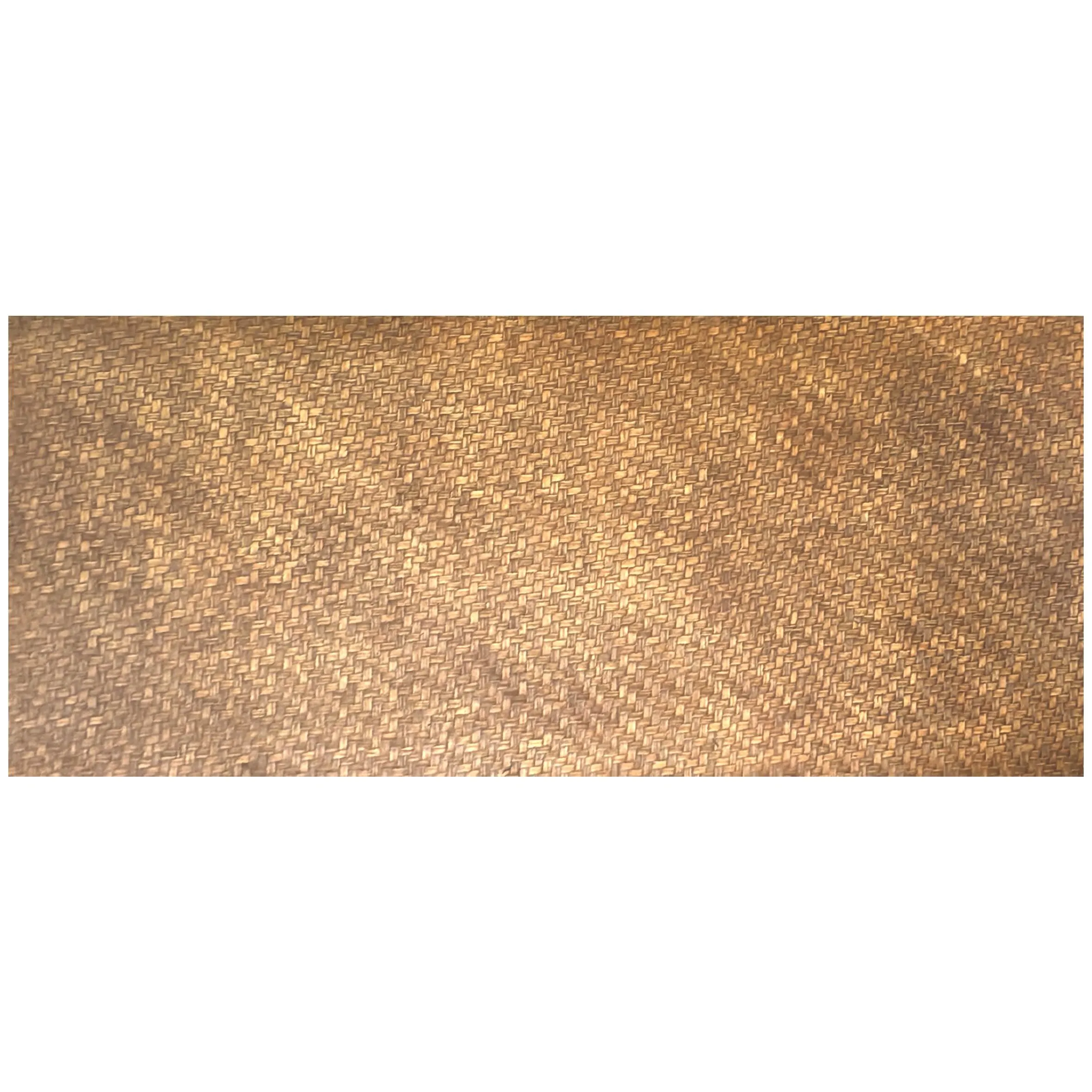
Walk into a thoughtfully designed space, and you'll notice something beyond just walls and surfaces—you'll feel it. It's the way materials interact, the warmth of natural textures against the crispness of engineered precision, the quiet confidence of choices that prioritize both beauty and purpose. In the world of interior and exterior design, two materials have been quietly stealing the spotlight for their ability to do just that: bamboo mat board and MCM flexible stone. Individually, they're powerhouses of style and function; together, they're a match made in design heaven. Let's dive into how these two materials work in harmony, turning ordinary spaces into stories.
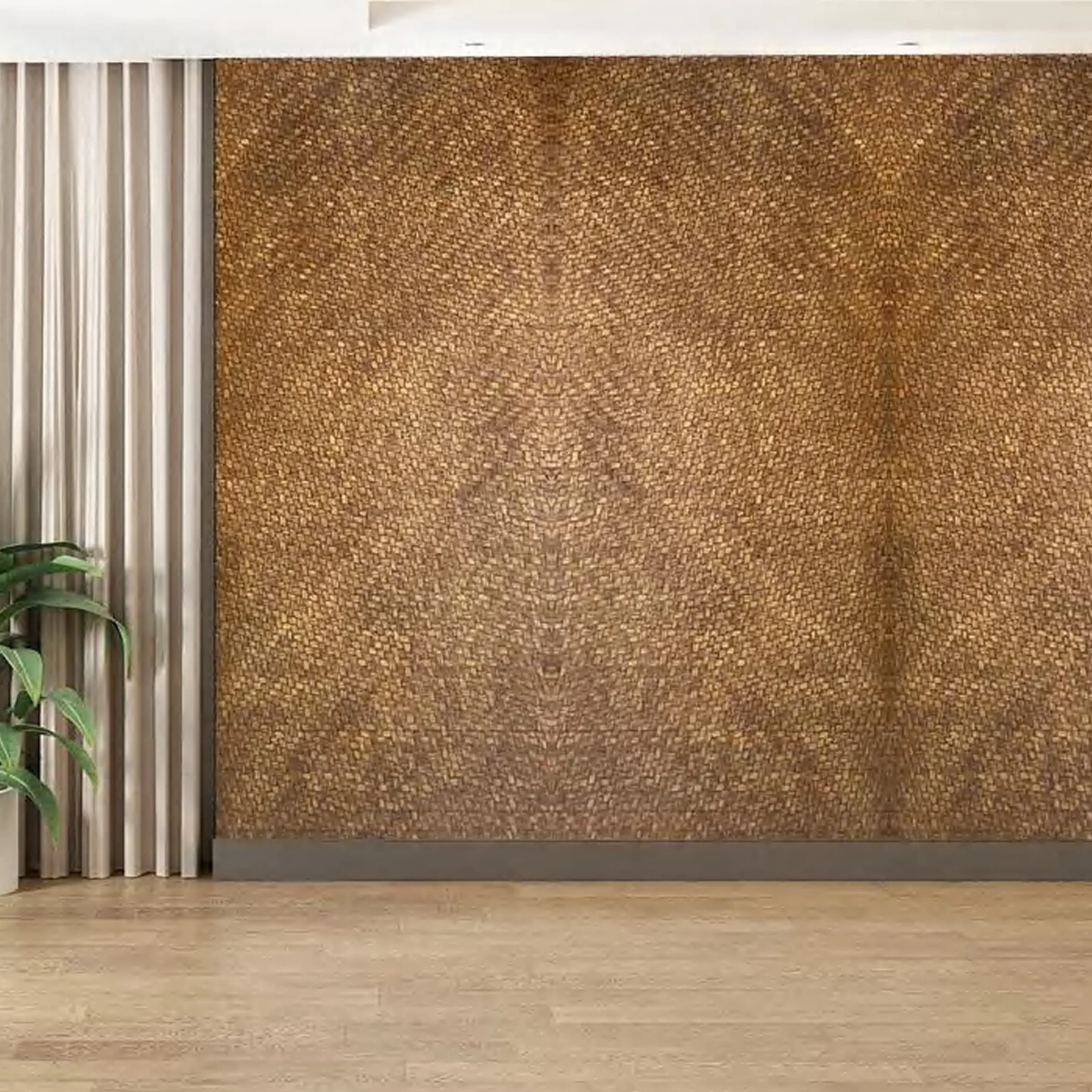
There's a reason bamboo has been a staple in design for centuries—it's not just a material; it's a legacy. Bamboo mat board, in particular, carries that legacy forward with a modern twist. Imagine running your hand over a surface that feels like a whispered history of craftsmanship: thin strips of bamboo, harvested when mature but still supple, woven together by hand or machine into a mat that's equal parts sturdy and soft. It's the kind of texture that invites touch, that makes a room feel less like a construction project and more like a living, breathing thing.
What sets bamboo mat board apart is its duality. It's organic, yes—with warm golden-brown tones that range from honeyed amber to soft caramel, and grain patterns that tell the story of each bamboo stalk's growth. But it's also surprisingly versatile. Unlike solid wood, which can warp or crack with humidity, bamboo mat board is engineered to be stable. The weaving process distributes stress evenly, making it resistant to expansion and contraction. That means it works just as well in a steamy bathroom as it does in a dry, air-conditioned office. And let's talk sustainability: bamboo is one of the fastest-growing plants on the planet, maturing in just 3–5 years (compared to decades for hardwoods). Choosing bamboo mat board isn't just a design decision; it's a nod to the planet, a way to bring nature indoors without depleting it.
In terms of application, bamboo mat board plays well with others, but it's also a star on its own. Picture a cozy café where the walls are clad in bamboo mat board—light filters through large windows, casting dappled shadows that dance across the woven texture. The air feels warmer, more inviting, like stepping into a friend's sunlit kitchen. Or consider a home office where the ceiling is lined with bamboo mats; the natural texture softens the harsh lines of desk chairs and computer screens, turning a sterile workspace into a place where creativity flows. It's also a favorite for furniture: think a dining table top with bamboo mat inlays, or a bookshelf backed with the material, adding depth and warmth to rows of books.
But bamboo mat board isn't just about aesthetics. It's practical, too. It's lightweight, making installation a breeze compared to heavy stone or solid wood. It's easy to clean—just a damp cloth for dust or spills. And because it's available in sheets of various sizes, it can be cut to fit almost any space, from a tiny powder room accent wall to a sprawling commercial lobby. For designers, it's a blank canvas; for homeowners, it's a way to add character without committing to bold colors or patterns. It's the quiet achiever of materials—subtle, but unforgettable.
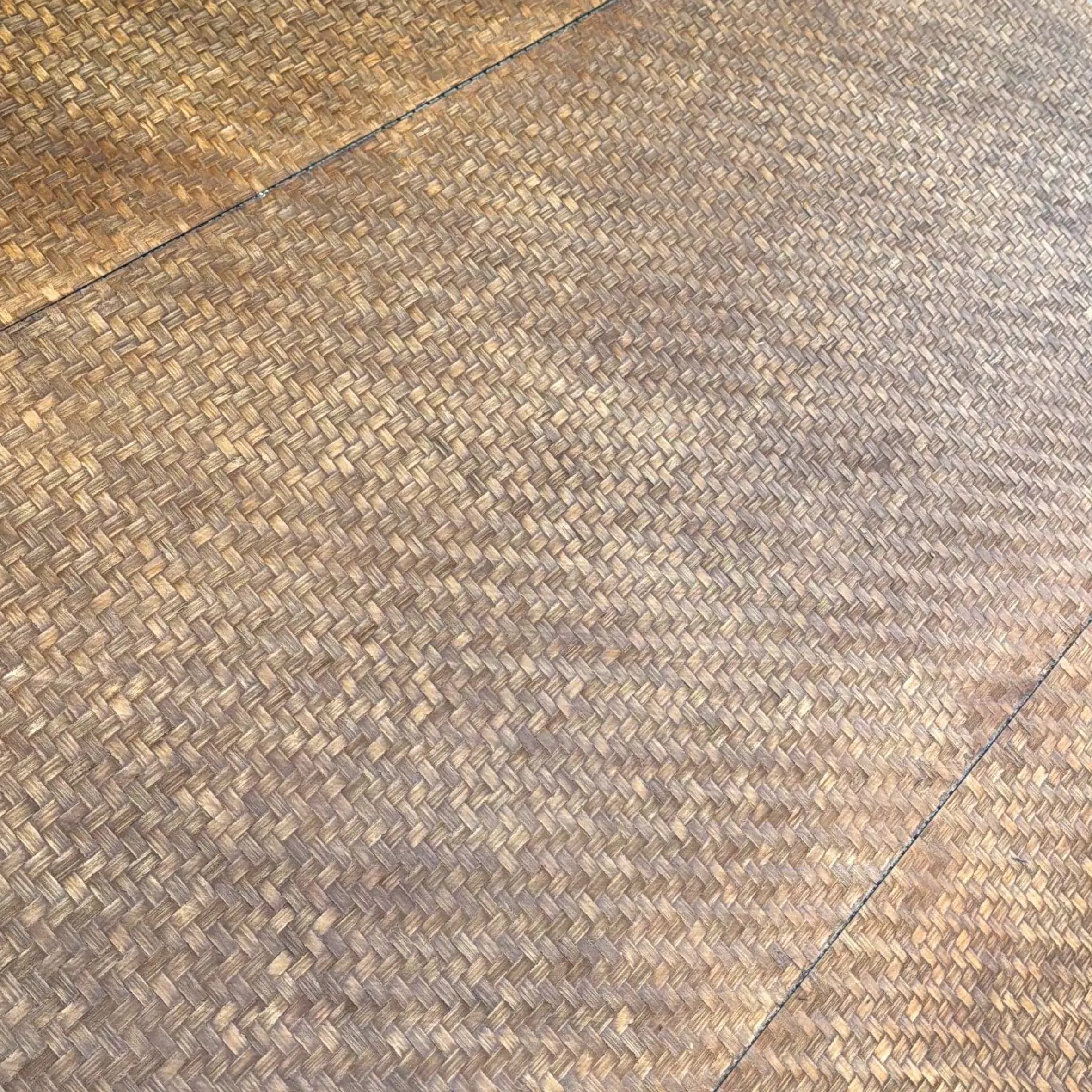
If bamboo mat board is the warm, earthy friend who makes you feel at home, MCM flexible stone is the sophisticated, adaptable companion who can fit into any party. Short for Modified Composite Material, MCM flexible stone is a modern marvel: a thin, lightweight material that mimics the look and feel of natural stone but with none of the drawbacks. Think of it as natural stone's cooler, more practical cousin—equally stunning, but willing to bend (literally) to your needs.
So, what exactly is MCM flexible stone? At its core, it's a blend of natural stone particles (like marble, granite, or travertine) and a polymer binder, pressed into thin sheets that are flexible enough to curve around corners, wrap columns, or even be used on ceilings. The result? A material that looks indistinguishable from real stone—complete with veining, pits, and color variations—but weighs a fraction of the real thing. A typical MCM panel is just 3–5mm thick and weighs about 3kg per square meter, compared to natural stone, which can be 20mm thick and weigh 50kg per square meter or more. That lightness isn't just about ease of installation; it also reduces structural load, making it ideal for retrofits or buildings where weight is a concern.
Aesthetically, MCM flexible stone is a chameleon. Want the classic elegance of travertine (beige) with its soft, porous texture? There's an MCM panel for that. Craving the drama of black granite with its sleek, mirror-like finish? MCM has you covered. It comes in virtually every stone look imaginable—from the rustic charm of slate to the timeless beauty of marble—and even some that nature can't replicate, like metallic or iridescent finishes. And because it's engineered, the color and pattern consistency is far better than natural stone, which means you won't end up with a wall that has one panel twice as dark as the next. It's the perfect balance of natural beauty and controlled precision.
Durability is another feather in MCM's cap. Unlike natural stone, which can stain, scratch, or etch with acids (looking at you, lemon juice), MCM flexible stone is resistant to moisture, UV rays, and everyday wear and tear. It won't fade in sunlight, so it's great for exterior cladding. It won't absorb water, making it ideal for bathrooms, kitchens, or even pool areas. And if it does get scratched? Unlike natural stone, which requires professional polishing to fix, MCM can often be repaired with a simple touch-up kit. For busy families or high-traffic commercial spaces, that's a game-changer—it's a material that looks luxurious but doesn't demand constant coddling.
Where does MCM flexible stone shine brightest? Everywhere. Exterior walls of a modern home, where its thin profile adds texture without bulk, making the building look sleek and intentional. Interior accent walls in a restaurant, where the "stone" finish elevates the space without the cost of real marble. Retail stores, where curved display walls wrapped in MCM stone create a sense of flow and luxury. Even furniture—think a kitchen backsplash that curves around the stove, or a fireplace surround that looks like stacked stone but weighs nothing. It's also a favorite for renovation projects, where removing old, heavy stone isn't feasible; MCM can be applied directly over existing surfaces, saving time and money.
But perhaps the most exciting thing about MCM flexible stone is its sustainability story. Because it uses recycled stone particles and requires less energy to produce than quarried stone, it's a more eco-friendly option. Quarrying natural stone is resource-intensive, often leaving large scars on the landscape; MCM, by contrast, repurposes waste from stone processing, turning what would be landfill into something beautiful. And because it's lightweight, transporting MCM panels uses less fuel than hauling heavy stone slabs, reducing carbon emissions. It's a material that proves you don't have to sacrifice sustainability for style—or vice versa.
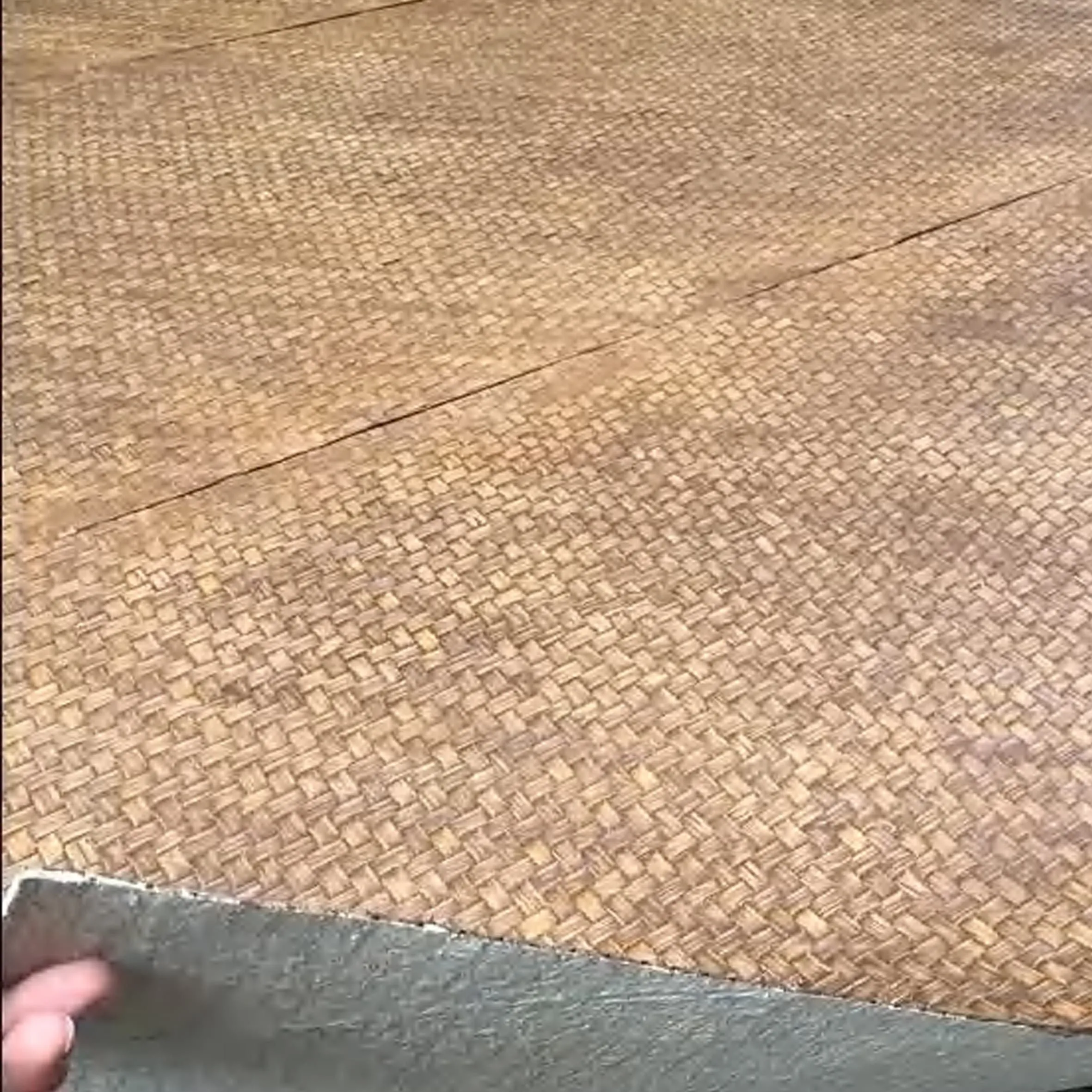
Now, here's the magic: bamboo mat board and MCM flexible stone aren't just great on their own—they're better together. It's like pairing a cozy sweater with a sleek blazer: the warmth of the sweater softens the blazer's formality, and the blazer grounds the sweater's casualness. Together, they create a look that's both put-together and approachable. The same goes for these two materials. Bamboo brings the organic, tactile warmth; MCM stone brings the polished, durable elegance. Together, they balance each other, creating spaces that feel intentional, layered, and alive.
Let's start with texture—the most obvious interplay. Bamboo mat board has a soft, woven texture, with ridges and valleys that catch light and shadow, creating depth. MCM flexible stone, depending on the finish, can be smooth (like polished marble) or slightly rough (like travertine), with a density that contrasts beautifully with bamboo's openness. Imagine a living room where one wall is covered in bamboo mat board, its golden tones glowing in the afternoon light, and the adjacent wall is clad in MCM travertine (beige), with its subtle, pitted texture and warm neutral color. The eye moves from the soft weave of the bamboo to the solid, earthy feel of the stone, and suddenly the room feels dynamic, not flat. It's a conversation between two textures, each enhancing the other.
Color harmony is another area where they shine. Bamboo mat board typically leans warm—think honey, amber, or light brown—while MCM flexible stone comes in a range of neutrals, from creamy beiges (like travertine) to cool grays (like dolomitic travertine) to rich blacks (like granite nero margiua). Pairing warm bamboo with a neutral MCM stone creates a palette that's easy on the eyes, never clashing. For example, a kitchen with bamboo mat board cabinet doors (warm, natural) and an MCM fair-faced concrete backsplash (cool, industrial) balances coziness with edge. The bamboo softens the concrete's starkness, and the concrete grounds the bamboo's warmth, creating a space that feels both modern and homey. It's a color story that works in any style—Scandinavian, industrial, bohemian, you name it.
Sustainability is a shared value, too. Both materials are eco-conscious in their own ways: bamboo mat board uses fast-growing, renewable bamboo, and MCM flexible stone repurposes stone waste. When used together, they send a clear message: this space was designed with intention, for people and the planet. It's not just about looking good; it's about feeling good, too. Imagine a yoga studio where the floors are bamboo mat board (soft under bare feet, warm to the touch) and the walls are MCM stone (cool, calming, easy to clean). The space feels connected to nature, but in a way that's responsible. Practitioners step onto the bamboo and feel grounded, look at the stone walls and feel serene—it's a holistic experience, made possible by materials that align with the studio's ethos.
Practicality is the final piece of the puzzle. Bamboo mat board is great for low-to-medium traffic areas, adding warmth where people gather. MCM flexible stone, with its durability, is perfect for high-traffic or moisture-prone areas. Together, they cover all the bases. In a home, you might use bamboo mat board for the bedroom walls (cozy, soft) and MCM stone for the bathroom walls (water-resistant, easy to maintain). In a restaurant, bamboo could line the seating booths (inviting, warm) while MCM stone clads the bar front (durable, easy to wipe down after spills). It's a division of labor that makes sense—each material plays to its strengths, ensuring the space is both beautiful and functional.
To illustrate, let's compare the two materials side by side in a simple table:
| Aspect | Bamboo Mat Board | MCM Flexible Stone |
|---|---|---|
| Material Vibe | Warm, organic, artisanal | Sleek, durable, versatile |
| Texture | Soft, woven, tactile | Smooth to slightly rough, dense |
| Best For | Walls, ceilings, furniture, low-traffic flooring | Exterior cladding, high-traffic areas, wet spaces |
| Sustainability | Renewable (fast-growing bamboo), low carbon footprint | Recycled stone particles, energy-efficient production |
| Maintenance | Easy (damp cloth), avoid excessive moisture | Very low (resistant to stains, scratches, moisture) |
As you can see, they're different, but those differences are what make them such a strong pair. It's not about choosing one over the other—it's about using them together to create something greater than the sum of their parts.
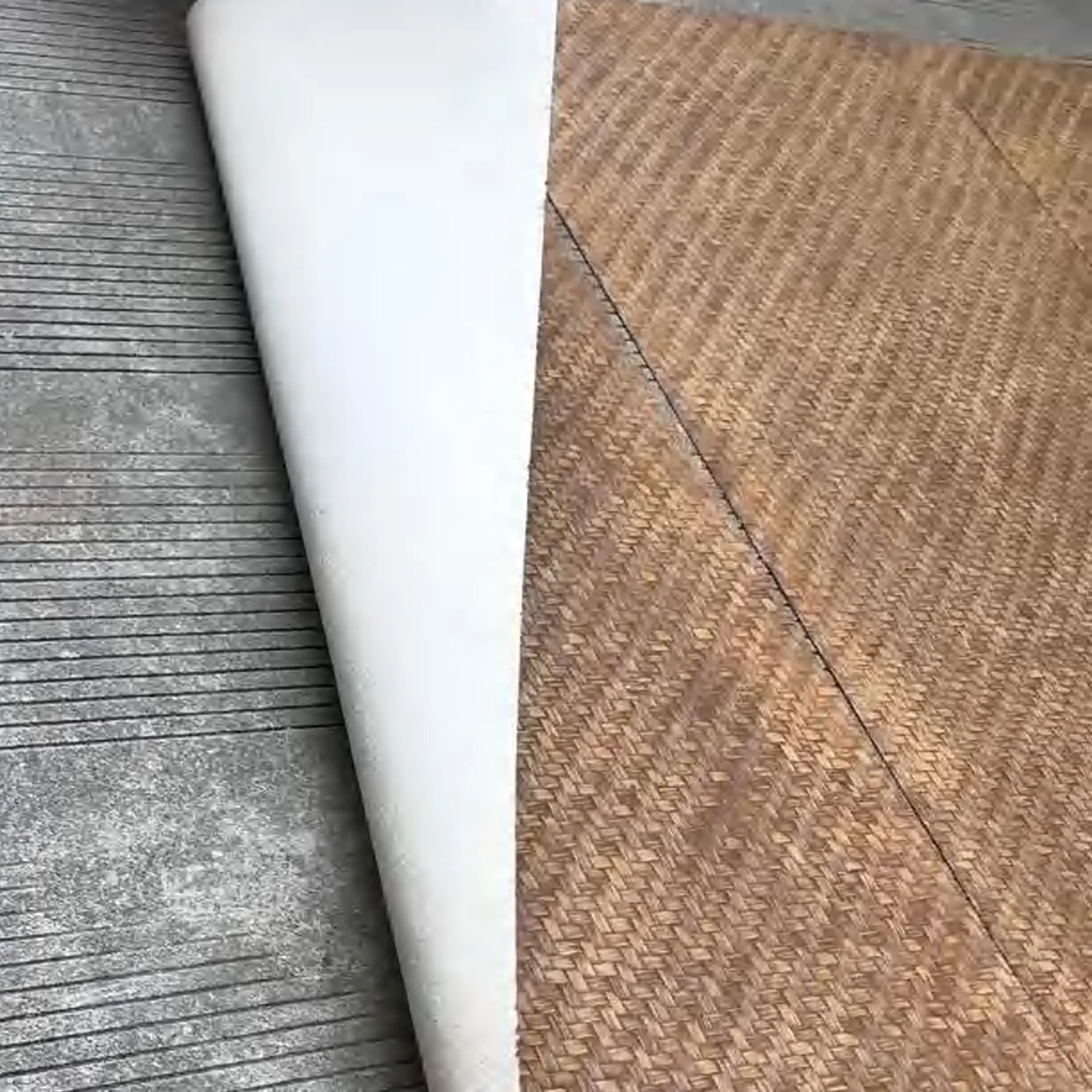
Talk is cheap, as they say—so let's look at real-world examples where bamboo mat board and MCM flexible stone have come together to create unforgettable spaces. These aren't just theoretical ideas; they're places where people live, work, and play, designed with intention and a deep understanding of how materials shape experience.
Nestled in a bustling city neighborhood, "Green & Grain" café wanted to stand out from the sea of generic coffee shops. The owners envisioned a space that felt like a "third place"—not home, not work, but somewhere in between, where people could linger over lattes and laptops. Enter bamboo mat board and MCM flexible stone.
The main seating area features walls clad in bamboo mat board, stained a rich amber that glows under warm pendant lights. The woven texture adds depth, making the space feel larger than its square footage. Opposite the bamboo walls, the bar is wrapped in MCM travertine (beige), its subtle pits and neutral tone balancing the warmth of the bamboo. The countertop is a slab of fair-faced concrete, adding an industrial edge that ties the two materials together. Even the ceiling gets in on the action: bamboo mat panels are suspended in a staggered pattern, softening the harshness of the exposed ductwork above. The result? A space that's equal parts cozy and cool—customers stay longer, and the café has become a neighborhood staple.
When a young family bought a 1950s bungalow, they wanted to update it for modern living but preserve its charm. The solution? Bamboo mat board and MCM flexible stone, used strategically to bridge the gap between past and present.
In the kitchen, the original wooden cabinets were kept but updated with bamboo mat board inserts on the cabinet doors, adding texture and warmth without replacing the entire set. The backsplash is MCM wood grain board, which mimics the look of real wood but is resistant to water and heat—perfect for a busy kitchen. In the bathroom, the walls are clad in MCM flexible stone (travertine, beige), chosen for its durability and moisture resistance, while the shower niche is lined with bamboo mat board, adding a surprising pop of natural texture. Upstairs, the home office features a bamboo mat board accent wall behind the desk, creating a focal point that feels calm and inspiring. The renovation stayed true to the home's roots while making it functional for a modern family—and the materials played a huge role in that balance.
"Hive & Co." co-working space wanted to create an environment that encouraged collaboration and focus. They knew materials would play a key role—sterile, all-white walls wouldn't cut it. Instead, they turned to bamboo mat board and MCM flexible stone to create zones that felt distinct but cohesive.
The "quiet zone" features bamboo mat board ceiling panels, which absorb sound and create a sense of calm. The walls here are painted a soft gray, with MCM linear travertine (claybank) accents adding subtle texture. The "collaboration zone" is more energetic: bright orange accent walls are paired with MCM ripple board (white), its wavy texture adding movement and playfulness. In the breakout area, a large communal table has a bamboo mat board top, while the surrounding benches are upholstered in earthy tones that complement the bamboo. Even the exterior of the building got a makeover: MCM gobi panel cladding (a warm, sandy tone) wraps the lower level, while bamboo mat board screens cover the upper windows, adding privacy and texture from the street. The result? A space where people don't just work—they thrive, thanks in no small part to the thoughtful use of materials.
At the end of the day, design is about more than just aesthetics. It's about creating spaces that tell a story—about who we are, what we value, and how we want to feel. Bamboo mat board and MCM flexible stone are more than just building materials; they're storytellers. Bamboo speaks of tradition, sustainability, and the quiet beauty of natural craftsmanship. MCM stone speaks of innovation, versatility, and the power of engineering to enhance nature's best qualities. Together, they tell a story of balance—between past and present, warmth and durability, nature and technology.
Whether you're designing a café, renovating a home, or planning a commercial space, consider the interplay of these two materials. Let bamboo add the human touch—the kind that makes people feel welcome, connected, at ease. Let MCM stone add the backbone—the durability, the versatility, the polished finish that elevates the ordinary to extraordinary. They're not competing; they're collaborating, each making the other better.
So the next time you walk into a space that feels "just right," take a closer look. Chances are, there's a story being told in the materials—maybe even a little bamboo and a little MCM stone, working together to turn walls and surfaces into something meaningful. After all, the best design isn't just about how things look; it's about how they make us feel. And with bamboo mat board and MCM flexible stone, that feeling is always warm, always intentional, and always unforgettable.
Recommend Products












