
It starts with a small stain on the ceiling, a soft spot in the floorboard, or a musty smell that lingers no matter how many candles you light. For homeowners and builders alike, moisture damage is the silent intruder that creeps in unannounced, turning minor issues into major headaches. I once watched a friend tear out her entire kitchen after a slow pipe leak warped her cabinets and spawned mold behind the walls—all because the materials used couldn't stand up to the humidity. It's a story I've heard too many times: beautiful spaces undone by water, not because of poor design, but because of overlooked choices in building materials. In a world where we spend so much time crafting our environments, why do we still let moisture catch us off guard?
The answer, I've come to realize, lies in the foundation of every structure: the materials we choose. When it comes to keeping water at bay, not all materials are created equal. Some shrink, some swell, some become breeding grounds for mold the second they get damp. But others? They stand firm, turning moisture from a threat into a non-issue. Today, we're diving into one such material that's been quietly revolutionizing how we build for moisture resistance: Bamboo Mat Board. And along the way, we'll explore how it stacks up against other contenders like flexible stone, fair-faced concrete, and even classic options like travertine (beige)—because when it comes to protecting our spaces, knowledge is the best defense.
Moisture isn't just about puddles or leaks. It's about the steam from your morning shower, the humidity that hangs in coastal air, the rain that beats against exterior walls, or even the condensation that forms on cold surfaces. Over time, these small, everyday sources of moisture can seep into building materials, weakening them from the inside out. Wood rots, drywall crumbles, paint peels, and worst of all, mold and mildew take root—posing health risks to anyone who breathes the air. For commercial spaces, the stakes are even higher: a restaurant with water-damaged floors can lose customers, a gym with moldy walls can face shutdowns, and a hotel with warped paneling can tank its reputation overnight.
The problem is, we often prioritize aesthetics or cost over resilience. We pick a material because it looks good or fits the budget, without stopping to ask: Will this hold up when life gets wet? That's where materials like Bamboo Mat Board come in. They're not just about looking nice—they're about building spaces that last, no matter what the weather (or your morning routine) throws at them.
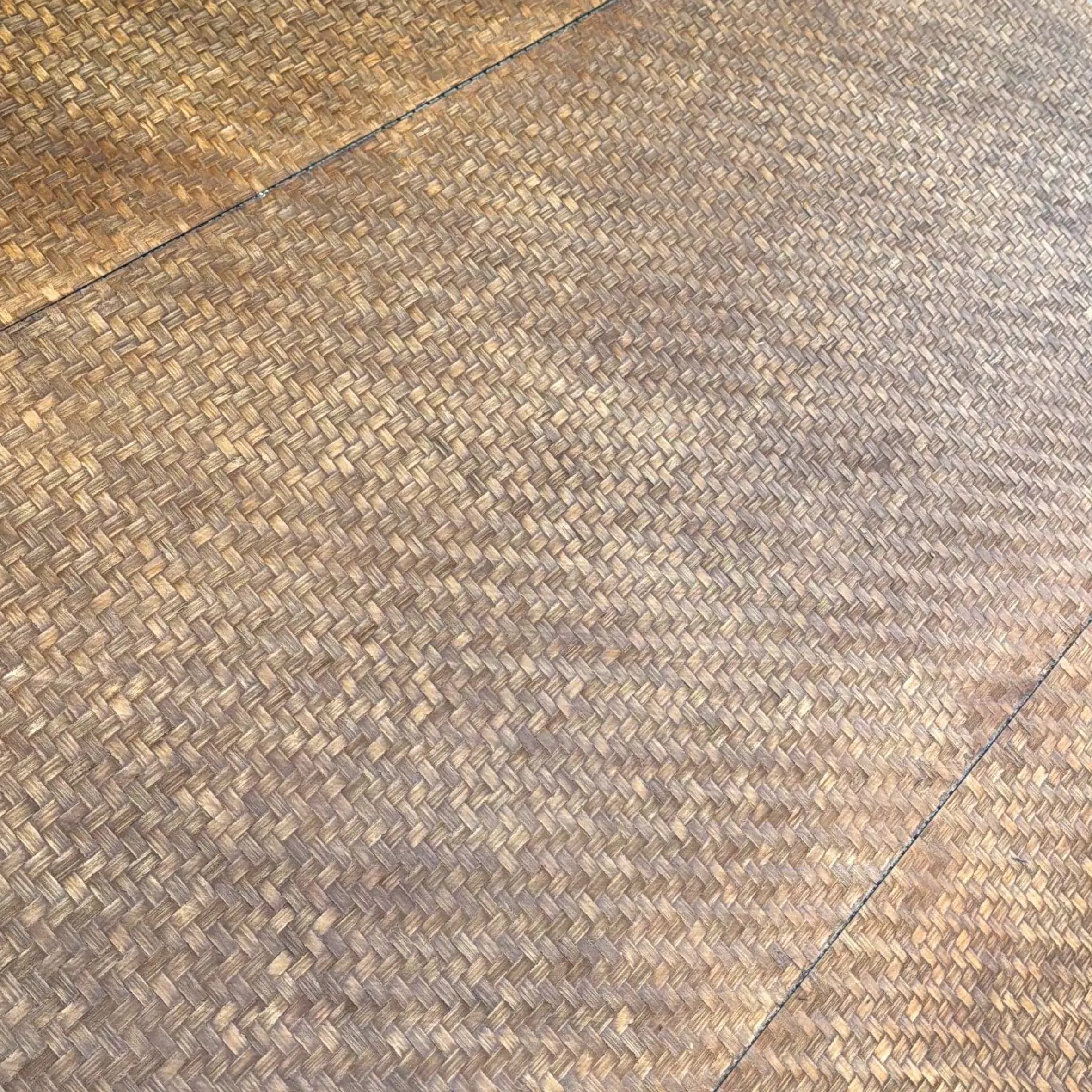
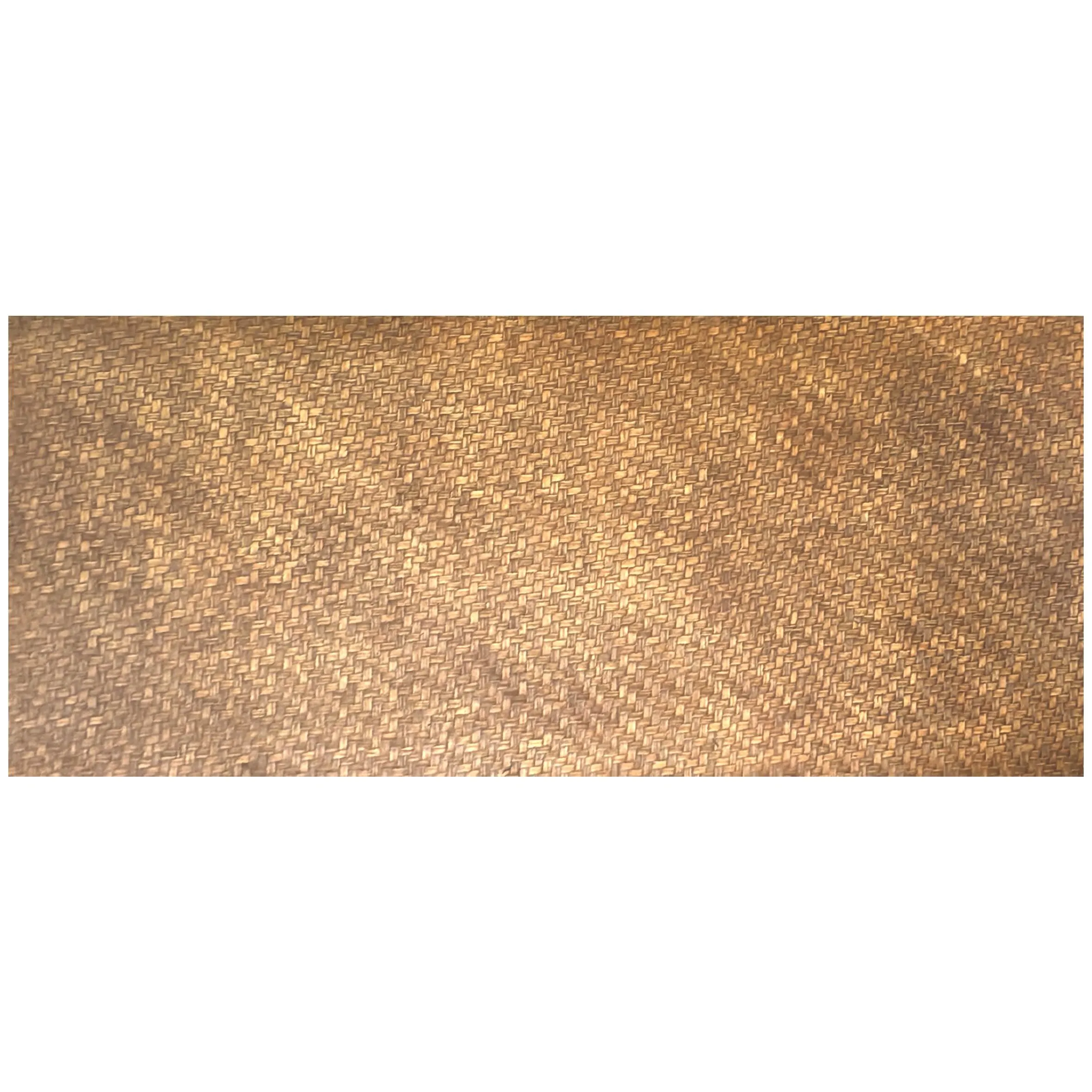
Let's start with the basics: What even is Bamboo Mat Board? Picture this: thin strips of bamboo, compressed under high pressure with natural resins, formed into sturdy, lightweight boards that feel like a cross between hardwood and engineered paneling. But don't let its simple appearance fool you—this material is a moisture-resistant powerhouse, and it all starts with the star of the show: bamboo itself.
Bamboo has been used in construction for centuries, and for good reason. Unlike many woods, bamboo is naturally resistant to water and pests. Its fibers are dense and contain a natural antimicrobial agent called "bamboo kun," which helps fend off mold and mildew. When you compress those fibers into a mat board, you're not just creating a strong material—you're creating one that's inherently hostile to moisture. Add a water-resistant coating (often made from eco-friendly sealants) during manufacturing, and you've got a material that laughs in the face of humidity.
I visited a factory once where they make Bamboo Mat Board, and the process stuck with me. Workers feed bamboo stalks into a machine that strips them into thin, flexible strips, which are then dried to remove any excess moisture. Those strips are layered, coated with a natural resin derived from plant-based polymers, and pressed under extreme heat and pressure—so much pressure that the bamboo fibers bond tightly, leaving almost no room for water to seep in. The result? A board that's not just water-resistant, but water-repellent . I spilled a glass of water on a sample once and watched it bead up and roll off, like water on a waxed car. It was a small moment, but it spoke volumes about how this material could change the game for spaces prone to dampness.
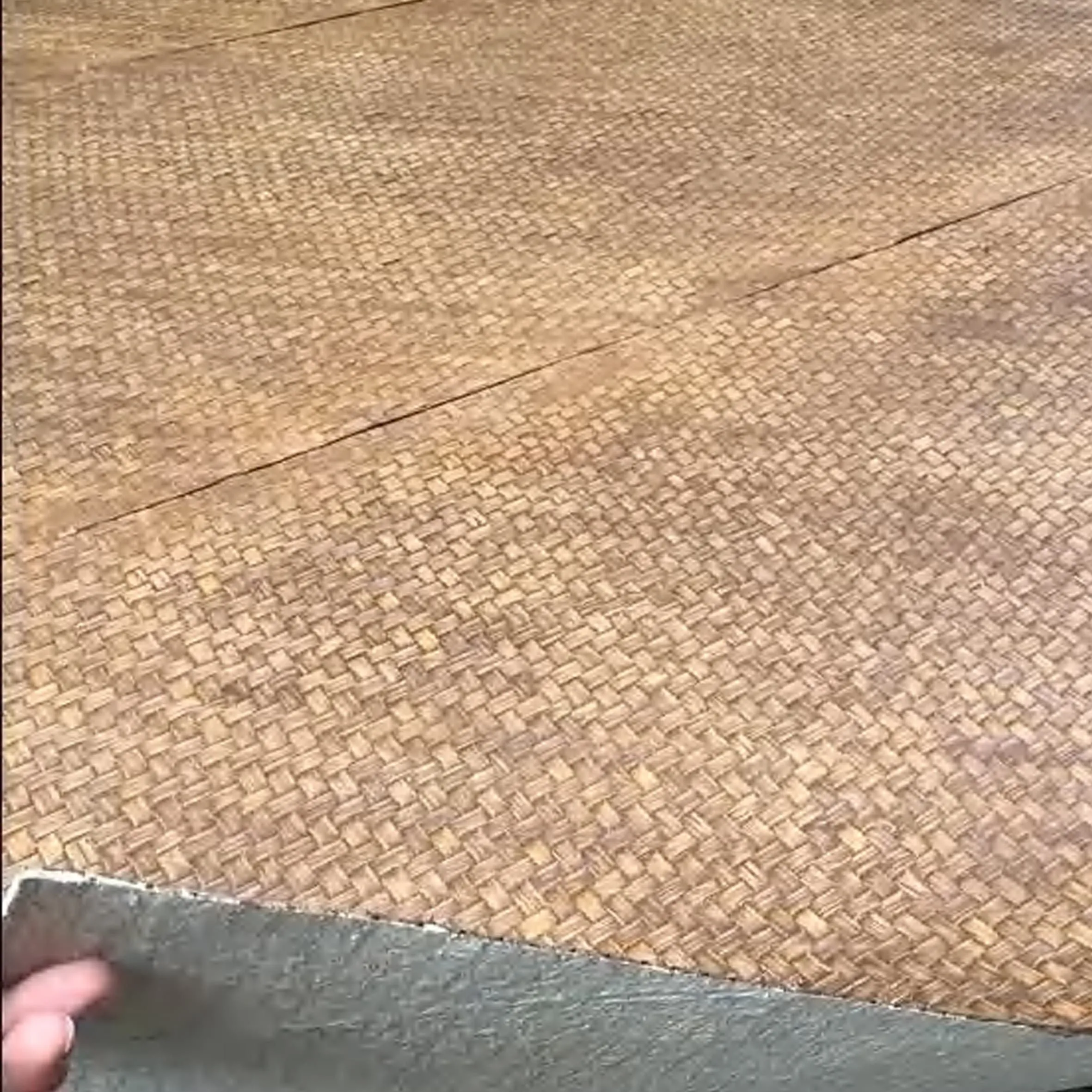
Of course, Bamboo Mat Board isn't the only option out there. Let's take a closer look at how it stacks up against other popular moisture-resistant materials—including flexible stone, fair-faced concrete, wood grain board, and travertine (beige)—so you can see why it's gaining so much attention.
| Material | Moisture Resistance Level | Common Applications | Key Features |
|---|---|---|---|
| Bamboo Mat Board | High (resists mold, repels water, minimal swelling) | Bathrooms, kitchens, basements, coastal homes, outdoor patios | Natural antimicrobial properties, eco-friendly (bamboo is fast-growing), warm wood-like aesthetic, lightweight for easy installation |
| Flexible Stone | Medium-High (porous but sealable, prone to staining if uncoated) | Accent walls, backsplashes, outdoor cladding | Lightweight, customizable designs, natural stone look, but requires regular sealing in wet areas |
| Fair-Faced Concrete | Medium (dense but can absorb moisture if not sealed) | Industrial-style interiors, exterior facades, floors | Durable, modern aesthetic, fire-resistant, but heavy and may crack if moisture freezes inside |
| Wood Grain Board | Low-Medium (varies by type; prone to warping if untreated) | Accent walls, furniture, low-moisture living areas | Warm, natural look, but requires frequent maintenance (staining, sealing) in humid spaces |
| Travertine (Beige) | Medium (highly porous, requires regular sealing) | Floors, countertops, outdoor patios (with sealing) | Elegant, timeless appearance, but absorbs water easily; not ideal for high-moisture areas without ongoing care |
What stands out here? Bamboo Mat Board isn't just about moisture resistance—it's about balance. Flexible stone and travertine (beige) offer beauty but demand upkeep; fair-faced concrete is tough but lacks warmth; wood grain board feels homey but wilts under humidity. Bamboo Mat Board, though? It brings together the best of both worlds: the natural, inviting look of wood, the durability of engineered materials, and moisture resistance that doesn't require constant attention. It's the kind of material that works as hard as you do, so you can focus on living in your space, not maintaining it.
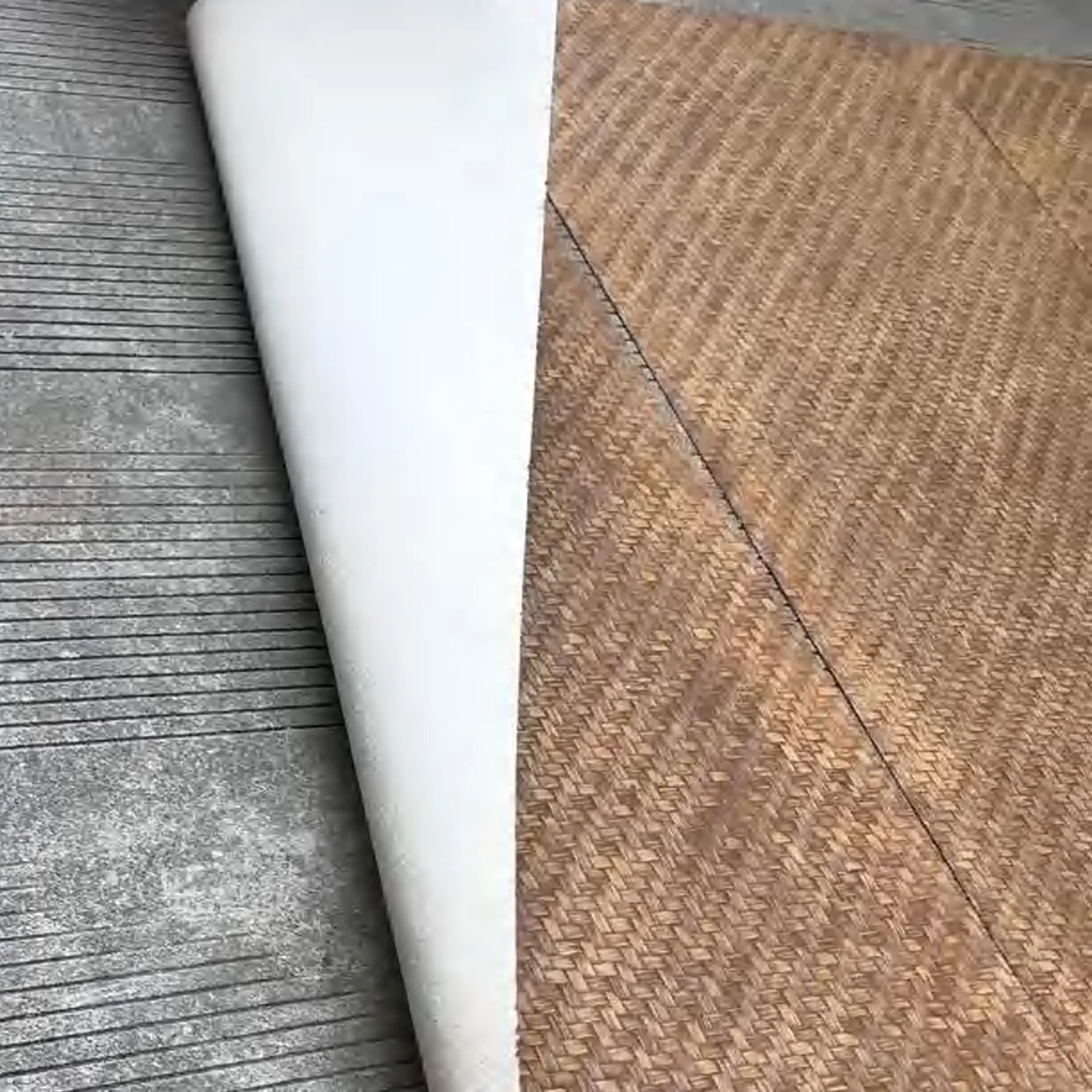
Numbers and tables are great, but nothing beats hearing how a material performs in the real world. Take Maria, a coastal homeowner in Florida who renovated her beach house last year. "We get hurricanes, salt air, and humidity so thick you can practically swim in it," she told me. "I wanted a bathroom that felt like a spa, but I was terrified of mold. My contractor suggested Bamboo Mat Board for the walls and shower surround, and I was skeptical—bamboo and water? But a year later, it looks brand new. No warping, no mold, and it's so easy to clean. I even spilled a bottle of shampoo on the floor, and it just wiped right up. I wish I'd used it in the kitchen too!"
Then there's the team behind a boutique hotel in Portland, Oregon—a city known for its rainy, gray winters. They used Bamboo Mat Board in their guest bathrooms and lobby floors, and according to the maintenance manager, "We used to have to refinish the lobby floors every six months because of water damage from wet boots. Now? We sweep, mop, and they look as good as the day we installed them. The guests love the warm, natural vibe, and we love not spending a fortune on repairs."
Outdoor spaces are another area where Bamboo Mat Board surprises people. I visited a restaurant in Austin, Texas, with a patio shaded by live oaks and lined with Bamboo Mat Board benches and tabletops. "Texas summers are brutal—heat, rain, humidity, you name it," the owner said. "We've had those tables for three years, and they've never warped or faded. Even after a summer storm, they dry off in an hour, and we're back to seating guests. It's been a game-changer for our outdoor seating capacity."
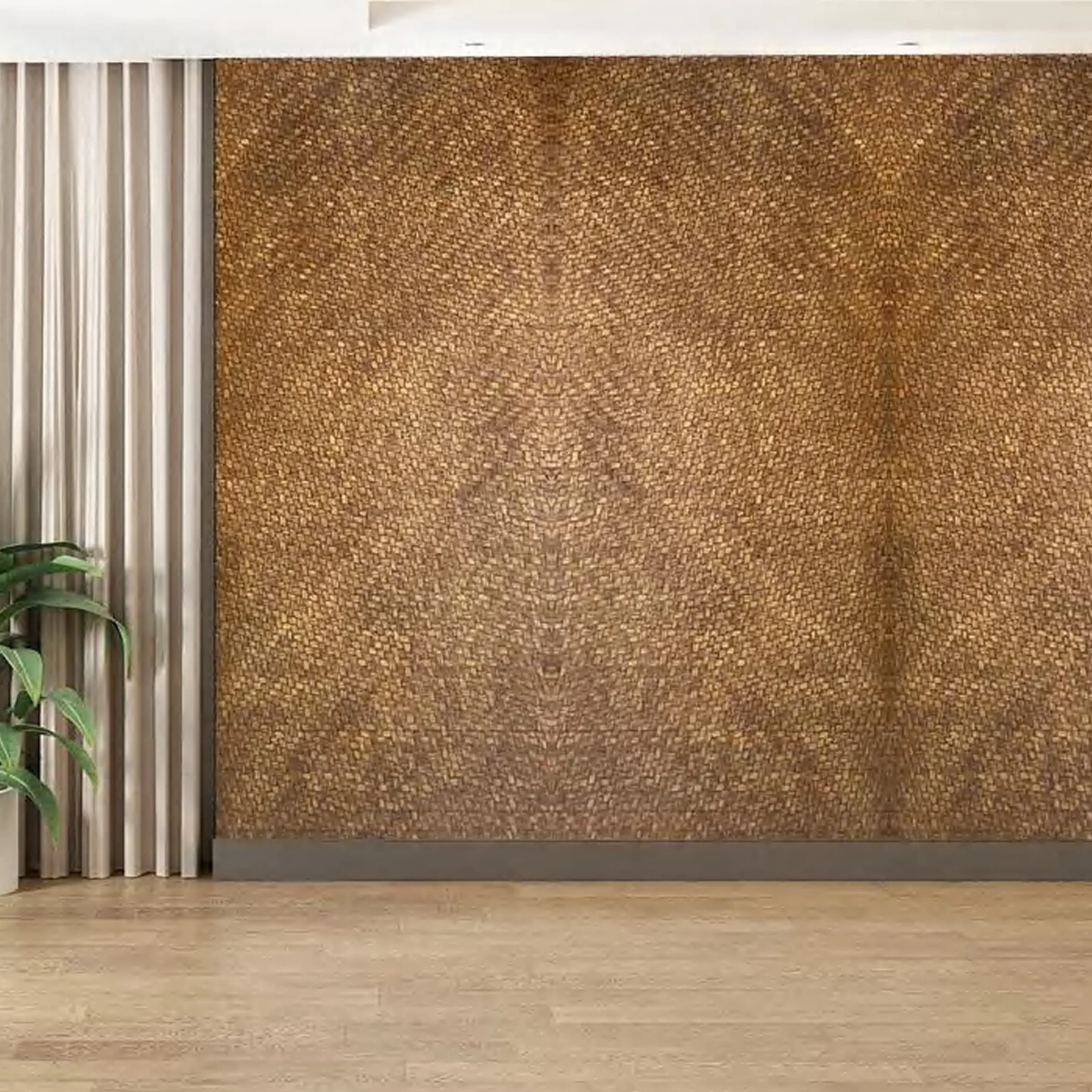
Moisture resistance is the headline, but Bamboo Mat Board has more to offer than just keeping water out. For starters, it's eco-friendly. Bamboo is one of the fastest-growing plants on the planet, maturing in 3-5 years (compared to 20-30 years for hardwoods), and it requires no pesticides or fertilizers to thrive. Choosing Bamboo Mat Board means supporting sustainable forestry—something that matters more than ever as we strive to build greener spaces.
Then there's the aesthetic. Unlike cold, industrial materials like fair-faced concrete, Bamboo Mat Board brings warmth and texture to a space. Its natural grain and earthy tones complement everything from modern minimalism to bohemian chic. I've seen it paired with sleek marble in a bathroom, mixed with rattan in a living room, and even used as a backsplash in a kitchen—proving that durability doesn't have to mean sacrificing style.
And let's not forget durability. Bamboo Mat Board is surprisingly tough: it resists scratches (goodbye, pet claws and dropped dishes), dents, and fading from sunlight. One homeowner I talked to even used it as a headboard for her bed, and after two kids jumping on the bed and a cat using it as a scratching post, it still looks new. "It's like the material that can take a beating and keep smiling," she joked.
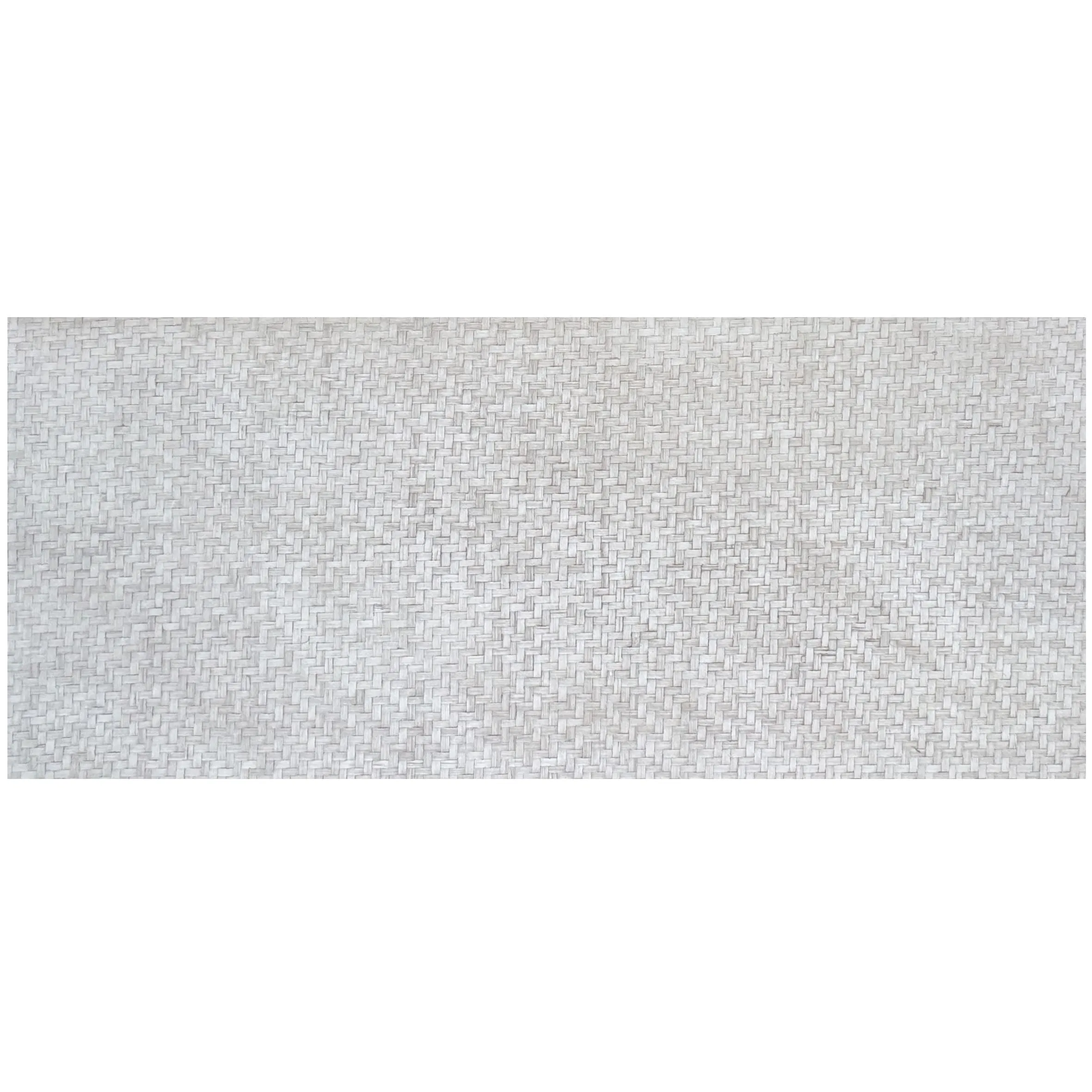
So, how do you decide if Bamboo Mat Board is right for your project? Start by asking yourself three questions:
1. How much moisture does this space really get? A dry living room might do fine with wood grain board, but a bathroom or basement needs something like Bamboo Mat Board that can handle constant humidity. Think about not just leaks, but daily moisture—steam from showers, condensation on windows, spills.
2. What's your maintenance tolerance? Travertine (beige) is beautiful, but it needs sealing every 6-12 months. Flexible stone requires similar upkeep. If you're short on time (or patience), Bamboo Mat Board's "set it and forget it" approach might be worth the investment.
3. What's your aesthetic goal? Do you want the industrial edge of fair-faced concrete, or the warmth of natural materials? Bamboo Mat Board offers versatility here, but it's not the only option—just the most moisture-resistant one with a natural look.
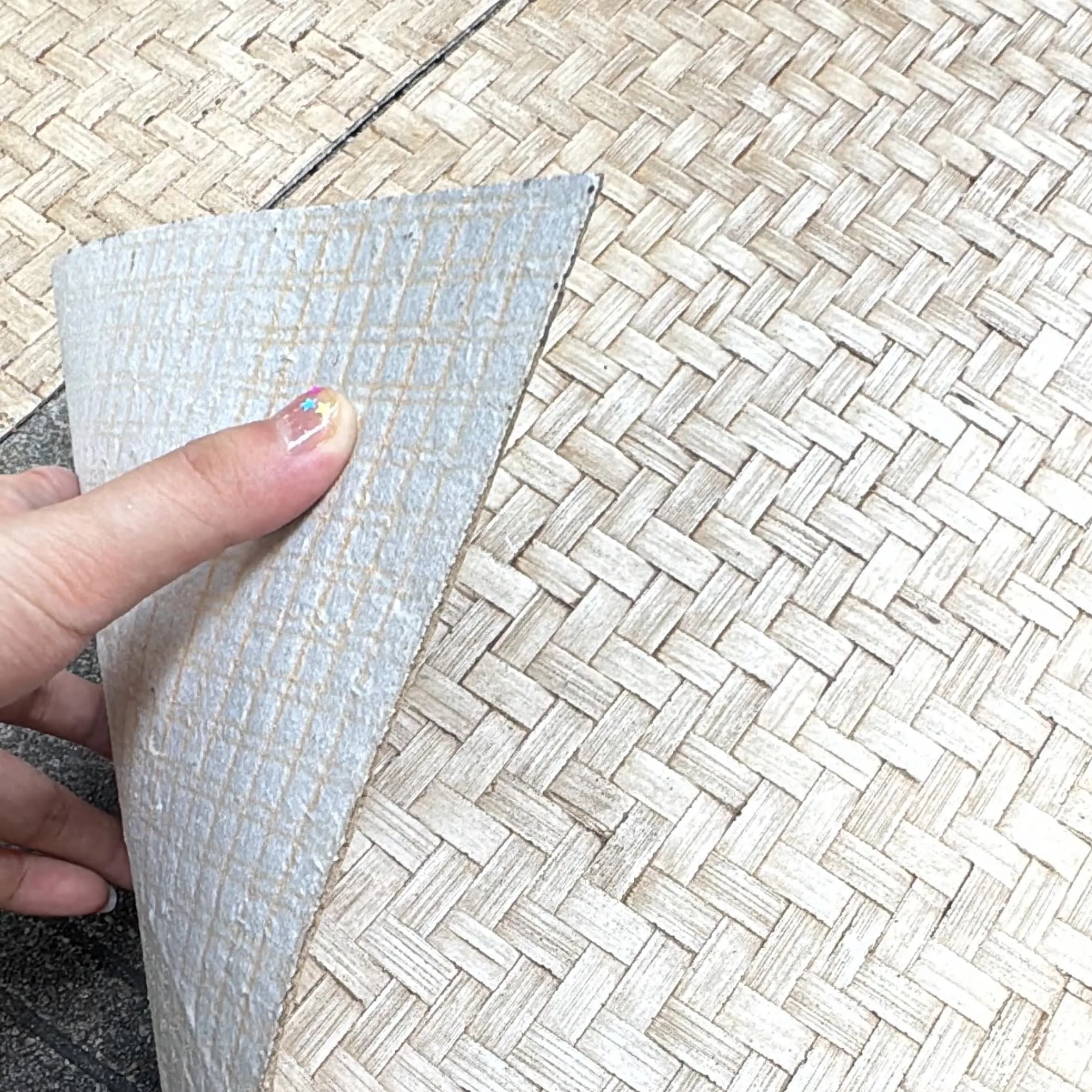
At the end of the day, building or renovating a space is about more than just creating something beautiful—it's about creating something that lasts. Moisture damage robs us of that longevity, turning our dream spaces into sources of stress. But materials like Bamboo Mat Board remind us that we don't have to choose between beauty and resilience. They let us build with confidence, knowing that the walls, floors, and surfaces we love today will still be standing strong tomorrow—no matter how wet life gets.
So the next time you're planning a project, take a moment to think about the silent intruder. Ask yourself: Is this material ready to fight moisture? If the answer is yes—whether it's Bamboo Mat Board or another moisture-resistant champion—you're not just building a space. You're building peace of mind. And in a world full of uncertainties, that's a foundation worth investing in.
Recommend Products












