
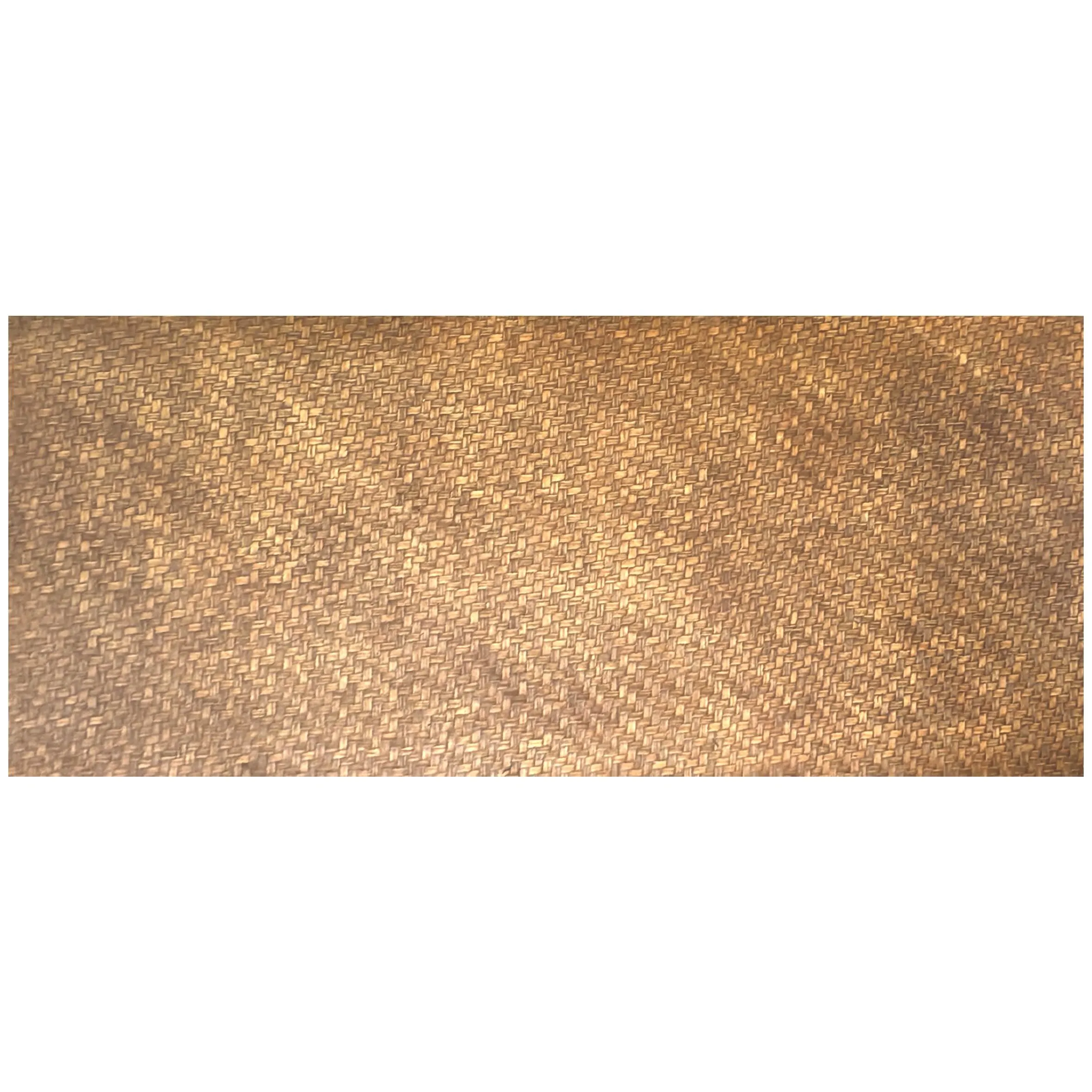
Buildings are more than just walls and roofs—they are the backdrop to our lives. They shelter us from the storm, cradle our morning coffee rituals, and echo with the laughter of friends. But for a building to truly feel like "home," it needs to breathe, adapt, and protect. That's where thermal insulation comes in: the unsung hero that keeps winters cozy, summers cool, and energy bills in check. Today, we're diving into a material that's redefining this balance: bamboo mat board. Blending nature's ingenuity with modern design, it's not just a building material—it's a step toward buildings that care for both people and the planet.
Think about the last time you walked into a room and immediately felt "off"—too hot in summer, chilly in winter, or drafty no matter the season. That discomfort isn't just a nuisance; it's a sign of poor thermal insulation. Heat is a restless traveler: it moves from warm to cold, slipping through cracks, seeping through walls, and escaping through roofs. In winter, that means your heater works overtime to replace lost warmth; in summer, your AC battles to cool a space that's constantly absorbing heat from outside. The result? Skyrocketing energy bills, a heavier carbon footprint, and a home that never quite feels "right."
But thermal insulation isn't just about comfort. It's about sustainability. Buildings account for nearly 40% of global energy consumption, and a large chunk of that is wasted on heating and cooling inefficient spaces. By choosing materials that slow heat transfer, we're not just saving money—we're reducing our reliance on fossil fuels, cutting greenhouse gas emissions, and building a future where our structures work with the environment, not against it.
Traditional insulation materials have long relied on synthetic foams or fiberglass, which do the job but often come with trade-offs: high embodied carbon, non-biodegradable components, or limited design flexibility. Enter bamboo mat board: a material that marries the best of nature's thermal properties with the durability and versatility modern buildings demand. Let's take a closer look.
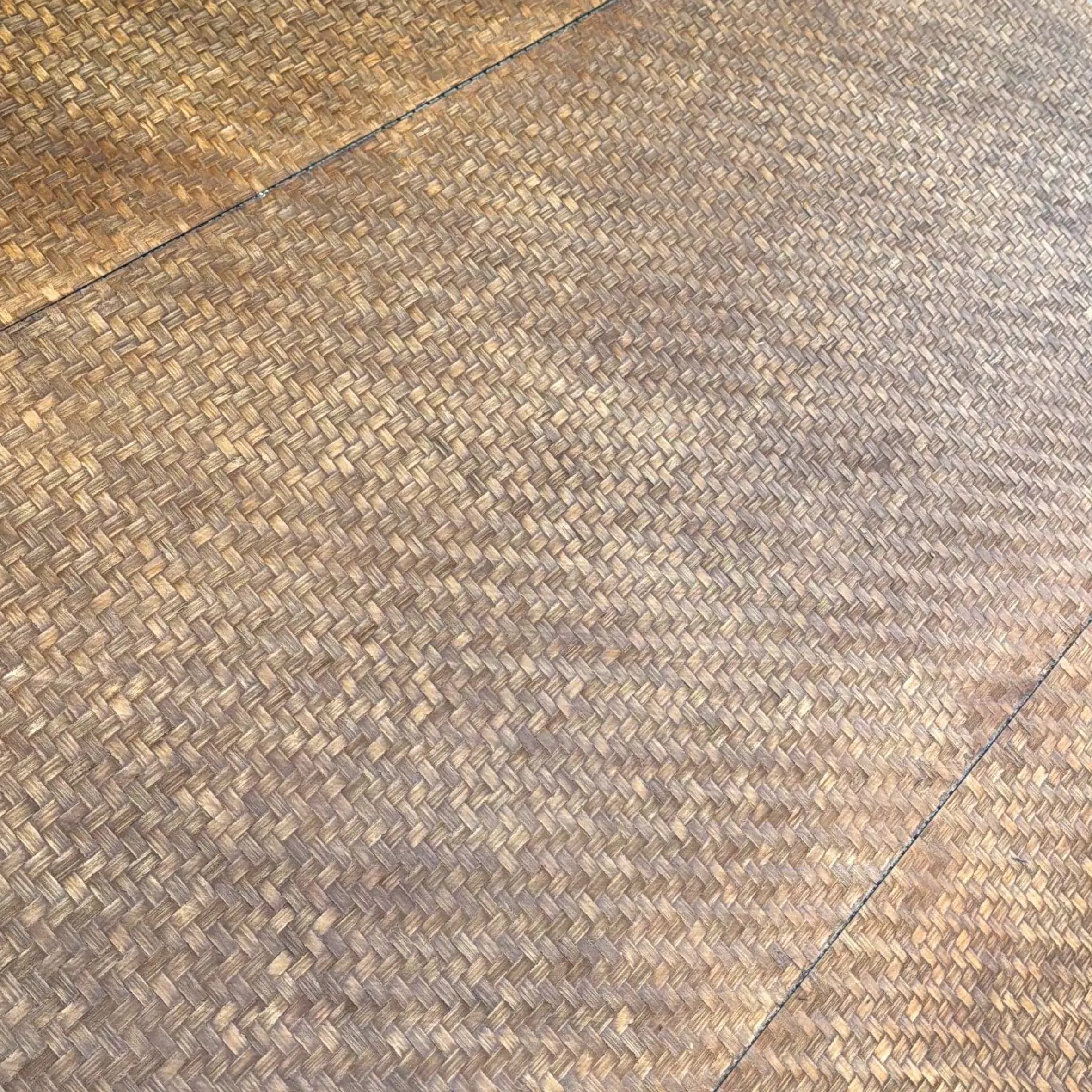
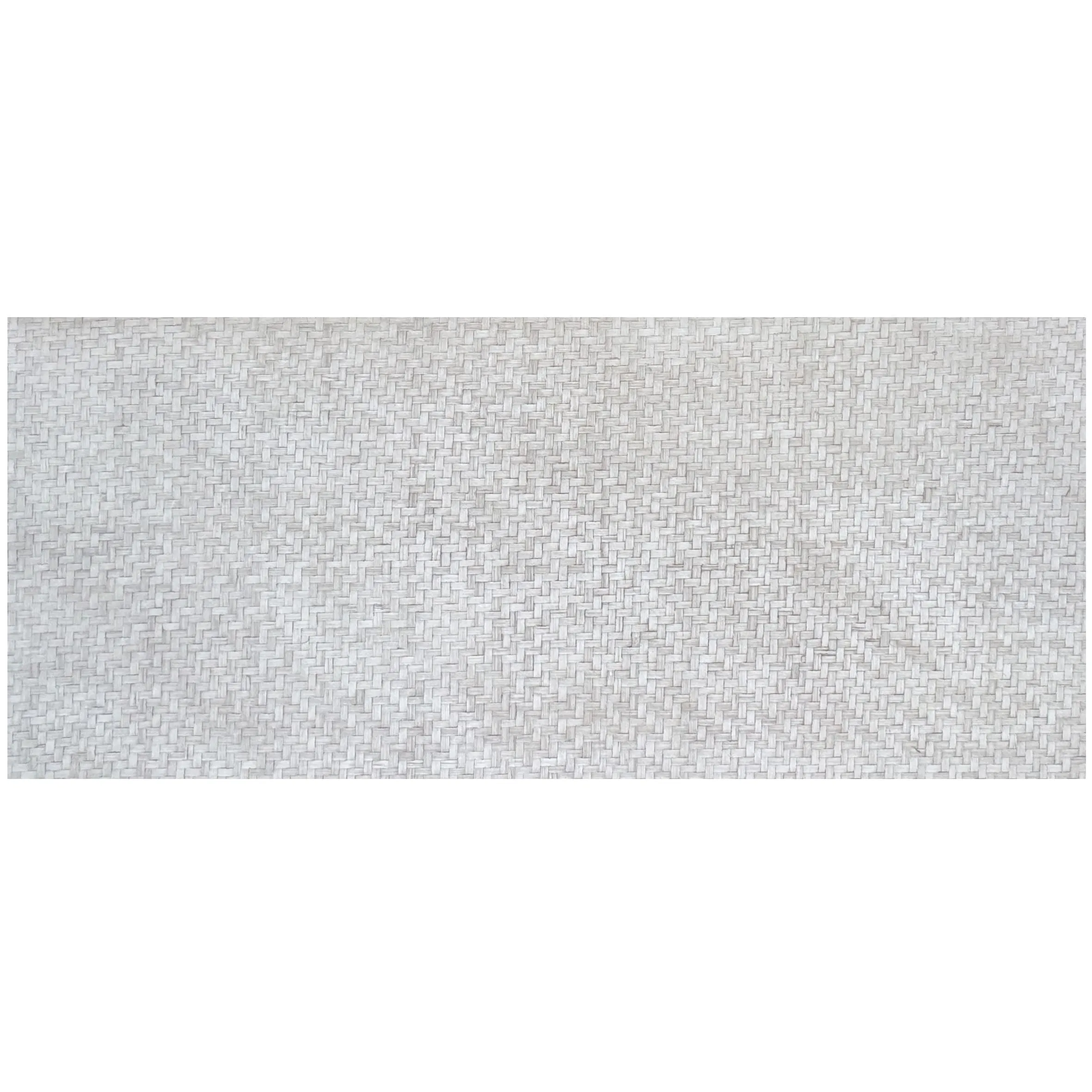
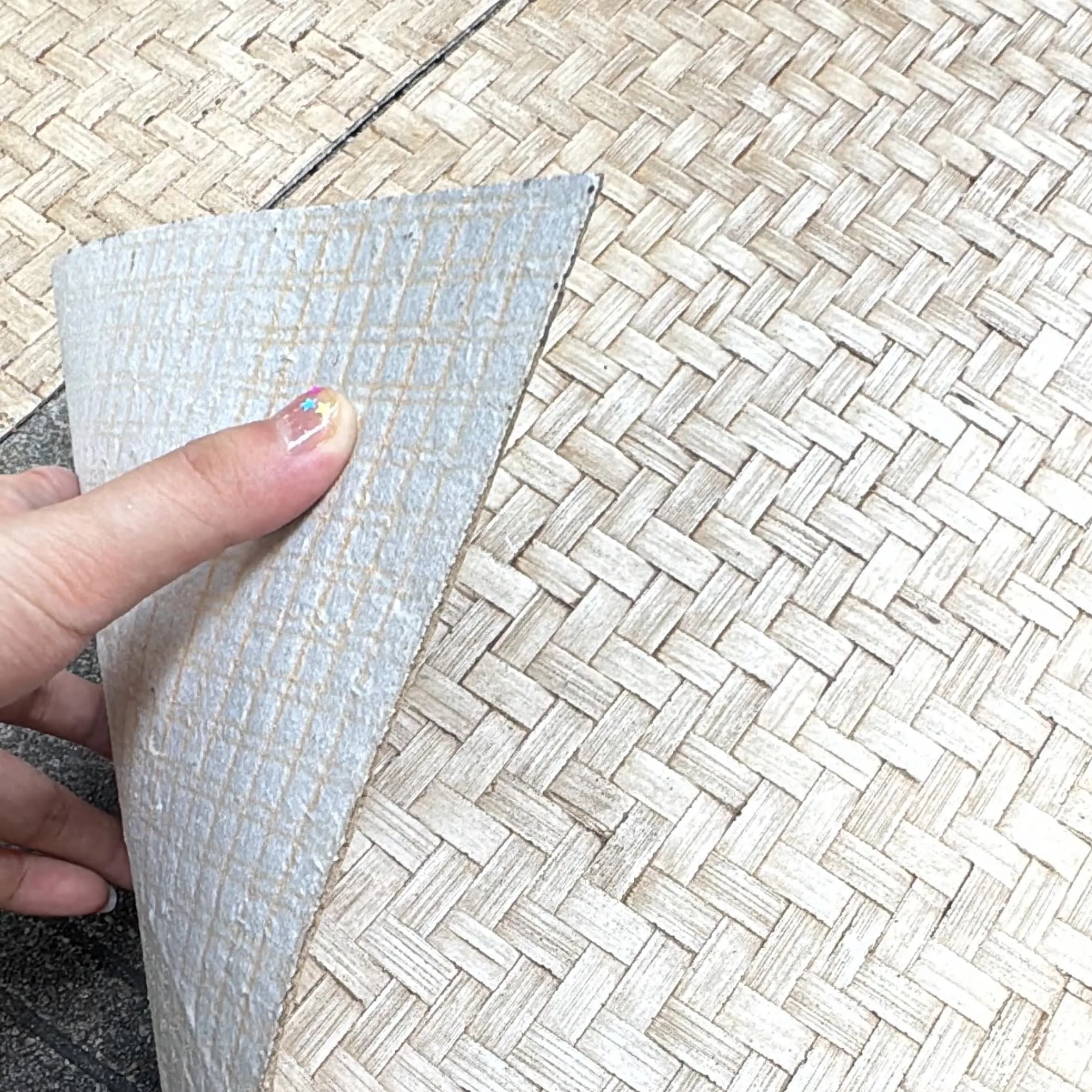
Bamboo has been a staple in construction for centuries, prized for its strength, flexibility, and rapid growth (some species shoot up 3 feet in a day!). But bamboo mat board takes this ancient material to new heights. Crafted by compressing layers of bamboo fibers into thin, rigid sheets, it's lightweight yet surprisingly robust—think of it as nature's answer to engineered wood, but with a twist: exceptional thermal performance.
What makes bamboo mat board so good at keeping heat in (or out)? Start with its cellular structure. Bamboo fibers are hollow, creating tiny air pockets that act as natural insulators. Air is a poor conductor of heat, so these pockets slow down conduction—the transfer of heat through solid materials. Unlike dense materials like fair-faced concrete, which readily absorbs and transfers heat, bamboo mat board creates a barrier that keeps indoor temperatures stable, even when the weather rages outside.
But it's not just about physics—it's about sustainability. Bamboo is one of the most eco-friendly resources on the planet. It requires no pesticides, grows without replanting, and absorbs more carbon dioxide than most trees. For builders and homeowners aiming for green certifications (like LEED or BREEAM), bamboo mat board is a low-hanging fruit: a material that reduces environmental impact without sacrificing performance. Compare that to fair-faced concrete, a material beloved for its raw, industrial aesthetic but notorious for its high carbon footprint and poor insulation. When used alone, fair-faced concrete can leave buildings feeling like ovens in summer and iceboxes in winter—unless paired with insulating materials like bamboo mat board.
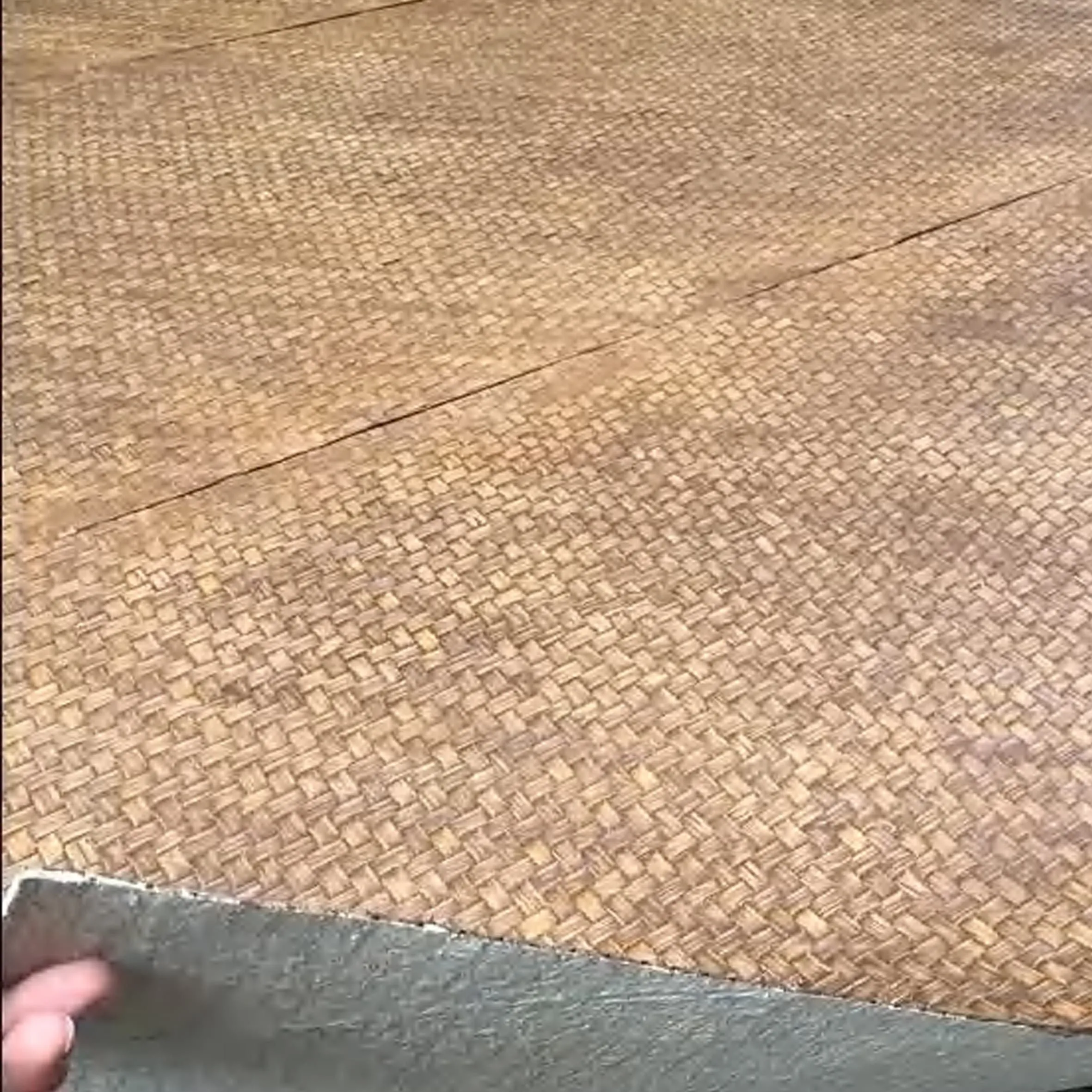
To truly appreciate bamboo mat board's thermal prowess, let's break down heat transfer and how this material fights it on all fronts:
To put this in perspective, let's compare bamboo mat board with common building materials in a quick table:
| Material | Thermal Conductivity (W/m·K) | Sustainability | Aesthetic Appeal | Cost (Relative) |
|---|---|---|---|---|
| Bamboo Mat Board | 0.06–0.08 | High (Renewable, Low Carbon) | Warm, Natural, Textured | Moderate |
| Fair-Faced Concrete | 1.5–2.0 | Low (High Embodied Carbon) | Raw, Industrial, Minimalist | Low |
| Lunar Peak Silvery | 0.10–0.12 | Moderate (Recyclable Metals) | Sleek, Metallic, Modern | High |
The table tells a clear story: bamboo mat board offers superior insulation at a moderate cost, with the added bonus of sustainability and warmth. When combined with materials like Lunar Peak Silvery—chosen for its reflective properties and eye-catching sheen—buildings become both energy-efficient and visually striking.
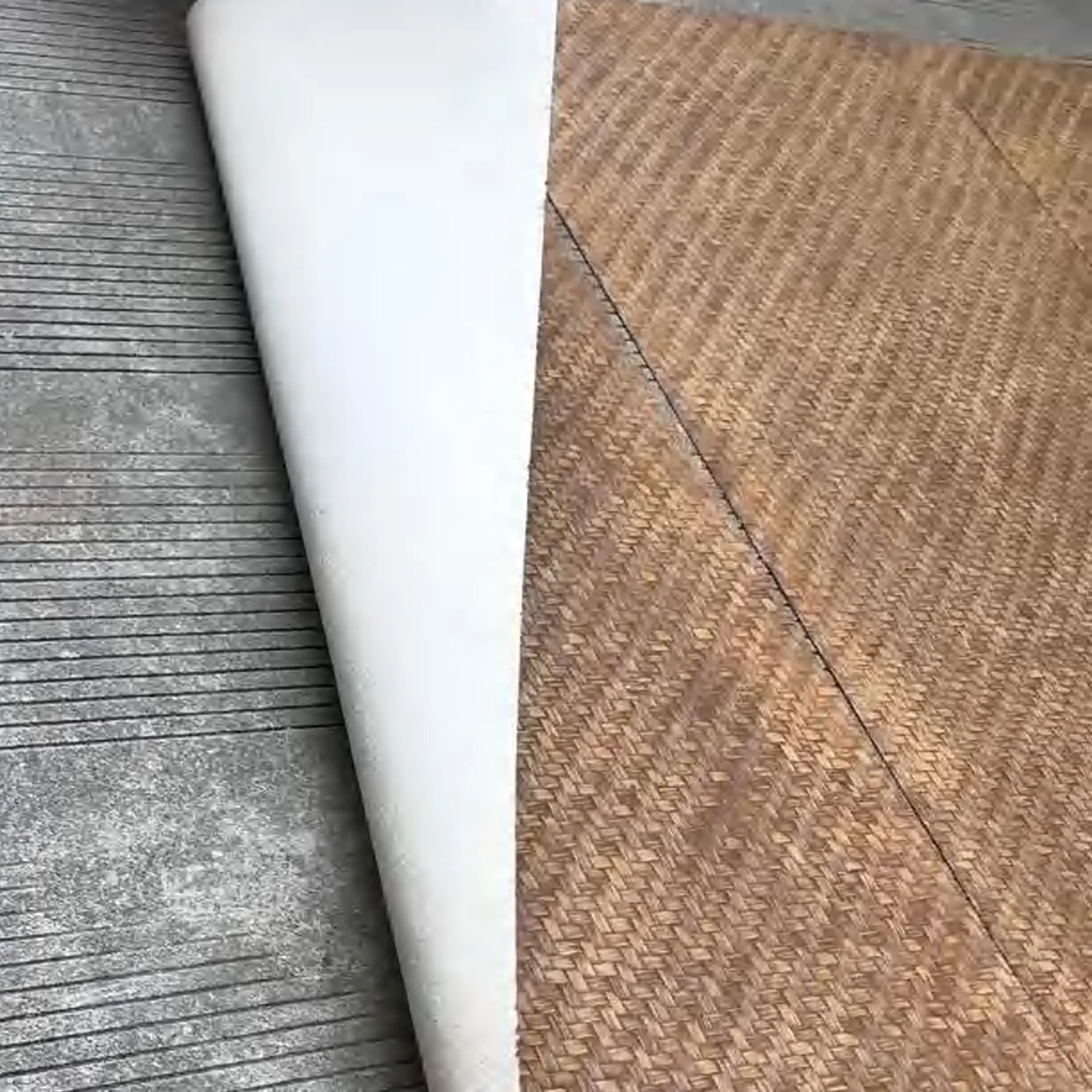
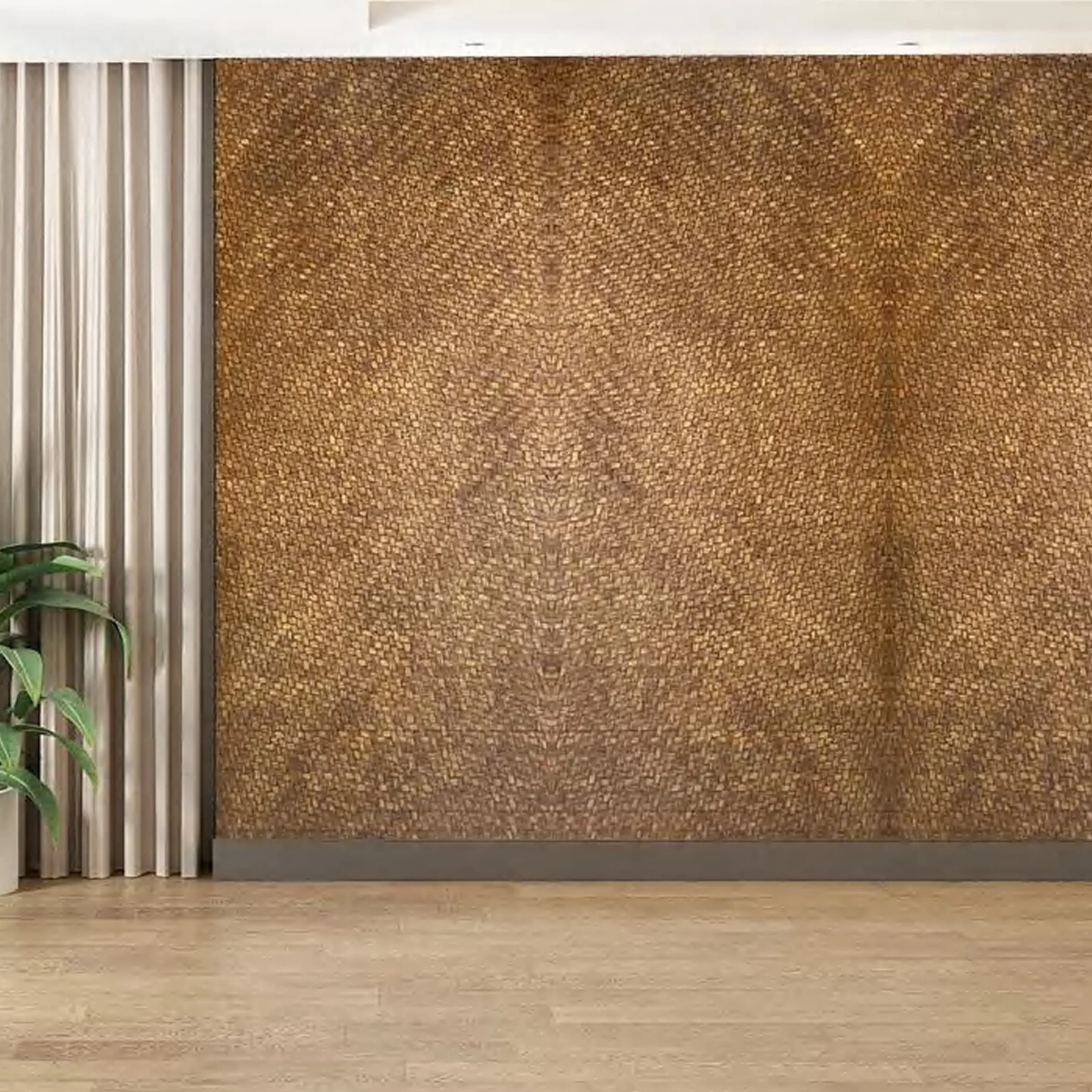
Thermal performance is critical, but let's not forget: buildings are also about beauty. A material that insulates well but looks out of place won't win over homeowners or architects. Bamboo mat board shines here, too. Its natural grain, warm tones, and tactile texture add depth to interiors, whether used as wall paneling, ceiling tiles, or even flooring. Imagine a living room with bamboo mat board walls: sunlight filters through windows, highlighting the material's organic patterns, while the room stays cool and comfortable all day. It's not just insulation—it's design that feels alive.
And it plays well with others. Pair it with Lunar Peak Silvery for a contrast of warmth and edge: bamboo's earthy tones grounding the space, while Lunar Peak's silvery finish adds a touch of modern luxury. In commercial settings, like a café or co-working space, this combination creates zones that feel both cozy and professional. For a more rustic vibe, mix bamboo mat board with rough-hewn stones or wood grain board—materials that celebrate nature's imperfections while benefiting from bamboo's insulation.
Even better, bamboo mat board is adaptable to different climates. In hot, arid regions, it keeps interiors cool by blocking solar heat gain; in cold climates, it traps warmth, reducing reliance on heating systems. Its moisture resistance (when properly treated) makes it suitable for humid areas, too—unlike some natural materials that warp or mold. This versatility has made it a favorite among architects working on everything from beachfront bungalows to mountain cabins.
Let's imagine a real-world example: the Green Haven Residence, a 3-bedroom home in Portland, Oregon, designed with sustainability and comfort in mind. The architects chose bamboo mat board for interior wall paneling and attic insulation, paired with fair-faced concrete for the exterior (for durability) and Lunar Peak Silvery accents on the roof overhangs.
Before renovation, the home had drafty walls and sky-high heating bills—over $250/month in winter. After installing bamboo mat board, the homeowners noticed an immediate difference: indoor temperatures stayed steady at 72°F (22°C) without constant heater use, and winter bills dropped to $120/month. In summer, the combination of bamboo and Lunar Peak Silvery kept the home cool, reducing AC runtime by 40%. "It feels like the house breathes now," said one resident. "We no longer dread opening the electricity bill, and the bamboo walls make the space feel so warm and inviting."
Like any material, bamboo mat board has faced skepticism. Let's tackle common concerns head-on:
"Is it durable enough for long-term use?" Yes. Modern manufacturing processes treat bamboo fibers with eco-friendly resins, making the board resistant to rot, pests, and wear. With proper maintenance (occasional dusting, avoiding prolonged moisture), it can last 20–30 years—comparable to engineered wood.
"Won't it burn easily?" Bamboo is naturally fire-resistant, and many bamboo mat boards are treated with flame-retardant coatings to meet building codes. It's not fireproof, but it holds up better than untreated wood.
"Is it expensive?" While bamboo mat board costs more upfront than standard drywall or plywood, its energy savings and longevity make it a cost-effective choice over time. Government incentives for green building materials can also offset initial expenses.
As the world shifts toward sustainable construction, materials like bamboo mat board are no longer niche—they're essential. Green building certifications now prioritize low-carbon materials and energy efficiency, and bamboo checks both boxes. Architects and builders are also experimenting with new combinations: bamboo mat board + foamed aluminium alloy board for high-rise exteriors, or bamboo + marble stream stone for luxury interiors that don't compromise on insulation.
But bamboo mat board's impact goes beyond buildings. It supports rural communities where bamboo is grown, creating jobs in harvesting and manufacturing. It reduces deforestation by offering an alternative to hardwoods. And it reminds us that sustainability doesn't have to mean sacrificing beauty—if anything, it enhances it. When we choose materials that work with nature, we create spaces that feel more connected to the world around us.
At the end of the day, thermal insulation is about more than numbers on a spreadsheet. It's about coming home to a space that feels comfortable, regardless of the weather. It's about a parent not worrying about their child's bedroom being too cold in winter. It's about a small business owner saving enough on energy bills to hire an extra employee. Bamboo mat board isn't just a material that insulates buildings—it insulates lives, creating stability and peace of mind.
So the next time you walk into a building that feels "just right," take a moment to appreciate the materials working behind the scenes. Maybe it's bamboo mat board, quietly keeping you comfortable while treading lightly on the planet. And if you're building or renovating, consider this: the choices we make today—about insulation, about materials, about sustainability—shape the buildings (and the world) of tomorrow. Bamboo mat board is more than a step forward; it's a step toward buildings that care.
Recommend Products












