
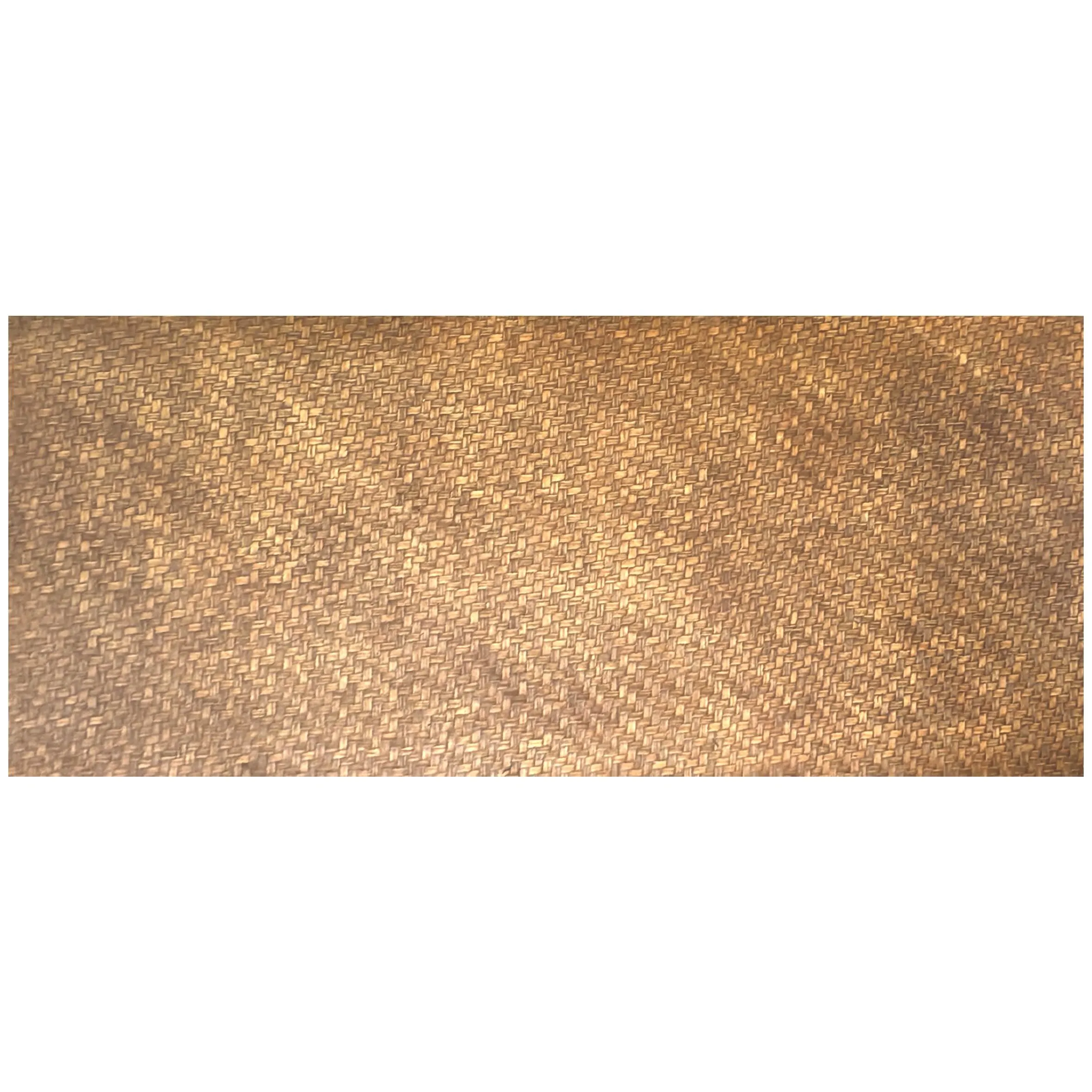
Walk down any city street, and your eyes are drawn upward—toward the glass towers, the stone-clad complexes, the facades that define a neighborhood's character. Commercial buildings aren't just structures; they're storytellers. They whisper about a brand's identity, a community's values, and the era we live in. And at the heart of that storytelling? The materials we choose. Today, we're diving into a material that's quietly revolutionizing how we think about facades: Bamboo Mat Board. It's not just a surface—it's a bridge between tradition and modernity, nature and innovation, and it's changing the game for architects, designers, and anyone who steps foot in these spaces.
Let's start with the basics. Bamboo Mat Board is exactly what it sounds like—crafted from layers of bamboo strips woven into a mat-like texture, then bonded with eco-friendly resins to form a durable, flexible panel. But don't let the simplicity fool you. This material is a masterclass in balance: it carries the warmth and organic charm of natural bamboo, yet boasts the strength and versatility needed for high-traffic commercial spaces. Run your hand over it, and you'll feel the subtle ridges of the weave, a tactile reminder of craftsmanship in a world of mass-produced uniformity.
What makes it stand out? For starters, sustainability. Bamboo is one of the fastest-growing plants on the planet, maturing in just 3–5 years (compared to decades for hardwoods). It requires no pesticides, little water, and releases 35% more oxygen than equivalent trees. When you choose Bamboo Mat Board, you're not just picking a material—you're making a statement about prioritizing the planet without sacrificing style. But it's not all about green credentials. This board is lightweight (a fraction of the weight of stone or concrete), fire-resistant, and resistant to warping or rotting, even in harsh weather. It's the kind of material that makes architects nod in approval and designers light up with ideas.
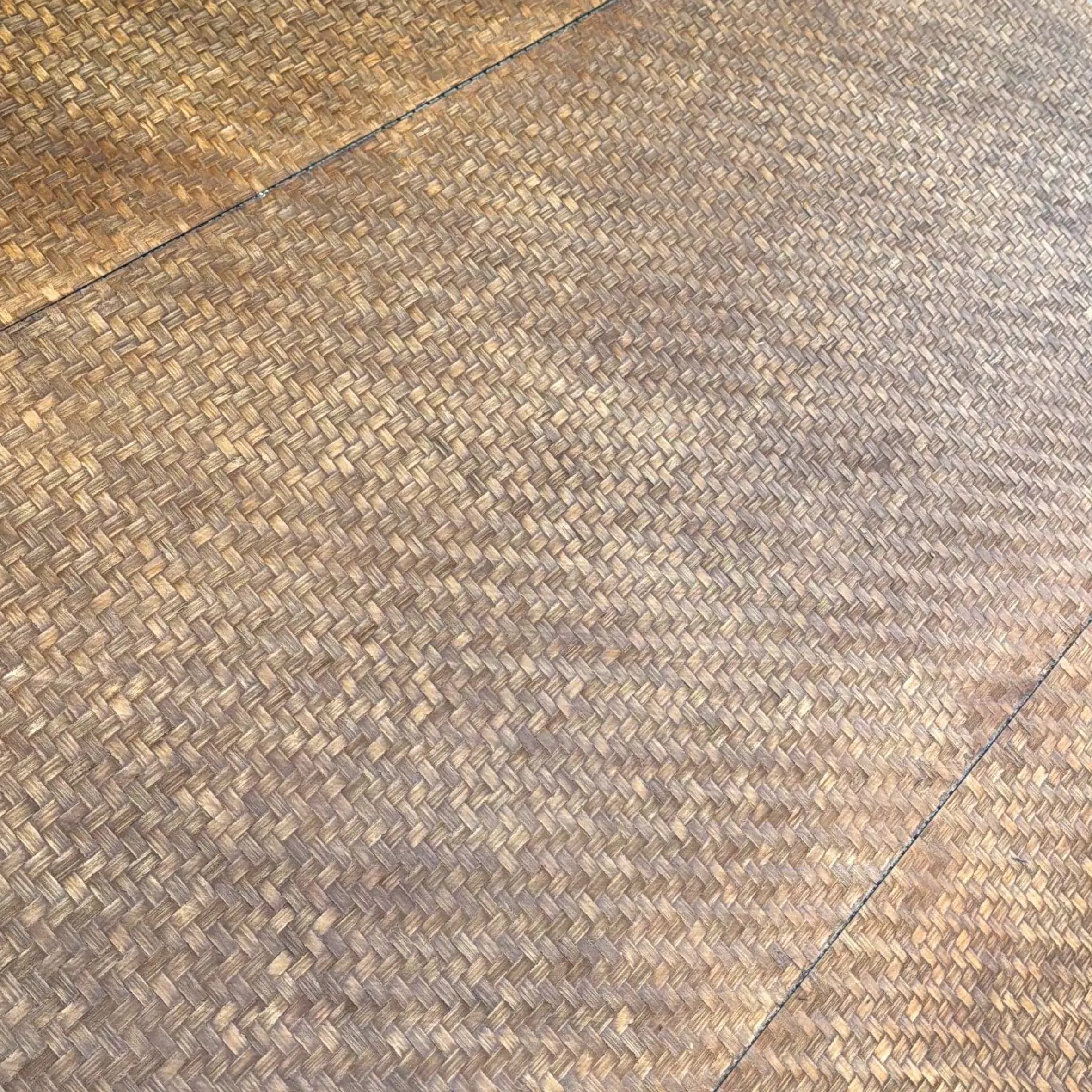
Think about the last commercial building that stuck with you. Chances are, it wasn't just the shape—it was how it felt. Maybe it had a warmth that made you want to linger, or a texture that caught the light in unexpected ways. Bamboo Mat Board does that. Its woven pattern plays with shadows throughout the day, shifting from soft and diffused in morning light to rich and dramatic as the sun sets. It's a dynamic surface, not a static one, which means the building it adorns never feels "finished"—it evolves with the hours, the seasons, the mood outside.
But let's get practical. For commercial projects, durability is non-negotiable. Bamboo Mat Board delivers here, too. Unlike solid wood, which can crack or splinter over time, the woven structure and resin bonding make it resistant to impact and moisture. It's also low-maintenance: a quick wash with mild soap and water is usually all it takes to keep it looking fresh, even in busy urban environments where pollution and grime are constant foes.
Then there's flexibility—both literal and creative. These panels can be curved, cut, or layered to fit almost any design vision. Want a facade that undulates like a wave? Bamboo Mat Board can bend to that shape. Dream of a geometric pattern that repeats across a retail storefront? The uniform weave makes precision easy. And because it's lightweight, it reduces structural load, opening up possibilities for taller buildings or more intricate designs without compromising safety.
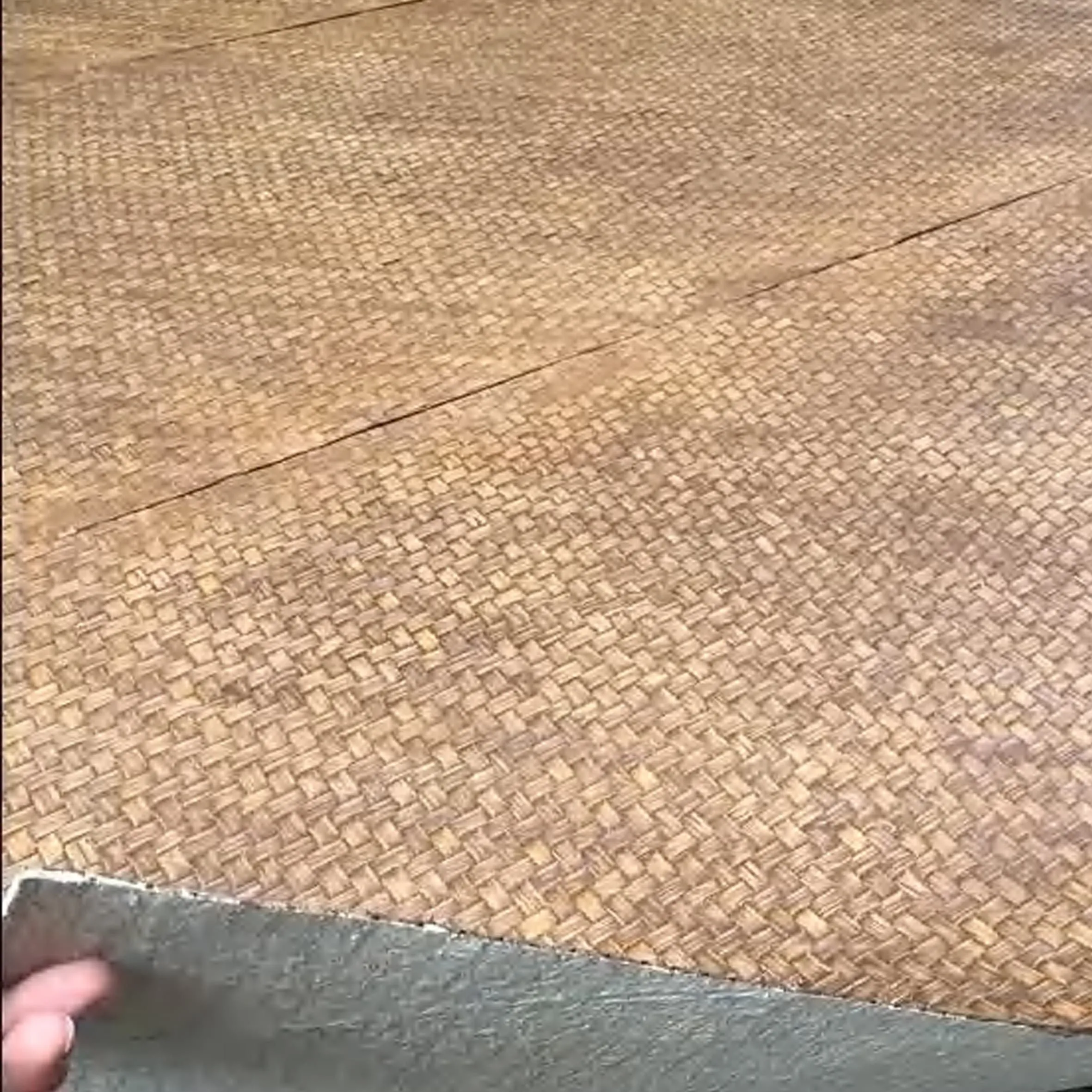
To really appreciate Bamboo Mat Board, it helps to see how it compares to other popular facade materials. Let's break it down with a side-by-side look at some common options—from the industrial edge of Fair-Faced Concrete to the rustic charm of Historical Pathfinders Stone.
| Material | Aesthetic Vibe | Durability | Sustainability | Best For |
|---|---|---|---|---|
| Bamboo Mat Board | Warm, organic weave; blends tradition with modernity | High (resistant to moisture, impact, and warping) | Excellent (renewable bamboo, low carbon footprint) | Offices, boutiques, cafes, cultural centers |
| Fair-Faced Concrete | Raw, industrial, minimalist | Very high (fire-resistant, weatherproof) | Moderate (high embodied carbon in production) | Warehouses, modern art galleries, tech offices |
| Wood Grain Board | Classic wood look; varies by grain pattern | Moderate (prone to fading and moisture damage) | Moderate (depends on wood source; often slow-growing) | Rustic restaurants, heritage renovations |
| Historical Pathfinders Stone | Antique, weathered, storytelling | Very high (natural stone durability) | Low (non-renewable, heavy transportation footprint) | Historic district buildings, museums |
| MCM Flexible Stone | Stone-like texture with flexibility | High (resistant to cracking, lightweight) | Moderate (synthetic components) | Modern facades needing stone look without weight |
The takeaway? Bamboo Mat Board carves out a unique niche. It offers the warmth of wood without the upkeep, the sustainability that concrete can't match, and a texture that feels alive in a way that even MCM Flexible Stone—impressive as it is—can't replicate. It's the material for projects that want to feel human , not just built.
Enough theory—let's talk about how Bamboo Mat Board shines in real commercial spaces. From bustling office lobbies to cozy cafes, here are a few scenarios where this material truly comes into its own.
Imagine a sleek tech company in downtown Portland, Oregon, aiming to attract young talent with a workspace that feels less like a cubicle farm and more like a creative hub. Their facade? A mix of glass and Bamboo Mat Board. The glass keeps the space bright, while the bamboo panels add warmth, softening the "cold tech" vibe. Employees walking in each morning are greeted by a wall that feels natural, not sterile—a subtle reminder that innovation and sustainability can go hand in hand. Clients, too, notice the difference; the facade has become a talking point, signaling the company's commitment to both design and the planet.
In Tokyo's trendy Harajuku district, a fashion boutique wanted a storefront that stood out from the neon lights and digital billboards. They chose Bamboo Mat Board in a warm beige tone, paired with (brass) accents. The woven texture catches the light differently than the smooth surfaces around it, drawing pedestrians in. Once inside, the facade continues as an interior wall, creating a seamless flow from street to shop. Customers often comment on how "inviting" the space feels—something the owner attributes to the bamboo's natural warmth. Sales have even ticked up, with many shoppers mentioning the store's "unique look" as a reason they stopped in.
A small cafe in Seattle's Capitol Hill neighborhood wanted to reflect its mission: supporting local farmers and reducing waste. Bamboo Mat Board was the perfect fit. The facade, stained a rich chestnut, wraps around the building's corner, creating a welcoming nook where people linger with their lattes. The owners love that it's made from renewable bamboo, aligning with their eco-friendly values. And in a city known for rain, they've been impressed by how well the material holds up—no warping, no discoloration, just a consistent, cozy look that keeps regulars coming back.
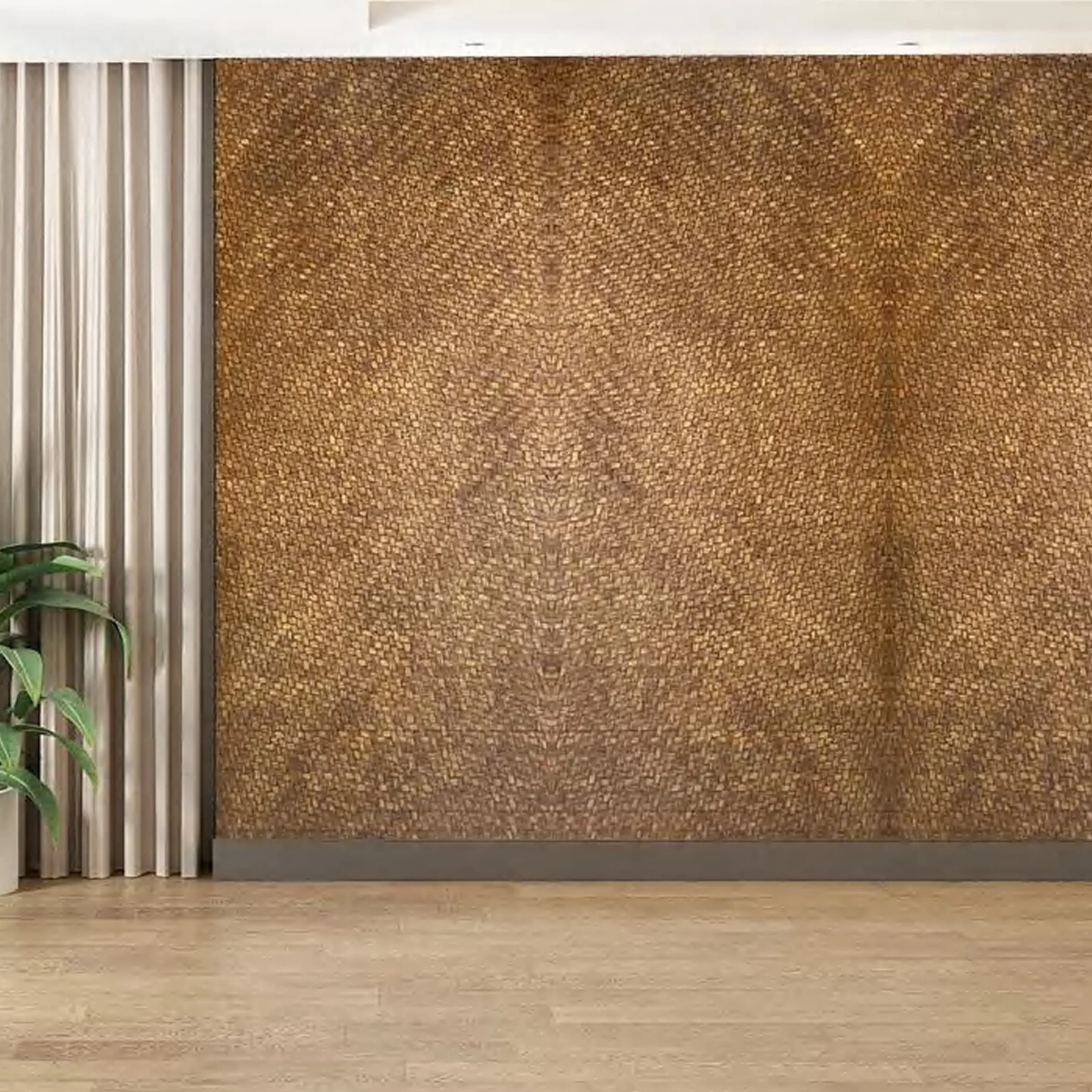
These days, sustainability isn't just a buzzword—it's a requirement for many commercial projects. Clients, tenants, and even governments are demanding materials that minimize environmental impact. Bamboo Mat Board checks this box in spades, and it's worth diving deeper into why that matters.
First, the raw material: bamboo. Unlike hardwood trees, which can take 20–30 years to mature, bamboo grows back in 3–5 years, making it one of the most renewable resources on Earth. It also absorbs more carbon dioxide and releases more oxygen than equivalent trees, making it a natural carbon sink. And because it grows densely, it doesn't require replanting—harvesting the stalks encourages new growth, so there's no need to clear forests for production.
Then there's the manufacturing process. Many Bamboo Mat Board producers use low-VOC (volatile organic compound) resins, reducing harmful emissions during production. The lightweight nature also cuts down on transportation costs and emissions—trucks can carry more panels per trip compared to heavier materials like stone or concrete. And at the end of a building's life, the panels are often recyclable or biodegradable, avoiding the landfill fate of some synthetic materials.
But sustainability isn't just about the planet—it's about people, too. Bamboo farming provides livelihoods for communities in regions like Southeast Asia and South America, often in areas where traditional agriculture is struggling. Choosing Bamboo Mat Board can support fair trade practices and ethical labor, adding another layer of purpose to a commercial project.
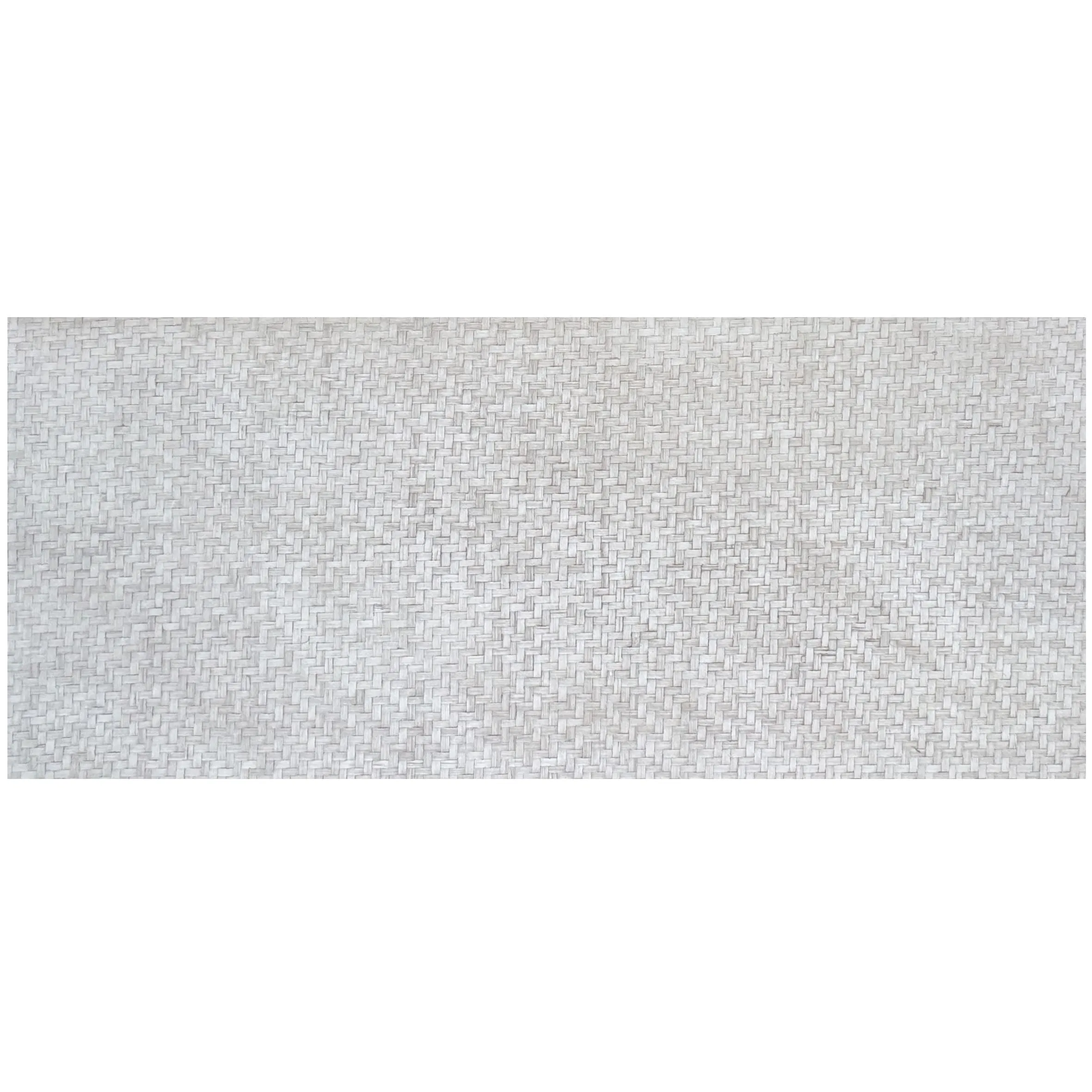
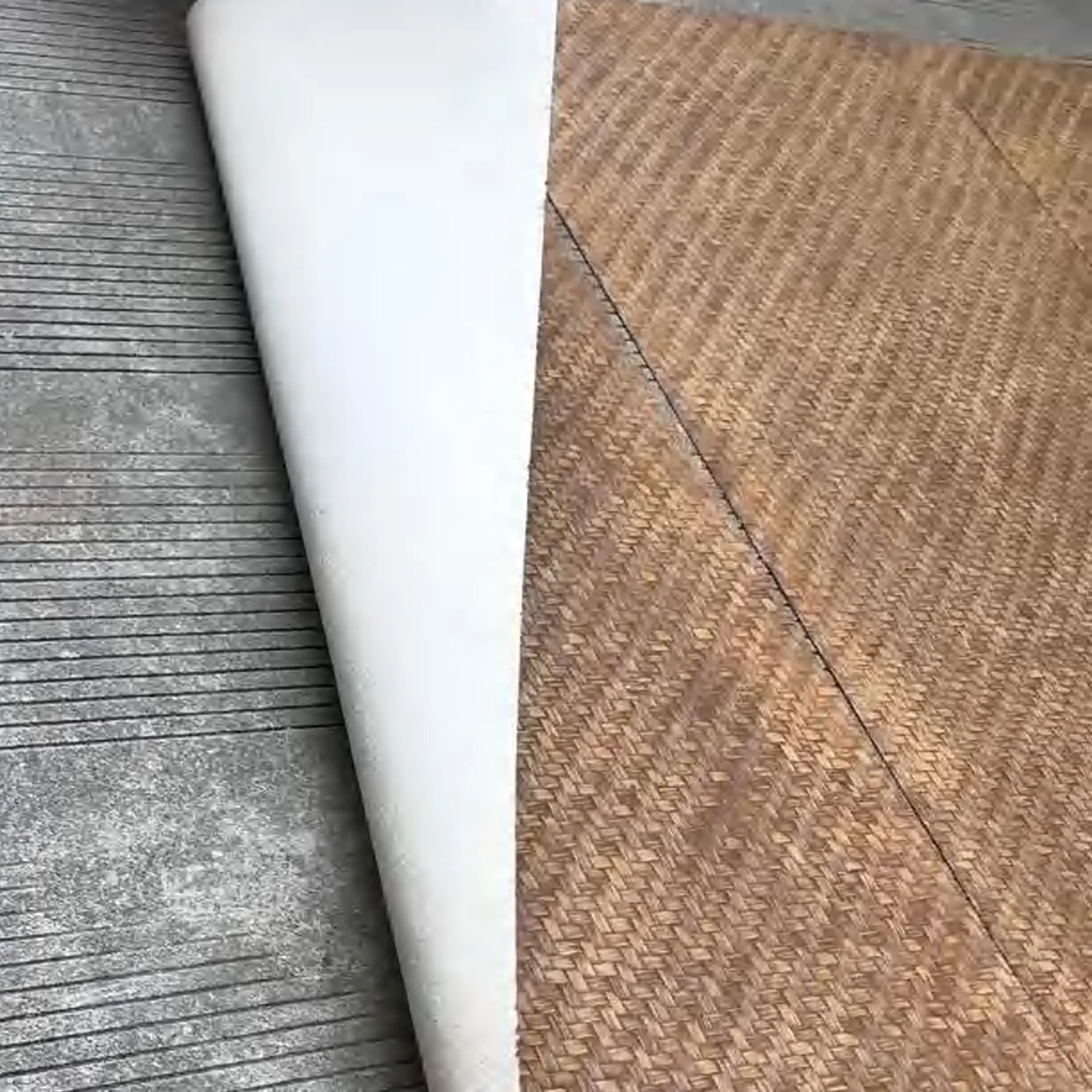
For architects and contractors, ease of installation is a big selling point. Bamboo Mat Board doesn't disappoint here. Thanks to its lightweight design, it requires less heavy machinery and fewer workers to install compared to stone or concrete. The panels often come with interlocking systems or simple mounting brackets, speeding up the process and reducing labor costs.
Maintenance is equally straightforward. Unlike wood, which may need regular staining or sealing, Bamboo Mat Board's resin coating protects it from UV rays and moisture. In most cases, a yearly inspection and occasional cleaning are all that's needed. For high-traffic areas like retail storefronts, a quick wipe with a damp cloth can remove fingerprints or smudges, keeping the facade looking sharp day in and day out.
It's also worth noting that Bamboo Mat Board plays well with other materials. Pair it with glass for a modern contrast, or layer it with MCM Flexible Stone for a textured, multi-dimensional look. The neutral tones—from light honey to deep espresso—complement almost any color palette, making it easy to integrate into existing designs or brand identities.
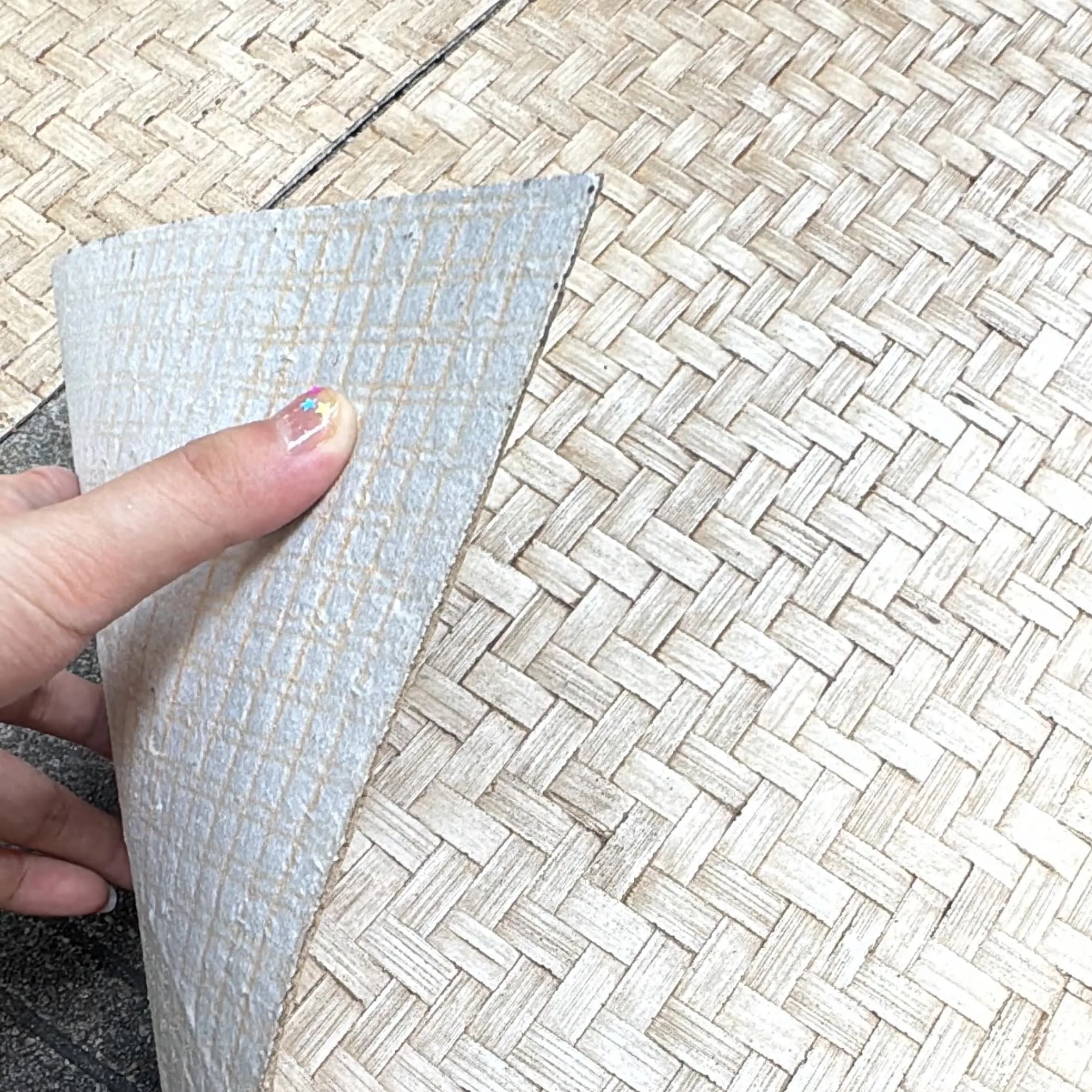
As we move toward a future where sustainability and experience-driven design are paramount, Bamboo Mat Board is poised to become even more popular. Architects are already experimenting with new finishes—like adding a matte or glossy topcoat for different light effects—or mixing bamboo fibers with recycled plastics for even greater durability.
We're also seeing more hybrid designs, where Bamboo Mat Board is used alongside cutting-edge materials like Foamed Aluminium Alloy Board (with its metallic sheen) or 3D-printed concrete panels. The contrast between the organic weave of bamboo and the sleek, futuristic look of these materials creates a visual tension that's hard to ignore—perfect for brands looking to stand out in a crowded market.
But perhaps the most exciting trend is the shift toward "biophilic design"—creating spaces that connect people with nature. Bamboo Mat Board is a natural fit here. In a world where we spend 90% of our time indoors, bringing natural textures into our built environment has been shown to reduce stress, boost productivity, and improve overall well-being. For commercial spaces, that translates to happier employees, more engaged customers, and a brand image that feels caring and forward-thinking.
At the end of the day, commercial building facades are about more than just keeping the rain out. They're about creating a first impression, sparking emotion, and telling a story. Bamboo Mat Board does all that—and more. It's a material with heart, one that honors tradition while embracing innovation, and it's quickly becoming the go-to choice for designers who want their buildings to do more than stand tall—they want them to connect .
So the next time you're walking down that city street, take a closer look at the facades around you. If you spot a warm, woven texture catching the light, chances are it's Bamboo Mat Board—quietly redefining what a commercial building can be, one panel at a time.
Recommend Products












