
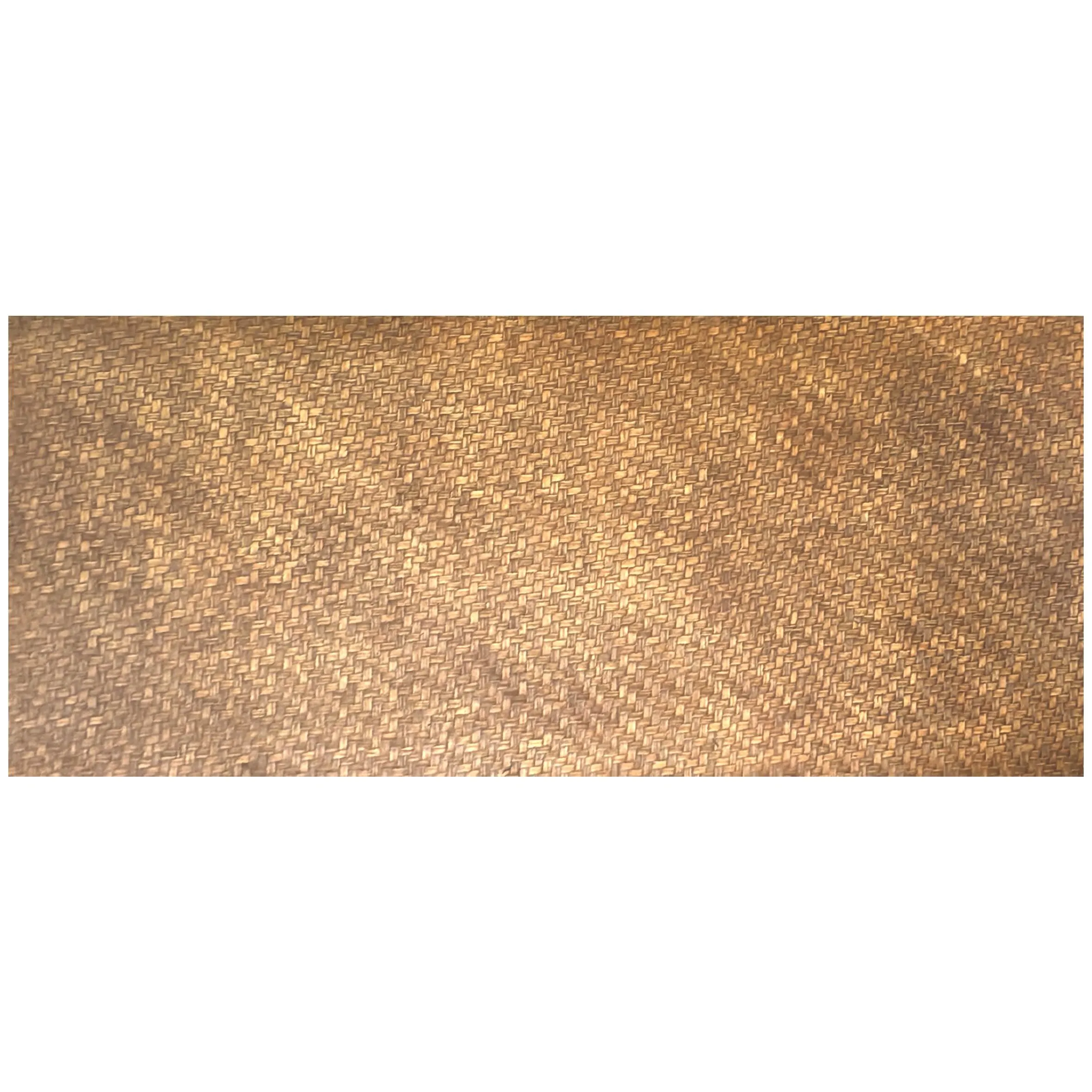
Walk into any modern healthcare facility, and you'll quickly notice a shift in atmosphere. Gone are the days of cold, sterile environments dominated by stark white walls and harsh lighting. Today's hospitals, clinics, and care centers are designed with a quiet mission: to heal not just the body, but the mind too. This evolution brings with it a unique challenge: how to create spaces that are both impeccably hygienic (to prevent infections and ensure safety) and warmly aesthetic (to reduce stress and promote well-being). Among the materials rising to meet this challenge is one that feels almost counterintuitive in a medical setting: bamboo mat board. Soft, natural, and textured, it's a material that seems to bridge the gap between clinical precision and human comfort—but does it truly deliver on both fronts? Let's explore.
Healthcare design is a balancing act. On one side, there's the non-negotiable demand for hygiene. Surfaces must resist bacteria, withstand constant cleaning with harsh disinfectants, and avoid harboring moisture or grime. On the other side, there's the need for warmth. Patients, already vulnerable, often feel anxious in clinical spaces; studies show that natural elements—wood, plants, soft textures—can lower heart rates, reduce stress hormones, and even speed up recovery times. Hard, industrial materials like stainless steel or glossy plastic check the hygiene box but can leave spaces feeling unwelcoming. Meanwhile, traditional natural materials like solid wood or untreated stone, while beautiful, often fall short on durability and microbial resistance. Enter bamboo mat board: a material that's quietly redefining what's possible in healthcare design.
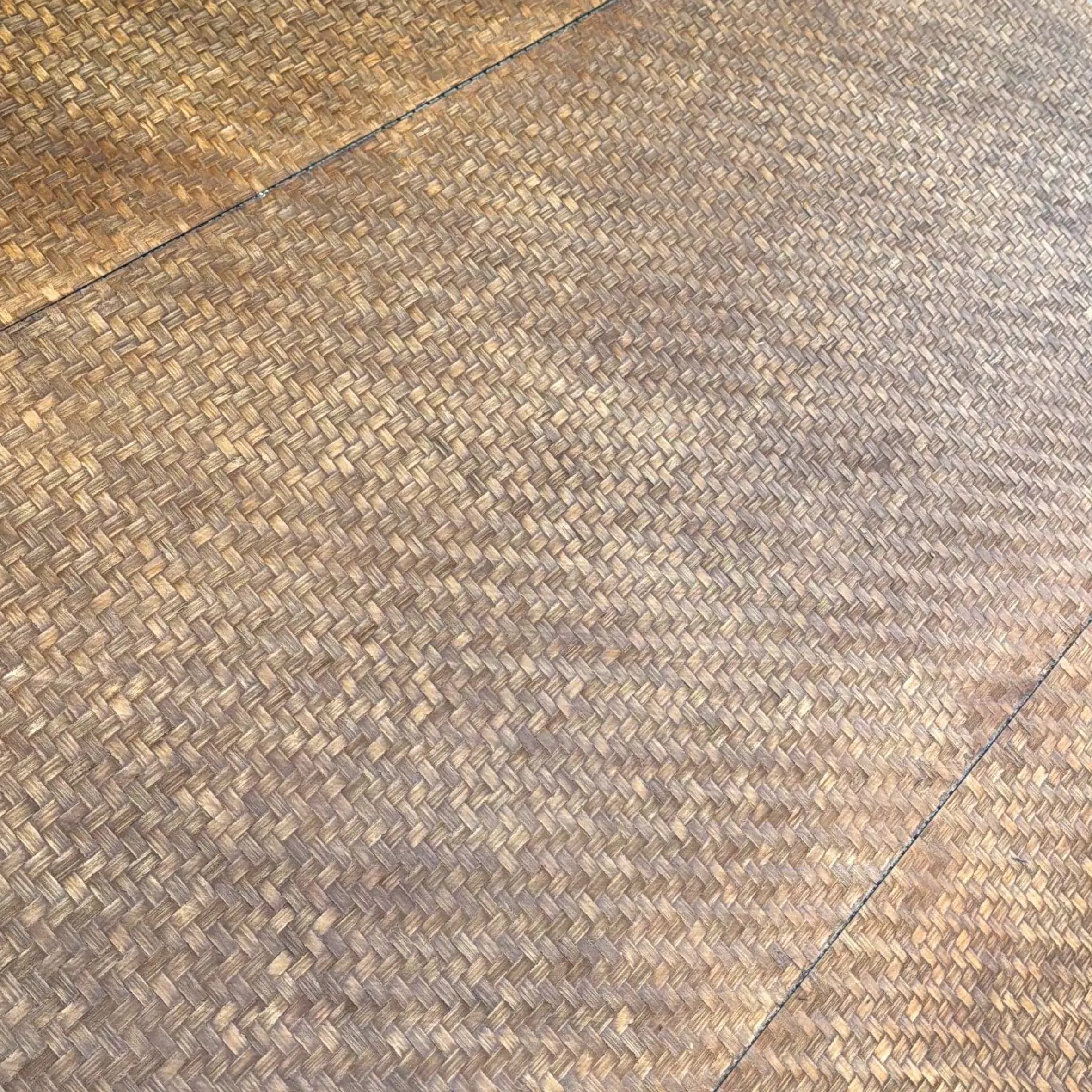
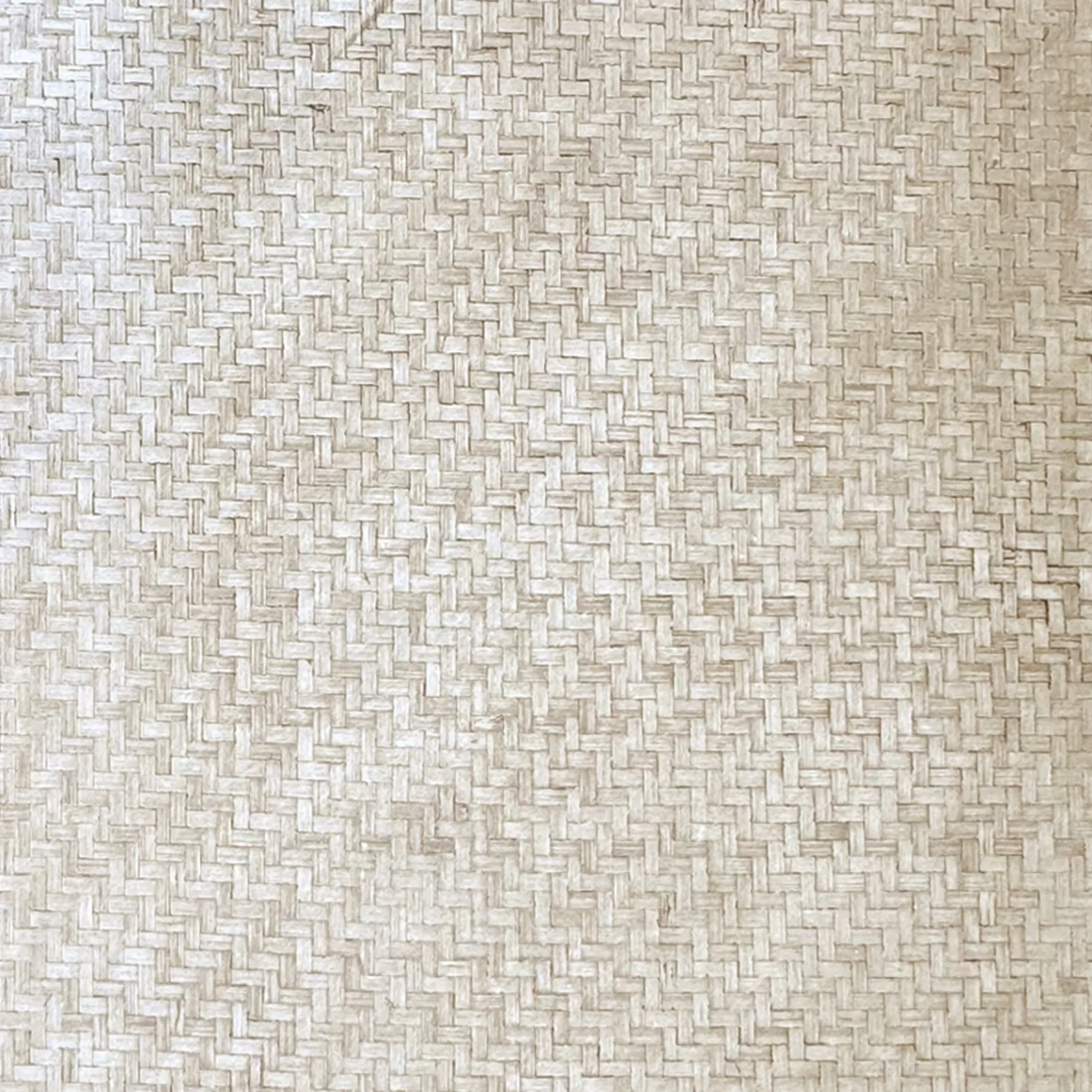
Before diving into its benefits, let's clarify what bamboo mat board is. Unlike solid bamboo planks, which can be prone to warping or water damage, bamboo mat board is an engineered material. It's crafted by compressing layers of bamboo fibers into a dense, rigid board, often with a protective top layer that seals the surface. The result? A material that retains the warm, organic look of natural bamboo—think soft grain patterns, subtle variations in tone, and a tactile texture that feels alive—but with enhanced durability and performance. It's lightweight, easy to install, and available in a range of finishes, from smooth to slightly textured, making it adaptable to different spaces.
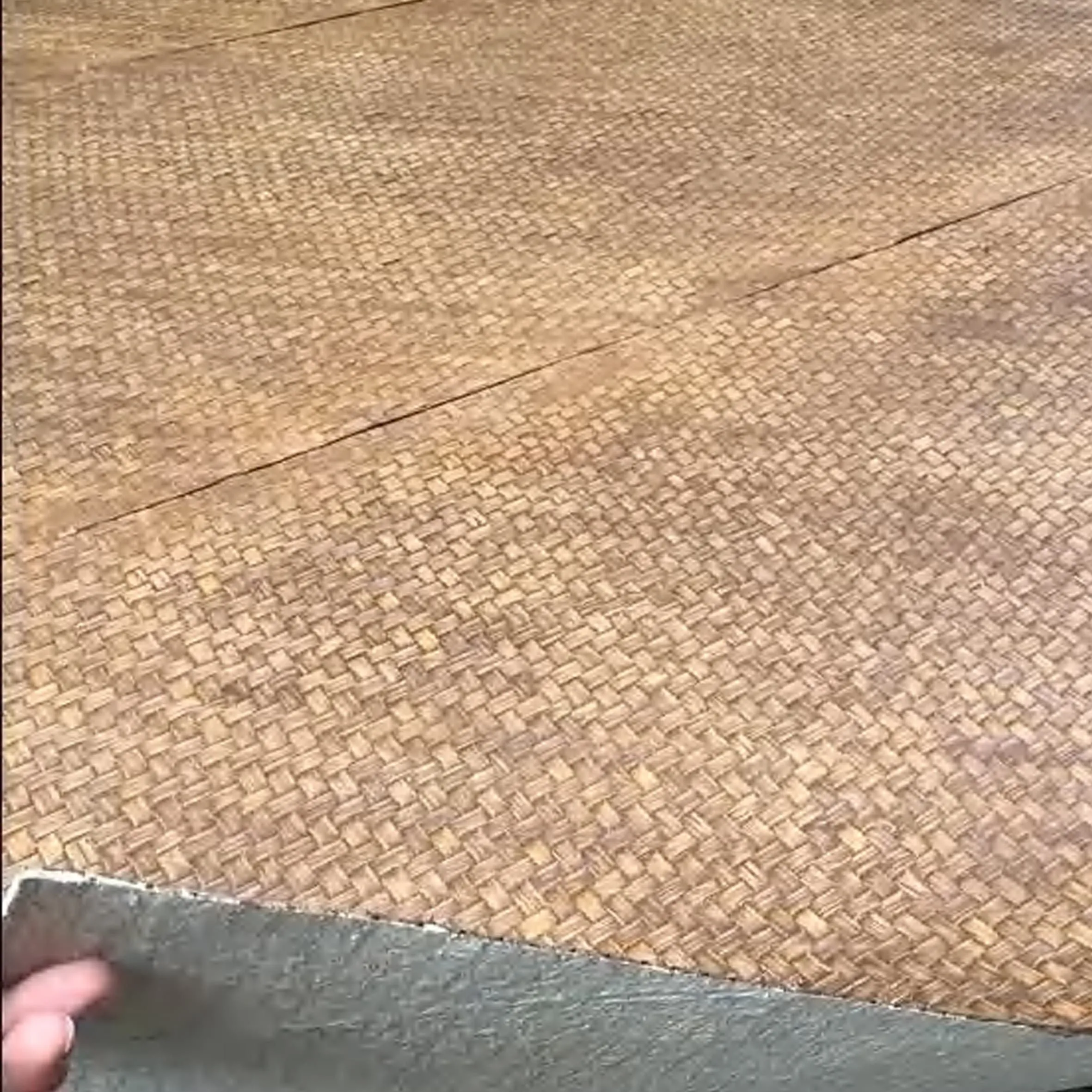
In healthcare, hygiene isn't just a feature—it's a lifeline. According to the World Health Organization, healthcare-associated infections (HAIs) affect an estimated 1 in 10 patients globally, leading to longer hospital stays, increased costs, and, in severe cases, preventable deaths. Surface materials play a critical role in this battle, as they're often touched by staff, patients, and visitors dozens of times a day. Bamboo mat board, surprisingly, brings several key advantages to the table.
Bamboo itself is a naturally antimicrobial material. Studies have shown that bamboo fibers contain a substance called "bamboo kun," a natural agent that inhibits the growth of bacteria like E. coli and Staphylococcus aureus —two common culprits in HAIs. When engineered into mat board with a sealed surface, this property is amplified: the tight compression of fibers leaves little room for bacteria to penetrate, while the protective top layer prevents moisture from seeping in. In contrast, materials like unsealed travertine (beige) or porous wood grain board can trap spills, creating breeding grounds for germs. Bamboo mat board, by design, resists this.
Nurses, janitors, and cleaning staff don't have time for high-maintenance surfaces. Bamboo mat board's sealed surface is non-porous, meaning it wipes clean with standard hospital-grade disinfectants—no special cleaners or scrubbing required. A quick wipe with a cloth and a solution of bleach or hydrogen peroxide is enough to kill pathogens, and the material won't fade or degrade with repeated cleaning. Compare this to fair-faced concrete , which, while durable, often has a rough, textured surface that can catch dirt and require heavy scrubbing. Or MCM flexible stone , a popular alternative in commercial design, which, while moisture-resistant, can sometimes show streaks if not cleaned carefully. Bamboo mat board strikes a balance: it's tough enough to handle daily cleaning but gentle enough to maintain its appearance over time.
Healthcare spaces are wet environments. From spilled drinks in waiting rooms to splashes in treatment areas, surfaces must stand up to moisture without warping, swelling, or rotting. Bamboo mat board's engineered structure makes it highly moisture-resistant. Unlike solid wood, which can absorb water and expand, the compressed bamboo fibers and protective sealant repel liquid, making it ideal for use in bathrooms, patient shower areas, or near sinks. It's also scratch-resistant, a must in spaces where beds, wheelchairs, and medical equipment are constantly on the move. In (corridors) or busy nurse stations, where carts and stretchers are wheeled past walls daily, bamboo mat board holds up better than softer materials like vinyl or even some laminates.
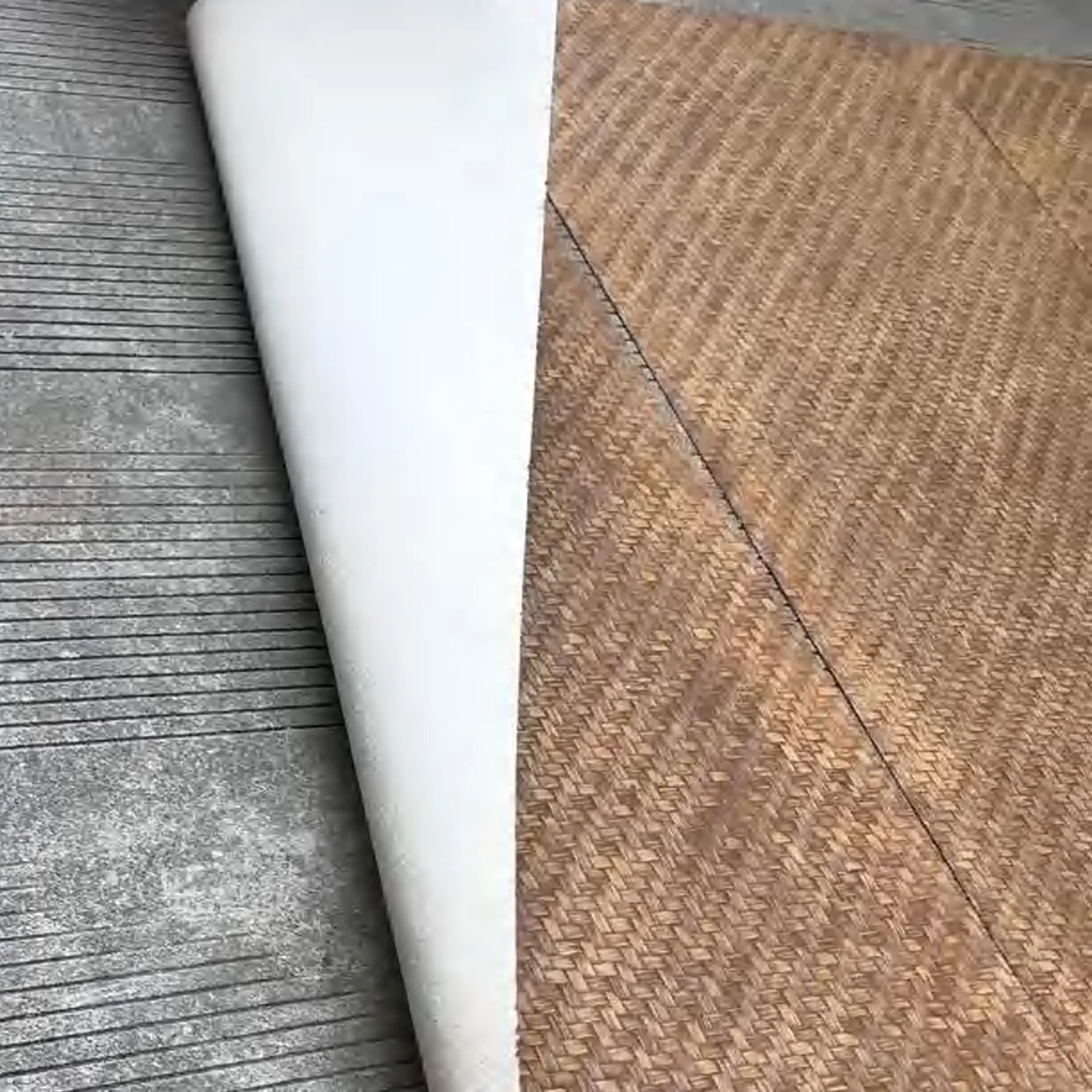
Hygiene is non-negotiable, but aesthetics are the soul of healthcare design. Research from the American Society of Interior Designers (ASID) shows that patients in spaces with natural elements report lower anxiety levels and higher satisfaction with their care. Bamboo mat board excels here, too, by bringing the calming power of nature indoors without sacrificing performance.
There's something inherently soothing about bamboo. Its light, golden tones—ranging from pale straw to deeper amber—infuse spaces with warmth, softening the clinical edge of white walls and medical equipment. In patient rooms, where comfort is key, bamboo mat board walls or headboards create a sense of "home" that can ease the stress of a hospital stay. Imagine a child recovering from surgery: instead of staring at a blank white wall, they see a surface that looks and feels like wood, with gentle grain patterns that invite them to trace shapes with their fingers. It's a small detail, but one that can make a big difference in mood.
Bamboo mat board isn't a one-trick pony. It's available in a range of finishes, from smooth and sleek (perfect for modern clinics) to slightly textured (adding depth to traditional spaces). Some manufacturers even offer variations with integrated patterns, like subtle stripes or crosshatches, mimicking the look of handwoven mats. This versatility means it can complement other materials commonly used in healthcare design. For example, pairing bamboo mat board with fair-faced concrete creates a balance of warmth and industrial chic—ideal for a pediatric clinic aiming for a playful yet professional vibe. Or combining it with MCM flexible stone in earthy tones adds layers of texture without overwhelming the space.
Healthcare facilities often have unique brand identities or themes—think children's hospitals with bright, cheerful decor or senior care centers focused on tranquility. Bamboo mat board plays well with these needs. It can be cut to custom sizes, shaped into curves for softer architectural lines, or even colored subtly to match a facility's brand palette (though most designers opt to keep its natural hue for that organic feel). In one recent project, a cancer treatment center used bamboo mat board in warm golden tones throughout its waiting area, paired with soft lighting and live plants, creating a space patients described as "more like a garden than a hospital."
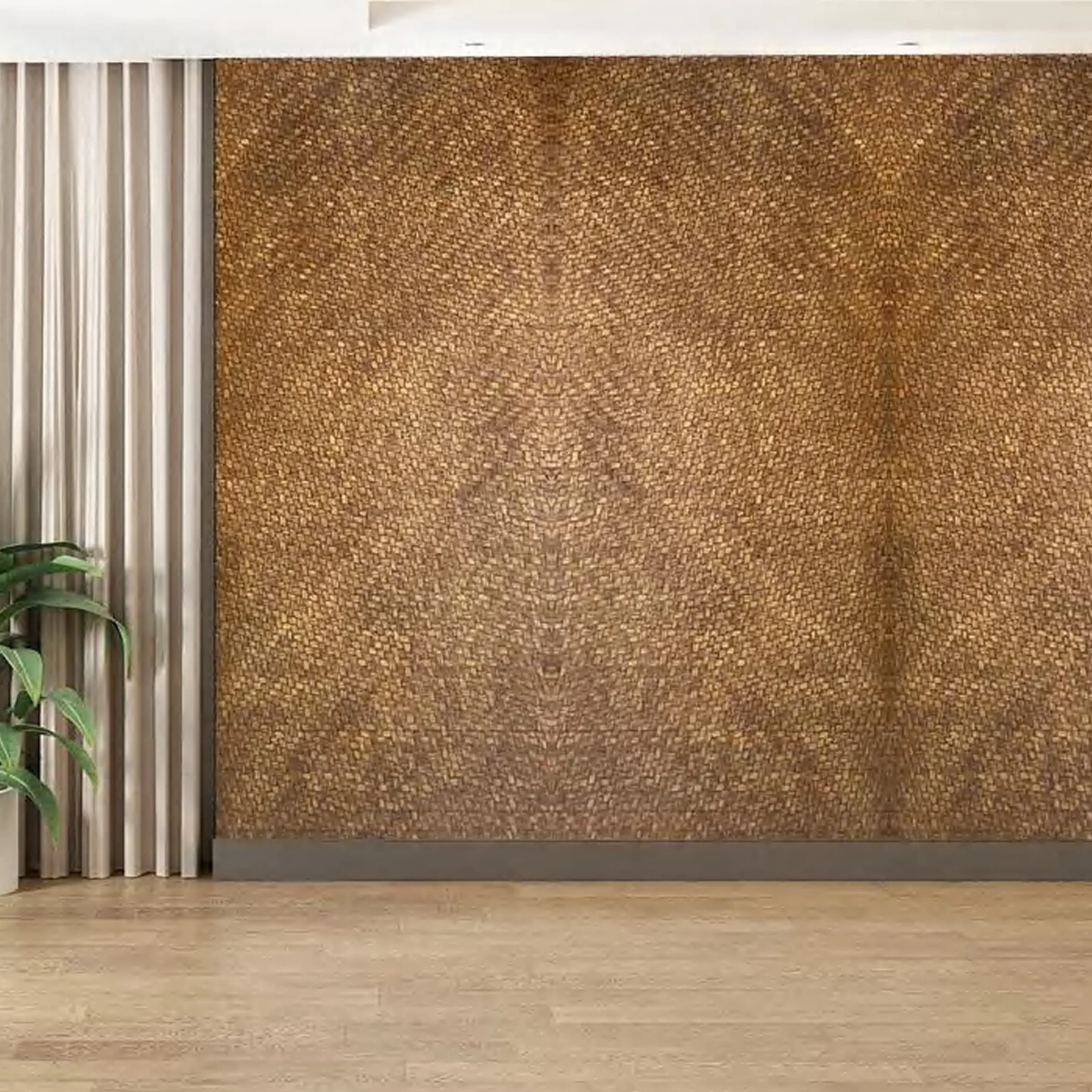
Bamboo mat board's blend of hygiene and aesthetics makes it suitable for almost every area of a healthcare facility. Here are some of the most impactful applications:
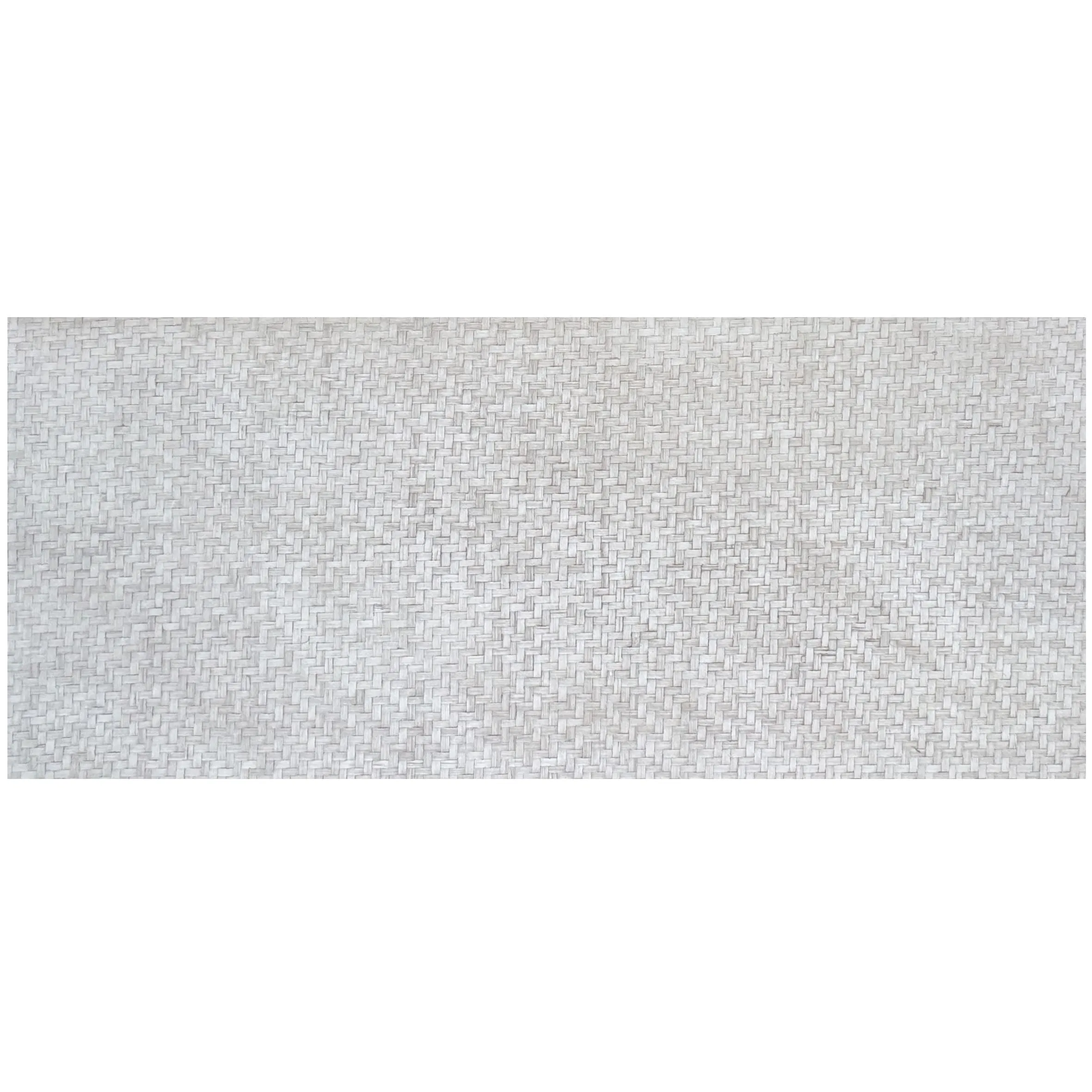
To truly understand bamboo mat board's value, it helps to compare it to other materials commonly used in healthcare design. The table below breaks down key factors like hygiene, aesthetics, durability, and cost:
| Material | Hygiene (Resistance to Bacteria/Stains) | Aesthetics (Warmth/Natural Feel) | Durability (Scratch/Water Resistance) | Installation & Maintenance Cost |
|---|---|---|---|---|
| Bamboo Mat Board | High (Non-porous, antimicrobial, easy to clean) | High (Warm, organic grain, natural tone variations) | High (Resistant to scratches, moisture, and warping) | Medium (More than vinyl, less than solid wood) |
| MCM Flexible Stone | Medium-High (Moisture-resistant, but porous if unsealed) | Medium (Earthy, but can feel "manufactured" compared to bamboo) | High (Extremely durable, impact-resistant) | High (Specialized installation required) |
| Fair-Faced Concrete | Medium (Porous; requires sealing to resist stains) | Low (Industrial look, can feel cold) | Very High (Virtually indestructible) | Medium-High (Labor-intensive installation) |
| Wood Grain Board | Low-Medium (Can trap bacteria in grain; needs frequent sealing) | High (Warm, but less consistent than bamboo) | Medium (Prone to scratches and water damage) | Medium (Similar to bamboo, but higher maintenance) |
As the table shows, bamboo mat board isn't the cheapest option, but it offers the best balance of hygiene, aesthetics, and durability—a "goldilocks" material for healthcare design.
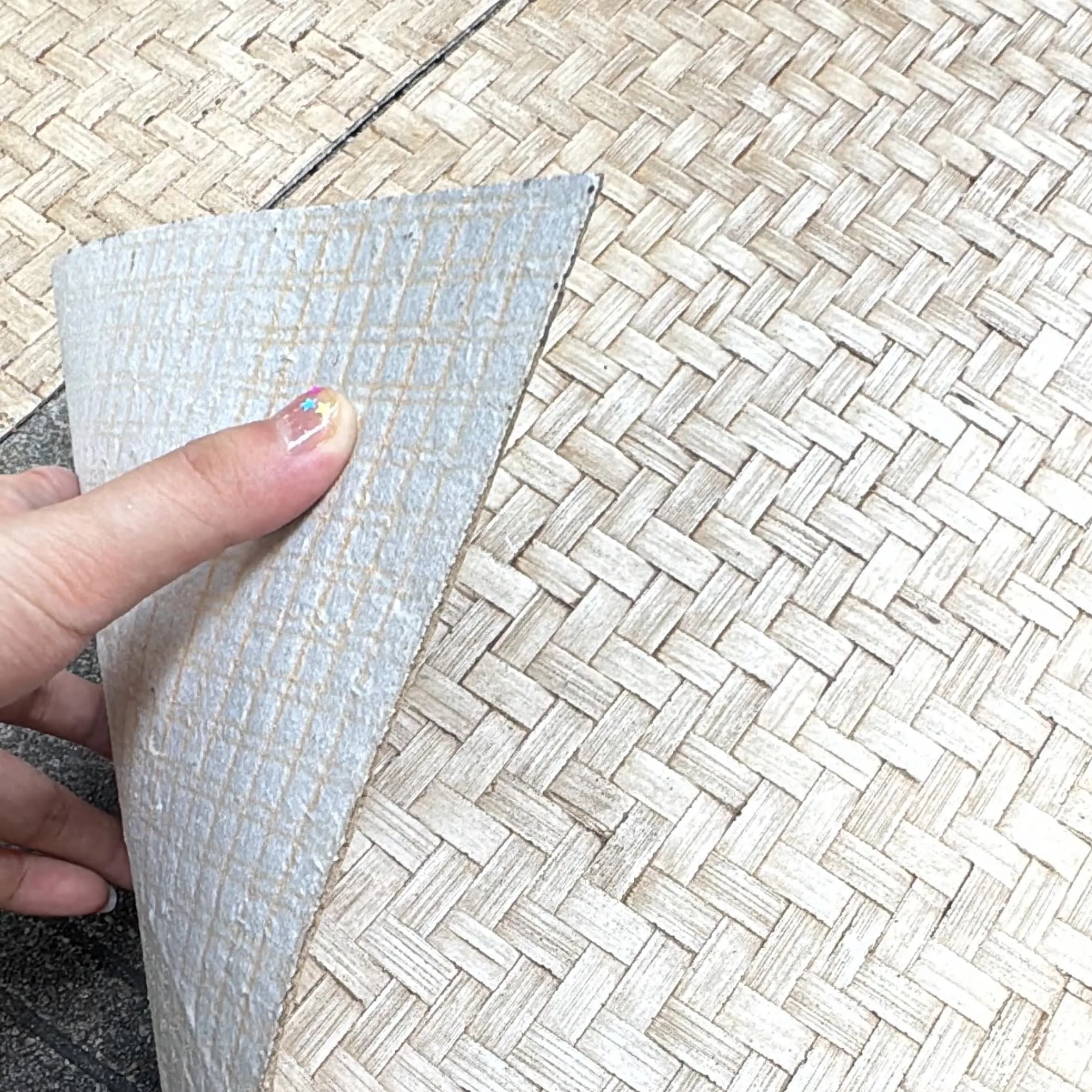
To see bamboo mat board's impact firsthand, consider the example of Green Valley Pediatrics, a clinic in Portland, Oregon, that underwent a renovation in 2024. The clinic's goal was to create a space that felt less intimidating for young patients while meeting strict infection control standards. The design team chose bamboo mat board for several key areas:
Six months after the renovation, the clinic reported a 20% decrease in patient anxiety scores (measured via post-visit surveys) and a 15% reduction in time spent on daily surface cleaning—proof that bamboo mat board can deliver both emotional and practical benefits.
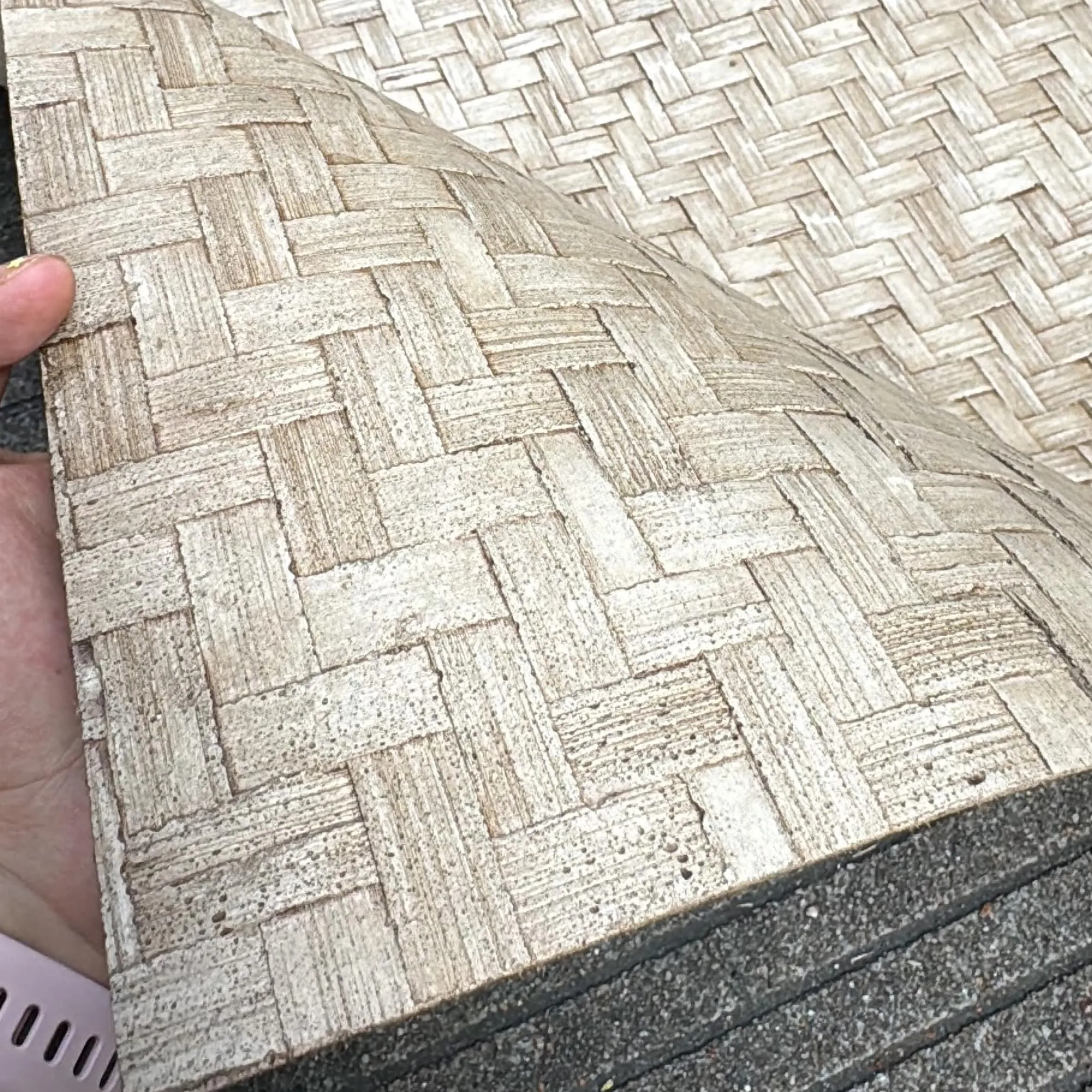
As healthcare design continues to prioritize patient-centered care, materials like bamboo mat board are likely to grow in popularity. Manufacturers are already exploring innovations, such as adding embedded antimicrobial agents to the protective top layer (further boosting hygiene) or developing thinner, more flexible versions for curved surfaces. There's also a push toward sustainability: bamboo is one of the fastest-growing plants on Earth, requiring no pesticides and minimal water, making it an eco-friendly choice for facilities aiming to reduce their carbon footprint.
Perhaps most importantly, though, bamboo mat board represents a shift in mindset: healthcare spaces don't have to choose between function and feeling. They can be both clinically sterile and emotionally nurturing. In a world where healing is as much about the environment as it is about medicine, that balance is everything.
Bamboo mat board isn't just a surface material; it's a design tool that helps healthcare facilities meet the dual demands of hygiene and humanity. It's proof that even in the most clinical of settings, nature has a role to play—reminding patients, staff, and visitors that healing is a holistic journey. As one nurse at Green Valley Pediatrics put it: "It's amazing how much a simple thing like the texture of a wall can change the mood in a room. When patients feel calm, they heal better. And when we can clean faster, we can spend more time with them. Bamboo mat board isn't just making our clinic look nicer—it's making it work better, too."
In the end, that's the real power of great healthcare design: materials that don't just perform—they care.
Recommend Products












