
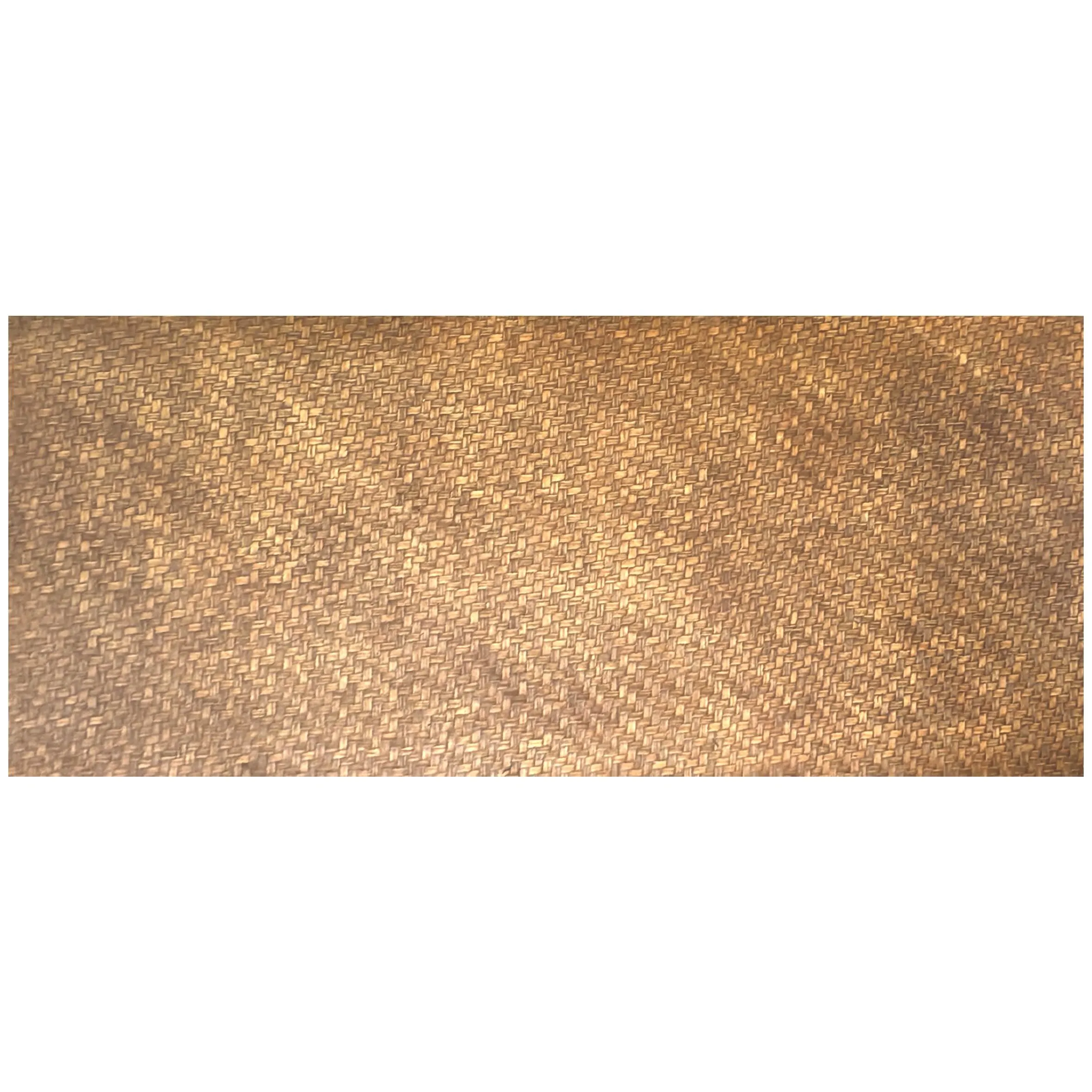
How a humble material is redefining how brands tell their stories—one custom print at a time.
Walk into your favorite café. What do you notice first? The aroma of coffee, sure, but before that—your eyes take in the space. The walls, the counters, the little details that make it feel like *that* café and no other. Brands today know this: a space isn't just a shell; it's a conversation. It speaks to who you are, what you value, and why customers should care. And the materials that shape these spaces? They're the words in that conversation.
Enter bamboo mat board custom printing. It's not just a material—it's a storyteller. Soft yet sturdy, natural yet customizable, it's quickly becoming the go-to choice for brands that want to blend warmth with personality. But why bamboo? And how does custom printing turn it from a simple mat into a brand's secret weapon?
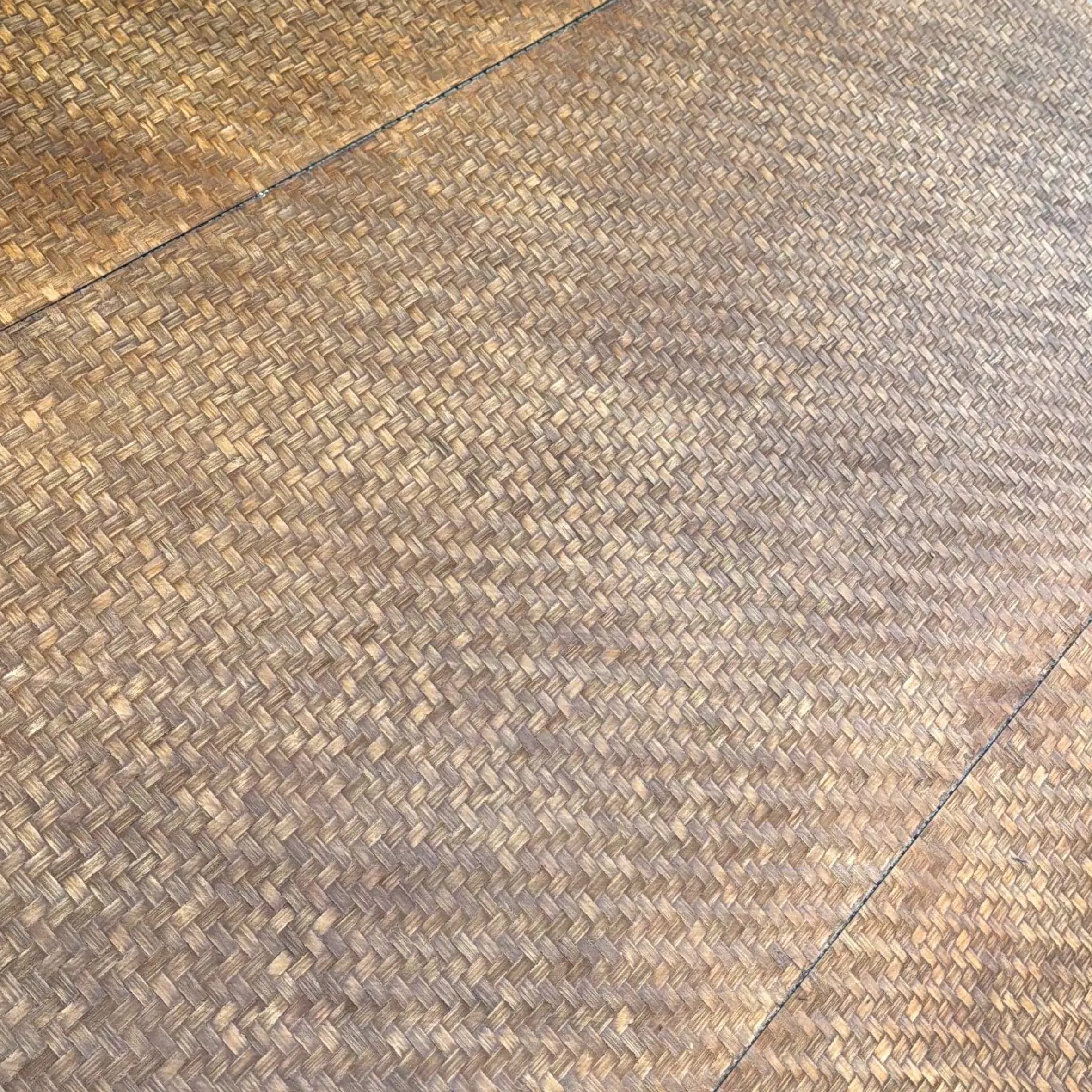
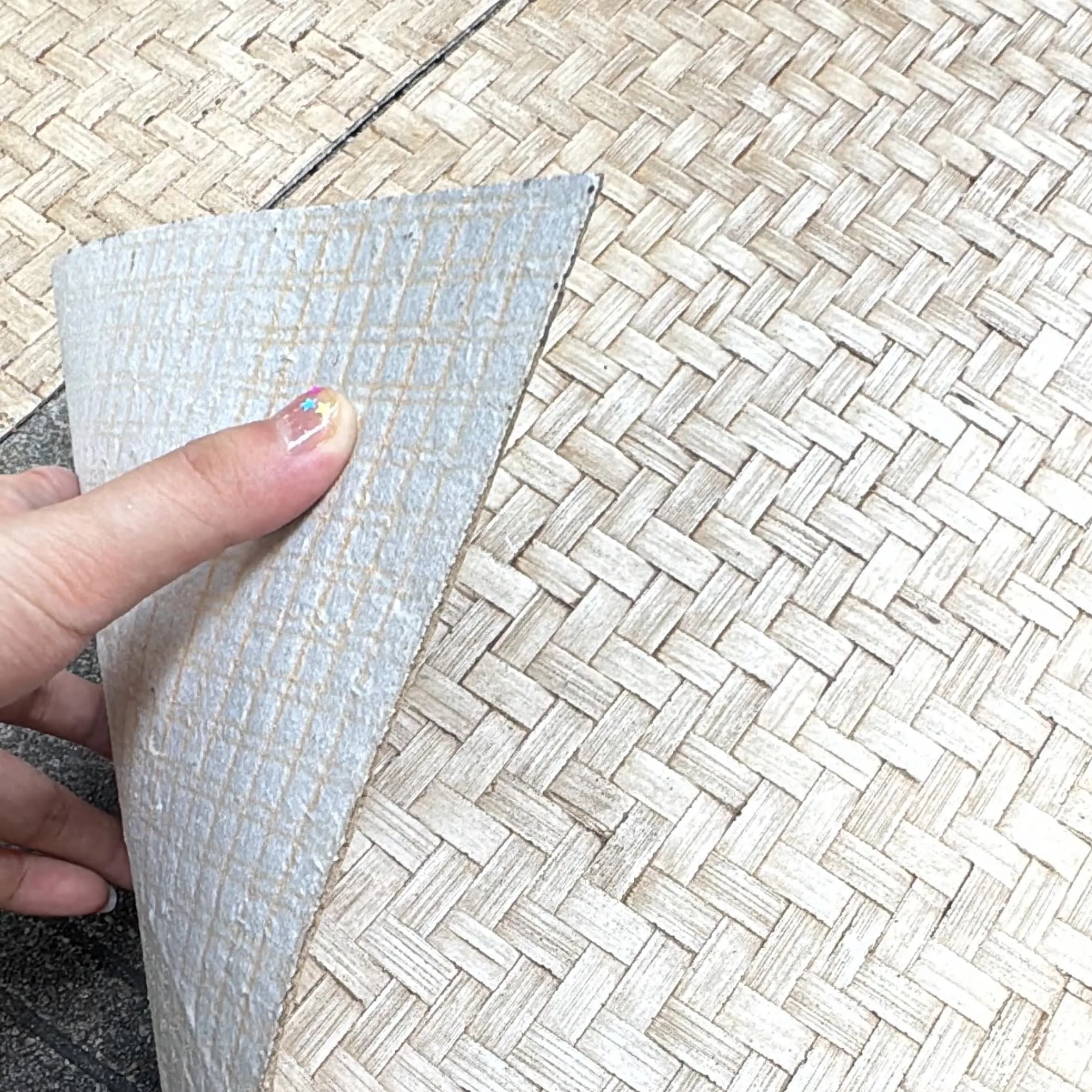
Bamboo has been a quiet hero of human innovation for centuries. Fast-growing, renewable, and inherently strong, it's sustained communities, built homes, and even fed people (looking at you, bamboo shoots). But bamboo mat board? That's where tradition meets modern design. Crafted from thin, woven bamboo strips pressed into a durable board, it carries the texture of handwoven mats—those subtle ridges and gaps that catch the light and invite touch.
What makes it special for branded spaces? Unlike cold concrete or overly polished marble, bamboo mat board feels *lived-in*. It has a warmth that says, "Stay a while." Run your hand over it, and you'll feel the faint indentations of the weave—a tactile reminder of nature's irregular beauty. For brands aiming to feel approachable, authentic, or eco-conscious, that's gold. It's not just a surface; it's an experience.
And then there's the sustainability angle. In a world where customers care as much about a brand's carbon footprint as its logo, bamboo checks every box. It grows in 3–5 years (compared to decades for hardwoods), requires no pesticides, and releases 35% more oxygen than trees. For a café that prides itself on "green living" or an office touting "sustainable innovation," bamboo mat board isn't just a design choice—it's a values statement.
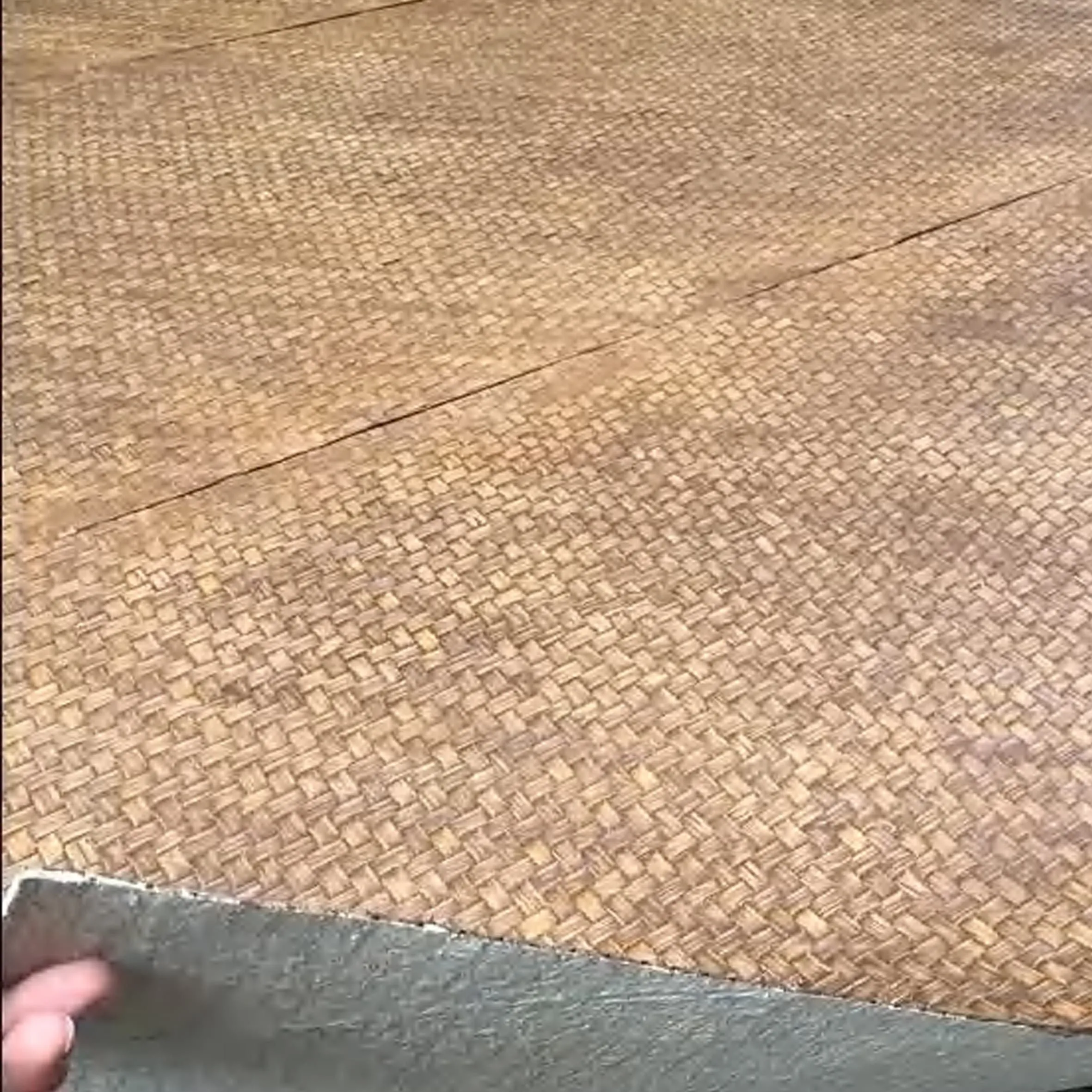
Natural appeal is great, but brands need to stand out. That's where custom printing comes in. Imagine your logo, subtly etched into the bamboo weave. Or a pattern inspired by your brand's color palette, soft enough to complement the woody tones but distinct enough to say, "This is *us*." Bamboo mat board's porous yet sturdy surface is surprisingly receptive to printing techniques, making it a blank canvas for creativity.
How does it work? Modern digital printing technology lets designers print directly onto the bamboo surface with precision. Want a soft beige logo that blends with the natural bamboo hue? Done. Prefer a bold, contrasting pattern that pops? The bamboo's texture actually enhances it—those tiny ridges catch the ink differently, adding depth that flat materials can't match. And it's not just logos: think custom gradients, abstract patterns, even illustrations that tell your brand's story. A bakery might print tiny wheat stalks along the edges; a yoga studio could go for flowing, wave-like designs that mirror movement.
But here's the best part: the print doesn't overpower the bamboo. It *complements* it. The natural grain and weave peek through, so even with a custom design, the material still feels organic. It's the perfect balance of "this is ours" and "this is nature."
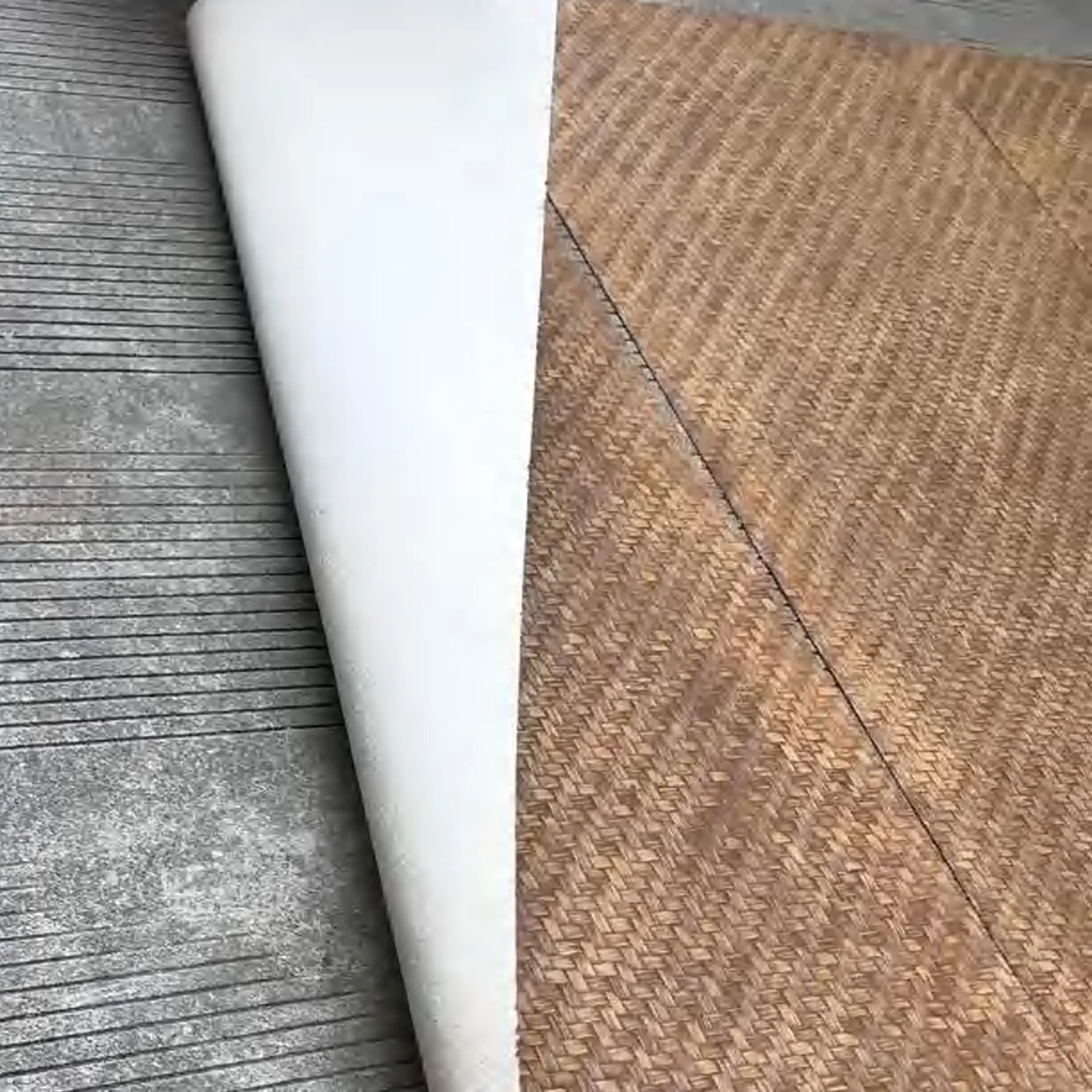
Curious how bamboo mat board holds up against other popular materials for branded spaces? Let's break it down.
| Material | Texture | Customization | Sustainability | Best For |
|---|---|---|---|---|
| Bamboo Mat Board | Woven, tactile, warm | High (digital printing, etching) | Excellent (renewable, fast-growing) | Cafés, boutiques, wellness spaces |
| Wood Grain Board | Smooth, uniform grain | Medium (staining, limited printing) | Good (depends on wood type) | Offices, restaurants |
| MCM Flexible Stone | Stone-like, varied patterns | Low (pre-set colors/patterns) | Good (lightweight, reduces transport emissions) | High-end retail, hotels |
See the difference? Bamboo mat board's edge is in its *personality*. It's not just another "natural material"—it's one that bends to your brand's vision without losing its soul.
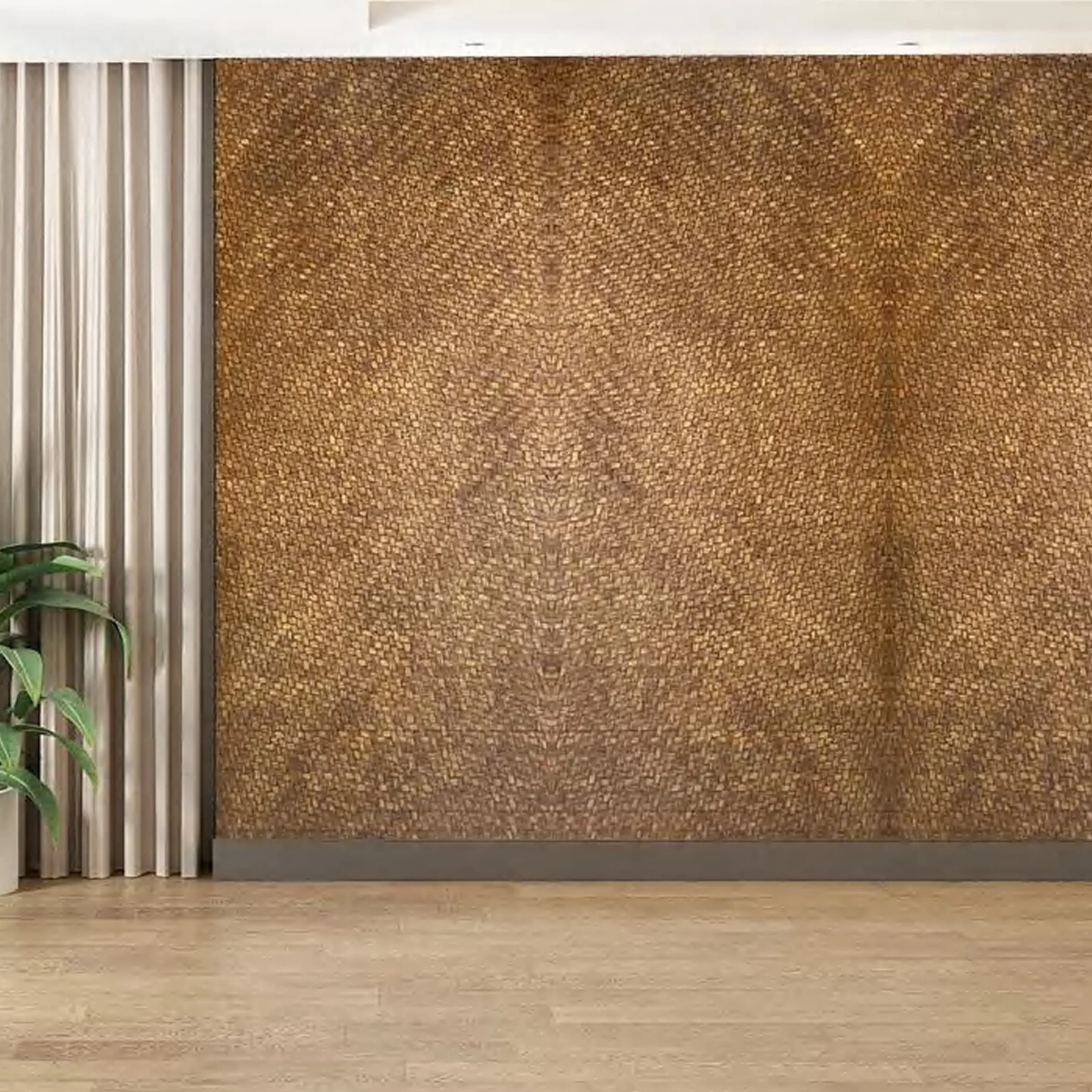
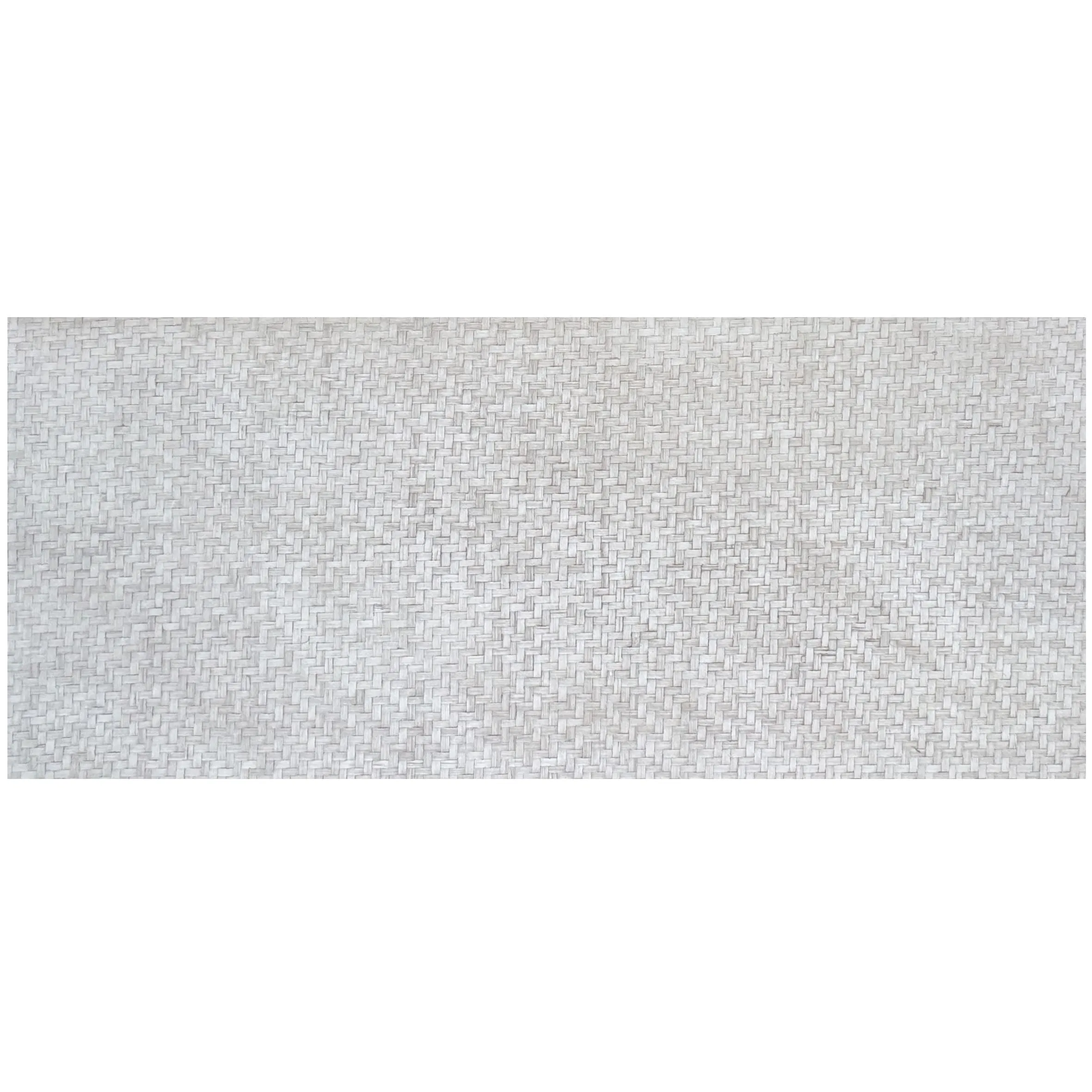
Great design is about balance. Bamboo mat board shines brightest when paired with materials that enhance its strengths. Take weaving (beige) , for example. Imagine a bamboo mat board accent wall in a boutique, paired with beige woven cushions on the seating. The two textures—bamboo's tight weave and the looser, softer weave of the cushions—play off each other, creating a space that feels layered and intentional. It's like wearing a linen shirt with a cotton scarf: different but harmonious.
Then there's fair-faced concrete . Hear us out: concrete might sound cold, but when you pair its raw, industrial vibe with bamboo's warmth, magic happens. A co-working space, for instance, could have fair-faced concrete walls (sleek, modern) with bamboo mat board partitions printed with the company's mission statement. The contrast—hard vs. soft, gray vs. earthy—feels dynamic, like a brand that's both innovative and grounded.
And let's not forget wood grain board . For brands that love the natural look but want a smoother finish, mixing bamboo mat board (with its visible weave) and wood grain board (with its flowing grain) adds visual interest without overwhelming. Think a restaurant counter: bamboo mat board front panels printed with the logo, topped with wood grain board for a seamless, high-end look.
Let's take a real-world example. Roots & Roast, a small café in Portland, wanted to stand out in a city saturated with coffee shops. Their brand? "Sustainable, cozy, and a little bit quirky." They turned to bamboo mat board custom printing—and the results spoke for themselves.
Their main wall? Covered in bamboo mat board printed with a subtle, repeating pattern of coffee beans and tiny roots (a nod to their name). The color? A warm, earthy tone that matched their weaving (beige) curtains and wooden tables. "We wanted people to feel like they were in a friend's living room, not a chain," says owner Maya Lin. "The bamboo walls do that. Customers always comment on how 'homey' it feels—and they stay longer because of it."
Even better? The bamboo's sustainability aligns with their "zero-waste" promise. "We get questions about the walls all the time," Maya laughs. "People assume it's just 'nice wood,' but when we tell them it's bamboo—renewable, fast-growing—they light up. It's not just a wall anymore; it's a conversation starter about what we care about."
At this point, you might be thinking: "Can't I just use regular bamboo mat board without printing?" Sure—but why miss out on the chance to make the space *yours*? Custom printing turns a generic material into a brand signature. It's the difference between wearing a plain white tee and one with a design that says, "This is me."
And it's not just about logos. Think about the little things: a hotel chain could print local landmarks on bamboo mat board panels in each room, tying the space to its location. A boutique fitness studio might print motivational quotes in a subtle font, keeping clients inspired mid-workout. These details don't scream "brand"—they whisper it, making the experience feel personal, not promotional.
Durability is another win. Bamboo mat board is surprisingly tough: water-resistant, scratch-resistant, and built to handle daily wear (no more panicking if a coffee spills or a chair scrapes against the wall). And the prints? They're designed to last, too. No fading, no peeling—just a design that stays as vibrant as your brand.
Brands are waking up to a truth: customers don't just buy products—they buy feelings. And feelings are shaped by experiences. A space that feels cold, generic, or "just like every other place" won't stick in anyone's mind. But a space that feels *thoughtful*—one where the materials tell a story—? That's memorable.
Bamboo mat board custom printing is part of this shift. It's not about being flashy; it's about being intentional. It's for brands that want to say, "We see you. We care about the details. And we're not here to blend in."
So, what's next? As printing technology improves, the possibilities will only grow. Imagine 3D-printed textures on bamboo, or prints that change subtly with light. But even now, with the tools we have, bamboo mat board is proving that the best brand stories aren't told with words—they're told with materials that feel as human as the people behind them.
At the end of the day, branded spaces are about connection. They're about making someone walk in and think, "This is where I belong." Bamboo mat board custom printing isn't just a material choice—it's a commitment to that connection. It's nature, it's creativity, and it's *you*. And in a world that's more crowded than ever, that's the kind of story that sticks.
Recommend Products












