
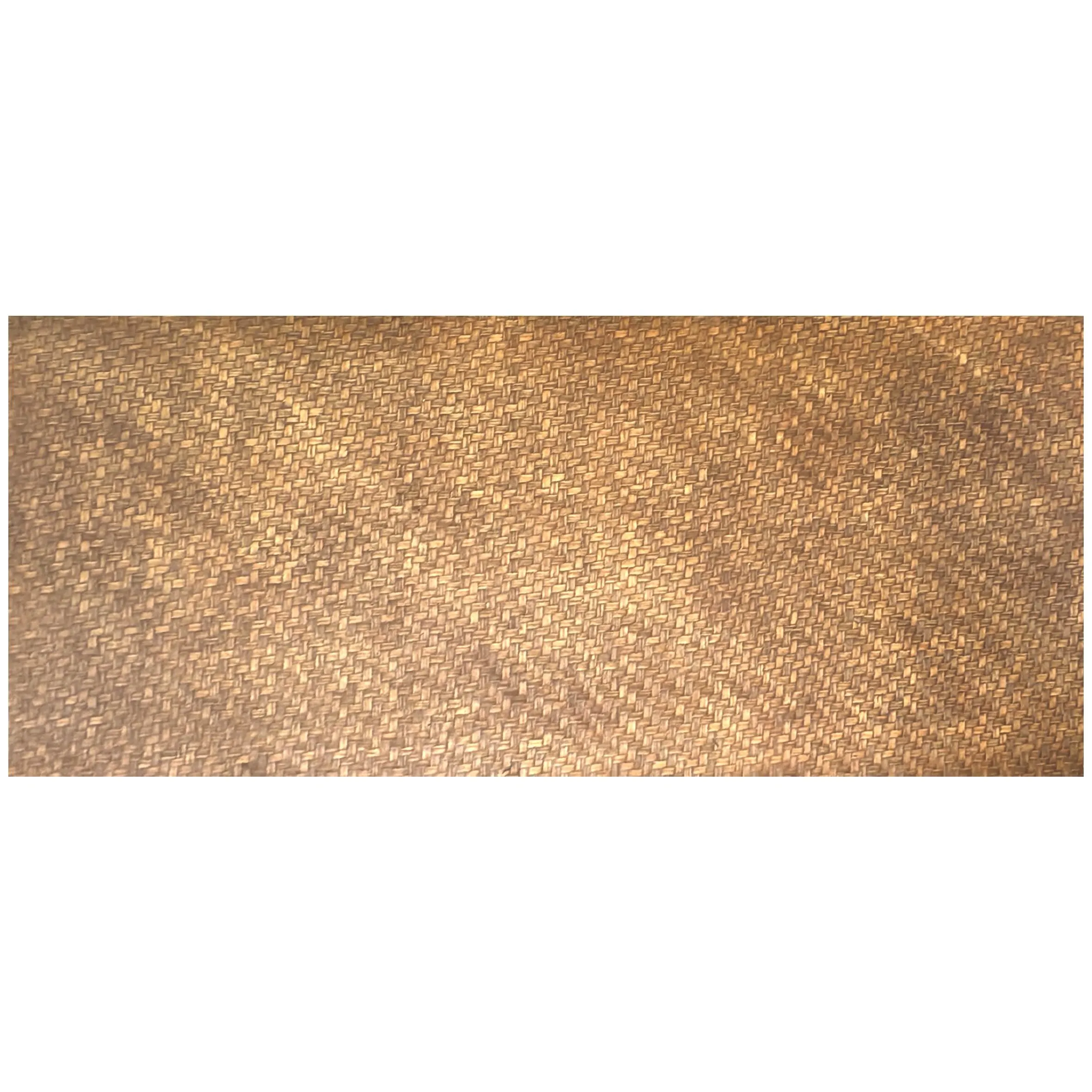
Walk down any street, and you'll notice it—the way buildings whisper stories through their exteriors. A weathered brick wall might evoke nostalgia, a sleek glass facade feels futuristic, and a textured stone surface? It invites you to reach out, to touch, to connect. Architectural cladding isn't just about protecting walls; it's the skin of a structure, the first impression that lingers in memories. In 2025, one material has risen to the forefront of this narrative: Bamboo Mat Board. Blending tradition with innovation, it's redefining how we think about warmth, sustainability, and design in our built environments.
But Bamboo Mat Board isn't alone. It's part of a broader movement—one that marries natural textures with cutting-edge technology, where materials like MCM Flexible Stone, Wood Grain Board, and the Lunar Peak Series are collaborating to turn buildings into experiences. Let's dive into the trends shaping 2025, starting with the star of the show: Bamboo Mat Board.
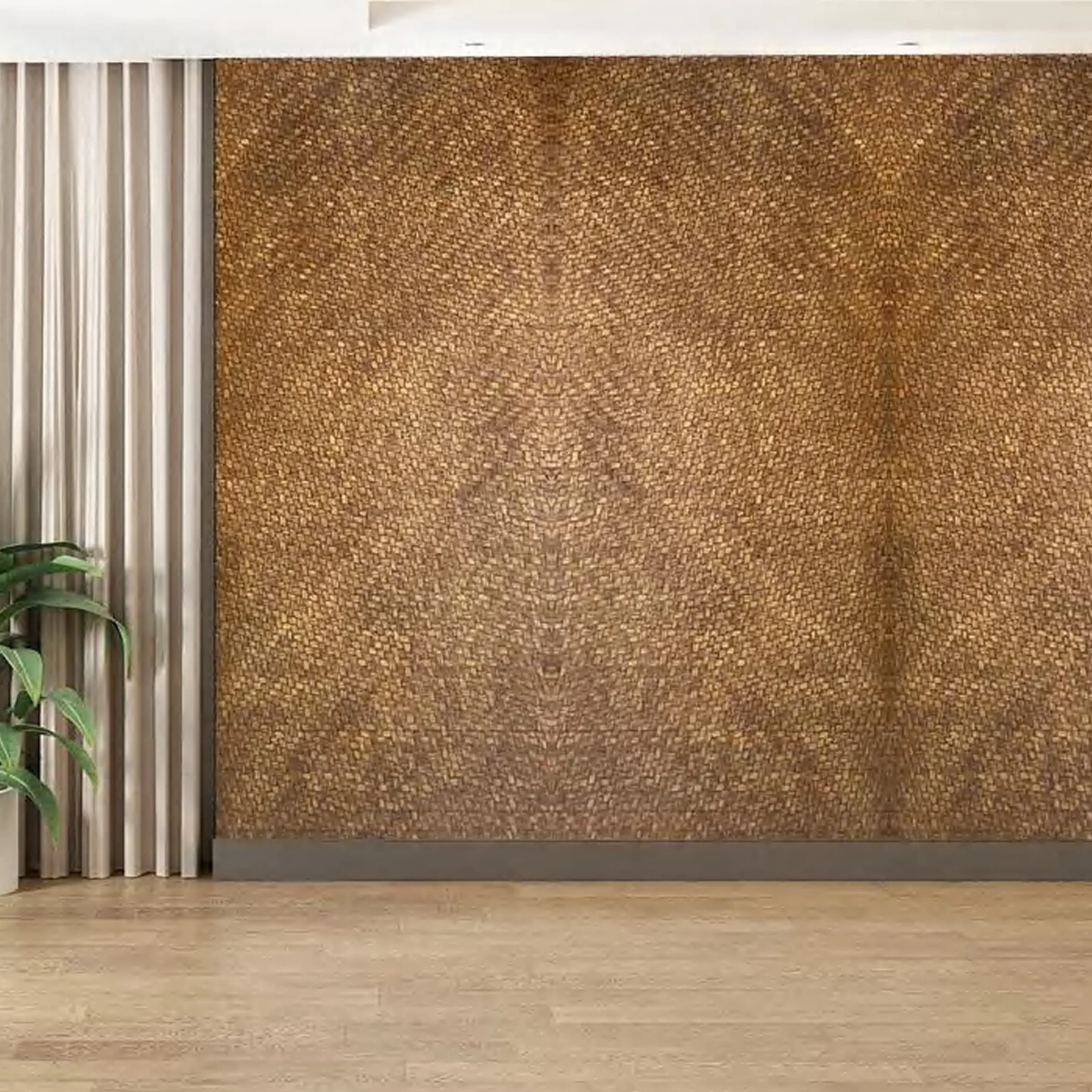
There's something inherently comforting about bamboo. Maybe it's the way its stalks sway in the wind, or the memory of childhood summers spent on bamboo mats, cool against warm skin. In 2025, architects and designers are leaning into that nostalgia—but with a modern twist. Bamboo Mat Board, once a humble, utilitarian material, has been reimagined as a cladding solution that balances nature and durability.
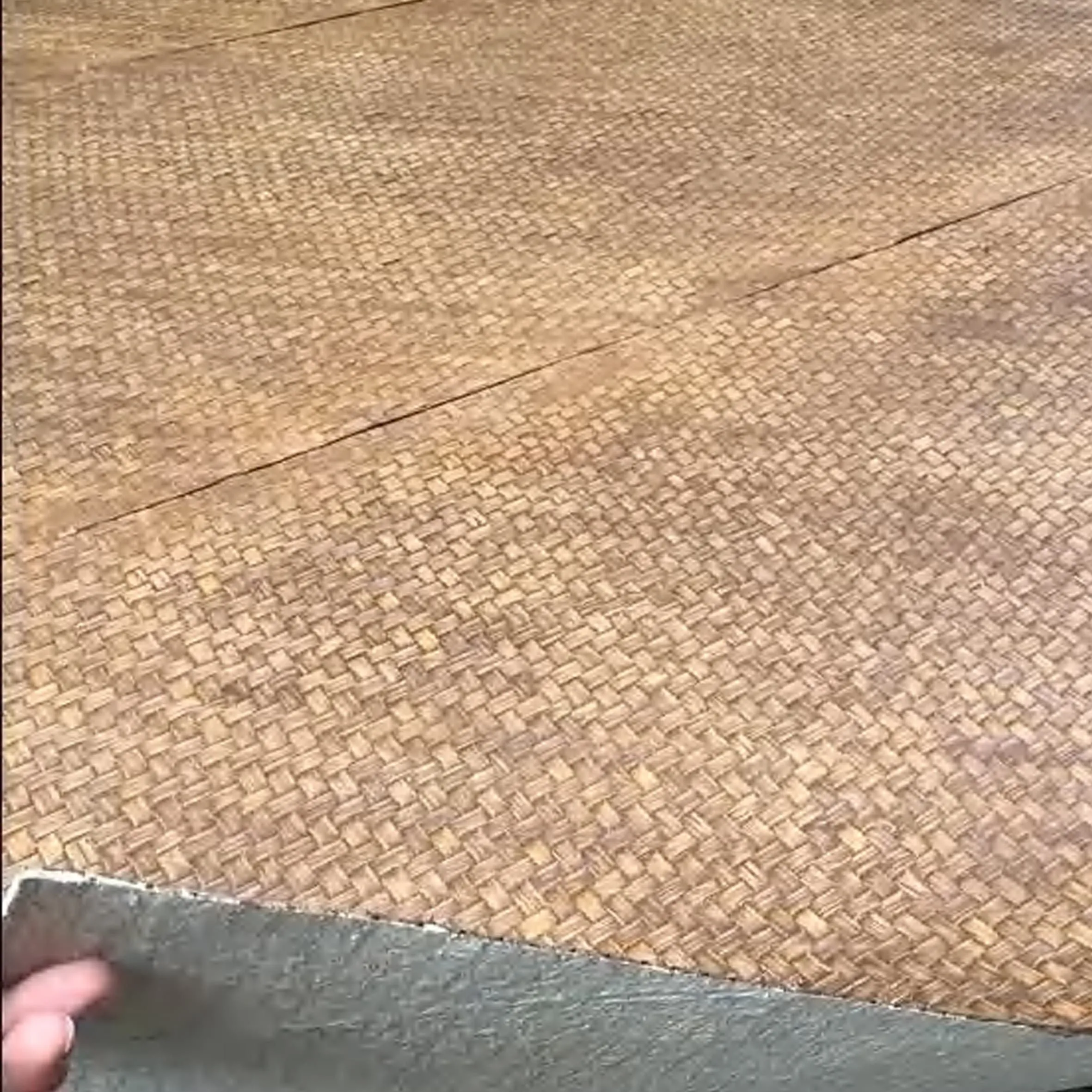
What makes it special? Unlike raw bamboo, which can warp or fade, Bamboo Mat Board is engineered for the demands of modern architecture. It's often reinforced with MCM Flexible Stone technology—a composite material that adds flexibility without sacrificing strength. The result? A cladding option that retains bamboo's organic, woven texture but stands up to rain, sun, and even the hustle of urban life.
Designers are drawn to its versatility. Whether left in its natural honey hue, stained a deep espresso, or paired with metallic accents (think Lunar Peak Silvery trim), Bamboo Mat Board adapts. It works on cozy mountain cabins, adding rustic charm, and on sleek city lofts, bringing a touch of softness to minimalist spaces. "It's not just about covering a wall," says Maria Gonzalez, a senior designer at a leading NYC architecture firm. "It's about creating a feeling. Bamboo Mat Board makes buildings feel lived-in , like they have a heartbeat."
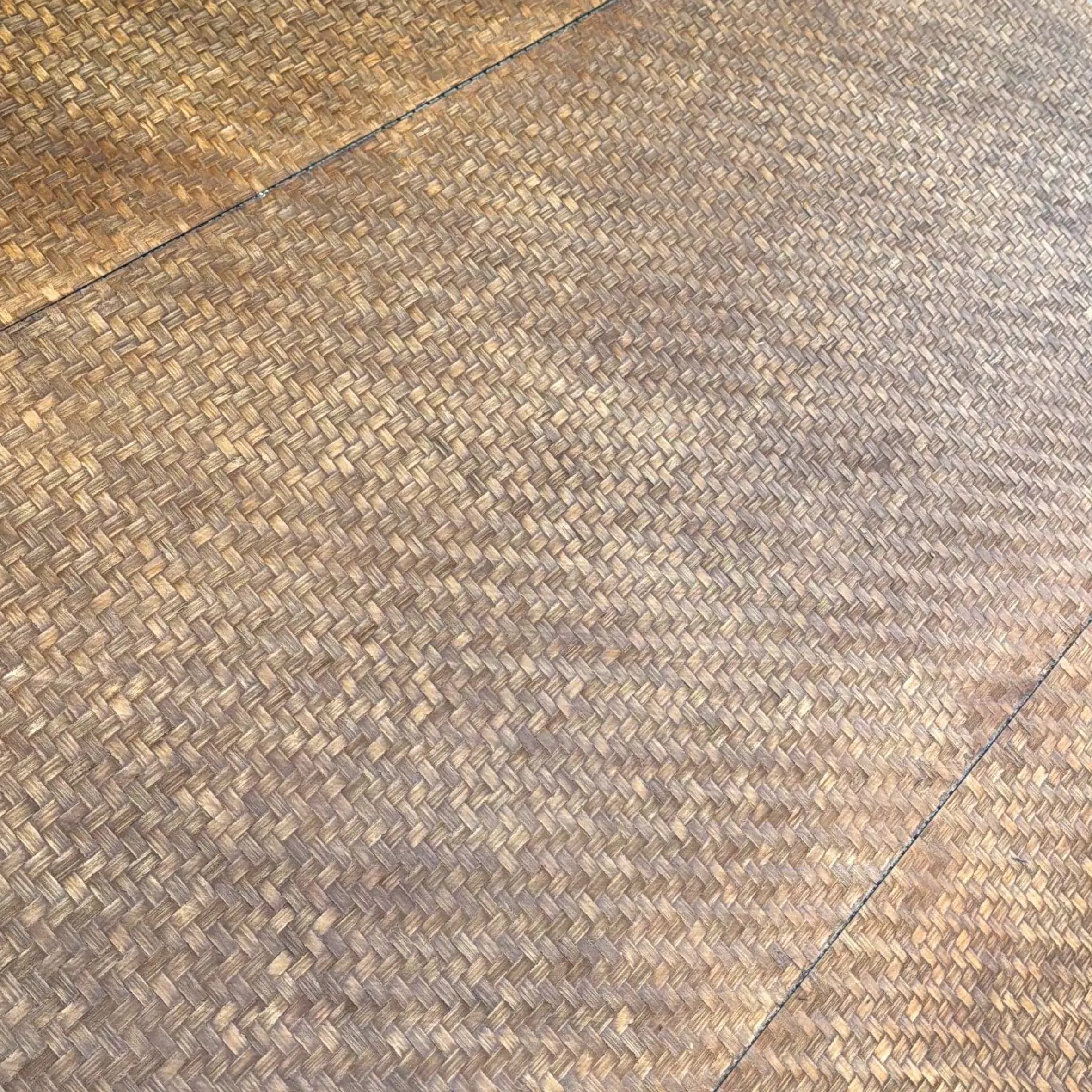
Gone are the days of flat, monotonous exteriors. 2025 is all about depth . Bamboo Mat Board, with its natural weave pattern, adds instant texture—each mat has slight variations in knotting and grain, making no two installations identical. Designers are pairing it with warm, earthy tones: soft beiges, terracottas, and muted greens that echo the natural world. Imagine a café in Tokyo, its exterior clad in Bamboo Mat Board stained a warm amber, complemented by planters overflowing with ferns. It feels like a retreat from the city, a place where time slows down.
The most exciting designs in 2025 aren't choosing one material—they're mixing them. Bamboo Mat Board plays well with others, and designers are having fun experimenting. One popular combo? Bamboo Mat Board with Fair-Faced Concrete. The rough, industrial texture of concrete contrasts beautifully with bamboo's soft weave, creating a balance of strength and warmth. A recent project in Berlin, a co-working space, used this pairing: the lower half of the building in Fair-Faced Concrete, the upper floors in Bamboo Mat Board. The result? A building that feels both grounded and airy, perfect for sparking creativity.
Another trend: Bamboo Mat Board with metallic accents from the Lunar Peak Series. Lunar Peak Silvery, with its subtle shimmer, adds a touch of elegance when used as trim around bamboo-clad walls. In a boutique hotel in Bali, designers wrapped the lobby columns in Bamboo Mat Board and topped them with Lunar Peak Golden caps—like putting a crown on nature. It's unexpected, but it works.
Sustainability isn't just a buzzword in 2025—it's the foundation of good design. Bamboo Mat Board shines here. Bamboo is one of the fastest-growing plants on Earth, absorbing more CO2 than hardwood trees and requiring no pesticides to thrive. When combined with MCM Flexible Stone technology, which reduces waste during production, it becomes a low-carbon alternative to traditional cladding materials like vinyl or aluminum.
"Clients are asking for sustainability before anything else," says Raj Patel, a materials consultant in London. "They don't want greenwashing—they want proof. Bamboo Mat Board checks that box. It's renewable, durable (so less need for replacement), and often sourced from FSC-certified forests. Pair that with its beauty, and it's a no-brainer."
While Bamboo Mat Board is a standout, it's part of a ecosystem of materials that are defining 2025. Let's take a closer look at a few that are making waves:
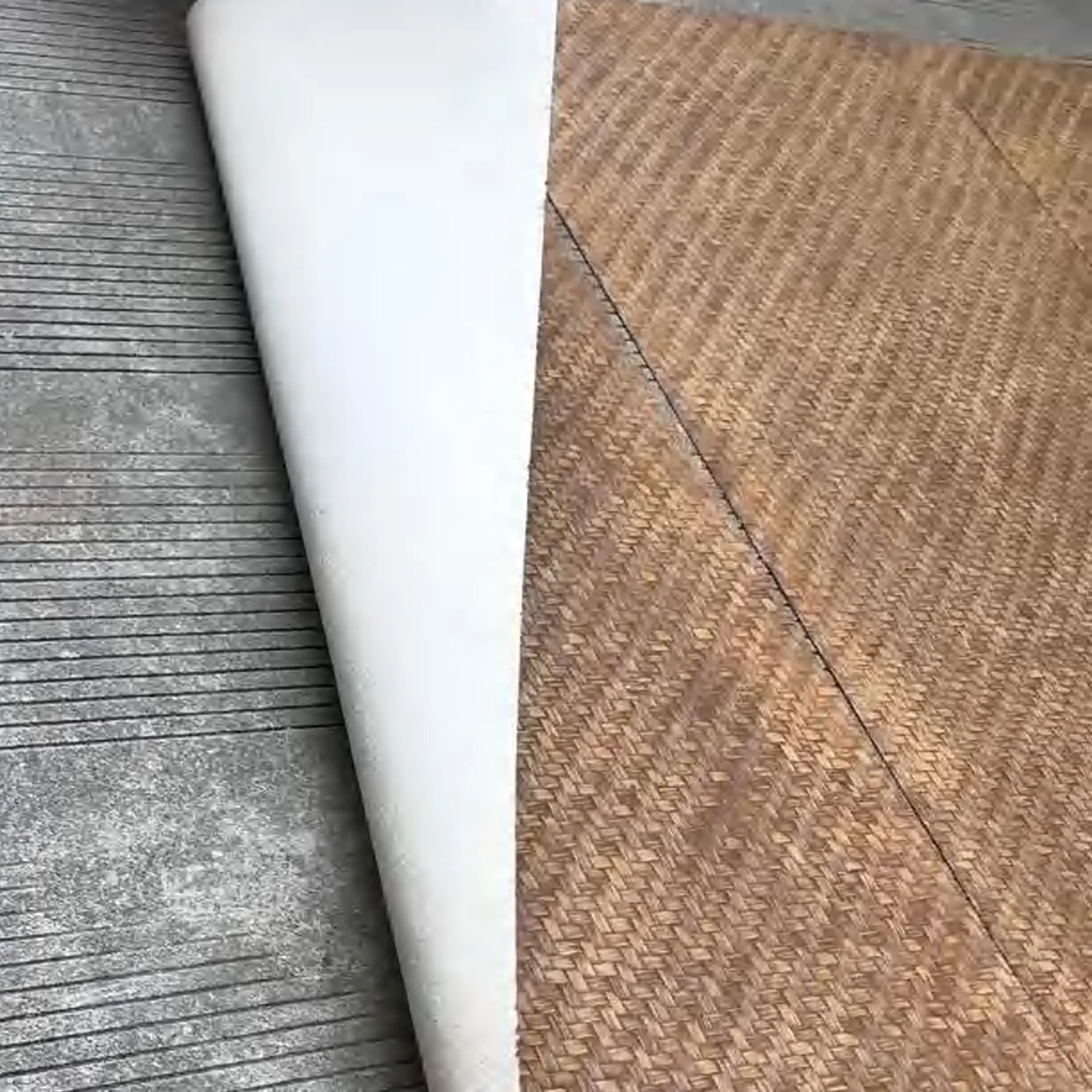
You've heard us mention it, but MCM Flexible Stone deserves its own spotlight. Short for Modified Composite Material, MCM Flexible Stone is the technology that's revolutionizing cladding. It's lightweight, flexible, and can mimic the look of natural stone, wood, or even metal—all while being easier to install and more durable than traditional materials. For Bamboo Mat Board, MCM adds strength without adding weight, making it suitable for high-rise buildings where every pound counts.
But MCM isn't just for bamboo. It's the backbone of materials like Wood Grain Board, which replicates the look of oak, teak, or walnut with uncanny accuracy. In 2025, designers are using MCM Wood Grain Board alongside Bamboo Mat Board to create layered, nature-inspired exteriors. A residential complex in Vancouver, for example, used Bamboo Mat Board on balconies and Wood Grain Board on the main facade—blending two natural textures for a cohesive, forest-like feel.
Fair-Faced Concrete (also called "exposed concrete") has been around for decades, but in 2025, it's getting a second life as a partner to more organic materials. Its raw, unpolished surface—with visible aggregates and slight color variations—adds an industrial edge that balances Bamboo Mat Board's warmth. Think of it as the "yin" to bamboo's "yang."
A community center in Portland used this pairing brilliantly. The main hall, with its high ceilings and large windows, is clad in Fair-Faced Concrete, creating a sense of spaciousness. But the entrance? Wrapped in Bamboo Mat Board, with a Wood Grain Board door. It's a transition: from the grand, open concrete space to the intimate, welcoming entrance—all guided by material choice.
Not sure which material is right for your project? Here's a quick breakdown of how Bamboo Mat Board stacks up against other top contenders:
| Material | Core Texture | Best For | Sustainability | Design Versatility |
|---|---|---|---|---|
| Bamboo Mat Board | Woven, organic, soft grain | Residential, hospitality, wellness spaces | High (renewable bamboo, MCM tech reduces waste) | Excellent (pairs with concrete, metal, stone) |
| Wood Grain Board (MCM) | Smooth to rough, mimics oak/teak/walnut | Commercial offices, retail, outdoor decks | Medium-High (uses recycled wood fibers in some variants) | Very High (stainable, paintable, works with modern/minimalist styles) |
| Fair-Faced Concrete | Rough, industrial, aggregate-speckled | Public buildings, museums, urban lofts | Medium (local sourcing reduces carbon footprint) | Good (pairs with warm materials; limited color range) |
| Lunar Peak Series | Metallic, subtle shimmer (silvery, golden, black) | Accent walls, luxury hotels, statement facades | Medium (recycled metals in some variants) | High (adds contrast; works with bold or neutral palettes) |
Design trends are exciting, but they're nothing without real-world examples. Let's look at how Bamboo Mat Board is transforming spaces across the globe in 2025:
In Kyoto, a family home known locally as "The Bamboo House" has become a neighborhood landmark. Designed by architect Yuki Tanaka, the exterior is almost entirely clad in Bamboo Mat Board, stained a soft gray-green to blend with the surrounding maple trees. The mats are arranged in a diagonal pattern, creating a dynamic, wave-like effect that changes with the sun. Inside, the theme continues: Bamboo Mat Board lines the walls of the living room, where it's paired with Wood Grain Board floors and Lunar Peak Black accents on the fireplace. "My clients wanted a home that felt connected to nature, even in the city," Tanaka says. "Bamboo Mat Board made that possible. It's like bringing the forest indoors."
In Seattle's tech district, a new office building is turning heads—not for its glass walls, but for its "green skin." The lower three floors are clad in Bamboo Mat Board, while the upper floors use MCM Flexible Stone designed to look like moss-covered stone. The goal? To create a building that feels like a vertical garden. Employees report feeling calmer, more focused, and even more creative since moving in. "It's not just a workplace," says one software engineer. "It's a place that makes you want to stay and collaborate."
As we move into late 2025, the future looks bright for Bamboo Mat Board and its counterparts. Here are a few trends to watch:
At the end of the day, cladding is about more than materials. It's about creating spaces that matter—spaces that tell stories, evoke emotions, and make us feel connected to something bigger. Bamboo Mat Board, with its roots in tradition and eyes on the future, is leading that charge. And as it joins forces with MCM Flexible Stone, Wood Grain Board, and the Lunar Peak Series, we're not just building buildings—we're building experiences.
So the next time you walk down the street, take a moment to look up. The walls around you might just be trying to tell you something.
Recommend Products












