
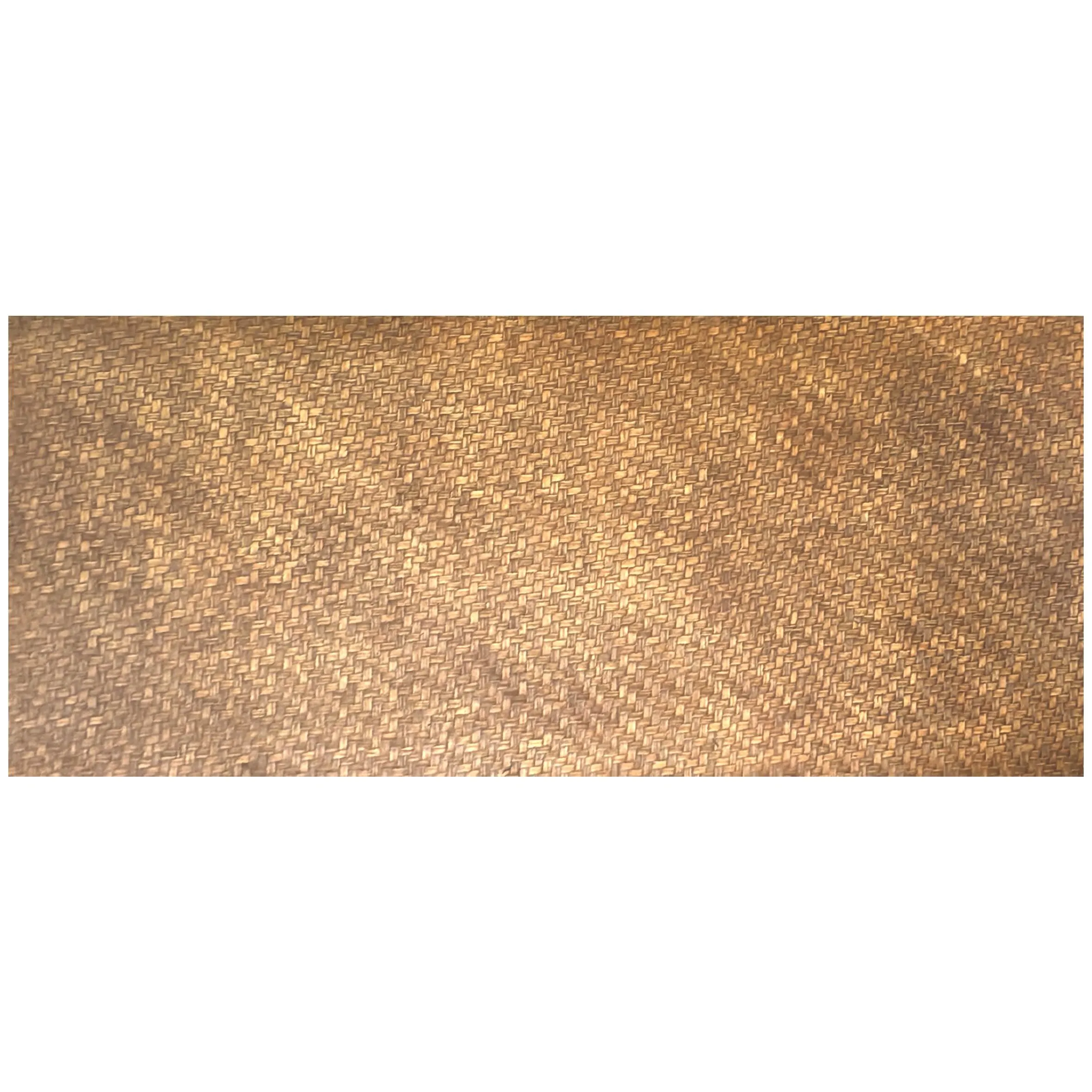
Why fire safety matters when choosing building materials—especially for innovative options like bamboo mat board
In the world of architecture and interior design, we often find ourselves balancing two key priorities: beauty and safety. We want spaces that feel warm, inviting, and uniquely styled, but we also need them to protect the people who live, work, or visit there. This balance becomes especially critical when it comes to fire safety—a factor that can't be compromised, no matter how stunning a material might look. One material that's been turning heads lately is bamboo mat board —a sustainable, visually appealing option that's gaining popularity in both residential and commercial projects. But as designers and builders embrace its natural texture and eco-friendly credentials, a crucial question arises: How does bamboo mat board perform when it comes to fire safety? And what do its fire ratings really mean for your next project?
In this article, we'll break down fire ratings in simple terms, explore why they matter, and take a deep dive into bamboo mat board's fire resistance. We'll also compare it to other popular materials like fair-faced concrete and MCM flexible stone , helping you understand how to choose the right material for spaces where safety and style go hand in hand.
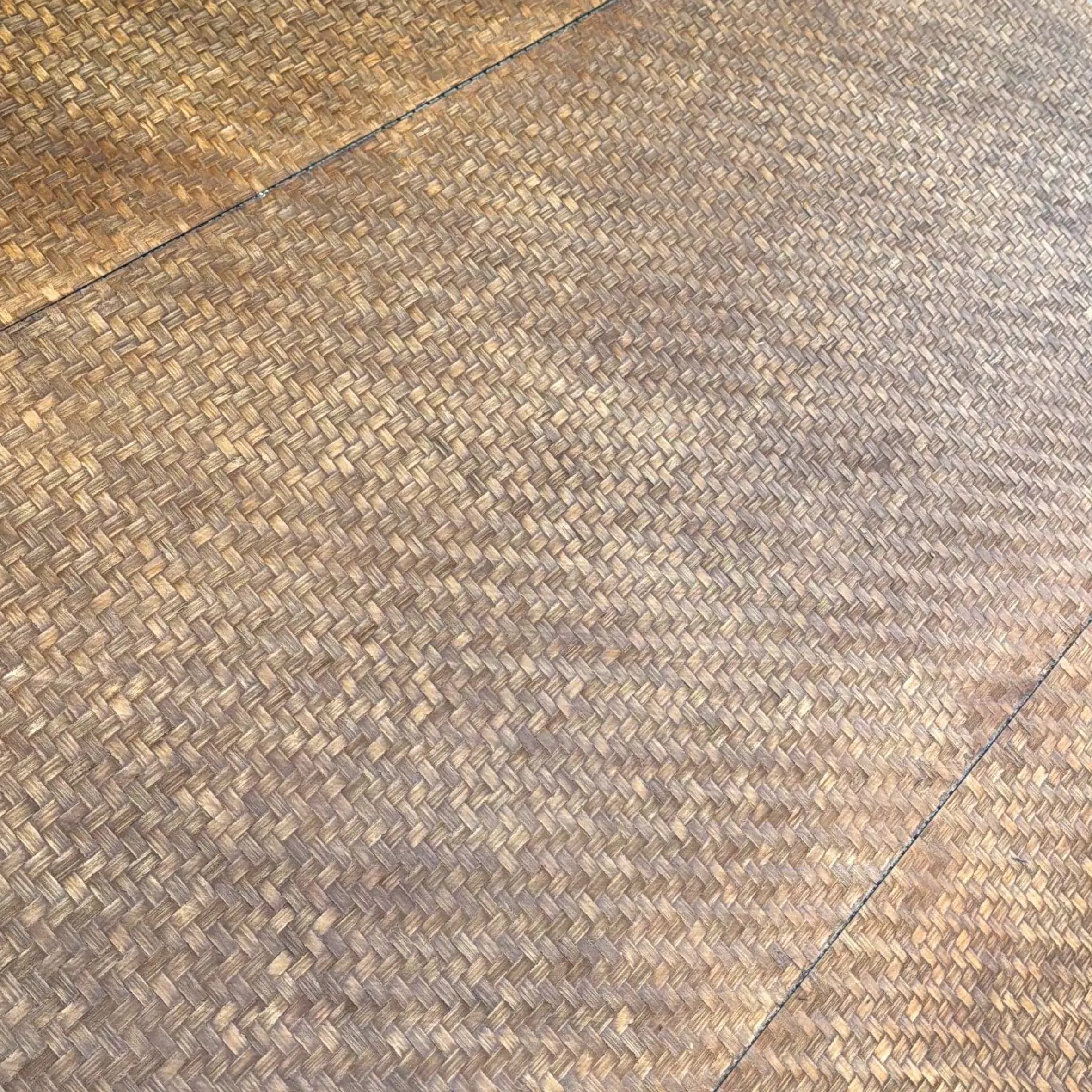
Before we get into bamboo mat board specifically, let's start with the basics: What exactly is a fire rating? At its core, a fire rating is a measure of how well a material resists burning, slows the spread of flames, and limits the release of smoke when exposed to fire. These ratings are determined through standardized tests, which simulate real-world fire conditions to give designers, builders, and regulators a clear way to compare materials.
Two of the most widely recognized testing standards are ASTM E84 (from the American Society for Testing and Materials) and EN 13501-1 (used in Europe). Both tests evaluate two key factors:
Fire ratings aren't just technicalities—they're legal requirements in most building codes. For example, in the U.S., the International Building Code (IBC) mandates that materials used in walls, ceilings, and floors meet specific fire ratings based on the building's use (residential vs. commercial), occupancy (how many people), and location (interior vs. exterior). Choosing a material with the wrong fire rating could lead to code violations, increased insurance costs, or worse—putting lives at risk in a fire.
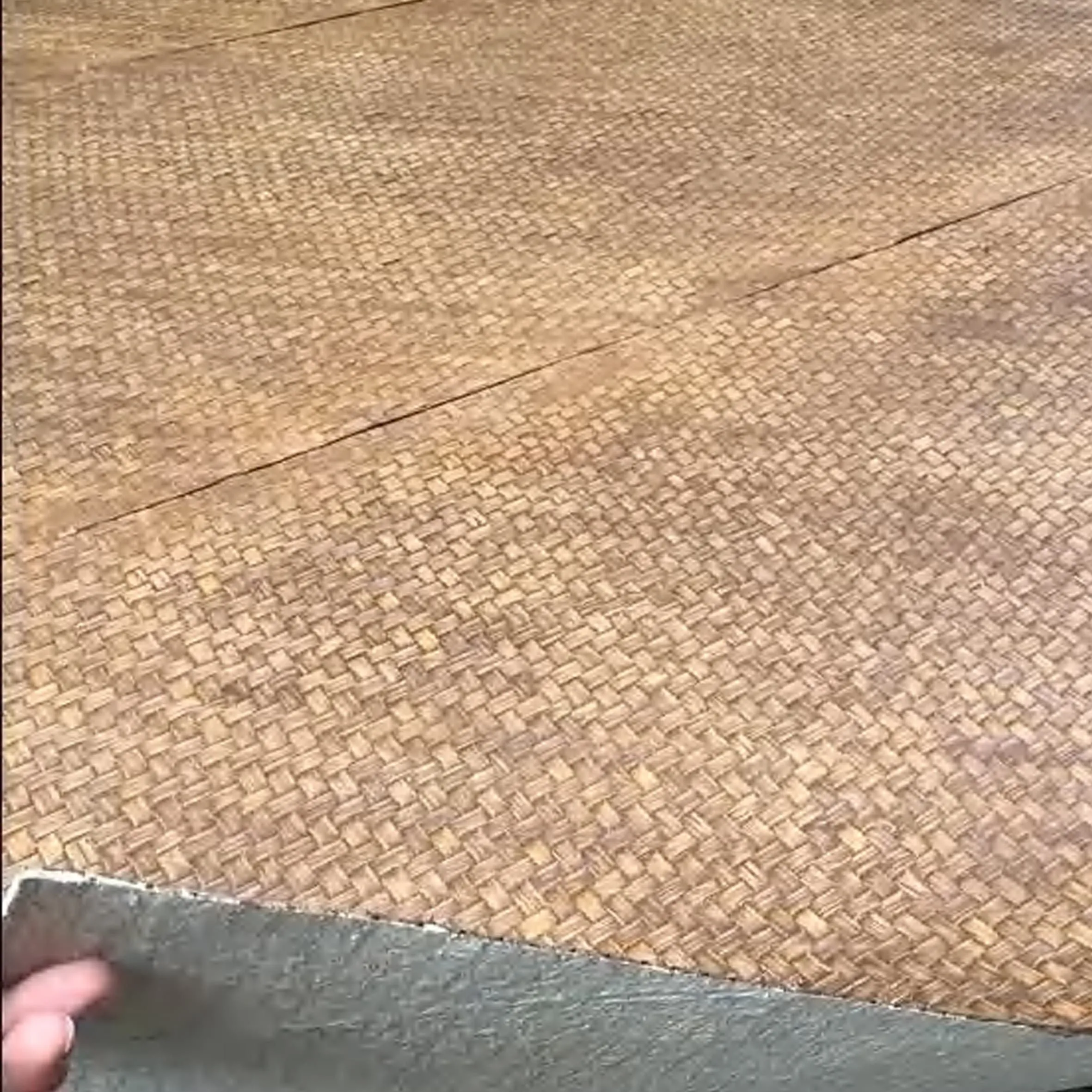
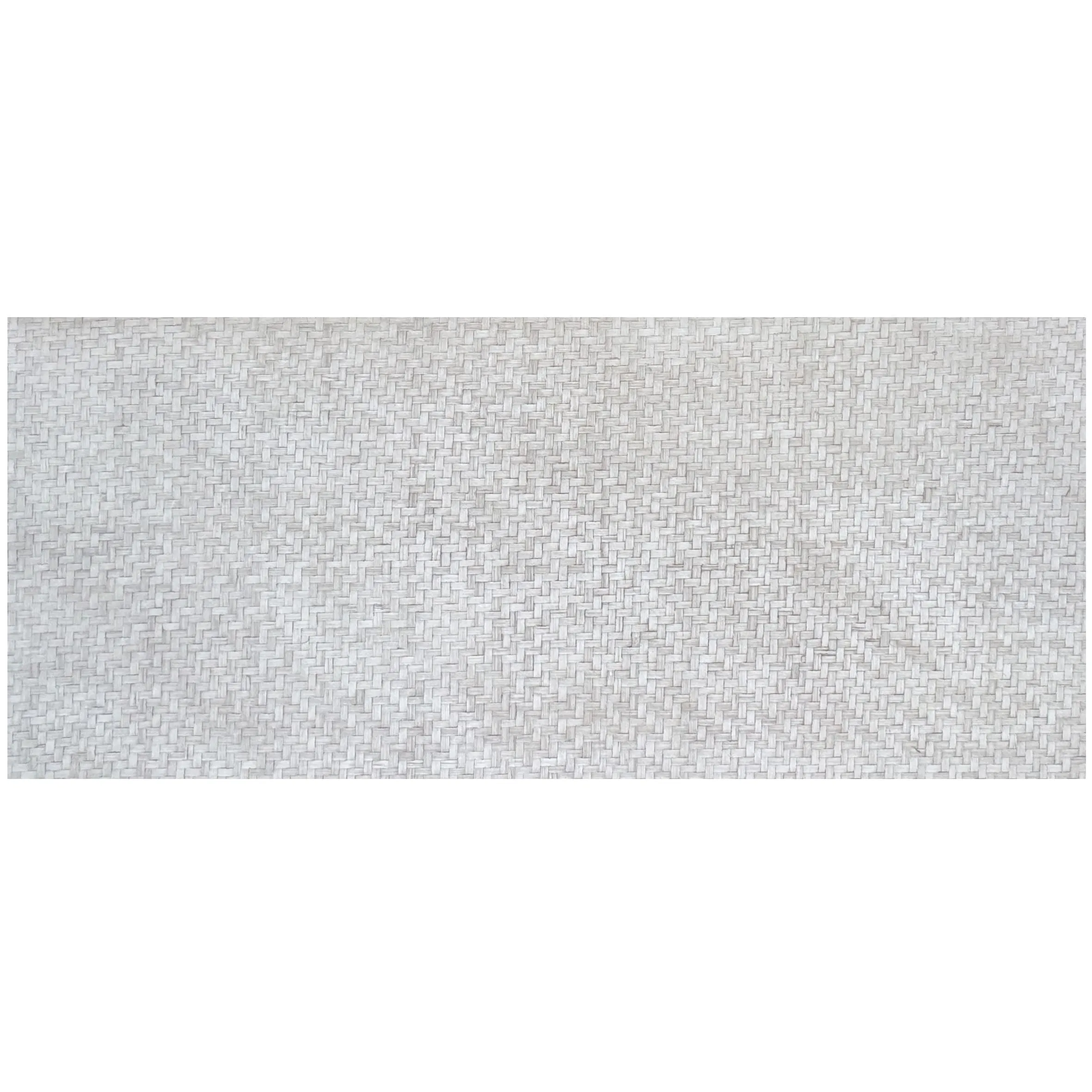
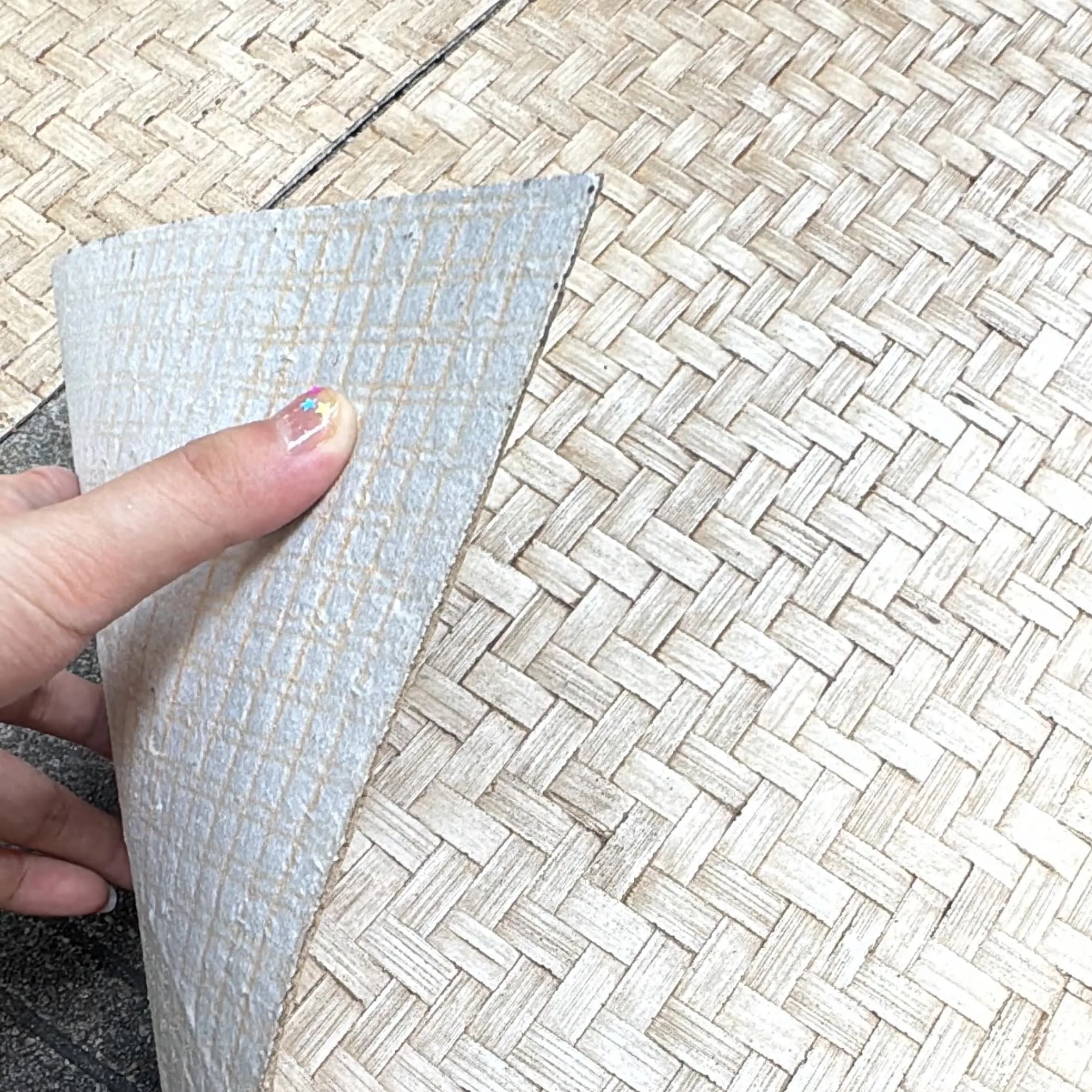
Now, let's focus on the star of the show: bamboo mat board. Made from woven bamboo strips bonded together with eco-friendly adhesives, this material has become a favorite for its warm, natural look and sustainability—bamboo is one of the fastest-growing plants on Earth, making it a renewable alternative to hardwoods. But how does its composition affect its fire performance?
Bamboo itself is a grass, and like most plant-based materials, it contains cellulose, which is flammable. However, modern bamboo mat boards undergo treatments to enhance their fire resistance. Manufacturers often add fire-retardant chemicals during production, which can slow combustion, reduce flame spread, and limit smoke. The type of adhesive used also plays a role—some adhesives are formulated to be more fire-resistant than others, acting as a barrier between bamboo fibers.
So, what's the typical fire rating for bamboo mat board? Most high-quality bamboo mat boards on the market today achieve an ASTM E84 Class B or Class A rating. A Class A rating (FSI 0-25, SDI 0-450) means the material is highly resistant to flame spread and produces minimal smoke—making it suitable for high-traffic or safety-critical areas. For example, a bamboo mat board with a Class A rating might have an FSI of 20 and an SDI of 150, meaning it slows flames significantly and releases little smoke compared to untreated wood.
It's important to note that not all bamboo mat boards are created equal. Cheaper, untreated versions may have lower fire ratings (Class C or even unrated), so always check the manufacturer's test reports. Look for certifications like ASTM E84 or EN 13501-1 to ensure the material meets your project's safety needs.

To truly understand bamboo mat board's fire performance, it helps to compare it to other common building materials. Let's take a look at two popular options: MCM flexible stone and fair-faced concrete . Both are known for their durability and aesthetic appeal, but how do they stack up in terms of fire safety?
| Material | Fire Rating (ASTM E84) | Flame Spread Index (FSI) | Smoke Developed Index (SDI) | Key Fire Resistance Features |
|---|---|---|---|---|
| Bamboo Mat Board (Treated) | Class A | 15-25 | 100-200 | Fire-retardant adhesives; slow flame spread; low smoke production |
| MCM Flexible Stone | Class A | 0-25 | 50-150 | Composite material with mineral core; inherently non-combustible; high heat resistance |
| Fair-Faced Concrete | Class A | 0-10 | 0-50 | Inert mineral composition; does not burn; minimal smoke; retains strength under heat |
MCM Flexible Stone: MCM (Modified Composite Material) flexible stone is a thin, lightweight material made from natural stone particles bonded with polymers. Its mineral-based core makes it inherently non-combustible, earning it a Class A fire rating. In tests, MCM flexible stone typically has an FSI of 0-25 and an SDI even lower than bamboo mat board (50-150), thanks to its low-smoke formula. It's a great choice for exterior cladding or high-rise buildings where weight and fire safety are top concerns.
Fair-Faced Concrete: Concrete is a classic for fire safety, and fair-faced concrete (which is left exposed, showing its natural texture) is no exception. Made from cement, aggregates, and water, it's inert and doesn't burn. Its FSI is often as low as 0-10, and SDI is minimal (0-50), making it one of the safest options available. However, concrete is heavy and less flexible in design compared to bamboo mat board or MCM flexible stone.
So, where does bamboo mat board fit in? It offers a middle ground: better fire resistance than untreated wood, with a warmer, more organic look than concrete or MCM flexible stone. For projects where sustainability and aesthetics are priorities—like boutique hotels, eco-friendly homes, or restaurants—bamboo mat board (with a Class A rating) can be an excellent choice, especially when paired with other fire-safe materials in critical areas.
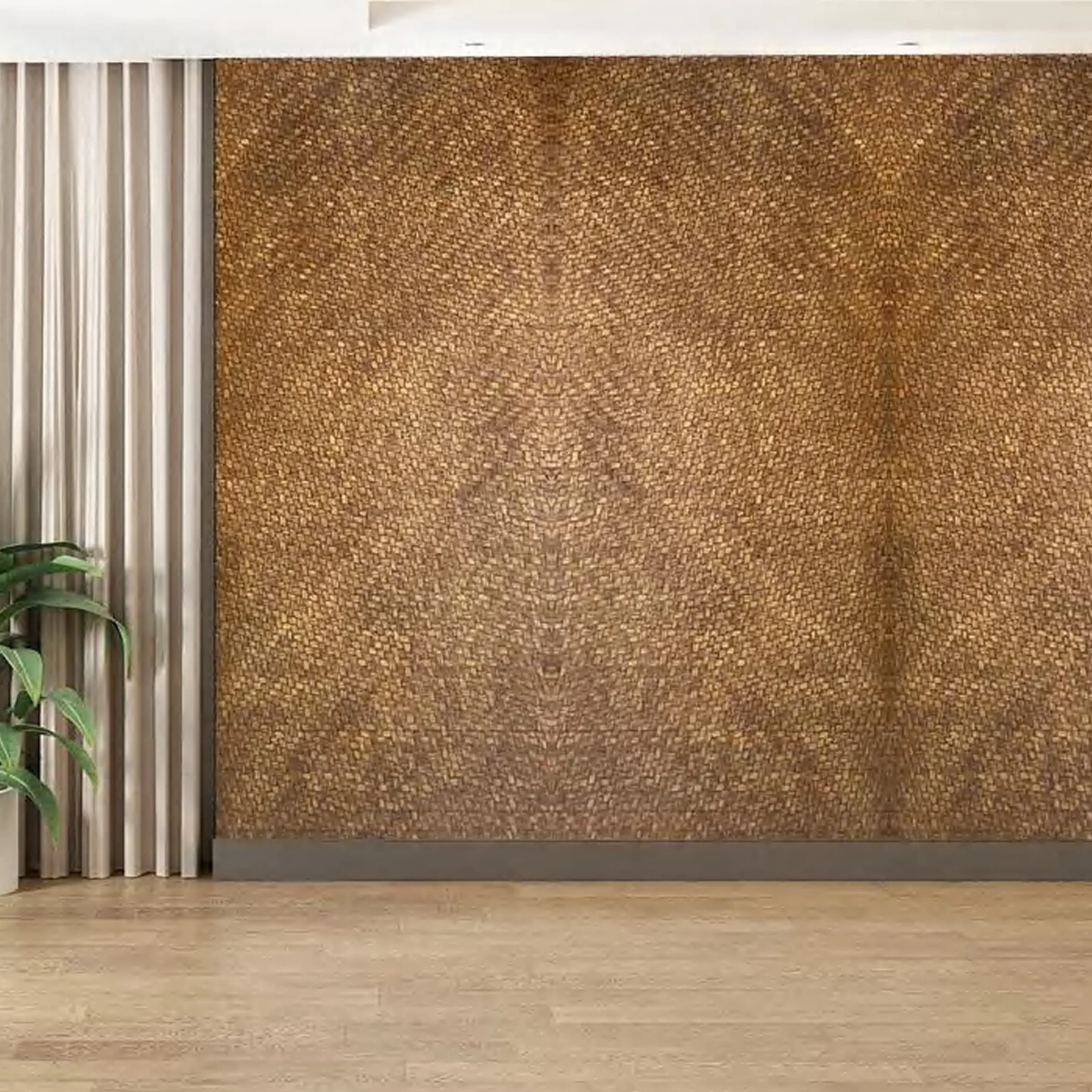
Fire ratings aren't just about meeting codes—they're about choosing the right material for the right space. Let's explore some common applications where bamboo mat board's fire safety and aesthetic appeal make it a standout choice:
Restaurants and cafés often use warm, natural materials to create a cozy atmosphere, but they also face strict fire codes due to cooking equipment and high occupancy. Bamboo mat board's Class A fire rating makes it suitable for walls, ceilings, or accent panels, adding texture without compromising safety. Imagine a sushi restaurant with bamboo mat board walls—its earthy tones complement the cuisine, while its fire resistance gives peace of mind to owners and patrons alike.
Homeowners increasingly want sustainable, stylish materials, and bamboo mat board delivers both. In living rooms or bedrooms, it can be used as a feature wall or ceiling panel. Its fire resistance is an added bonus for families, especially in homes with fireplaces or near heating sources. Plus, bamboo's natural resistance to moisture (when sealed) makes it a good fit for humid climates.
Schools, hospitals, and clinics have some of the strictest fire safety requirements, as they house vulnerable populations. Bamboo mat board's Class A rating, combined with its low-VOC (volatile organic compound) adhesives, makes it a safe choice for classrooms or patient rooms. Its warm look can also help create a calming environment, which is especially important in healthcare settings.
Hotels balance luxury with safety, and bamboo mat board fits the bill. From lobby accent walls to guest room headboards, it adds a touch of nature that guests love, while its fire rating ensures compliance with hotel fire codes. Resorts in tropical locations often favor bamboo for its local, eco-friendly vibe—now, with treated options, they can enjoy that aesthetic without sacrificing safety.
With so many materials on the market—from bamboo mat board to MCM flexible stone to fair-faced concrete—how do you choose? Here are a few key questions to ask:
Always request test reports from manufacturers and consult with a fire safety engineer or architect to ensure the material meets your project's unique needs. Remember: a material's fire rating is just one piece of the puzzle—installation (e.g., using fire-resistant sealants) also plays a role in overall safety.
When it comes to building materials, fire safety should never be an afterthought. Bamboo mat board proves that you don't have to choose between safety, style, and sustainability. With its Class A fire rating, warm natural texture, and eco-friendly credentials, it's a material that works hard—protecting spaces while enhancing their beauty.
Whether you're designing a restaurant, a home, or a school, understanding fire ratings helps you make informed choices. And when you pair that knowledge with materials like bamboo mat board—alongside options like MCM flexible stone and fair-faced concrete—you create spaces that are not only stunning but also safe for the people who use them every day.
At the end of the day, the best building materials are the ones that tell a story—of sustainability, of design, and of care for the people who inhabit the spaces we create. Bamboo mat board does just that, one fire-safe, beautiful panel at a time.
Recommend Products












