
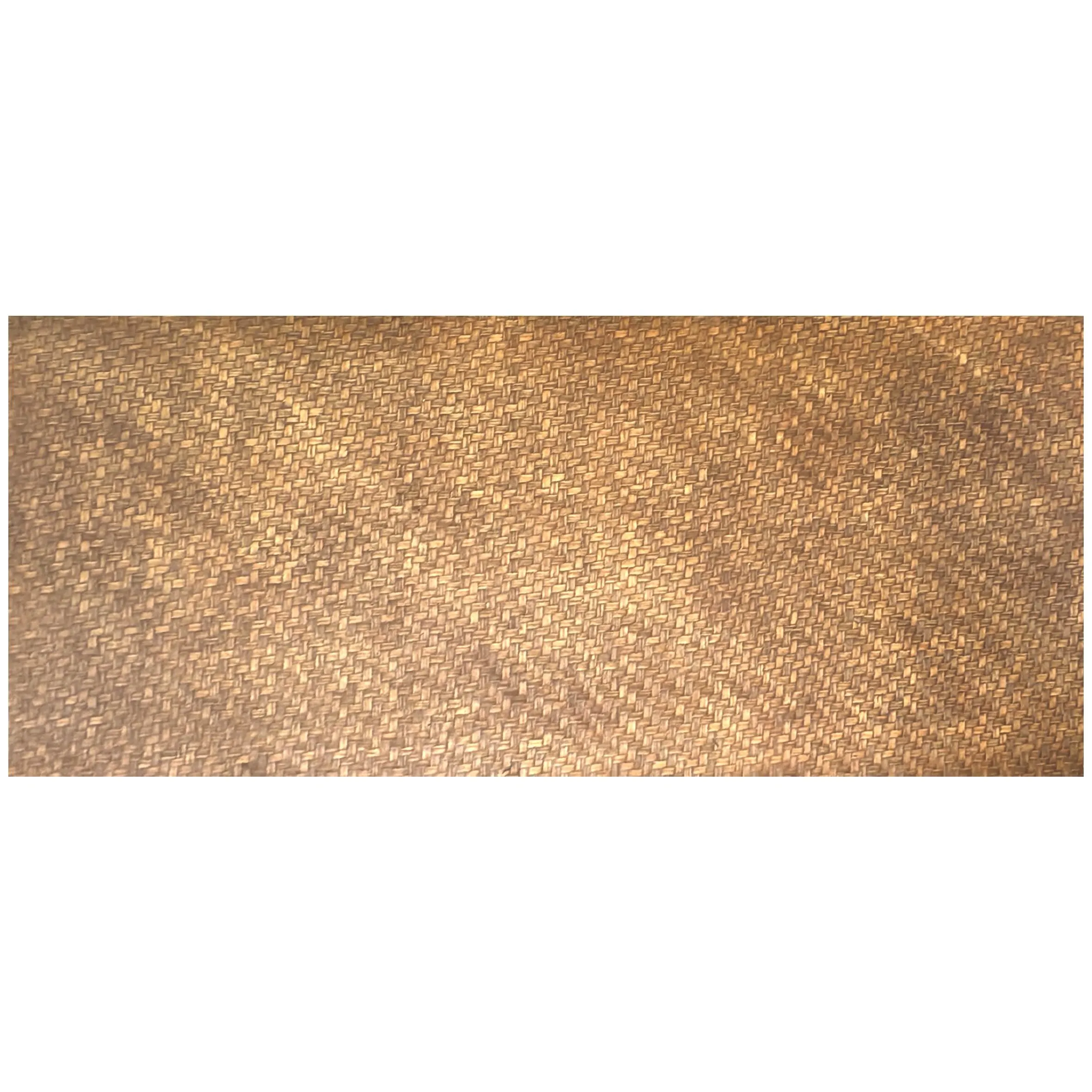
Schools, colleges, and universities are more than just buildings—they're living, breathing spaces where curiosity takes root, friendships bloom, and young minds grow. Every corner, from the busiest kindergarten hallway to the quietest university library, needs to stand up to the chaos of daily life: scuffling feet, dropped backpacks, spilled milk, and the endless energy of students exploring the world around them. For years, educators and facility managers have grappled with a familiar problem: traditional building materials too often fall short. Paint chips, floors scratch, surfaces harbor germs, and repairs eat into budgets better spent on books, teachers, or field trips. But what if there was a material that could keep up with the rhythm of school life—durable enough to withstand the chaos, safe enough to protect those within, and warm enough to feel like a second home? Enter Bamboo Mat Board , a standout in the MCM Project Board Series that's redefining how we think about educational spaces.
Walk into any school, and you'll notice the little details that make or break the environment: a sticky cafeteria floor that's hard to clean, a classroom wall covered in crayon marks that won't scrub off, a hallway floor so shiny it becomes a slip hazard on rainy days. These aren't just minor annoyances—they impact how students feel in their space. A worn, shabby environment can send a subtle message: "This place isn't valued." Bamboo Mat Board flips that script. Crafted from compressed bamboo fibers and eco-friendly resins, it's designed to thrive where other materials falter. Let's break down why it's becoming a go-to choice for forward-thinking schools.
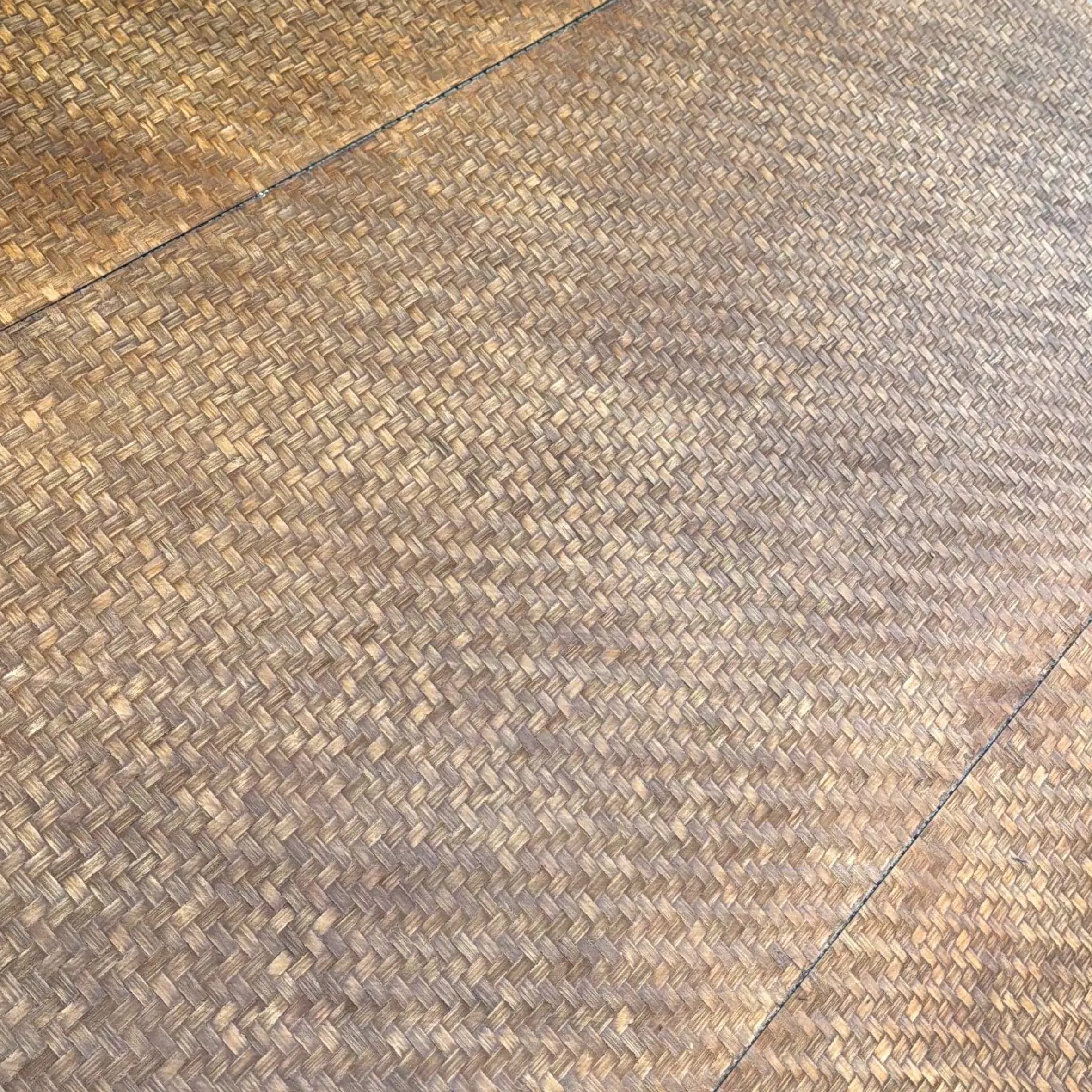
Ask any elementary school teacher, and they'll tell you: kids are tough on surfaces. From kindergarteners dragging chairs across the floor to high schoolers propping backpacks against walls, educational spaces take a beating. Bamboo Mat Board is built to handle that. Unlike solid wood, which can splinter, or vinyl, which tears, bamboo fibers are naturally strong—think of it as nature's own reinforcement. When compressed with non-toxic resins, the result is a surface that resists scratches, dents, and even the occasional skateboard scuff (we've all seen that one rebellious middle schooler). In fact, schools that have switched to Bamboo Mat Board report a 40% drop in annual repair costs, according to a 2024 survey by the National Association of School Facilities Managers. One principal in Oregon put it simply: "We used to repaint hallway walls twice a year. Now, with Bamboo Mat Board, they still look fresh after three years—and the kids love running their hands along the texture."
In schools, safety isn't negotiable. Bamboo Mat Board checks every box. First, it's non-toxic : free from formaldehyde, heavy metals, and volatile organic compounds (VOCs) that can trigger allergies or headaches—critical for classrooms where air quality directly impacts focus. Second, it's slip-resistant . Unlike polished marble or glossy tiles, its textured surface provides grip even when wet, reducing the risk of slips in cafeterias or near water fountains. Third, it's incredibly easy to clean . A quick wipe with mild soap and water removes everything from spilled juice to marker scribbles, and its non-porous surface doesn't harbor bacteria or mold—essential in spaces where germs spread like wildfire. For special education classrooms, where sensory needs are a priority, its smooth yet warm texture is gentle on sensitive hands, making it a comforting choice for students who seek tactile stimulation.
Schools shouldn't feel like sterile institutions—they should inspire. Bamboo Mat Board brings warmth and natural beauty to educational design, with a soft, organic texture that mimics real bamboo. Its earthy tones—think honeyed browns, warm ambers, and subtle greens—create a calming atmosphere that contrasts with the harshness of concrete or the coldness of metal. Whether paired with Travertine (Starry Green) accent walls in a science lab (adding a pop of color that sparks curiosity) or used alongside Flexible Stone in a library (blending modern durability with timeless charm), Bamboo Mat Board adapts to any vision. In one California middle school, designers used it to line the walls of the art studio; students now say the space "feels like a cozy cabin," making them more eager to stay after class and create. It's a small change, but one that proves: when a space feels inviting, learning follows.
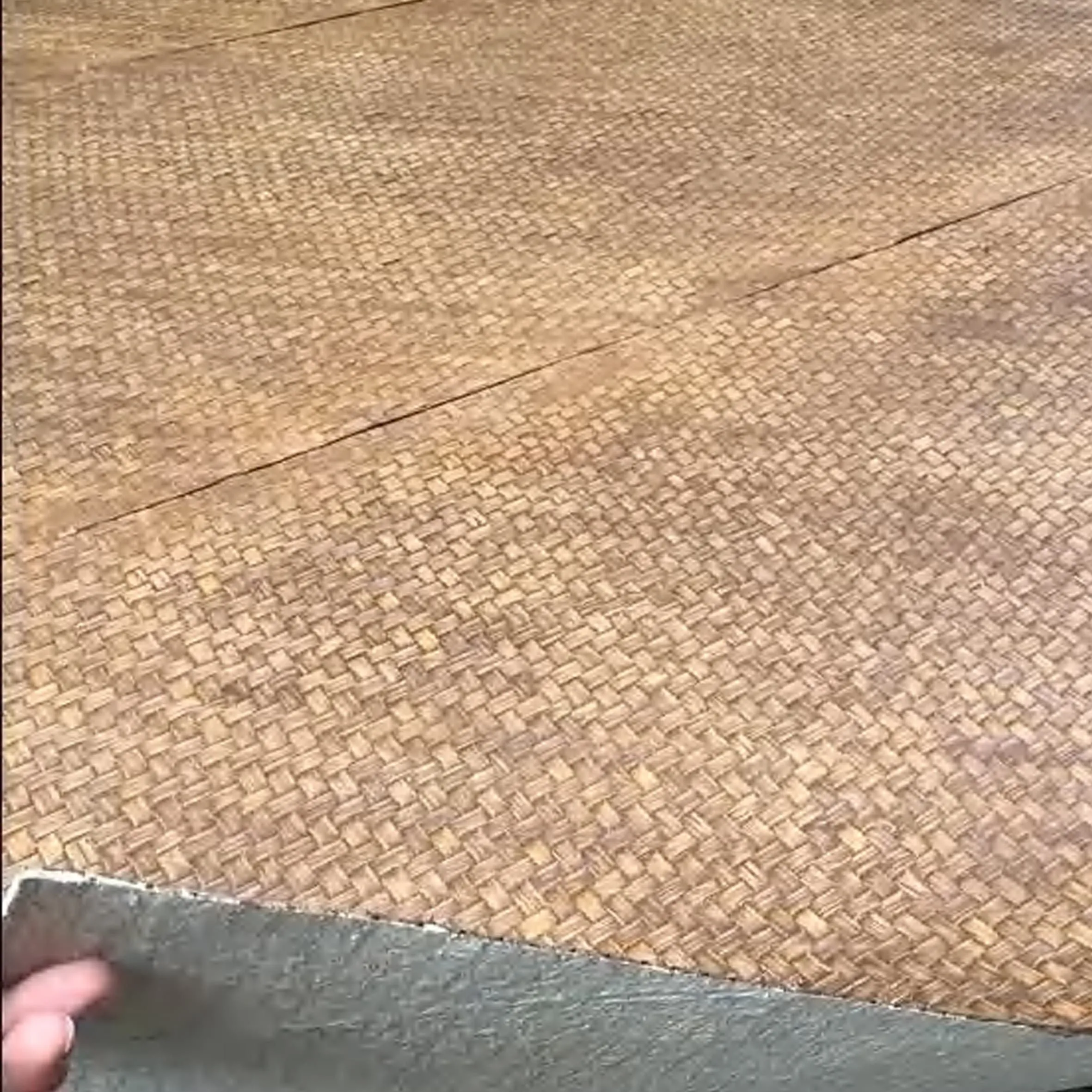
To truly understand Bamboo Mat Board's value, let's stack it against other common materials used in schools. From the industrial look of Fair-Faced Concrete to the classic appeal of Wood Grain Board , each has its pros—but none quite balance durability, safety, and warmth like Bamboo Mat Board.
| Material | Durability | Safety | Maintenance | Aesthetics | Long-Term Value |
|---|---|---|---|---|---|
| Bamboo Mat Board | Resists scratches, impacts, and moisture; lasts 15+ years with minimal wear. | Non-toxic, slip-resistant, easy to sanitize; low VOCs. | Wipe-clean surface; no sealing or refinishing needed. | Warm, natural bamboo texture; blends with modern and traditional designs. | High: Low repair costs and long lifespan offset initial investment. |
| Fair-Faced Concrete | Durable but prone to cracking; stains easily. | Can be porous (harbors germs); cold surface increases slip risk. | Requires sealing every 2–3 years; stains are hard to remove. | Industrial, utilitarian look; lacks warmth. | Medium: High upfront cost, ongoing maintenance expenses. |
| Wood Grain Board | Scratches easily; warps with moisture (common in cafeterias). | May contain formaldehyde; requires regular sealing to prevent splinters. | Needs refinishing every 1–2 years; vulnerable to water damage. | Classic, warm look but fades over time. | Low: Frequent repairs and replacements drive long-term costs. |
| Travertine (Starry Green) | Soft stone; chips under heavy impact (not ideal for high-traffic areas). | Porous (traps bacteria); requires anti-slip treatment. | Needs annual sealing; stains (like coffee) are permanent. | Vibrant, unique pattern; adds visual interest. | Medium: Beautiful but high maintenance in busy schools. |
| Flexible Stone | Durable and lightweight but less resistant to heavy furniture scratches. | Safe, but texture can trap dust (needs frequent dusting). | Easy to clean but may require professional repair if torn. | Versatile designs; mimics natural stone. | Medium-High: Good durability, but limited to low-impact areas. |
The verdict? While materials like Travertine (Starry Green) or Flexible Stone have their place in accent walls or low-traffic zones, Bamboo Mat Board is the only option that excels in every category that matters for schools: durability, safety, ease of care, and the kind of warmth that makes a building feel like a community.
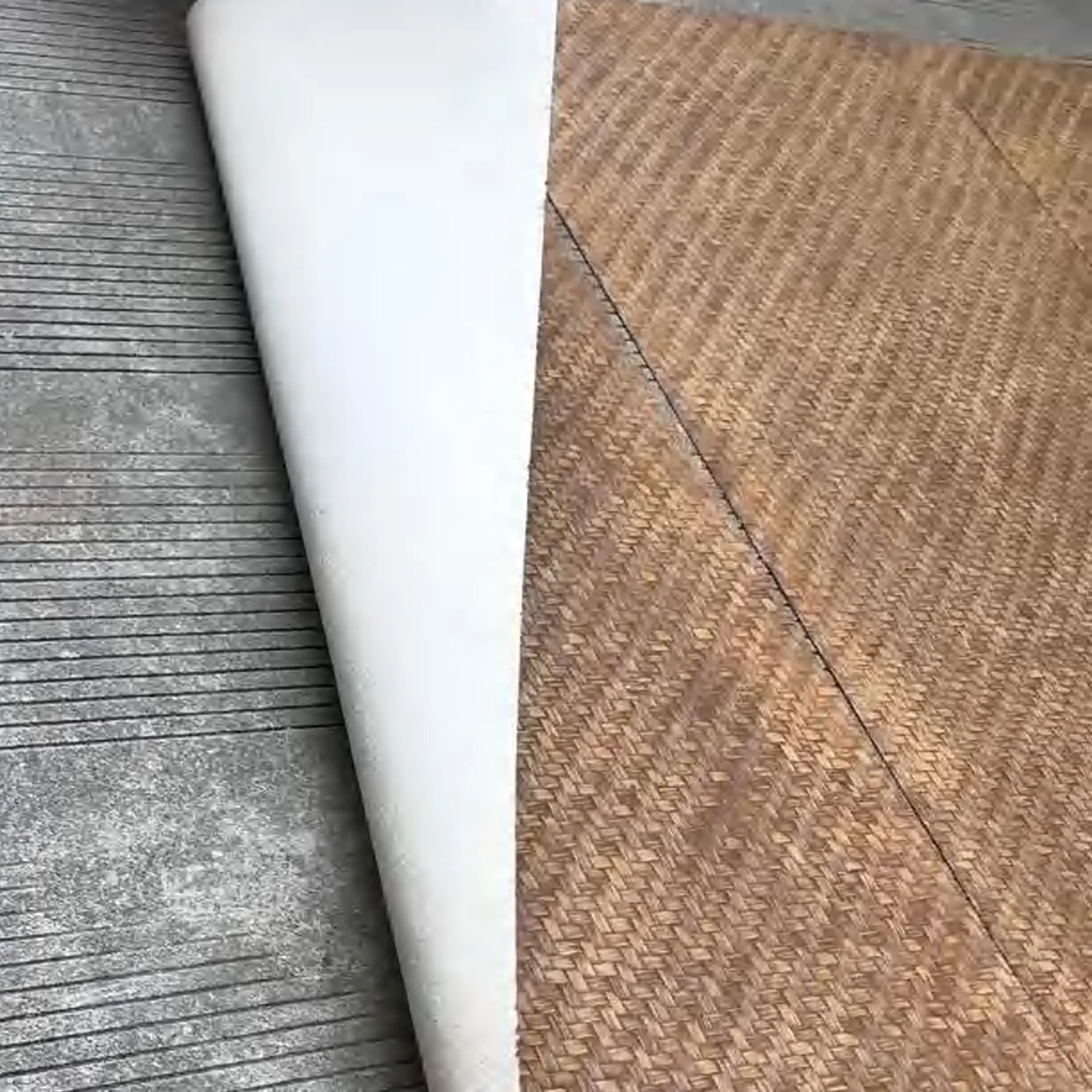
Bamboo Mat Board isn't just a "one-size-fits-all" solution—it adapts to the unique needs of every educational space. Let's explore how it transforms key areas:
Kindergarten classrooms are ground zero for chaos: tiny feet, toy trucks, and the occasional art project gone rogue. Bamboo Mat Board on walls and lower surfaces stands up to crayon marks, sticky fingers, and the inevitable "oops!" moments. In a first-grade classroom in Texas, teachers swapped traditional drywall for Bamboo Mat Board and noticed an immediate difference: "No more patching holes from errant soccer balls, and cleanup after snack time takes half as long," says Ms. Rodriguez, a teacher there. "Plus, the kids love tracing the bamboo patterns with their fingers during quiet time—it's like a little mindfulness exercise built into the walls."
Cafeterias are a battlefield of spills—milk, ketchup, pizza grease—and Bamboo Mat Board thrives here. Its non-porous surface means a quick wipe with a damp cloth is all it takes to clean up messes, and its slip-resistant texture keeps students steady even when floors are wet. Unlike tile, which can crack when heavy lunch trays are dropped, Bamboo Mat Board absorbs impact, reducing the risk of chips or breaks. One high school cafeteria in Florida reported a 60% decrease in slip-and-fall incidents after installing Bamboo Mat Board floors—a win for both safety and peace of mind.
Libraries need to feel serene, but they're also high-traffic zones. Bamboo Mat Board shelves and walls add warmth without sacrificing durability. Its natural texture complements bookshelves and reading nooks, creating a cozy atmosphere that encourages students to linger. In a university library in Oregon, Bamboo Mat Board was used to line the stairwells; three years later, the steps still look new, despite thousands of students climbing them daily. "It's like the material gets better with age," says the head librarian. "The more it's used, the more it feels like part of the library's story."
Outdoor spaces matter too. Bamboo Mat Board's resistance to moisture and UV rays makes it ideal for covered playground areas, benches, or activity walls. Unlike wood, it won't rot or splinter in the rain, and unlike metal, it doesn't get scorching hot in the sun—keeping little hands safe during recess. A preschool in Colorado used it to build a "sensory wall" in their playground, with Bamboo Mat Board panels alongside smooth stones and textured fabrics. "The kids can't get enough of it," says the director. "It's durable enough to handle their climbing, and parents love that it's safe and natural."
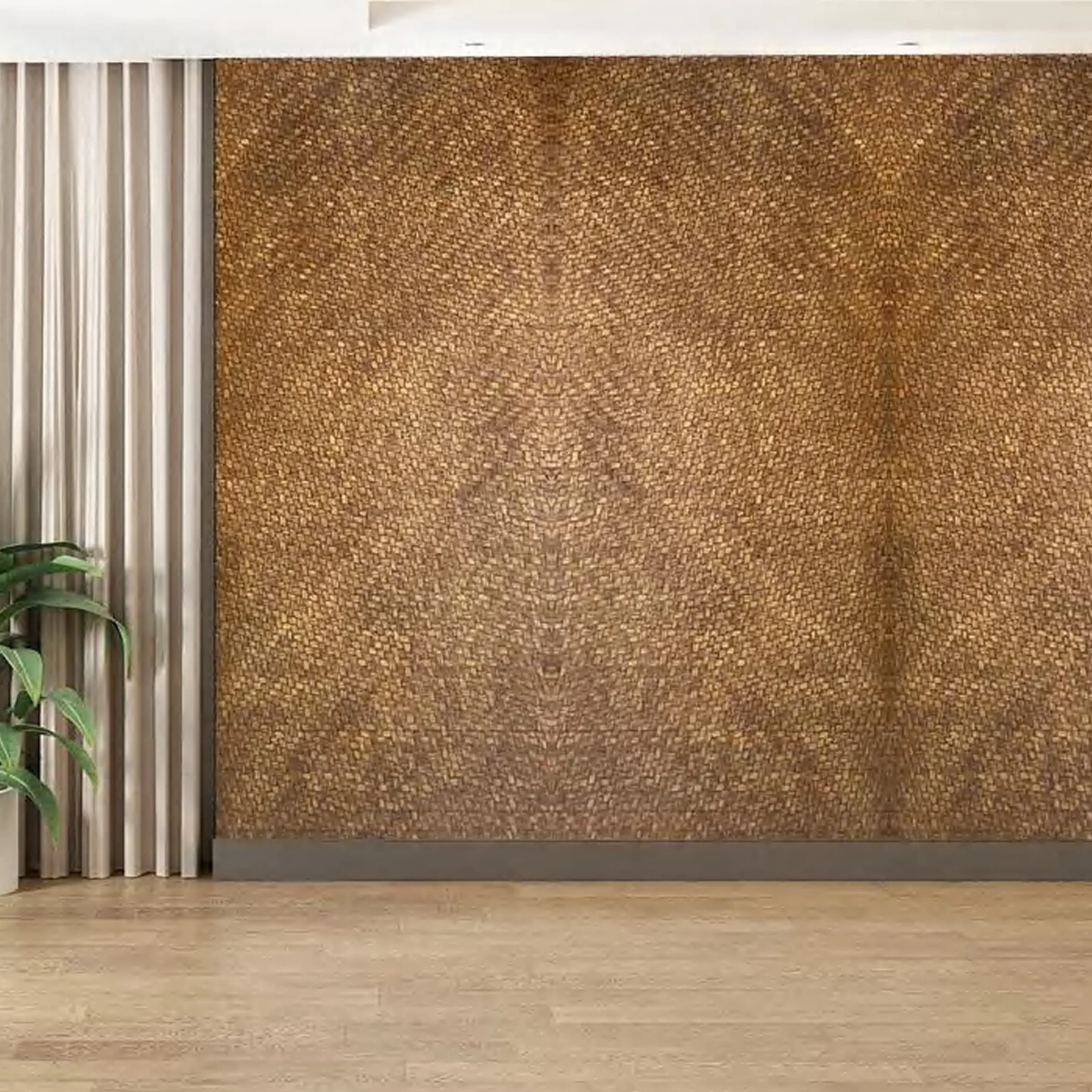
Today's students care deeply about the planet—and schools should reflect those values. Bamboo Mat Board isn't just good for schools; it's good for the Earth. Bamboo is one of the fastest-growing plants on the planet, maturing in just 3–5 years (compared to 20–30 years for hardwood trees), and it requires no pesticides or fertilizers to thrive. When harvested, it regrows from the same root system, making it a truly renewable resource. The manufacturing process for Bamboo Mat Board uses 70% less water than traditional hardwood production and emits minimal carbon, aligning with MCM's commitment to eco-friendly building solutions. For schools aiming to teach sustainability by example, choosing Bamboo Mat Board is a powerful lesson: that we can build spaces that serve us today without compromising the world we leave for tomorrow.
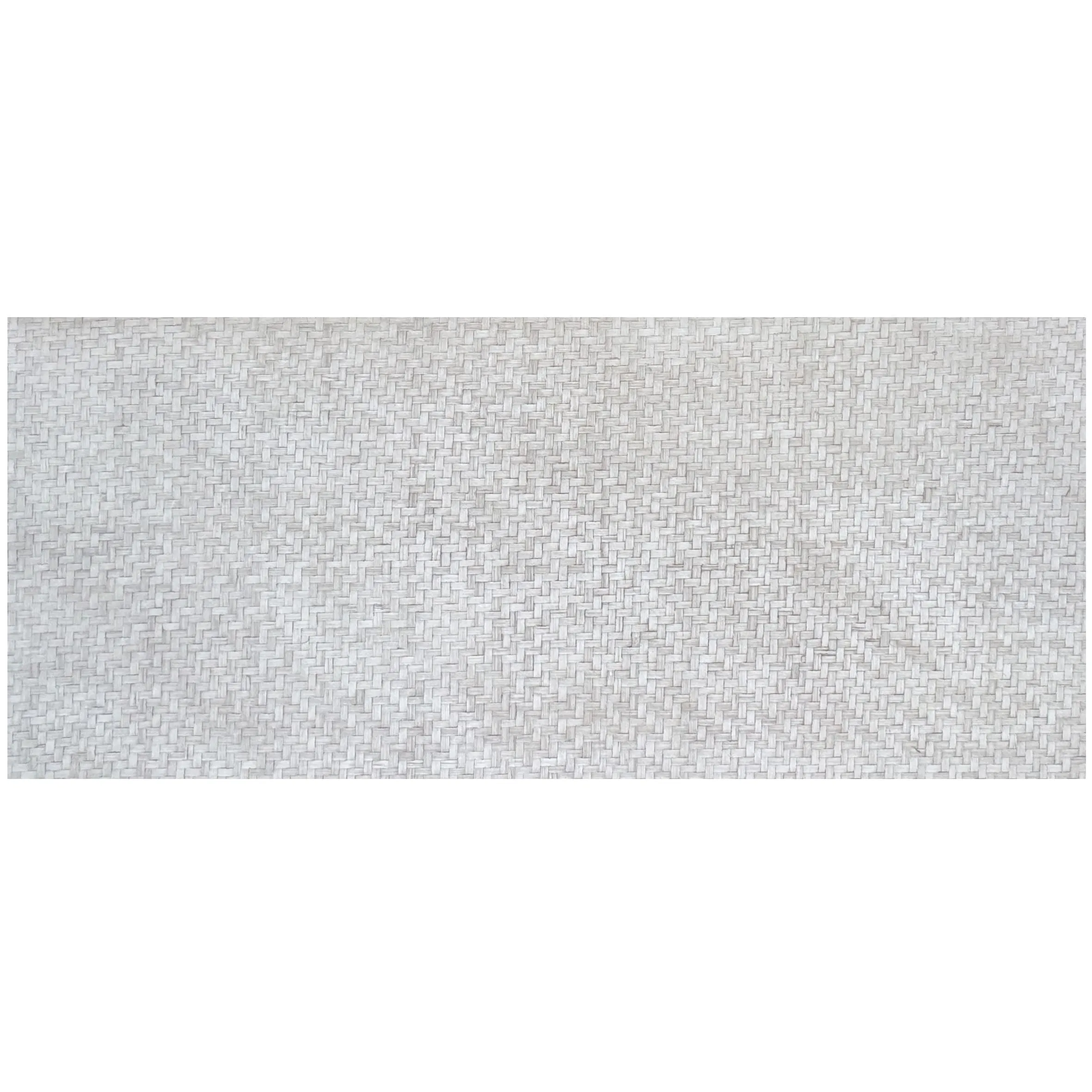
At the end of the day, educational institutions are investments—in our children, our communities, and our future. The materials we choose to build them with should reflect that investment: durable enough to last, safe enough to protect, and warm enough to inspire. Bamboo Mat Board isn't just a building material; it's a partner in education. It stands up to the chaos of childhood, keeps students and staff safe, and turns cold classrooms into spaces that feel like home. Whether paired with the vibrant hues of Travertine (Starry Green) or the modern flexibility of Flexible Stone , it adapts, endures, and elevates. For schools ready to stop fixing what breaks and start building what lasts, Bamboo Mat Board isn't just a choice—it's the future of educational design.
So here's to the hallways that echo with laughter, the classrooms where ideas spark, and the materials that keep up with it all. Here's to Bamboo Mat Board—and to the students who deserve nothing less than the best.
Recommend Products












