
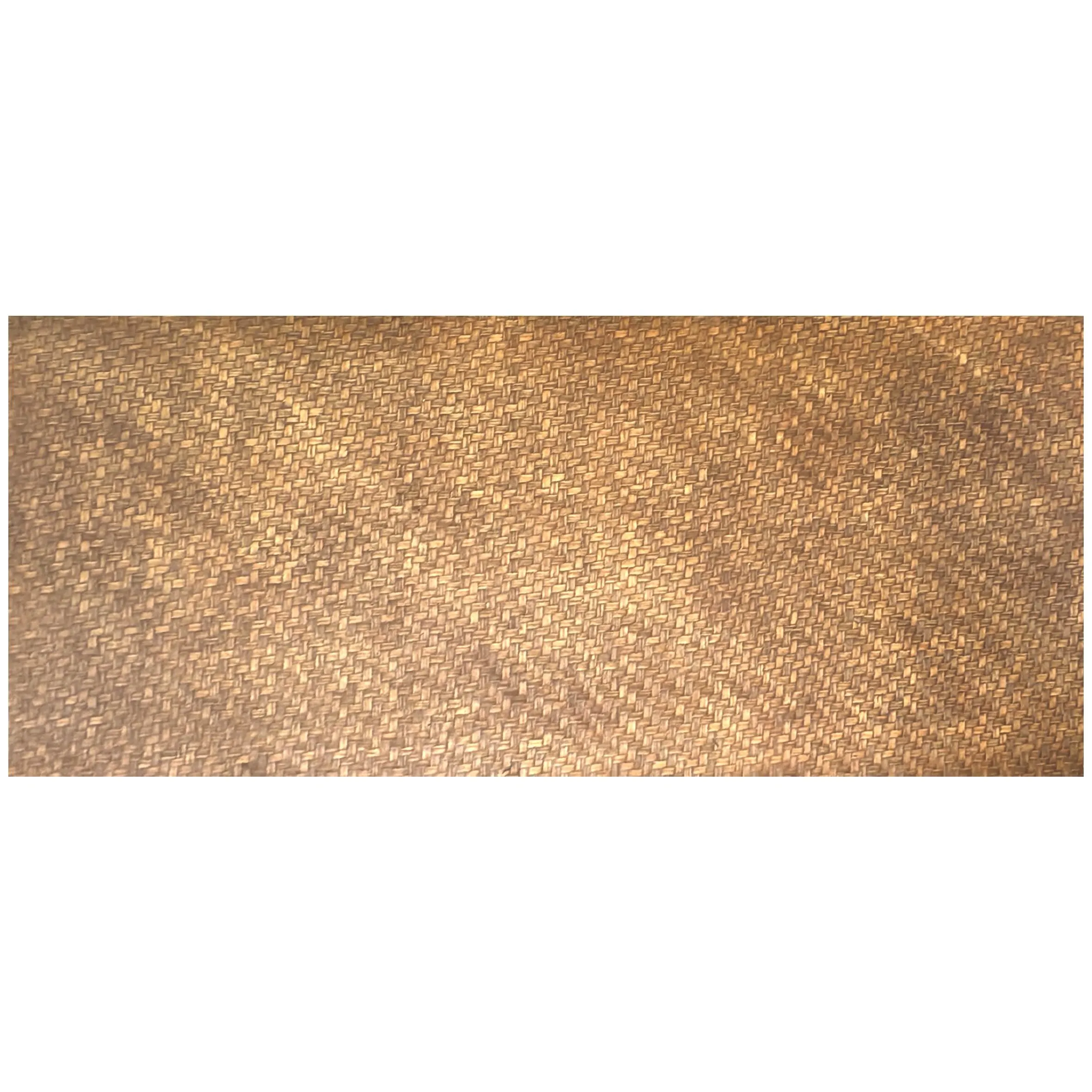
Exhibition spaces are more than just rooms with walls—they're stages where stories unfold, brands connect, and ideas come to life. Whether it's a pop-up art fair that lasts a weekend or a museum exhibit designed to stand for decades, the materials chosen shape every visitor's experience. Designers often juggle a tricky trio: aesthetics that wow, functionality that works, and practicality that fits the installation's lifespan. Enter bamboo mat board—a material that's been quietly winning over designers for its ability to bridge temporary flexibility and permanent durability, all while adding a touch of organic warmth that's hard to replicate.
If you've ever run your hand over a well-crafted bamboo mat, you know there's something inherently inviting about it—the way the natural fibers weave together, creating a pattern that feels both structured and alive. Bamboo mat board takes that tactile charm and elevates it into a material built for the demands of exhibition design. Made from compressed bamboo fibers bonded with eco-friendly adhesives, it's lightweight yet surprisingly sturdy, with a surface that balances roughness (for character) and smoothness (for versatility).
What makes it special? Unlike some synthetic materials that scream "industrial," bamboo mat board carries the quiet confidence of nature. Its neutral palette—think soft beiges, warm taupes, and subtle greens—acts as a blank canvas, letting the exhibits take center stage while adding depth to the space. And because it's derived from bamboo, one of the fastest-growing plants on the planet, it brings a sustainability angle that modern designers can't ignore.
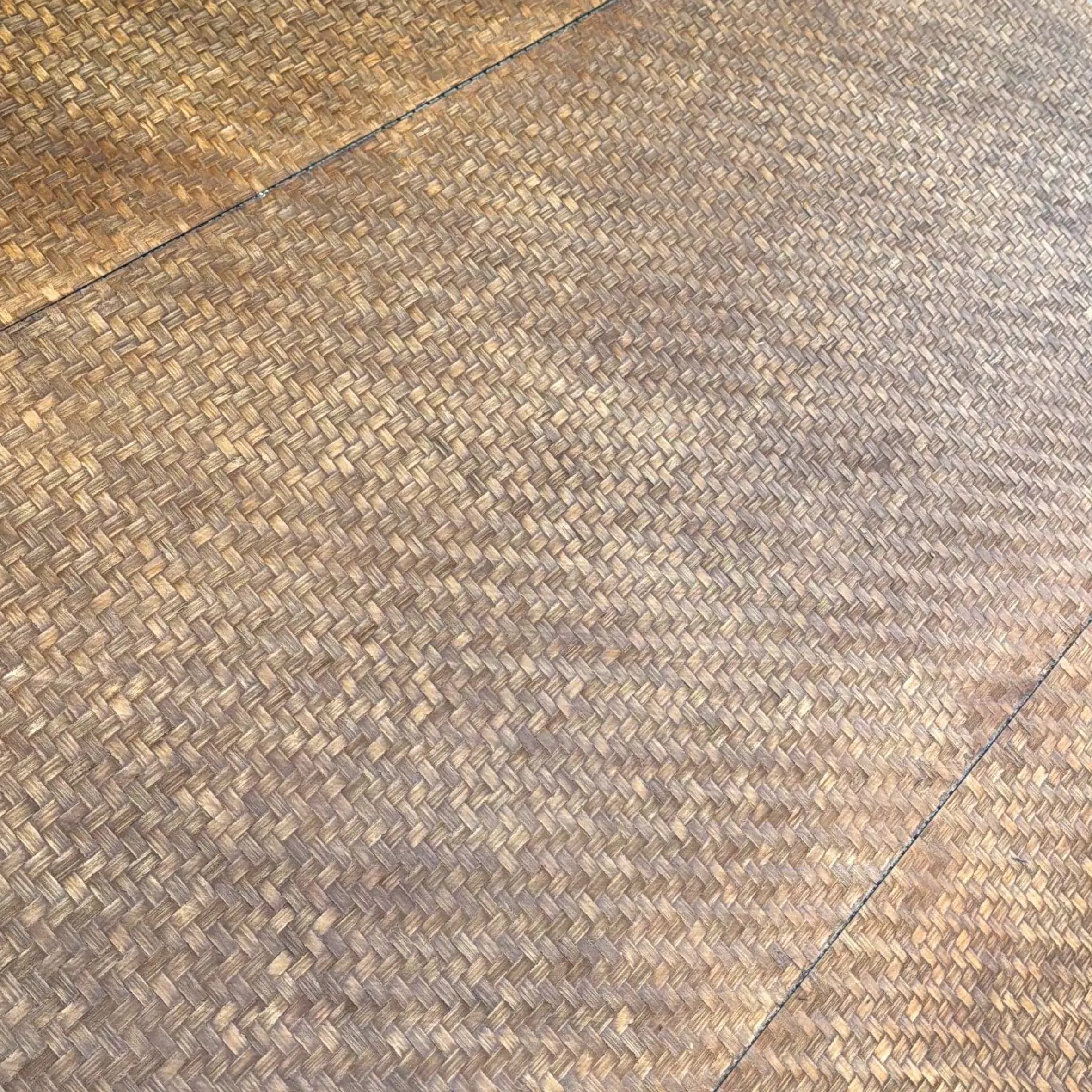
Temporary exhibits—trade shows, pop-up shops, seasonal festivals—live and die by their ability to adapt. Designers need materials that can be installed in days (or even hours), taken down without leaving a trace, and reused or recycled afterward. Bamboo mat board checks all these boxes, and then some.
Take a weekend craft market, for example. Imagine a designer tasked with transforming a bare convention hall into a cozy, village-like space where artisans sell handmade goods. They need walls that feel inviting but won't cost a fortune or take a team of contractors to build. Bamboo mat board panels, lightweight at just 3-4 kg per square meter, can be mounted on simple aluminum frames and secured with clips—no heavy machinery required. By the end of the weekend, the same panels can be disassembled, stacked into a van, and stored for the next event. Compare that to traditional drywall, which cracks easily during removal, or heavy stone slabs that require cranes to move—bamboo mat board turns what could be a logistical nightmare into a manageable, even enjoyable, process.
Designer Insight: "For a recent pop-up fashion show, we wanted walls that felt 'natural' but not 'rustic.' Bamboo mat board let us create backdrops that complemented the earth-toned clothing without overpowering it. Best part? We reused 80% of the panels for a food festival the next month—just repainted a few sections, and they looked brand new." — Mia Chen, freelance exhibition designer
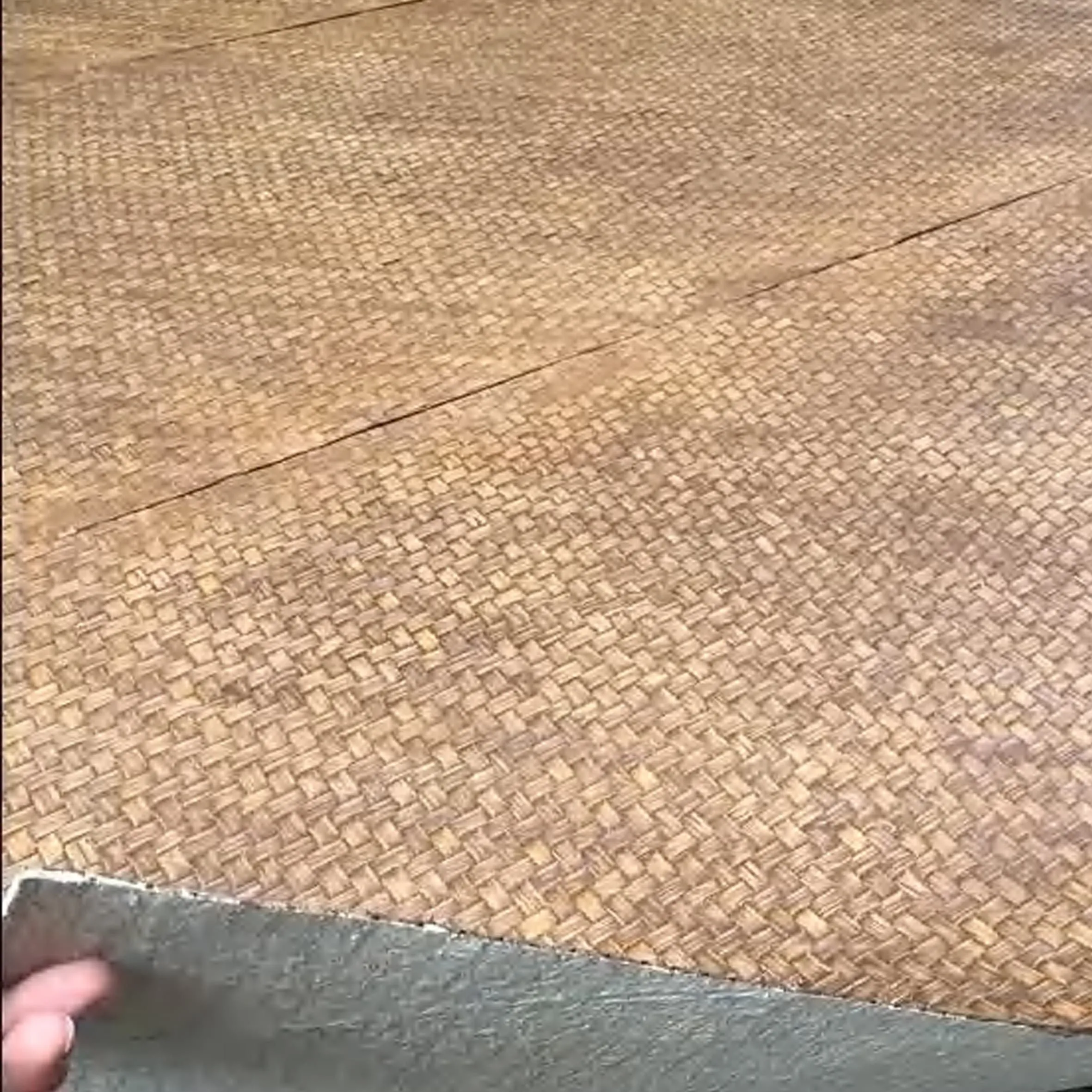
Permanent exhibits—think museum galleries, cultural centers, or corporate lobbies—demand materials that can withstand the test of time: foot traffic, humidity, sunlight, and the occasional accidental bump from a visitor. At first glance, bamboo might seem too "soft" for such roles, but bamboo mat board defies expectations here, too.
Consider a local history museum revamping its main hall to tell the story of the region's agricultural roots. The curators wanted walls that felt warm and lived-in, like the barns and farmhouses of the past, but needed them to last 20+ years. Bamboo mat board, treated with a water-resistant sealant, proved the perfect fit. Its natural resistance to warping (thanks to bamboo's inherent stability) and low maintenance (a quick wipe with a damp cloth keeps it clean) made it ideal for high-traffic areas. Over time, it even develops a gentle patina, adding to the exhibit's narrative of "aging gracefully"—something few synthetic materials can replicate.
Sustainability plays a role here, too. Museums and cultural institutions are under increasing pressure to align with eco-friendly goals, and bamboo mat board delivers. Bamboo grows without pesticides, absorbs more carbon dioxide than most trees, and regrows from its roots after harvesting—meaning each panel has a smaller carbon footprint than materials like plywood or fair-faced concrete , which require energy-intensive production processes.
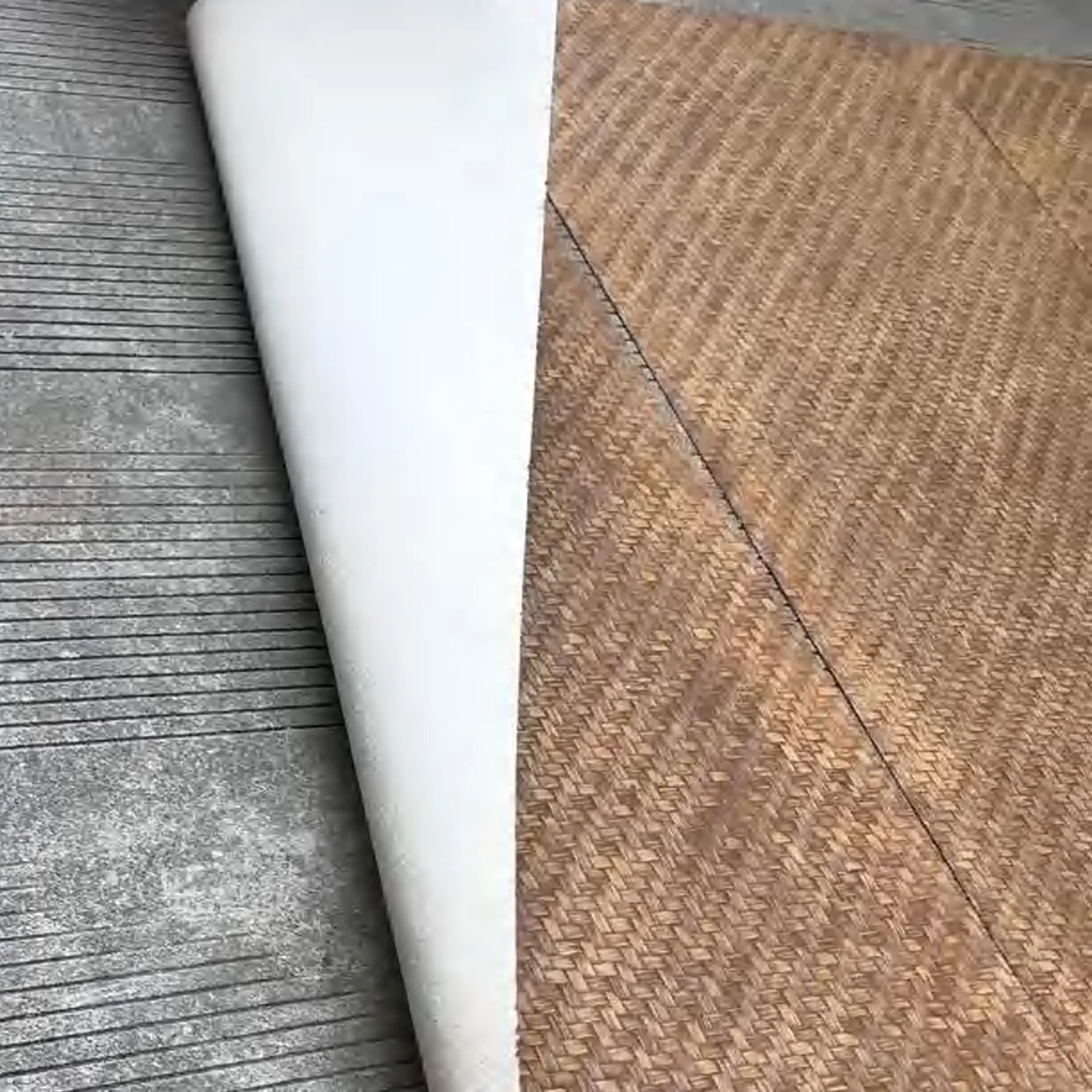
To truly understand bamboo mat board's appeal, it helps to see how it compares to other popular exhibition materials. Let's break down the key factors designers care about: flexibility, aesthetics, sustainability, and cost.
| Material | Best For | Pros | Where Bamboo Mat Board Shines |
|---|---|---|---|
| MCM Flexible Stone | High-end, textured walls | Durable, wide texture range | Bamboo offers a softer, warmer texture; easier to cut/shape for custom designs |
| Wood Grain Board | Rustic or organic themes | Authentic wood look | Bamboo is more sustainable (no deforestation); resists termites and rot better |
| Travertine (Beige) | Classic, earthy interiors | Timeless elegance, natural veining | Bamboo is lighter (easier to install), more affordable, and less prone to chipping |
| Fair-Faced Concrete | Modern, minimalist spaces | Industrial chic, high durability | Bamboo adds warmth to minimalism; reduces echo (softer acoustics for interactive exhibits) |
Take travertine (beige) , for example—a staple in luxury exhibition design for its creamy, stone-like appearance. It's beautiful, but heavy: a single 4x8 ft slab can weigh over 50 kg, making it tough for temporary setups. Bamboo mat board, by contrast, offers a similar earthy vibe but at a fraction of the weight, and its woven texture adds visual interest that flat travertine often lacks. For designers working with tight deadlines or limited budgets, that difference is game-changing.
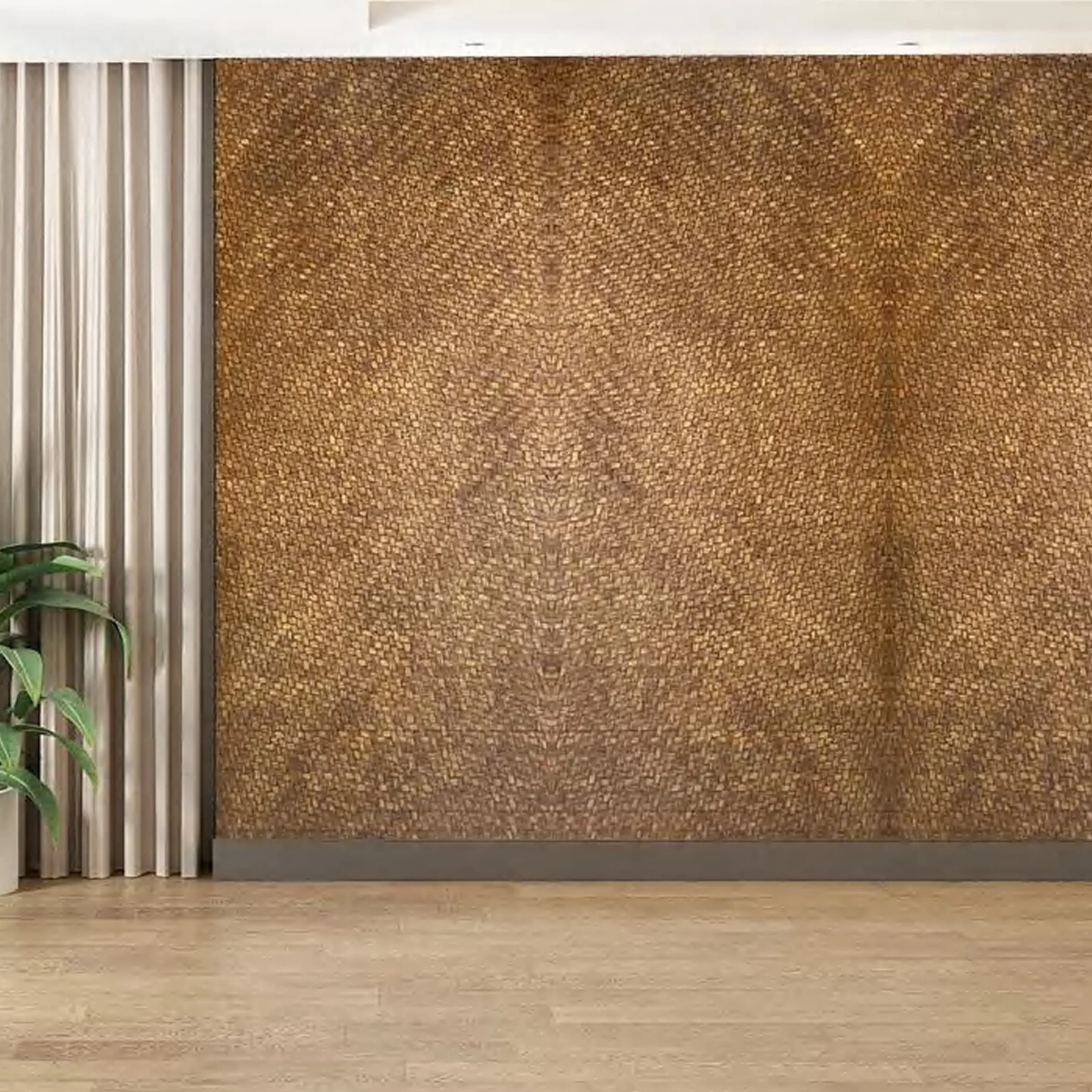
One of bamboo mat board's greatest strengths is its chameleon-like ability to adapt to any design theme. Want a cozy, cabin-inspired pop-up for a outdoor gear brand? Leave the panels natural, pair them with string lights and wooden crates, and you've got instant warmth. Need a sleek, modern backdrop for a tech conference? Paint the boards matte black, add LED strips along the edges, and suddenly it feels cutting-edge.
Textures play a big role here. The woven pattern of bamboo mat board isn't just for show—it creates subtle shadows and depth, even under harsh exhibition lighting. Designers often layer it with other materials: think wood line accents for a Scandinavian vibe, or metallic trims to add a touch of glamour. In one recent project, a designer used laser-cut bamboo mat board panels to create a "screen" that filtered light into dappled patterns, mimicking sunlight through tree leaves—a budget-friendly alternative to custom metalwork.
Color-wise, bamboo mat board is a team player. Its natural tones (soft beige, warm tan, light olive) complement bold accent colors, making it easy to match brand palettes or exhibit themes. Stain it darker for a moody, dramatic look, or keep it light to brighten up small spaces—either way, it never feels out of place.
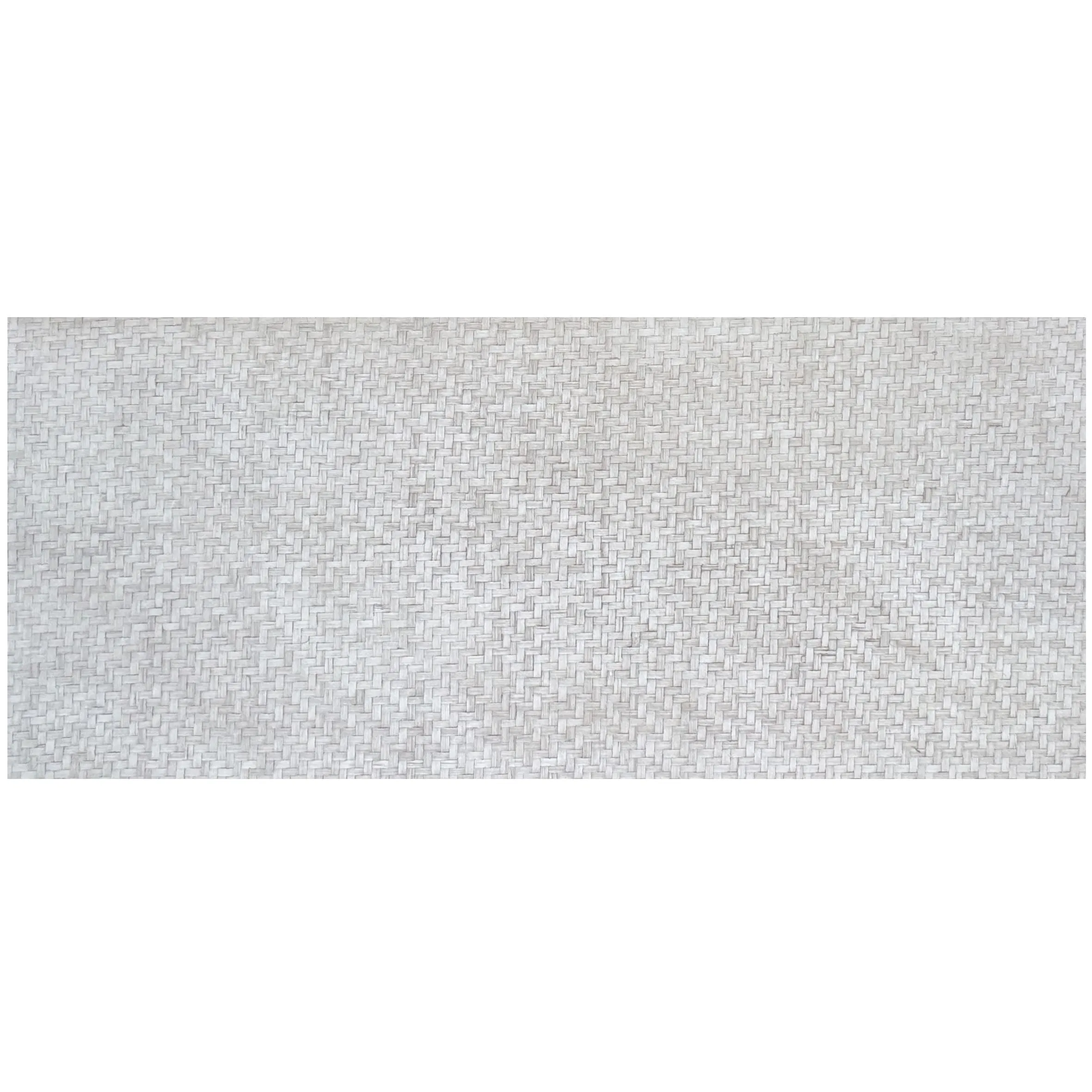
Talk to designers who've used bamboo mat board, and you'll hear a common refrain: "It surprised me." Take Raj Patel, who designed a temporary wine-tasting pavilion for a food festival. "I was skeptical at first—bamboo felt too 'crafty' for a high-end wine event," he admits. "But once we installed the panels, the space came alive. The way the light hit the weave made the wines look richer, and visitors kept commenting on how 'inviting' the walls felt. We even had people asking where we got the material!"
For permanent projects, Sarah Lopez, an architect specializing in cultural spaces, chose bamboo mat board for a children's museum exhibit about ecosystems. "Kids touch everything, so we needed something durable but not cold. Bamboo mat board is soft enough that a toddler's bump won't hurt, but tough enough to handle sticky fingers and daily wear. Plus, it ties into the exhibit's 'nature' theme perfectly—we didn't have to fake the organic feel."
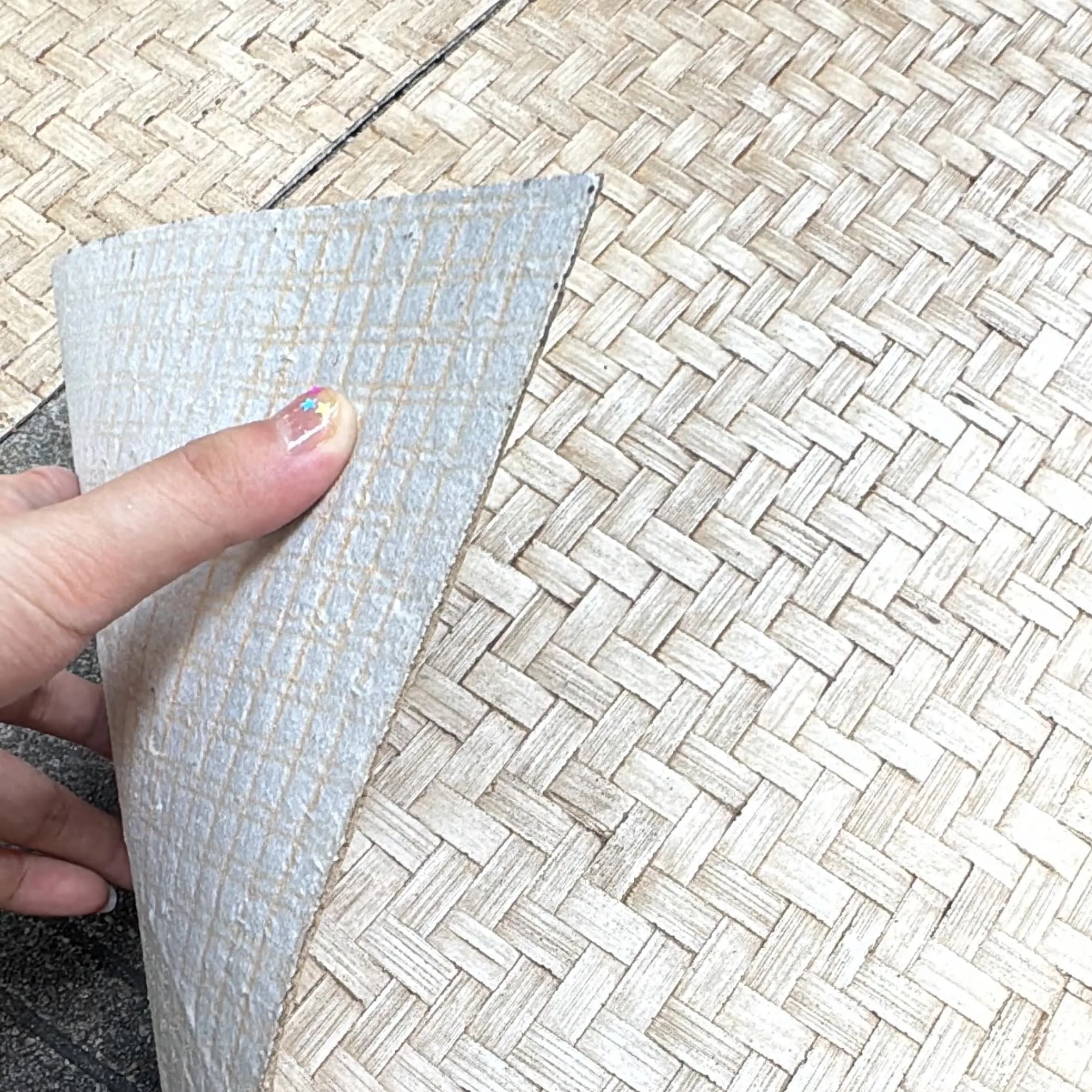
As exhibition design evolves—leaning more into sustainability, interactivity, and flexibility—bamboo mat board is poised to become a staple. Its ability to adapt to both temporary and permanent needs, combined with its eco-friendly credentials and timeless aesthetic, makes it a material that grows with the industry.
Looking ahead, we'll likely see even more innovation: bamboo mat board panels with integrated smart technology (think embedded sensors or LED lights), or hybrid versions that combine bamboo with foamed aluminium alloy board (vintage silver) for a modern-industrial twist. But at its core, bamboo mat board's magic lies in its simplicity: it's a material that doesn't just fill space—it enhances it, making every exhibit feel a little more human, a little more alive.
So the next time you walk into an exhibition—whether it's a pop-up market or a grand museum—take a moment to touch the walls. If they feel warm, textured, and somehow familiar, there's a good chance you're standing in front of bamboo mat board. And if you're a designer? It might just be the material that turns your next project from "good" to "unforgettable."
Recommend Products












