
There's something almost magical about stepping into a heritage building. The creak of wooden floors that have borne decades of footsteps, the patina of stone walls that have weathered storms and sun, the way light filters through windows framed by moldings carved by hands long gone—these details aren't just aesthetics. They're stories. But here's the hard truth: stories fade when walls crumble. Heritage buildings, for all their charm, are fragile. Rotting timbers, crumbling mortar, and the simple passage of time turn once-sturdy structures into safety hazards. Renovating them is a labor of love, but it's also a tightrope walk—how do you repair the past without erasing it? How do you infuse modern strength without losing the soul of the original design?
For too long, the answer has been a compromise. Either spend a fortune sourcing rare, original materials (if they even exist anymore) or slap on generic modern substitutes that feel like a bad costume—plastic "wood" that glints unnaturally in the sun, concrete blocks painted to look like stone but lacking the texture of age. But what if there was a material that could bridge that gap? One that speaks the language of heritage while carrying the resilience of modern engineering? Enter bamboo mat board—a quiet innovator in the world of heritage preservation that's changing how we think about restoring the past.
Ask any preservation architect about their biggest challenge, and they'll likely sigh before answering: authenticity. A 200-year-old cottage in the English countryside, for example, might have walls made of local limestone, beams hewn from oak trees that grew in the adjacent forest. Today, that limestone quarry might be closed, and old-growth oak is protected. So, do you use new limestone that's too uniform, lacking the natural variations of the original? Or do you opt for concrete blocks with a "stone-look" finish that tricks the eye but feels hollow up close? Worse, some renovations replace rotting wood with vinyl siding that mimics wood grain but can't replicate the warmth of real timber. The result? A building that looks "old" but feels new—like a movie set instead of a home with history.
Then there's the issue of structural safety. Heritage buildings weren't built for modern life. They weren't designed to support insulation, electrical wiring, or the weight of new plumbing. Using heavy traditional materials—like solid stone or thick timber—can strain already weakened foundations, turning a repair into a disaster. And let's not forget sustainability. Quarrying stone or cutting down slow-growing trees for renovation projects contradicts the very idea of "preservation," which should include protecting the planet for future generations. It's a cycle of heartache: love a building, try to save it, and accidentally strip it of what made it worth saving.
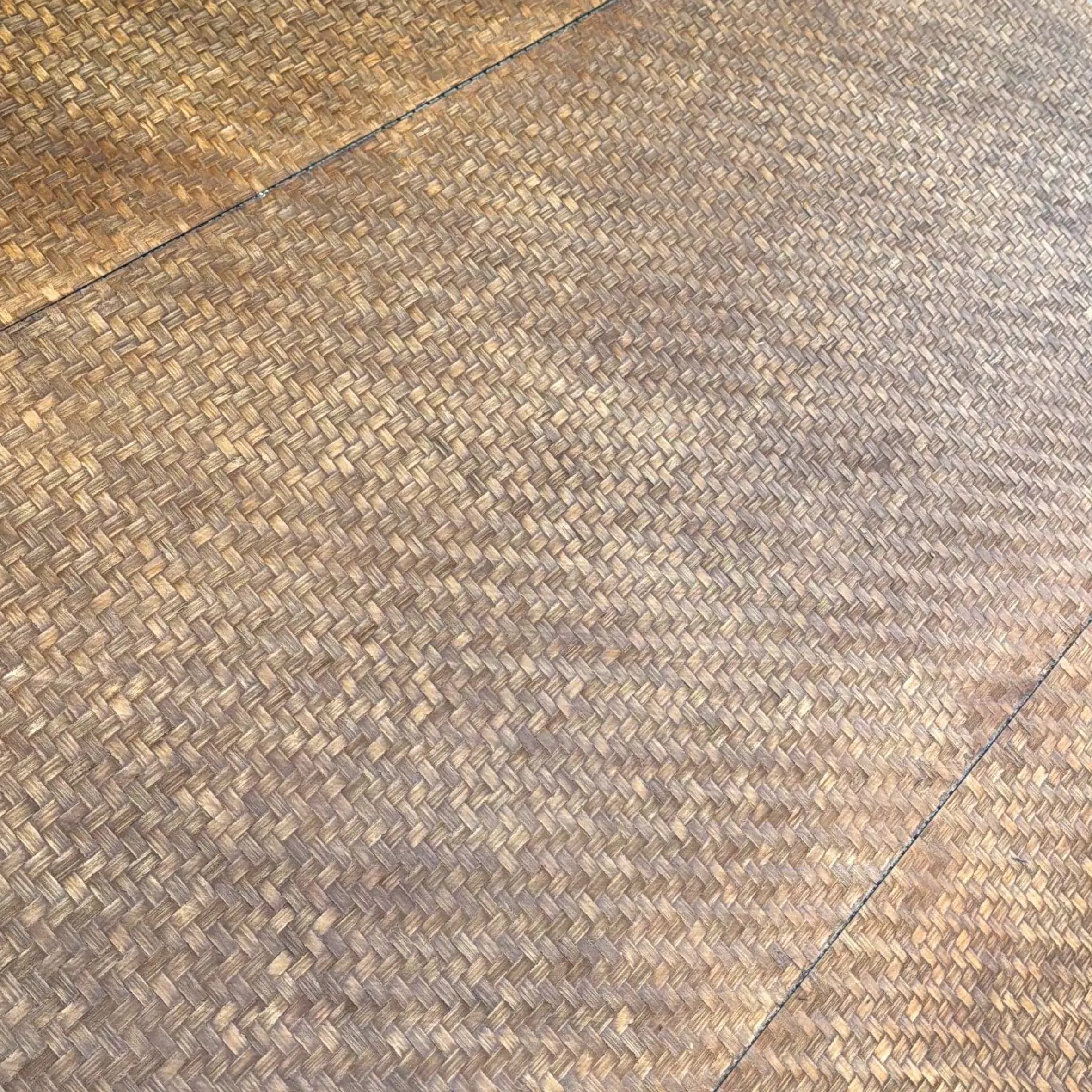
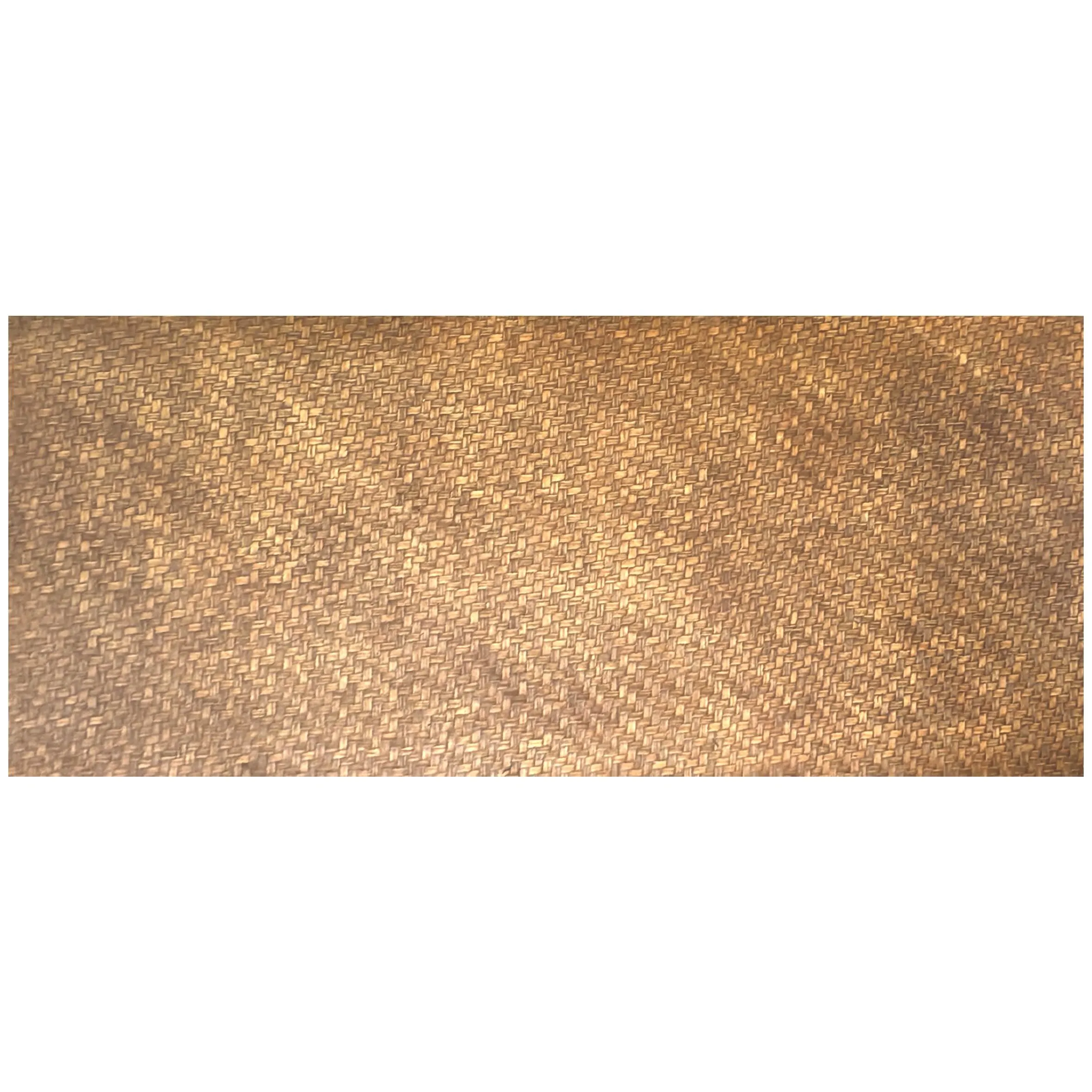
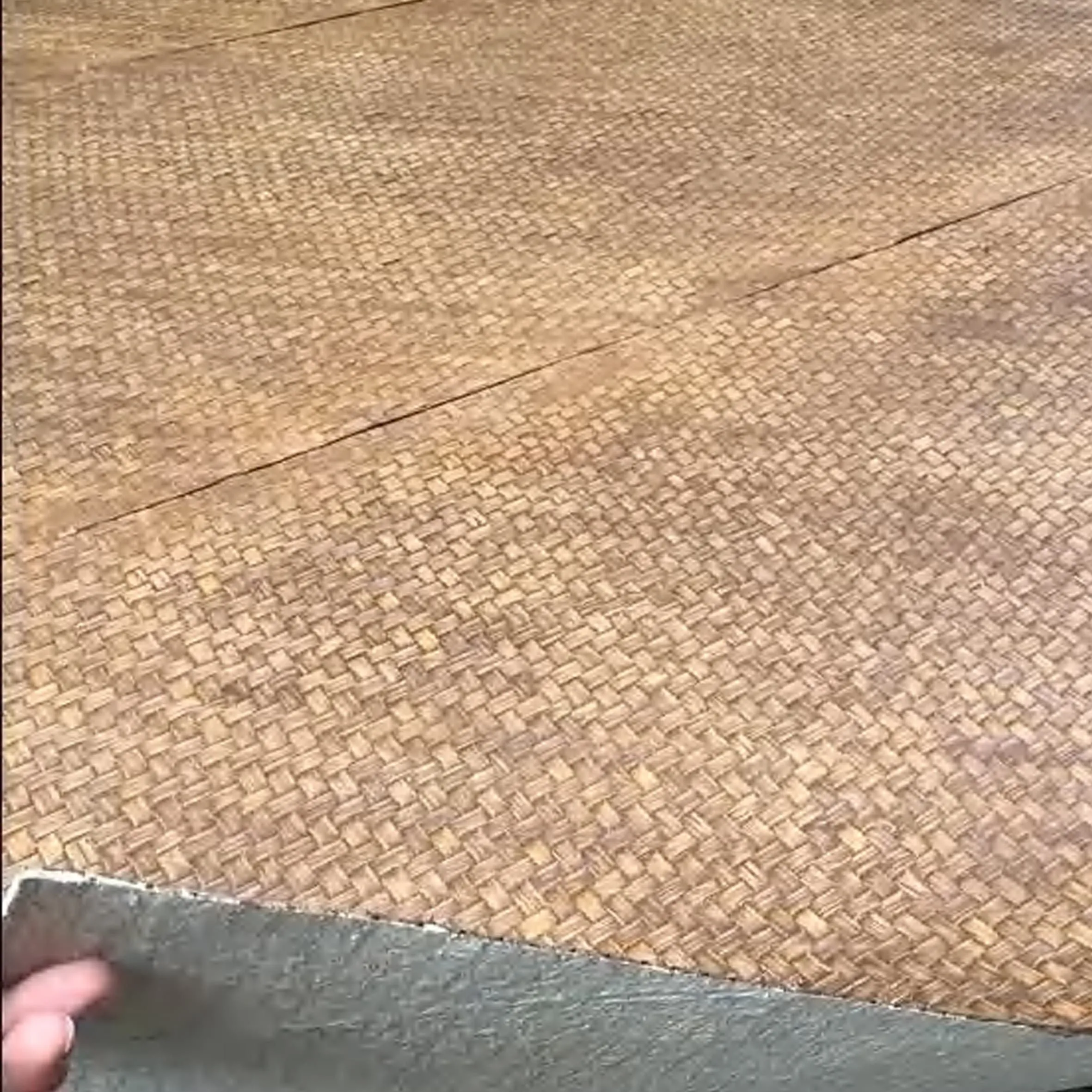
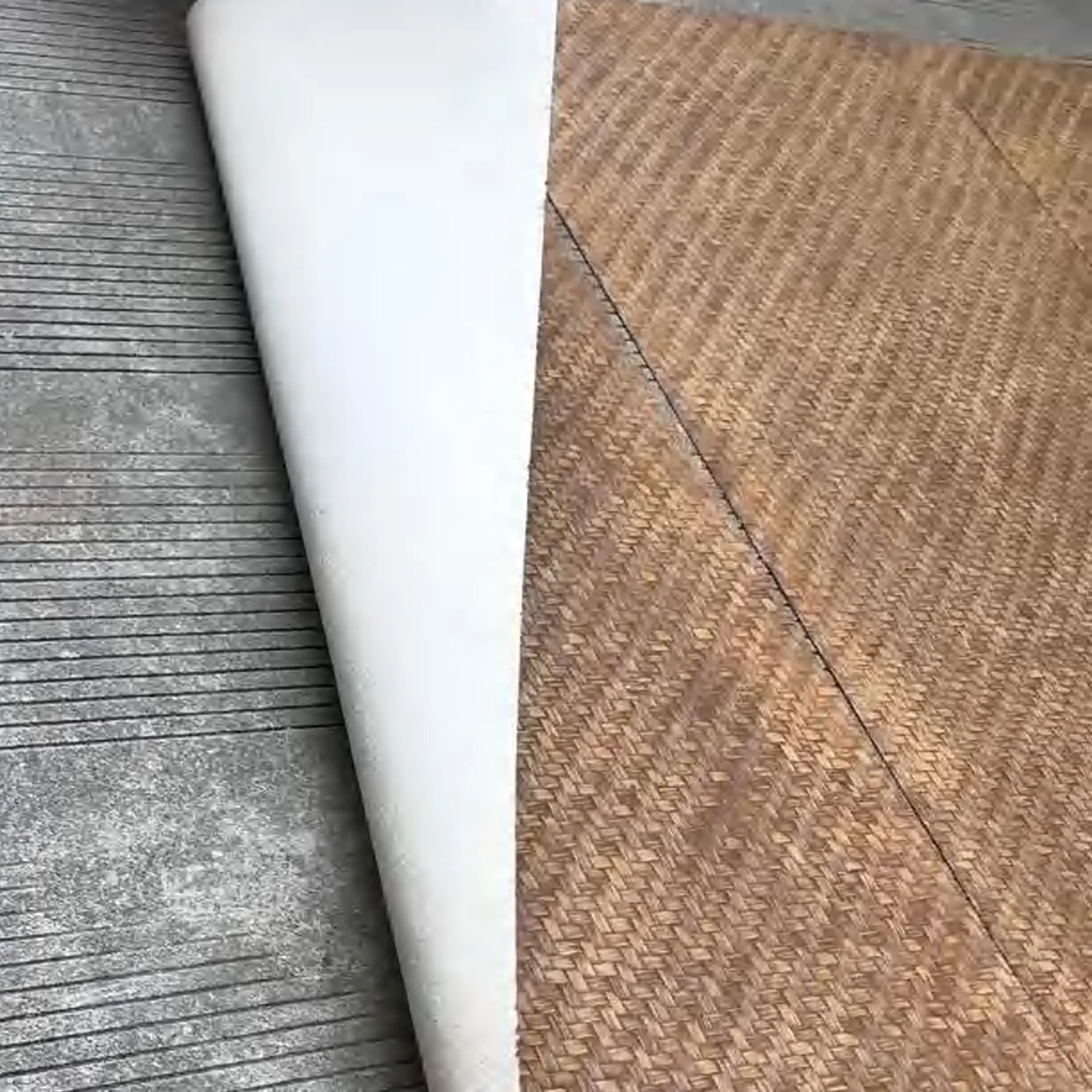
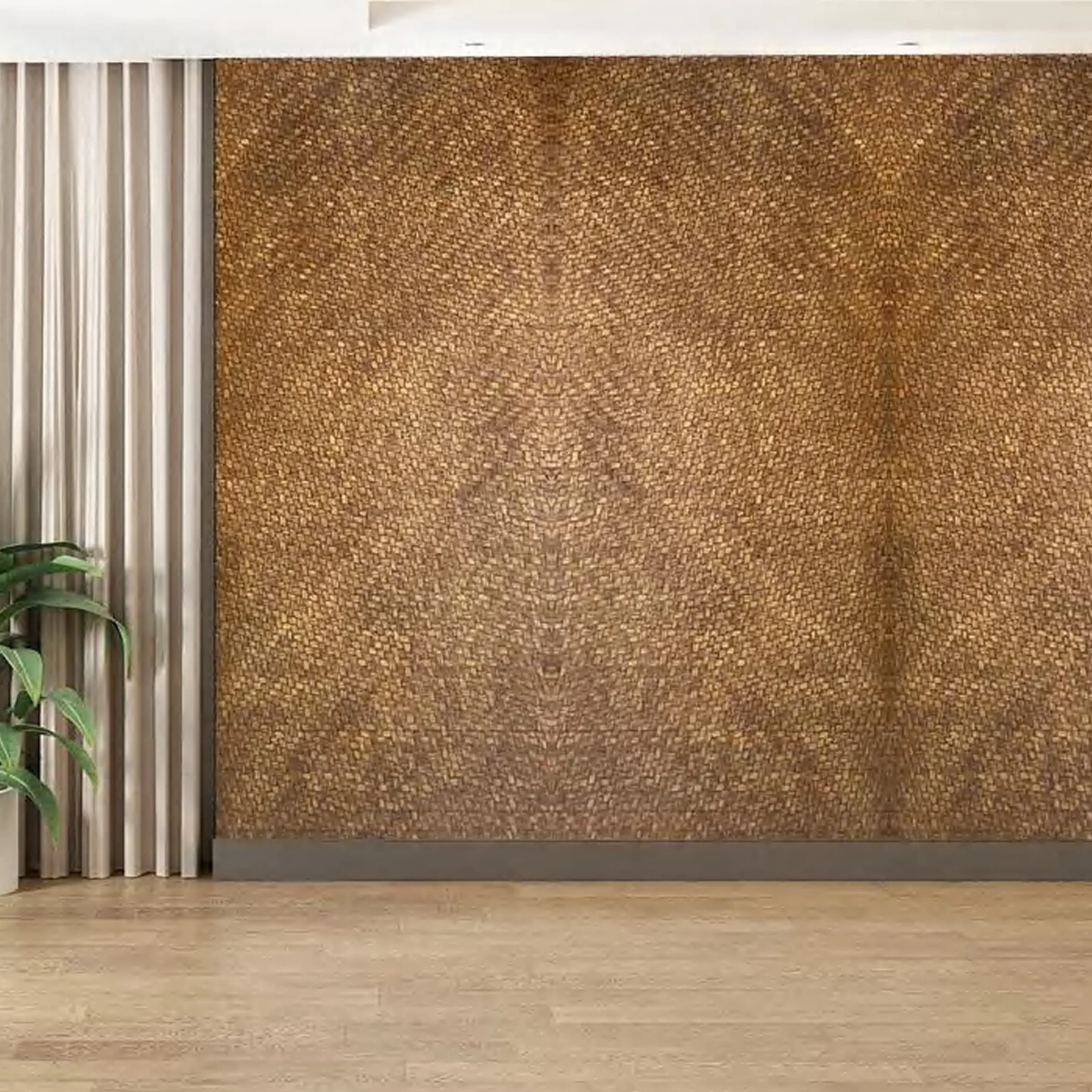
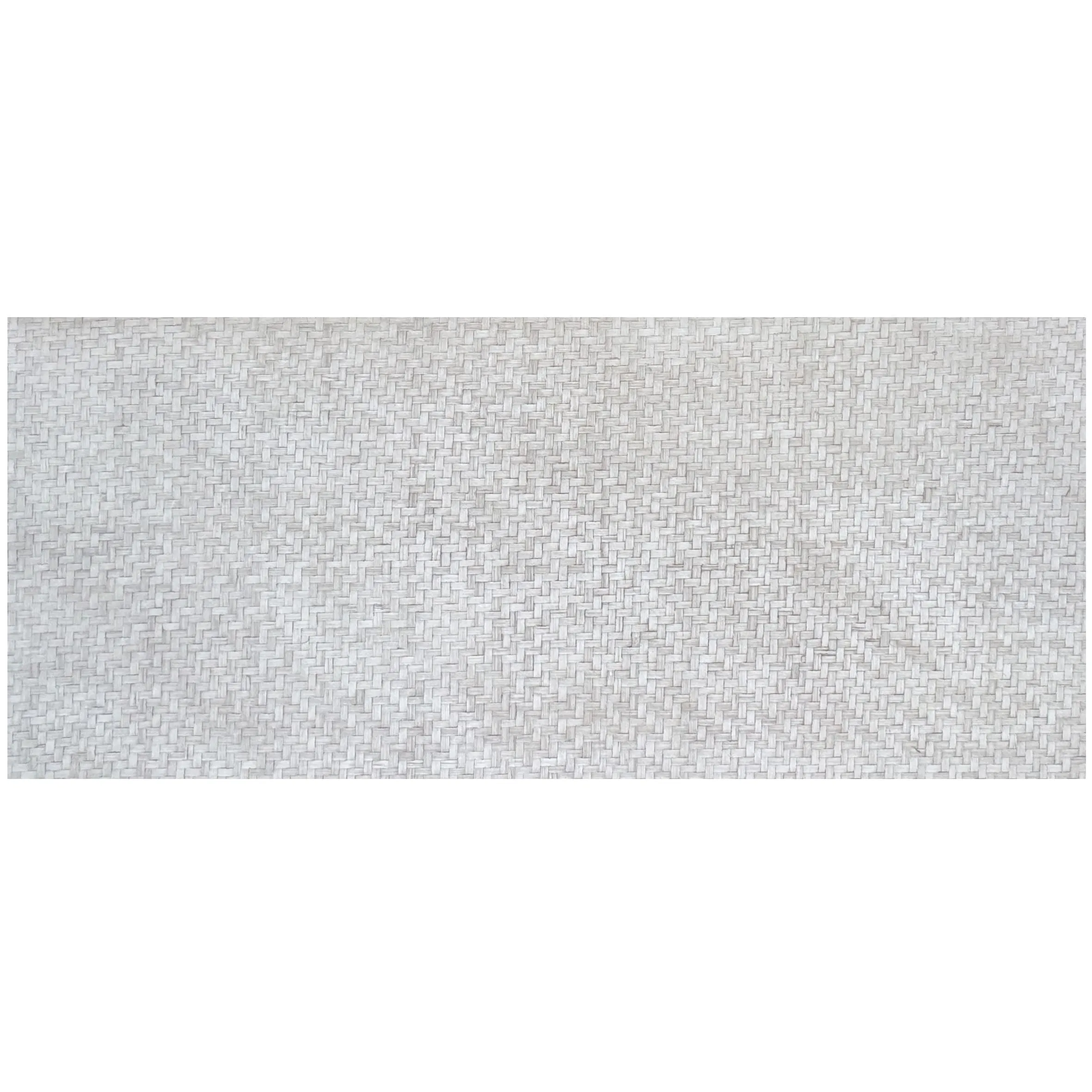
So, what is bamboo mat board, exactly? At first glance, it might sound like a niche product—something you'd use for crafts or lightweight furniture. But in reality, it's a triumph of modified composite material (MCM) technology, designed to marry the best of nature and engineering. Picture this: strands of bamboo, one of the fastest-growing plants on Earth, are processed into fibers, then bonded with eco-friendly resins and recycled additives. The result is a board that's lightweight yet surprisingly strong, flexible enough to curve around historic archways, and textured to mimic everything from weathered wood to aged stone.
But bamboo mat board isn't just about practicality—it's about empathy. Unlike cold, industrial materials like fair-faced concrete, which can feel harsh against heritage architecture, bamboo mat board has a warmth to it. Run your hand over it, and you'll feel the subtle grain of the bamboo fibers, a reminder of the natural world that shaped the original building. It doesn't shout "modern"; it whispers "timeless." And because it's customizable, it can adapt to the unique character of any heritage site. Need to match the rough-hewn texture of 18th-century wooden beams? Bamboo mat board can be finished with a wood grain board pattern that's indistinguishable from the real thing. Trying to replicate the soft, earthy tone of ancient limestone? A travertine (beige) finish will blend seamlessly, honoring the original palette without the environmental cost of quarrying new stone.
Let's break down why this material is a game-changer for heritage renovation. Start with sustainability: bamboo grows in as little as three to five years, compared to decades for hardwood trees. It requires no pesticides, thrives in poor soil, and releases 35% more oxygen than equivalent trees. For heritage projects that aim to "do no harm," using bamboo mat board is a statement—preserving the past while protecting the future. Contrast that with, say, epoch stone, a durable but resource-intensive material that often requires energy-heavy manufacturing processes. Bamboo mat board proves you don't have to choose between strength and sustainability.
Then there's its weight. Traditional materials like solid timber or stone are heavy, and heritage buildings—many with foundations laid before modern engineering—can't always bear the load. Bamboo mat board, by comparison, is up to 70% lighter than solid wood and 50% lighter than natural stone. This means it can be installed without reinforcing walls or foundations, a critical advantage when working with fragile structures. Imagine restoring a historic church with crumbling masonry: adding heavy stone cladding might cause the walls to bow, but bamboo mat board can be applied like a gentle second skin, strengthening without straining.
Durability is another win. Unlike real wood, which rots, warps, or attracts termites, bamboo mat board is resistant to moisture, pests, and temperature fluctuations. It won't crack in freezing winters or swell in humid summers, reducing the need for constant maintenance—a godsend for heritage sites with limited budgets. And because it's made from composite materials, it won't fade in the sun, ensuring that the "aged" look you love today stays vibrant for decades. In short, it's a material that's built to last—just like the stories in the walls it helps preserve.
In the Marais district of Paris, a 1920s townhouse had been abandoned for years. Its once-elegant façade was marred by crumbling stucco, and inside, water damage had turned the original oak paneling into a patchwork of rot and mold. The new owners, a family passionate about historic preservation, wanted to restore the home to its former glory—but they faced a dilemma: original oak paneling was unavailable, and using modern hardwood would cost a fortune and take months to source. Enter bamboo mat board.
The architects chose a bamboo mat board with a wood grain board finish, custom-matched to the remaining patches of original oak. The boards were lightweight enough to install without reinforcing the walls, and their flexibility allowed them to follow the slight curves of the room's historic moldings. For the flooring, the team paired the bamboo panels with travertine (beige)—a nod to the building's Art Deco roots, as travertine was popular in 1920s Parisian design. The result? A space that feels like it's been loved for a century, not just renovated. The owners now host dinners where guests run their hands over the "oak" panels, asking, "Is this original?" When told it's bamboo mat board, they're stunned. "But it feels so… real ," they say. That's the magic: it is real. Real enough to honor the past, strong enough to protect it.
Still skeptical? Let's put bamboo mat board head-to-head with other common renovation materials. The table below compares key factors like authenticity, durability, and sustainability—because when it comes to heritage, every detail matters.
| Material | Authenticity (Can It Mimic Heritage Textures?) | Durability (Resistance to Rot, Pests, Weather) | Sustainability (Environmental Impact) | Best For |
|---|---|---|---|---|
| Bamboo Mat Board | High—mimics wood, stone, and more with natural texture | Excellent—resistant to rot, pests, and moisture; fade-resistant | Excellent—made from fast-growing bamboo and recycled materials | Wall panels, ceilings, decorative moldings, lightweight structural elements |
| Original Timber | Very High—but only if sourced from the same era (rare) | Poor—prone to rot, termites, and warping | Poor—requires slow-growing trees; often unsustainable | Small, non-structural repairs where authenticity is critical |
| Fair-Faced Concrete | Low—industrial look clashes with most heritage styles | High—durable but inflexible | Low—high carbon footprint from manufacturing | Modern additions to heritage sites, not main renovations |
| Travertine (Beige) | High—natural stone with historic appeal | High—but heavy; can crack under stress | Low—quarrying depletes natural resources | Flooring, exterior cladding (if structure can support weight) |
| Epoch Stone | Medium—mimics stone but lacks natural variation | High—resistant to weather and wear | Medium—some recycled content, but still energy-intensive | Exterior facades where stone look is needed but weight is a concern |
Heritage preservation isn't just about fixing old buildings—it's about reimagining them for new uses. A 19th-century factory might become a community library; a derelict schoolhouse could transform into a boutique hotel. In these cases, bamboo mat board shines not just as a repair material, but as a design tool. Imagine a library in a former textile mill: the original brick walls are kept, but the interior is updated with bamboo mat board ceilings finished in a soft, neutral tone, paired with wood grain board shelving that echoes the mill's industrial past. The result is a space that honors the building's history while making it functional for modern readers. Or a hotel in a converted monastery, where bamboo mat board panels with a travertine (beige) finish line the hallways, complementing the original stone arches and creating a sense of continuity between old and new.
What's most exciting is how bamboo mat board empowers creativity. It doesn't box architects and designers into "either/or" choices—either preserve strictly or modernize completely. Instead, it offers "both/and": preserve the essence, modernize the structure. It's a material that understands that heritage isn't static. Buildings evolve, just like the people who love them. A home built in 1850 might now need to be wheelchair-accessible; a historic tavern might need to accommodate air conditioning. Bamboo mat board makes these changes possible without erasing the past. It's not just about keeping walls standing—it's about keeping stories alive, so that 100 years from now, someone else can walk through those doors and feel the same magic we do today.
At the end of the day, heritage renovation isn't about materials. It's about memory. It's about ensuring that the places where our ancestors lived, worked, and loved continue to speak to us—and to future generations. Bamboo mat board doesn't just repair walls; it repairs the connection between past and present. It's lightweight enough to honor the fragility of old buildings, strong enough to protect them, and warm enough to keep their stories from fading.
So, the next time you walk through a heritage site that's been renovated, take a moment to touch the walls. If they feel like they have a story to tell—if they're rough in all the right places, warm under your palm, and sturdy enough to last—chances are, bamboo mat board might be the quiet hero behind them. And isn't that what preservation should be? Not just saving buildings, but saving the feeling of them. After all, stones don't make heritage—stories do. And bamboo mat board? It's a storyteller.
Recommend Products












