
Let's talk about humidity—the silent enemy of so many home materials. Whether you're dealing with a steamy bathroom that never seems to dry out, a kitchen where splashes are constant, a coastal home where salt air hangs thick, or a basement that feels perpetually damp, choosing the right materials can feel like solving a puzzle. Wood warps, paint peels, stone gets cold, and even some engineered products buckle under pressure. Enter Bamboo Mat Board: a material that's been popping up in design circles as a "miracle" solution for high-moisture spaces. But is it really as good as it sounds? Let's dive in.
Before we judge its humidity-fighting chops, let's get to know Bamboo Mat Board. At its core, it's exactly what it sounds like: thin layers (or "mats") of bamboo fibers pressed together with natural resins. Bamboo, as a raw material, is already a standout—fast-growing, sustainable, and naturally dense. When crafted into a mat board, those fibers are aligned to create a material that's both strong and surprisingly flexible.
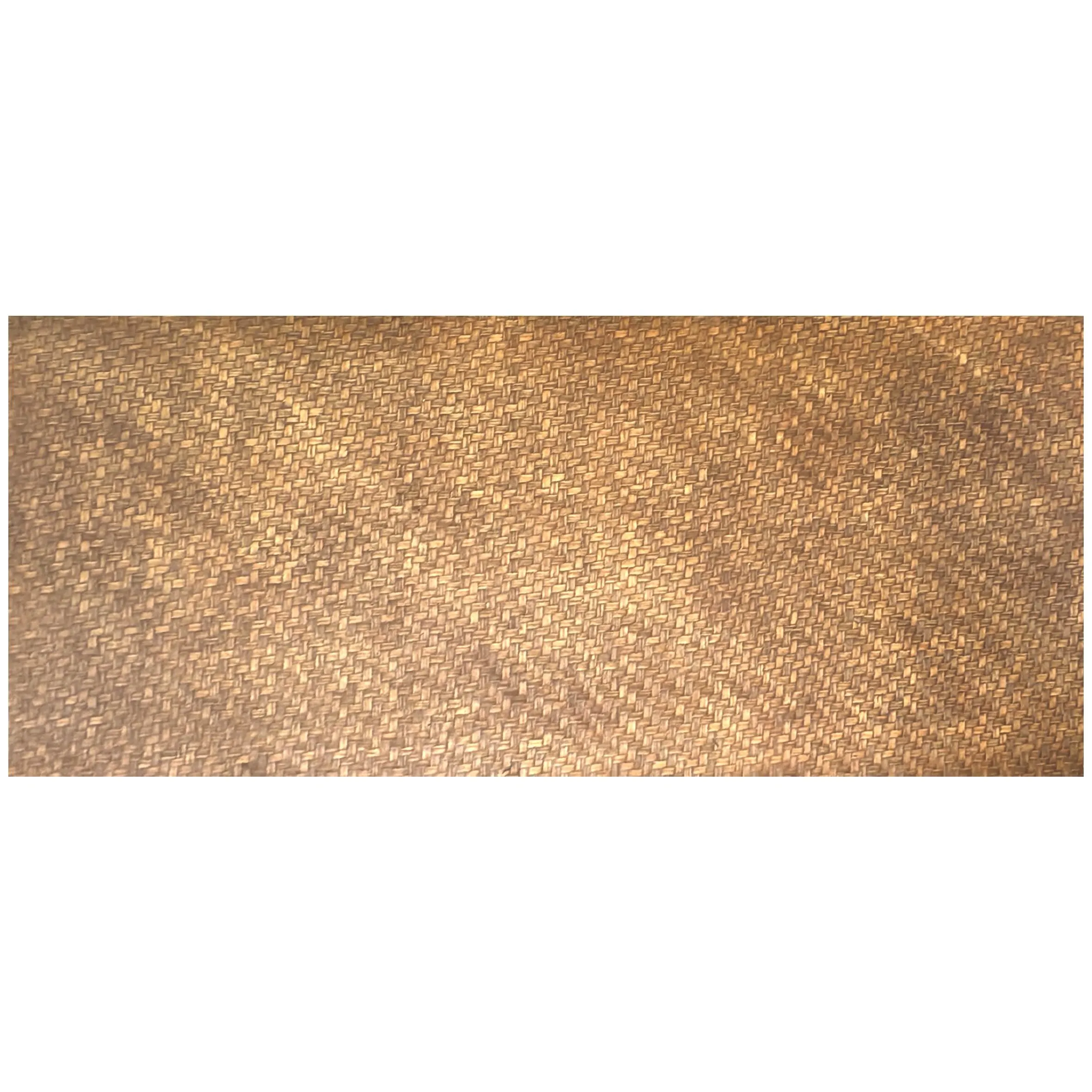
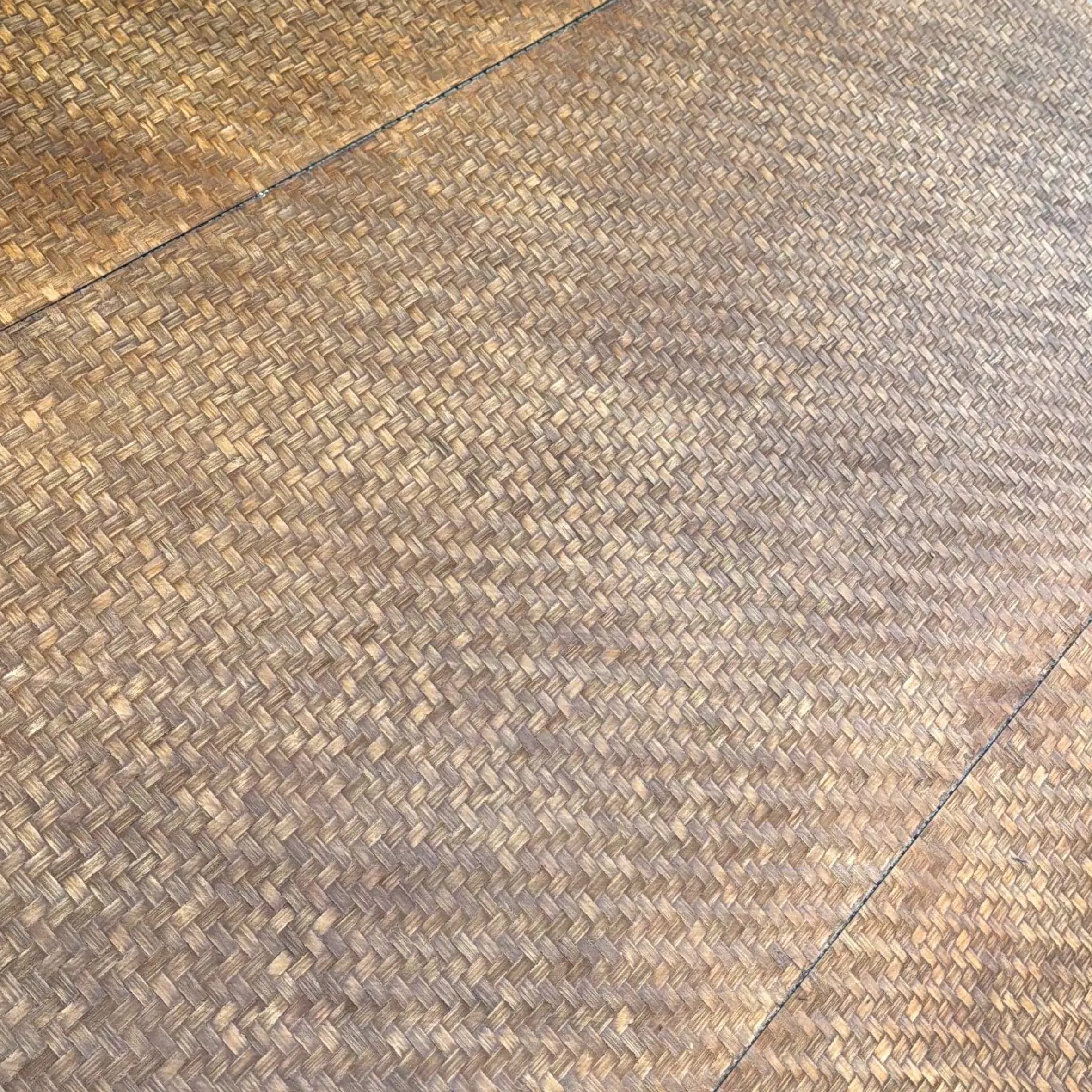
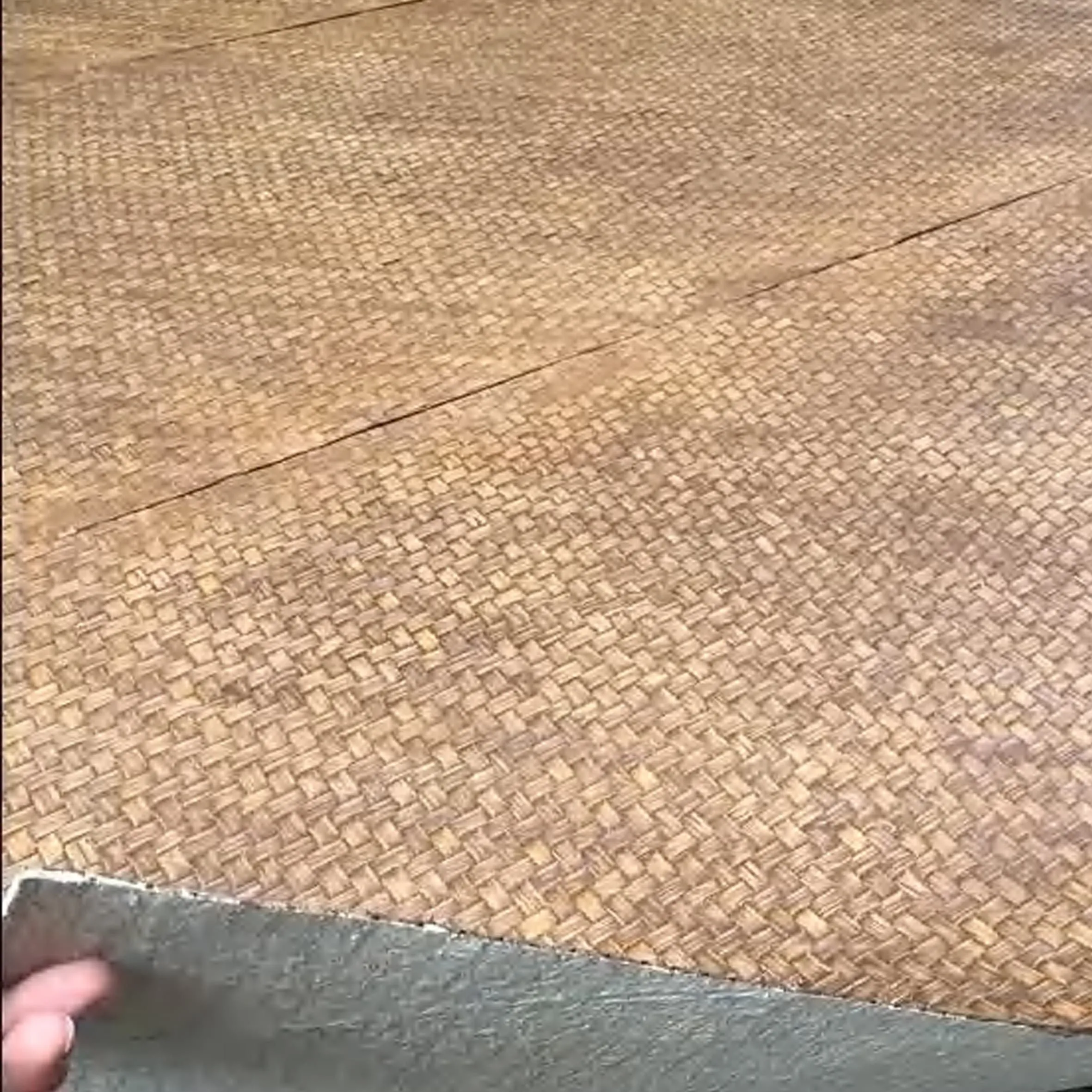
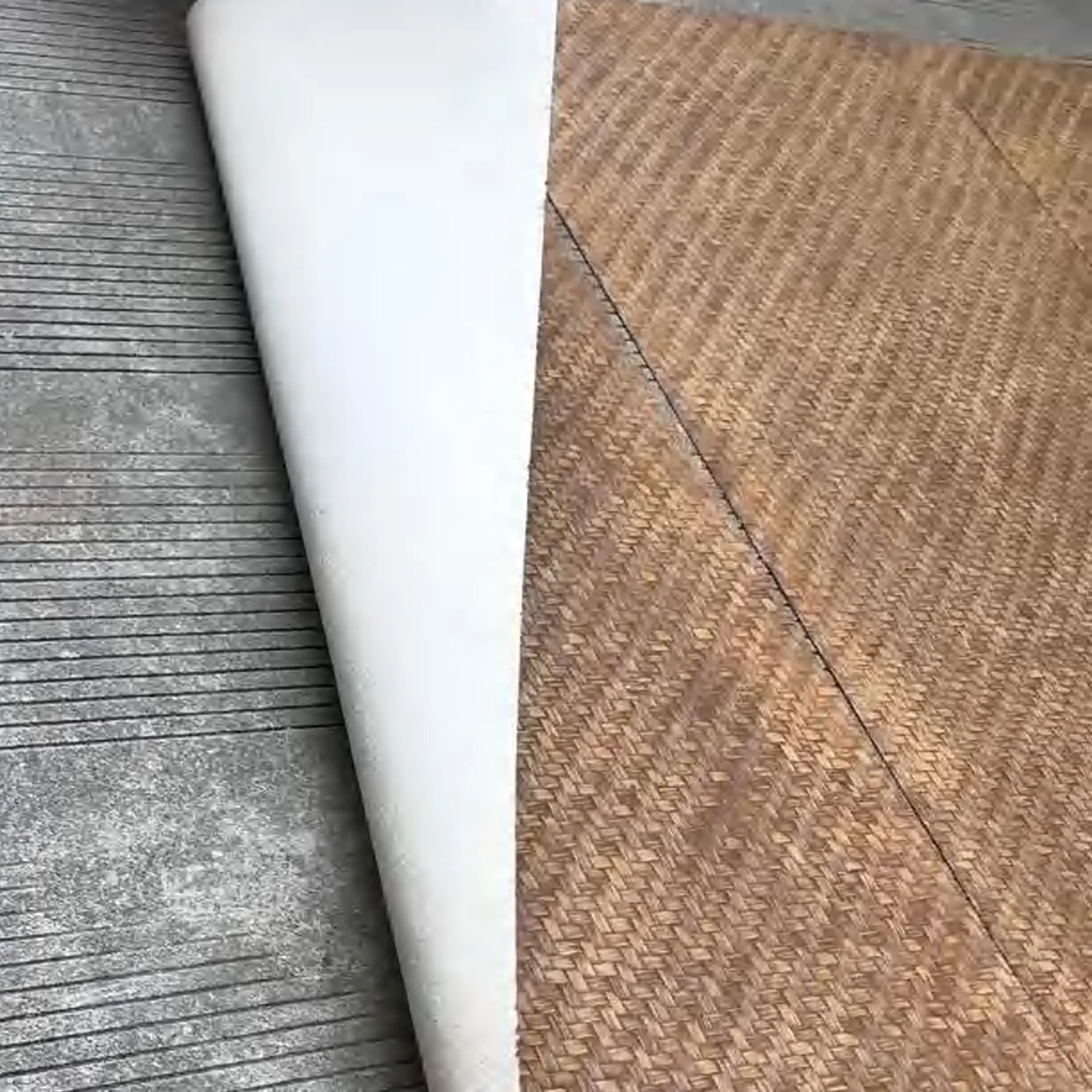
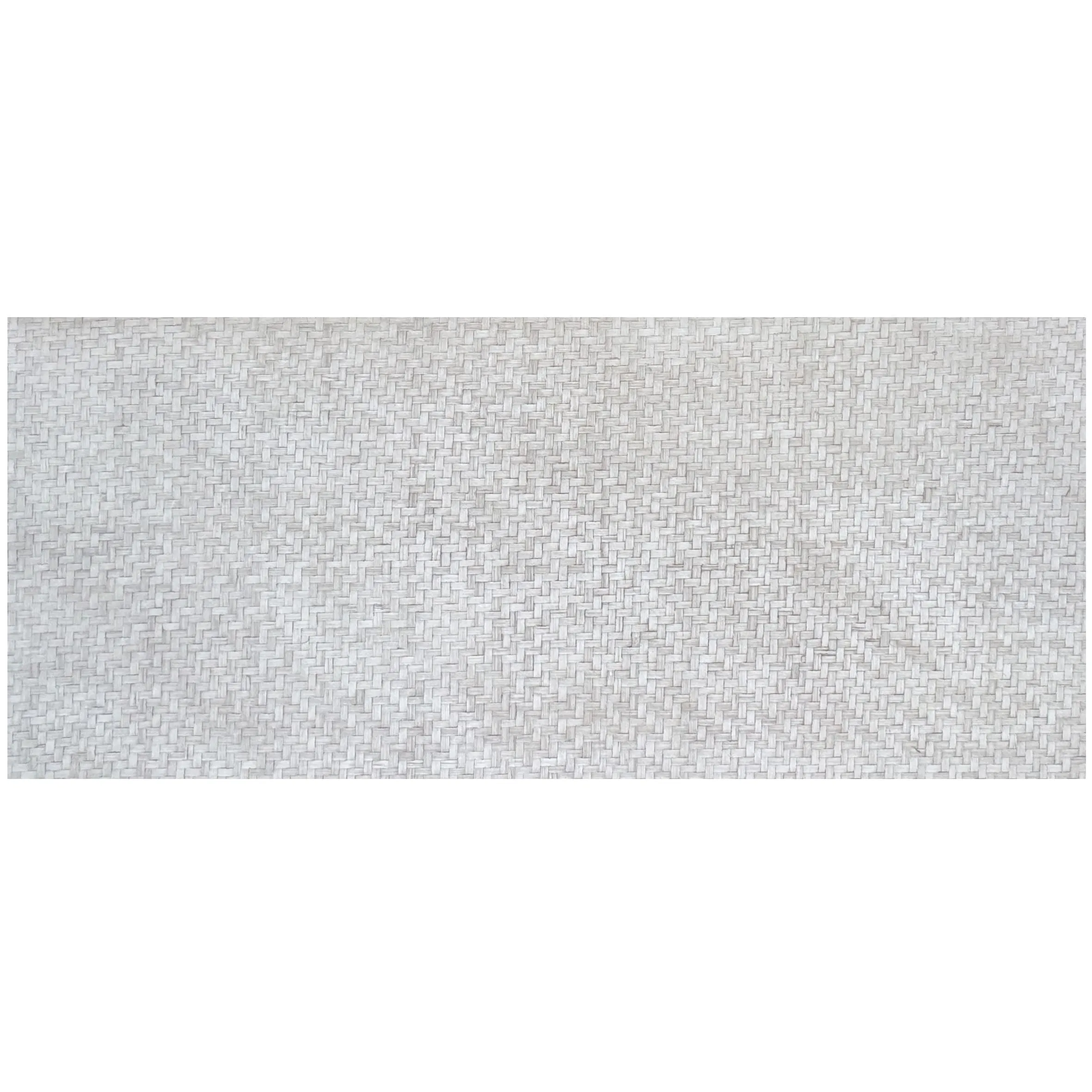
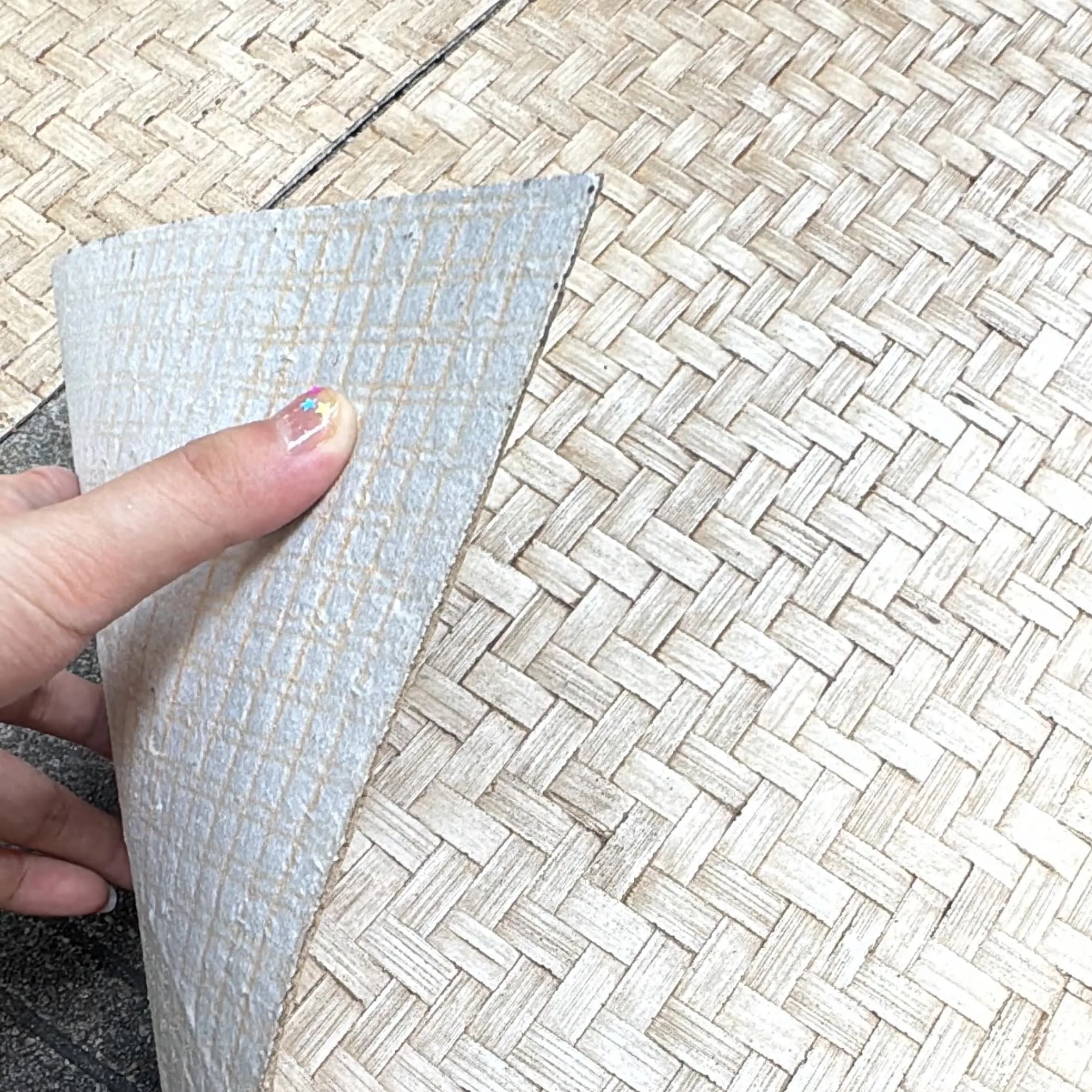
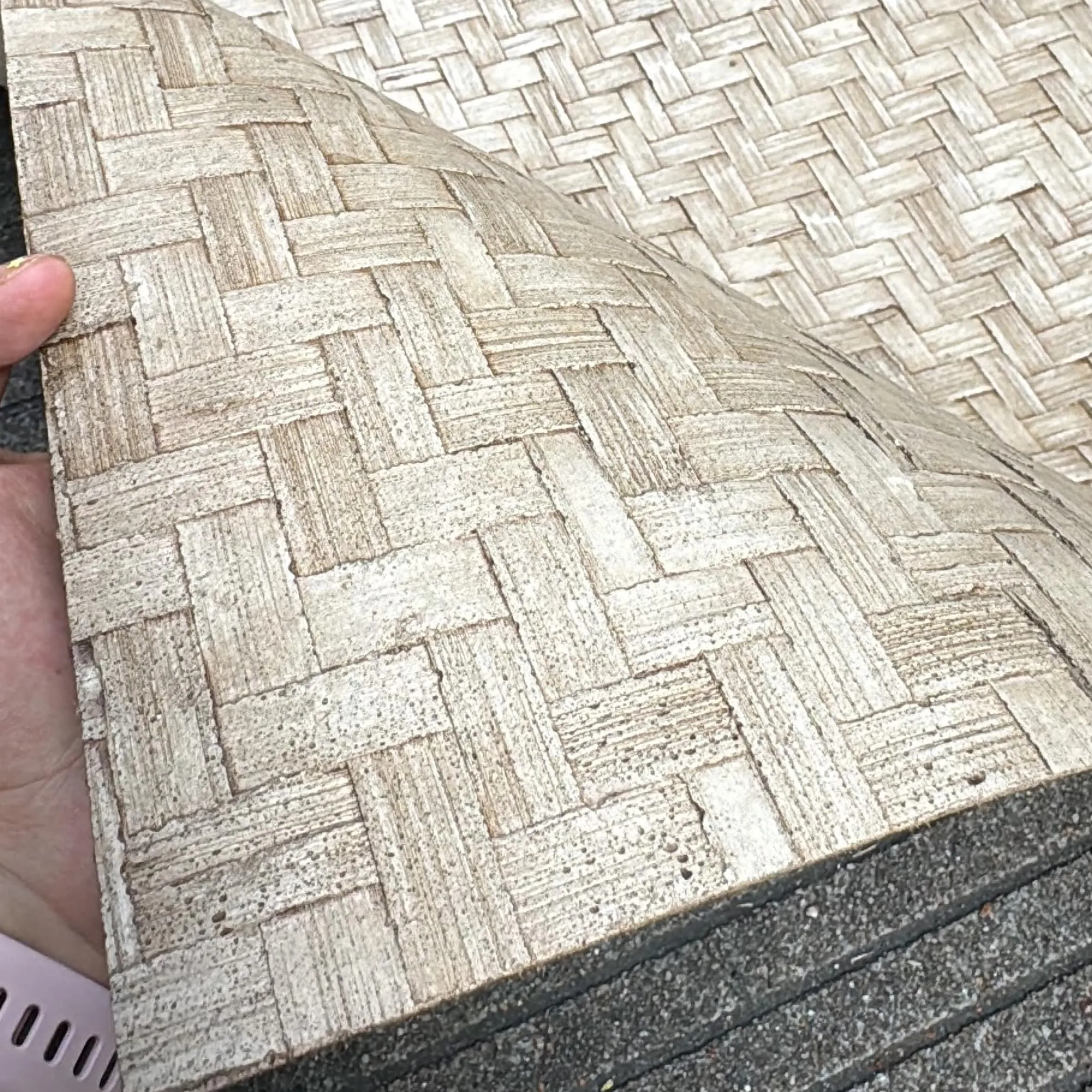
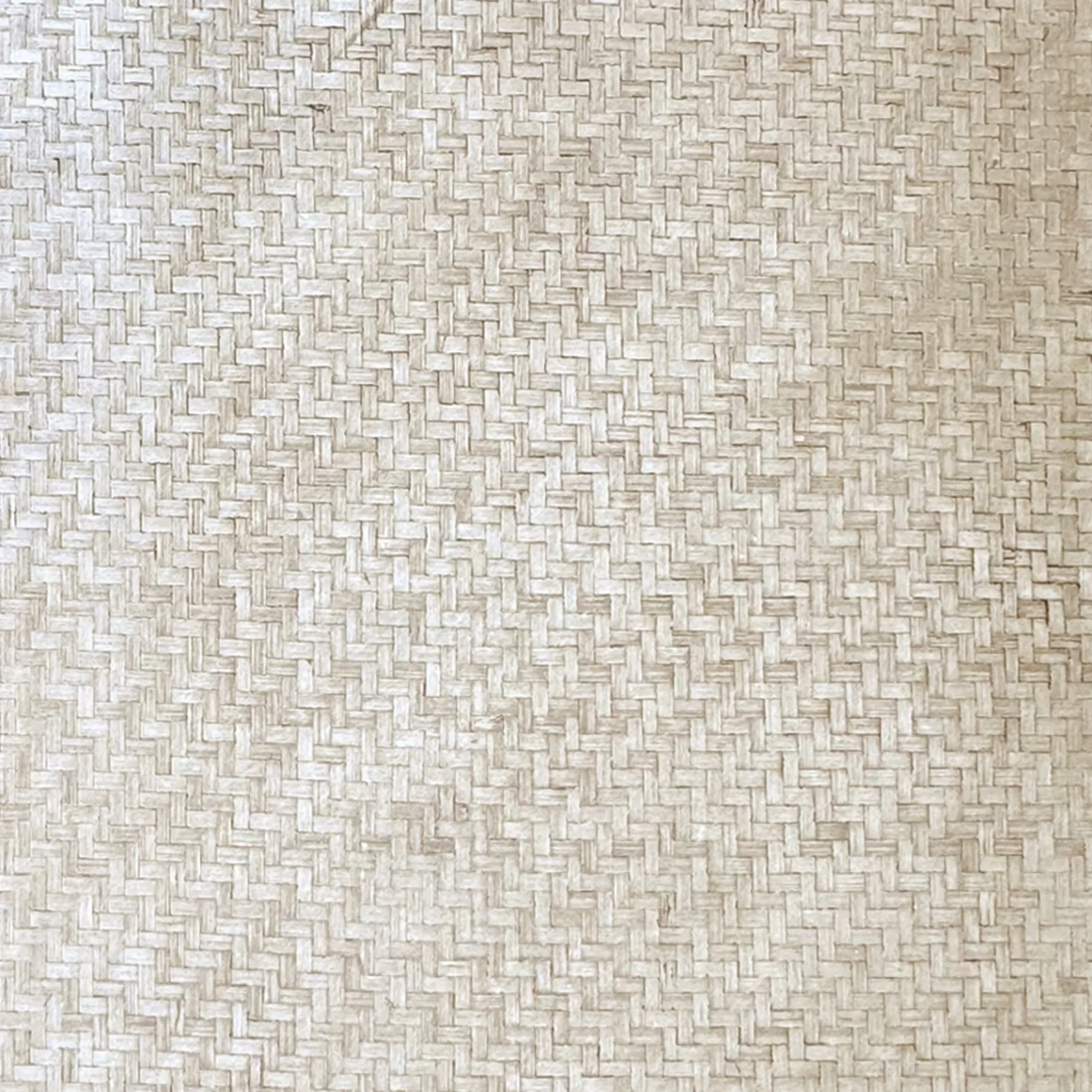
Here's the kicker: Unlike particleboard or plywood, which often use synthetic glues, many Bamboo Mat Boards rely on plant-based resins, making them a friendlier choice for eco-conscious homeowners. The manufacturing process involves steaming the bamboo to soften it, slicing it into strips, weaving those strips into mats, and then compressing them under heat to bond the fibers. The result? A board that's dense, smooth, and has a distinct, organic texture—think soft, parallel grain lines with warm undertones of amber and cream.
High humidity isn't just uncomfortable for humans—it's a breeding ground for problems in materials. When moisture seeps into porous surfaces, mold and mildew move in, leaving stains and musty odors. Wood swells and warps as it absorbs water, then shrinks and cracks when it dries, creating gaps and uneven surfaces. Stone, while durable, can stain if not sealed, and concrete? It's tough but, lacking the warmth many of us crave in living spaces.
So, what makes a material "humidity-friendly"? It needs three key traits: low porosity (so moisture can't penetrate easily), dimensional stability (it doesn't expand or contract drastically with moisture changes), and resistance to mold and mildew. Let's see how Bamboo Mat Board stacks up.
Bamboo itself is naturally water-resistant, thanks to a waxy substance called "bamboo kun" found in its fibers. This compound helps repel pests and slow down moisture absorption—a trait that gets amplified in Bamboo Mat Board. Because the fibers are tightly compressed and bonded with resins, the board becomes even less porous than solid bamboo. Think of it like a sponge vs. a (compressed sponge)—the latter lets in far less water.
But here's the real test: dimensional stability. Unlike solid wood, which can swell up to 3% in high humidity, Bamboo Mat Board has minimal expansion. In lab tests, it typically swells less than 1% even when exposed to 90% humidity for 72 hours. That's a game-changer for floors, walls, or countertops that need to stay flat and tight over time.
Mold resistance? Since bamboo kun also has natural antimicrobial properties, the board is less likely to harbor mold compared to materials like particleboard or even some engineered woods. Of course, no material is entirely mold-proof—if you leave a wet towel on it for weeks, you might still see some growth—but in everyday, well-ventilated high-humidity spaces, it holds its own.
To really understand if Bamboo Mat Board is a good choice, it helps to see how it stacks up against other popular options for high-moisture areas. Let's put it head-to-head with four common alternatives: Fair-Faced Concrete, MCM Flexible Stone, Travertine (Beige), and Wood Grain Board.
| Material | Moisture Resistance | Durability | Aesthetics | Installation Ease | Cost (per sq. ft.) |
|---|---|---|---|---|---|
| Bamboo Mat Board | High—resists mold/mildew; minimal swelling | Good—scratch-resistant; can dent with heavy impact | Warm, natural wood-like grain; soft texture | Easy—lightweight; cuts with standard tools | $8–$15 |
| Fair-Faced Concrete | Very High—impervious to moisture | Excellent—scratch and heat resistant | Industrial, raw; gray/neutral tones | Hard—requires professional pouring/curing | $12–$25 |
| MCM Flexible Stone | High—engineered for wet conditions | Very Good—resistant to chips and cracks | Varied—mimics stone, brick, or wood; sleek | Moderate—lightweight but needs precise cutting | $10–$20 |
| Travertine (Beige) | Moderate—porous; needs regular sealing | Good—heat resistant; prone to staining | Elegant, natural stone; earthy beige tones | Hard—heavy; requires professional installation | $15–$30 |
| Wood Grain Board | Low—prone to warping/mold if unsealed | Low—soft; scratches and dents easily | Warm, wood-like; cheaper imitations look artificial | Easy—lightweight; DIY-friendly | $3–$8 |
Right off the bat, Bamboo Mat Board hits a sweet spot. It's more moisture-resistant than Wood Grain Board, more affordable than Travertine or Fair-Faced Concrete, and warmer-looking than MCM Flexible Stone or concrete. If you want the aesthetic of wood without the hassle, it's a strong contender.
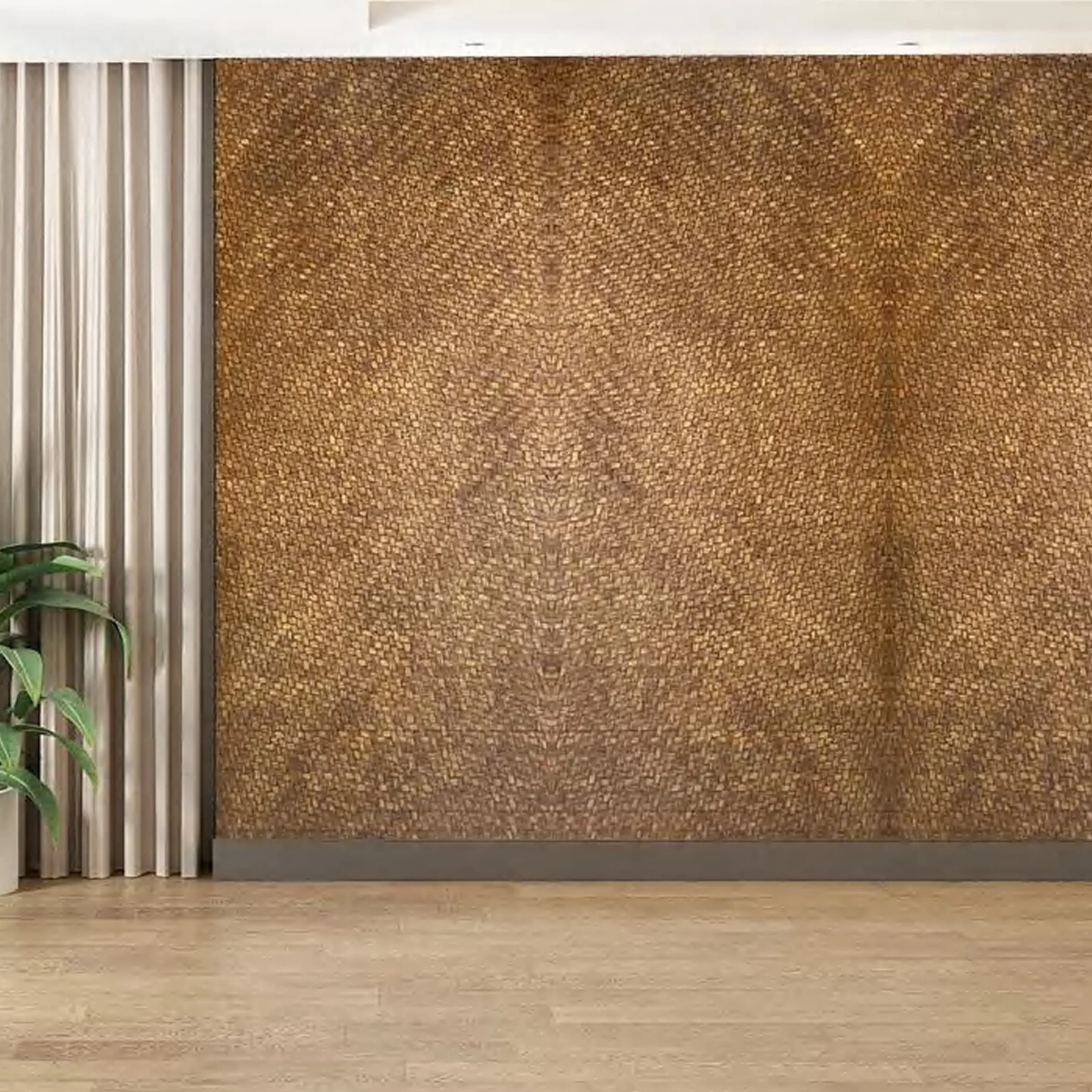
Let's start with the good stuff. Bamboo Mat Board has a lot going for it in damp spaces:
1. It's a Mold and Mildew Fighter : Thanks to bamboo kun and its tight, compressed structure, mold struggles to take root. In a 2022 study by the Green Building Institute, Bamboo Mat Board showed 85% less mold growth than untreated pine in a high-humidity test chamber over six months. That's a huge win for bathrooms and basements.
2. It Stays Stable (No More Warped Floors) : Remember that dimensional stability we talked about? It means your Bamboo Mat Board floor won't develop gaps in dry weather or buckle in humidity. One homeowner in Florida reported installing it in their kitchen five years ago, and "not a single creak or warp—even during hurricane season."
3. It's Eco-Friendly : Bamboo grows up to 3 feet per day, making it one of the most sustainable resources on the planet. Unlike hardwoods, which take decades to mature, bamboo can be harvested in 3–5 years. Many Bamboo Mat Boards are also formaldehyde-free, using soy-based resins instead of toxic glues.
4. It's Versatile (Floors, Walls, Countertops—Oh My!) : You're not limited to just flooring. Bamboo Mat Board works beautifully as wall paneling in a bathroom, a backsplash in a kitchen, or even a vanity top (with a good sealant). Its neutral tone pairs well with modern, bohemian, or rustic decor—think subway tiles, potted plants, or brass fixtures.
5. It's Easy to Install (Even for DIYers) : Unlike heavy stone or concrete, Bamboo Mat Board is lightweight. You can cut it with a circular saw, drill into it without cracking, and install it with basic tools. Many brands even offer tongue-and-groove edges for flooring, making a seamless, DIY-friendly installation possible.
No material is perfect, and Bamboo Mat Board is no exception. Here are a few things to keep in mind:
1. It's Not Heat-Proof : While it resists moisture, direct heat can be a problem. Placing a hot pan directly on a Bamboo Mat Board countertop might leave a scorch mark. Similarly, installing it near a fireplace or oven without a heat shield is risky. For these areas, MCM Flexible Stone or Fair-Faced Concrete might be better bets.
2. It Can Scratch (Treat It Gently) : It's more scratch-resistant than solid wood, but it's not as tough as stone or concrete. If you have pets with sharp claws or kids who drag toys across the floor, you might see some light scratches over time. Most can be buffed out with a bamboo polish, but deep gouges may require patching.
3. It's Pricier Than Basic Engineered Woods : At $8–$15 per square foot, it's more expensive than particleboard or budget-friendly laminate. But compared to natural stone ($15–$30/sq. ft.) or solid hardwood ($10–$20/sq. ft.), it's actually quite affordable. Think of it as an investment in durability.
4. It Needs Occasional Sealing : While some brands come pre-sealed, others require a fresh coat of sealant every 1–2 years, especially in high-traffic, high-moisture areas like showers. Skipping this step can make the board more porous over time, reducing its moisture resistance.
The best way to judge a material is to see how it holds up in real life. Let's look at three case studies:
Mark and Lisa, homeowners in Wilmington, North Carolina, renovated their master bathroom in 2020, using Bamboo Mat Board for the shower walls and vanity top. "We live 5 minutes from the beach, so humidity is always above 70%," Lisa says. "Our old bathroom had ceramic tile walls, but the grout always got moldy, and the wooden vanity warped so bad the drawers stuck. With Bamboo Mat Board, we haven't had a single mold spot, and the vanity still opens and closes smoothly. It's also warmer than tile—no more stepping out of the shower onto freezing floors!"
Elena, owner of a small café in Portland, Oregon, installed Bamboo Mat Board as a backsplash behind her espresso machines and sinks. "Kitchens are chaos—splashes, steam, constant wiping," she explains. "We tried stainless steel before, but it showed fingerprints and scratches. This stuff? It's easy to clean, doesn't show water spots, and the warm wood look makes the kitchen feel friendlier. After two years, it still looks new."
Jake and Maria converted their damp Chicago basement into a playroom for their kids, using Bamboo Mat Board flooring. "Basements in Chicago are notoriously wet—we had mold on the old carpet within months," Jake says. "We chose Bamboo Mat Board because it was affordable and looked nicer than concrete. We also added a dehumidifier, and three years later, the floor is still in great shape. The kids spill juice, tracked in mud—we just wipe it up, and no issues."
Even the most moisture-resistant materials need a little TLC. Here's how to keep your Bamboo Mat Board in top shape:
Clean Gently : Use a soft, damp cloth or mop with mild soap (like dish soap) and warm water. Avoid harsh cleaners (bleach, ammonia) or abrasive scrubbers—they can strip the sealant and scratch the surface.
Dry Spills Fast : While Bamboo Mat Board resists moisture, standing water for days isn't a good idea. Wipe up spills immediately to prevent any potential seepage.
Seal Regularly : If your board isn't pre-sealed, apply a water-based bamboo sealant every 1–2 years. For shower walls or vanity tops, aim for yearly sealing to keep moisture out.
Protect from Scratches : Use furniture pads under heavy items, and avoid dragging sharp objects across the surface. For floors, consider area rugs in high-traffic zones.
We asked interior designers and architects who specialize in high-humidity spaces for their thoughts. Here's what they had to say:
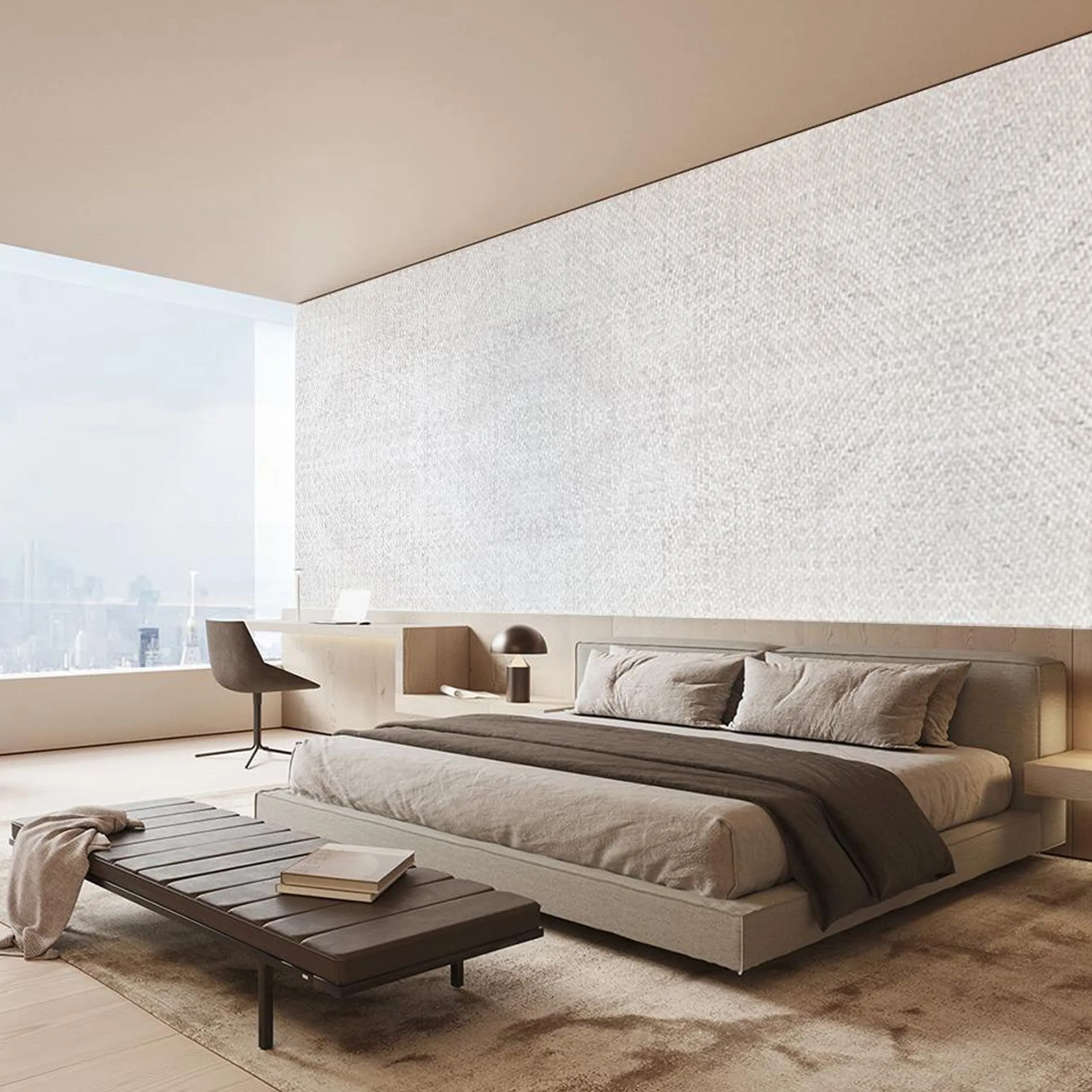
After weighing the pros, cons, and real-world performance, we'd say: Yes, Bamboo Mat Board is an excellent choice for high-humidity areas—with a few caveats. It's not indestructible, but it offers a rare balance of warmth, durability, and eco-friendliness that's hard to find in other materials.
If you're looking for a material that resists mold, stays stable, and adds a touch of nature to your space, Bamboo Mat Board delivers. It's perfect for bathrooms, kitchens, basements, and coastal homes where humidity is a constant challenge. Just remember to seal it regularly, treat it gently, and avoid direct heat, and it should serve you well for years to come.
At the end of the day, no material is 100% foolproof, but Bamboo Mat Board comes pretty close. It's a material that works with humidity, not against it—and in the battle against dampness, that's half the fight won.
Recommend Products












