
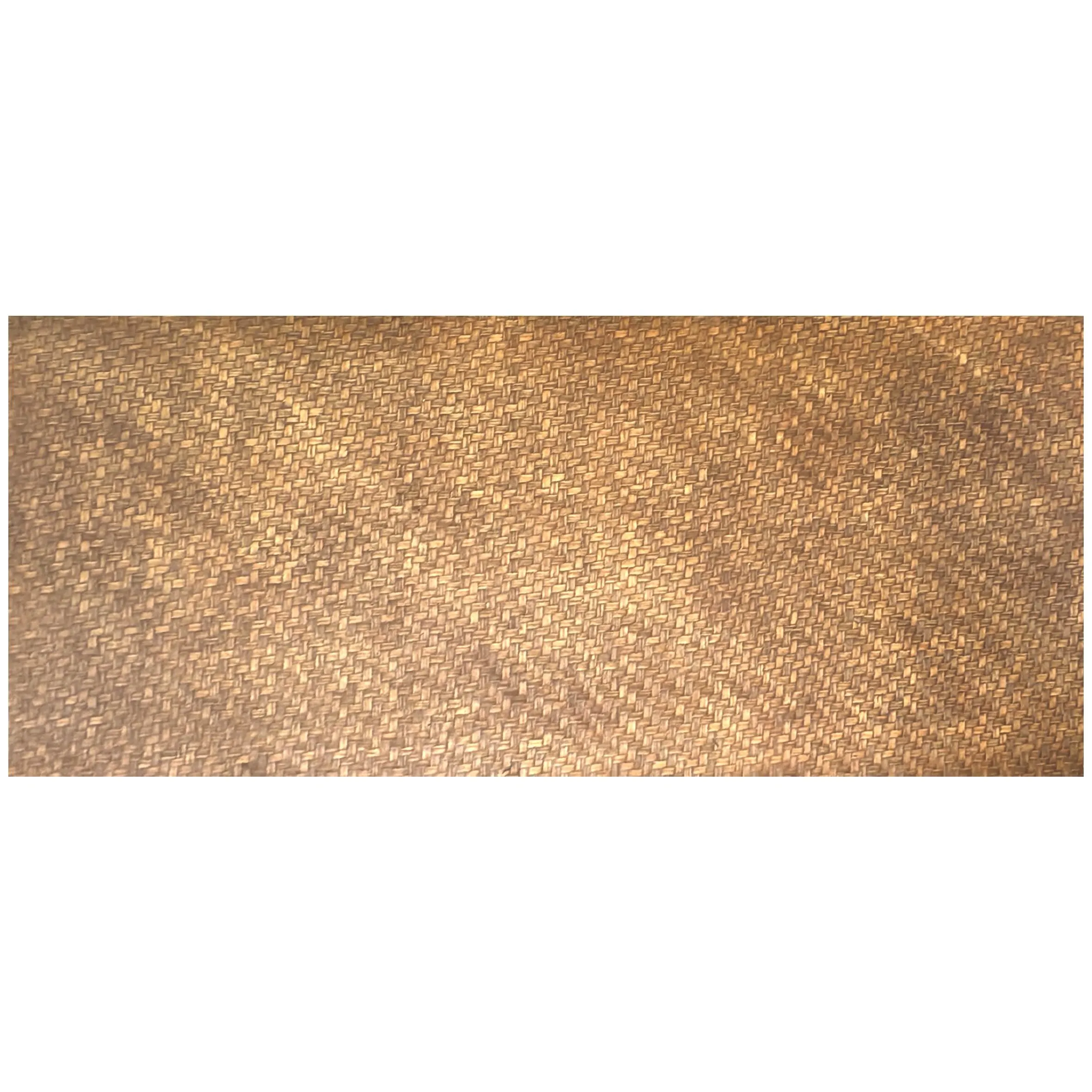
Low-rise residential buildings—those charming, human-scale homes that dot suburban neighborhoods, coastal towns, and rural landscapes—hold a special place in our hearts. They're not just shelters; they're reflections of personal style, havens of comfort, and spaces where memories are made. But what truly brings these homes to life? Often, it's the materials chosen to clothe their walls, floors, and exteriors. In recent years, one material has been quietly stealing the spotlight among architects, designers, and homeowners alike: bamboo mat board . Blending the warmth of natural materials with the durability of modern engineering, bamboo mat board is redefining what low-rise homes can look and feel like. Let's dive into why this material is becoming a top choice, exploring its aesthetic allure, functional perks, and how it harmonizes with other popular options like wood grain board, fair-faced concrete, and even travertine (beige).
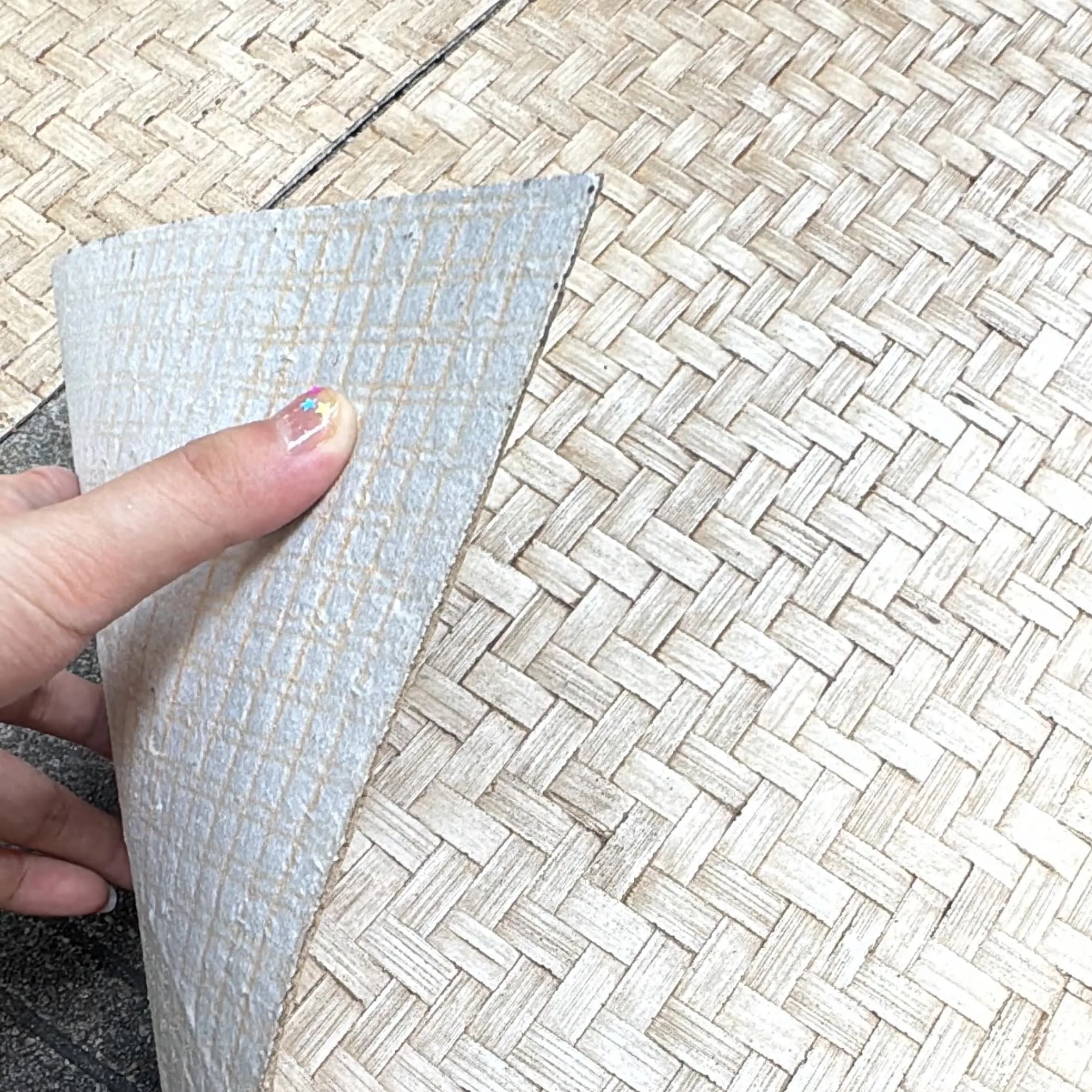
First things first: Let's demystify bamboo mat board. Unlike traditional bamboo planks or plywood, bamboo mat board is crafted by compressing layers of bamboo fibers into a dense, flexible sheet, often reinforced with eco-friendly adhesives. The result? A material that retains bamboo's natural warmth and texture but gains enhanced strength and versatility. Think of it as bamboo's more resilient, design-savvy cousin—ready to tackle both interior and exterior applications in low-rise homes.
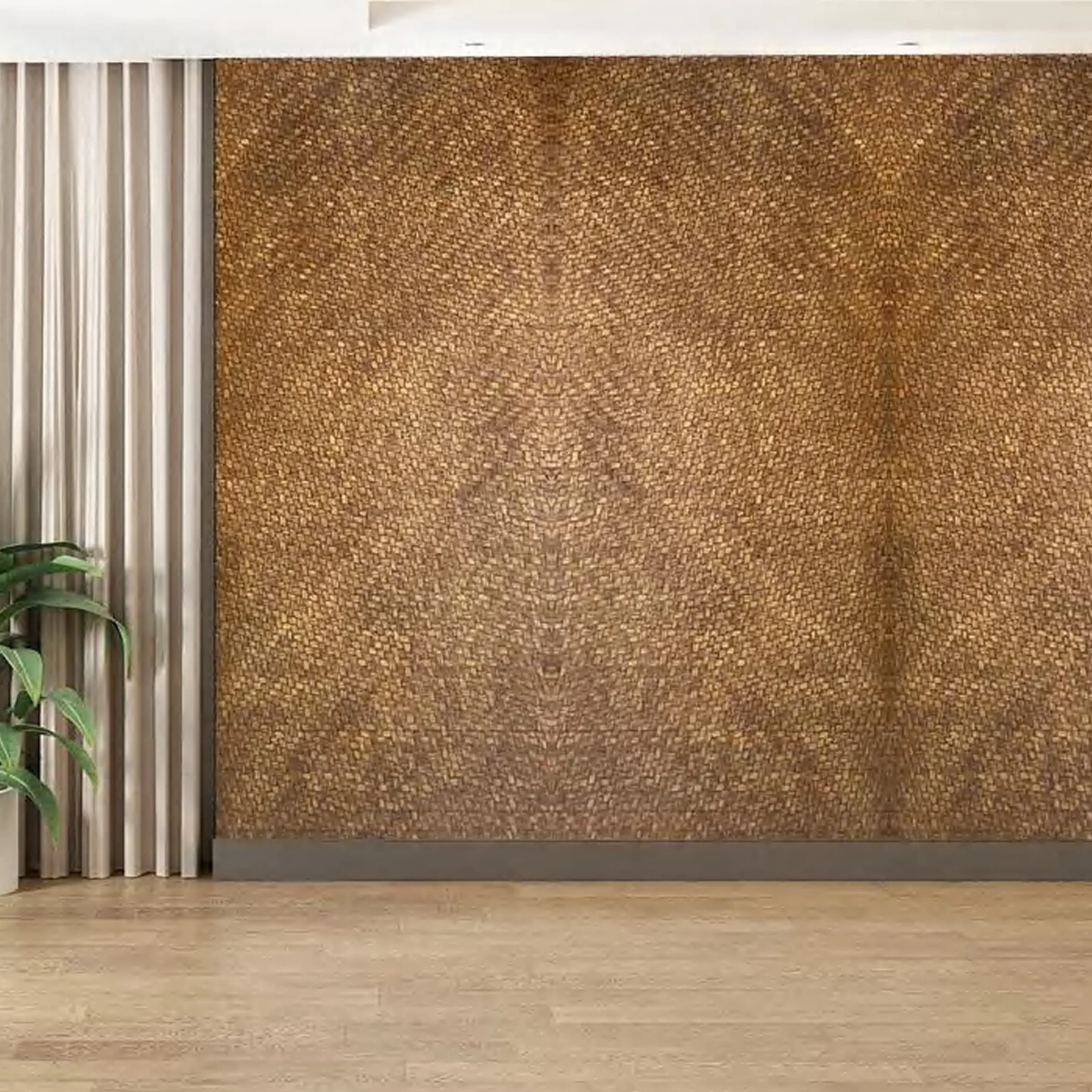
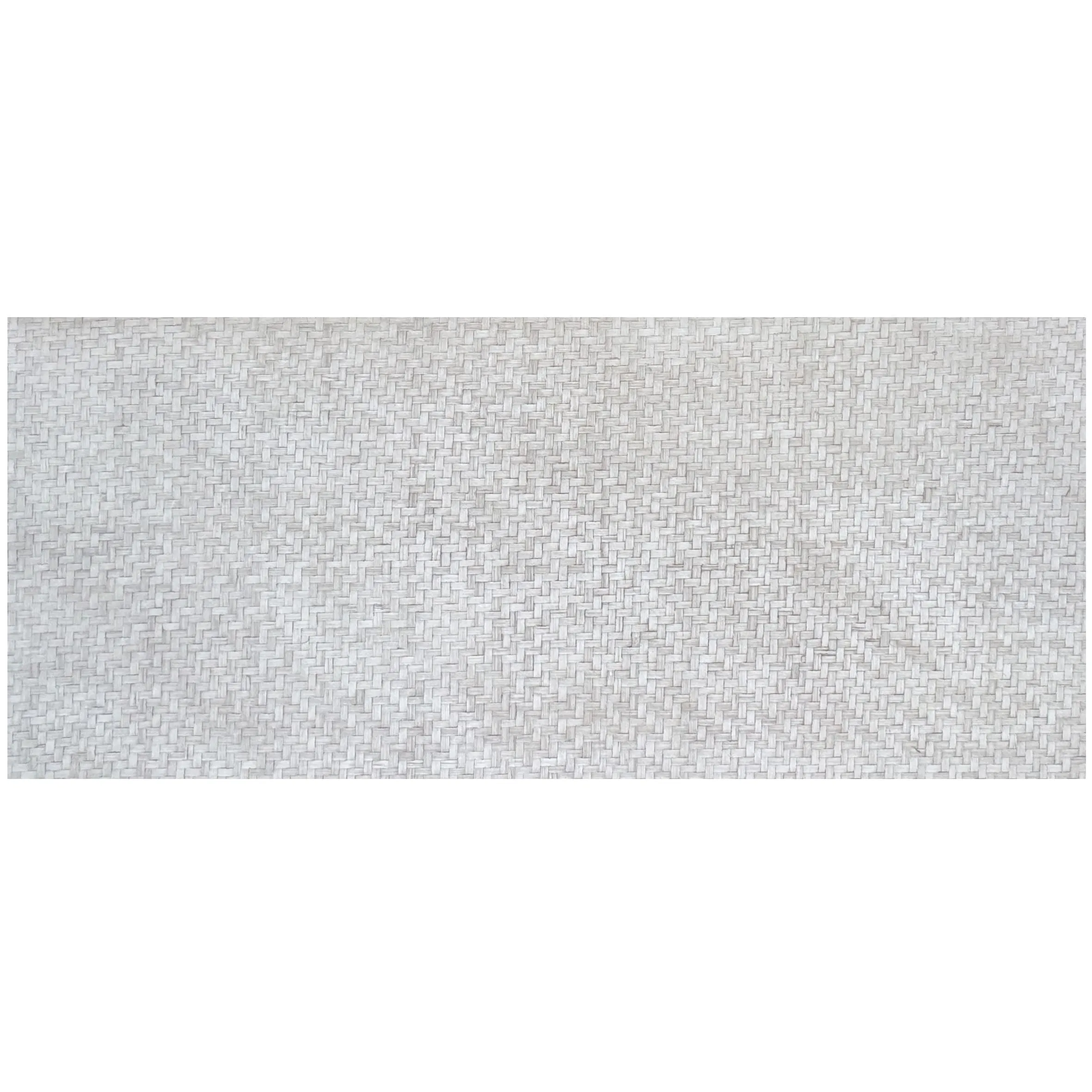
What sets it apart? Its surface mimics the look of handwoven bamboo mats, with subtle ridges and organic patterns that add depth to any space. It's available in a range of finishes, from light, natural bamboo tones to richer, caramel hues, making it easy to adapt to different design styles—whether you're going for a minimalist modern vibe, a cozy rustic retreat, or a tropical Bali stone-inspired oasis.
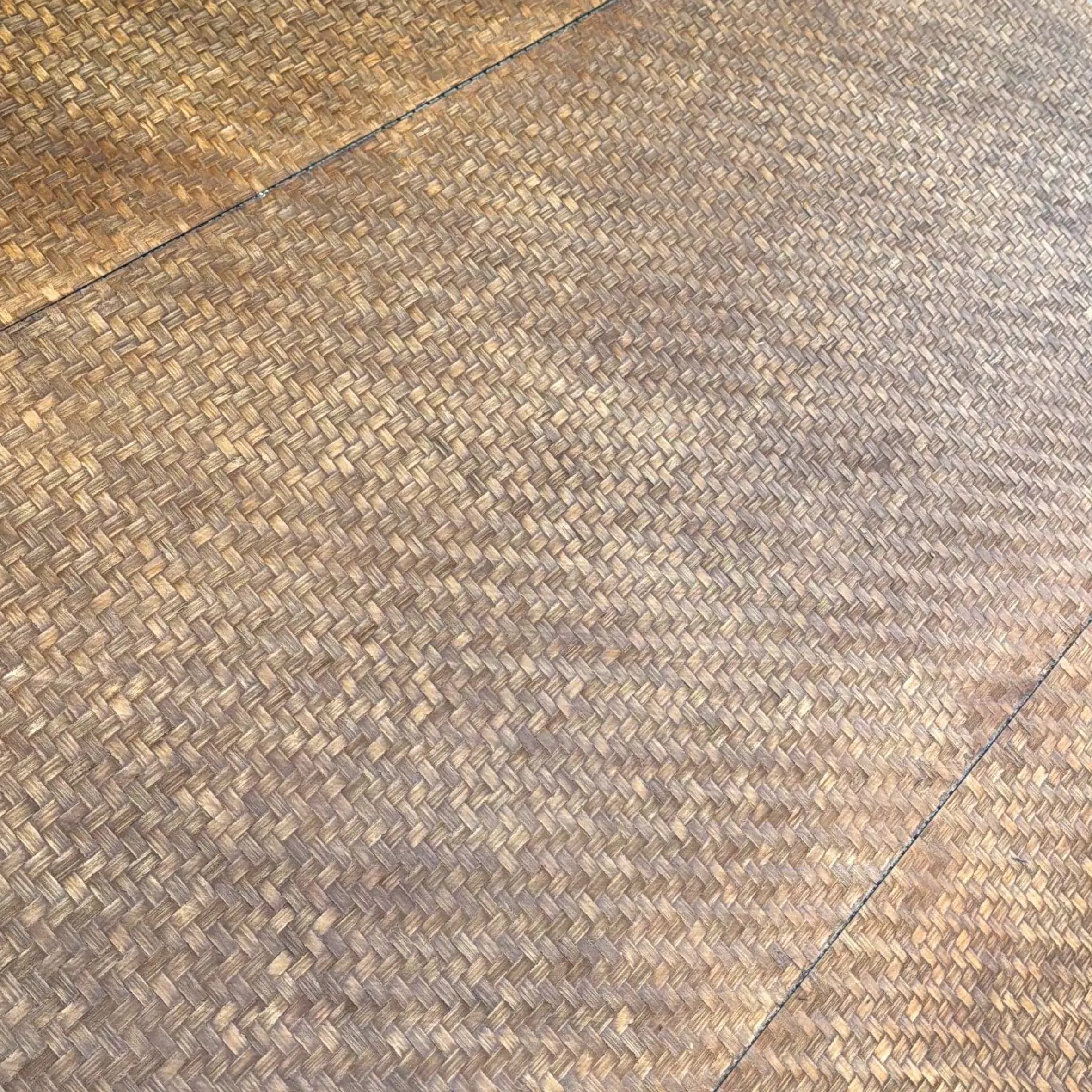
In low-rise residential design, aesthetics matter. Homeowners want spaces that feel inviting, unique, and reflective of their personality. Bamboo mat board delivers on this front in spades, offering a warmth and character that's hard to replicate with cold, industrial materials like fair-faced concrete (though we'll get to how they can complement each other later).
Walk into a room clad in bamboo mat board, and your first thought might be, "This feels alive." The material's woven texture—with its slight variations in grain and tone—adds a tactile element that draws the eye and invites touch. Unlike smooth, uniform surfaces (looking at you, polish concrete), bamboo mat board has "personality." Each sheet has subtle differences, making your home feel one-of-a-kind, not like a cookie-cutter space.
Pair it with travertine (beige) for a stunning contrast: The bamboo's warm, earthy tones play beautifully against travertine's soft, creamy surface with its natural pockmarks and veining. Imagine a living room with bamboo mat board accent walls and travertine flooring—equal parts modern and grounded, like bringing a piece of the outdoors in.
Whether you're designing a sleek, contemporary home or a charming cottage, bamboo mat board adapts. For a minimalist look, opt for a light, natural finish and pair it with clean lines and neutral colors. For a bohemian or tropical feel, layer it with woven textiles, rattan furniture, and even hints of wood grain board for added depth. Externally, it can be used as cladding, where its texture contrasts beautifully with smooth surfaces like fair-faced concrete or the metallic sheen of foamed aluminium alloy board (vintage silver)—adding visual interest without overwhelming the home's low-rise scale.
Let's talk about warmth—both literal and figurative. Bamboo is a natural insulator, so bamboo mat board helps regulate indoor temperatures, keeping spaces cooler in summer and warmer in winter. But beyond that, its warm color palette (think honey, amber, and soft golds) creates a cozy, welcoming atmosphere. In a low-rise home, where the goal is often to feel connected to nature, bamboo mat board bridges the gap between indoors and out, making even small spaces feel open and inviting.
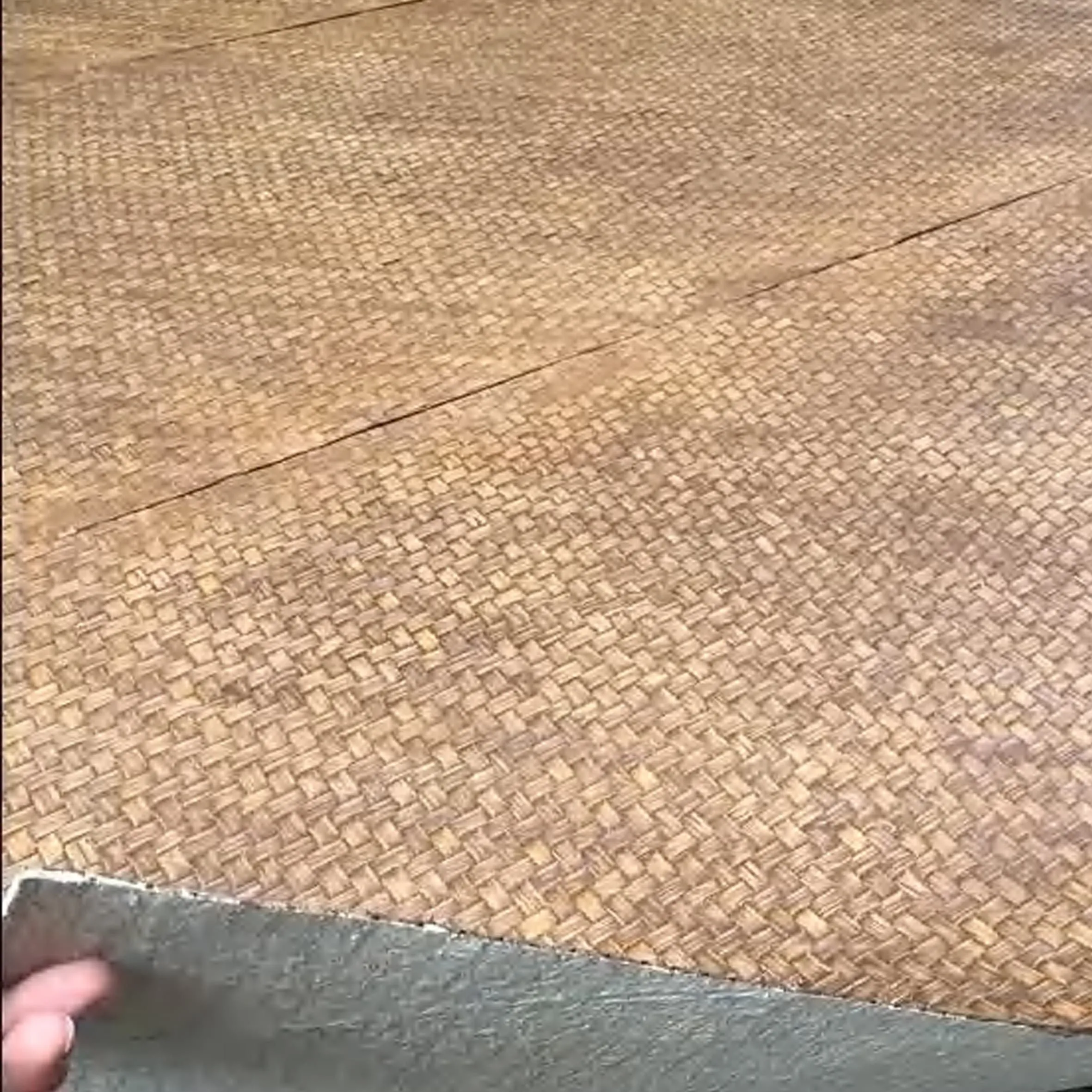
Aesthetic appeal is great, but in residential construction, materials need to work hard, too. Bamboo mat board isn't just a pretty face—it's a workhorse, designed to stand up to the rigors of daily life in low-rise homes.
Bamboo is known for its strength (it's actually stronger than many hardwoods, like oak), and bamboo mat board takes that up a notch. Thanks to its compressed layers, it's resistant to warping, cracking, and moisture—making it ideal for kitchens, bathrooms, and even exterior cladding. Unlike traditional wood, it won't rot or attract pests like termites, so you won't have to worry about costly repairs down the line. For low-rise homeowners, this means peace of mind: your walls, floors, or siding will look great for years, even with kids, pets, and the occasional spilled glass of wine.
Low-rise homes often have unique architectural features—curved walls, sloped ceilings, or custom built-ins. Bamboo mat board's flexibility makes it a dream for these projects. Unlike rigid materials like stone or concrete, it can be bent or cut to fit irregular shapes, allowing designers to get creative without compromising on durability. Want a curved accent wall in your bedroom? Bamboo mat board can do that. Need to line a sloped ceiling in a attic-turned-home office? No problem. Its adaptability opens up a world of design possibilities.
Sustainability is no longer a "nice-to-have" in home design—it's a priority. Bamboo is one of the most renewable resources on the planet: it grows up to 3 feet per day, requires no pesticides, and absorbs more carbon dioxide than most trees. Bamboo mat board, made from fast-growing bamboo and eco-friendly adhesives, has a much lower carbon footprint than materials like hardwood or concrete. For environmentally conscious homeowners, this is a huge plus—you can have a beautiful home and do your part for the planet, too.
Building or renovating a home is expensive, and every material choice impacts the budget. Bamboo mat board strikes a sweet spot between quality and cost. It's generally more affordable than hardwoods like teak or oak, and comparable in price to engineered wood products—but with better durability and a more unique aesthetic. Plus, its low maintenance needs (no need for frequent staining or sealing) save money over time. For low-rise homeowners working with a budget, this makes bamboo mat board an attractive alternative to pricier options like marble or granite portoro.
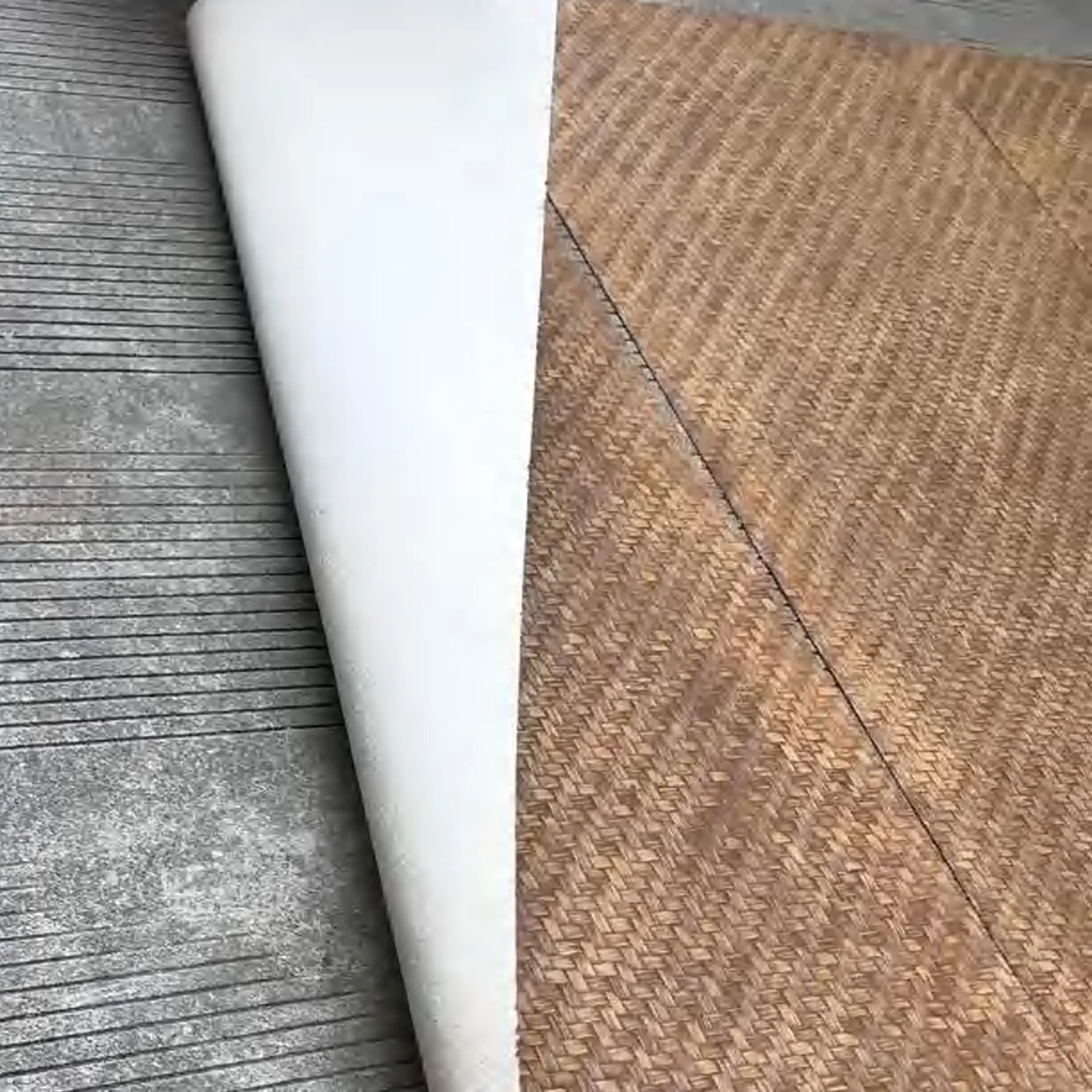
Still on the fence? Let's see how bamboo mat board compares to other popular materials in low-rise residential design, like wood grain board and fair-faced concrete. The table below breaks down key factors to consider:
| Feature | Bamboo Mat Board | Wood Grain Board | Fair-Faced Concrete |
|---|---|---|---|
| Aesthetic Appeal | Warm, woven texture; natural bamboo tones; versatile finishes | Replicates wood grain; classic, timeless look | Industrial, minimalist; smooth or textured surface |
| Durability | Highly resistant to warping, moisture, and pests | Prone to scratching and moisture damage (unless sealed) | Durable but can crack over time; stains easily |
| Sustainability | Renewable (bamboo); low carbon footprint | Depends on wood source (may contribute to deforestation) | High carbon footprint (energy-intensive production) |
| Cost | Mid-range (affordable than hardwoods, comparable to engineered wood) | Mid to high-range (varies by wood type) | High (labor-intensive installation) |
| Best For | Interior walls, floors, accent pieces, exterior cladding | Accent walls, cabinetry, furniture | Exterior facades, minimalist interiors |
As you can see, bamboo mat board stands out for its balance of aesthetics, durability, and sustainability—making it a strong contender for low-rise homes where both style and practicality matter.
One of the best things about bamboo mat board is how well it plays with others. In low-rise design, mixing materials can elevate a home's look from "nice" to "stunning." Here are a few winning combinations:
Still need inspiration? Let's look at a real-life example of bamboo mat board in a low-rise residential project. Take the "Serene Cottage," a 1,800-square-foot home in Portland, Oregon, designed by local architect Maya Lin. The homeowners wanted a space that felt connected to the Pacific Northwest's natural beauty but with modern touches.
Lin chose bamboo mat board for the home's interior accent walls, pairing it with light-toned travertine (beige) flooring and large windows that flood the space with natural light. Externally, she used bamboo mat board cladding on the home's lower level, topped with a roof of foamed aluminium alloy board (vintage silver) for a sleek, contemporary contrast. The result? A home that feels warm and inviting inside, with an exterior that blends seamlessly with the surrounding trees.
"Bamboo mat board was the perfect choice here," Lin notes. "It added texture without overwhelming the space, and the homeowners love how easy it is to clean—even with their two kids and golden retriever!"
At the end of the day, low-rise residential buildings demand materials that are as functional as they are beautiful. Bamboo mat board checks both boxes: it adds warmth, texture, and personality to spaces, while standing up to the demands of daily life. It's sustainable, cost-effective, and versatile enough to pair with everything from travertine (beige) to fair-faced concrete.
Whether you're building a new home or renovating an existing one, consider bamboo mat board. It's not just a material—it's a way to create a home that feels uniquely yours, built to last and designed to delight. After all, in low-rise living, the details matter—and bamboo mat board is one detail that won't disappoint.
Recommend Products












