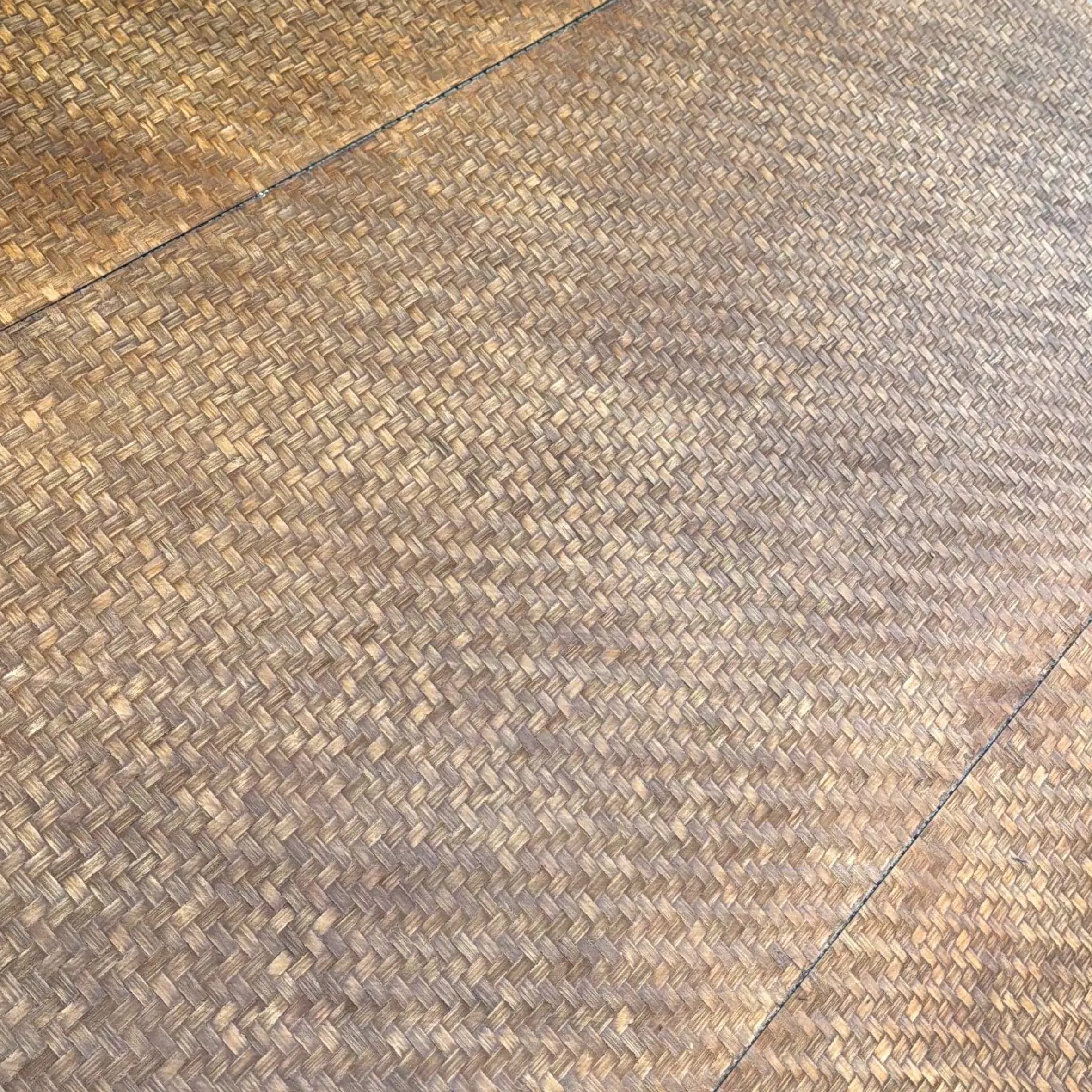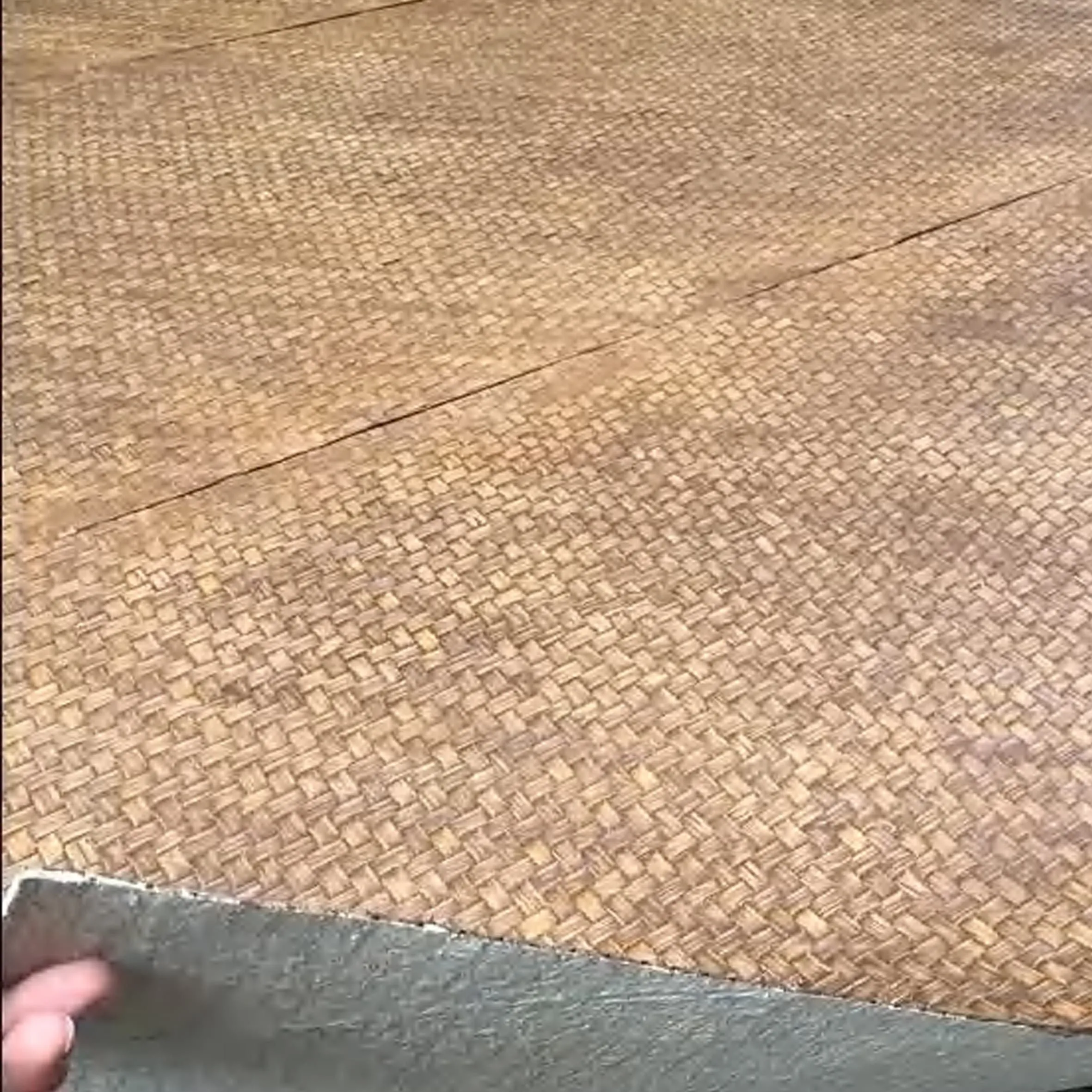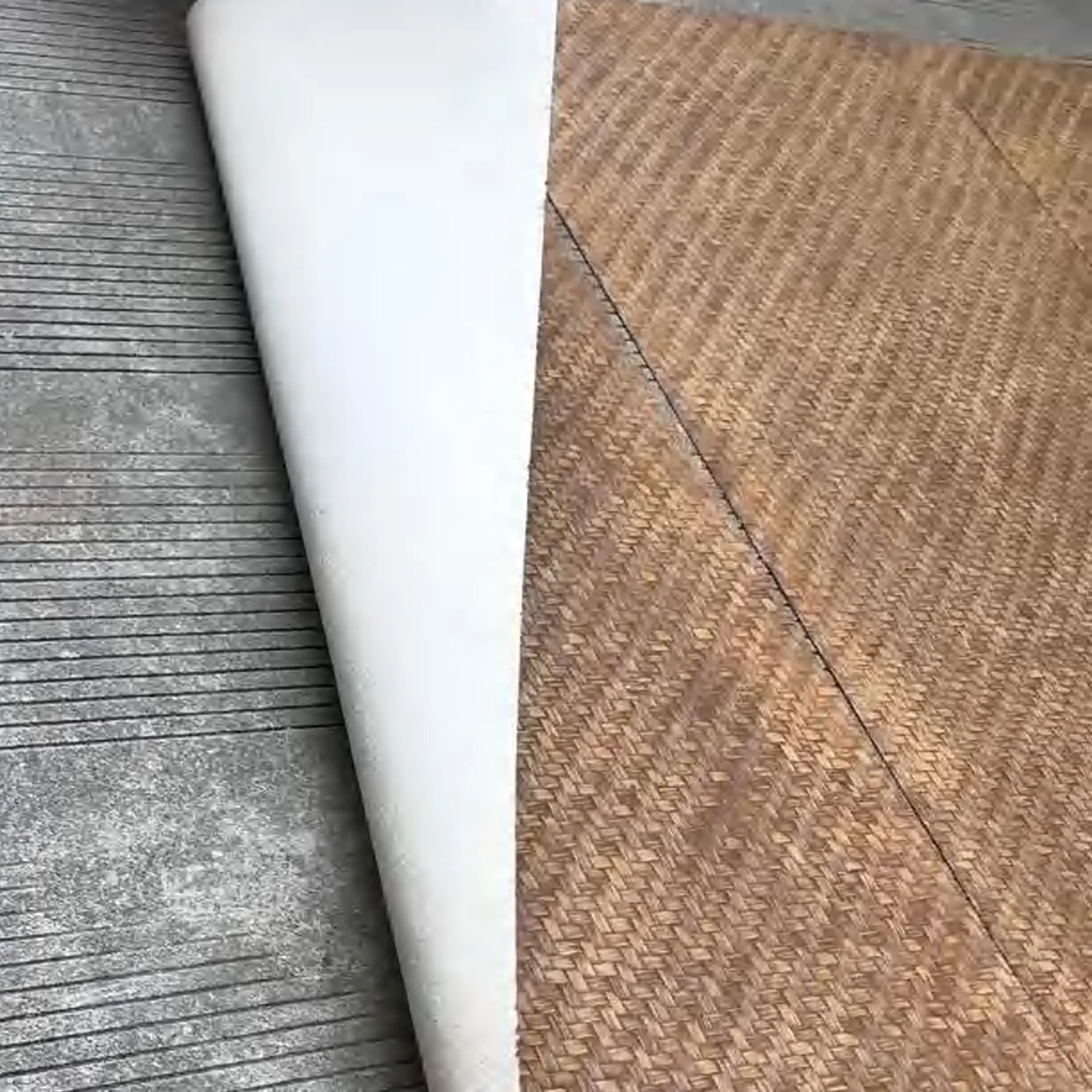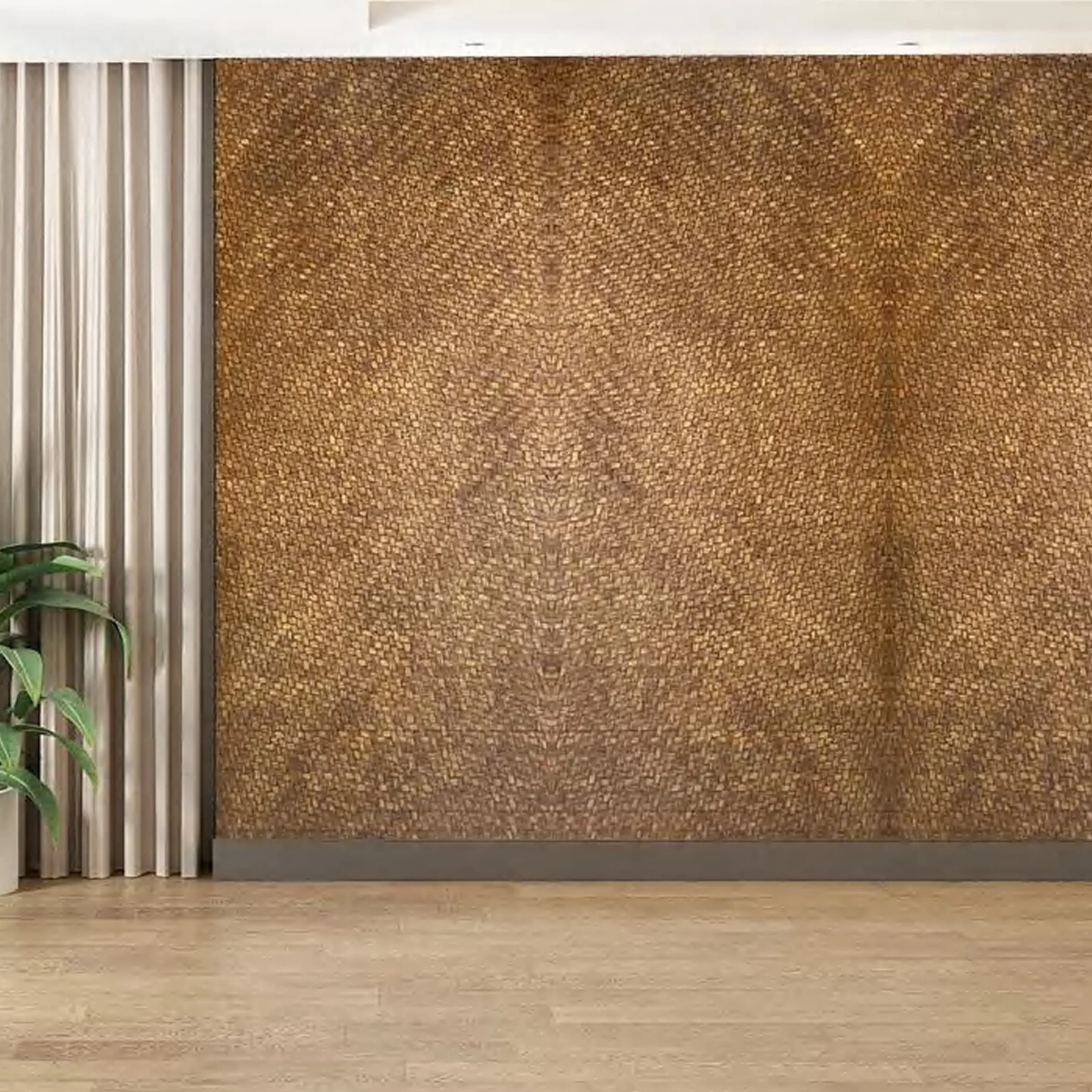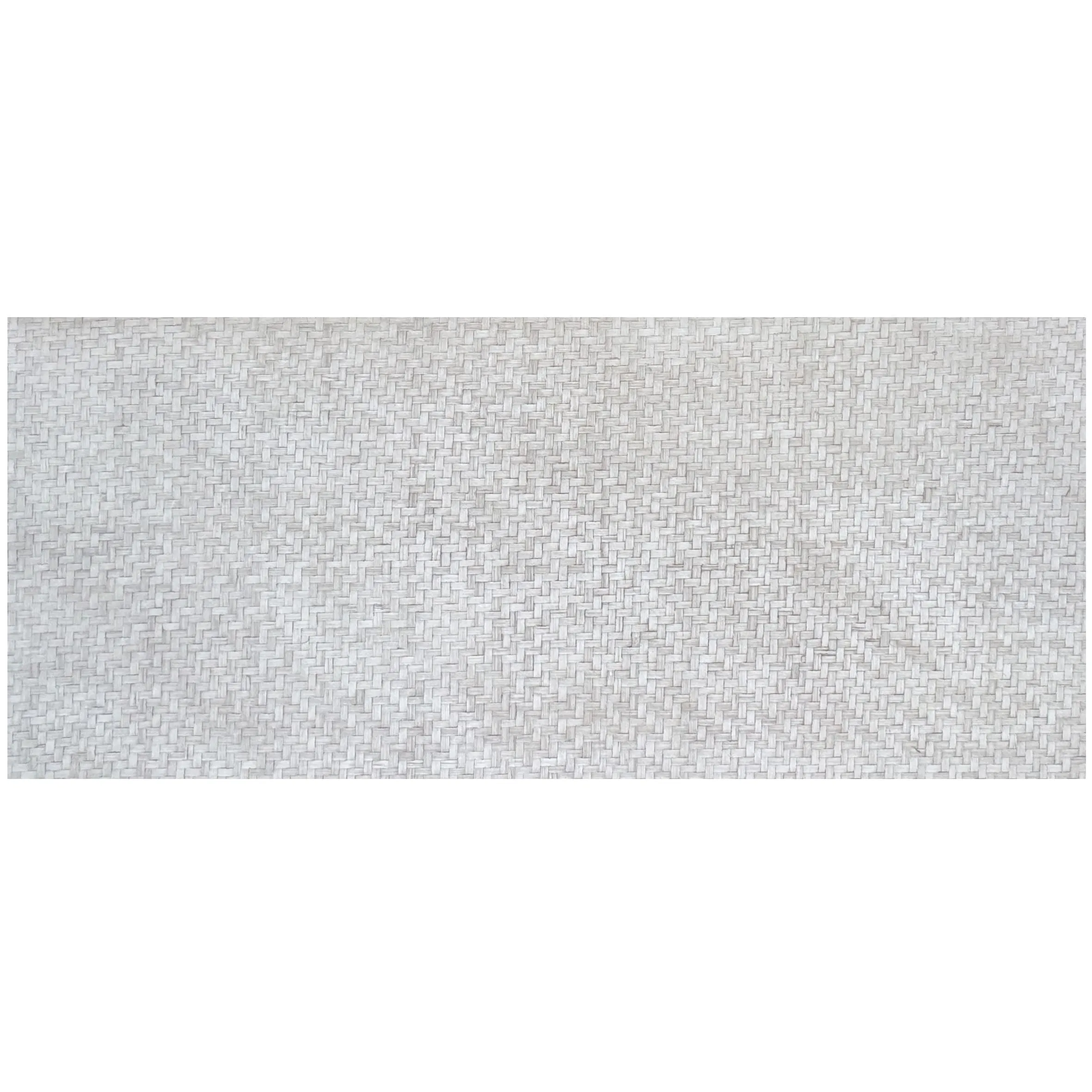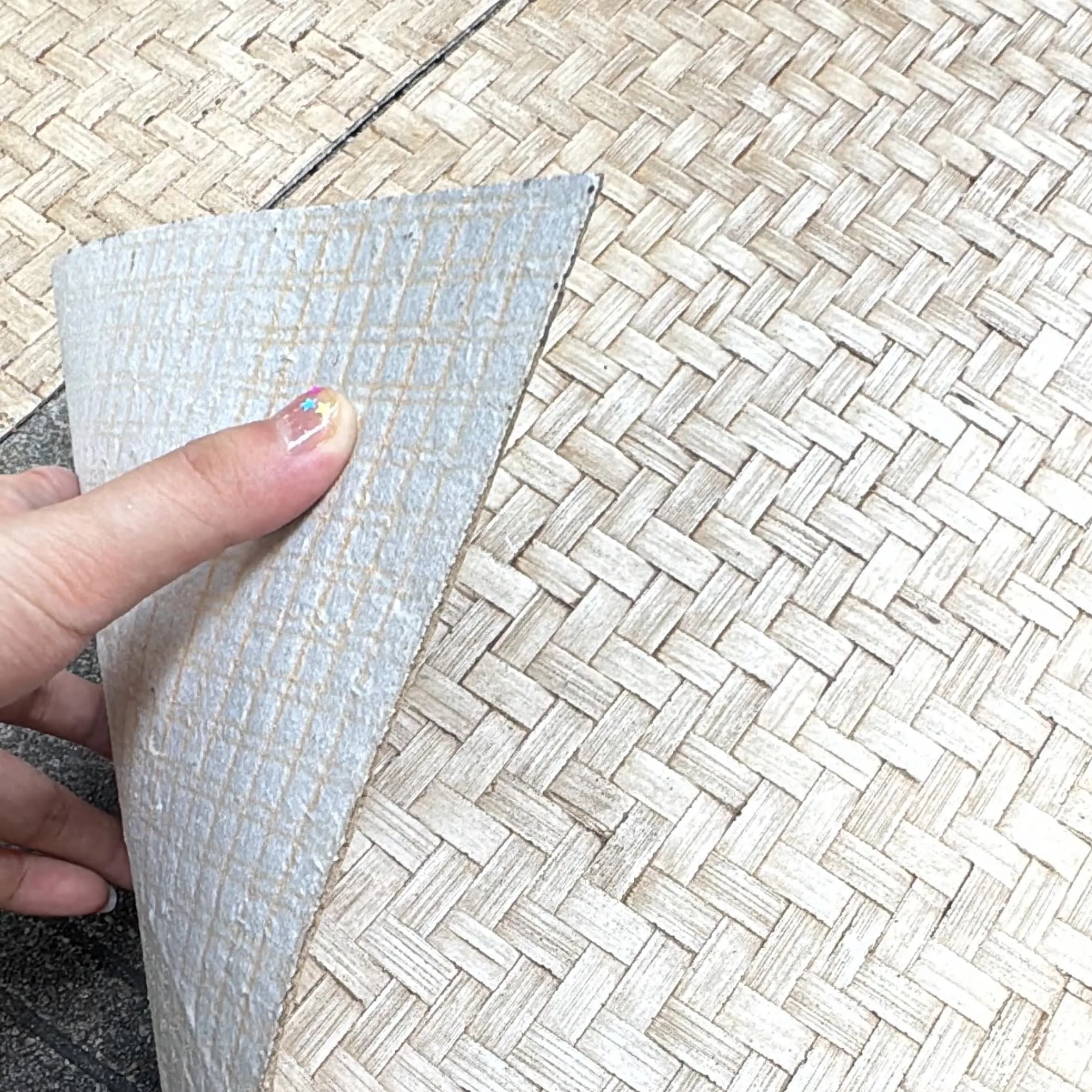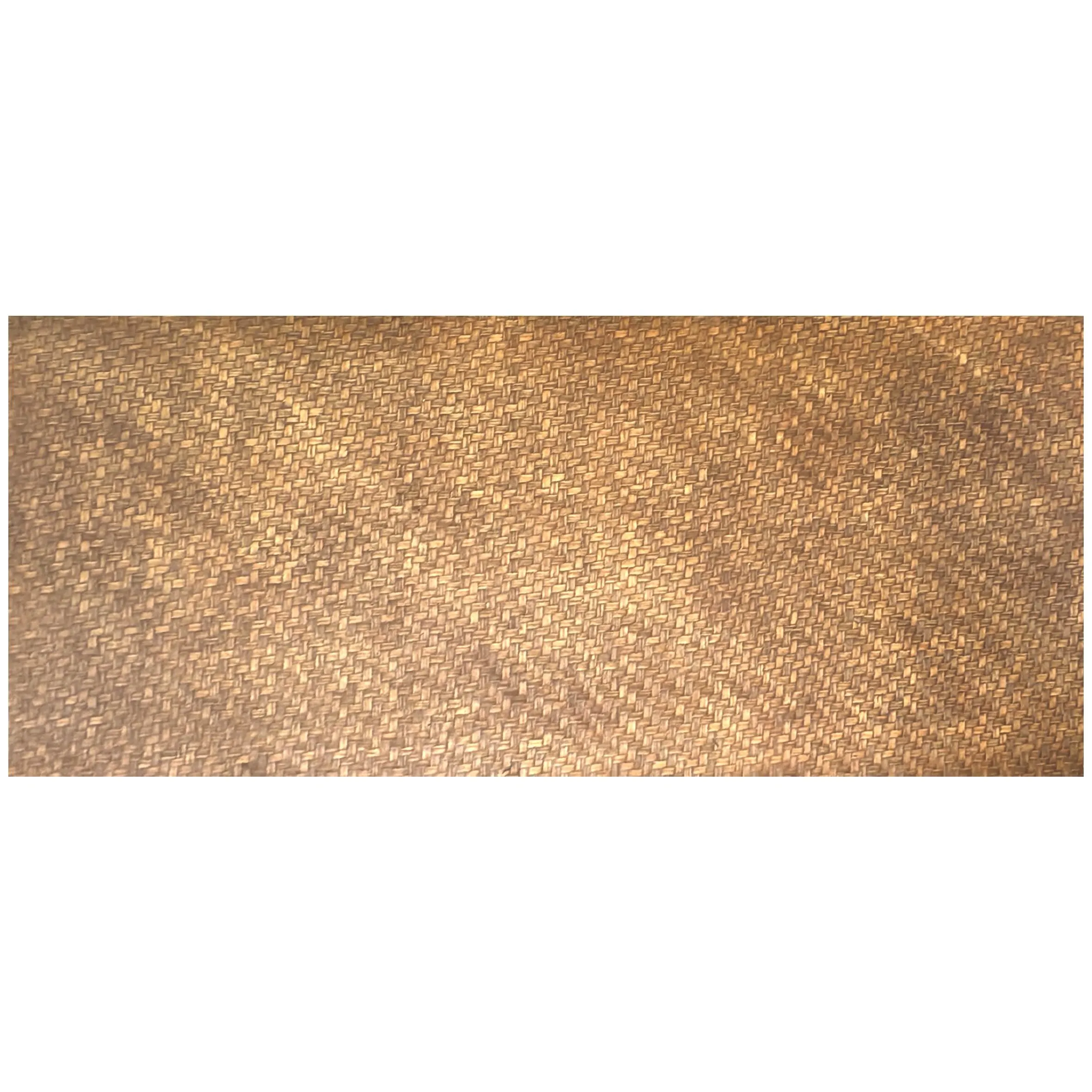
Let's start with the basics. Bamboo Mat Board isn't some fancy, futuristic lab creation—it's a humble, time-tested material with roots in traditional craftsmanship. Picture thin strips of bamboo, harvested when mature but still supple, woven together into flexible, textured mats. These mats are then bonded to a sturdy backing (often recycled paper or natural fiberboard) to create panels that can be used for walls, ceilings, room dividers, or even furniture surfaces.
What sets it apart? Texture, for one. Run your hand over it, and you'll feel the gentle ridges of the woven bamboo—no two panels are exactly alike, thanks to the organic nature of the material. It's warm, not just in color (think soft golds and light browns) but in how it diffuses light; unlike harsh plastics or glossy paints, bamboo matting absorbs and softens glare, making spaces feel cozier without dimming brightness.
And then there's the weight. Bamboo is surprisingly strong for its lightness, which makes installation a breeze compared to heavy stone or solid wood. This combination of strength, flexibility, and texture is what makes it a secret weapon for interior designers looking to add soul to office spaces.