
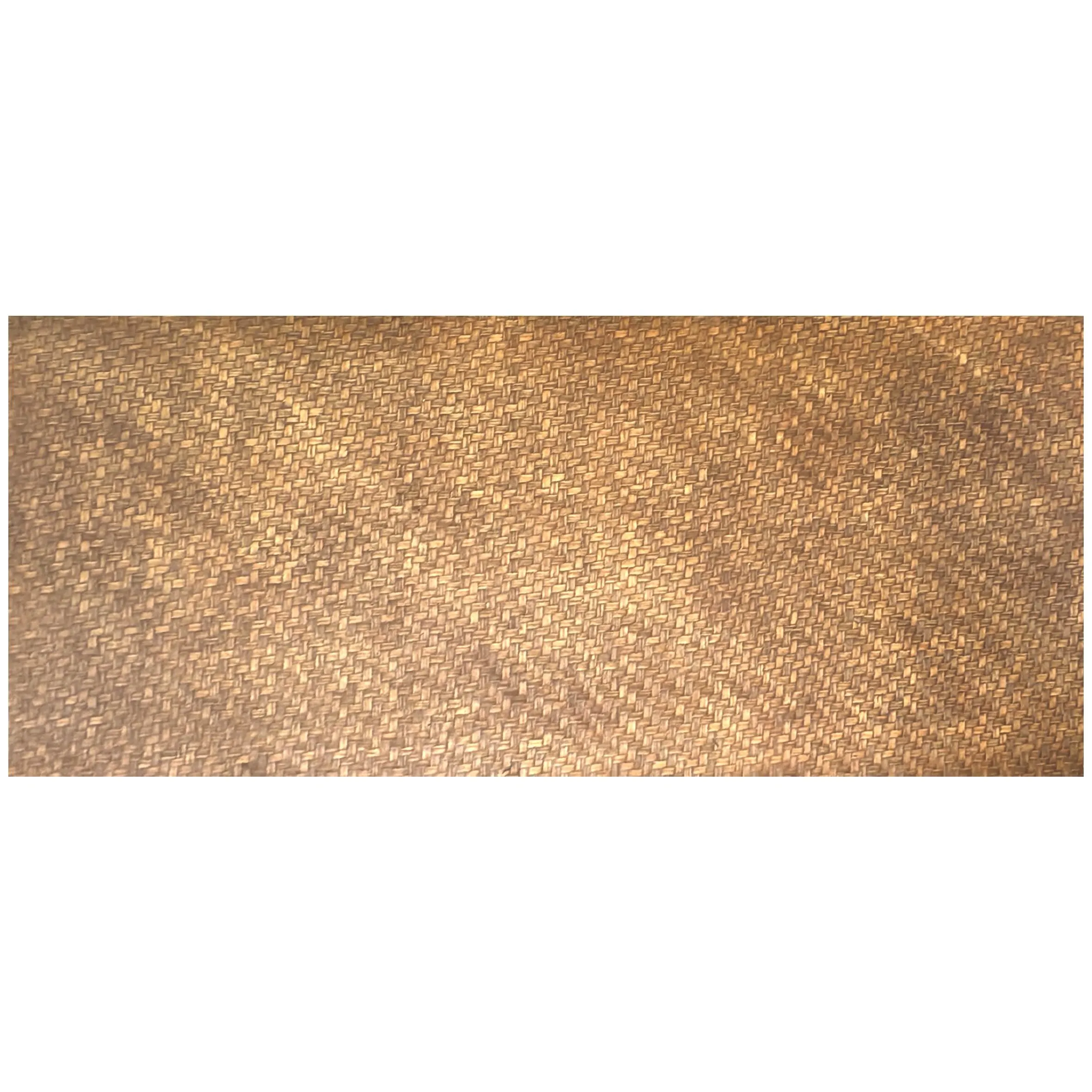
Exploring the harmony between tradition, spirituality, and material craftsmanship
Religious buildings have always been more than just structures—they are vessels of faith, storytellers of culture, and bridges between the earthly and the divine. Walk into any temple, mosque, church, or shrine, and you'll immediately sense how every detail, from the archways to the altar, is intentional. But perhaps nothing speaks louder to a building's soul than the materials it's made of. They carry history, symbolism, and a quiet reverence for the beliefs they house. In recent years, as architects and builders seek to honor tradition while embracing sustainability, one material has emerged as a standout: Bamboo Mat Board. Soft yet sturdy, rooted in ancient craftsmanship yet surprisingly modern, it's not just a building material—it's a tribute to cultural aesthetics in religious architecture.
But what makes Bamboo Mat Board so special? To understand, we need to look beyond its physical properties. Religious buildings are not static; they evolve with the communities that build them, yet they must remain anchored to the values and stories that define those communities. Bamboo Mat Board, with its deep ties to agrarian traditions and its ability to blend with natural surroundings, does exactly that. It's a material that doesn't shout—it whispers, inviting worshippers to slow down, connect with nature, and feel the weight of heritage in every fiber. Let's dive into how this unassuming material is reshaping religious architecture, one mat-woven panel at a time.
Bamboo has been a staple in Asian cultures for millennia, valued for its rapid growth, strength, and versatility. Farmers used it for tools, fishermen for baskets, and builders for scaffolding—its presence was so ubiquitous that it became a symbol of resilience (think of how bamboo bends in the wind but never breaks). But it wasn't until artisans began weaving bamboo strips into mats that its potential as a decorative and structural material truly shone. These mats, once used to line floors and walls in humble homes, gradually found their way into more sacred spaces, where their texture and warmth added a human touch to stone and wood.
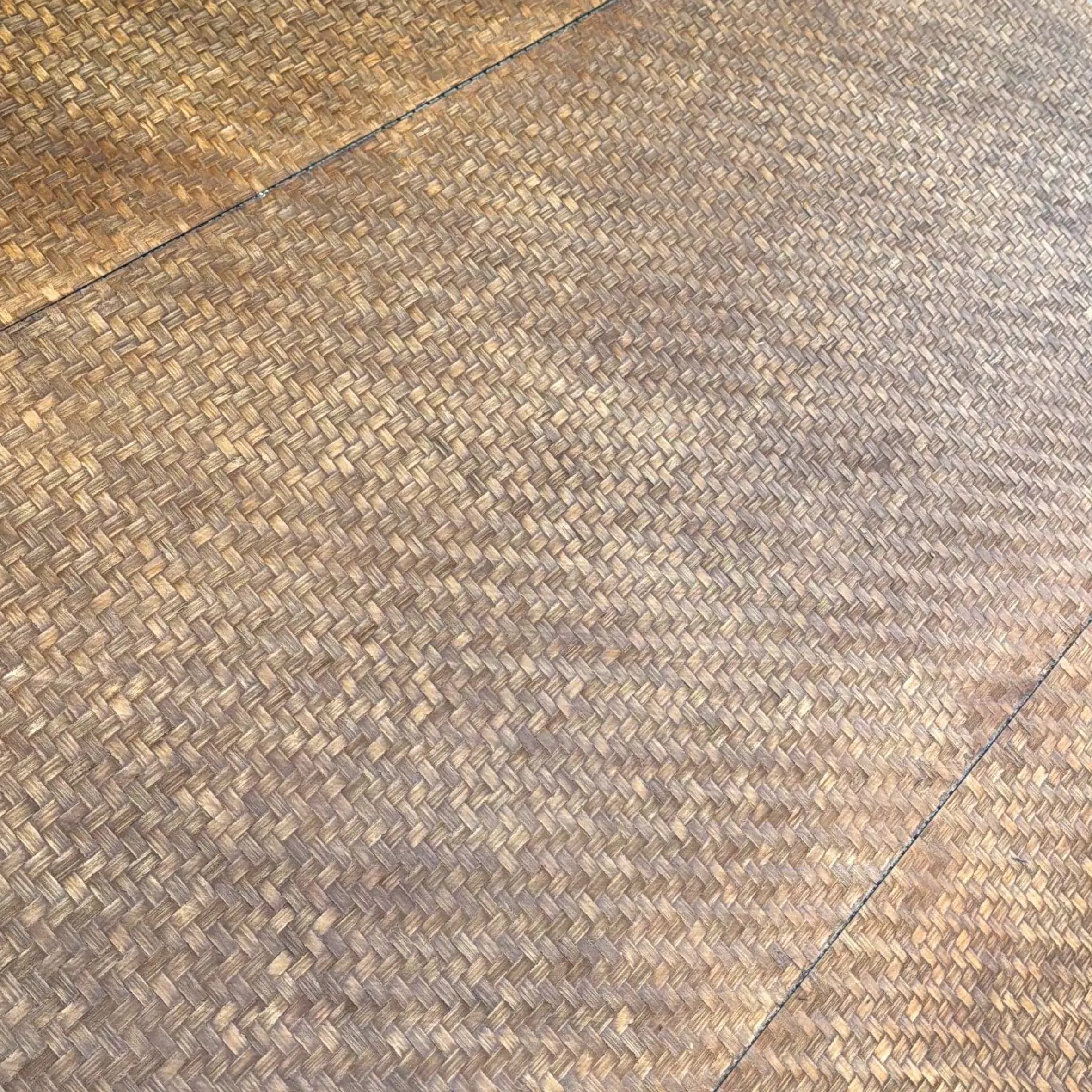
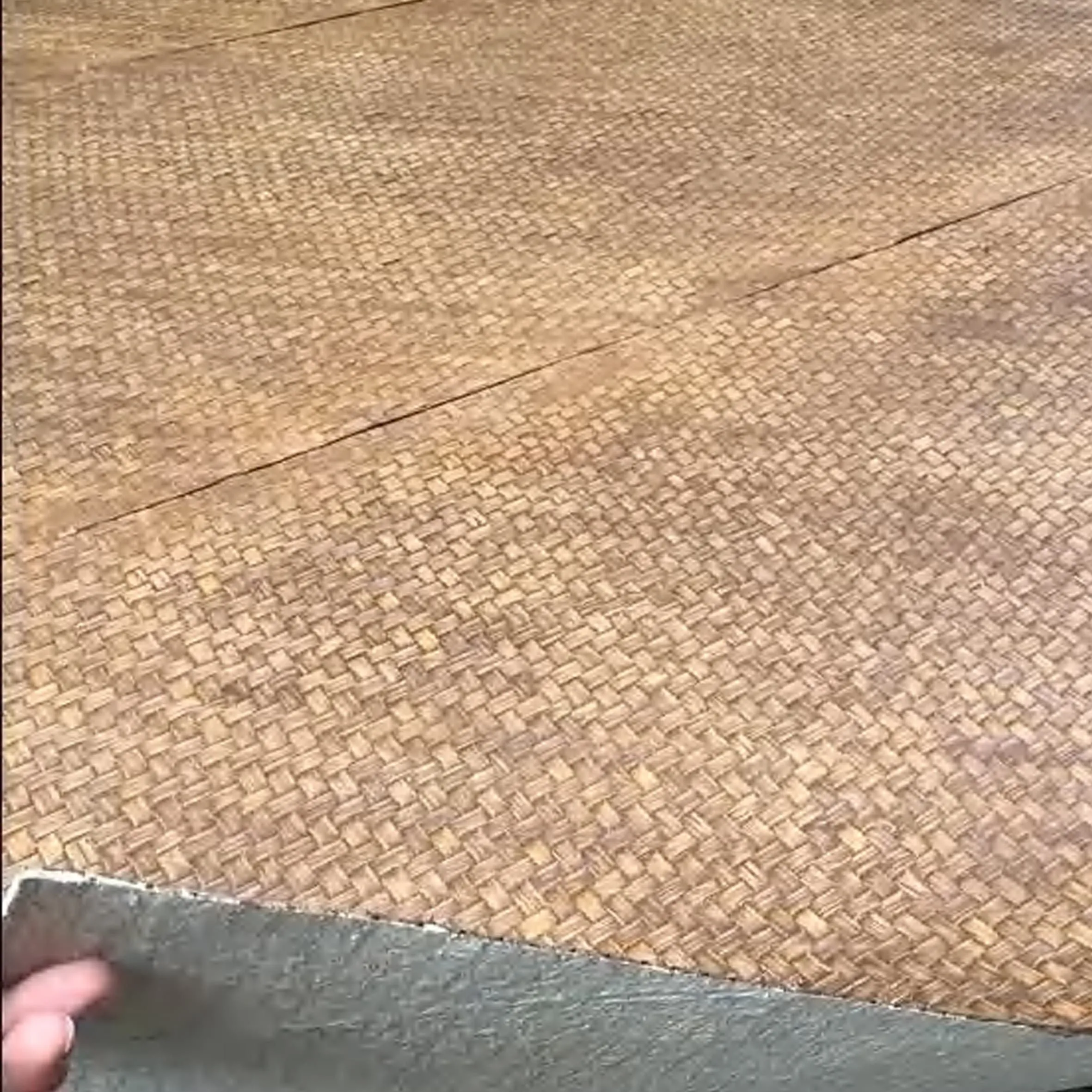
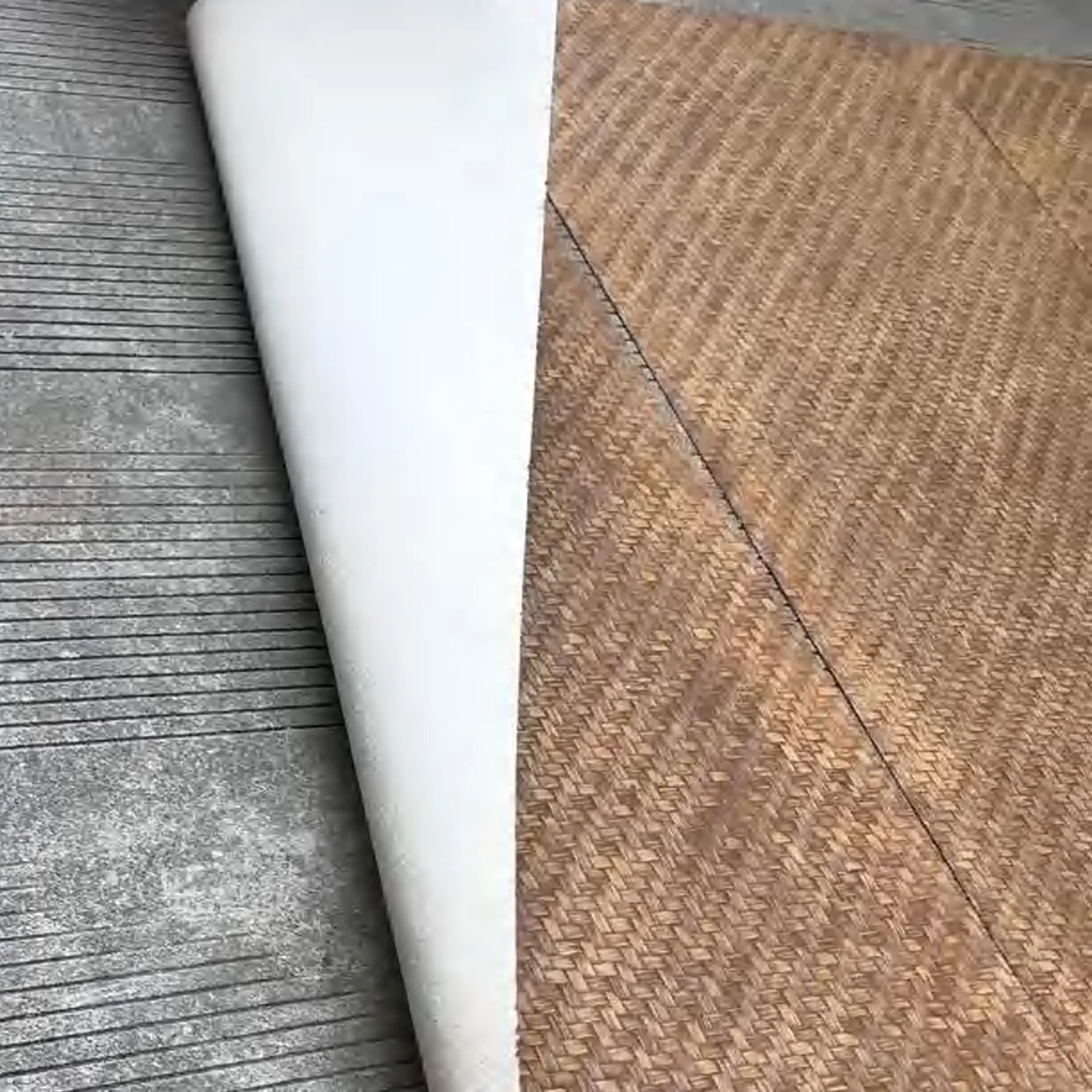
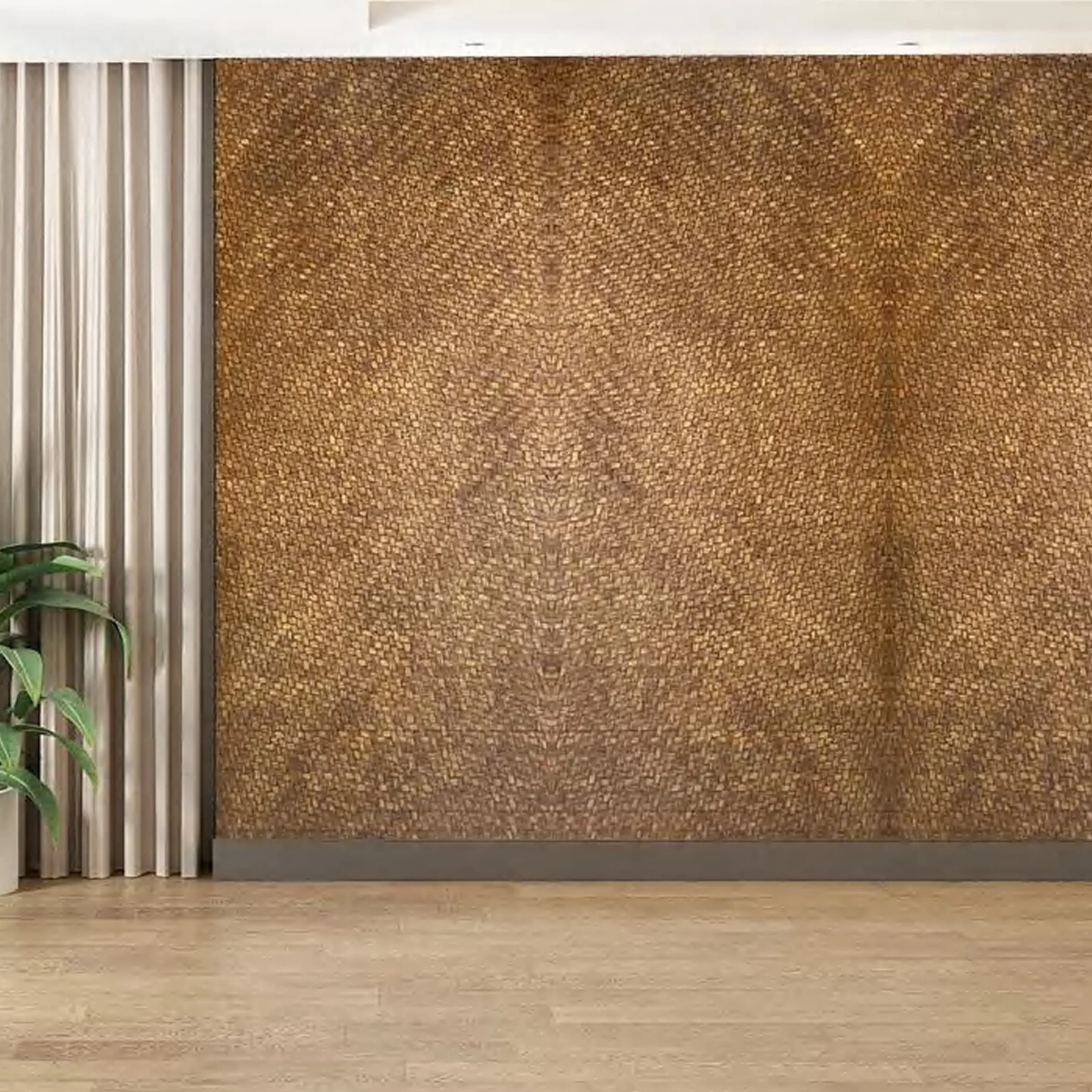
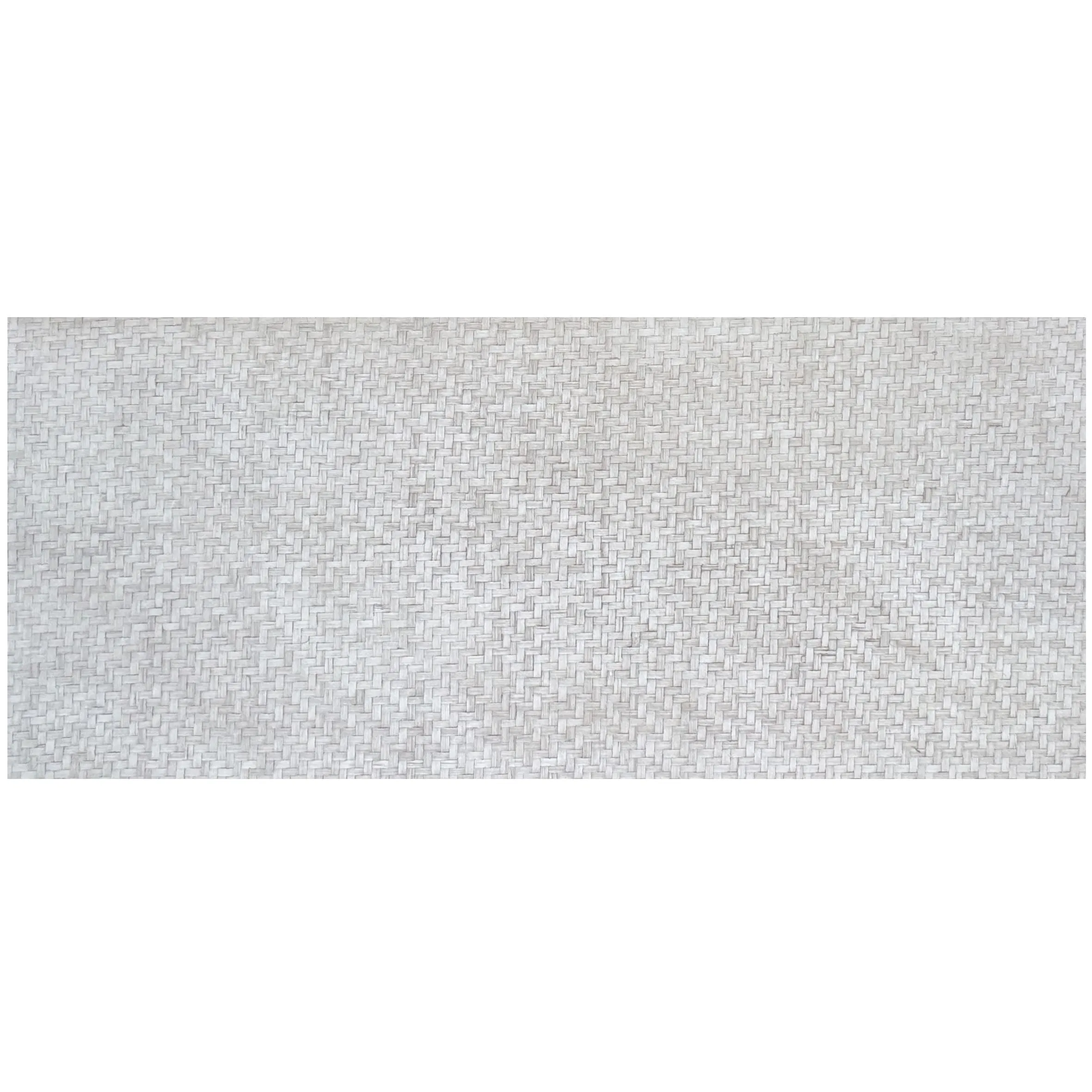
Bamboo Mat Board takes that tradition a step further. Unlike raw bamboo poles or simple mats, it's crafted by compressing layers of woven bamboo strips with natural adhesives, creating a dense, durable panel that retains the mat's signature pattern. The process is labor-intensive: each bamboo stalk is harvested by hand (usually during the dry season, when the wood is least susceptible to rot), split into thin strips, and soaked in water to soften. Then, skilled weavers—often from communities that have passed down this craft for generations—interlace the strips into intricate patterns, from simple herringbone to more complex geometric designs that hold cultural meaning (like the "endless knot" in Buddhist symbolism). Finally, the mats are pressed under heat to bond the layers, resulting in a board that's both flexible and strong, with a surface that feels alive with texture.
What strikes you first about Bamboo Mat Board is its warmth. Unlike cold stone or industrial concrete, it has a tactile quality that invites touch. Run your hand over it, and you'll feel the slight ridges of the woven strips, a reminder of the human hands that made it. In religious spaces, where sensory experience is key—think of the smell of incense, the sound of chanting, the play of light through windows—this texture becomes part of the worship experience. It's a material that doesn't separate worshippers from nature; it draws them closer, as if the building itself is breathing.
When we talk about "cultural aesthetics" in religious buildings, we're not just talking about beauty. We're talking about meaning. Every curve, color, and material choice is a language, speaking to the beliefs, history, and values of the community. For example, in Hindu temples, the use of red sandstone symbolizes purity and fertility; in Gothic cathedrals, stained glass tells biblical stories to illiterate worshippers; in Islamic architecture, geometric patterns represent the infinite nature of God. Materials, in this context, are storytellers.
So where does Bamboo Mat Board fit into this narrative? Let's start with its symbolism. Bamboo, in many cultures, is associated with humility and growth. In Buddhism, it's one of the "Four Gentlemen" (along with plum, orchid, and chrysanthemum), representing integrity and flexibility—traits valued in spiritual practice. In Confucianism, it symbolizes moral uprightness, as it grows straight and tall without branching. When woven into mats, these meanings deepen: the interlacing strips represent community, the idea that strength comes from connection. In a religious setting, this becomes a powerful metaphor for the congregation itself—individuals bound together by faith.
Then there's the idea of "harmony with nature," a cornerstone of many religious traditions. From the Taoist belief in "oneness with the Tao" to the Christian concept of "stewardship of creation," religious teachings often emphasize living in balance with the natural world. Bamboo Mat Board, being a renewable resource (bamboo regrows in 3–5 years, compared to 20–30 years for hardwoods), aligns with this ethos. But it's more than just eco-friendly—it looks and feels natural. Its earthy tones (ranging from pale gold to deep amber, depending on the bamboo species and drying process) complement stone, wood, and even modern materials like fair-faced concrete, creating a palette that feels grounded, not jarring. In a world where so much of our built environment feels disconnected from nature, this is a small but profound act of reverence.
Perhaps most importantly, Bamboo Mat Board respects the "spirit of place." Religious buildings are often tied to specific landscapes—think of a mountain temple overlooking a valley, or a mosque nestled in a desert oasis. The materials used should reflect that setting, not fight against it. Bamboo, which grows in lush, tropical regions, brings a sense of that environment indoors. In a Buddhist temple in Thailand, for example, Bamboo Mat Board walls would echo the surrounding bamboo forests, making the temple feel like an extension of the natural world. In a rural Indian shrine, it might mirror the woven baskets used by local farmers, creating a bridge between daily life and spiritual practice. This connection to place is what makes a religious building feel "right"—like it belongs, not just as a structure, but as a part of the community's identity.
Of course, Bamboo Mat Board isn't the only material used in religious architecture. For centuries, builders have turned to stone, wood, concrete, and more, each with its own strengths and symbolism. To truly appreciate Bamboo Mat Board's unique role, it helps to compare it to some of these alternatives. Let's take a closer look at how it measures up to four other materials commonly used in religious buildings: Masonry Stone, Wood Grain Board, Fair-Faced Concrete, and Historical Pathfinders Stone.
| Material | Cultural Symbolism | Texture & Feel | Sustainability | Best For |
|---|---|---|---|---|
| Bamboo Mat Board | Resilience, community, harmony with nature; rooted in agrarian traditions. | Woven, tactile surface with visible strip patterns; warm to the touch. | Highly sustainable: fast-growing bamboo, low carbon footprint, biodegradable adhesives. | Temples, shrines, and churches in tropical/subtropical regions; spaces emphasizing nature and community. |
| Masonry Stone | Strength, permanence, timelessness; common in ancient temples and cathedrals. | Rough or smooth; cool, dense, and heavy; conveys solidity. | Durable but resource-intensive to quarry and transport; limited sustainability. | Historic restorations, monumental structures (e.g., Gothic cathedrals, Hindu temple gopurams). |
| Wood Grain Board | Life, growth, warmth; used in Christian churches (pews, altars) and Japanese shrines. | Smooth or rough; visible grain patterns; warm and organic. | Depends on sourcing: FSC-certified wood is sustainable, but old-growth logging is not. | Interior paneling, ceilings, and furniture; spaces needing a cozy, intimate feel. |
| Fair-Faced Concrete | Modernity, simplicity, minimalism; used in contemporary religious buildings. | Sleek, uniform; cool and industrial; can be stamped for texture. | Energy-intensive to produce; durable but not biodegradable. | Modern churches, minimalist chapels, and urban mosques seeking a clean, understated look. |
| Historical Pathfinders Stone | Heritage, exploration, connection to ancient trade routes; rare, used in symbolic structures. | Varied, weathered texture; tells a story of age and travel. | Limited availability; often reclaimed, making it sustainable in a circular economy sense. | Museums, cultural centers, or shrines honoring historical journeys (e.g., pilgrimage sites). |
As the table shows, each material has its place. Masonry Stone speaks to permanence, Wood Grain Board to warmth, Fair-Faced Concrete to modernity. But Bamboo Mat Board stands out for its ability to balance so many needs: it's sustainable, culturally resonant, and deeply connected to nature. It doesn't replace these other materials—it complements them. Imagine a temple where Bamboo Mat Board ceilings float above a stone altar, or a church where it lines the walls alongside Wood Grain Board pews. The result is a space that feels both rooted in tradition and alive with possibility.
To truly grasp Bamboo Mat Board's impact, let's look at how it's being used in religious buildings across different faiths. Each application tells a story of cultural respect and creative adaptation.
Buddhism teaches the beauty of impermanence, and Bamboo Mat Board, with its organic aging process (it develops a rich patina over time), embodies that (idea). Take the Wat Phra That Doi Suthep in Chiang Mai, Thailand—a centuries-old temple perched on a mountain. In 2019, during a restoration of its meditation hall, architects chose Bamboo Mat Board for the ceiling panels. The goal was to replace the aging wooden planks with something that would keep the hall cool (bamboo is naturally insulating) and reflect the temple's commitment to simplicity. Today, when sunlight streams through the hall's windows, it filters through the woven bamboo, casting dappled patterns on the stone floor—like sunlight through a forest canopy. Monks and visitors alike remark that the space feels more "alive" now, as if the walls are breathing with the rhythm of the mountain.
In Japan, where Zen Buddhism emphasizes minimalism, Bamboo Mat Board has found a home in modern zendo (meditation rooms). Unlike traditional tatami mats (which are soft and prone to damage), Bamboo Mat Board is durable enough to withstand daily use, yet it retains tatami's warm, earthy feel. At the Ryogen-in Temple in Kyoto, a new zendo features Bamboo Mat Board sliding doors, which glide open to reveal a rock garden. The contrast between the smooth bamboo and rough stone mirrors Zen's balance of simplicity and depth.
Hinduism is a religion of color, ritual, and community, and Bamboo Mat Board's versatility makes it a natural fit. In the rural villages of Kerala, India, many small shrines are built by the community itself, using locally sourced materials. Here, Bamboo Mat Board is often used for the shrine's mandapam (pillared hall), where worshippers gather for festivals. The woven patterns on the boards often include motifs from Hindu mythology—the lotus (symbol of purity), the peacock (vehicle of Lord Murugan), or the swastika (a sacred symbol of good fortune). These aren't just decorations; they're a way for the community to "write" their faith into the building itself.
One striking example is the Sri Krishna Temple in Guruvayur, Kerala, which added a new community hall in 2021. The hall's walls are clad in Bamboo Mat Board, but with a twist: local weavers were commissioned to create custom patterns inspired by the Bhagavad Gita (a sacred Hindu text). Each panel tells a story—Arjuna's chariot, Krishna's flute, the battle of Kurukshetra—turning the hall into a visual scripture. For worshippers, especially children, this makes the teachings feel more accessible, as if the walls themselves are sharing the stories.
Christian architecture has long favored stone and wood, but Bamboo Mat Board is finding a niche in churches that want to create a more intimate, welcoming atmosphere. In Brazil, where Catholicism is deeply rooted but modern congregations crave spaces that feel less formal, Bamboo Mat Board is being used for interior paneling. The Igreja de São Francisco in Rio de Janeiro, a 19th-century church, recently renovated its nave with Bamboo Mat Board walls. The material's warm tones soften the church's original stone arches, making the space feel cozier during services. "It's like wrapping the congregation in a hug," says Father Carlos Mendes, the church's pastor. "Older parishioners love that it respects the church's history, while younger members appreciate how it feels more connected to nature."
Protestant churches, too, are embracing Bamboo Mat Board. In Portland, Oregon, the Forest Park Church —a modern, eco-conscious congregation—built its sanctuary using Bamboo Mat Board for the ceiling and acoustic panels. Bamboo's natural sound-absorbing properties make it ideal for singing and preaching, and the church's leaders wanted a material that aligned with their commitment to sustainability. "We didn't want a building that felt like it was taking from the earth," says architect Maya Johnson, who designed the space. "Bamboo gives back. It grows quickly, it doesn't require pesticides, and it looks beautiful. For us, that's an act of worship in itself."
Islamic architecture is renowned for its geometric patterns and play of light, and Bamboo Mat Board is being used to reimagine these elements in modern mosques. In Indonesia, the world's most populous Muslim country, Bamboo Mat Board is a natural choice due to the abundance of bamboo and the material's ability to handle the humid climate. The Masjid Al-Hikmah in Yogyakarta, built in 2020, features Bamboo Mat Board screens (similar to traditional mashrabiya windows) that filter sunlight into the prayer hall. The woven patterns, inspired by Islamic geometric designs, create intricate shadows on the floor that shift throughout the day, marking the time for prayer. "It's a modern take on the mihrab (prayer niche)," explains architect Ridwan Kamil. "Instead of carved stone, we used bamboo to create a sense of lightness and movement. It reminds worshippers that Allah's creation is both ordered and ever-changing."
In Malaysia, the Masjid Negara (National Mosque) in Kuala Lumpur has incorporated Bamboo Mat Board into its education center. The center, which hosts classes on Quranic studies, uses the material for both walls and furniture. "Bamboo is part of our heritage here," says Dr. Amina Hassan, who leads the classes. "Many of our students come from rural areas where bamboo is used in their homes. Using it in the mosque makes them feel at home, like their daily lives and their faith are connected."
Religious buildings are often built to last—for decades, even centuries. They're meant to be passed down, not just as structures, but as legacies. In that spirit, sustainability isn't just a trend for religious architecture; it's a moral imperative. How can we honor the past if we don't protect the future? Bamboo Mat Board excels here, offering a path to building that respects both tradition and the planet.
Let's start with the basics: bamboo is one of the fastest-growing plants on Earth. Some species can grow up to 3 feet in a day, and once harvested, they regrow from the same root system, so there's no need to replant. This makes bamboo a renewable resource that requires far less land and water than hardwood trees. For religious communities committed to stewardship—like the Christian principle of "caring for God's creation" or the Buddhist belief in "non-harm" to all living things—this is a powerful selling point. Unlike masonry stone, which requires quarrying (a process that can scar landscapes) or concrete, which emits large amounts of CO2 during production, Bamboo Mat Board has a tiny carbon footprint. In fact, bamboo plants absorb more CO2 and release more oxygen than most trees, making them a natural carbon sink.
But sustainability isn't just about the material itself—it's about the people who make it. Bamboo Mat Board production often supports rural communities, where weaving is a traditional craft. In Vietnam, for example, the Dao ethnic minority has been weaving bamboo mats for generations. Today, many Dao artisans work with companies that produce Bamboo Mat Board, allowing them to earn a living while preserving their craft. This creates a cycle of sustainability: the community benefits economically, the craft is passed down, and the material remains rooted in cultural knowledge. For religious organizations that value social justice, this is an added layer of meaning—supporting Bamboo Mat Board means supporting people, not just the planet.
Modern technology has only enhanced Bamboo Mat Board's sustainability. Innovations like non-toxic, plant-based adhesives (replacing traditional formaldehyde-based ones) make the material safer for both builders and occupants. Engineered bamboo panels (which combine Bamboo Mat Board with other sustainable materials like recycled paperboard) are even stronger, opening up new applications—like structural beams or roofing. And because Bamboo Mat Board is lightweight, it reduces transportation costs and energy use during construction. In a world where climate change is a pressing concern, these small choices add up.
Religious buildings are more than bricks and mortar—they're living expressions of faith, culture, and community. The materials we choose to build them with matter because they shape how we experience the divine. Bamboo Mat Board, with its blend of ancient craftsmanship and modern sustainability, offers something rare: a material that doesn't just serve a purpose, but tells a story. It's a story of resilience (like bamboo bending in the wind), of community (like the weavers' hands interlacing strips), and of harmony with nature (like the way it softens a space, making it feel like an extension of the world outside).
As we've seen, Bamboo Mat Board isn't replacing traditional materials like masonry stone or wood grain board—it's complementing them. It's a reminder that cultural aesthetics don't have to be stuck in the past; they can evolve, adapt, and embrace new possibilities while staying true to their roots. In a Buddhist temple, it whispers of the forest; in a Hindu shrine, it sings of community; in a Christian church, it wraps worshippers in warmth; in a mosque, it dances with light. In each case, it respects the traditions that came before, while opening the door to a more sustainable, connected future.
So the next time you step into a religious building, take a moment to notice the materials. Run your hand along the walls, feel the texture, breathe in the scent. Chances are, if Bamboo Mat Board is part of that space, you'll feel something familiar yet fresh—a sense that the building is not just honoring the past, but nurturing the future. And in that balance, you'll find the true meaning of cultural aesthetics: not just beauty, but respect—for tradition, for nature, and for the generations to come.
Recommend Products












