
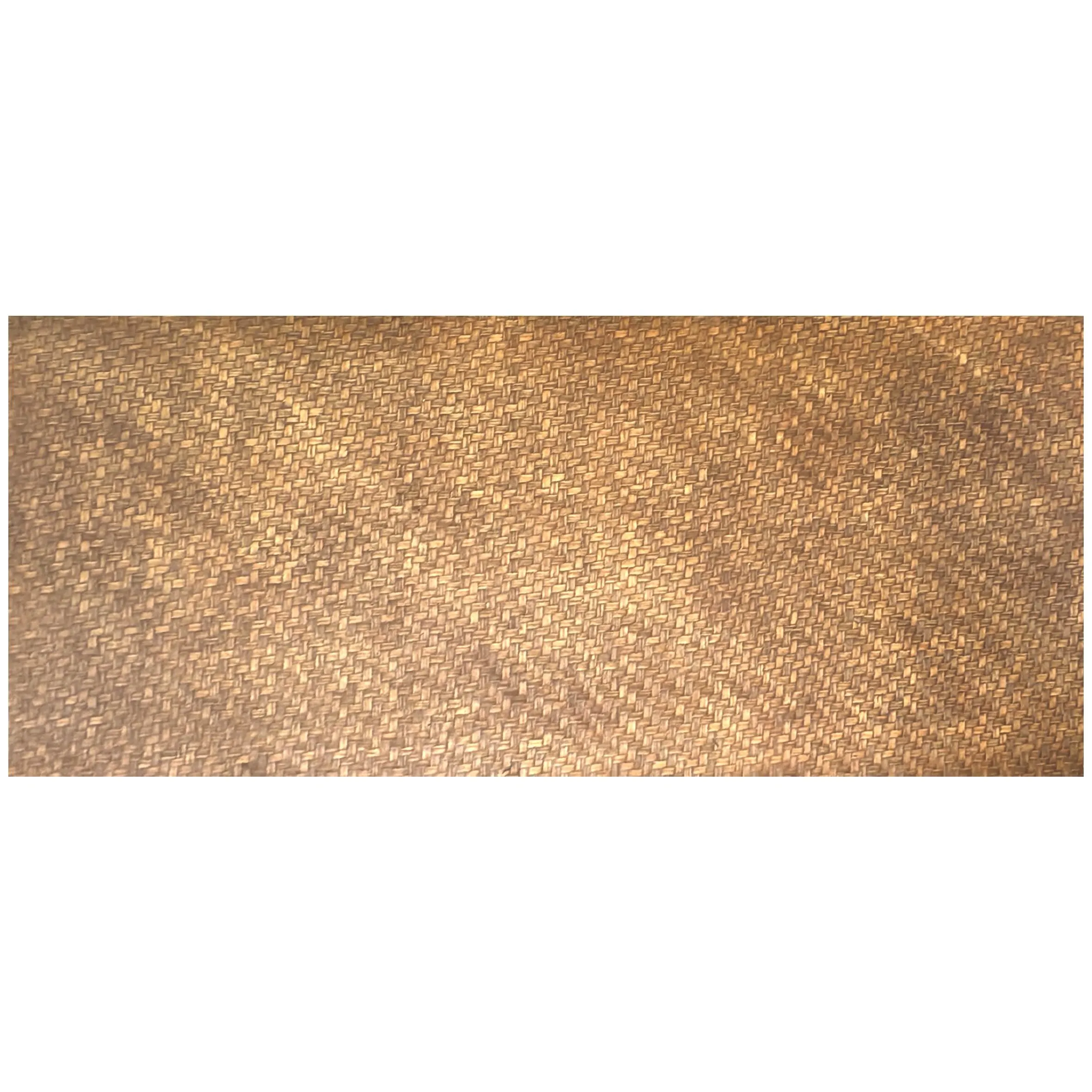
Walk into a restaurant, and before you even taste the food, your senses are already at work. The lighting, the sounds, the way the air feels—and most importantly, the texture of the space. Does it wrap around you like a familiar hug, or does it feel cold and detached? For restaurant owners and designers, the goal is clear: to craft an environment that doesn't just serve meals, but creates memories. In this quest for warmth and authenticity, one material has emerged as a quiet hero: bamboo mat board . More than just a surface, it's a storyteller—weaving tales of nature, craftsmanship, and comfort into every corner of a dining room. Let's explore how this unassuming material is transforming restaurant interiors, and why it might just be the missing piece in your quest to create a space that guests never want to leave.
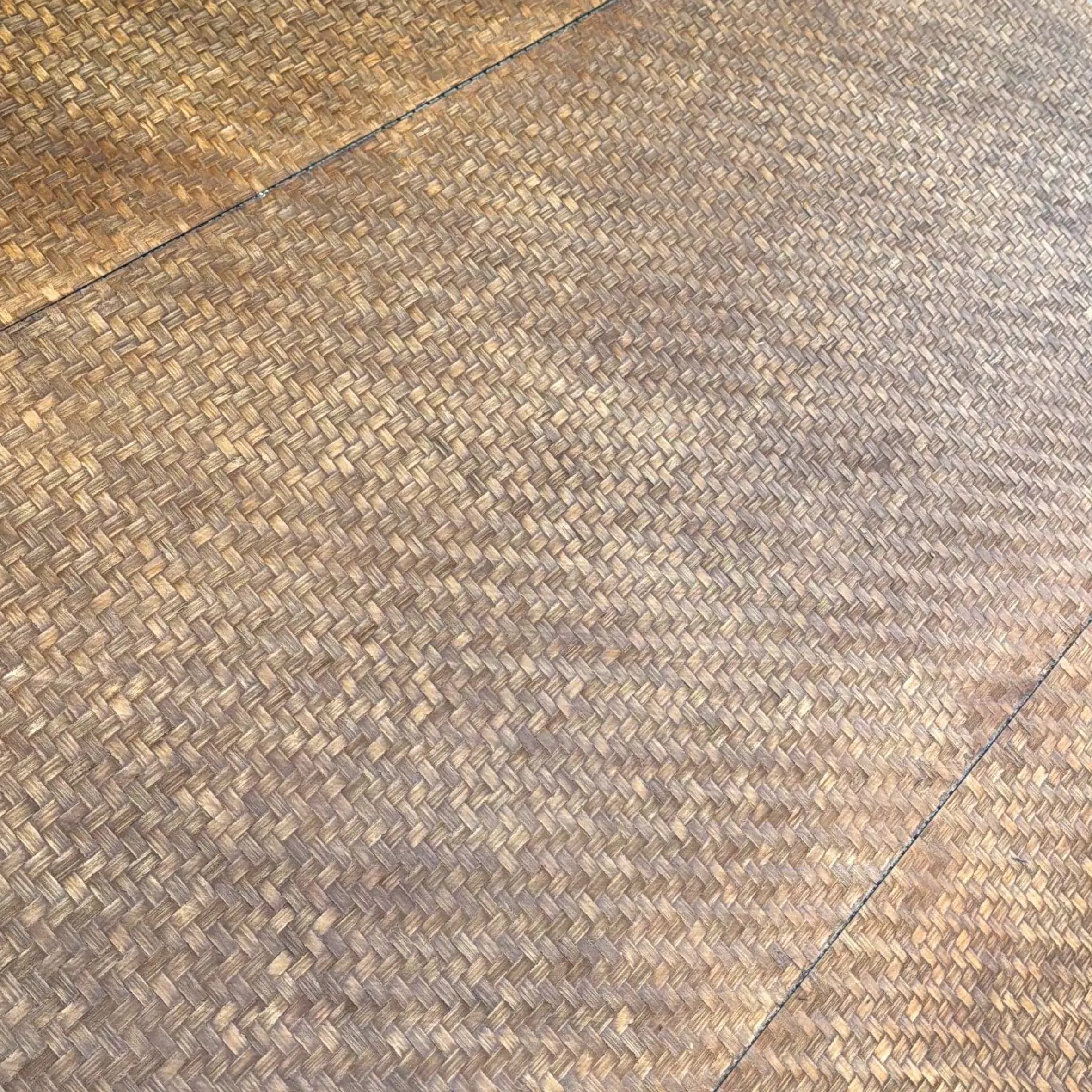
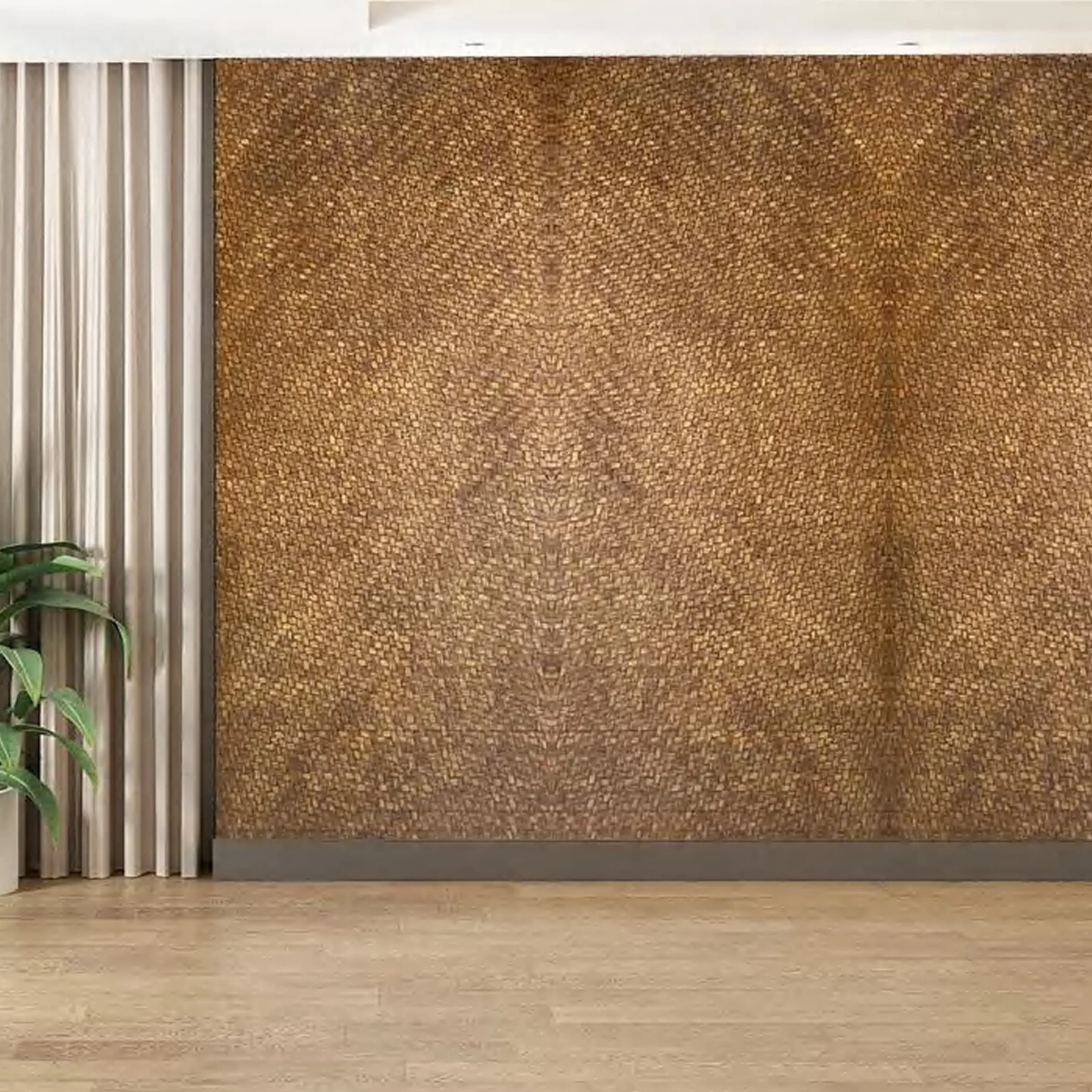
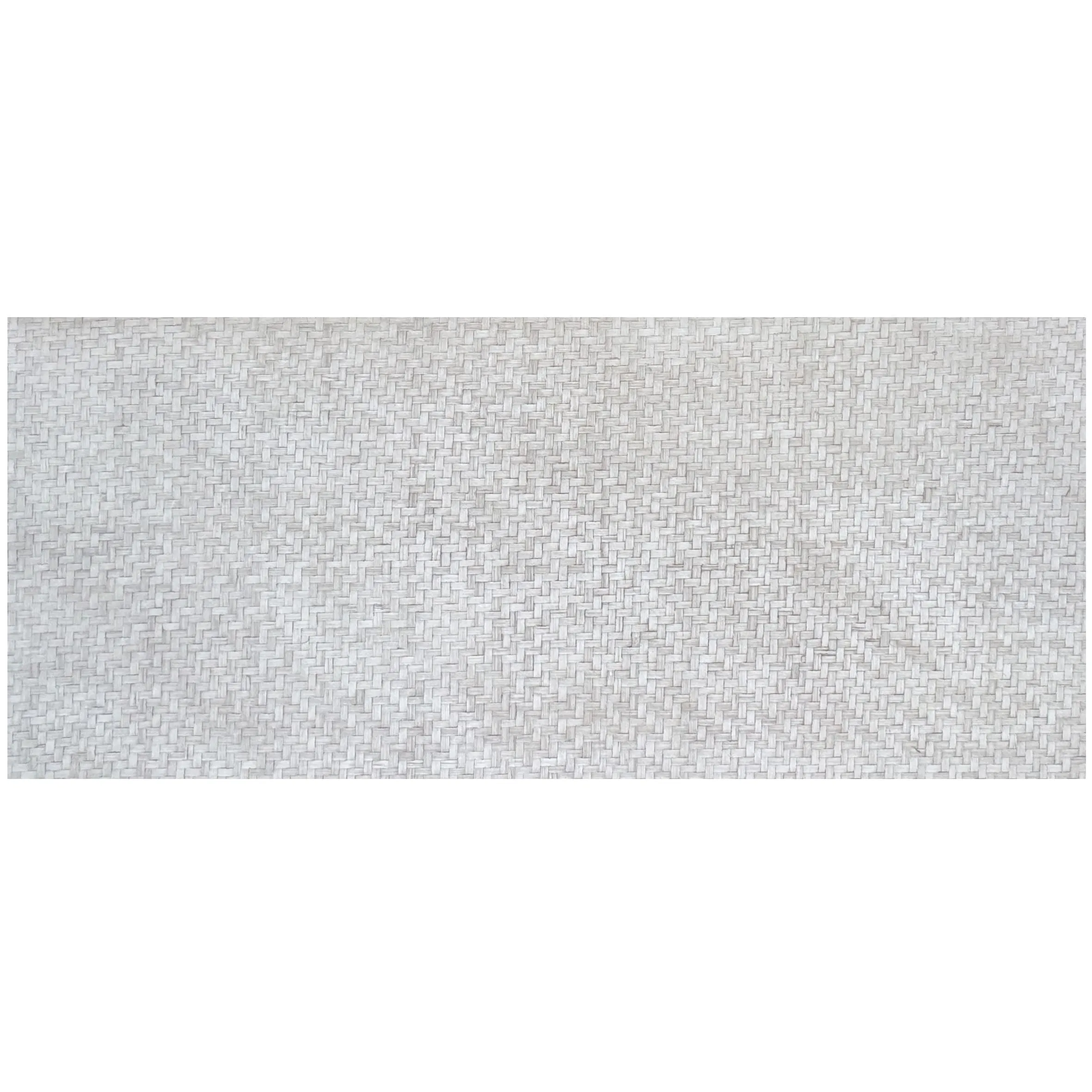
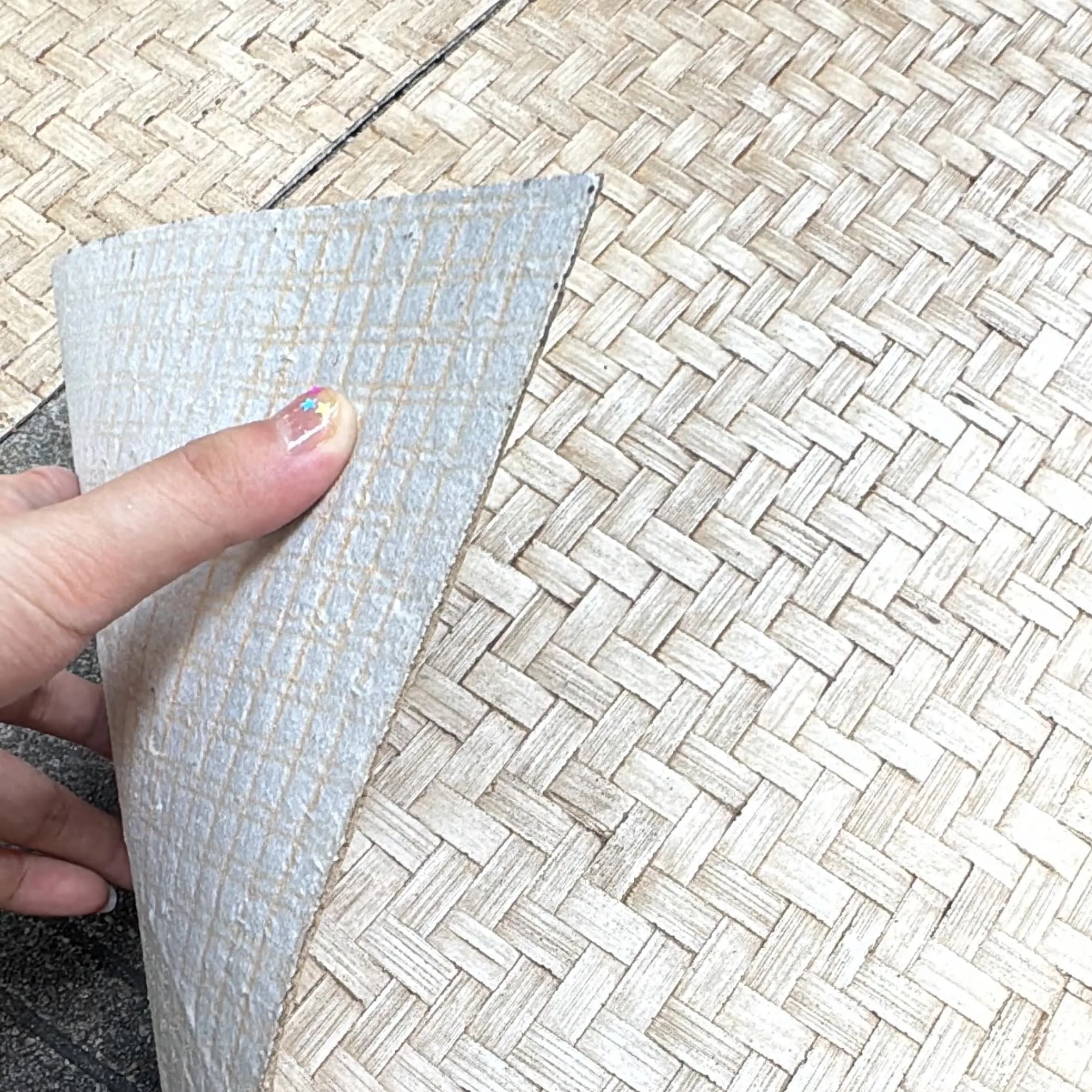
To truly appreciate bamboo mat board , you have to start with its roots—literally. Bamboo, a fast-growing, sustainable resource, has been used in construction and design for centuries, prized for its strength and flexibility. But bamboo mat board takes this legacy a step further. Crafted by weaving thin bamboo strips into a mat-like pattern and pressing them into a sturdy board, it retains the plant's natural grain while adding a layer of tactile intrigue. Run your hand over it, and you'll feel the subtle ridges of the weave, the smoothness of the polished surface, and the warmth of organic material that synthetic alternatives can never replicate.
What strikes most designers first is its color palette. Unlike the uniform tones of plastic or even some woods, bamboo mat board comes in a spectrum of earthy hues—from soft golden yellows to deep amber browns, with streaks of honey and cream that catch the light. This variation isn't a flaw; it's a feature. It means no two boards are exactly alike, giving each restaurant interior a one-of-a-kind character. Imagine a wall clad in bamboo mat board bathed in afternoon sunlight: the weave casts delicate shadows, turning a static surface into a dynamic, ever-changing display. It's the kind of detail that makes guests pause and think, "There's something different here—and I like it."
Sustainability is another feather in its cap. In an era where diners increasingly care about the environmental impact of the spaces they frequent, bamboo mat board checks a crucial box. Bamboo grows up to 3 feet per day, requires no pesticides, and regenerates without replanting—making it far more eco-friendly than hardwoods or resource-heavy materials like marble. For restaurants aiming to market themselves as "green" or "conscious," this isn't just a design choice; it's a values statement. Guests don't just eat at your restaurant—they align themselves with what you stand for. And bamboo mat board whispers, "We care about the planet, and we care about you."
Great design is rarely about a single material—it's about how materials dance together. Bamboo mat board isn't a soloist; it's a collaborator, playing well with a range of textures and tones to create layered, inviting spaces. Let's explore how it pairs with some other standout materials, turning good interiors into unforgettable ones.
Take wood grain board , for example. Both celebrate the beauty of natural patterns, but where wood grain board often features long, flowing lines (think oak or maple), bamboo mat board brings a geometric twist with its woven texture. Together, they create a rich tapestry of organic and structured elements. Imagine a restaurant bar: the front panel clad in wood grain board for a classic, warm base, and the overhead shelving lined with bamboo mat board to add depth. The contrast is subtle but striking—like a duet where each voice complements the other. It's the kind of detail that makes the space feel intentional, like someone cared enough to think about how every surface interacts.
Then there's travertine (beige) —a stone that exudes timeless elegance with its soft, porous texture and warm, neutral color. Pairing bamboo mat board with travertine (beige) is like bringing the outdoors in, but in a refined way. Picture a restaurant's entryway: travertine (beige) flooring, its natural pits and veins telling the story of ancient rivers, leading to a host stand wrapped in bamboo mat board . The stone grounds the space, while the bamboo adds a touch of softness, making guests feel welcome from the moment they step inside. It's a combination that works equally well in a rustic trattoria or a modern café—proof of bamboo mat board 's versatility.
For restaurants leaning into an industrial-modern vibe, fair-faced concrete is a popular choice. Its raw, unfinished look adds edge, but it can sometimes feel cold. Enter bamboo mat board to balance the equation. Imagine a wall of fair-faced concrete , its gray tones and rough texture making a bold statement, offset by bamboo mat board accents—maybe a row of pendant lights with bamboo shades, or a banquette backrest upholstered in bamboo fabric. The concrete provides the "cool" factor, while the bamboo brings the "warmth," creating a space that feels modern without feeling unapproachable. It's the design equivalent of a leather jacket paired with a soft sweater—edgy, but with a heart.
And let's not forget lunar peak silvery —a material with a subtle metallic sheen that adds a touch of glamour without being over-the-top. When paired with bamboo mat board , it's magic. Think of a high-end sushi bar: bamboo mat board tabletops, their golden tones highlighting the colors of the food, and lunar peak silvery trim along the edges, catching the light and adding a hint of sophistication. The bamboo keeps the space grounded, while the silvery accents elevate it—proving that bamboo mat board can play in both casual and upscale settings.
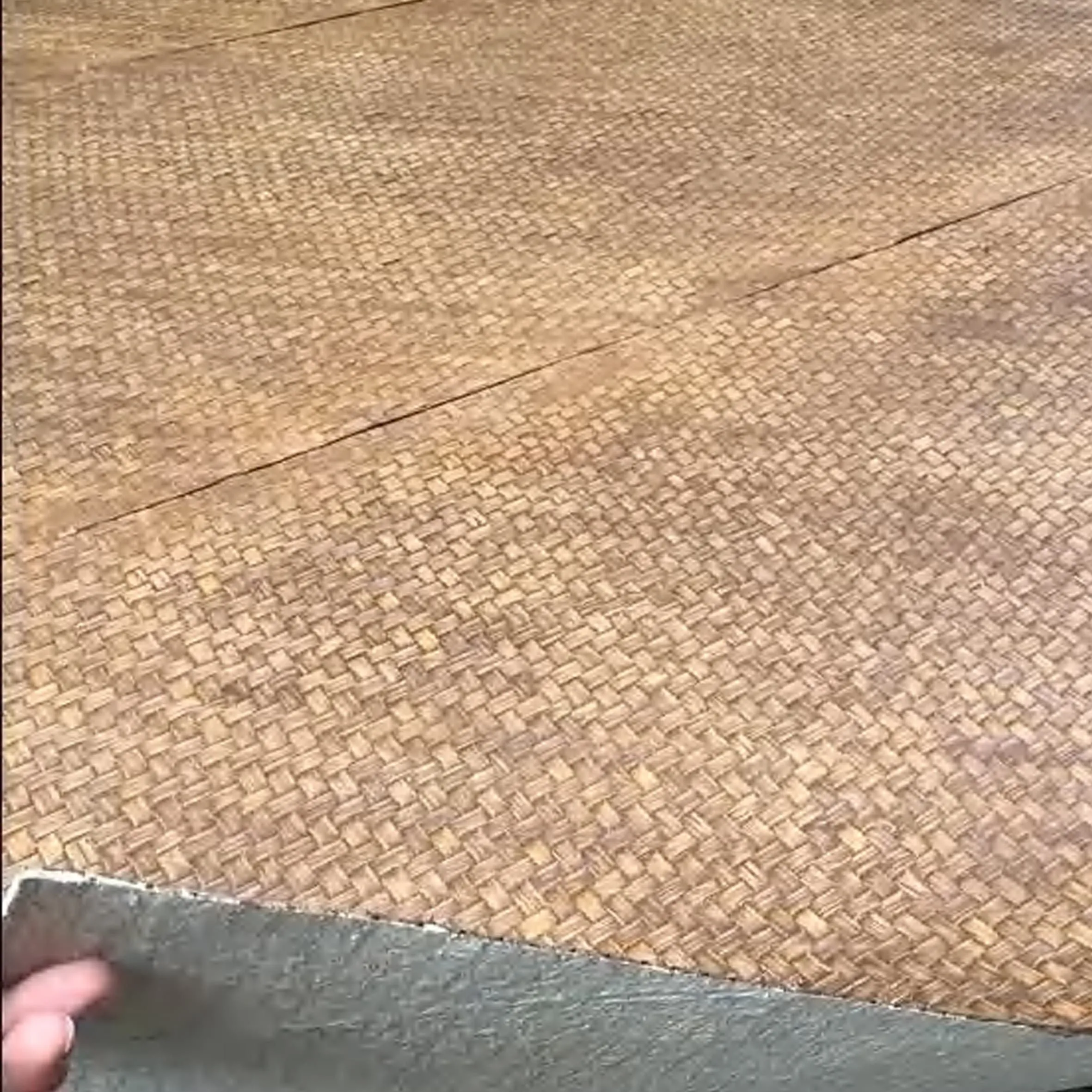
Aesthetics are important, but in the chaos of a busy restaurant, practicality reigns supreme. Spills happen. Heat from hot plates can warp surfaces. Scratches from chairs and utensils are inevitable. The best materials aren't just pretty—they're tough. And bamboo mat board ? It's a workhorse in disguise.
First, durability. Bamboo is naturally resistant to moisture and pests, thanks to its high silica content. When crafted into bamboo mat board , this resistance is amplified by the pressing process, which creates a dense, hardwearing surface. Unlike solid wood, which can crack or warp in humid environments (hello, kitchen steam!), bamboo mat board holds its shape, making it ideal for wall cladding, tabletops, or even backsplashes. A quick wipe with a damp cloth is usually all it takes to clean up a spilled glass of wine or a splatter of sauce—no harsh chemicals required. For restaurant owners tired of replacing damaged surfaces every few years, this is a game-changer.
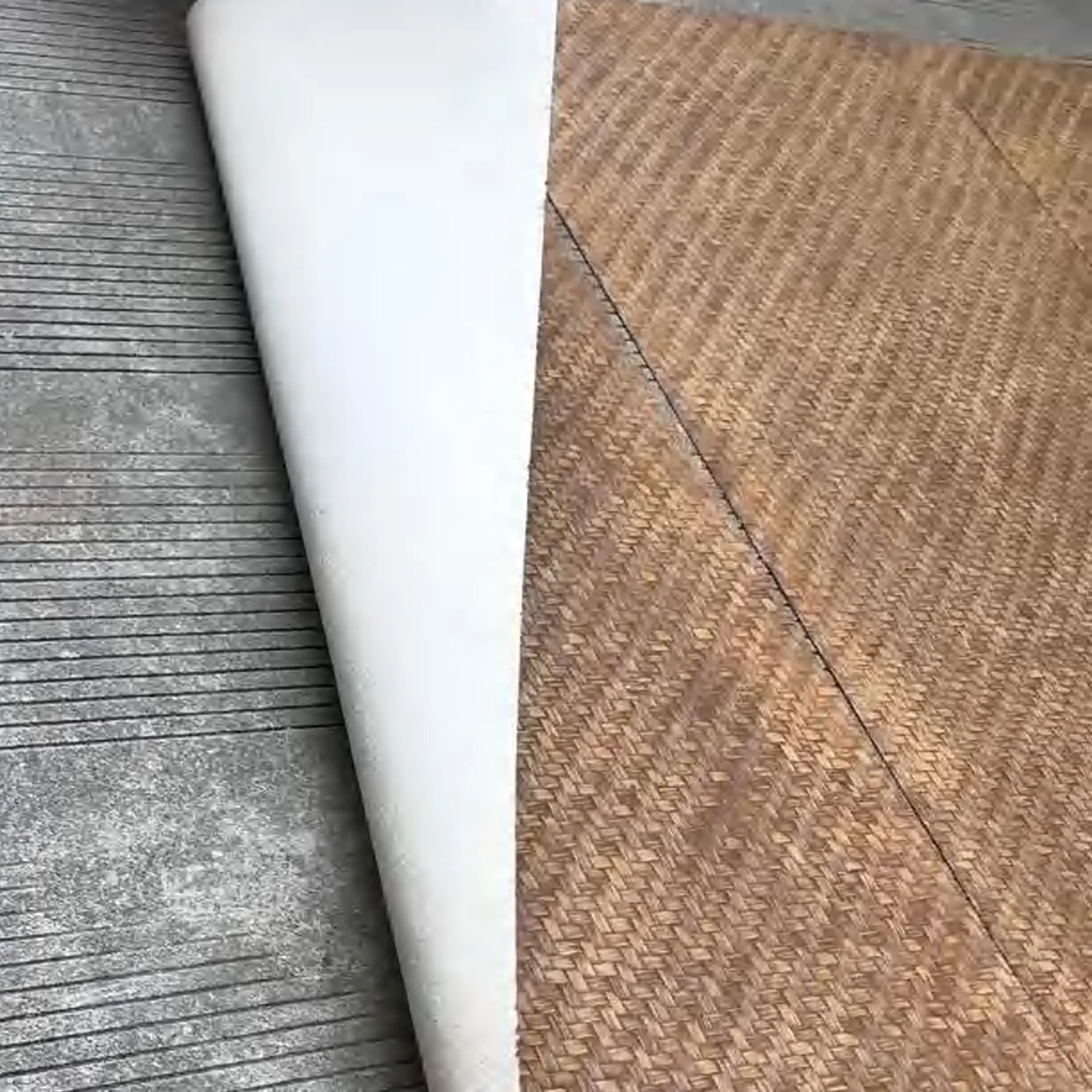
Then there's versatility. Bamboo mat board isn't limited to walls or tables. It can be used as ceiling paneling to soften acoustics (a godsend in noisy restaurants), as cabinet doors in the kitchen to add warmth to an otherwise sterile space, or even as a decorative screen to divide dining areas without blocking light. Its lightweight nature also makes installation easier than stone or heavy wood, reducing labor costs and downtime during renovations. And because it's available in various thicknesses and sizes, it can adapt to any design vision—whether you're going for a sleek, minimalist look or a cozy, cabin-like feel.
Let's not overlook maintenance, either. Unlike polish concrete (which can stain if not sealed properly) or marble veil white (prone to etching from acidic foods), bamboo mat board is forgiving. A monthly application of bamboo oil keeps it looking fresh, but even if you skip a month, it ages gracefully—developing a rich patina over time that adds character, rather than looking worn out. For busy restaurant staff, this means one less thing to stress about. They can focus on serving guests, not fretting over whether the table surface will survive the lunch rush.
Still not sure how bamboo mat board would fit into your restaurant? Let's paint a few pictures. Because the best way to understand its potential is to see it in context—transforming ordinary spaces into extraordinary ones.
The Cozy Café: Imagine a small, neighborhood café with mismatched chairs, fairy lights strung above, and the aroma of freshly brewed coffee in the air. The walls are clad in bamboo mat board , their warm golden tones reflecting the soft glow of pendant lights. Behind the counter, wood grain board shelves hold jars of homemade pastries, while the bar top is a slab of travertine (beige) , its porous surface catching crumbs (and stories) of the regulars who prop their elbows there. It's a space that feels like a friend's living room—inviting, unpretentious, and full of heart. Bamboo mat board here isn't just a wall covering; it's the backdrop to countless conversations, first dates, and lazy Sunday mornings.
The Modern Bistro: For a more contemporary vibe, think clean lines, muted colors, and a focus on texture. The dining room features floor-to-ceiling windows, flooding the space with natural light. One wall is dominated by fair-faced concrete , its gray surface adding an industrial edge, while the opposite wall is covered in bamboo mat board , its woven pattern softening the harshness of the concrete. Tables are a mix of bamboo mat board tops and metal bases, and the lighting fixtures are accented with lunar peak silvery details, adding a touch of glamour. The result? A space that feels sleek but not cold—modern, but with a soul. Guests can enjoy a sophisticated meal without feeling like they're in a museum; the bamboo mat board ensures there's always a warm spot to land.
The Rustic Eatery: If your restaurant leans into hearty, home-cooked meals, bamboo mat board can amplify that rustic charm. Picture exposed wooden beams, a stone fireplace, and bamboo mat board used everywhere from the ceiling panels (to muffle the clatter of dishes) to the menu boards (framed in bamboo, of course). The floors are travertine (beige) , worn smooth by years of foot traffic, and the bar is made from reclaimed wood paired with bamboo mat board trim. It's a space that feels like it's been there forever—like it's part of the community's story. When guests walk in, they don't just see a restaurant; they see a place that belongs, and bamboo mat board is the thread that ties it all together.
Still on the fence? Let's put bamboo mat board head-to-head with two popular alternatives: wood grain board and fair-faced concrete . This side-by-side comparison might help you see why it stands out.
| Material | Aesthetic Vibe | Durability | Maintenance | Best For |
|---|---|---|---|---|
| Bamboo Mat Board | Warm, organic, with woven texture; earthy gold/brown tones. | Highly durable; moisture-resistant; resists warping and pests. | Low; wipe clean with damp cloth; occasional oiling to maintain sheen. | Casual cafés, modern bistros, rustic eateries—any space needing warmth and texture. |
| Wood Grain Board | Classic, timeless; flowing grain patterns; varies by wood type (oak, maple, etc.). | Durable but prone to warping in high humidity; may scratch easily. | Moderate; requires regular sealing to prevent moisture damage; polishing to fix scratches. | Traditional restaurants, steak houses, or spaces aiming for a "homey" feel. |
| Fair-Faced Concrete | Industrial, modern; smooth or rough gray surface; minimalist. | Extremely durable; heat and scratch-resistant; stain-resistant if sealed. | Low but needs sealing every 1–2 years; can stain if spills aren't cleaned quickly. | Modern, upscale restaurants or spaces going for an edgy, urban look. |
As the table shows, bamboo mat board strikes a unique balance: it offers the warmth of wood grain board with the durability of fair-faced concrete , all while adding a texture that neither can match. It's the Swiss Army knife of restaurant materials—versatile, reliable, and full of personality.
At the end of the day, restaurant design isn't just about materials—it's about people. How do guests feel when they're in your space? Do they relax, open up, and savor the moment? Or do they rush through their meal, eager to leave? Bamboo mat board has a quiet power to shape these emotions, and it all comes down to its connection to nature.
Studies have shown that exposure to natural materials—wood, stone, plants—can reduce stress and increase feelings of well-being. In a world where most of us spend our days staring at screens and surrounded by synthetic materials, natural textures feel like a breath of fresh air. Bamboo mat board , with its organic weave and earthy tones, taps into this primal need for connection to the natural world. When guests sit at a table made of bamboo mat board , they're not just sitting at a table—they're touching something real, something that grew from the earth. It's a subtle reminder that there's a world beyond the restaurant walls, and that this space is a sanctuary within it.
This emotional resonance translates to better business outcomes, too. Guests who feel comfortable and happy in a space are more likely to stay longer, order more, and return again and again. They'll tell their friends about "that cozy restaurant with the bamboo walls," not just because the food was good, but because the space made them feel cared for. In a competitive industry, where reviews and word-of-mouth can make or break a business, bamboo mat board isn't just a design choice—it's an investment in customer loyalty.
Restaurant interiors are more than just backdrops—they're part of the dining experience. They set the mood, shape memories, and turn first-time visitors into regulars. In this quest to create spaces that feel warm, authentic, and inviting, bamboo mat board has proven itself to be more than just a trend. It's a material with heart—a sustainable, durable, and endlessly versatile option that pairs beautifully with other materials like wood grain board , travertine (beige) , fair-faced concrete , and lunar peak silvery .
Whether you're designing a cozy café, a sleek bistro, or a rustic eatery, bamboo mat board brings something that no synthetic material ever could: soul. It's in the way it catches the light, the texture under your fingertips, and the quiet confidence with which it transforms a room. So if you're ready to create a restaurant that guests don't just visit, but love , consider adding bamboo mat board to your design toolkit. After all, the best meals are enjoyed in spaces that feel like home—and bamboo mat board is here to help you build that home, one warm, woven board at a time.
Recommend Products












