
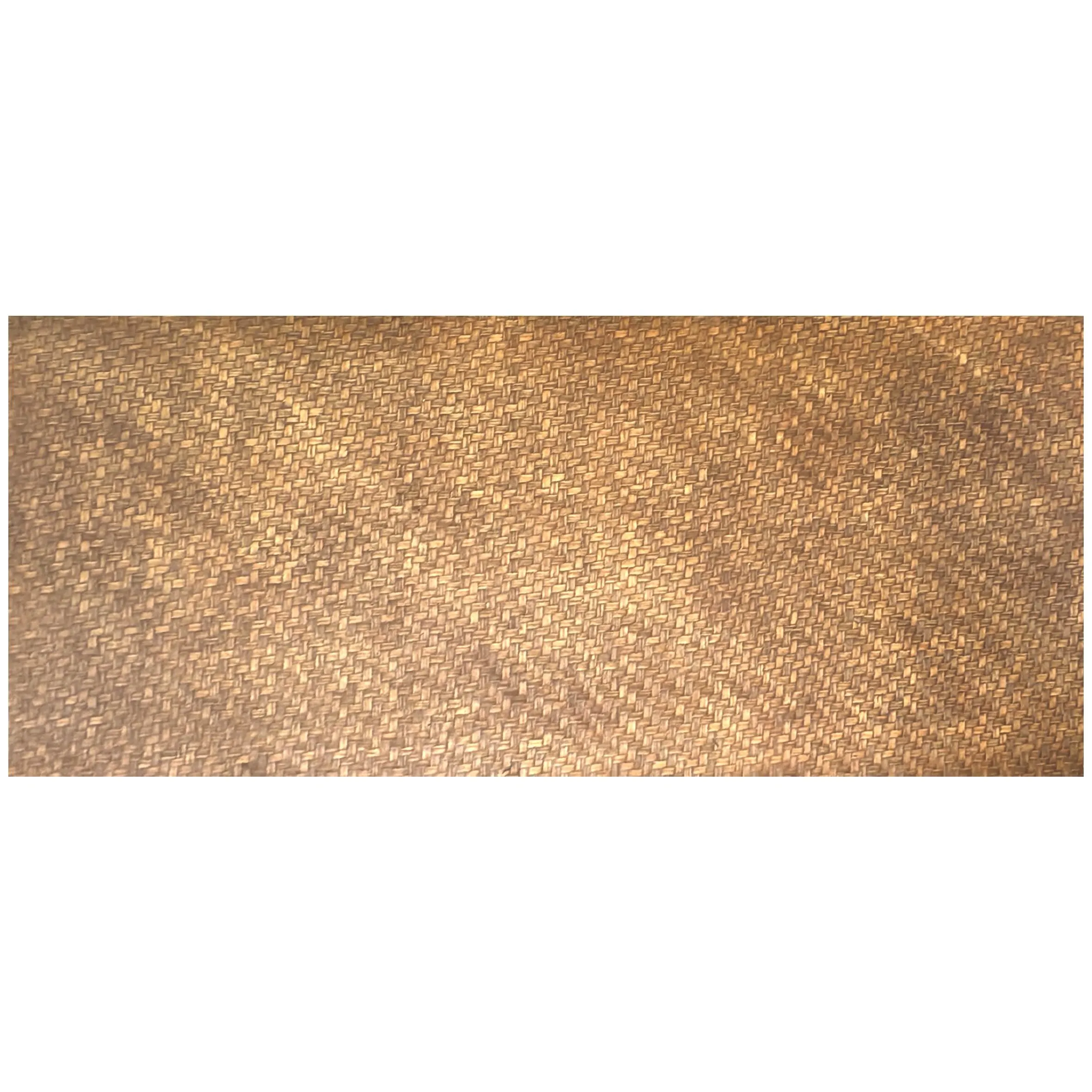
Step into any successful retail space today, and you'll quickly realize it's more than just a place to buy things. It's a carefully crafted environment designed to evoke emotions, tell a brand's story, and create moments that stick in customers' minds long after they leave. In an era where online shopping dominates, physical stores have become experiential hubs—and the materials that shape these spaces play a starring role in that transformation. Among the rising stars of retail design materials is one that blends warmth, texture, and sustainability in a way few others can: Bamboo Mat Board . Let's explore how this unassuming material is redefining retail interiors and why it's becoming a go-to choice for designers aiming to boost customer experience.
Think about the last time you walked into a store that felt "right." Maybe it was the soft glow of lighting, the layout that guided you effortlessly, or perhaps the textures underfoot and on the walls. Those details don't just happen by accident. Retail designers know that materials are the building blocks of mood. Cold, sterile surfaces might work for a minimalist tech store, but for brands aiming to connect on a human level—whether it's a cozy café, a boutique clothing shop, or a artisanal home goods store—warmth and authenticity are key. That's where Bamboo Mat Board shines. Unlike synthetic materials that can feel flat or industrial, bamboo matting brings a piece of nature indoors, with all the organic charm and subtle variation that makes natural materials so inviting.
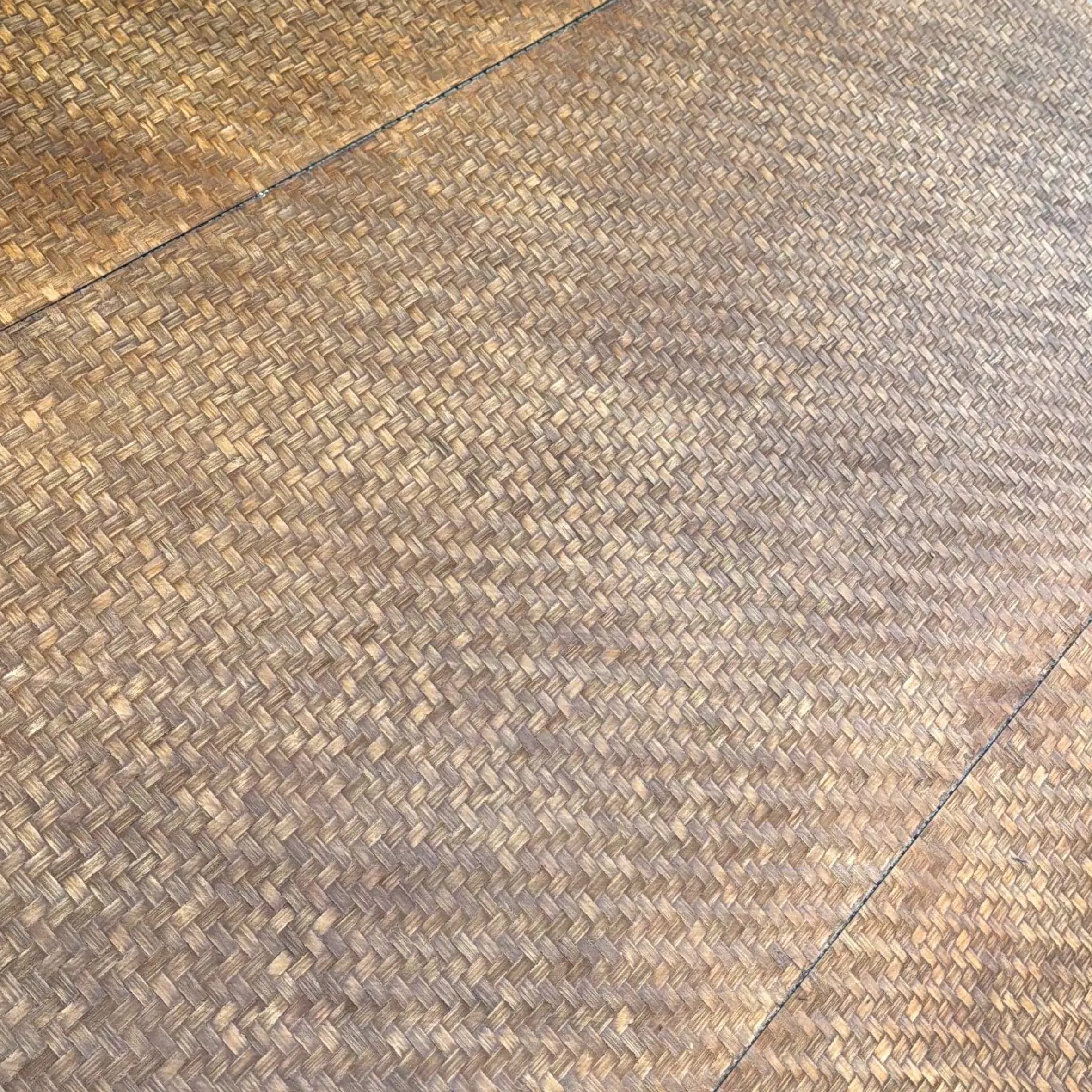
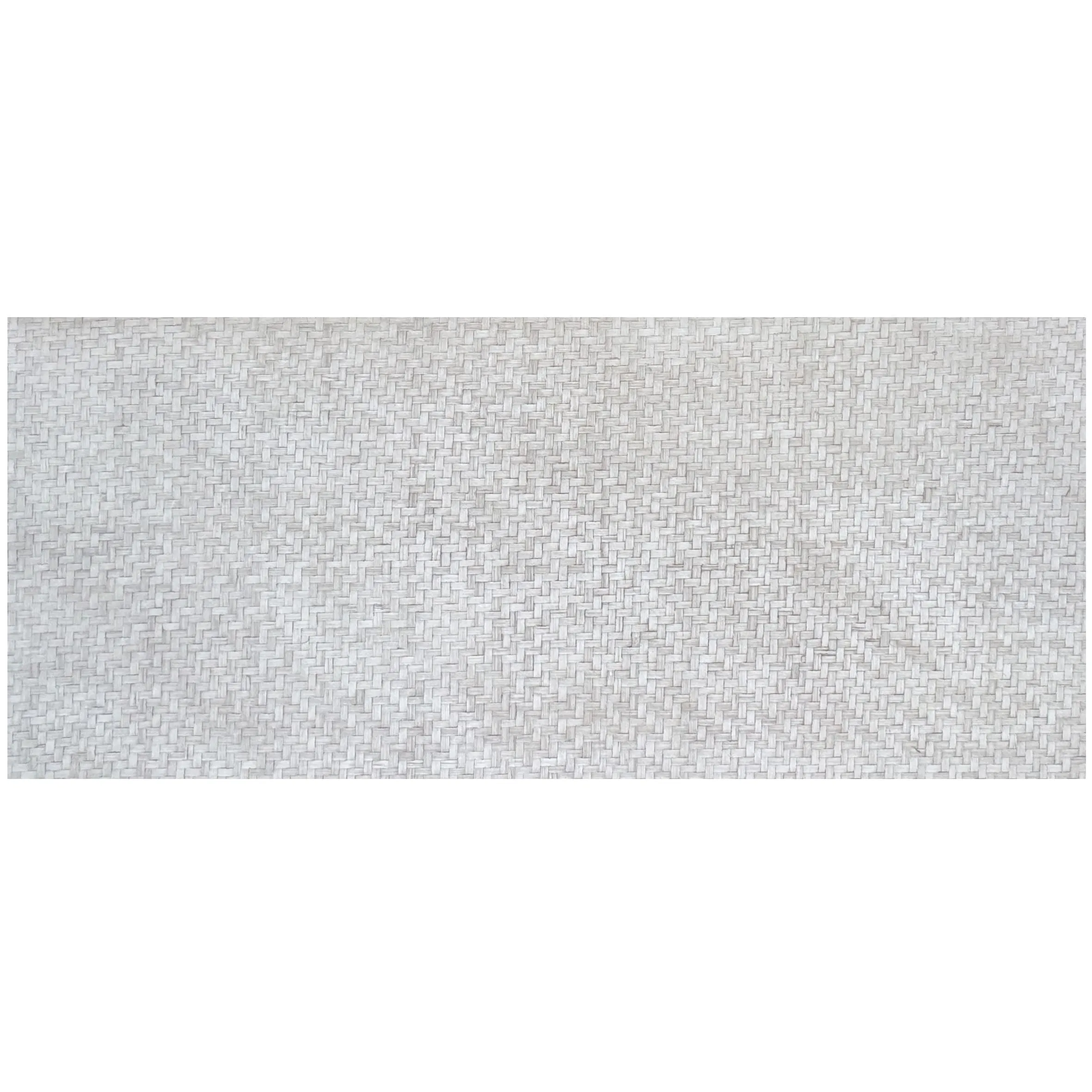
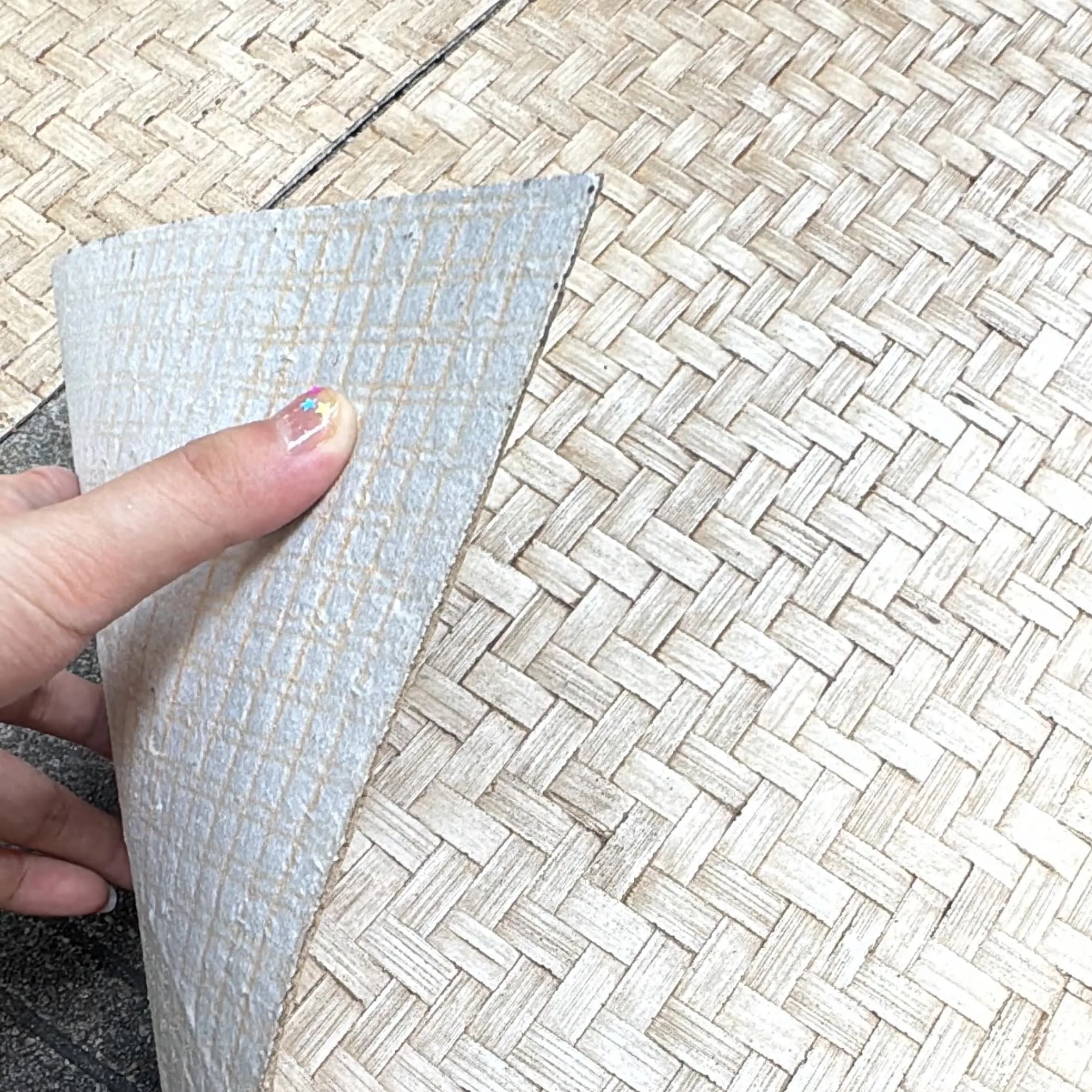
At first glance, Bamboo Mat Board might seem simple, but its beauty lies in its simplicity. Crafted from thin strips of bamboo woven into a mat-like panel, it offers a texture that's both tactile and visual. Run your hand over it, and you'll feel the gentle ridges of the woven strips; step back, and the interplay of light and shadow across its surface creates depth that flat paint or wallpaper can't match. Its color palette—think soft golden-browns, warm ambers, and hints of honey—adds a natural warmth that instantly softens a space, making customers feel welcome rather than overwhelmed.
But Bamboo Mat Board isn't just about looks. Sustainability is another feather in its cap. Bamboo is one of the fastest-growing plants on the planet, maturing in just 3–5 years, and it requires minimal water or pesticides to thrive. For brands prioritizing eco-consciousness—a value increasingly important to modern consumers—choosing bamboo sends a clear message: this brand cares about the planet, and that care extends to every detail of the shopping experience. It's a subtle yet powerful way to build trust, as customers often associate sustainable materials with quality and thoughtfulness.
Pro Tip: Bamboo Mat Board's versatility means it works in almost any retail setting. Whether your brand vibe is bohemian, Scandinavian, industrial, or coastal, its neutral tones and organic texture can adapt. Pair it with soft pastels for a serene feel, or contrast it with bold accents to make products pop—either way, it adds a layer of sophistication that feels intentional, not forced.
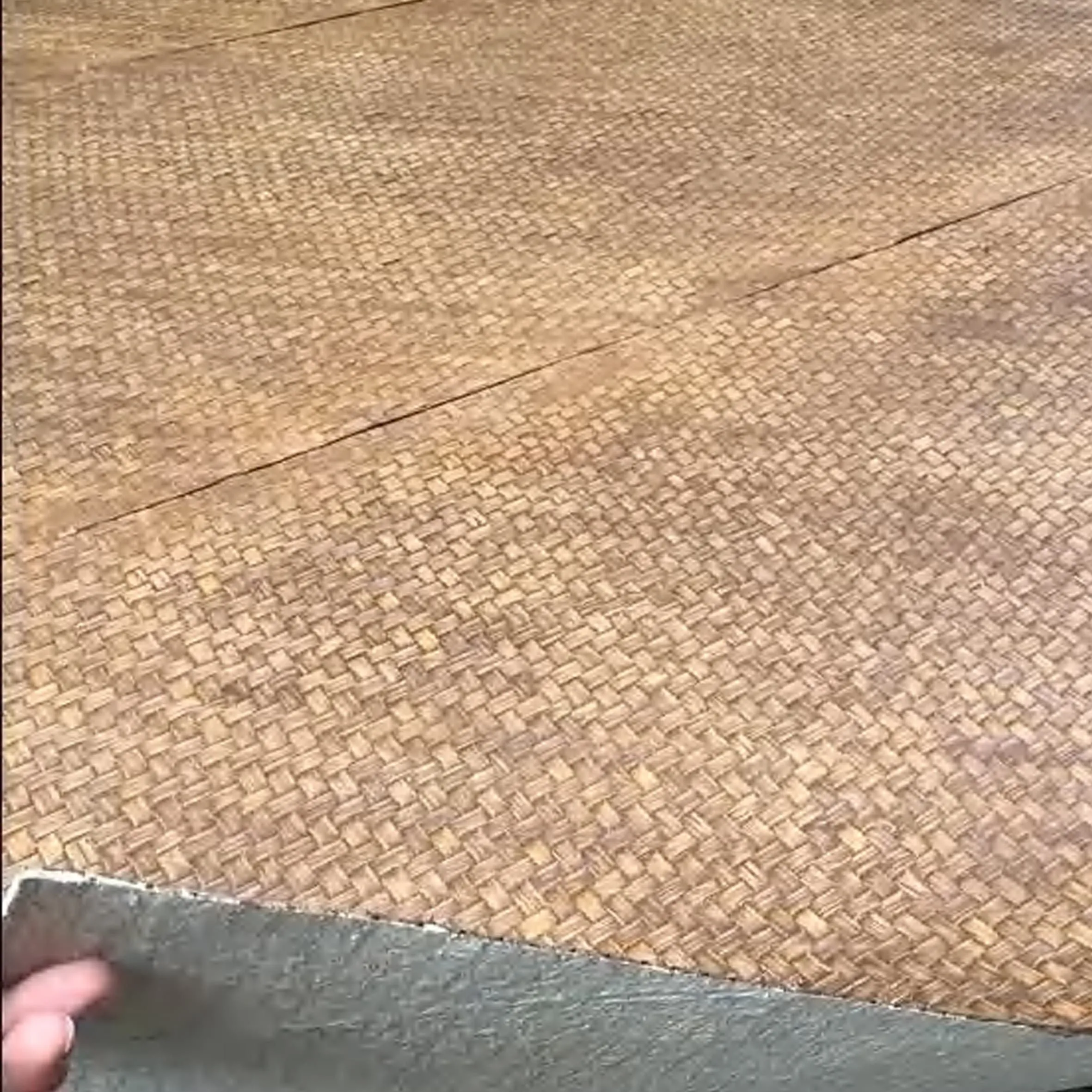
So, how exactly can retailers use Bamboo Mat Board to enhance their spaces? The possibilities are surprisingly endless, thanks to its flexibility and durability. Here are a few key applications:
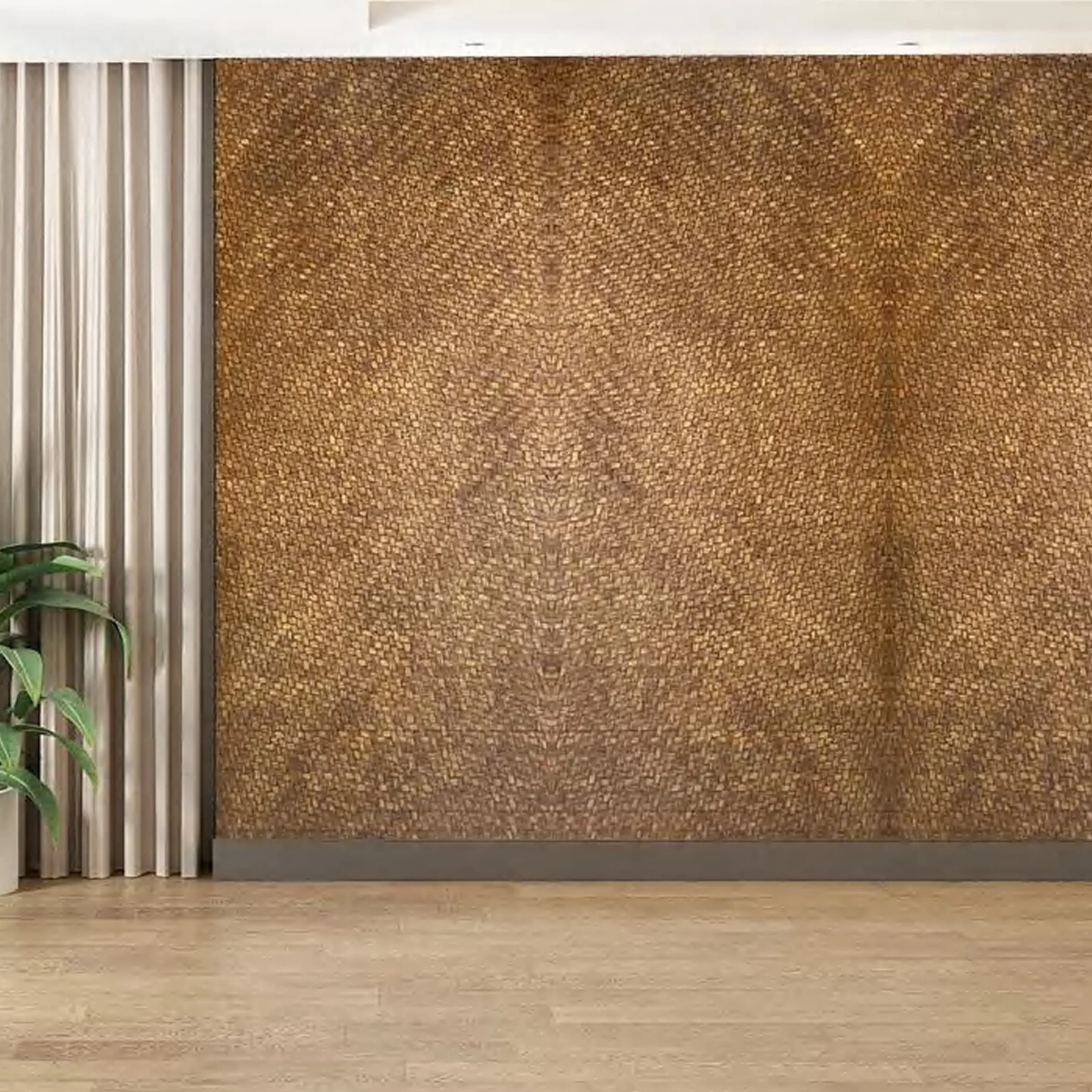
Feature Walls: A statement wall clad in Bamboo Mat Board instantly becomes a focal point. Imagine walking into a boutique where the back wall—behind the checkout counter or a curated product display—is covered in bamboo matting. The texture draws the eye, making the space feel dynamic without being cluttered. It's a great way to frame a brand logo or highlight a seasonal collection, turning a simple wall into a storytelling tool.
Fixtures and Displays: Shelving, product stands, and display tables made with Bamboo Mat Board add warmth to even the most utilitarian elements. For example, a cosmetics brand might use bamboo matting on the front of product shelves; the natural texture contrasts beautifully with sleek glass bottles, making the products feel more approachable. In a clothing store, bamboo-clad fitting room doors or bench seats add a touch of luxury, making the often-stressful task of trying on clothes feel more like a pampering experience.
Ceilings and Partitions: Bamboo Mat Board isn't limited to walls. Used on ceilings, it can soften harsh overhead lighting and create a cozy, cabin-like atmosphere—perfect for a café or a bookstore where customers are meant to linger. As room dividers or partitions, it adds privacy without closing off the space entirely, maintaining an open, airy feel while defining different zones (e.g., a checkout area vs. a product demo space).

One of the best things about Bamboo Mat Board is how well it plays with others. Retail design is all about balance, and pairing bamboo with complementary materials can elevate a space from "nice" to "unforgettable." Let's look at a few winning combinations:
For brands leaning into a earthy, rustic, or Scandinavian aesthetic, pairing Bamboo Mat Board with Wood Grain Board is a match made in design heaven. Wood Grain Board mimics the look of real wood with its visible grain patterns, and when combined with bamboo's woven texture, the result is a space that feels cohesive and deeply connected to nature. Imagine a home goods store where the walls are covered in Bamboo Mat Board, and the display shelves are made of Wood Grain Board in a slightly darker tone. The two materials complement each other, creating a layered look that feels both rich and relaxed. Customers browsing here might find themselves staying longer, drawn in by the sense of comfort—like shopping in a friend's thoughtfully decorated living room.
On the flip side, if a brand wants to balance warmth with a touch of modern edge, Fair-Faced Concrete is the perfect partner for Bamboo Mat Board. Fair-faced concrete—with its raw, industrial vibe and cool gray tones—creates a striking contrast against bamboo's warmth. This pairing works especially well for brands that blend organic and modern elements, like a high-end furniture store or a contemporary art gallery. Picture a space where one wall is smooth, gray Fair-Faced Concrete, and the adjacent wall is covered in Bamboo Mat Board. The concrete adds structure and sleekness, while the bamboo softens the edges, creating a space that feels both bold and inviting. It's a combination that tells customers, "We're forward-thinking, but we never lose sight of what feels human."
For brands with a coastal, tropical, or bohemian vibe, adding Bali Stone to the mix takes the natural aesthetic up a notch. Bali Stone, with its rough, weathered texture and earthy color palette (think sandy beiges, terracottas, and soft grays), complements bamboo's woven texture by adding a more rugged, outdoor-inspired element. Imagine a swimwear boutique where Bamboo Mat Board lines the changing room walls, and Bali Stone tiles cover the floor. The combination evokes a beachside cabana, making customers feel like they're on vacation—even if they're just picking up a new swimsuit. It's a sensory experience that goes beyond shopping; it's a mini getaway, and customers are far more likely to remember (and return to) a store that makes them feel that way.
| Material | Texture | Vibe | Best For |
|---|---|---|---|
| Bamboo Mat Board | Woven, ridged, tactile | Warm, organic, sustainable | Feature walls, display fixtures, ceilings |
| Wood Grain Board | Smooth with visible wood grain | Rustic, cozy, timeless | Shelving, countertops, accent walls |
| Fair-Faced Concrete | Smooth, raw, industrial | Modern, sleek, edgy | Statement walls, floors, structural elements |
| Bali Stone | Rough, weathered, natural | Tropical, earthy, rugged | Floors, outdoor-indoor transitions, accent niches |
At the end of the day, retail design is about more than aesthetics—it's about creating experiences that keep customers coming back. Bamboo Mat Board contributes to this in ways both subtle and significant:
Reducing Stress, Increasing Comfort: Natural materials like bamboo have been shown to have a calming effect on the brain. In a world where customers are bombarded with stimuli—bright screens, loud ads, endless choices—stepping into a space with Bamboo Mat Board can feel like a breath of fresh air. The soft texture and warm tones reduce visual noise, helping customers relax and focus on what matters: the products and the brand. A relaxed customer is more likely to explore, ask questions, and make a purchase.
Creating Memorable Moments: In a sea of generic retail spaces, texture and uniqueness stick in the mind. A customer might forget the exact price of a product, but they'll remember how a store felt . Bamboo Mat Board's tactile quality makes the space more memorable—whether it's the feeling of the woven wall as they brush past it, or the way the light filters through the matting in the afternoon. These small, sensory details turn a routine shopping trip into a memorable experience, increasing the odds of word-of-mouth referrals and repeat visits.
Aligning with Brand Values: For brands that prioritize sustainability, craftsmanship, or authenticity, Bamboo Mat Board isn't just a design choice—it's a statement. It tells customers, "We care about the planet, and we care about you." In a market where consumers increasingly support brands with purpose, this alignment can turn casual shoppers into loyal fans. When a customer sees that a brand has invested in thoughtful, sustainable materials, they're more likely to trust that the products themselves are made with the same care.
Let's paint a picture of how Bamboo Mat Board can transform a retail space. Imagine a small women's clothing boutique in a busy city neighborhood. Before renovation, the space was functional but forgettable: white walls, generic shelving, and harsh fluorescent lighting. Customers would pop in, grab what they needed, and leave—rarely lingering or browsing beyond their initial target.
The owner wanted to create a space that felt more personal, a place where customers would want to stay and chat, or return just to "hang out." The designer recommended cladding one entire wall in Bamboo Mat Board, replacing the generic shelving with custom units made from Bamboo Mat Board and Wood Grain Board, and adding warm pendant lights to highlight the texture of the bamboo. They also added a small seating area with a bamboo-clad bench and throw pillows in earthy tones, creating a cozy nook where customers could rest while their friends shopped.
The result? Within months, foot traffic increased by 30%, and average time spent in the store doubled. Customers raved about how "welcoming" and "unique" the space felt, with many mentioning the bamboo wall specifically as a reason they'd tell their friends. The boutique even started hosting small events—like trunk shows and styling workshops—in the seating nook, turning the store into a community hub. All from a simple material choice: Bamboo Mat Board.
In the end, retail design is about connection. It's about creating spaces that don't just sell products, but sell feelings—comfort, joy, belonging, excitement. Bamboo Mat Board, with its natural texture, warm tones, and sustainable story, is a powerful tool for building those connections. It's not just a material; it's a catalyst for experiences that turn first-time shoppers into lifelong customers.
Whether paired with Wood Grain Board for a cozy vibe, Fair-Faced Concrete for modern edge, or Bali Stone for a tropical escape, Bamboo Mat Board adapts, elevates, and transforms. It reminds us that in a world of digital transactions, the physical retail space still has the power to surprise, delight, and make us feel truly seen. And in the end, isn't that what great retail is all about?
Recommend Products












