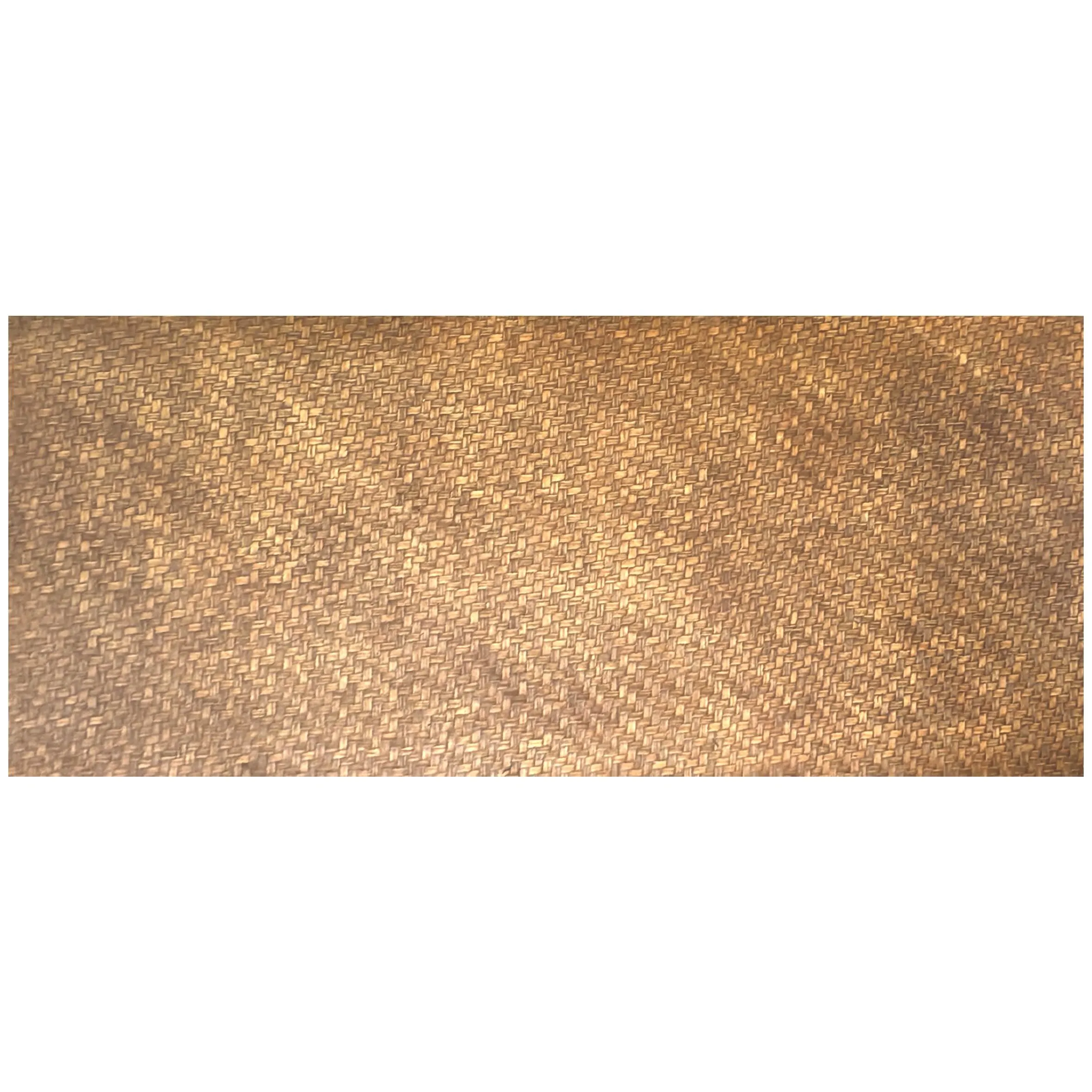
Picture this: It's 6 PM on a Tuesday at CityFit Gym, and the post-work rush is in full swing. A high-energy spin class just ended, spilling 30 sweaty cyclists into the lobby. Down the hall, the basketball court is packed with a pickup game, sneakers screeching as players pivot and jump. In the weight room, dumbbells clang onto the floor, and a group of runners pounds the treadmill deck, their strides sending tiny vibrations through the building. By 9 PM, when the gym finally quiets down, the floors have endured hours of relentless activity—scuffs from shoes, drops from equipment, and the constant shuffle of feet. For facility manager Maria, this scene plays out daily, and there's one question always on her mind:
How long can these floors keep up before we need to replace them?
The Hidden Hero of Sports Flooring: Why Material Matters More Than You Think
Sports facilities are the unsung workhorses of community health and fitness. From local gyms to professional stadiums, they're designed to bring people together—whether for a morning yoga class, a high school basketball game, or a weekend marathon training session. But here's the catch: All that activity takes a toll, especially on the floors. Heavy foot traffic is just the start. Add in dropped weights, moisture from sweat or rain, and the need for non-slip surfaces to prevent injuries, and it's clear: Not all flooring materials are created equal.
For years, facility managers like Maria have cycled through options, hoping to strike a balance between durability, safety, and aesthetics. Some have leaned on tough-but-cold materials like
fair-faced concrete, which can handle wear but feels harsh underfoot and becomes dangerously slippery when wet. Others have opted for warmer options like
wood grain board, which adds a cozy, natural vibe but scratches easily and warps with moisture. And then there are the high-maintenance choices—marble,
travertine (beige), or even polished concrete—that look stunning but require constant sealing and touch-ups to stay in shape. It's a never-ending cycle of trade-offs.
Meet Bamboo Mat Board: More Than Just a Pretty Surface
Enter
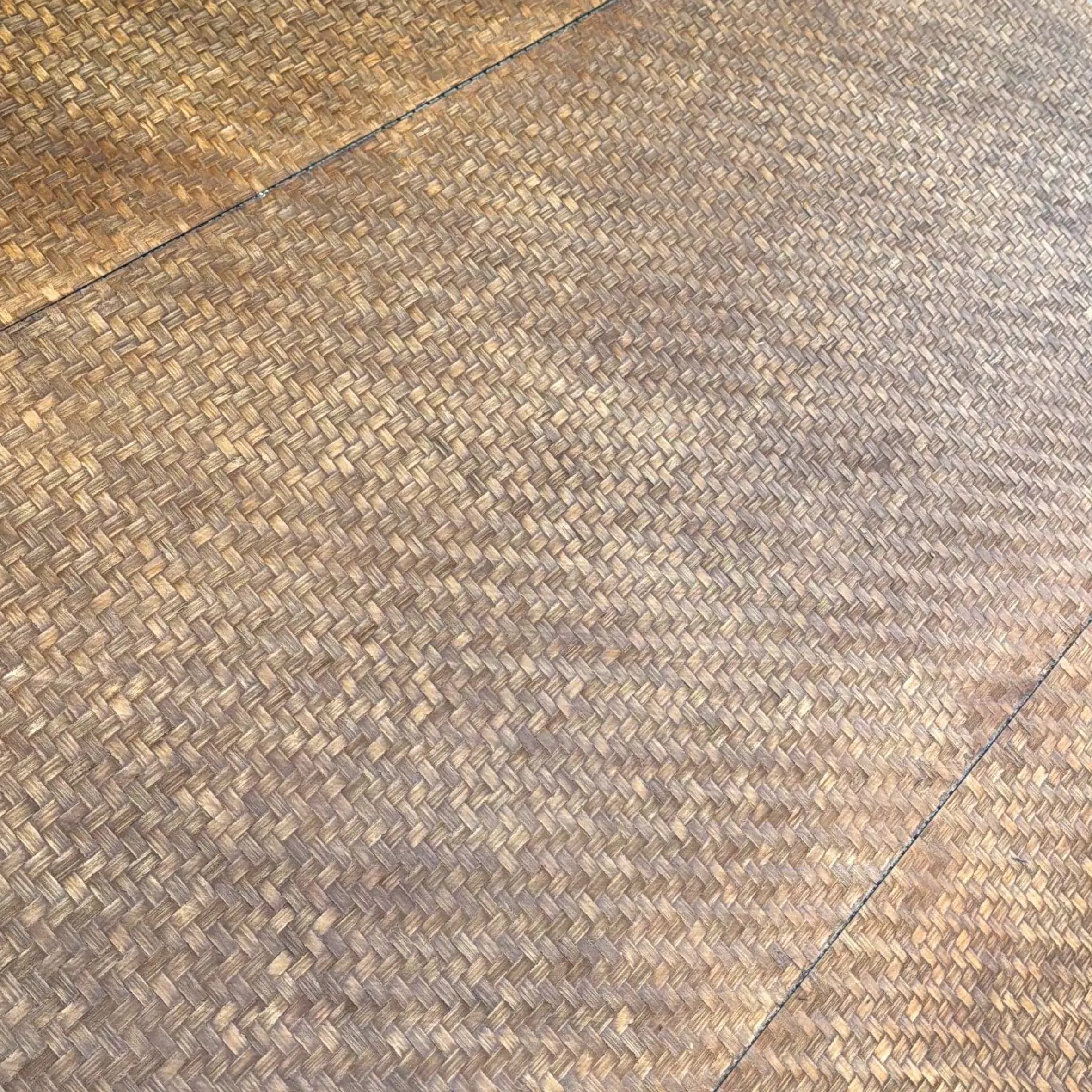
bamboo mat board—a material that's quietly revolutionizing how we think about sports facility flooring. At first glance, it might seem like just another "natural" option, but dig deeper, and you'll find a product engineered to tackle the unique challenges of high-traffic spaces. So, what exactly is it?
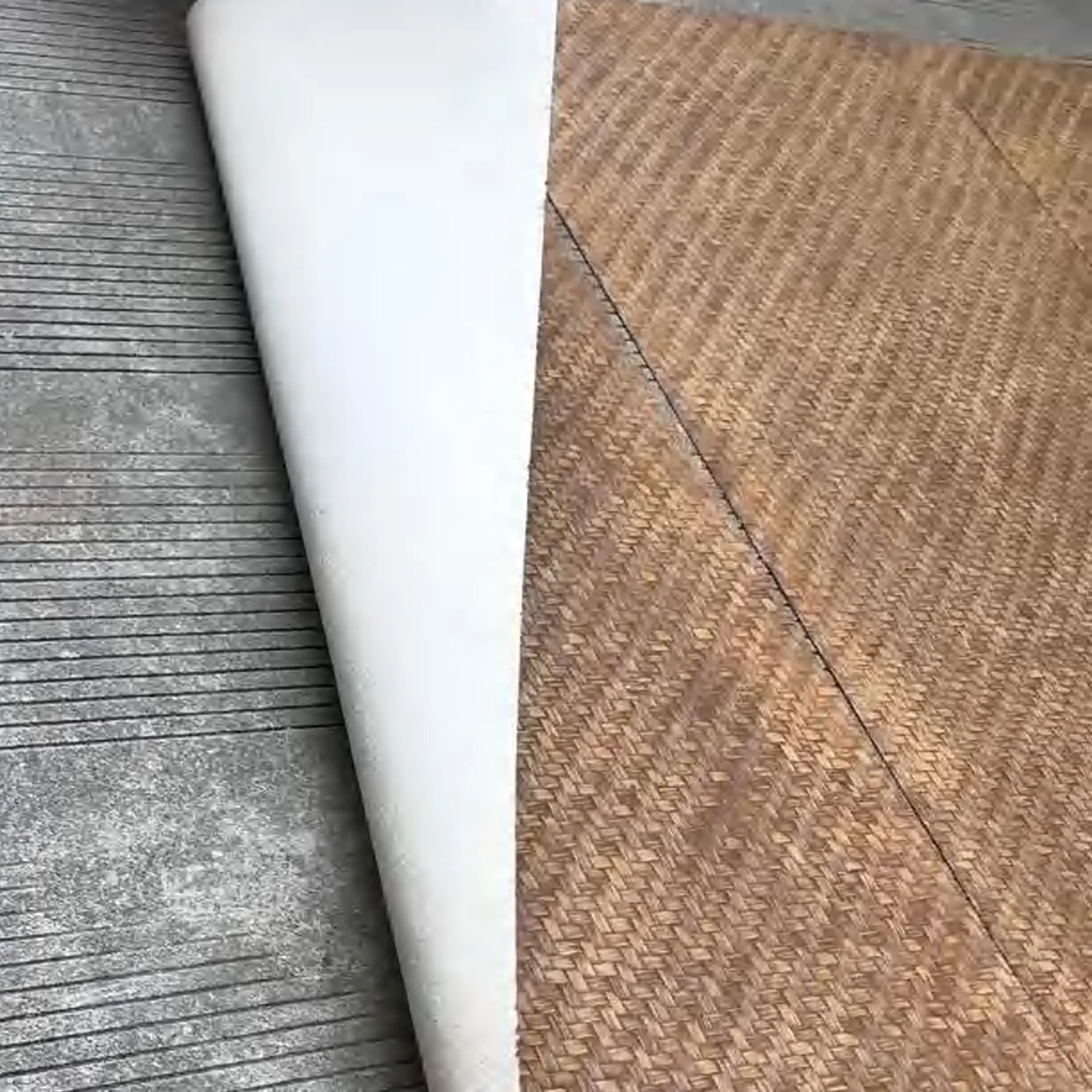
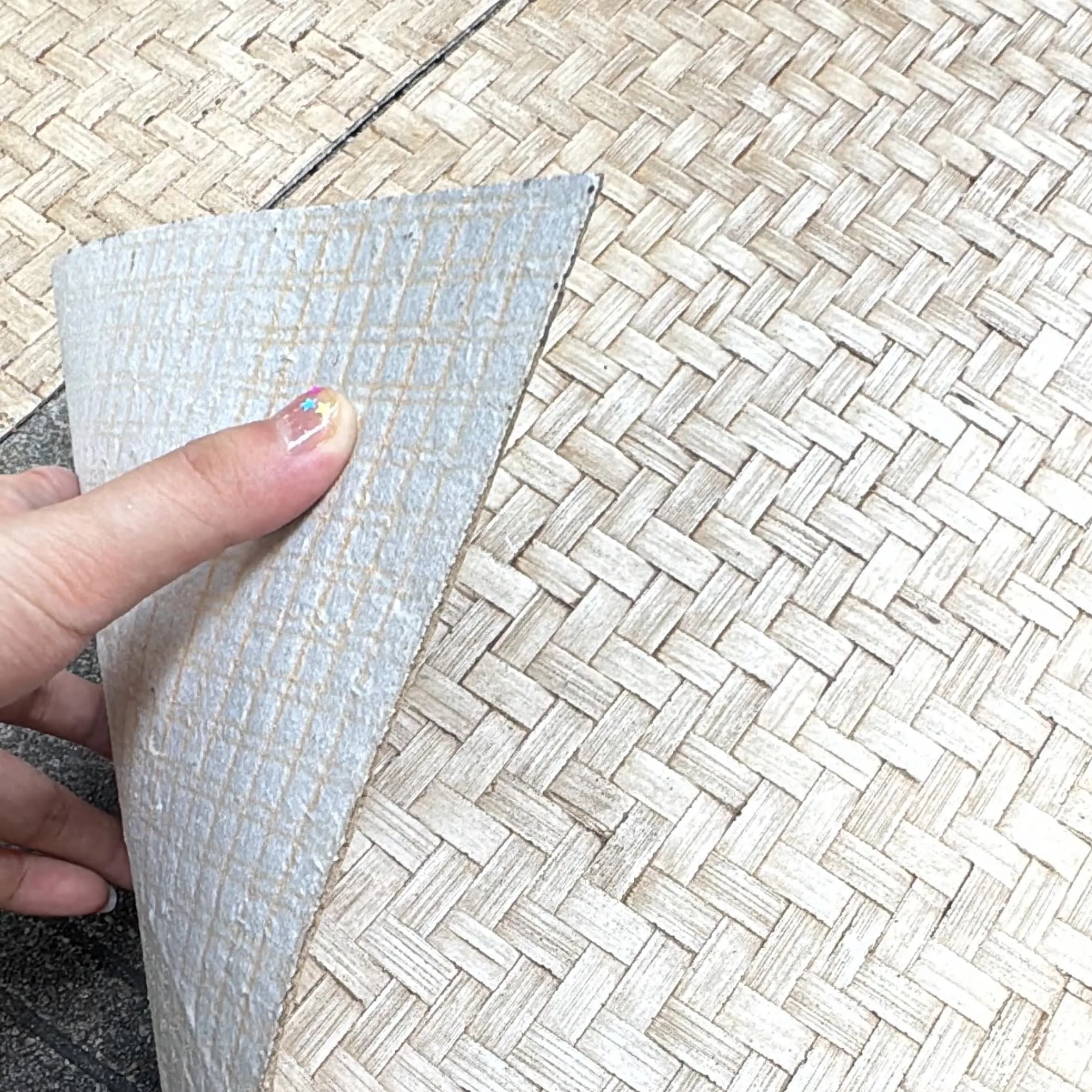
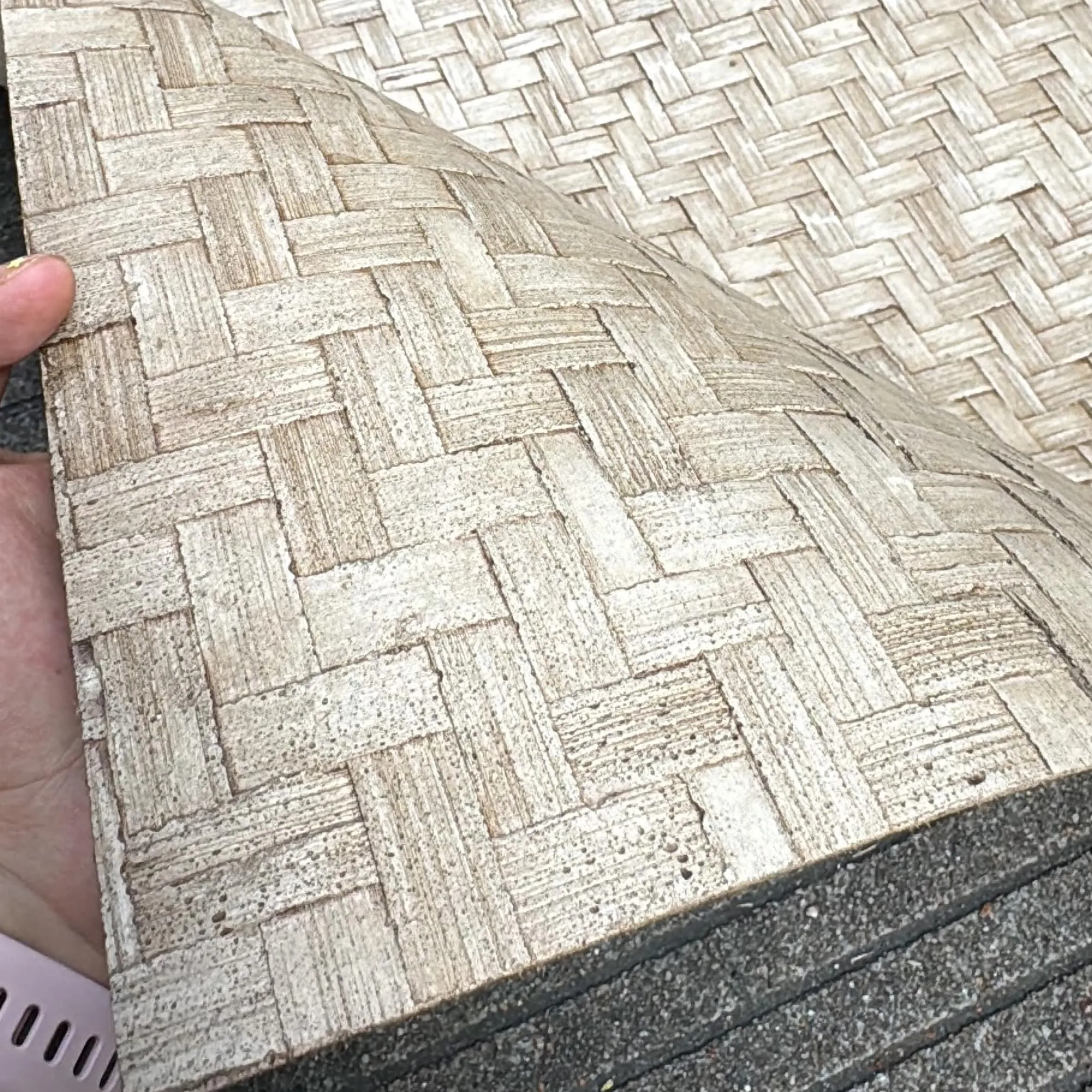
Bamboo mat board is a composite flooring material that blends the strength of bamboo fibers with eco-friendly binders, creating a surface that's flexible yet surprisingly tough. Think of it as the best of both worlds: the warmth and texture of natural wood, paired with the durability of modern engineering.
What sets it apart? Unlike traditional wood or even some composite materials,
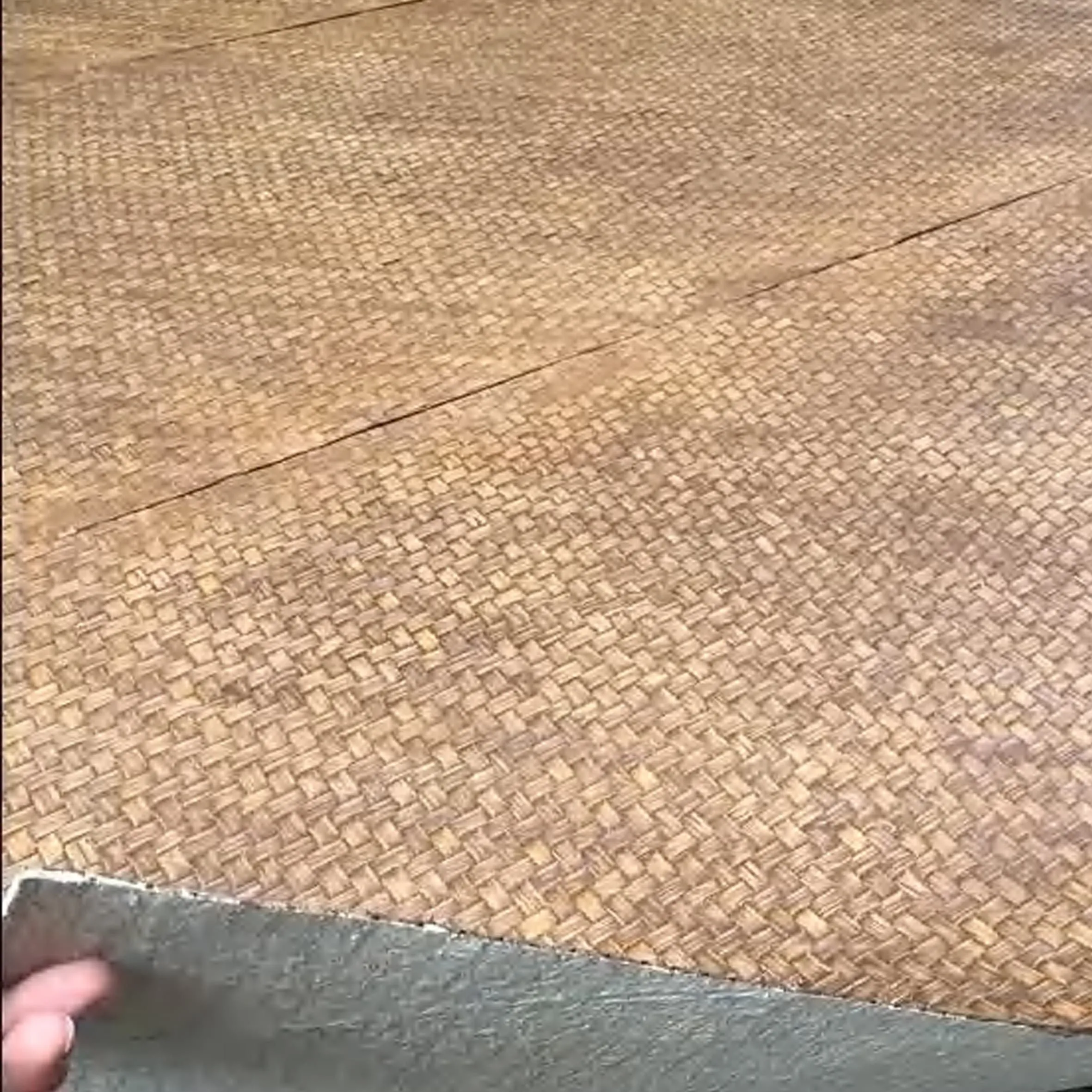
bamboo mat board isn't prone to warping, cracking, or splintering—common issues in humid gym environments or outdoor stadium concourses. It's also designed with sports-specific needs in mind: a subtly textured surface that offers grip without feeling rough, and a slight flexibility that absorbs impact (good news for both athletes' joints and the floor itself). And here's a bonus for the eco-conscious: Bamboo is one of the fastest-growing plants on Earth, making this material a sustainable alternative to hardwoods or synthetic flooring.
What Makes Bamboo Mat Board Stand Out? Let's Break It Down
Let's get specific. Why should a facility manager swap their current flooring for
bamboo mat board? Let's start with the obvious:
durability
. Bamboo fibers are naturally resistant to scratches and dents, thanks to their high density. In lab tests,
bamboo mat board has withstood over 100,000 cycles of foot traffic (that's like having 1,000 people walk over the same spot every day for a year) with minimal visible wear. Compare that to standard
wood grain board, which often shows scuffs after just a few months of heavy use, and it's easy to see why this material is gaining traction.
Then there's
safety
—a non-negotiable in sports spaces.
Bamboo mat board's surface is treated with a low-gloss, slip-resistant finish that stays grippy even when wet. Maria, the gym manager we met earlier, tested it in her facility's locker room area last year, where tile floors used to become slick with water after showers. "We used to have a slip incident almost monthly," she says. "Since switching to
bamboo mat board, we haven't had a single one. It's a game-changer for peace of mind."
And let's not forget
sustainability
. In an era where communities are prioritizing eco-friendly businesses,
bamboo mat board checks that box, too. Bamboo grows without pesticides, requires minimal water, and regenerates quickly—unlike hardwood trees, which can take decades to mature. For facilities aiming to earn green certifications (like LEED), this material is a no-brainer.
Finally, there's
aesthetics
. Let's be honest: Sports facilities don't have to be boring.
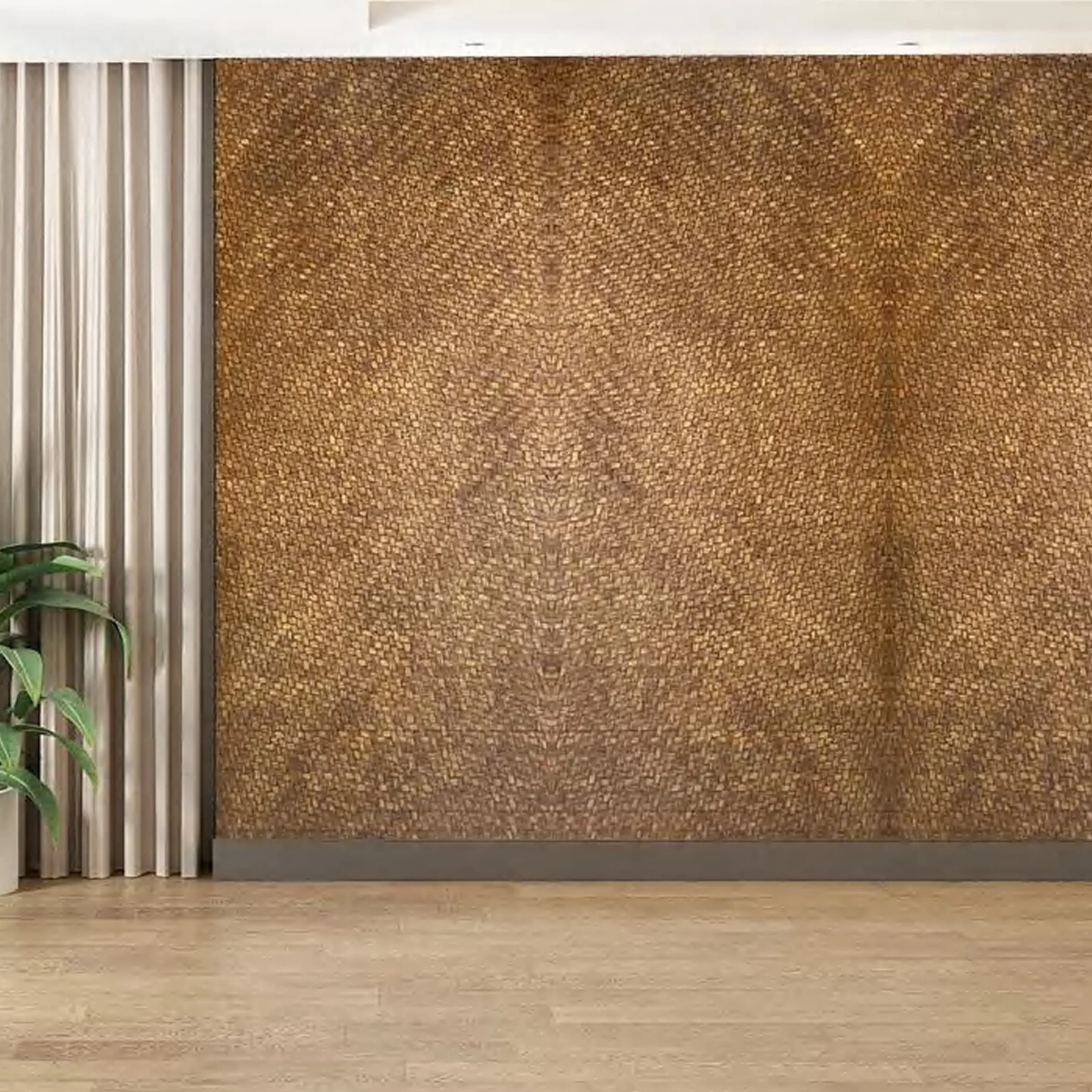
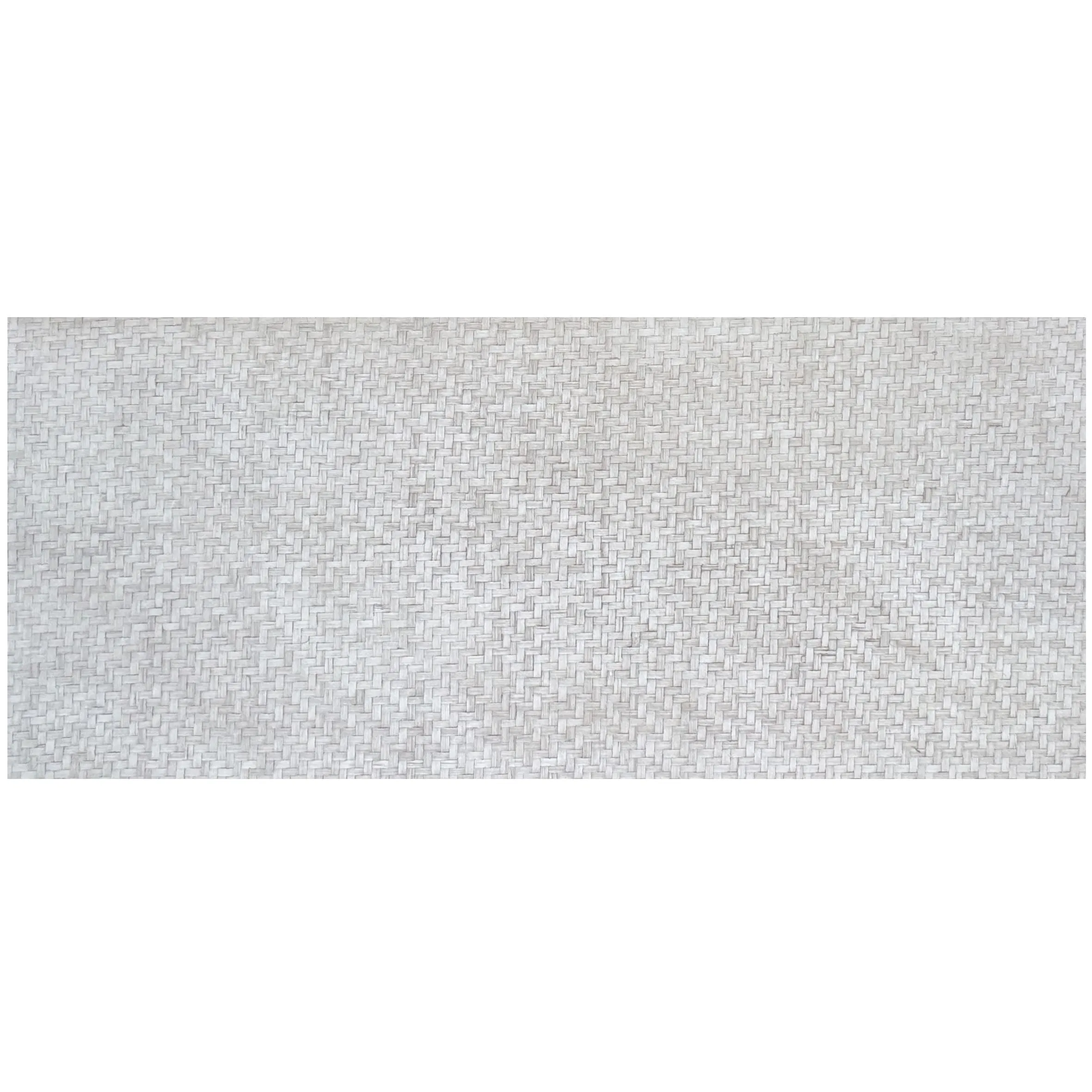
Bamboo mat board comes in a range of natural tones—warm honey, rich amber, soft cream—that add warmth to otherwise sterile spaces. Unlike
fair-faced concrete, which can feel cold and industrial,
bamboo mat board invites people in, making gyms and stadiums feel more welcoming. "Our members have commented on how much brighter the cardio area feels now," Maria notes. "It's subtle, but it makes a difference in how people perceive the space."
How Does It Stack Up Against Other Go-To Materials? Let's Compare
Still on the fence? Let's put
bamboo mat board head-to-head with two common alternatives:
fair-faced concrete (a staple for its toughness) and
wood grain board (a favorite for its natural look). We'll break down key factors that matter most to facility managers: durability, slip resistance, installation ease, maintenance, and cost.
|
Feature
|
Bamboo Mat Board
|
Fair-Faced Concrete
|
Wood Grain Board
|
|
Durability (Scratch/Dent Resistance)
|
High: Withstands heavy foot traffic and equipment drops; minimal wear over time.
|
Very High: Resistant to scratches but prone to cracking if not sealed properly.
|
Medium: Susceptible to dents from heavy objects; warps with moisture.
|
|
Slip Resistance
|
Excellent: Textured surface maintains grip even when wet (ideal for locker rooms, poolsides).
|
Poor: Smooth finish becomes slippery with moisture; requires anti-slip treatments.
|
Good: Natural texture helps, but can become slick if polished or wet.
|
|
Installation Ease
|
Easy: Lightweight planks click together; can be installed over existing subfloors.
|
Difficult: Requires professional pouring and curing; longer installation time.
|
Moderate: Needs careful acclimation to avoid warping; nails or glue required.
|
|
Maintenance
|
Low: Sweep or damp mop weekly; occasional resealing every 3–5 years.
|
High: Needs annual sealing; stains easily if spills aren't cleaned immediately.
|
Moderate: Regular polishing and sealing; prone to water damage if not treated.
|
|
Cost (Initial + Long-Term)
|
Mid-Range: Higher upfront than concrete, but lower long-term due to minimal replacement needs.
|
Low-Mid: Cheap upfront, but high maintenance and replacement costs over time.
|
Mid-Range: Similar upfront to bamboo, but higher replacement costs (needs replacing every 5–7 years).
|
The verdict?
Fair-faced concrete is tough, but its cold, slippery nature makes it a poor fit for most sports spaces.
Wood grain board is warm and inviting, but it can't keep up with the demands of heavy traffic.
Bamboo mat board, on the other hand, balances durability, safety, and aesthetics—all while keeping long-term costs in check.
Where Bamboo Mat Board Shines: Real-World Applications
Bamboo mat board isn't just a theoretical solution—it's already making waves in facilities across the country. Let's take a look at where it's proving most valuable:
1. Gym Weight Rooms: Handling the "Dumbbell drop Test"
At PowerLift Gym in Denver, CO, the weight room was a nightmare for flooring. "We had rubber mats before, but they'd tear when someone dropped a 50-pound dumbbell," says owner Jake. "Then we tried wood grain board, and it got dented so badly, members started complaining about uneven surfaces." Last year, they switched to bamboo mat board. "Six months in, and you can barely tell it's been used," Jake laughs. "The boards absorb the impact, and the surface doesn't scratch—even when someone drags a bench across it."
2. Indoor Basketball Courts: Grip Without the Squeak
Indoor courts need flooring that lets players pivot and jump without slipping, but traditional options like polished concrete or even some woods can be too slick. At Lincoln High School in Portland, the old maple floors were warping, and players kept sliding during games. "We installed bamboo mat board last summer, and the feedback has been amazing," says athletic director Mark. "The texture gives just enough grip—no more slips—but it's still smooth enough for fast breaks. Plus, it doesn't squeak like the old floors did. The team loves it."
3. Stadium Concourses: Beauty Meets Brawn
Outdoor stadiums face a unique challenge: weather. Rain, snow, and UV rays can degrade flooring quickly. When the Riverfront Stadium in St. Louis renovated its concourses last year, they chose bamboo mat board for its weather resistance. "We wanted something that looked nice—natural, warm—but could handle thousands of wet, muddy boots on game days," says project manager Lisa. "So far, it's held up perfectly. Even after a rainstorm, the surface stays grippy, and the color hasn't faded in the sun. It's like having a wooden floor that's built for the outdoors."
Caring for Bamboo Mat Board: Simple Steps for Longevity
One of the biggest perks of
bamboo mat board? It's low-maintenance—music to the ears of busy facility managers. Here's how to keep it looking fresh for years:
Daily Care:
Sweep or vacuum regularly to remove dirt and debris (small particles can scratch the surface over time). For spills, wipe them up immediately with a damp cloth—
bamboo mat board is water-resistant, but standing water can seep into seams if left unattended.
Weekly Maintenance:
Mop with a mild, pH-neutral cleaner (avoid harsh chemicals like bleach or ammonia, which can strip the finish). A microfiber mop works best—no need for heavy scrubbing.
Annual Check-Up:
Every 3–5 years, apply a fresh coat of sealant to protect the surface from stains and moisture. This is a quick, DIY-friendly process (no need to hire professionals), and it'll extend the life of your floors significantly.
The Future of Sports Flooring: Why Bamboo Mat Board Isn't Just a Trend
As sports facilities evolve—becoming more community-focused, eco-friendly, and tech-savvy—flooring materials are evolving, too.
Bamboo mat board fits perfectly into this future. It's sustainable, durable, and designed with people in mind—whether you're a gym-goer chasing a personal best or a facility manager trying to stretch a budget.
And it's not alone. Innovations like
MCM flexible stone (a lightweight, durable material used in exterior cladding) are paving the way for more resilient, eco-friendly building materials across the board. But for sports flooring,
bamboo mat board stands out as a solution that doesn't just meet the demands of today—it anticipates the needs of tomorrow.
Final Thoughts: Investing in Floors That Keep Up With Your Community
At the end of the day, sports facilities are about people—coming together, pushing limits, and building healthier lives. The floors beneath their feet might seem like a small detail, but they play a big role in making those moments possible. For Maria, the gym manager, switching to
bamboo mat board wasn't just about saving money on replacements (though that's a nice bonus). It was about creating a space where members feel safe, comfortable, and inspired to keep coming back.
So, if you're a facility manager, coach, or community leader looking to upgrade your space, consider this: Flooring isn't an expense—it's an investment. And with
bamboo mat board, it's an investment that pays off in durability, safety, and smiles. After all, when your floors can keep up with the chaos, everyone wins.