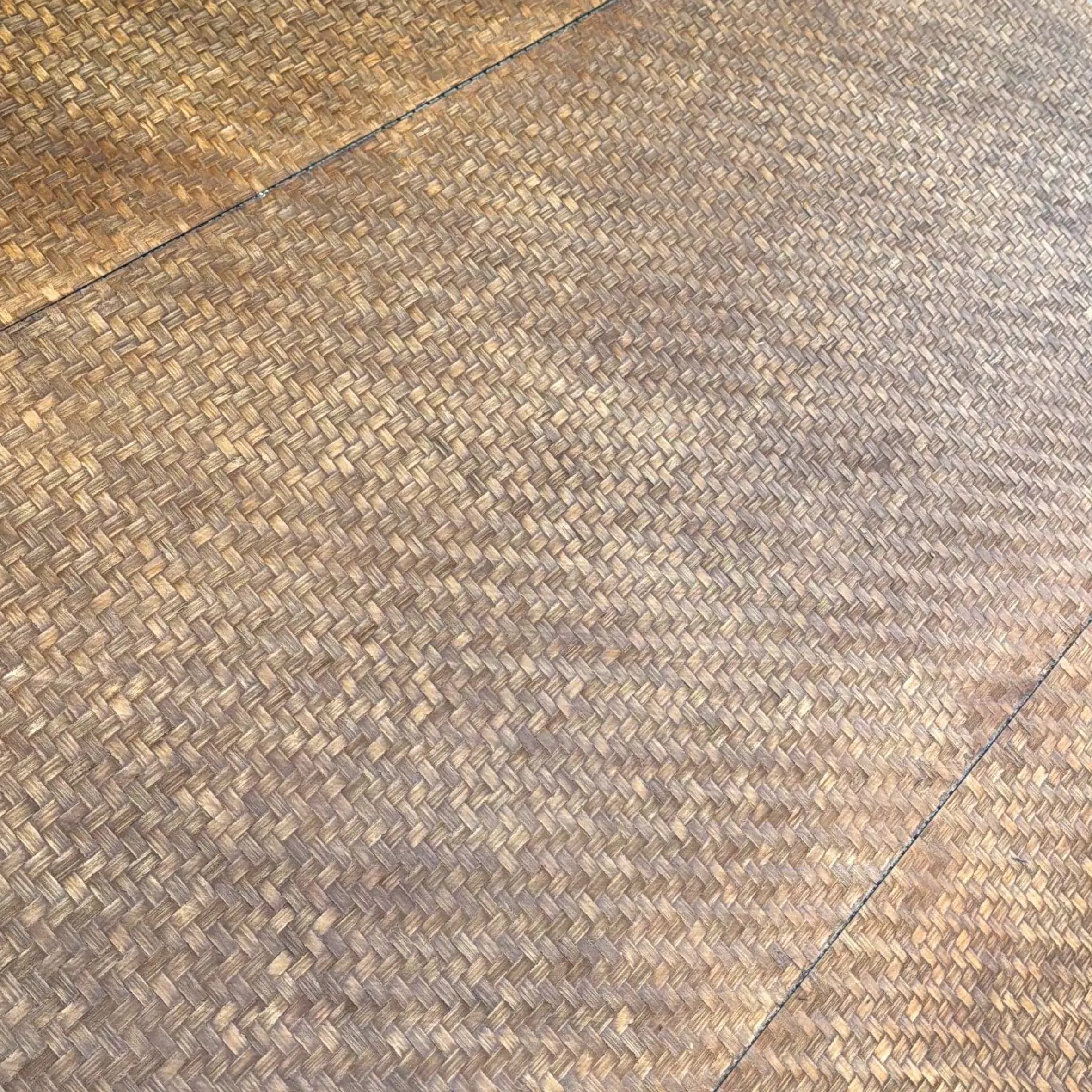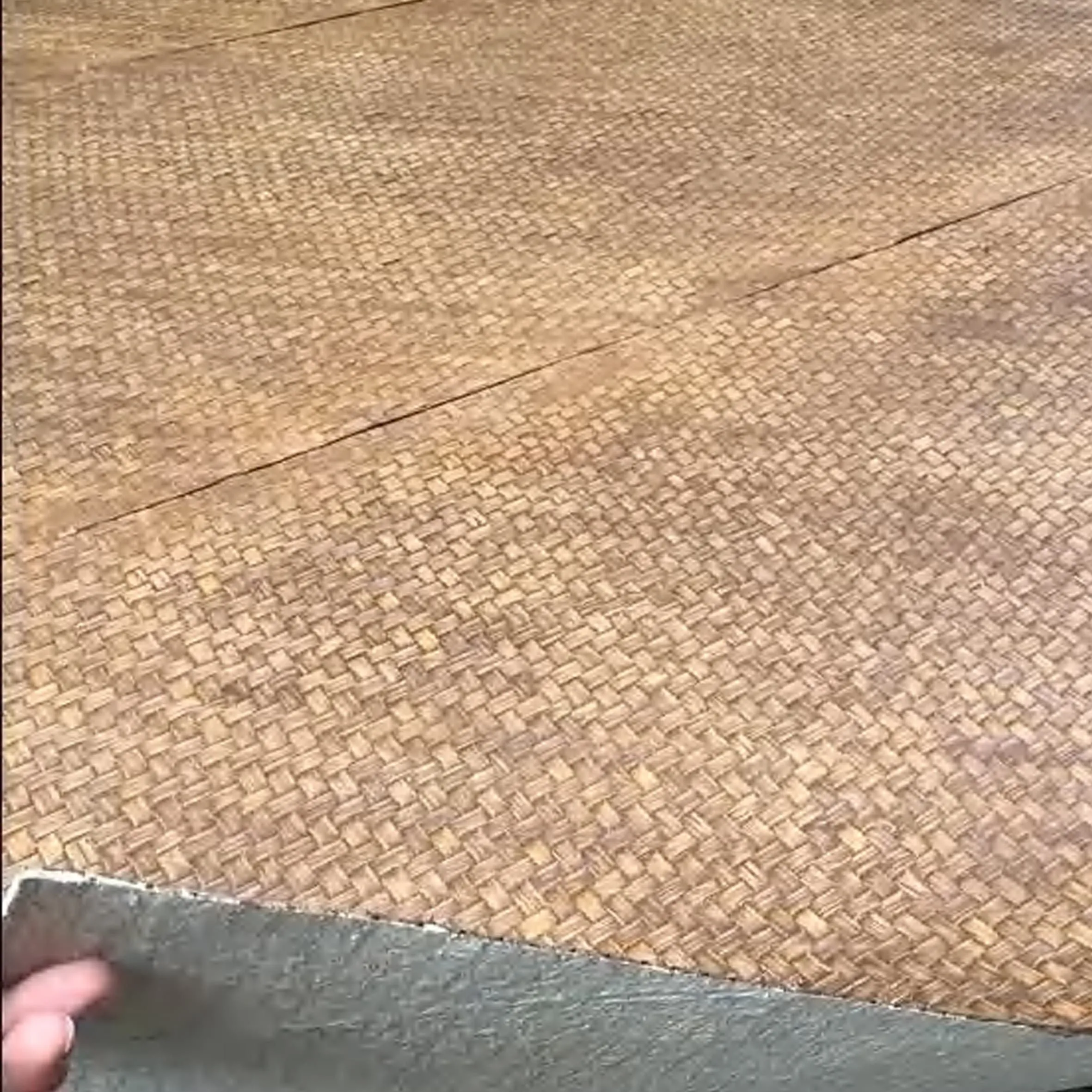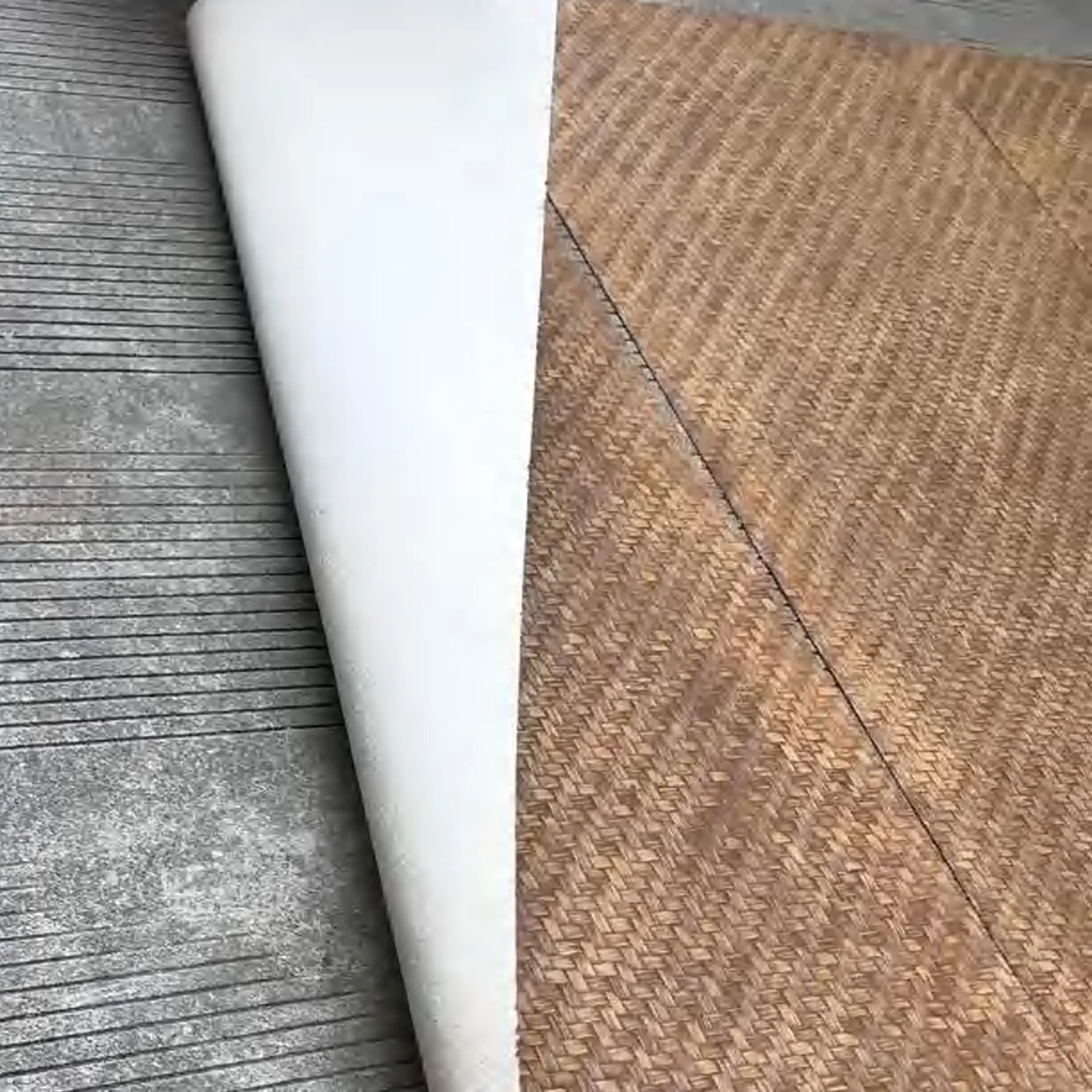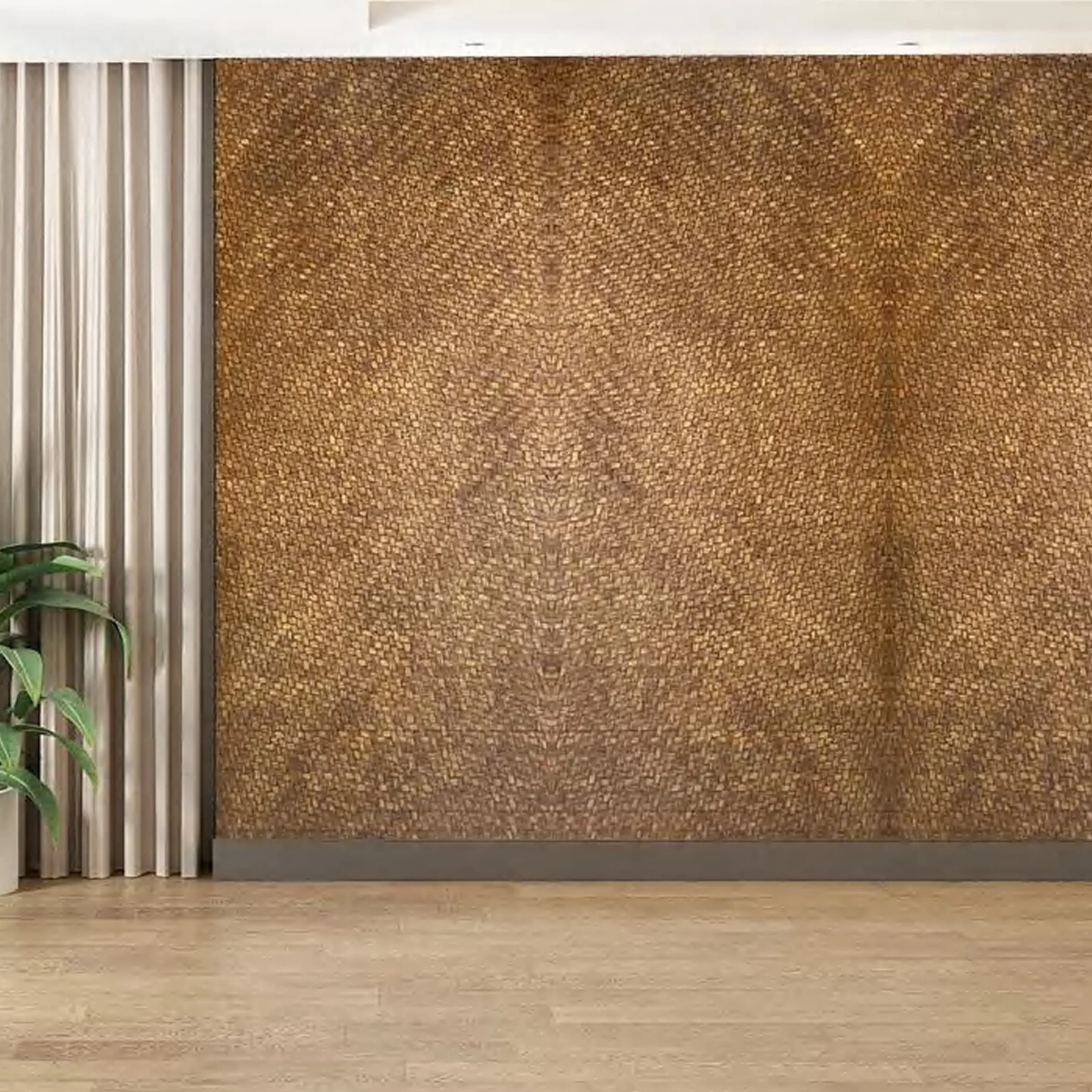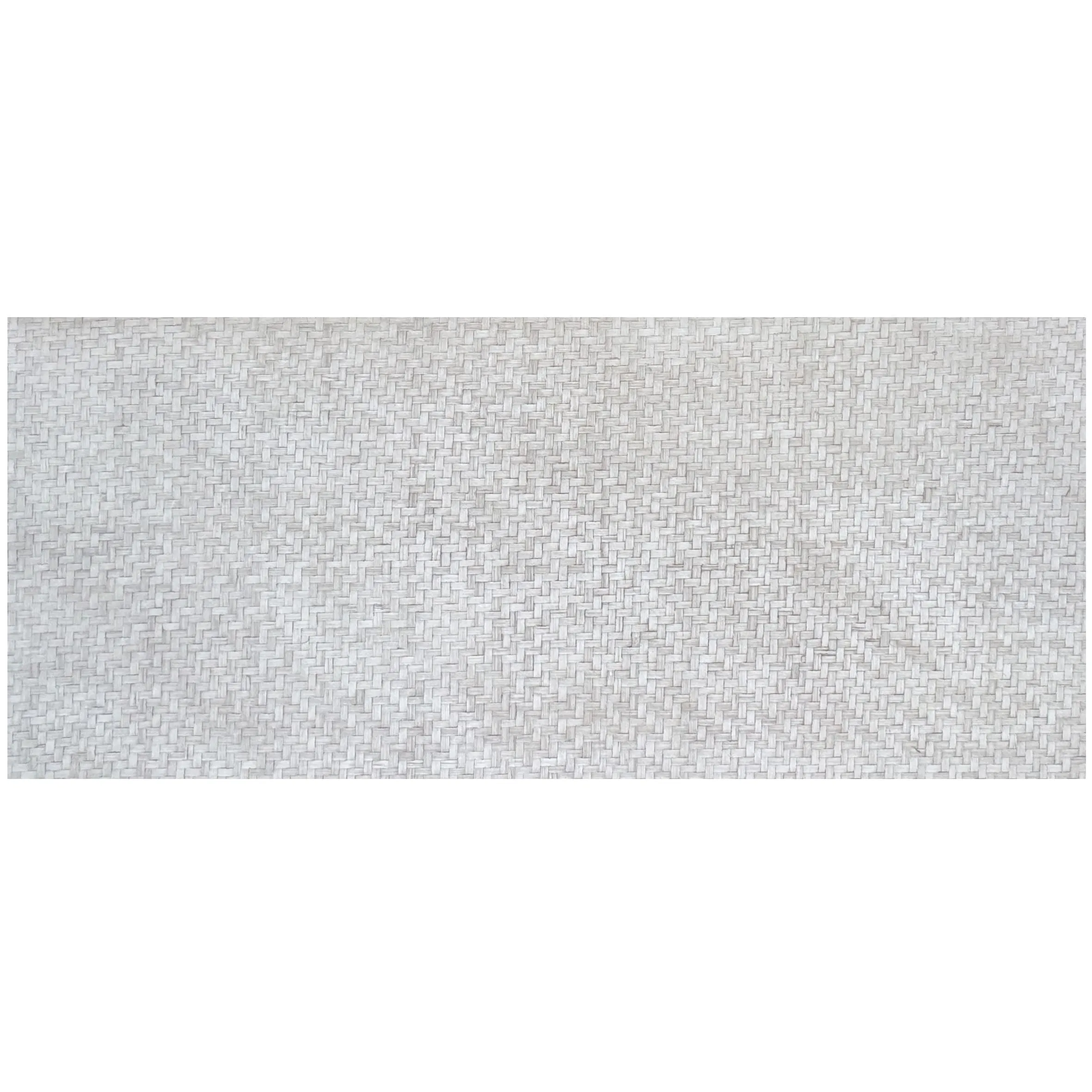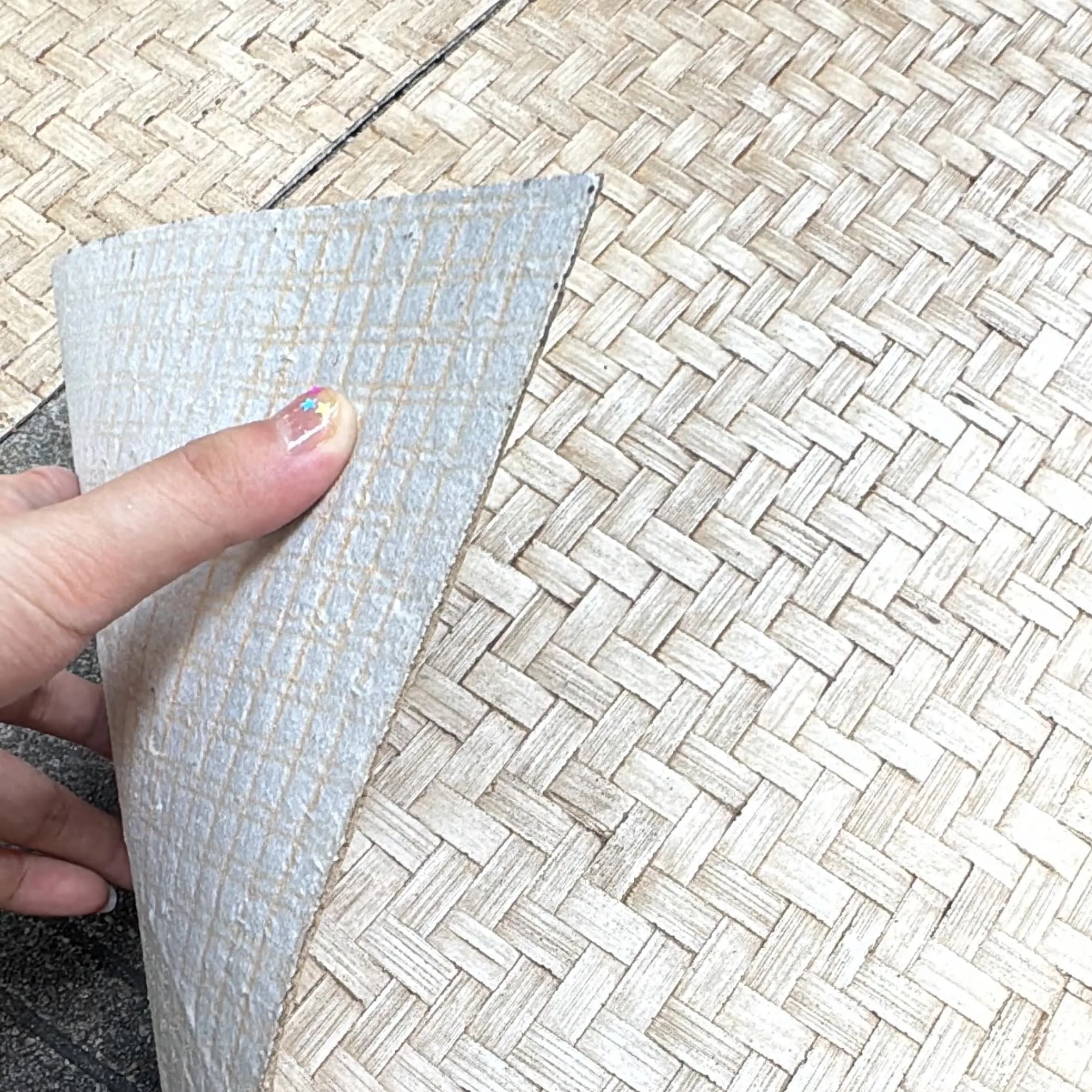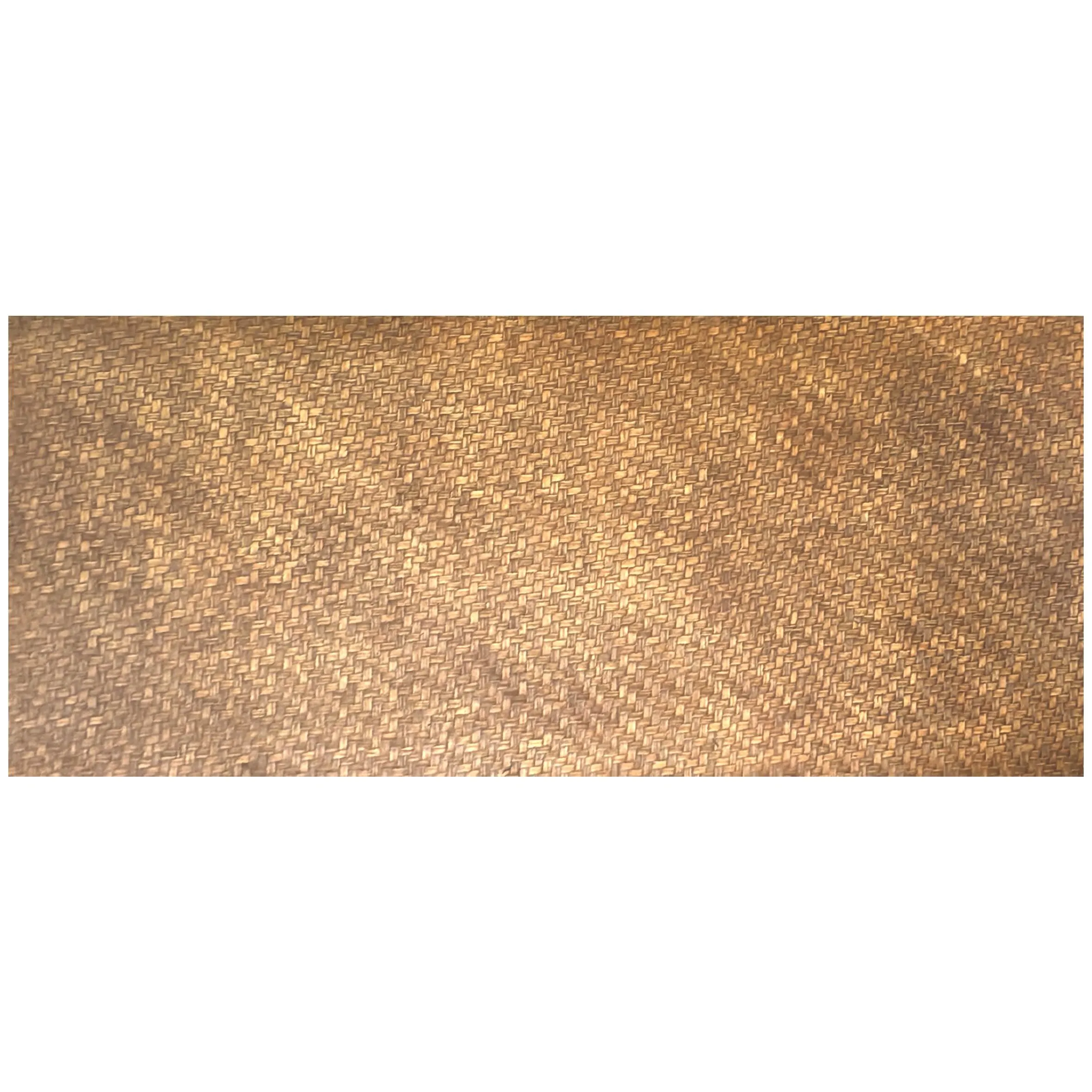
At first glance, bamboo mat board might sound like a niche product, but its rise in global construction isn't accidental. Made by compressing layers of bamboo strips with eco-friendly adhesives, it's a lightweight yet surprisingly robust material that marries the warmth of natural wood with the resilience needed for commercial and residential builds. For Saudi companies, its appeal lies in three key areas: sustainability, performance, and design flexibility.
Sustainability is no longer a buzzword in Saudi construction—it's a mandate. With Vision 2030 emphasizing green building practices, bamboo mat board checks a critical box: bamboo grows 30 times faster than hardwoods, requires no pesticides, and absorbs more carbon dioxide than most trees. For projects aiming for LEED or Estidama certification, this can be a game-changer.
Then there's performance. Saudi Arabia's harsh climate—scorching summers, occasional sandstorms, and low humidity—demands materials that resist warping, fading, and moisture damage. Bamboo mat board, when properly treated, boasts high thermal stability (it handles temperatures up to 60°C without deforming) and natural resistance to pests, a common issue with traditional wood in arid regions. Its lightweight nature also cuts down on transportation costs and eases installation, a boon for tight project timelines.
Design-wise, bamboo mat board offers a warm, organic texture that contrasts beautifully with modern materials like glass and steel. Whether used for cladding, partitions, or accent walls, it adds a touch of nature to urban spaces—a trend Saudi developers are increasingly embracing to create more livable environments.