
Picture a winter day in northern Minnesota: the thermometer dips to -20°F, snowdrifts pile against windows, and the wind howls like a restless animal. Inside, though, a different story unfolds—warmth wraps around you like a well-loved blanket, the kind that makes you want to sip hot cocoa and linger by the fire. What separates a drafty, energy-guzzling home from one that feels like a cozy sanctuary? Often, it starts with the walls. In cold climates, where heating bills can spike and frost can seep into even the tiniest cracks, choosing the right cladding material isn't just about aesthetics—it's about survival, comfort, and sustainability. Enter bamboo mat board: a material that's been quietly gaining attention for its surprising ability to blend natural beauty with hardworking insulation. Let's dive into why this humble, plant-based product might just be the unsung hero of cold-weather construction.
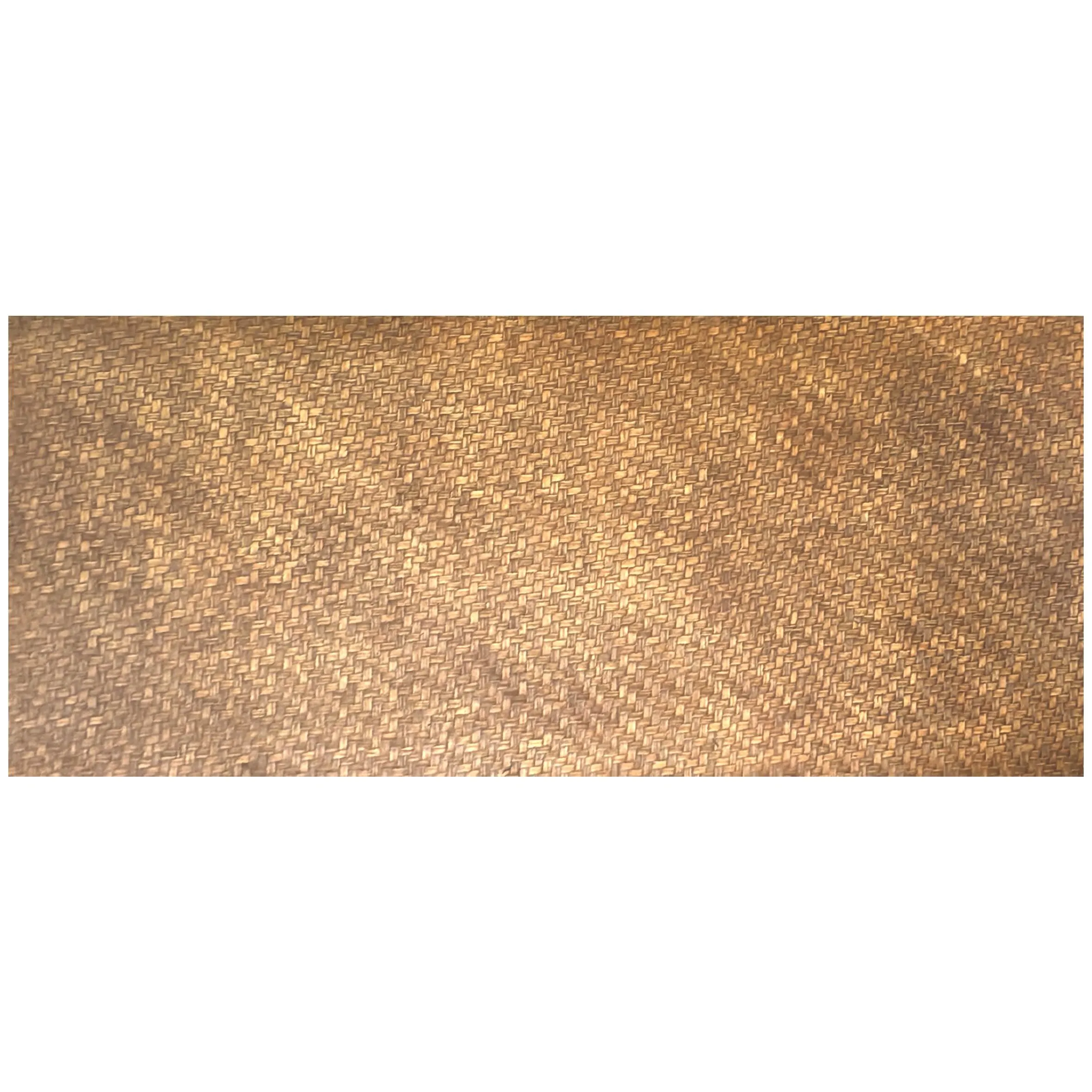
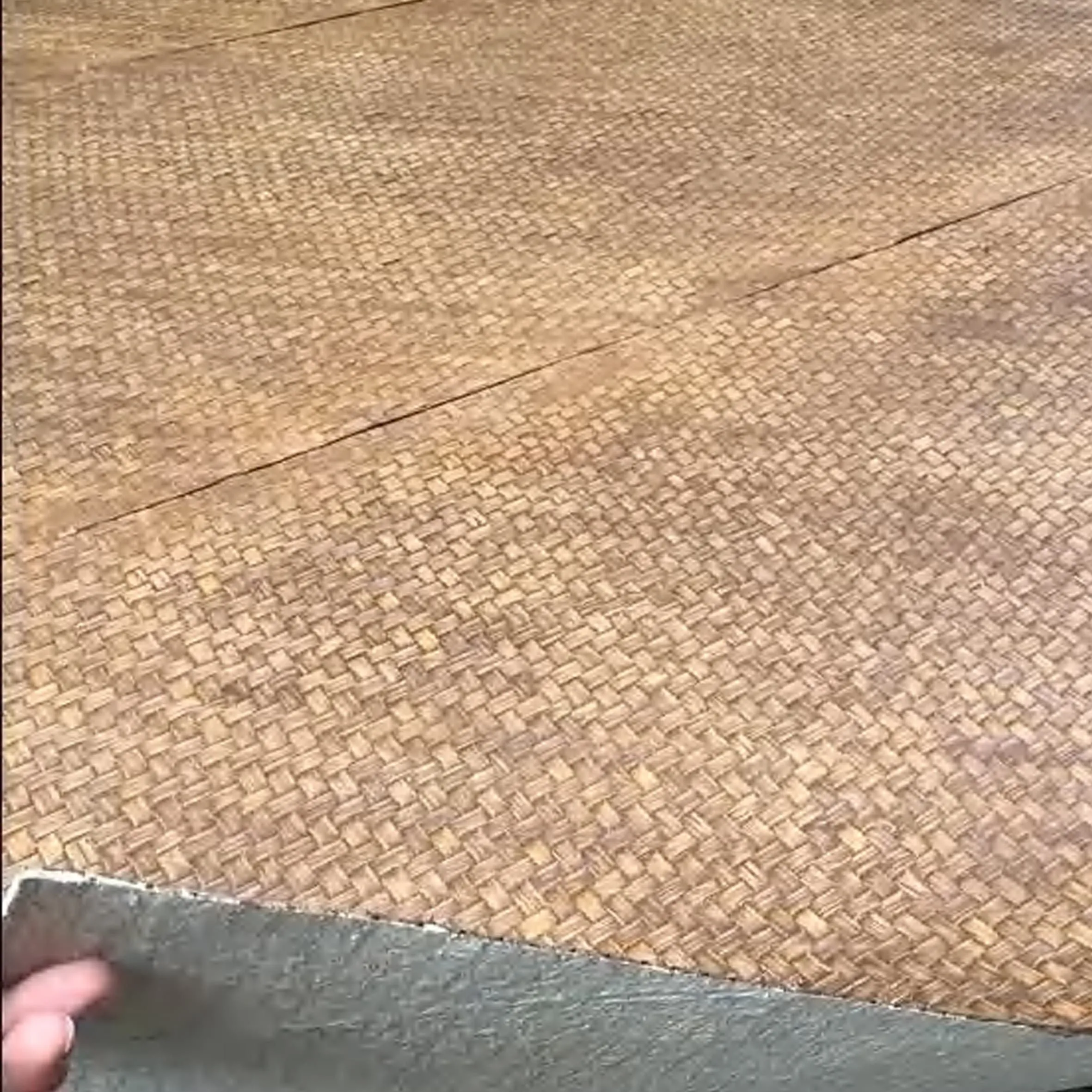
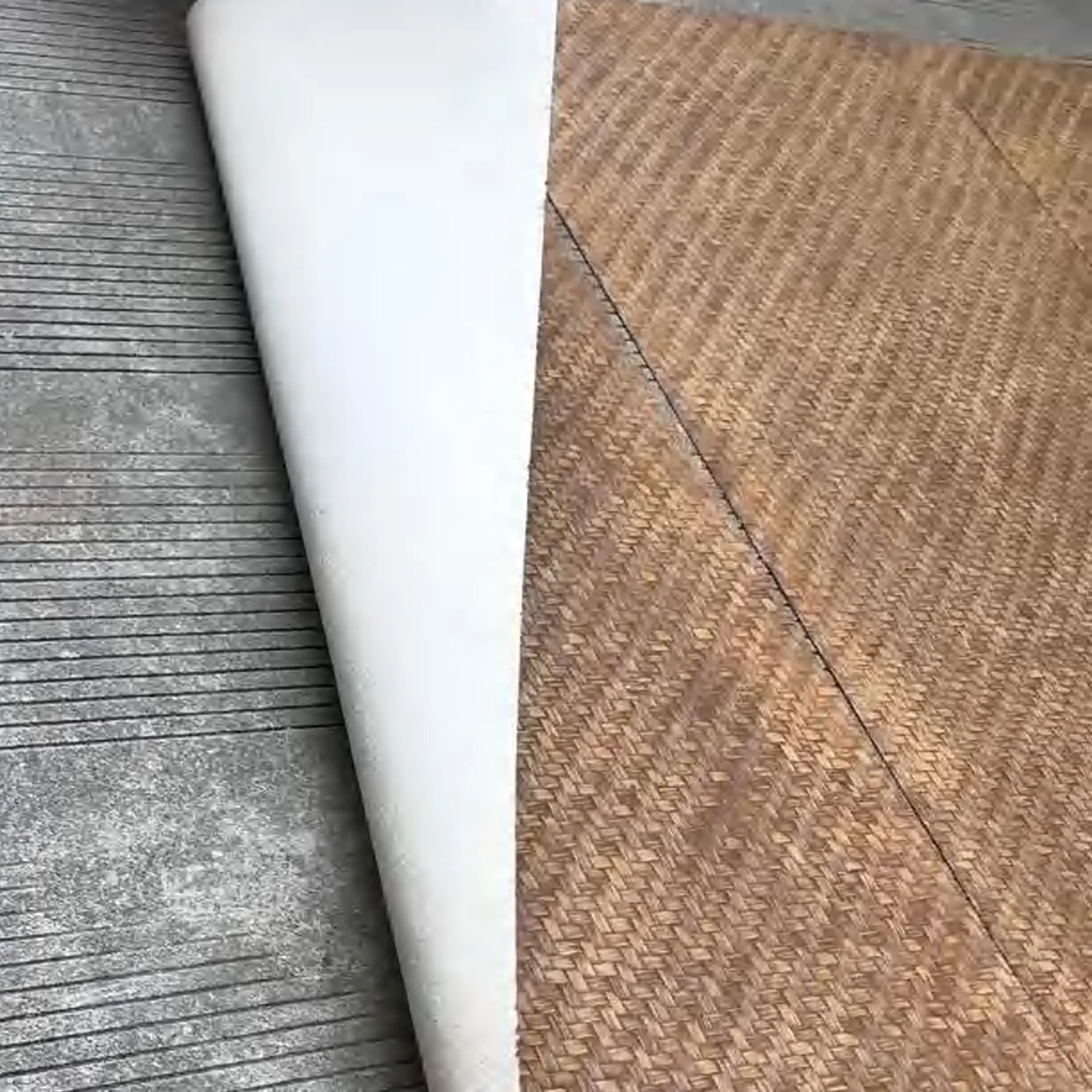
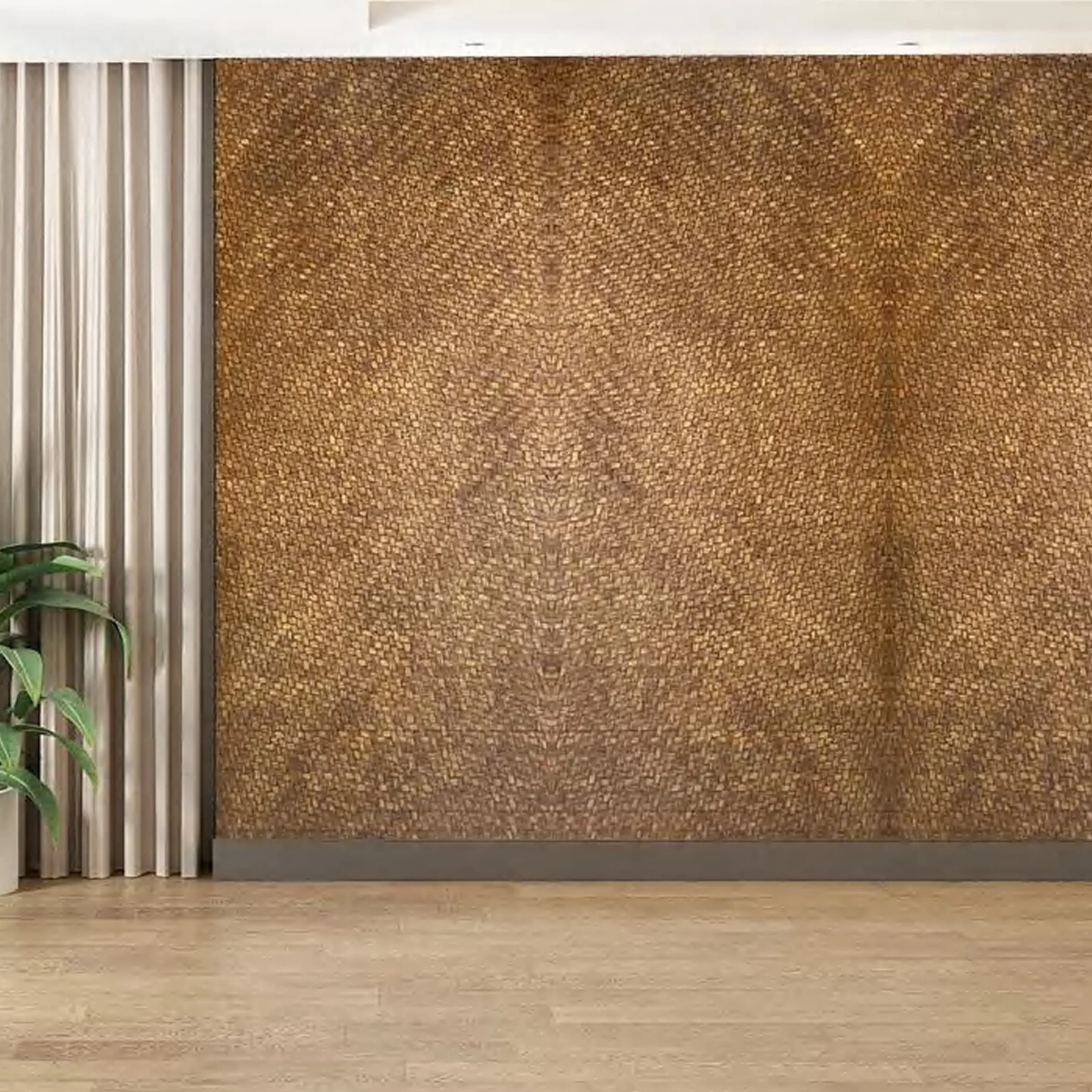
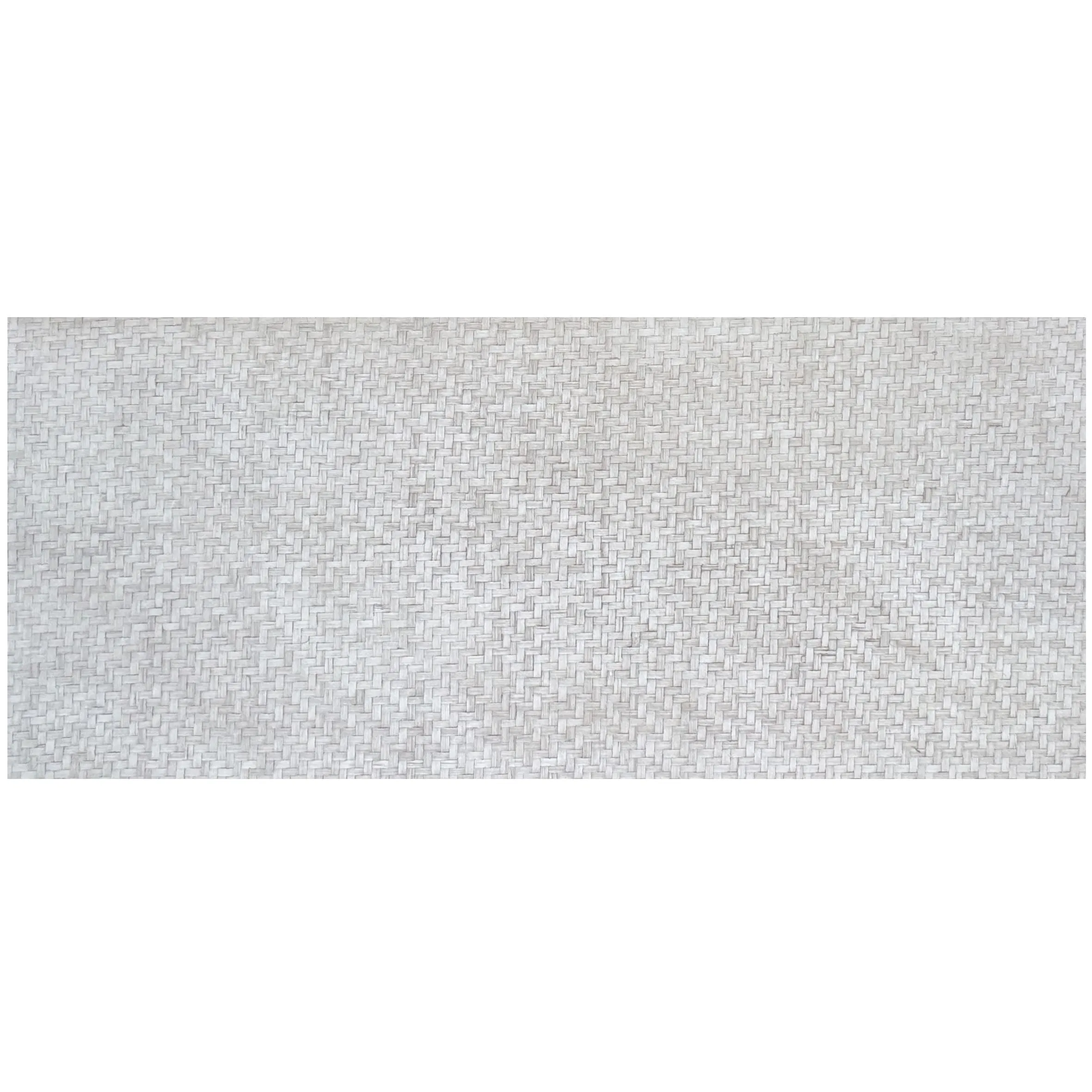
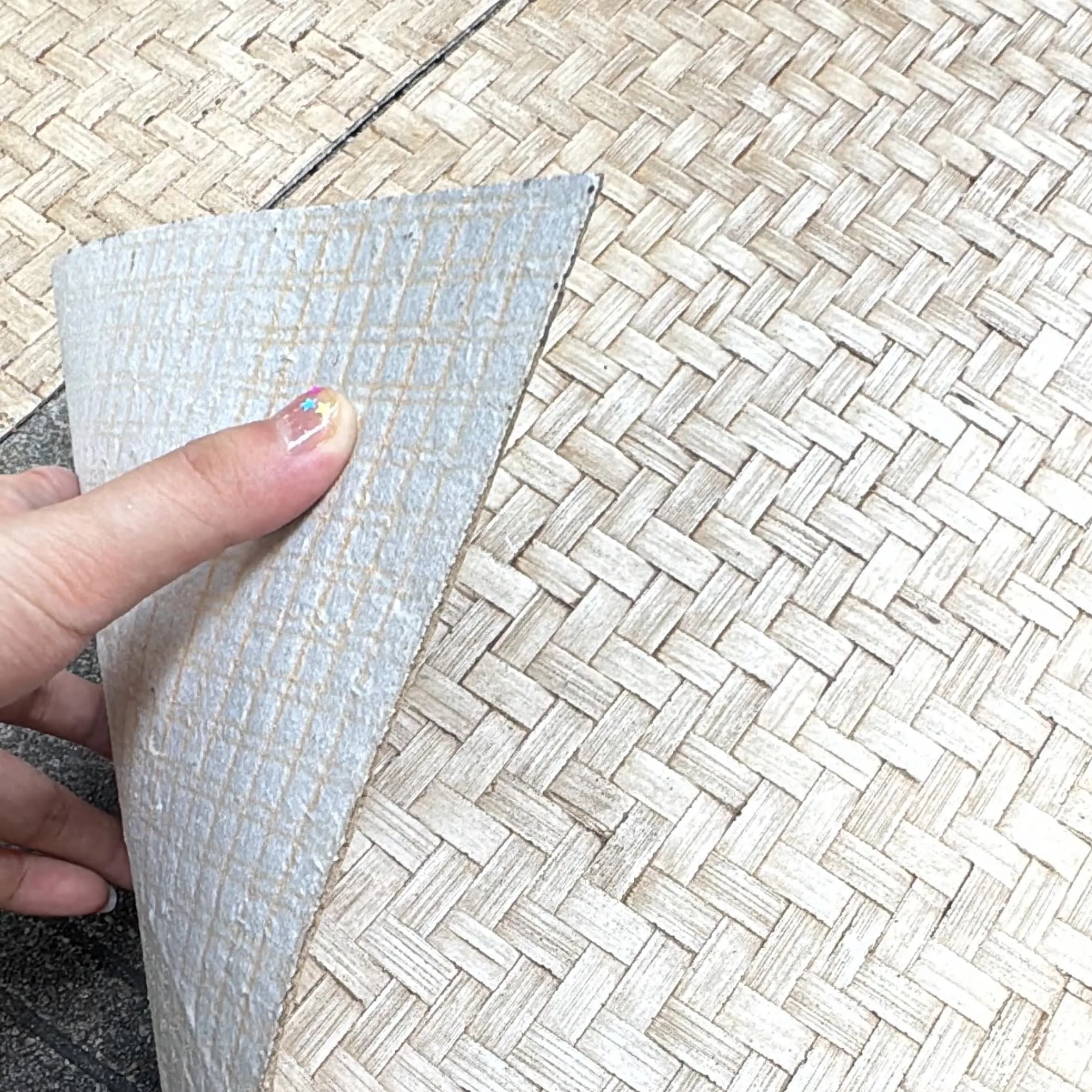
Before we get into its insulation superpowers, let's talk about what bamboo mat board actually is. Imagine taking thin, flexible strips of bamboo—harvested from fast-growing, sustainable crops—and weaving them into a tight, textured mat. These mats are then layered, bonded with low-VOC adhesives, and pressed under heat to form rigid boards. The result? A material that looks like a cross between woven rattan and natural wood, with a warm, earthy grain that adds instant character to walls, ceilings, or exterior facades. It's lightweight (a plus for installation in snow-heavy areas), surprisingly strong, and carries that unbeatable "handmade" charm that synthetic materials just can't replicate.
But here's the kicker: bamboo mat board isn't just pretty. Bamboo itself is a wonder plant—its hollow, fibrous structure is naturally full of tiny air pockets, which act like mini-insulation chambers. When woven into mats and compressed, those pockets get even more tightly packed, creating a barrier that slows down heat transfer. Think of it like wearing a puffy jacket versus a thin cotton shirt: the puffy jacket's air-filled layers trap warmth, while the cotton lets it escape. Bamboo mat board is the puffy jacket of the construction world—cozy, efficient, and ready to take on the cold.
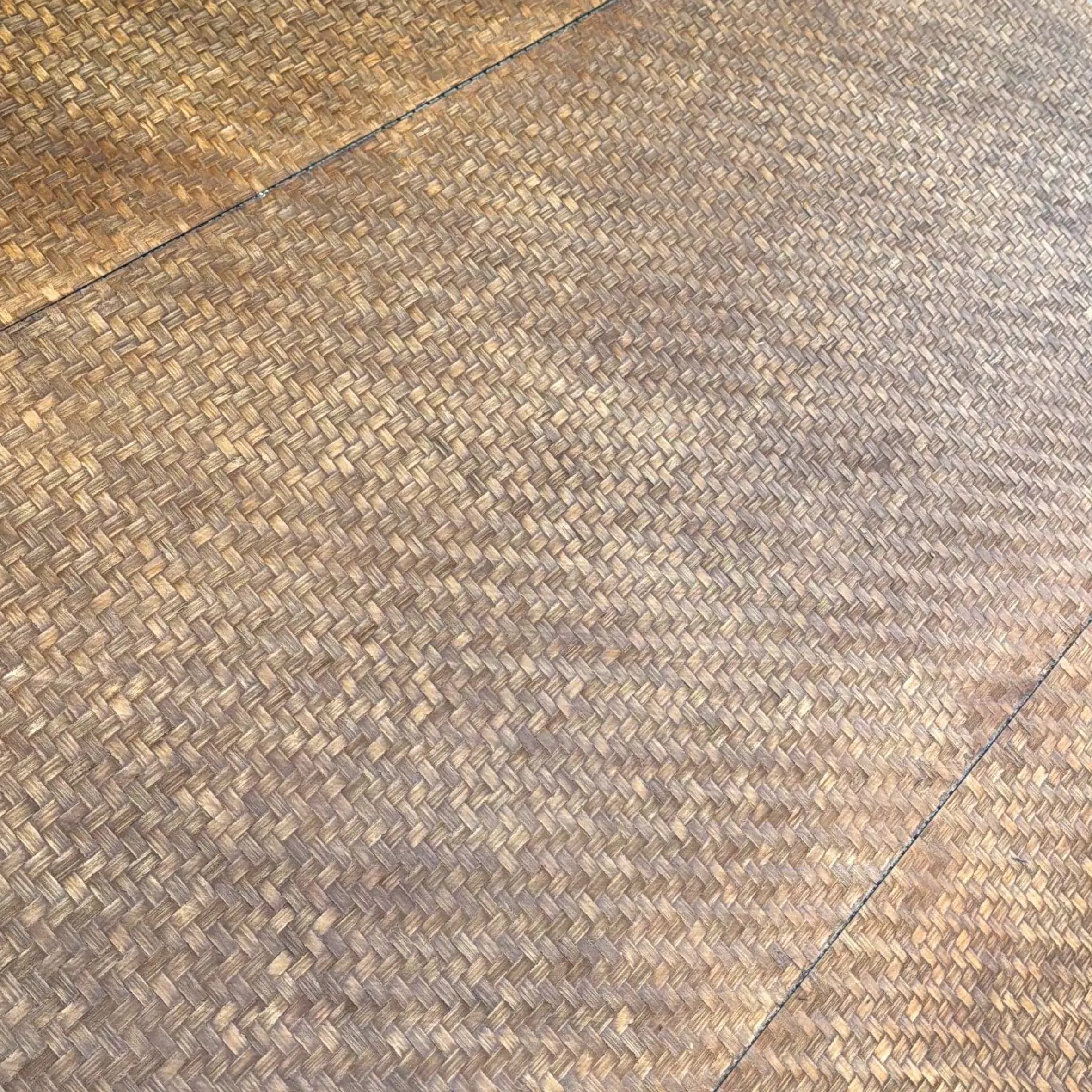
Let's get a little technical (but don't worry, we'll keep it simple). Insulation works by slowing the movement of heat, which in cold climates means keeping the warmth inside where it belongs. Two key factors matter here: thermal resistance (measured by R-value, where higher numbers mean better insulation) and thermal mass (the ability to absorb and release heat over time). Bamboo mat board shines in both categories.
First, R-value. While exact numbers vary by thickness, bamboo mat board typically boasts an R-value of around 1.2 to 1.5 per inch—comparable to traditional wood products but with a lighter footprint. That might not sound like much on its own, but pair it with a layer of spray foam or mineral wool insulation behind it, and suddenly you've got a wall system that laughs in the face of winter. The woven structure also helps reduce air leakage; unlike smooth, solid materials that can develop gaps over time, the mat's interlocking fibers create a tighter seal against drafts.
Then there's thermal mass. Bamboo mat board is dense enough to absorb heat from sunlight during the day (even in winter, those weak rays add up!) and release it slowly as temperatures drop at night. This "thermal lag" helps stabilize indoor temperatures, preventing the wild swings that make furnaces kick on and off constantly. In places like Montana or Alberta, where daytime highs might hit 30°F and plummet to -10°F by evening, that stability isn't just comfortable—it's energy-saving.
Of course, bamboo mat board isn't the only option out there. Cold climate builders have long relied on materials like rammed earth, fair-faced concrete, and wood concrete board. Let's break down how they compare—not just in insulation, but in sustainability, cost, and that all-important "cozy factor."
| Material | R-Value (per inch) | Thermal Mass | Sustainability | Aesthetic Vibe | Cold Climate Perk |
|---|---|---|---|---|---|
| Bamboo Mat Board | 1.2–1.5 | Moderate (absorbs/releases heat slowly) | High: Bamboo grows in 3–5 years; low-VOC adhesives | Warm, woven texture; natural grain; softens harsh spaces | Lightweight (resists snow load damage); low air leakage |
| Rammed Earth Board (Gradient) | 0.7–1.0 | High (excellent for temperature regulation) | High: Uses local soil; minimal processing | Earthy, rustic; gradient colors add visual interest | Durable against freeze-thaw cycles |
| Fair-Faced Concrete | 0.1–0.2 | Very High (stores heat for hours) | Low: High carbon footprint; energy-heavy production | Industrial, sleek; modern minimalist appeal | Fire-resistant; stands up to heavy snow |
| Wood Concrete Board | 0.8–1.1 | Moderate-High | Medium: Uses wood chips (sustainable if sourced well) | Warm, wood-like; blends with natural decor | Moisture-resistant (good for humid cold climates) |
At first glance, fair-faced concrete might seem tough enough for cold weather, but its abysmal R-value means you'll need thick layers of additional insulation to make it work—adding cost and bulk. Rammed earth, with its high thermal mass, is a strong contender, but it's heavier, which can be a drawback for roofs or upper floors in snow-prone areas. Wood concrete board is solid, but bamboo mat board edges it out in sustainability (bamboo grows faster than trees) and texture (that woven look adds warmth that flat wood-concrete just can't match).
When Mark and Lisa decided to rebuild their 1970s cabin in the Green Mountains, they had one non-negotiable: no more drafty walls. "We'd wake up in winter and find frost on the inside of the windows," Lisa recalls. "Our heating bill was $400 a month, and it still never felt truly warm." After researching options, they settled on bamboo mat board for the exterior cladding, paired with spray foam insulation. "We loved that it was sustainable—we try to live as low-waste as possible—and the look? It's like bringing the forest inside," Mark adds.
The results? That first winter, their heating bill dropped to $220. "The difference is night and day," Lisa says. "Even on the coldest mornings, the walls don't feel icy to the touch. And when the sun comes out, the bamboo seems to hold that warmth—we'll walk into the living room in the afternoon and it's like the walls are gently radiating heat." They also noticed less noise from the wind, a bonus in a region known for winter gusts.
Another example comes from a small commercial project in Edmonton, Alberta: a café that wanted to balance modern design with energy efficiency. The owners chose bamboo mat board for their interior accent walls, not just for looks, but for its ability to buffer against the city's -30°C winters. "We have large windows facing south, and the bamboo walls behind them stay warm even when it's freezing outside," says the café manager. "Customers comment all the time on how 'inviting' the space feels—like a little oasis from the cold."
In cold climates, sustainability often takes a backseat to "just keep me warm." But bamboo mat board refuses to choose sides. Bamboo is one of the most renewable resources on the planet: it matures in 3–5 years (compared to 20–30 for softwoods), requires no pesticides, and releases 35% more oxygen than equivalent trees. Harvesting it doesn't kill the plant, either—bamboo regrows from its roots, so it's a perpetual crop. For homeowners and builders in regions like Maine or Saskatchewan, where protecting local forests is a point of pride, that's a big deal.
Then there's the installation factor. Bamboo mat board is lighter than stone or concrete, which means less fuel is needed to transport it to remote, snowy job sites. It also cuts down on waste: the boards are easy to cut to size, and offcuts can often be repurposed for smaller projects. Compare that to, say, fair-faced concrete, which requires energy-intensive production and generates significant waste during cutting. For eco-conscious builders, bamboo mat board isn't just an insulator—it's a statement.
Bamboo mat board works hard, but it still needs a little TLC to thrive in cold climates. Here are a few pro tips:
Seal the edges: Cold air loves to sneak through gaps, so make sure to seal all seams with weather-resistant caulk. In areas with heavy snow, add a vapor barrier behind the boards to prevent moisture from seeping in and causing mold.
Pair with insulation: Bamboo mat board is a star, but it's even better with a supporting cast. Pair it with rigid foam or mineral wool insulation for an R-value boost—think of it as layering a sweater under a winter coat.
Watch the moisture: Bamboo is naturally moisture-resistant, but prolonged exposure to standing snow or ice can cause warping. Install a drip edge above exterior boards to channel water away, and keep gutters clean to prevent overflow.
In a world where cold-climate building often feels like a choice between "ugly but functional" and "beautiful but inefficient," bamboo mat board is a refreshing middle ground. It's the material that lets you have your cake and eat it too: walls that keep the cold out, warmth in, and eyes happy. Whether you're building a cabin in the Rockies, a home in upstate New York, or a café in Winnipeg, it's worth considering—especially if you care about sustainability, comfort, and that intangible "cozy factor" that turns a house into a home.
So the next time you're bundled up against the cold, spare a thought for the walls around you. They might just be made of something unexpected—something that started as a fast-growing grass, woven into a mat, and turned into a shield against winter's worst. Bamboo mat board isn't just building material; it's proof that nature, when harnessed thoughtfully, can be the best problem-solver of all.
Recommend Products












