
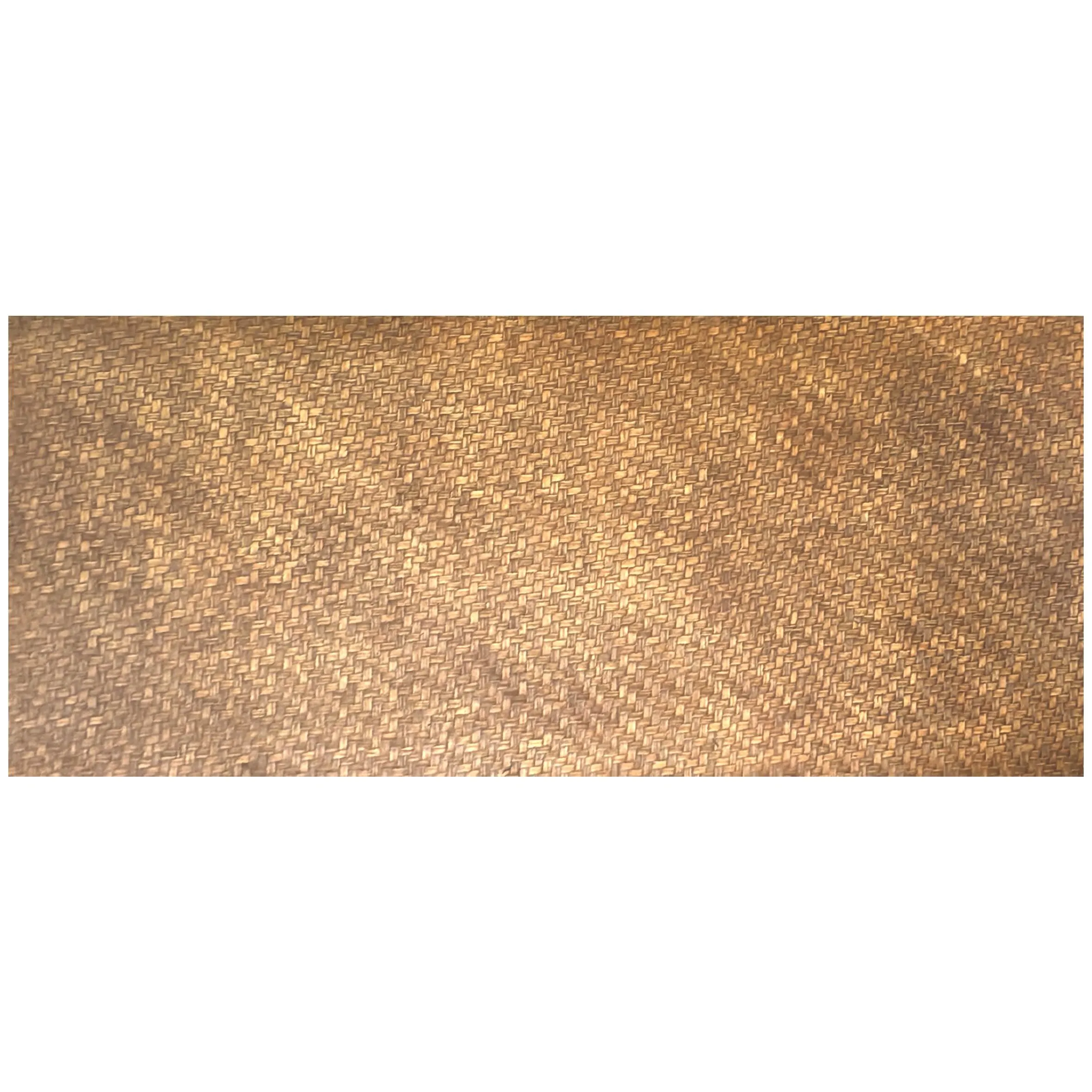
Step into the lobby of a boutique hotel in Kyoto, and your eyes are drawn to a wall that seems to breathe—warm, textured, and alive with the soft play of light and shadow. Run a hand along its surface, and you'll feel the gentle ridges of interwoven fibers, a tactile reminder of nature's artistry. This isn't just any wall covering; it's bamboo mat board , a material that's quietly revolutionizing luxury hotel design by blending age-old craftsmanship with cutting-edge sustainability. In an era where travelers crave more than just opulence—they seek meaning, connection, and authenticity—hotels are turning to materials that tell a story. Bamboo mat board does exactly that: it speaks of respect for the planet, reverence for tradition, and a commitment to creating spaces that nurture both the senses and the soul.
Gone are the days when luxury was defined solely by gold leaf and marble. Today's discerning guests want to feel good about where they stay—knowing their choice aligns with their values. This shift has given birth to "eco-luxury," a design philosophy that marries environmental responsibility with timeless elegance. Hotels are now prioritizing materials with low embodied carbon, renewable sourcing, and minimal environmental impact, without compromising on aesthetics. Hardwoods, once a staple of luxury interiors, are being reconsidered for their link to deforestation. Synthetic finishes, with their harsh chemicals and artificial sheen, are making way for options that feel organic and real. Enter bamboo mat board: a material that checks every box. Derived from bamboo—a grass that grows up to three feet per day, requires no pesticides, and regenerates without replanting—it's a poster child for sustainable design. But its appeal goes beyond green credentials; its unique mat-like weave, warm honey tones, and subtle grain patterns bring a tactile richness that synthetic materials can never replicate. It's luxury with a conscience, and hotels are taking notice.
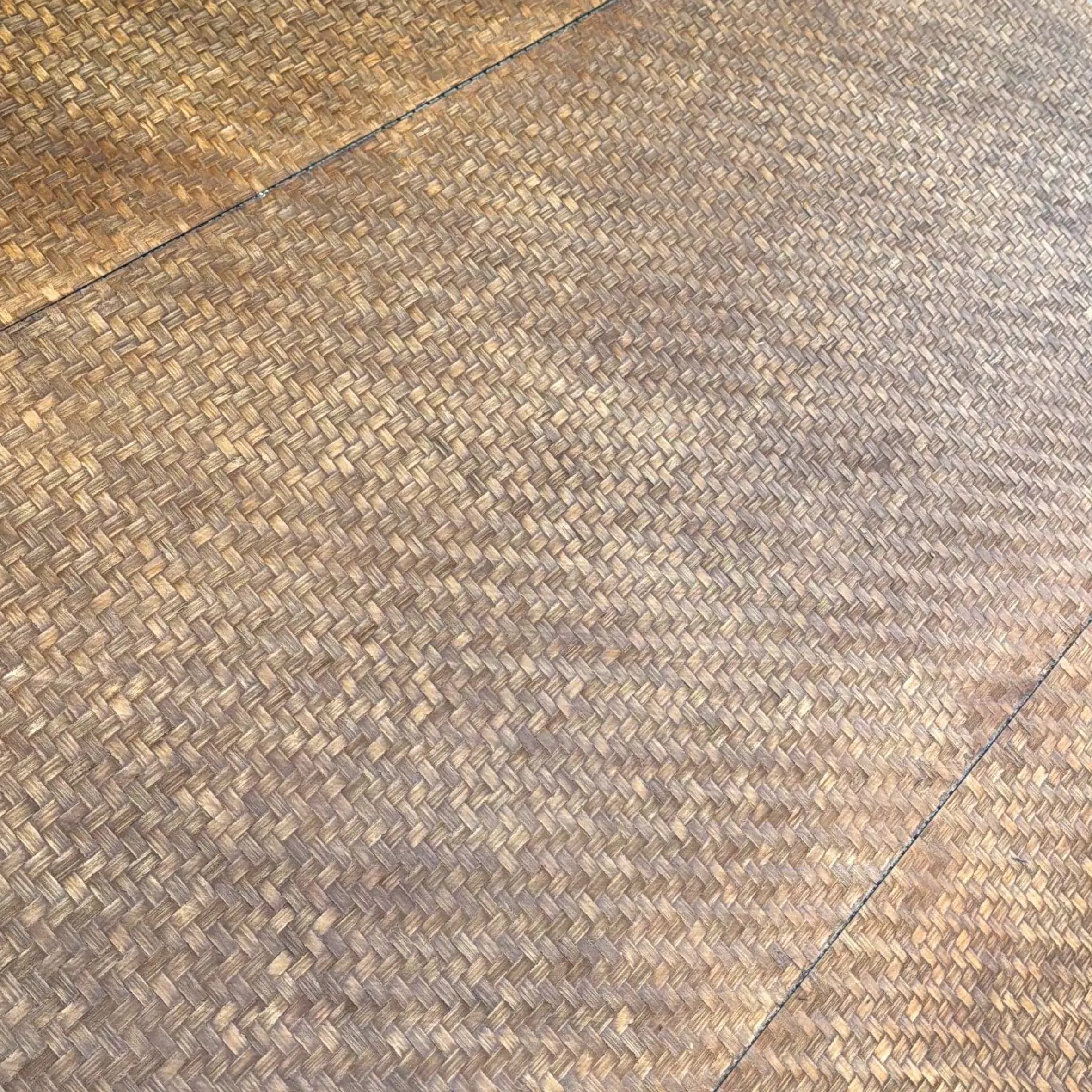
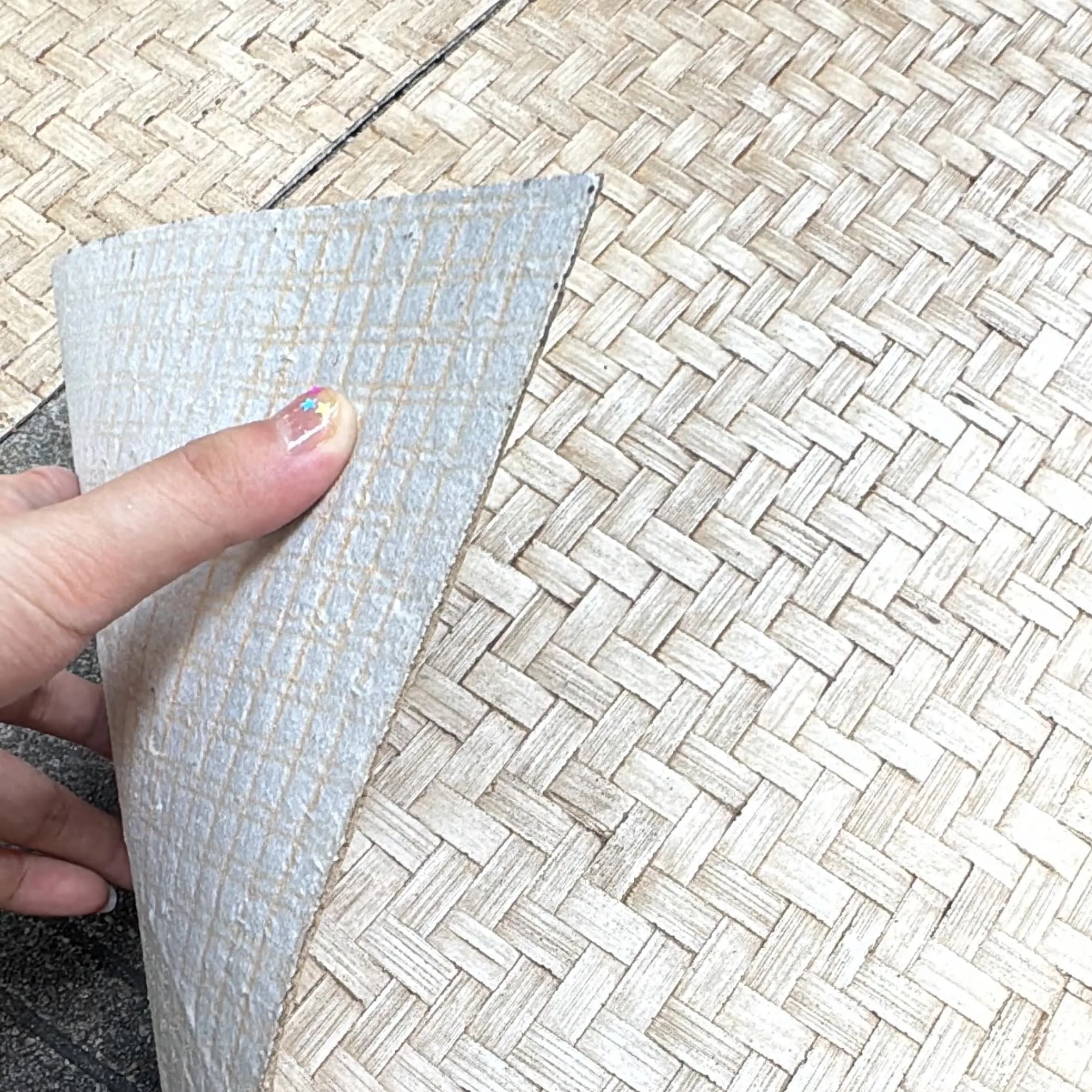
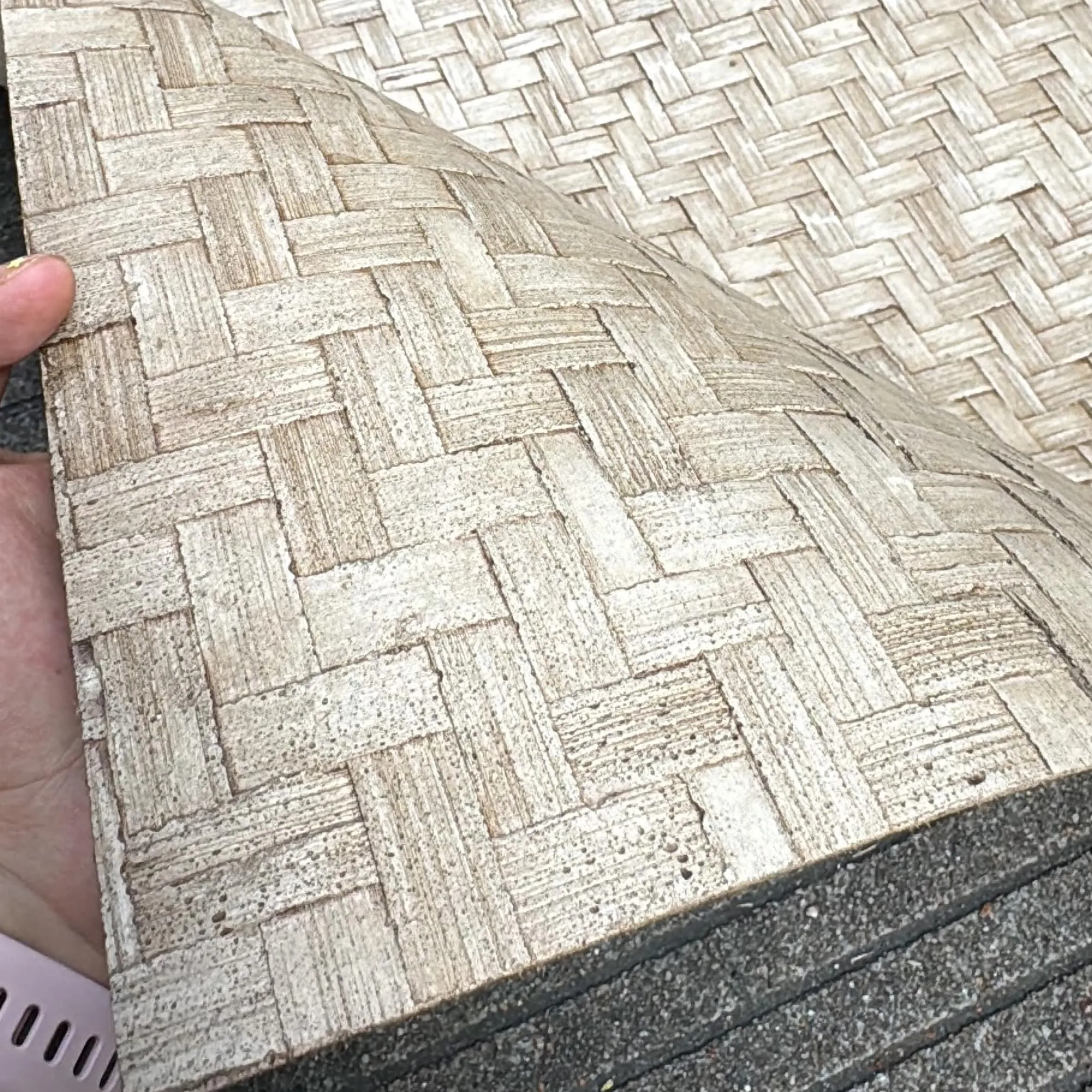
To truly appreciate bamboo mat board, you have to start with the bamboo itself. Unlike slow-growing hardwoods, bamboo is one of the fastest-renewable resources on the planet, reaching maturity in just 3–5 years. It thrives in diverse climates, from Asia to South America, and its root system prevents soil erosion, making it a boon for ecosystems. But what makes bamboo mat board special is how it transforms this humble grass into a work of art. Traditional artisans often hand-weave bamboo strips into mats, a technique passed down through generations in cultures like Japan, Vietnam, and Bali. These mats are then treated with natural sealants (like beeswax or plant-based oils) to enhance durability, before being bonded to a rigid backing for structural stability. The result? A material thats the organic, handcrafted feel of the original mat while gaining the strength needed for high-traffic hotel spaces.
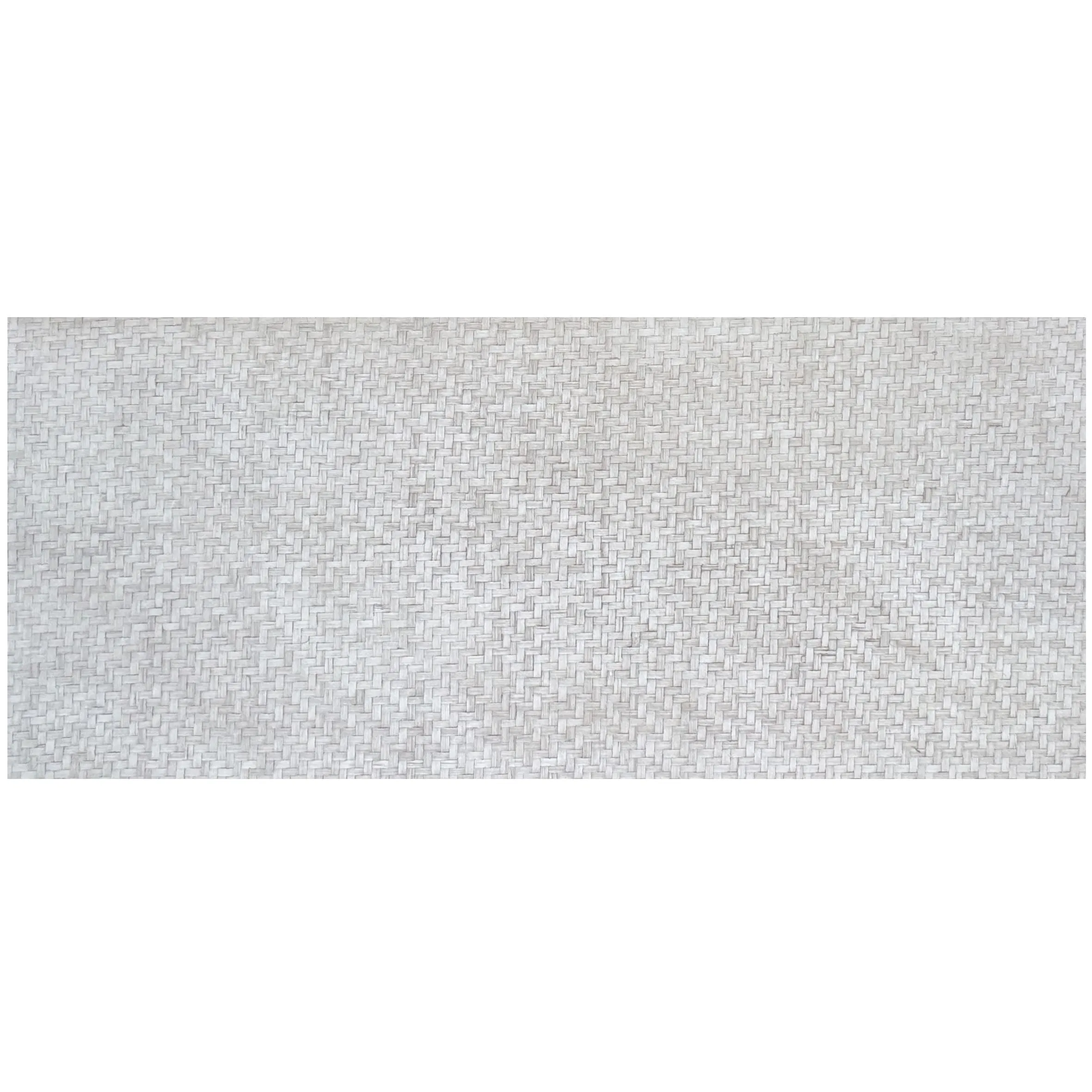
The texture of bamboo mat board is its greatest asset. Unlike smooth, uniform surfaces, it has depth—tiny gaps between the woven strips create pockets of light and shadow that shift with the time of day, adding dynamism to a room. Run your fingers over it, and you'll feel the slight give of the bamboo, the subtle variations in thickness from strip to strip, and the warmth that only natural materials exude. It's a material that invites touch, turning passive observation into active engagement. In hotel design, this is gold: guests remember how a space feels long after they've left. Whether used as a feature wall in a lobby, a headboard in a guest room, or a ceiling panel in a restaurant, bamboo mat board adds layers of sensory experience that elevate the ordinary to the extraordinary.
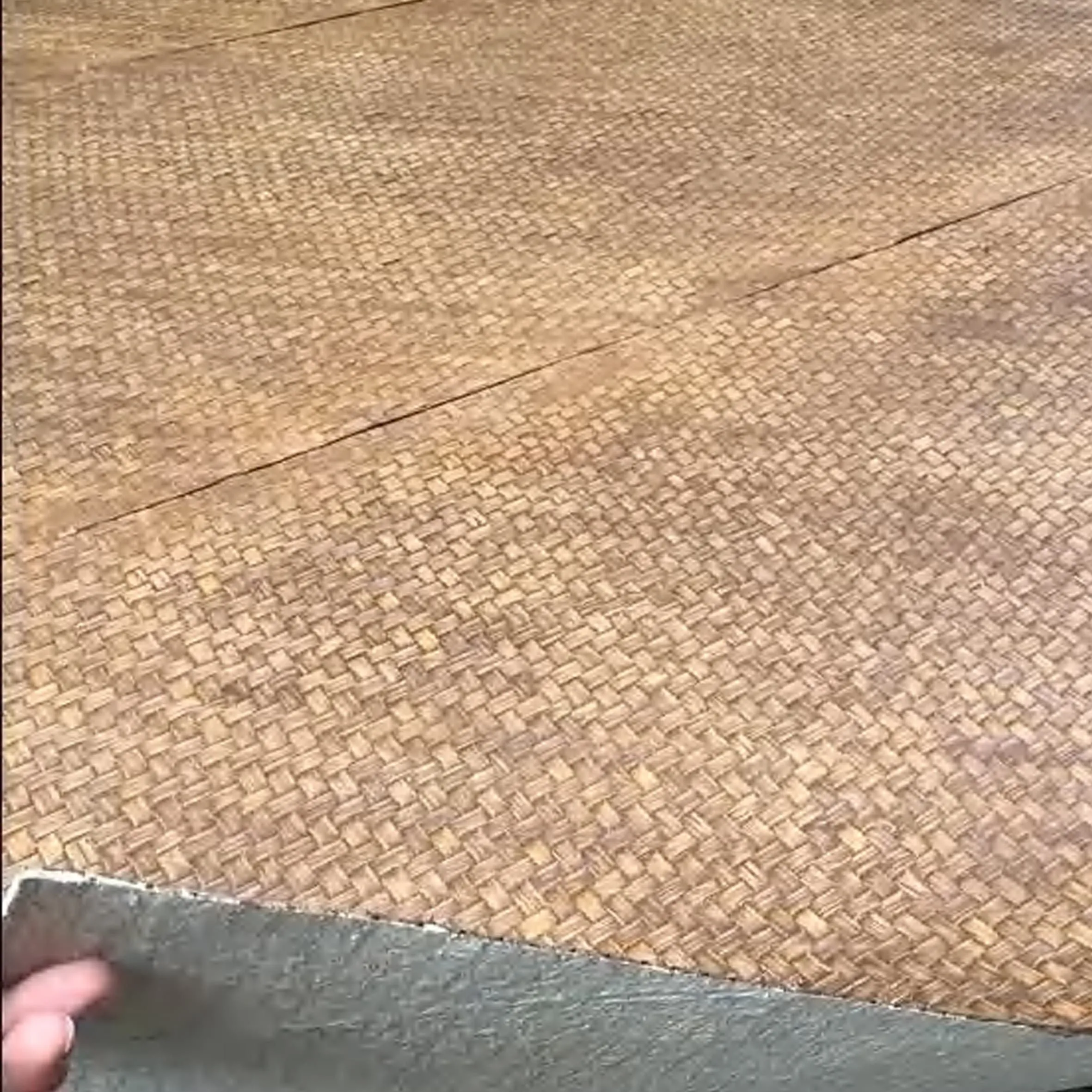
Bamboo mat board's versatility is part of its charm. Its warm, neutral palette—ranging from pale straw to rich amber—complements a wide range of design styles, from minimalist to bohemian, and its texture adds interest without overwhelming a space. Let's explore how hotels are integrating it into key areas:
Lobby Walls & Reception Desks: The lobby is a hotel's first impression, and bamboo mat board makes it memorable. Imagine a reception desk wrapped in bamboo mat board, its woven texture contrasting with a sleek fair-faced concrete countertop. The combination balances organic warmth with industrial edge, creating a space that feels both grounded and modern. In larger lobbies, full walls clad in bamboo mat board soften the scale of the room, making it feel intimate despite its size. When backlit, the material glows from within, casting a gentle, diffused light that sets a calming tone for arrivals.
Guest Rooms: In guest rooms, bamboo mat board shines as a headboard or accent wall. Paired with soft textiles and natural linens, it creates a cocoon-like atmosphere that promotes relaxation. Unlike painted walls, which can feel cold, bamboo mat board adds depth and texture, making the room feel curated and intentional. Some hotels even use it to line closet doors or wardrobe interiors, turning functional spaces into moments of delight.
Restaurants & Bars: Restaurants and bars demand materials that can withstand spills, humidity, and heavy use—all while looking inviting. Bamboo mat board, when sealed properly, is surprisingly durable, making it ideal for backsplashes, bar fronts, or ceiling panels. In a beachfront hotel bar, for example, bamboo mat board paired with Bali stone (a rough, porous stone native to Indonesia) evokes a tropical vibe without feeling kitschy. The contrast between the smooth, cool stone and the warm, woven bamboo creates a sensory balance that enhances the dining experience.
Outdoor Spaces: Bamboo's natural resistance to moisture and pests makes bamboo mat board suitable for covered outdoor areas, like terraces or poolside cabanas. Used as a screen or partition, it adds privacy while allowing air and light to filter through, creating a sense of seclusion without isolation. In tropical destinations, it blends seamlessly with palm fronds and lush greenery; in urban settings, it adds a touch of nature to concrete jungles.
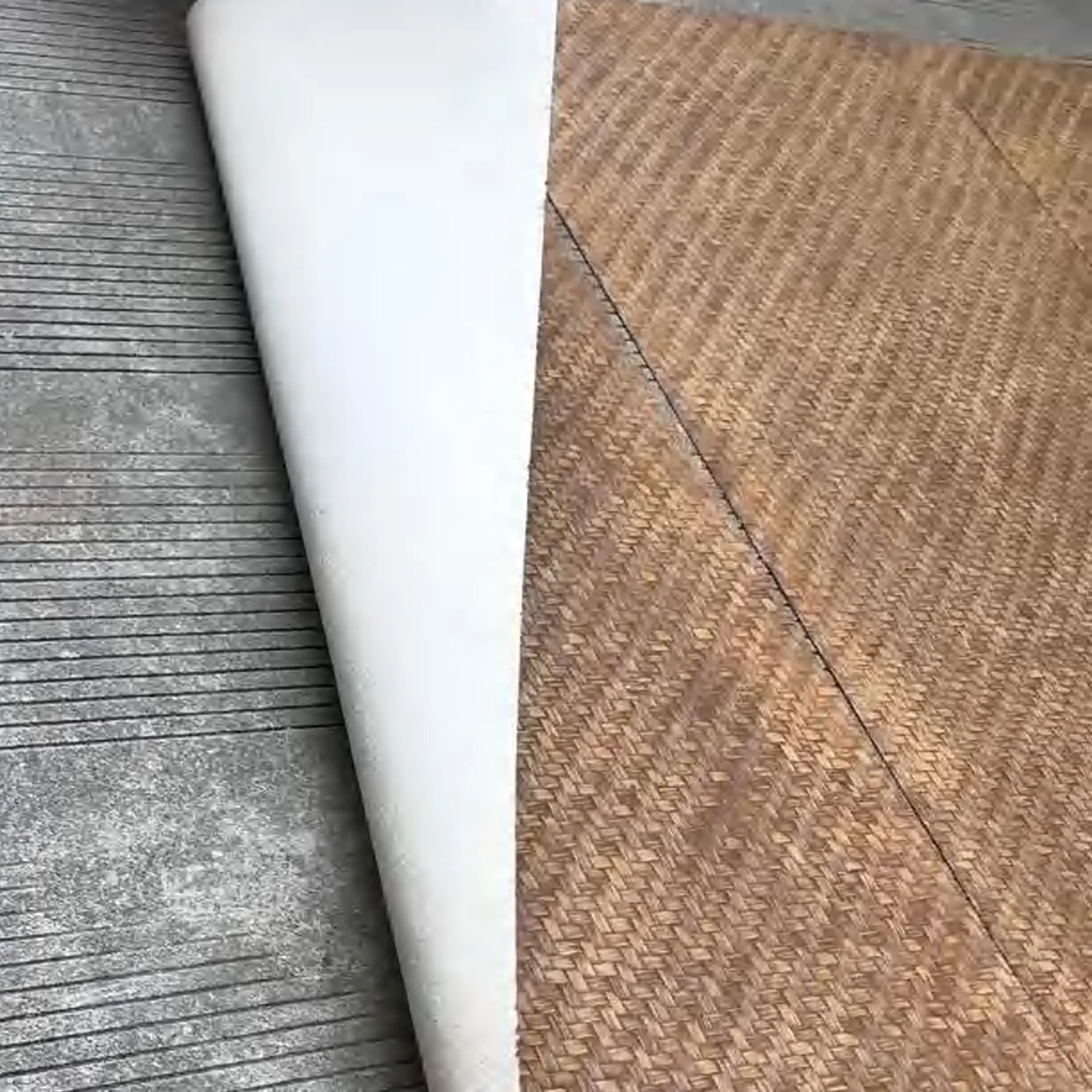
Great design is about balance, and bamboo mat board plays well with others. When paired with complementary materials, it creates layered, cohesive spaces that feel intentional and refined. Here's how it harmonizes with some standout options from the MCM collection:
| Material | Sustainability | Texture | Best Paired With Bamboo Mat Board For: |
|---|---|---|---|
| Wood Grain Board | Renewable (FSC-certified options available) | Smooth with linear, organic grain | Layered wood tones; creates a cozy, cabin-like feel in mountain lodges or rustic retreats. |
| Fair-Faced Concrete | Low embodied carbon (with recycled aggregates) | Raw, industrial, with subtle color variations | Modern, urban hotels; balances bamboo's warmth with concrete's cool, sleek edge. |
| Rammed Earth Board | Locally sourced, minimal processing | Earthy, textured, with visible soil particles | Eco-luxury resorts; reinforces a connection to the land, evoking desert or countryside landscapes. |
| Travertine | Natural stone, but requires responsible quarrying | Porous, with characteristic voids and warm beige tones | Classic luxury hotels; adds timeless elegance, with bamboo softening travertine's formality. |
Take, for example, a hotel in Costa Rica that combines bamboo mat board with rammed earth board in its common areas. The rammed earth, with its rich, terracotta hues and rough texture, anchors the space, while the bamboo mat board adds lightness and movement. Together, they tell a story of the region—of clay soil and tropical forests—creating a sense of place that guests connect with emotionally. In contrast, a boutique hotel in Berlin might pair bamboo mat board with fair-faced concrete and black metal accents, blending natural warmth with industrial grit to reflect the city's creative, forward-thinking spirit.
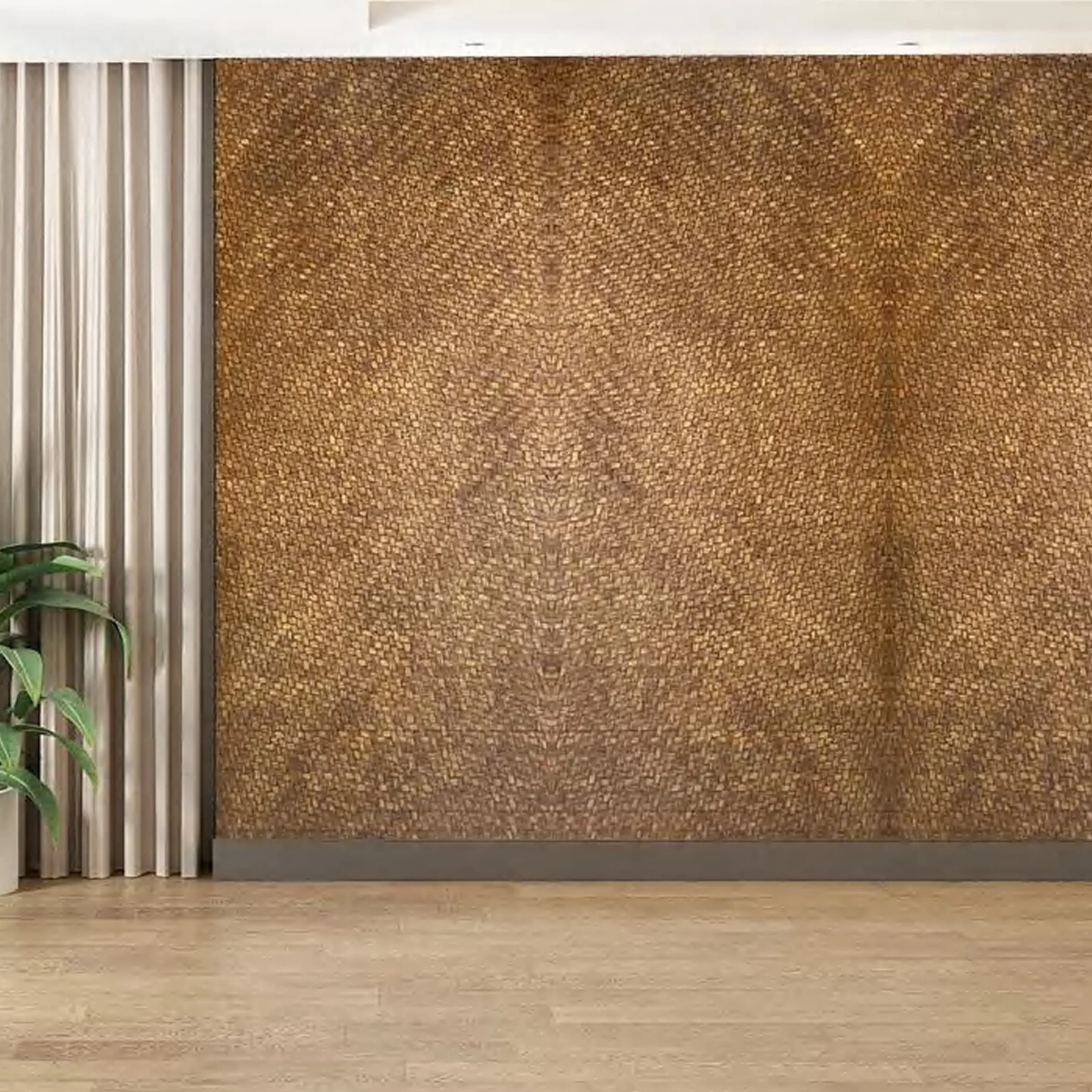
To see bamboo mat board in action, look no further than the Serenity Stay, a boutique hotel nestled in the rice terraces of Ubud, Bali. Designed to honor Balinese culture and the island's natural beauty, the hotel uses bamboo mat board as a unifying element throughout its spaces. In the lobby, a soaring wall of bamboo mat board serves as a backdrop for a water feature, its woven texture rippling like the surface of a pond as light reflects off the water. The reception desk, crafted from reclaimed teak and topped with Bali stone , is flanked by bamboo mat board panels that echo the pattern of traditional Balinese weaving.
Guest rooms at Serenity Stay take the theme further: each room features a king-sized bed with a bamboo mat board headboard, paired with wood grain board accent walls and linen drapes in earthy tones. The bathrooms, with their open-air showers and stone vanities, use bamboo mat board as a partition, creating privacy while maintaining a connection to the lush garden outside. "Our guests often comment on how the bamboo makes them feel closer to nature," says the hotel's designer. "It's not just a material—it's a mood. It slows people down, makes them breathe deeper, and reminds them of the beauty in simplicity."
The hotel's commitment to sustainability extends beyond materials. Bamboo mat board was sourced from a local Indonesian supplier that practices responsible harvesting, and all waste from the installation was repurposed into decorative baskets and wall art sold in the hotel's gift shop. The result? A space that's not only beautiful but also circular, proving that luxury and sustainability can coexist harmoniously.
Sustainability isn't just a buzzword for bamboo mat board—it's in its DNA. Let's break down its environmental benefits:
Rapid Renewability: Bamboo is one of the fastest-growing plants on Earth, with some species maturing in just 3–5 years (compared to 20–30 years for hardwoods like oak). It requires no replanting after harvest, as its root system sends up new shoots annually, making it a truly renewable resource.
Carbon Sequestration: Bamboo absorbs more carbon dioxide and releases more oxygen than most trees, making it a powerful tool in the fight against climate change. A single bamboo plant can sequester up to 12kg of CO2 per year, making bamboo mat board a carbon-negative choice when sourced locally.
Low Environmental Impact: Bamboo grows without pesticides, fertilizers, or irrigation (relying on rainwater instead), reducing its ecological footprint. Its dense root system also helps prevent soil erosion, making it beneficial for ecosystems.
Low Embodied Energy: The production process for bamboo mat board is relatively low-energy compared to materials like or synthetic wall panels. Most manufacturers use natural adhesives and water-based sealants, avoiding harmful chemicals that off-gas into indoor air.
For hotels aiming to achieve certifications like LEED, WELL, or Green Key, bamboo mat board is a valuable asset. It contributes to credits for sustainable materials, indoor air quality, and responsible sourcing—credentials that resonate with eco-conscious travelers and enhance a hotel's brand reputation.
As hotels continue to prioritize sustainability and biophilic design (the concept that humans innately seek connection with nature), bamboo mat board is poised to become even more popular. Designers are experimenting with new finishes—like natural dyes derived from plants, or charred bamboo (a technique known as shou sugi ban) for a deeper, smoky hue—and custom weaves to create unique patterns that reflect local cultures. Imagine a hotel in Marrakech using bamboo mat board woven in a geometric pattern inspired by Moroccan zellige tiles, or a hotel in Japan with a herringbone weave paying homage to traditional tatami mats.
Another trend is the integration of bamboo mat board with technology. Smart hotels are embedding sensors into bamboo-clad walls to adjust lighting or temperature based on occupancy, blending natural materials with cutting-edge innovation. And as the circular economy gains traction, we'll see more hotels repurposing old bamboo mat board into new products—like furniture or art—closing the loop on waste.
Bamboo mat board is more than a material; it's a statement. It says that luxury doesn't have to come at the planet's expense, that beauty and sustainability are not opposing forces, and that the most memorable spaces are those that honor both tradition and innovation. In hotel design, where the guest experience is everything, bamboo mat board creates moments of connection—between people and nature, between past and present, between comfort and conscience.
As travelers increasingly seek out hotels that align with their values, bamboo mat board offers a path forward: one where luxury feels good, looks beautiful, and leaves a positive legacy. It's a reminder that the best design isn't just about what we see—it's about what we feel . And in a world that often feels disconnected, that's a luxury worth investing in.
Recommend Products












