
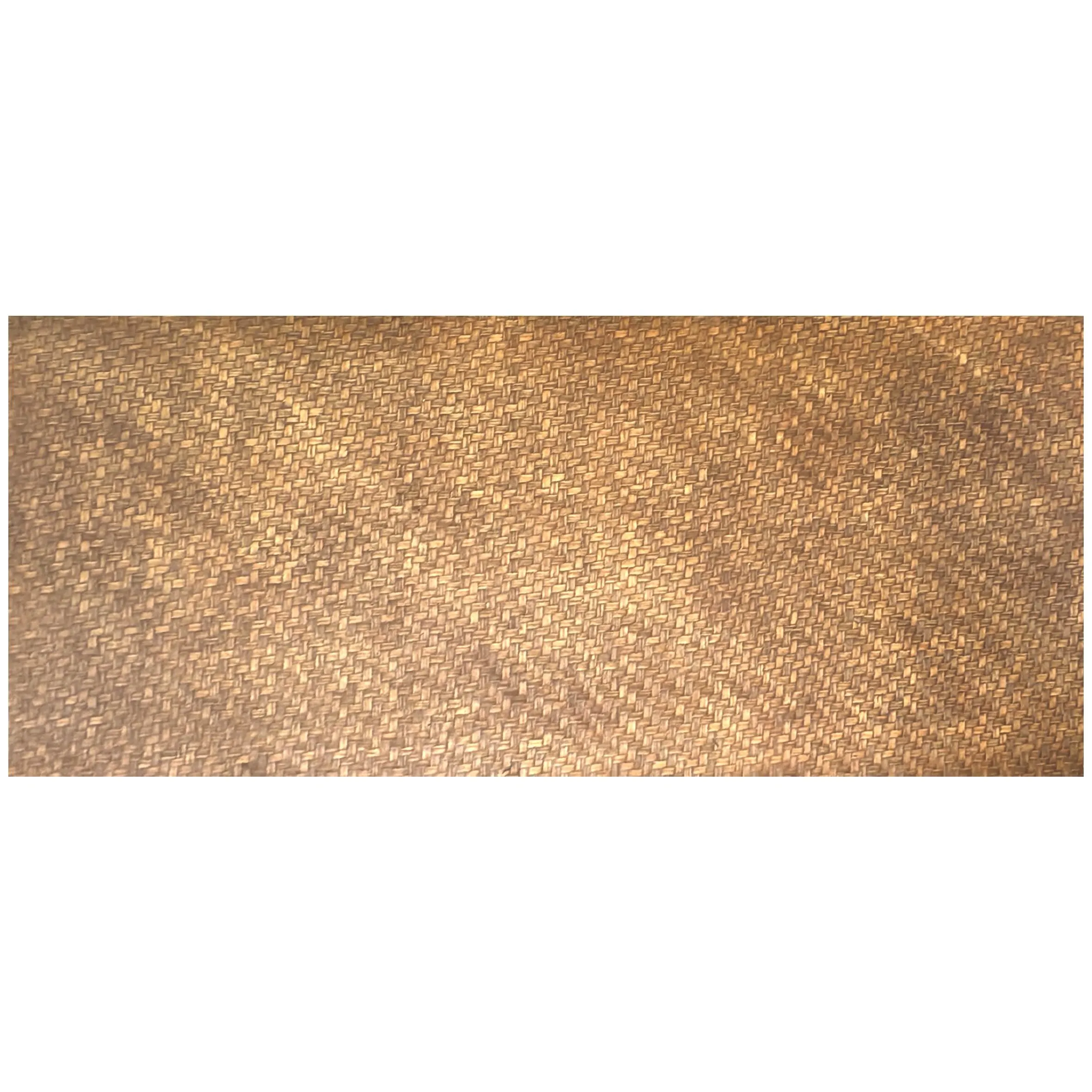
Where nature's rhythm meets architectural flexibility
Architecture is more than steel beams and concrete—it's the quiet language of materials, speaking through texture, color, and form. Walk into a space, and before you notice the layout or lighting, you'll feel it: the rough warmth of a stone wall, the smooth coolness of polished concrete, the organic softness of wood. These materials don't just fill a room; they shape how we experience it. Today, we're diving into a material that's redefining this conversation: Bamboo Mat Board , a standout in the MCM Flexible Stone Series . It's where the timeless charm of bamboo meets cutting-edge engineering, and its secret superpower? A flexibility that lets architects and designers bend, curve, and flow beyond the limits of rigid materials.
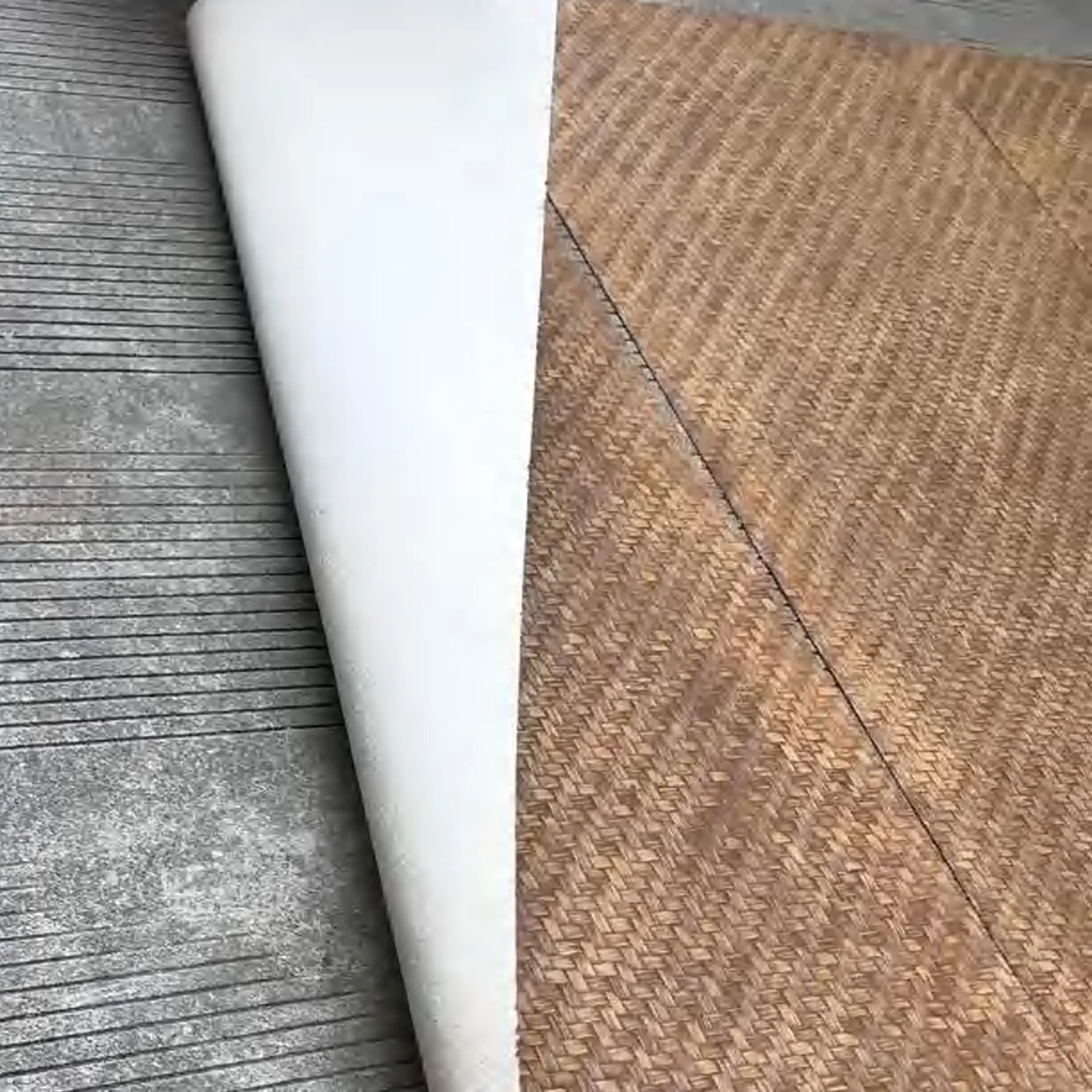
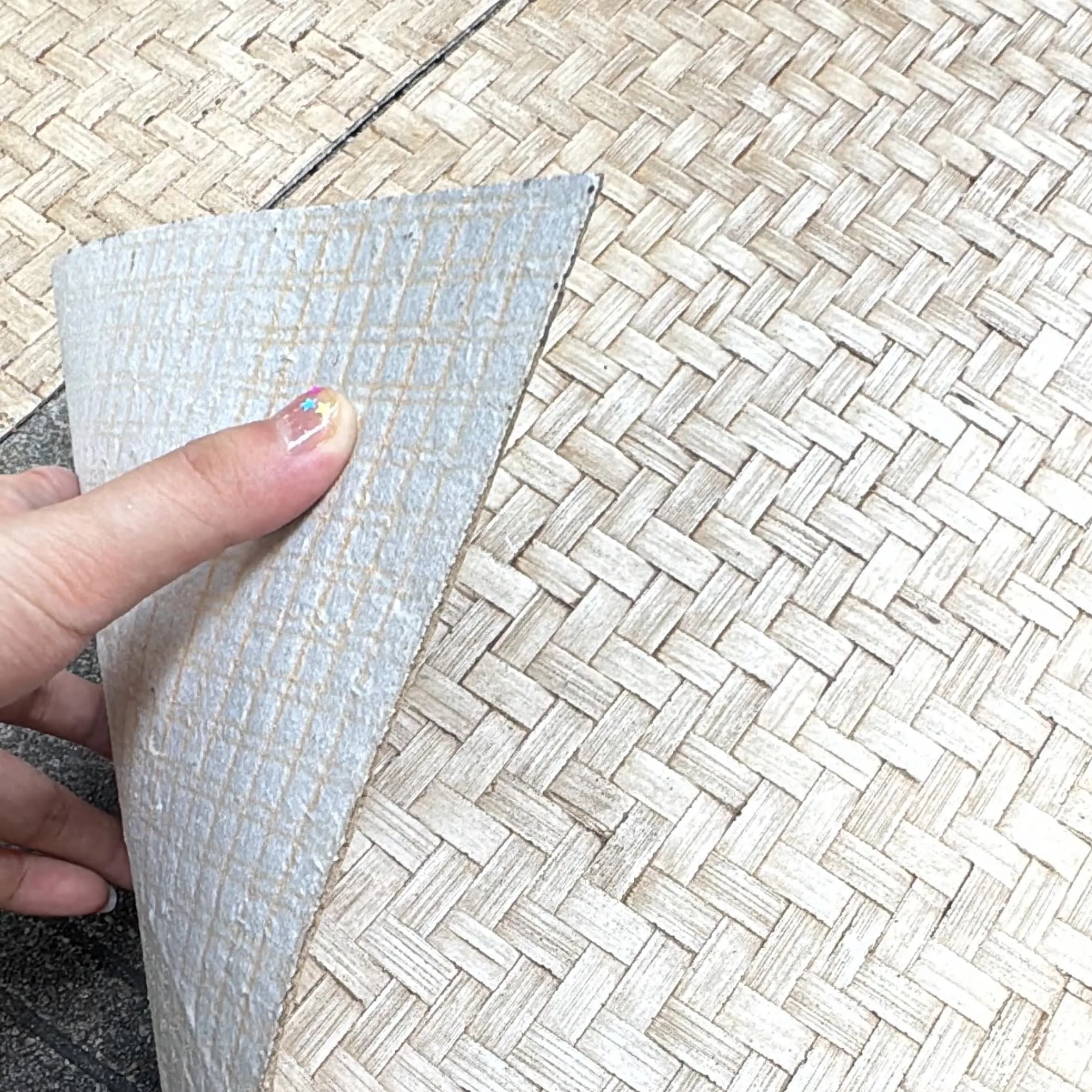
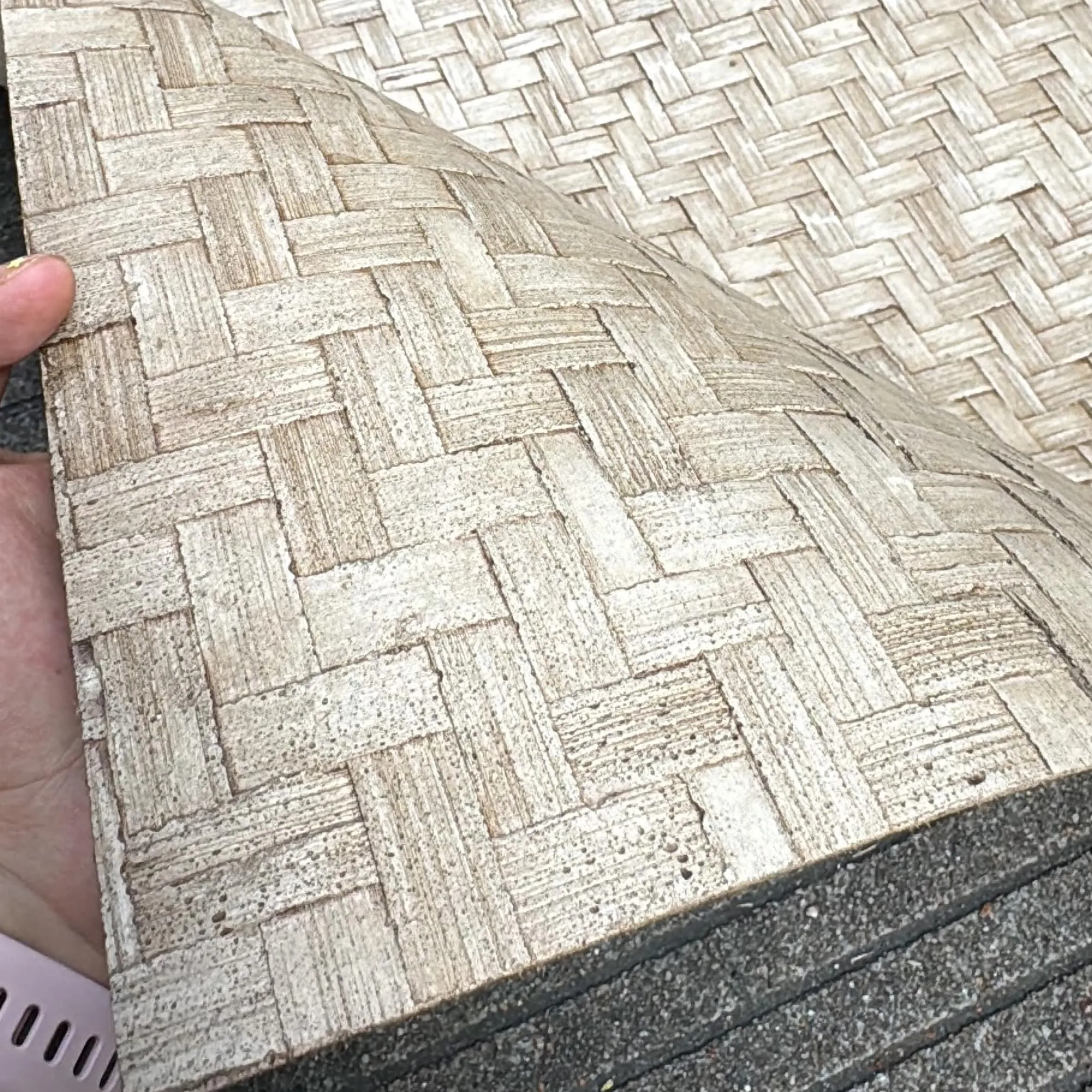
MCM, or Modified Composite Material, isn't your average building material. Think of it as nature and science shaking hands: a blend of mineral powders, plant fibers, and high-performance polymers that mimic the look and feel of natural stone, wood, or metal—without the weight, fragility, or environmental cost. What makes MCM "flexible" is its thin, lightweight structure (usually just 3-5mm thick) that bends without cracking, making it a dream for designs that refuse to stay straight.
The MCM Flexible Stone Series takes this a step further, offering textures that range from the rough-hewn charm of rustic granite to the sleek modernity of foamed aluminium alloy . And within this family, Bamboo Mat Board shines as a love letter to tradition—drawing inspiration from the simple bamboo mats used in homes across Asia for centuries, but reimagined for the demands of 21st-century architecture.
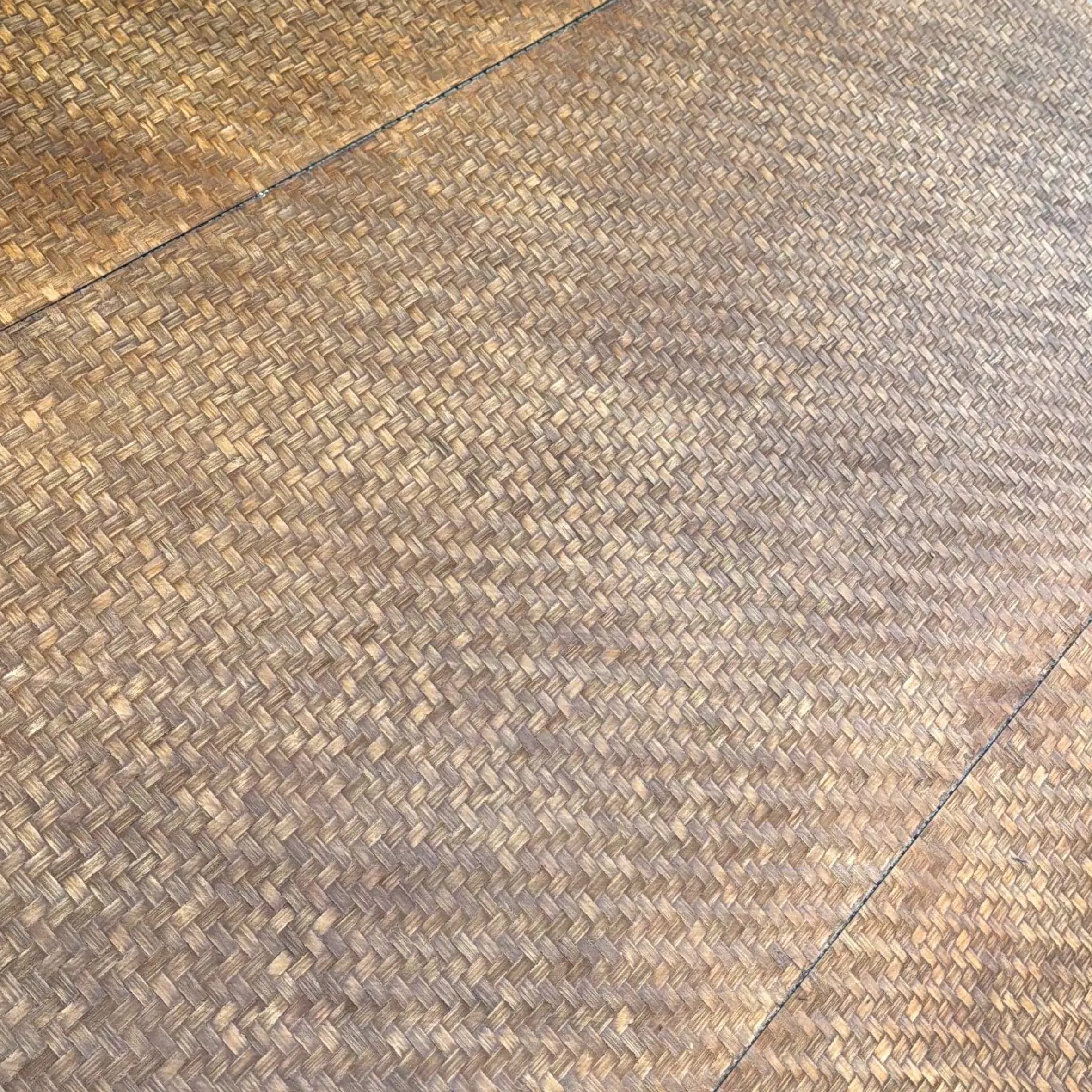
Close your eyes and picture a bamboo mat—maybe the one your grandmother laid out on the porch for summer naps, or the woven screen that filtered sunlight into a traditional tea house. Now, imagine that texture—those parallel ridges of bamboo fibers, the warm, honeyed hue, the slight give under your hand—translated into a material that can wrap around a curved wall, drape over a domed ceiling, or follow the organic lines of a custom-built niche. That's Bamboo Mat Board.
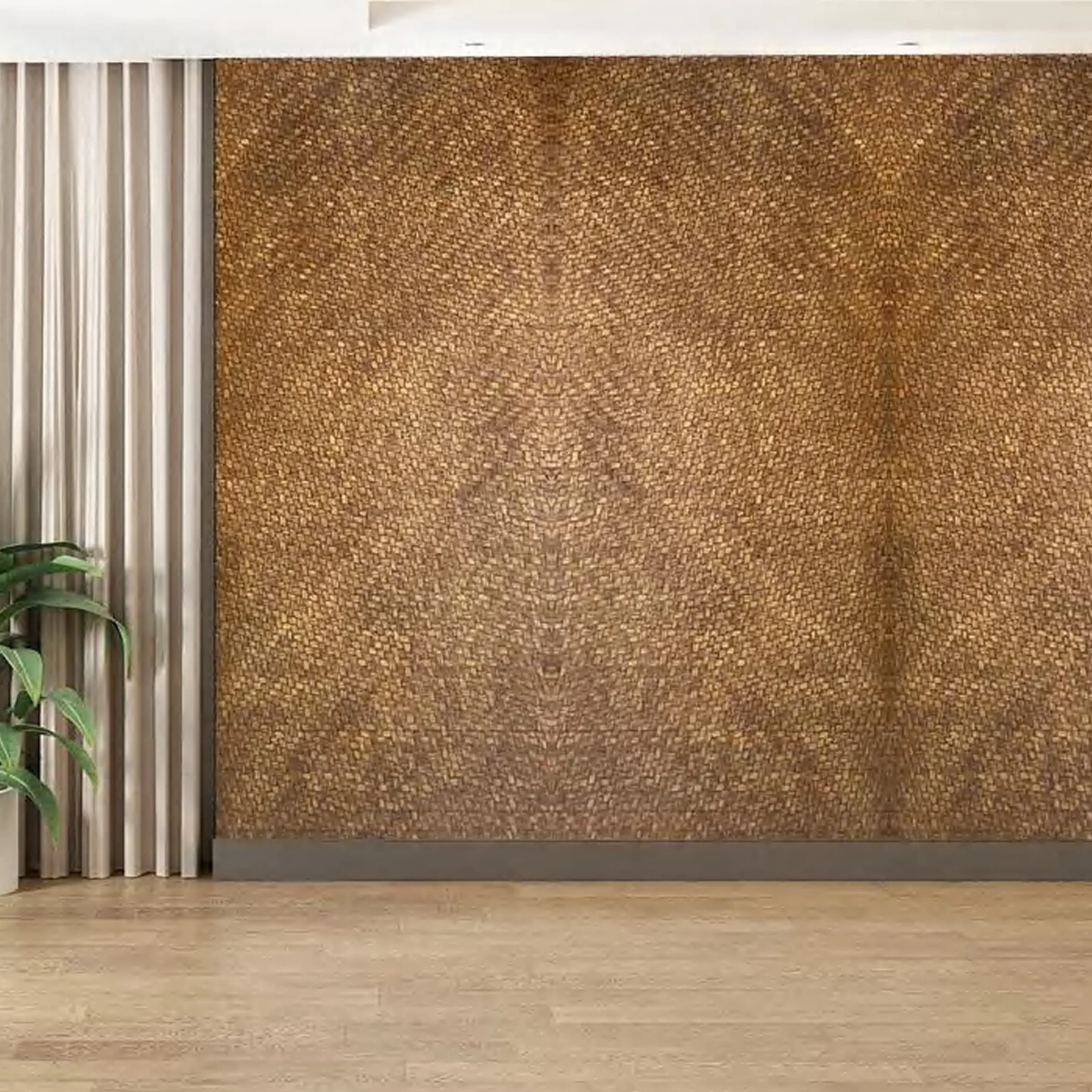
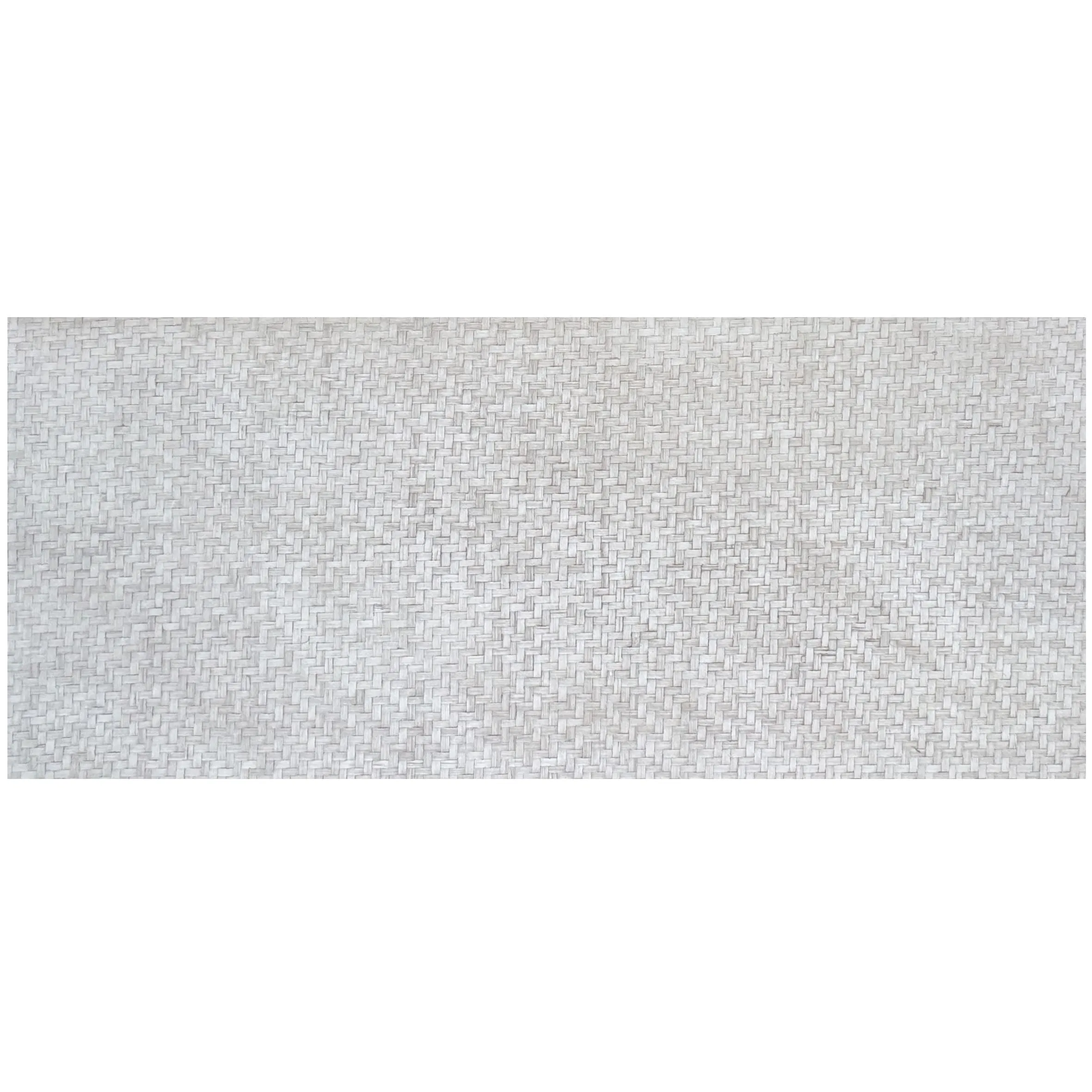
Crafted by pressing layers of bamboo fiber-reinforced MCM into a pattern that mirrors hand-woven bamboo mats, each board carries the irregular beauty of natural bamboo: no two are exactly alike. The surface isn't just printed—it's textured , with subtle variations in ridge height and color that catch light and shadow, creating depth that flat materials can't match. Run your fingers over it, and you'll feel the ghost of bamboo's strength, softened by the material's flexibility.
But why bamboo? Bamboo has long been celebrated for its sustainability (it grows faster than trees, needs no pesticides, and absorbs carbon dioxide) and its cultural resonance—it symbolizes resilience, growth, and harmony. By distilling its essence into a flexible stone board, MCM doesn't just borrow bamboo's look; it carries forward its spirit.
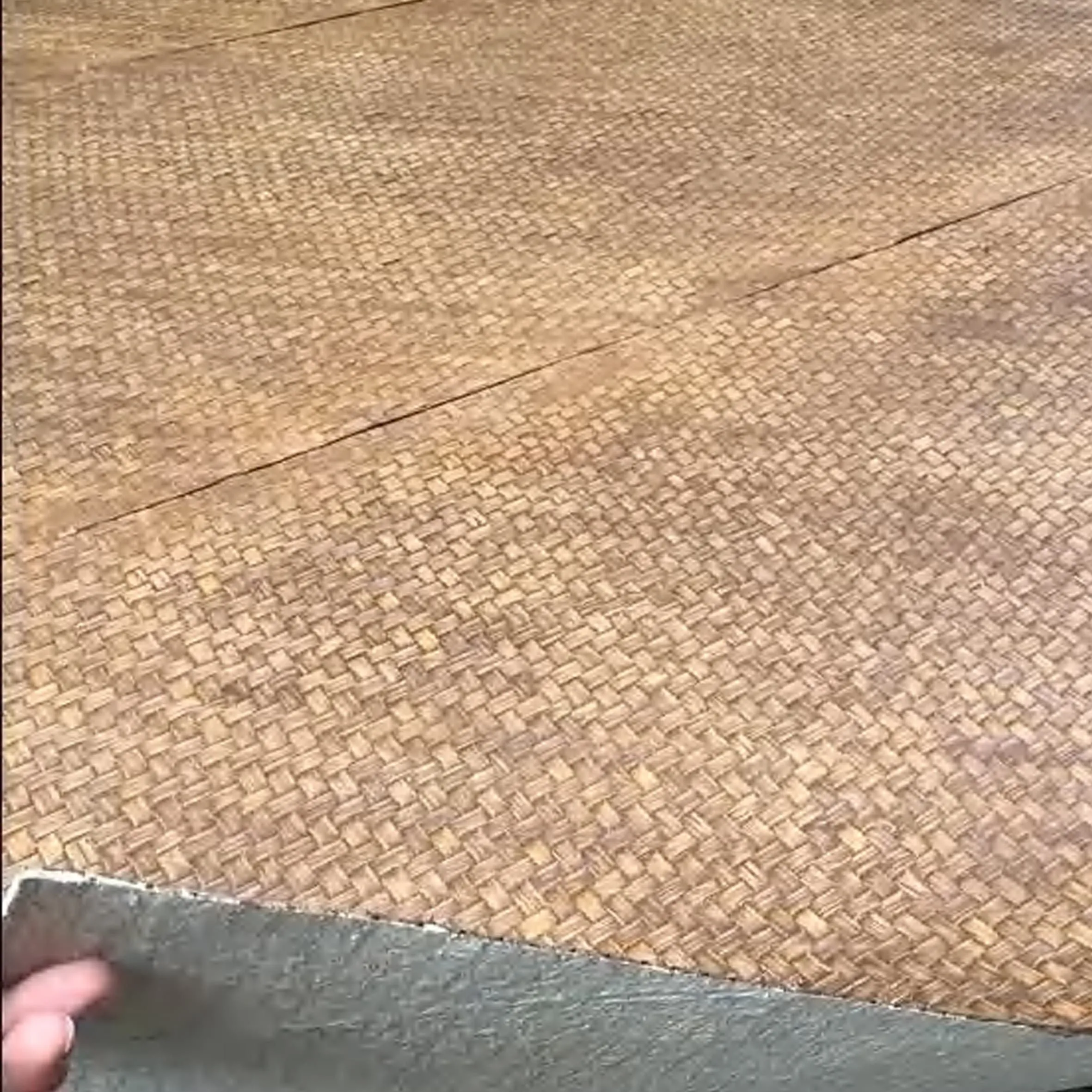
Gone are the days when architecture was all sharp angles and flat planes. Today's designers are embracing curves—softening edges to create spaces that feel welcoming, not imposing. Think of the sweeping curves of a museum's facade, the gentle arch of a restaurant's ceiling, or the organic shape of a home's interior wall that follows the flow of foot traffic. These designs demand materials that can keep up—and traditional stone or wood often can't.
Solid stone is heavy and brittle; bend it even a little, and it cracks. Wood can warp or split under stress. But Bamboo Mat Board? It bends. Not like rubber—there's still a firmness that speaks to its durability—but with a flexibility that lets it conform to radii as tight as 30cm (about a foot) without losing structural integrity. That means architects don't have to compromise on vision: a curved wall can be clad in the warm texture of bamboo, not just cold metal or plastic.
Take, for example, a boutique hotel in Bali (fittingly, given the Bali Stone series in MCM's lineup) that wanted to evoke the island's lush, organic landscapes. The designer chose Bamboo Mat Board for the lobby's curved accent wall, pairing it with stream limestone (claybank) floors to mimic the look of a bamboo grove meeting a riverbed. The result? A space that feels both grounded and fluid, where the wall seems to "breathe" with the same ease as the surrounding palm trees.
Bamboo Mat Board isn't just a one-trick pony. Its versatility makes it at home in almost any space, whether you're aiming for cozy, contemporary, or somewhere in between. Here are a few ways designers are putting it to work:
Imagine walking into a living room where one wall curves gently, clad in Bamboo Mat Board. The light from the window plays over the bamboo ridges, casting dappled shadows that shift as the day goes on. It's not just a wall—it's a focal point, a conversation starter, a reminder of nature's beauty. Homeowners love it for accent walls, headboards, or even curved ceilings in sunrooms, where its light weight (just 4-5 kg per square meter) means no need for heavy structural support.
Pair it with wood grain board for a layered, forest-inspired look, or contrast it with fair-faced concrete (another MCM standout) for an industrial-meets-organic vibe. One family in Portland, Oregon, used Bamboo Mat Board to line their curved staircase wall, creating a warm buffer between the sleek, modern steel railings and the cool marble floors. "It feels like walking through a bamboo forest every time I go up the stairs," the homeowner (laughed).
Restaurants, cafes, and hotels thrive on atmosphere—and Bamboo Mat Board delivers. A sushi bar with a curved counter wrapped in Bamboo Mat Board instantly feels more authentic, evoking the traditional Japanese zashiki (tatami room) without the formality. A boutique hotel lobby with a domed ceiling clad in the material feels intimate, like stepping into a giant, cozy basket.
In hospitality, durability matters too. Bamboo Mat Board is scratch-resistant (goodbye, scuffs from luggage carts!), moisture-resistant (no warping in humid climates), and easy to clean (just a damp cloth). One hotel chain in Thailand even used it in outdoor cabanas, where it withstood monsoon rains and harsh sunlight without fading or cracking—a testament to MCM's weatherproof design.
Libraries, community centers, and cultural hubs are increasingly using curved designs to encourage movement and connection. Bamboo Mat Board fits right in, adding warmth to spaces that might otherwise feel sterile. A children's library in Seoul, for example, used the material on curved bookshelves, making the space feel less like a "quiet zone" and more like a playful, treehouse-inspired nook where kids want to linger.
Flexibility and beauty are great, but what about the nitty-gritty? Bamboo Mat Board isn't just a pretty face—it's engineered to perform. Here's why it stands out:
At just 3-5mm thick and 4-5 kg/m², Bamboo Mat Board is a fraction of the weight of natural stone (which can weigh 20-30 kg/m²) or solid wood. That means easier transportation, faster installation (no need for heavy machinery), and less strain on building structures. Contractors love it: a team can clad an entire curved wall in a day, compared to days for traditional materials.
MCM's base is mineral powder (often recycled from construction waste) and plant fibers, so it's low in volatile organic compounds (VOCs) and free of harmful chemicals. Bamboo, as a raw material, is already sustainable, and MCM's manufacturing process uses minimal water and energy. For green-building projects aiming for LEED or BREEAM certification, Bamboo Mat Board is a no-brainer.
Whether it's rain, snow, UV rays, or humidity, Bamboo Mat Board holds its own. It won't rot, warp, or fade, and it's fire-resistant (rated Class A in most regions). That's why it's equally at home indoors and out—from a bathroom accent wall (resistant to steam!) to an outdoor patio ceiling.
| MCM Product | Texture | Flexibility (Minimum Radius) | Best For |
|---|---|---|---|
| Bamboo Mat Board | Woven bamboo ridges, warm honey tones | 30cm (curved walls, ceilings) | Natural, cozy spaces; indoor/outdoor accent walls |
| Wood Grain Board | Smooth wood knots and grains | 50cm (gentle curves, linear designs) | Traditional or rustic interiors; furniture panels |
| Fair-Faced Concrete | Raw, industrial finish with subtle pores | 80cm (large, sweeping curves) | Modern, minimalist spaces; exteriors |
| Lunar Peak Silvery | Metallic sheen with rock-like texture | 60cm (accent curves, modern facades) | Contemporary commercial spaces; statement walls |
One of the joys of MCM is how well its series play together. Bamboo Mat Board, with its warm, earthy vibe, pairs beautifully with other materials to create layered, dynamic spaces. Here are a few designer-approved combinations:
The raw, gray tones of fair-faced concrete balance the warmth of bamboo, creating a space that feels both grounded and modern. A popular combo for coffee shops: bamboo-clad curved counters with concrete walls, accented by metal fixtures. It's industrial without feeling cold—like a warehouse converted into a cozy cabin.
For a touch of luxury, pair bamboo's organic texture with the cool shimmer of Lunar Peak Silvery . Imagine a curved bedroom wall in bamboo, with a silvery Lunar Peak accent panel behind the bed. It's like bringing the forest and the moon indoors—serene, elegant, and totally unique.
Why choose between bamboo and wood when you can have both? Mixing Bamboo Mat Board with wood grain board (in complementary tones like oak or teak) creates a rich, layered look that feels like a walk through a forest. Use bamboo on the ceiling and wood grain on the walls, or alternate panels for a striped effect that adds movement to a room.
As architects and designers push for more sustainable, human-centered spaces, materials like Bamboo Mat Board will only grow in importance. They're not just building supplies—they're tools for storytelling, for creating spaces that feel less like "buildings" and more like extensions of nature, culture, and memory.
Imagine a world where curved skyscrapers are clad in flexible stone that mimics the look of mountain ranges, or where homes are wrapped in materials that breathe with the seasons. Bamboo Mat Board is a step toward that world—a reminder that innovation doesn't have to mean leaving tradition behind. It can mean reimagining it, bending it, and letting it grow in new directions.
Recommend Products












