
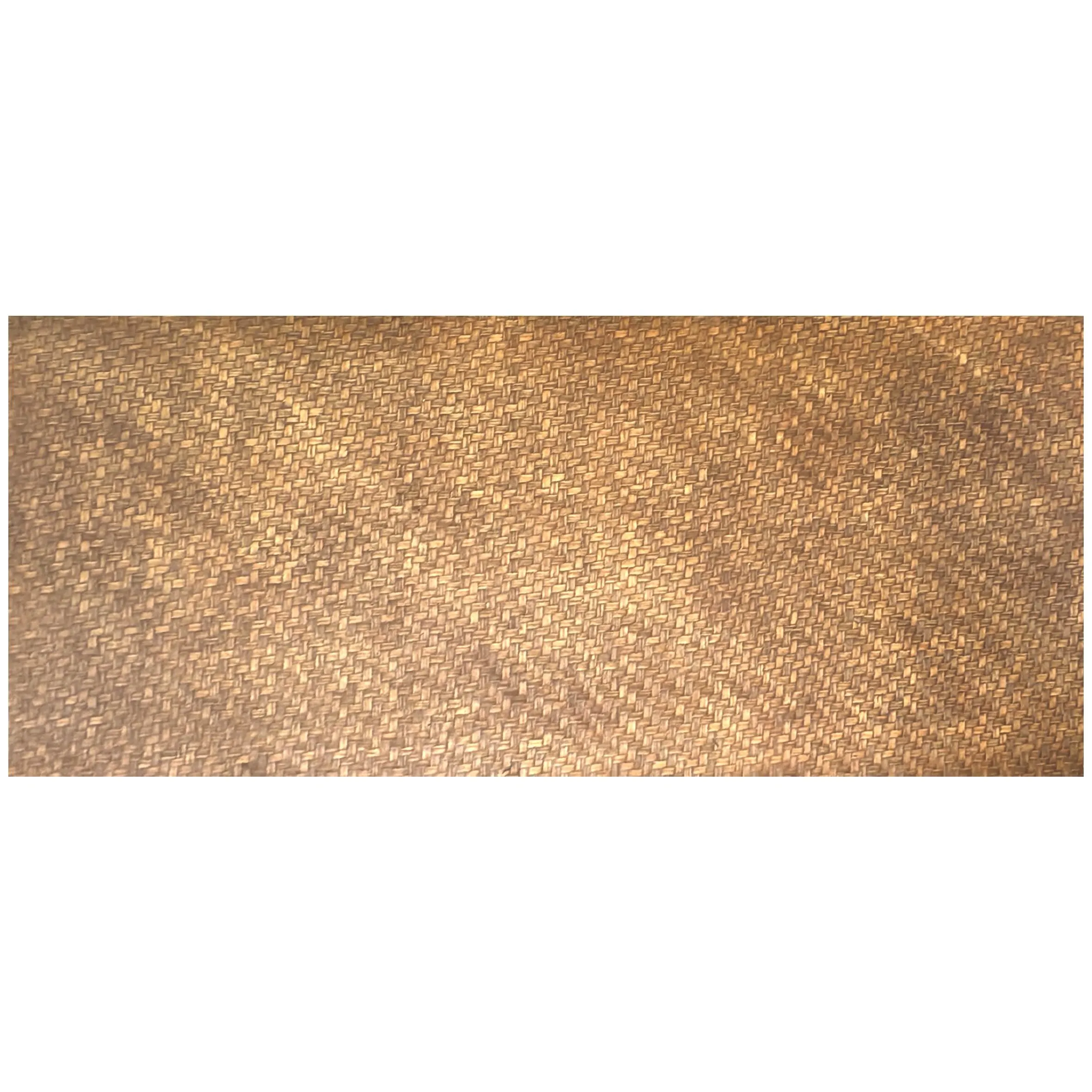
In an era where "faster, better, greener" has become the mantra of the construction industry, prefabricated building methods are no longer a niche trend—they're a necessity. From commercial skyscrapers to residential complexes, project managers are racing to meet tight deadlines, cut costs, and reduce environmental impact. Yet, even with prefab's promise of efficiency, traditional materials often throw a wrench in the works: heavy stone slabs that slow down installation, wood panels prone to warping, or concrete that requires days of curing. Enter Bamboo Mat Board —a material that's quietly revolutionizing how we build, one prefab panel at a time.
Picture this: A mid-sized hospital expansion in a bustling city. The deadline? Six months to add a new wing to accommodate growing patient needs. The initial plan relied on fair-faced concrete and traditional wood panels, but after two months, delays piled up. Concrete curing took longer than expected; wood panels arrived warped due to humidity, requiring on-site adjustments. The project was on track to finish 45 days late—until the contractor switched to Bamboo Mat Board. Prefabricated off-site, the panels were lightweight enough for two workers to carry, snapped together like puzzle pieces, and required zero on-site modification. The result? The wing was completed three weeks ahead of the revised schedule, saving the hospital over $150,000 in labor and penalty costs. This isn't a one-off success story. Bamboo Mat Board is quickly becoming the go-to choice for builders who refuse to choose between speed, durability, and sustainability.
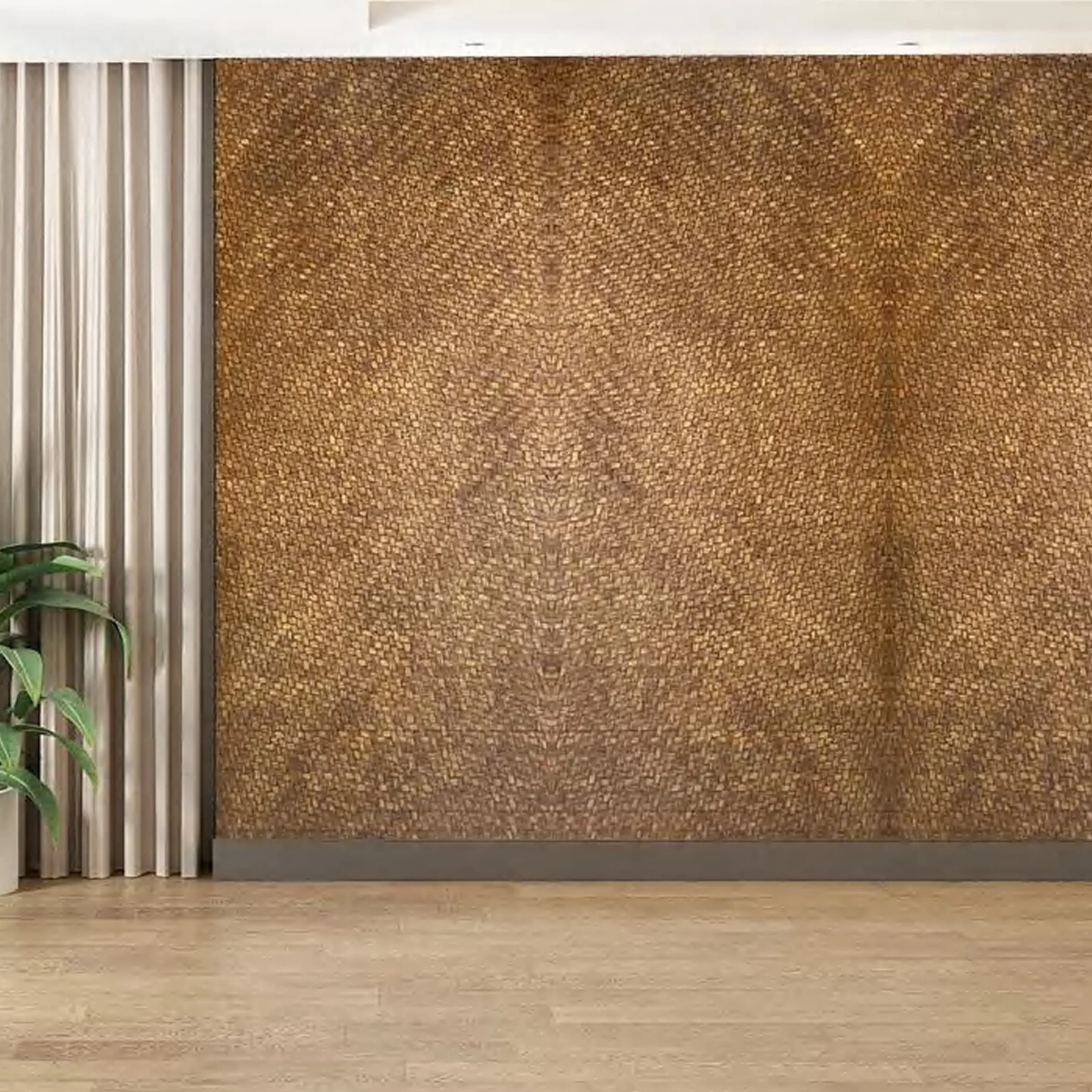
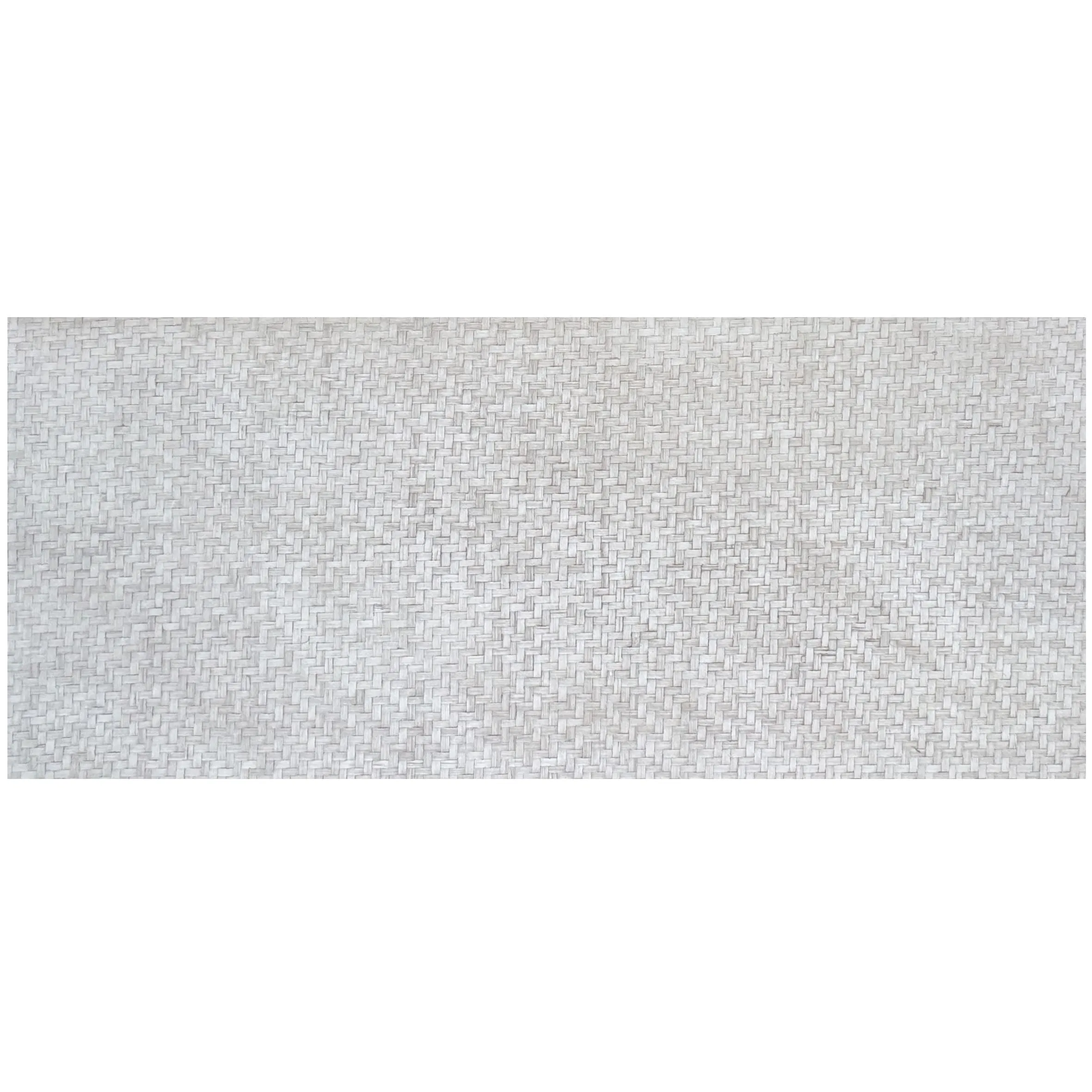
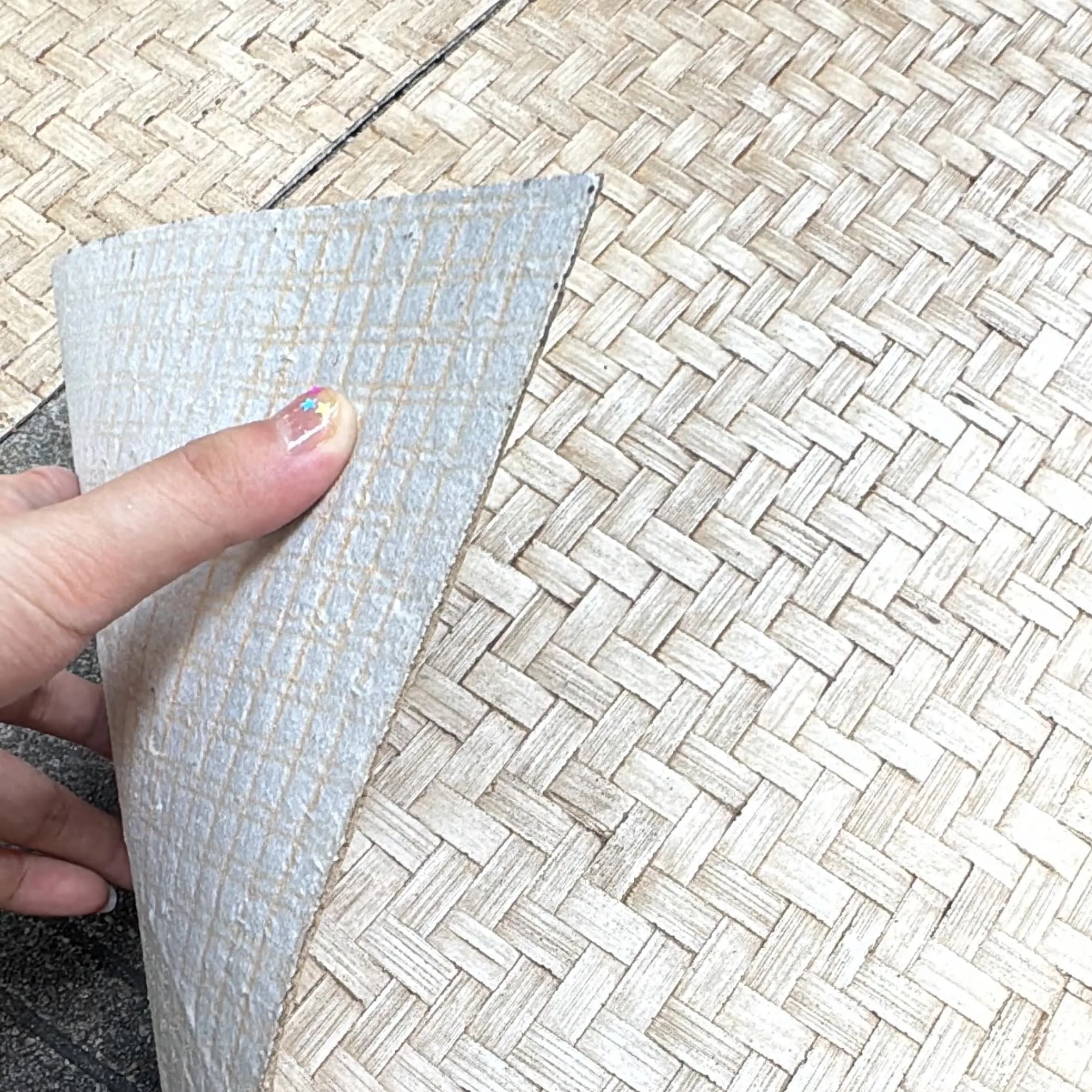
At first glance, Bamboo Mat Board might evoke images of flimsy bamboo placemats—but that couldn't be further from the truth. This engineered material is a masterclass in combining nature's strength with modern technology. Made by compressing layers of bamboo fibers (sourced from sustainably managed forests) with eco-friendly resins, it's formed into rigid, lightweight panels that mimic the look of natural wood grain while outperforming traditional materials in key areas. Unlike solid wood, it's resistant to pests, moisture, and warping. Unlike concrete, it weighs a fraction of the load—around 12-15 kg per square meter, compared to concrete's 240 kg/sqm. And unlike MCM flexible stone (another popular prefab material), it offers a warmth and organic texture that feels less industrial, making it ideal for both interior and exterior applications.
But what truly sets Bamboo Mat Board apart is its prefabrication-friendly design. Manufacturers cut panels to precise dimensions—from small 1x1m sheets to large 3x6m slabs—before shipping them to the site. This means no on-site cutting, sanding, or finishing. Workers simply unload the panels, align them with the prefab frame, and secure them using simple interlocking systems or adhesives. It's construction without the mess, the noise, or the delays.
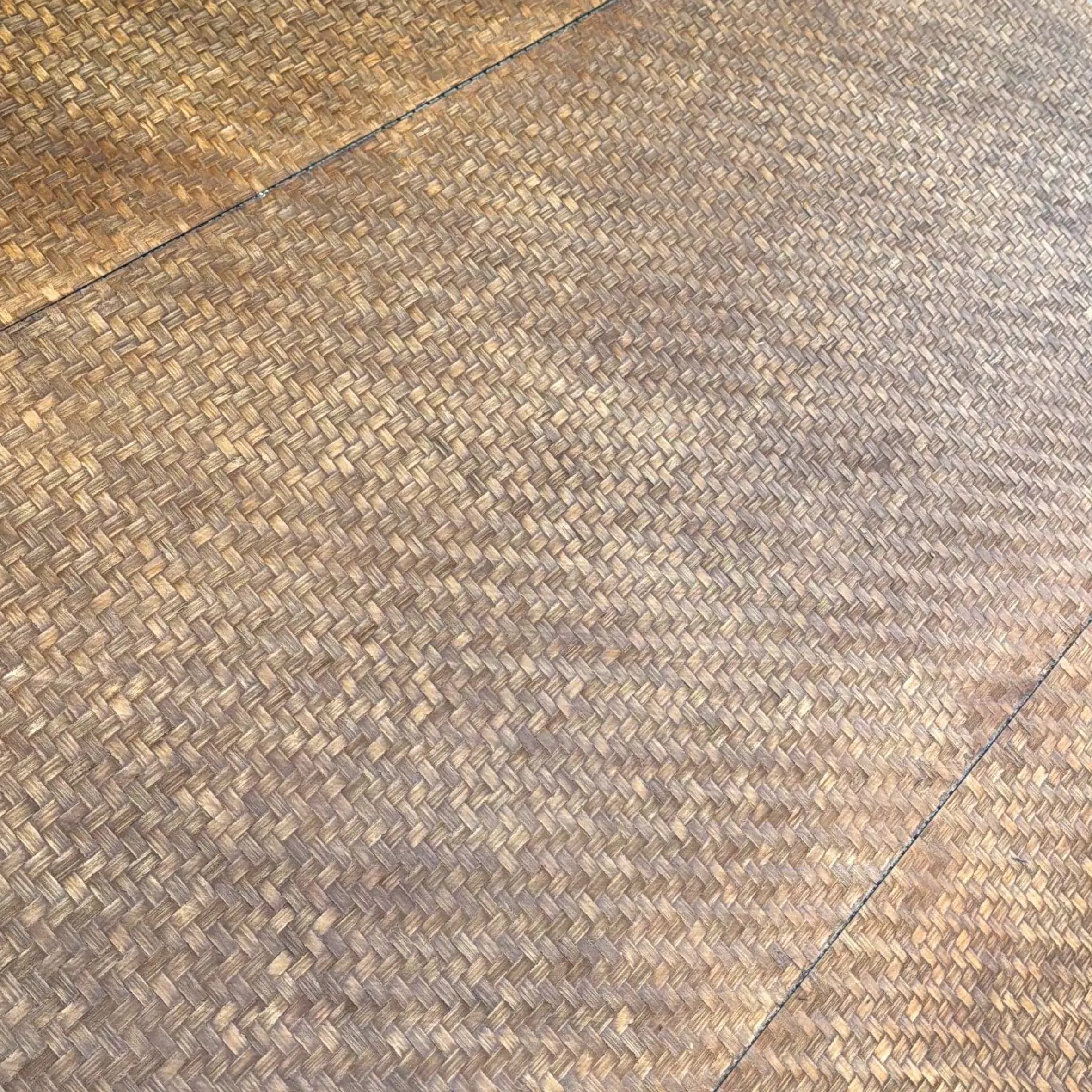
Speed in construction isn't just about meeting deadlines—it's about reducing labor costs, minimizing disruption to communities, and seizing opportunities. Let's break down how Bamboo Mat Board delivers on this front:
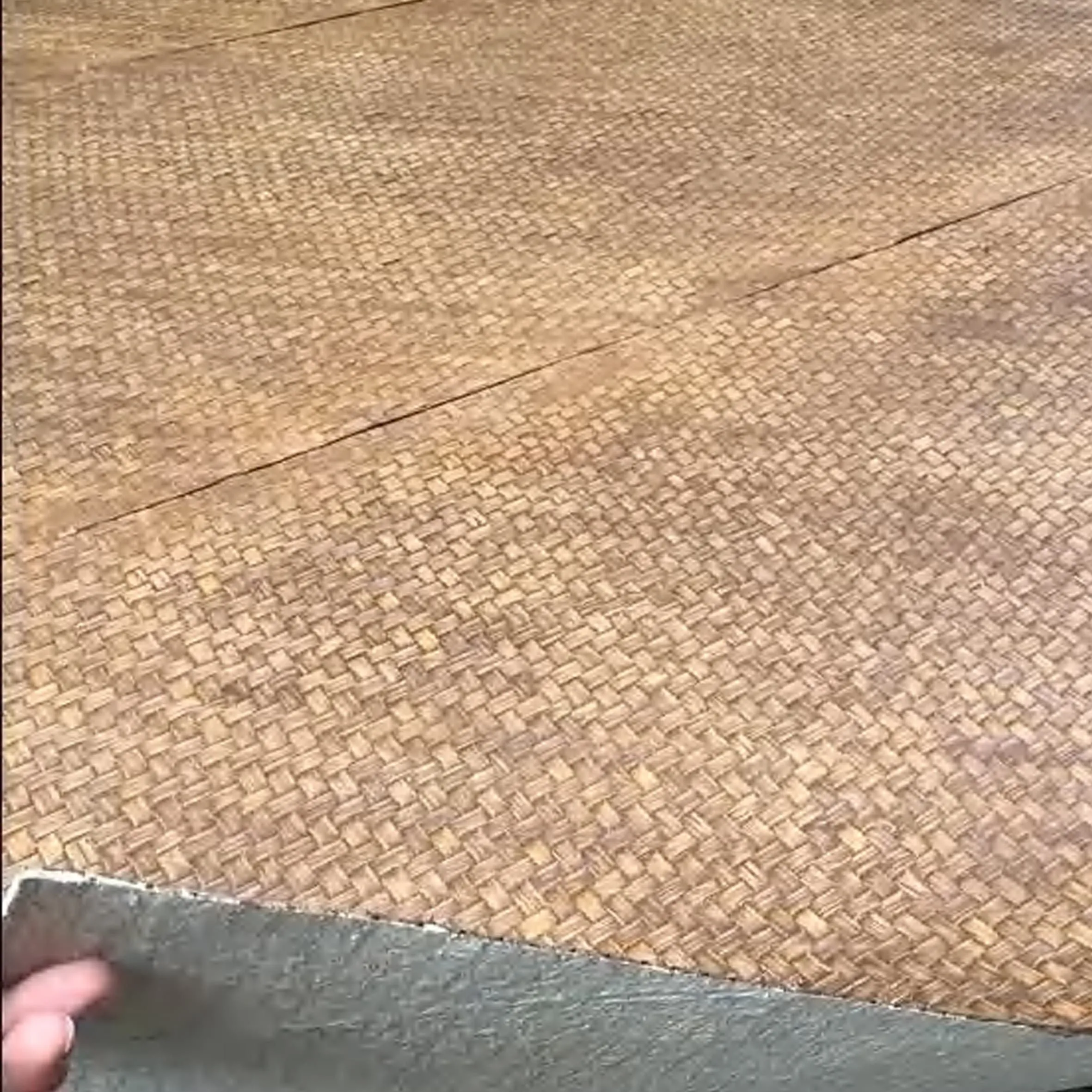
To truly appreciate Bamboo Mat Board's speed advantage, let's compare it to three common prefab materials: MCM Flexible Stone , Wood Grain Board , and Fair-Faced Concrete . The table below breaks down key metrics for a typical 500 sqm installation:
| Material | Installation Time (500 sqm) | Weight (kg/sqm) | Sustainability Score* | On-Site Modification Needed? |
|---|---|---|---|---|
| Bamboo Mat Board | 3 days | 12-15 | 9/10 | No |
| MCM Flexible Stone | 5 days | 18-22 | 7/10 | Yes (cutting required) |
| Wood Grain Board | 6 days | 15-18 | 6/10 | Yes (sanding, sealing) |
| Fair-Faced Concrete | 10 days | 240-280 | 5/10 | Yes (curing, finishing) |
*Sustainability score based on raw material renewability, carbon footprint, and recyclability.
The numbers speak for themselves: Bamboo Mat Board slashes installation time by 40-70% compared to alternatives, with the added benefits of being lighter, more sustainable, and virtually modification-free. For a 500 sqm project, that's 2-7 extra days saved—time that can be redirected to other critical tasks, like electrical work or interior finishing.
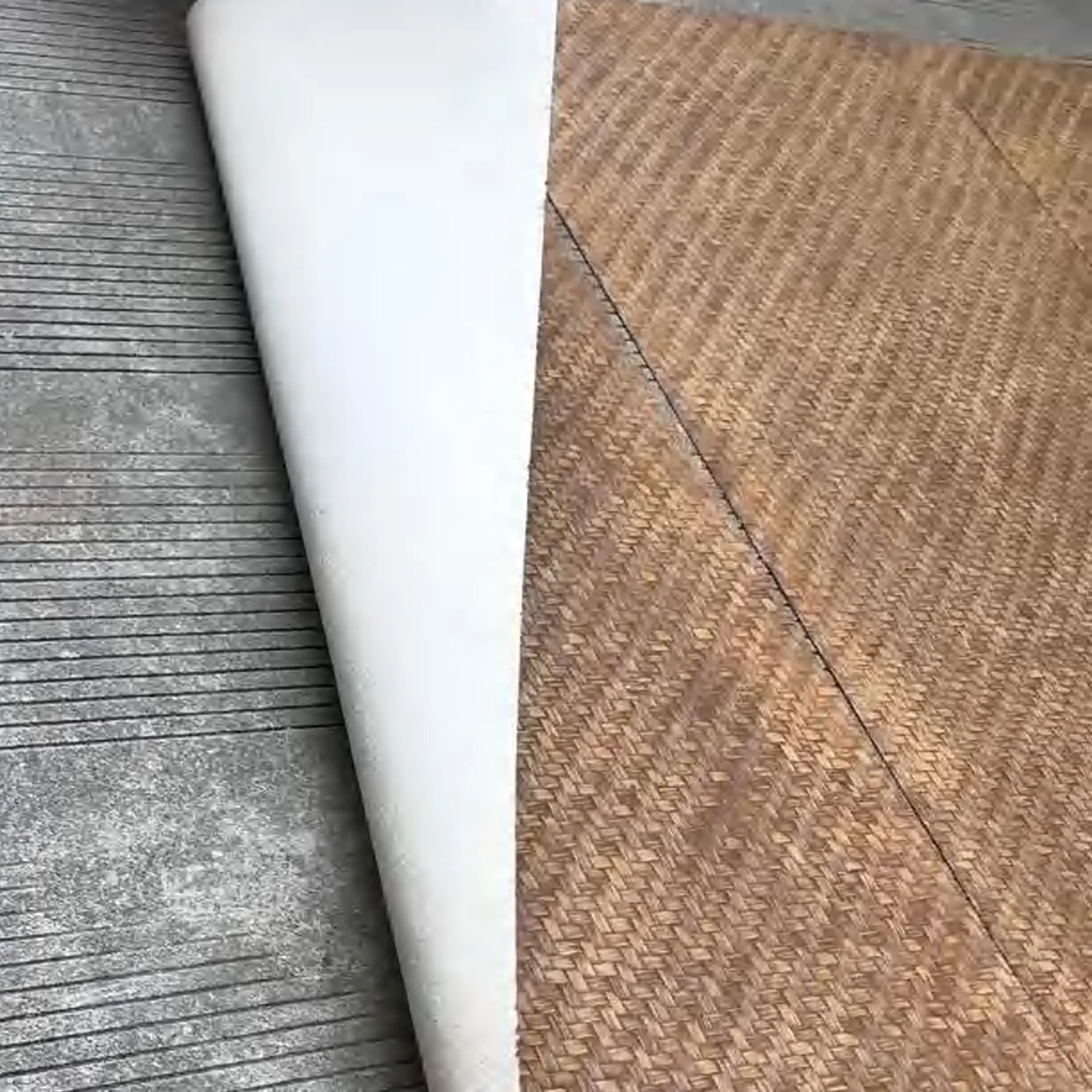
Bamboo Mat Board isn't just a theoretical solution—it's proving its mettle on job sites worldwide. Take the GreenPlex Commercial Hub in Singapore, a 10-story mixed-use building that aimed for LEED Platinum certification. The developers prioritized materials with low embodied carbon and fast installation. While MCM flexible stone was initially considered for the facade, Bamboo Mat Board won out for its natural aesthetic and speed. The entire exterior cladding, spanning 8,000 sqm, was installed in just 28 days—nearly half the time projected for stone. Today, the building's warm, bamboo-textured facade has become a local landmark, and the project finished two months ahead of schedule, netting the developers a $500,000 bonus for early completion.
Closer to home, a rural school district in Oregon faced a crisis: aging facilities and a student population boom. The district needed to build two new elementary schools in 12 months to avoid overcrowding. Traditional construction methods would have taken 18 months minimum. Instead, the contractor opted for prefab panels, with Bamboo Mat Board as the primary wall and ceiling material. Thanks to the panels' light weight, workers could install them in winter—when the ground was too frozen for concrete work—without delays. Both schools opened on time, and parents praised the warm, wood-like interiors that created a calming environment for students. "It felt like we built with nature, not against it," said the district's facilities director.
The secret to Bamboo Mat Board's efficiency lies in its manufacturing process. Unlike traditional materials that are shaped on-site, Bamboo Mat Board is born in a factory, where precision and consistency are king. Here's a quick breakdown:
As prefab construction continues to grow—projected to reach $1.5 trillion globally by 2030—materials like Bamboo Mat Board will play a starring role. Builders are already experimenting with new applications: combining it with prefabricated MCM panel systems for hybrid facades, or using it in modular homes that can be assembled in days, not months. Innovations in manufacturing are also on the horizon, including panels with integrated insulation or smart sensors that monitor temperature and humidity—all while keeping installation times low.
Sustainability will remain a key driver. With stricter carbon regulations and eco-conscious clients, Bamboo Mat Board's low footprint (bamboo absorbs 5x more CO2 than equivalent trees) and biodegradable resins make it a standout choice. "We're not just building faster—we're building smarter," says a senior architect at a leading global firm. "Materials like Bamboo Mat Board let us deliver projects that make clients happy, communities healthier, and the planet greener. That's the future we're working toward."
In the end, Bamboo Mat Board isn't just about speed. It's about reimagining what construction can be: a process that respects both people and the planet, without compromising on quality or aesthetics. Whether you're building a hospital wing, a school, or a home, it's a material that doesn't just meet deadlines—it exceeds them, leaving room for creativity, sustainability, and pride in the finished product.
So the next time you walk past a building site and wonder how they're getting it all done so quickly, take a closer look. Chances are, those warm, textured panels you see aren't wood or stone—they're Bamboo Mat Board, quietly proving that in construction, as in life, the best solutions often come from blending the old (bamboo's ancient strength) with the new (prefab precision). And in a world that waits for no one, that's a combination worth building on.
Recommend Products












