
Saudi Arabia's construction sector is in the midst of a transformative era, driven by the ambitious goals of Vision 2030. As the kingdom shifts from oil dependency to a diversified economy, its cities are evolving into global hubs of innovation, sustainability, and architectural excellence. From the futuristic skylines of NEOM to the cultural revivals in Riyadh's historic districts, every project tells a story of progress—and at the heart of these stories lies a quiet revolution in building materials. Among the rising stars? Bamboo Mat Board, a material that blends tradition, sustainability, and design flexibility in a way that's capturing the attention of architects, developers, and homeowners alike.
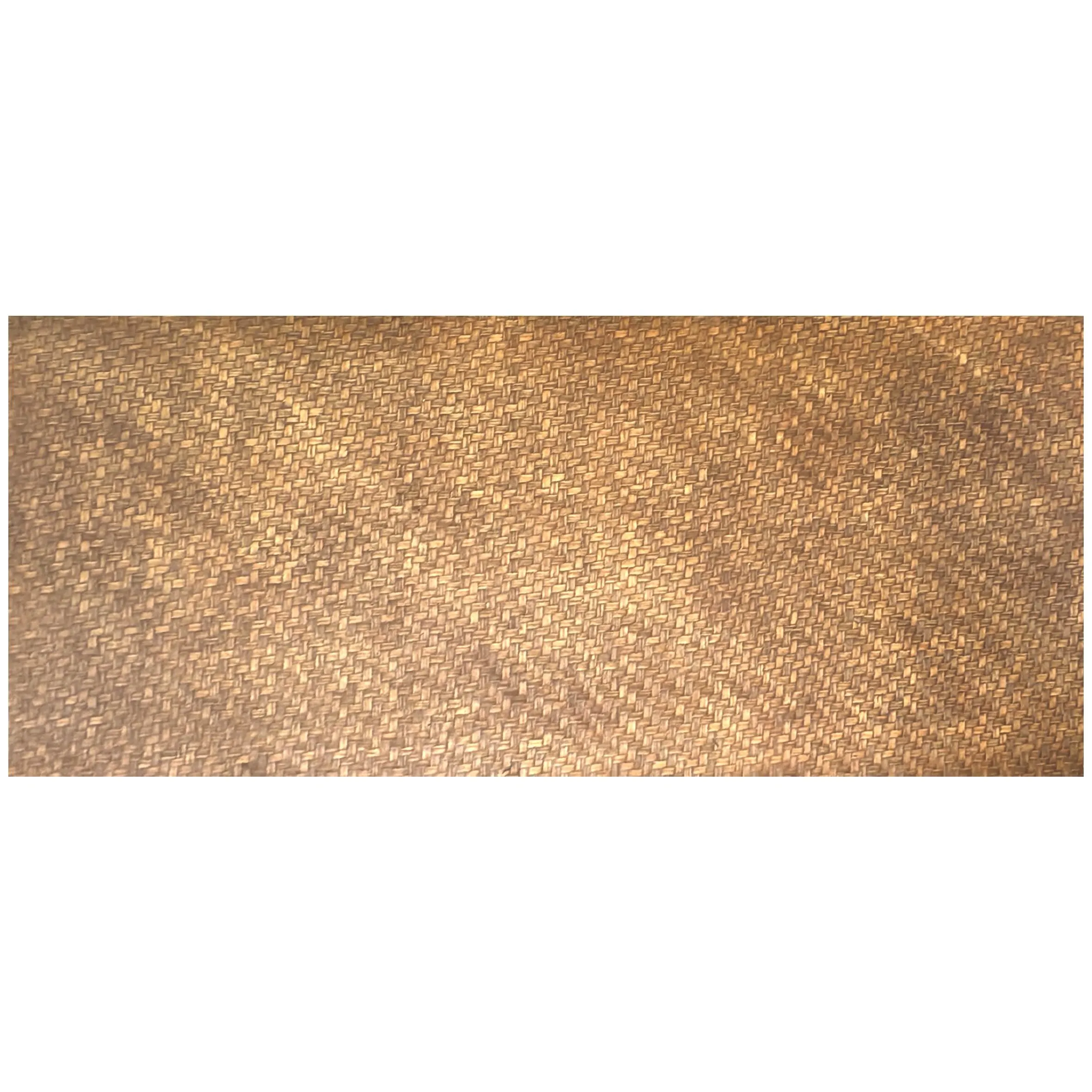
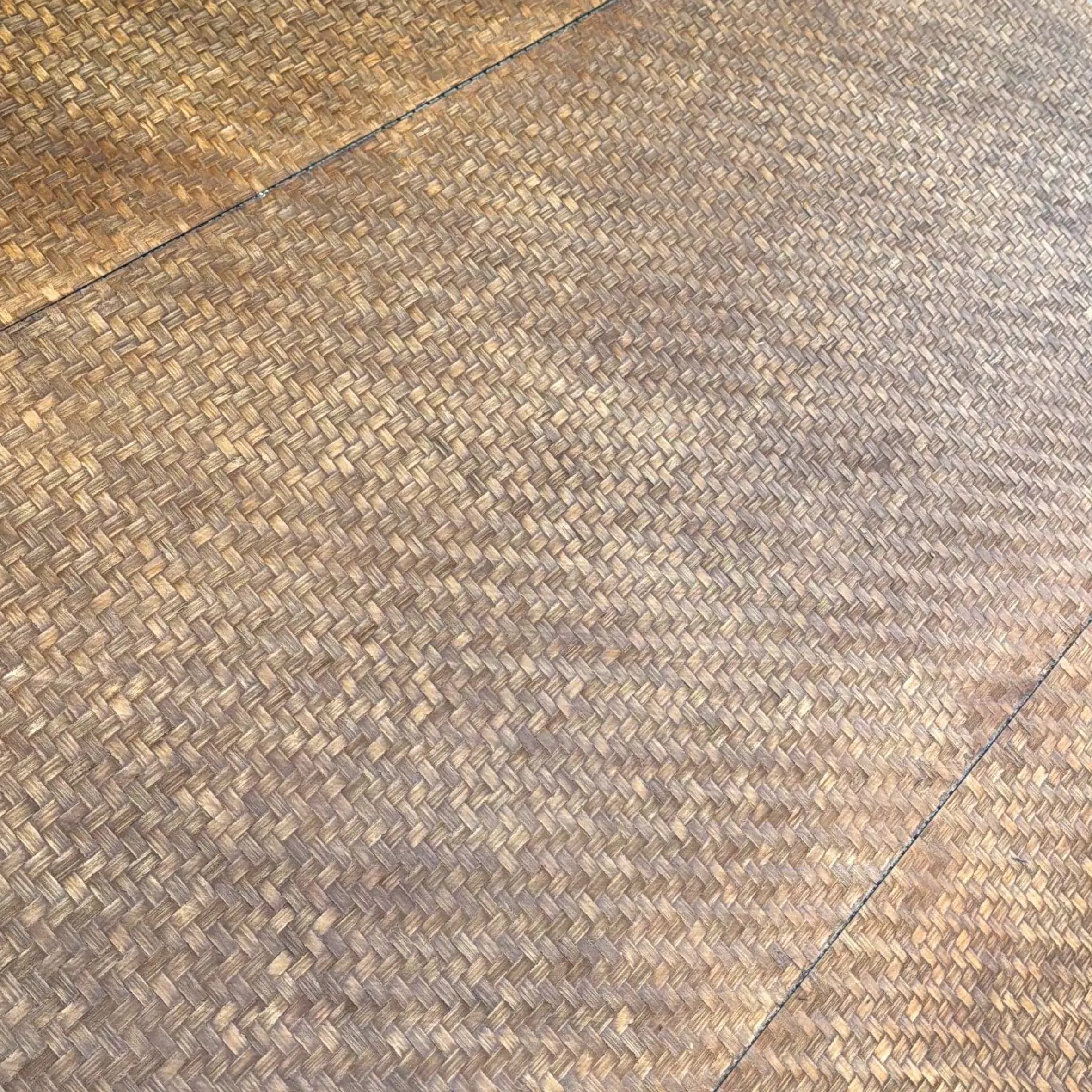
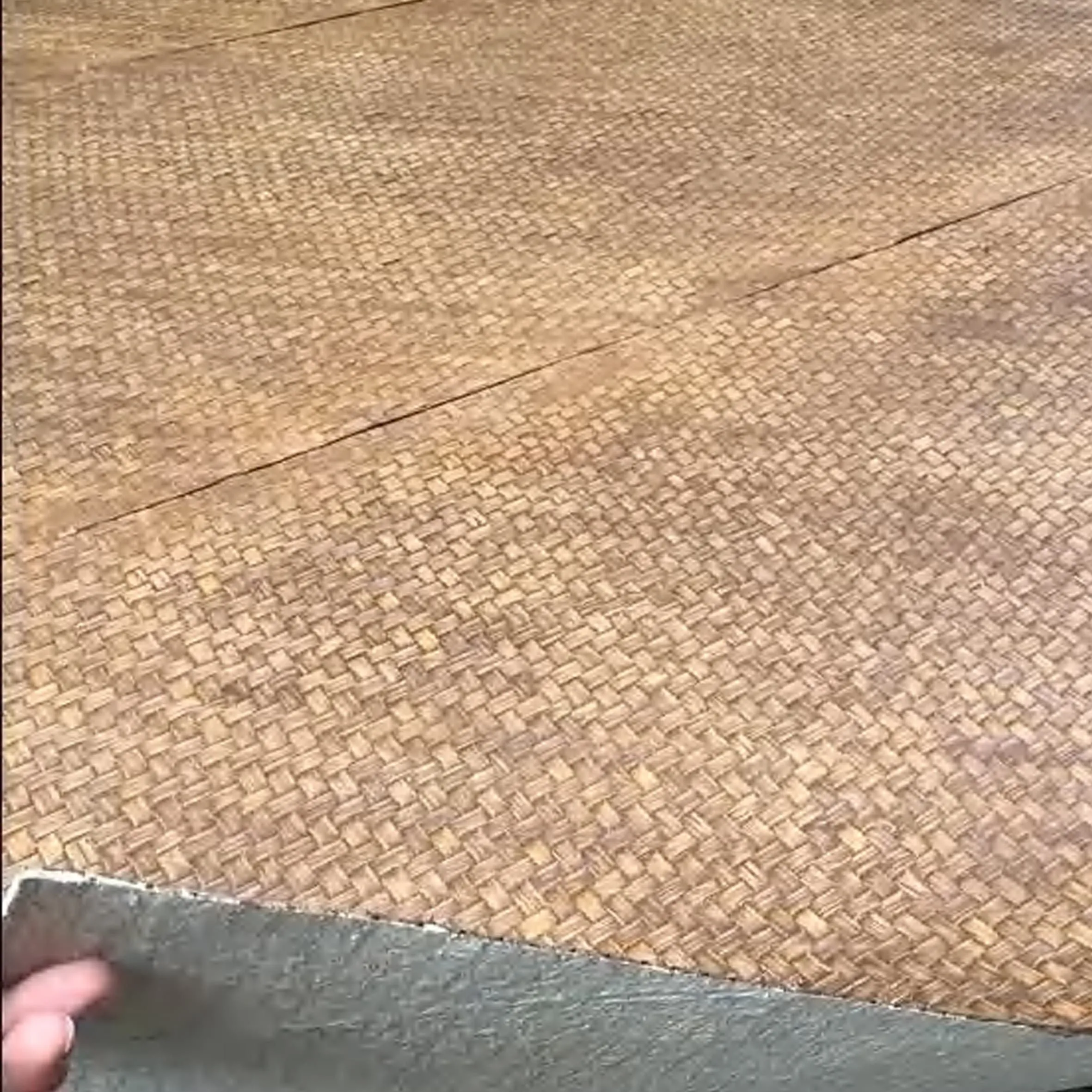
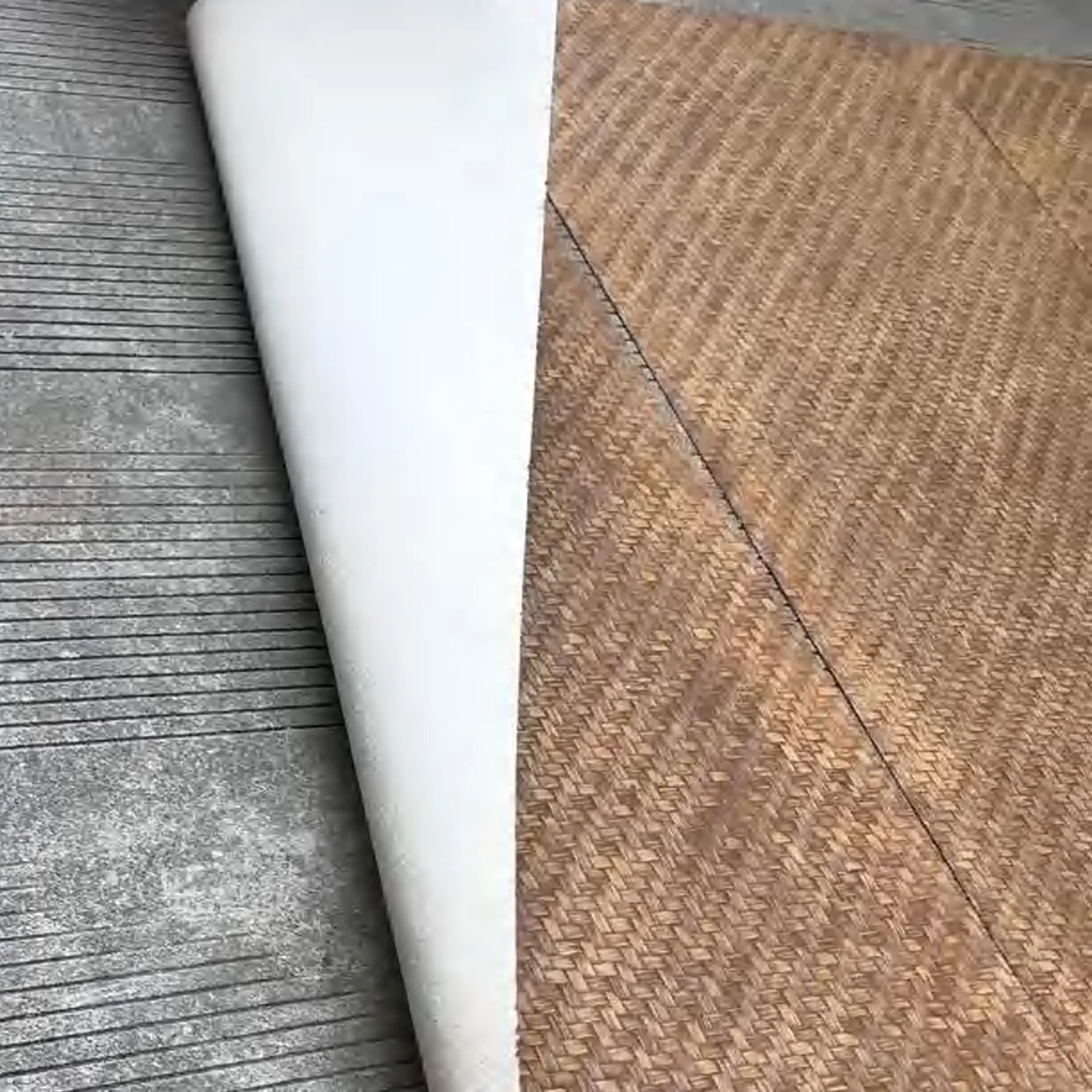
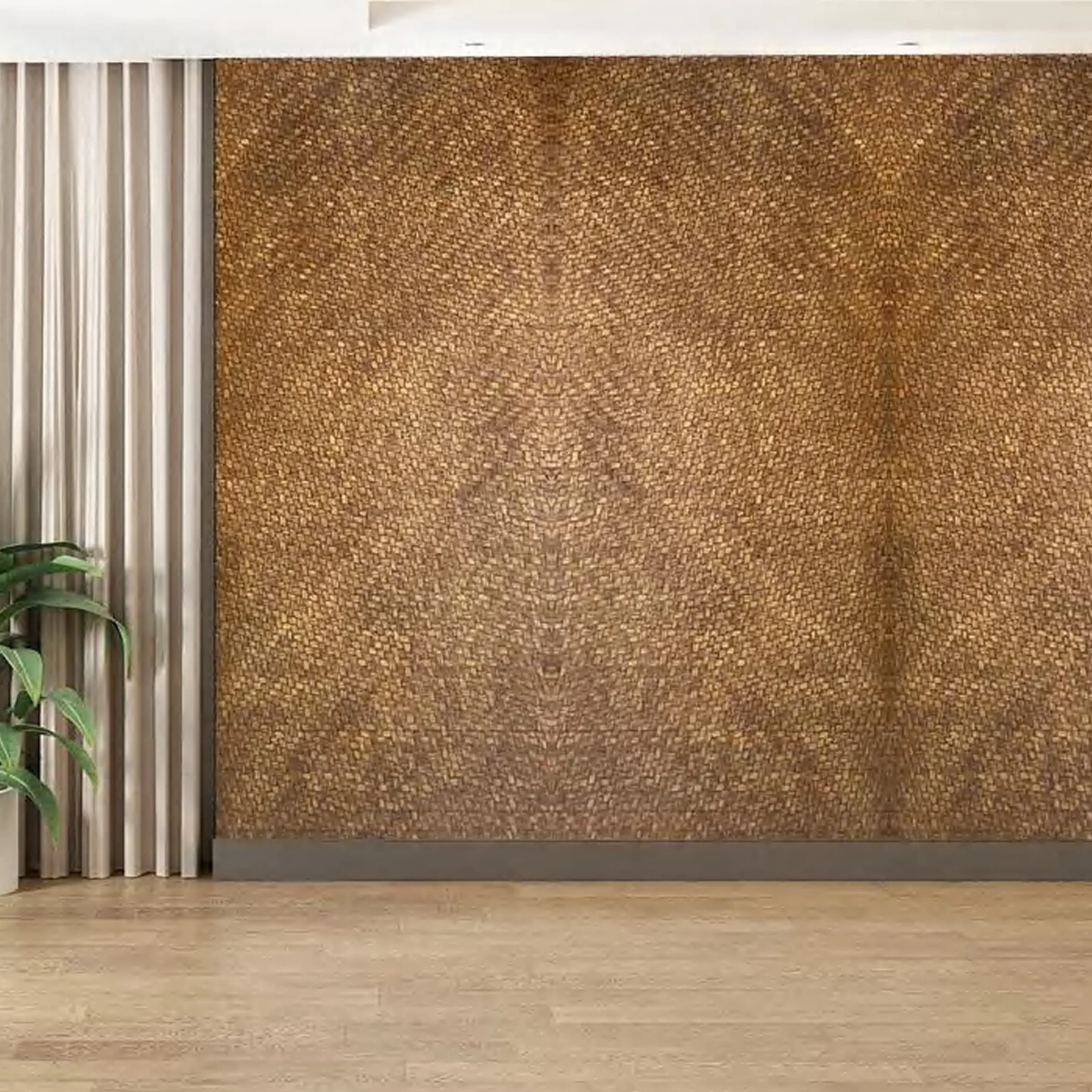
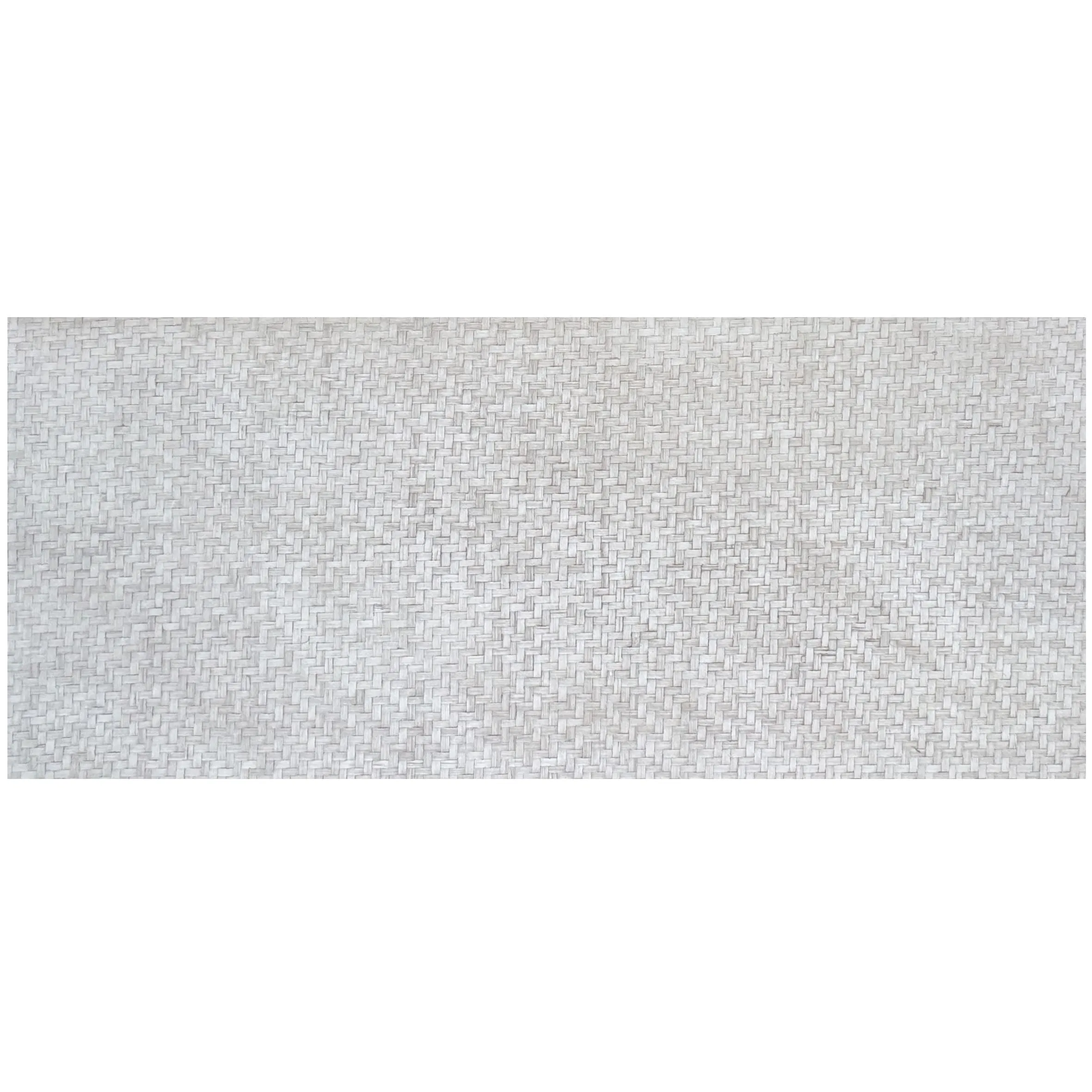
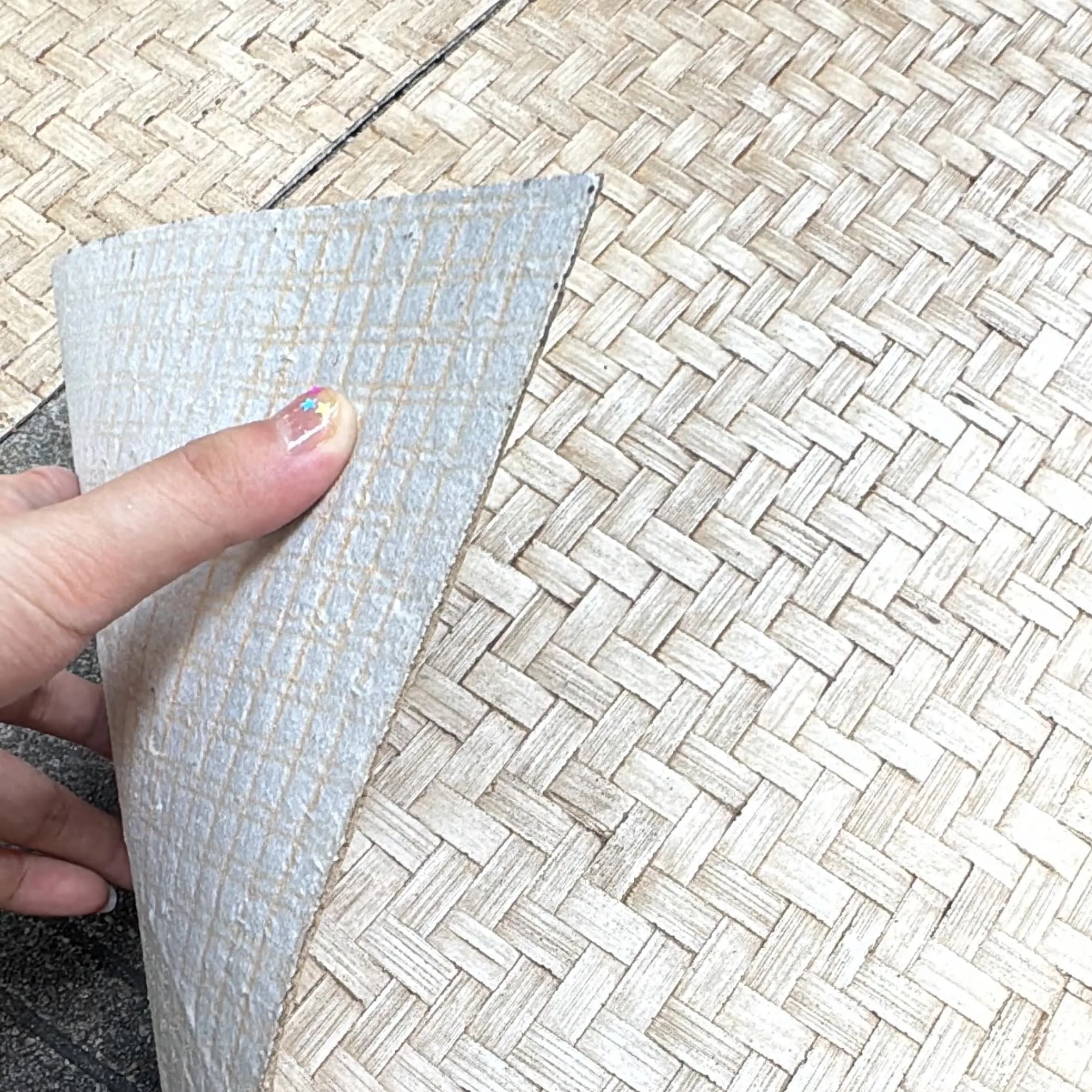
To understand Bamboo Mat Board's growing popularity, let's start with the basics. Unlike synthetic cladding or heavy stone slabs, Bamboo Mat Board is crafted from natural bamboo fibers woven into a mat-like structure, then bonded with eco-friendly resins to enhance strength and durability. The result? A material that feels both organic and modern—warm to the touch, with a subtle texture that echoes the rustle of bamboo forests, yet tough enough to withstand Saudi Arabia's harsh desert climate.
What sets it apart, though, is its versatility. Whether used as exterior cladding for a beachfront villa in Jeddah, interior wall paneling in a Riyadh café, or even as a decorative element in a NEOM tech hub, Bamboo Mat Board adapts. It comes in a range of finishes—from natural honey tones to stained charcoal—allowing designers to play with light, shadow, and texture. And for a kingdom increasingly focused on sustainability, its eco-credentials are hard to ignore: bamboo is one of the fastest-growing plants on Earth, requiring minimal water and no pesticides, making Bamboo Mat Board a low-carbon alternative to traditional materials like concrete or hardwood.
Walk into any architectural firm in Riyadh these days, and you're likely to hear Bamboo Mat Board mentioned in the same breath as "biophilic design" and "green building certifications." So why now? The answer lies in a perfect storm of market drivers: Vision 2030's push for sustainable development, a growing appetite for unique aesthetics, and a post-pandemic shift toward spaces that feel connected to nature.
Take, for example, the hospitality sector. With Saudi Arabia investing billions in tourism—from the Red Sea Project to Qiddiya—hotels and resorts are racing to stand out. "Guests today don't just want luxury; they want authenticity," says Lama Al-Harbi, an interior designer specializing in high-end resorts in Jeddah. "Bamboo Mat Board gives spaces a sense of warmth and earthiness that synthetic materials can't replicate. We used it in a beach resort lobby last year, and the feedback was unanimous: guests felt instantly relaxed, like they'd stepped into a tropical oasis without leaving the kingdom."
Residential projects are also jumping on board. As young Saudi families prioritize sustainable living, developers are incorporating Bamboo Mat Board into townhouses and villas. In Riyadh's Al Mouwasat district, a recent housing complex used it for exterior cladding, reducing the building's carbon footprint while adding a distinctive, modern look. "Homebuyers are asking for materials that are both good for the planet and easy to maintain," notes Khalid Al-Saleh, a project manager at a leading Riyadh construction firm. "Bamboo Mat Board checks both boxes—it resists moisture, doesn't fade in the sun, and looks better with age."
The demand for Bamboo Mat Board isn't uniform across Saudi Arabia—it's shaped by regional needs, project types, and even cultural preferences. Let's break it down:
As the capital and largest city, Riyadh is leading the charge. Here, commercial projects—office towers, retail malls, and mixed-use developments—are driving demand. Architects are using Bamboo Mat Board to soften the city's often stark concrete landscapes. For instance, a new tech campus in King Abdullah Financial District features Bamboo Mat Board accent walls in common areas, creating a contrast between sleek glass facades and natural textures. "It's about balance," explains architect Omar Al-Jaber. "Riyadh's skyline is becoming more futuristic, but people still crave elements that feel human. Bamboo Mat Board bridges that gap."
On the Red Sea coast, Jeddah's projects lean into Bamboo Mat Board's resistance to humidity and salt air. Exterior cladding for beachfront villas and hotels is a major use case here. A recent boutique hotel in Al-Balad, Jeddah's historic district, paired Bamboo Mat Board with traditional coral stone, blending old and new. "The material holds up surprisingly well against the coastal climate," says Sarah Al-Zahrani, the hotel's developer. "We were worried about warping, but after two years, it still looks brand new. Plus, it gives the hotel a unique, tropical vibe that guests love."
Perhaps the most exciting frontier for Bamboo Mat Board is in Saudi Arabia's "future cities," like NEOM and THE LINE. These mega-projects prioritize sustainability and innovation, making Bamboo Mat Board a natural fit. While details are still under wraps, industry insiders hint that it's being considered for public spaces, eco-resorts, and even residential pods. "NEOM is all about reimagining urban living," says a source close to the project. "Bamboo Mat Board aligns with that vision—sustainable, adaptable, and aesthetically forward-thinking."
Of course, Bamboo Mat Board isn't the only innovative material making waves in Saudi Arabia. Let's take a closer look at how it compares to other popular options, from MCM Flexible Stone to Lunar Peak Silvery and Fair-Faced Concrete:
| Material | Sustainability | Aesthetic Appeal | Durability (Saudi Climate) | Cost (per sqm, approximate) | Installation Ease |
|---|---|---|---|---|---|
| Bamboo Mat Board | High (renewable bamboo, low carbon) | Warm, organic texture; natural tones | Excellent (resists humidity, UV rays) | SR 80-120 | Easy (lightweight, can be cut on-site) |
| MCM Flexible Stone | Medium (recycled materials, but synthetic binders) | Versatile; mimics stone, metal, or wood | Very Good (weather-resistant) | SR 100-150 | Moderate (requires specialized tools) |
| Fair-Faced Concrete | Low (high carbon footprint, non-renewable) | Industrial, minimalist; raw, gray finish | Excellent (durable, fire-resistant) | SR 60-90 | Challenging (requires skilled labor, curing time) |
| Lunar Peak Silvery | Medium (metallic finish, some recycled content) | Sleek, modern; metallic sheen | Good (resists corrosion, but prone to scratching) | SR 150-200 | Moderate (heavy, needs structural support) |
As the table shows, Bamboo Mat Board holds its own—offering better sustainability than Fair-Faced Concrete, lower cost than Lunar Peak Silvery, and a unique aesthetic that MCM Flexible Stone, for all its versatility, can't quite replicate. "It's not about one material being 'better' than another," says Ali Al-Mansoori. "It's about fit. For projects where biophilic design and sustainability are top priorities, Bamboo Mat Board is hard to beat."
Despite its promise, Bamboo Mat Board faces hurdles in the Saudi market. One of the biggest is supply chain reliability. Most Bamboo Mat Board is imported from Southeast Asia, leading to delays and price fluctuations. "We've had projects where delivery took three months instead of one," says Al-Saleh. "That can throw off timelines and budgets." To address this, some local manufacturers are exploring partnerships with Asian producers to set up regional distribution centers—a move that could stabilize supply and lower costs.
Awareness is another challenge. While architects and high-end developers are catching on, many contractors and small-scale builders are still unfamiliar with Bamboo Mat Board. "There's a learning curve," admits Al-Harbi. "Contractors used to working with concrete or stone need to adjust their installation techniques. We're seeing more workshops and training sessions popping up, which helps."
On the flip side, opportunities abound. The Saudi government's focus on green building—including initiatives like the Leadership in Energy and Environmental Design (LEED) certification—could boost demand. Additionally, as local manufacturers start producing Bamboo Mat Board (or similar eco-materials), costs are likely to drop, making it accessible to a wider range of projects.
So, what does the future hold for Bamboo Mat Board in Saudi Arabia? Industry forecasts are optimistic. By 2030, some estimates suggest its market share could grow by 15-20%, driven by urbanization, tourism, and sustainability goals. Innovations are also on the horizon: think fire-retardant variants for high-rise buildings, or customizable patterns for branded spaces.
Perhaps most exciting is the potential for Bamboo Mat Board to blend with other materials, creating hybrid designs. Imagine a facade combining Bamboo Mat Board with foamed aluminium alloy panels for a modern, industrial-meets-natural look, or pairing it with marble stream stone for a luxury finish. "The possibilities are endless," says Al-Jaber. "We're just scratching the surface of what Bamboo Mat Board can do."
As Saudi Arabia builds its future, materials like Bamboo Mat Board are more than just building blocks—they're symbols of progress. They represent a shift toward sustainability, creativity, and human-centered design. In a kingdom where the past and future collide, Bamboo Mat Board offers a bridge: rooted in nature, yet ready to shape the skylines of tomorrow.
For architects, builders, and homeowners, the message is clear: keep an eye on Bamboo Mat Board. It's not just a trend—it's a glimpse into the future of Saudi Arabian construction.
Recommend Products












