
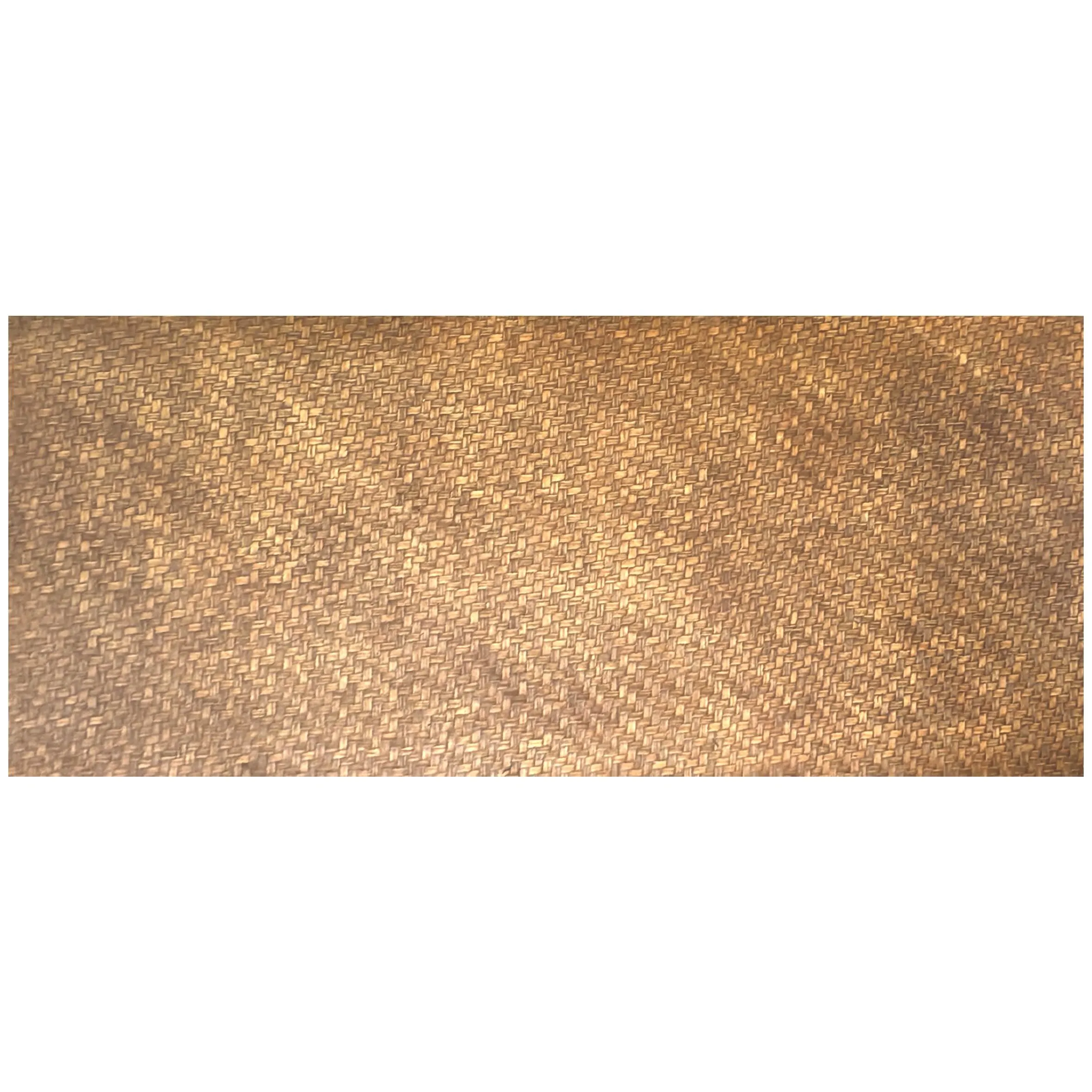
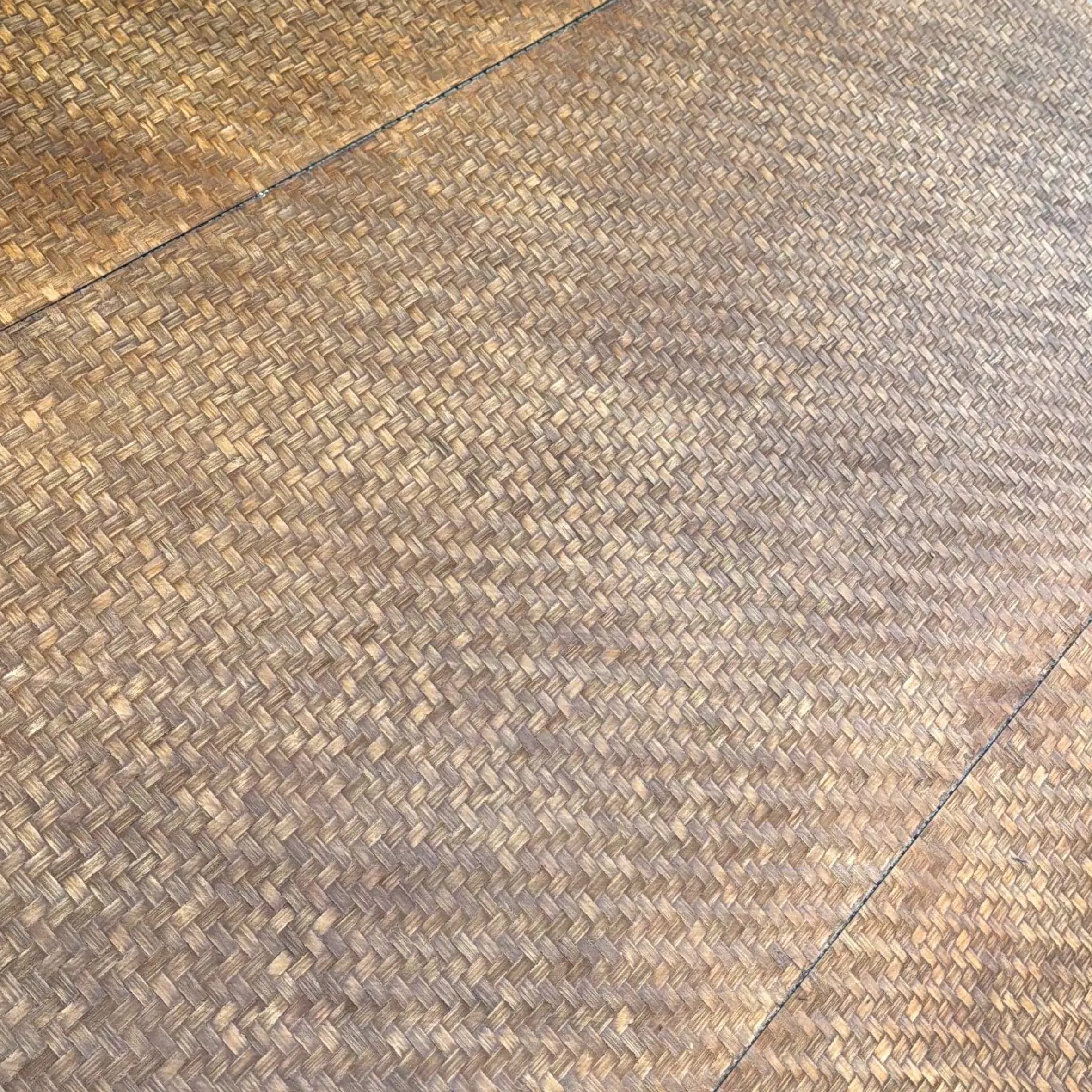
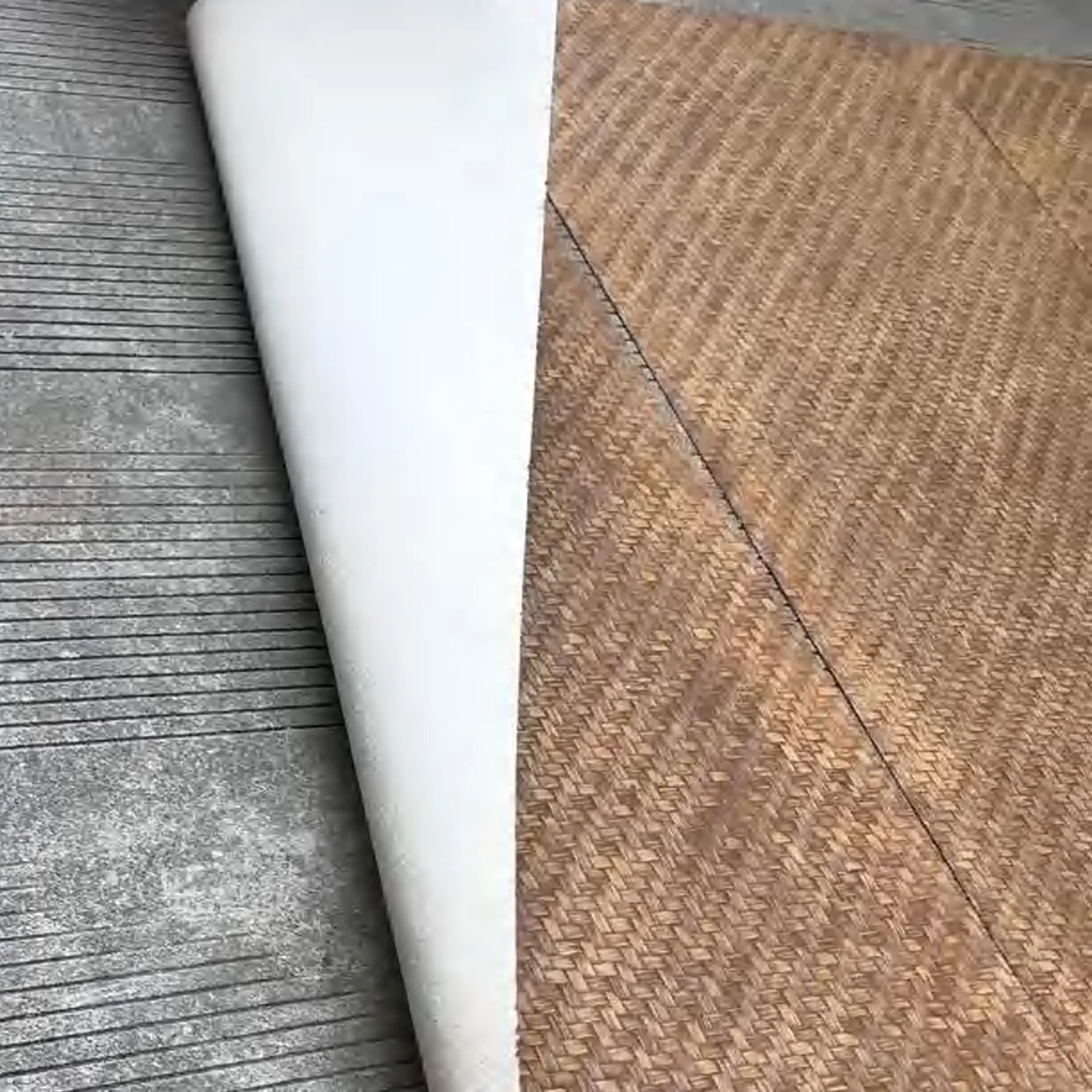
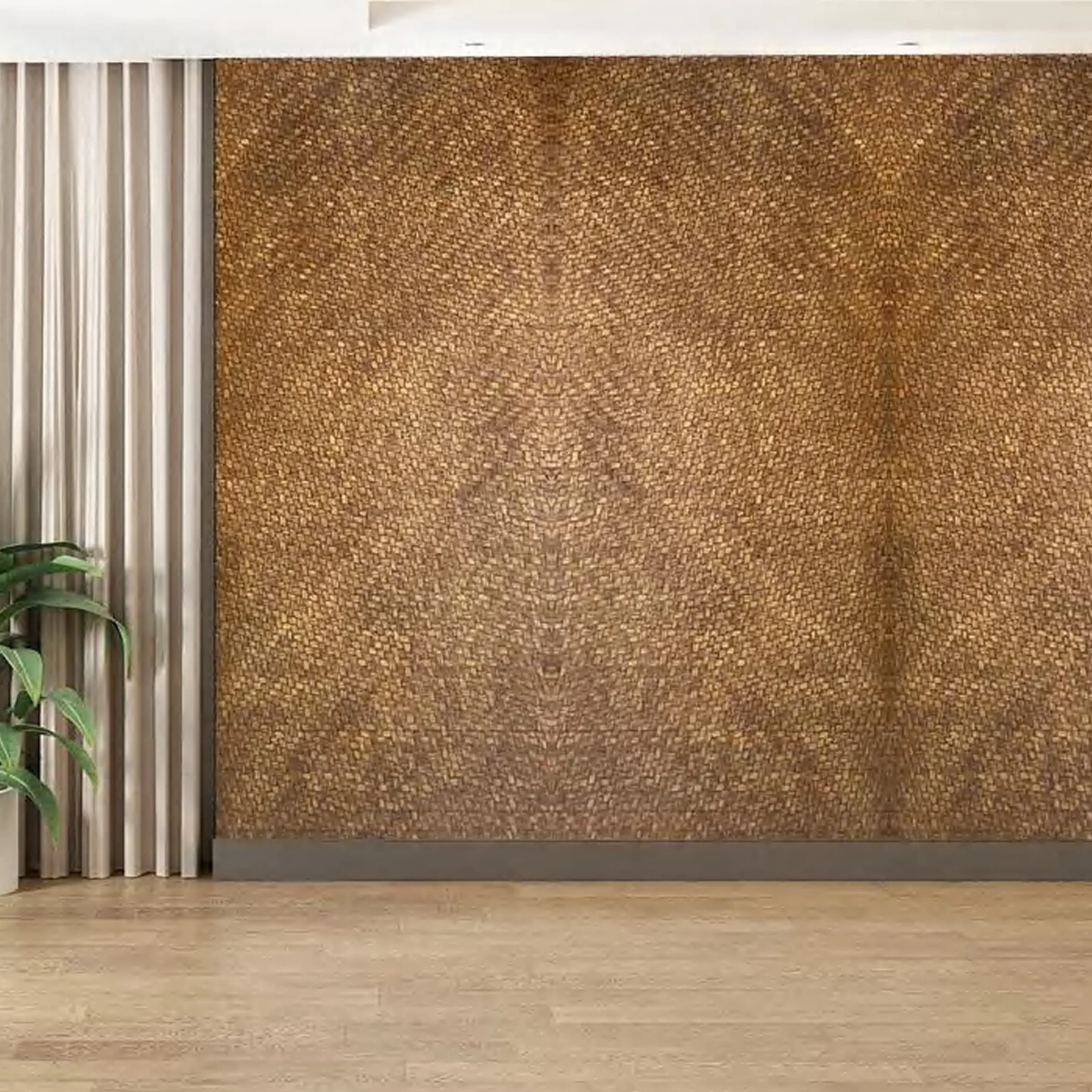
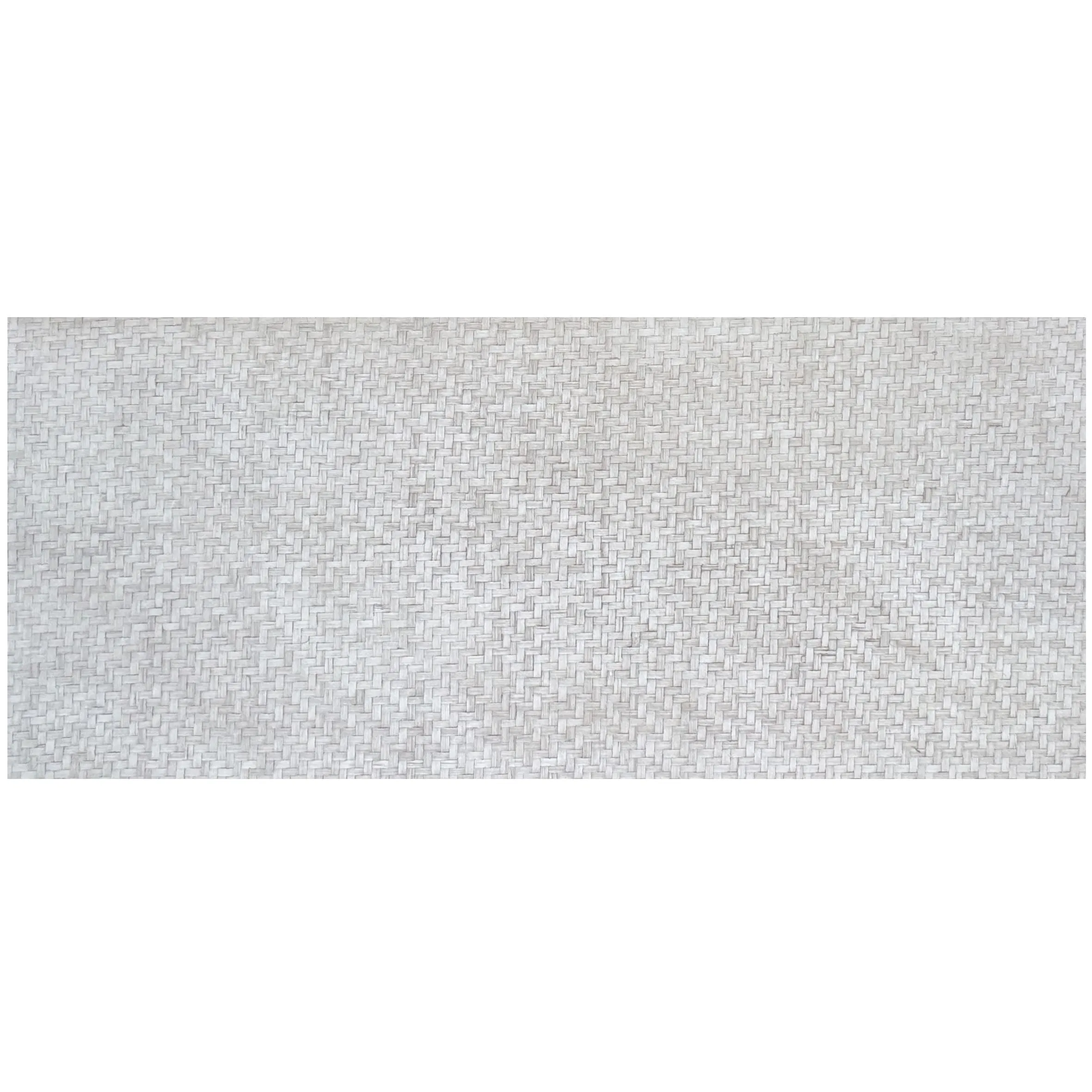
At first glance, you might mistake it for a traditional woven bamboo mat, the kind that once covered the floors of old mud-brick homes in the Asir region. But Bamboo Mat Board is far more than a nod to the past. It's a modern marvel: thin, flexible panels crafted from sustainably sourced bamboo fibers, bonded with eco-friendly resins, and finished with a protective coating that locks in its natural texture. Imagine the warmth of handwoven bamboo, but engineered to withstand Saudi Arabia's scorching summers, sudden sandstorms, and the occasional coastal humidity of Jeddah or Dammam.
What makes it stand out? For starters, its texture. Unlike the flat, uniform look of fair-faced concrete —a staple in industrial-style builds—Bamboo Mat Board brings depth. Its surface ripples with the organic patterns of real bamboo, creating visual interest that softens modern spaces. Run your hand over it, and you'll feel the subtle grooves, a tactile experience that connects occupants to nature, even in the heart of a concrete jungle. And because it's flexible, it bends to curved walls and unconventional designs, a feature that has architects in Riyadh and beyond buzzing with ideas.
Saudi Arabia doesn't mess around when it comes to building materials. The Saudi Arabian Standards Organization (SASO) sets rigorous benchmarks, and for good reason. This is a country where summer temperatures regularly hit 50°C, where sandstorms can blast surfaces with abrasive grit, and where fire safety in high-rises is non-negotiable. Add to that Vision 2030's push for sustainability—reducing carbon footprints, promoting green building, and preserving natural resources—and the bar gets even higher.
Take durability, for example. A material that cracks in the heat or warps in humidity won't last five years, let alone the 50-year lifespan expected of most commercial buildings. Then there's thermal insulation: with energy costs rising, materials that help keep interiors cool (reducing AC use) are a priority. And sustainability? Developers are increasingly leaning on eco-friendly options to qualify for LEED or Estidama certifications, which boost property values and align with national goals.
Traditional materials often fall short here. Wood grain board , while popular for its warm look, can swell in coastal humidity or fade under harsh UV rays. Epoch stone , a dense, durable option, is heavy and rigid, making it tough to install on curved surfaces. Even fair-faced concrete , praised for its raw aesthetic, lacks the natural warmth many projects crave—and its production leaves a significant carbon footprint. So, where does Bamboo Mat Board fit in?
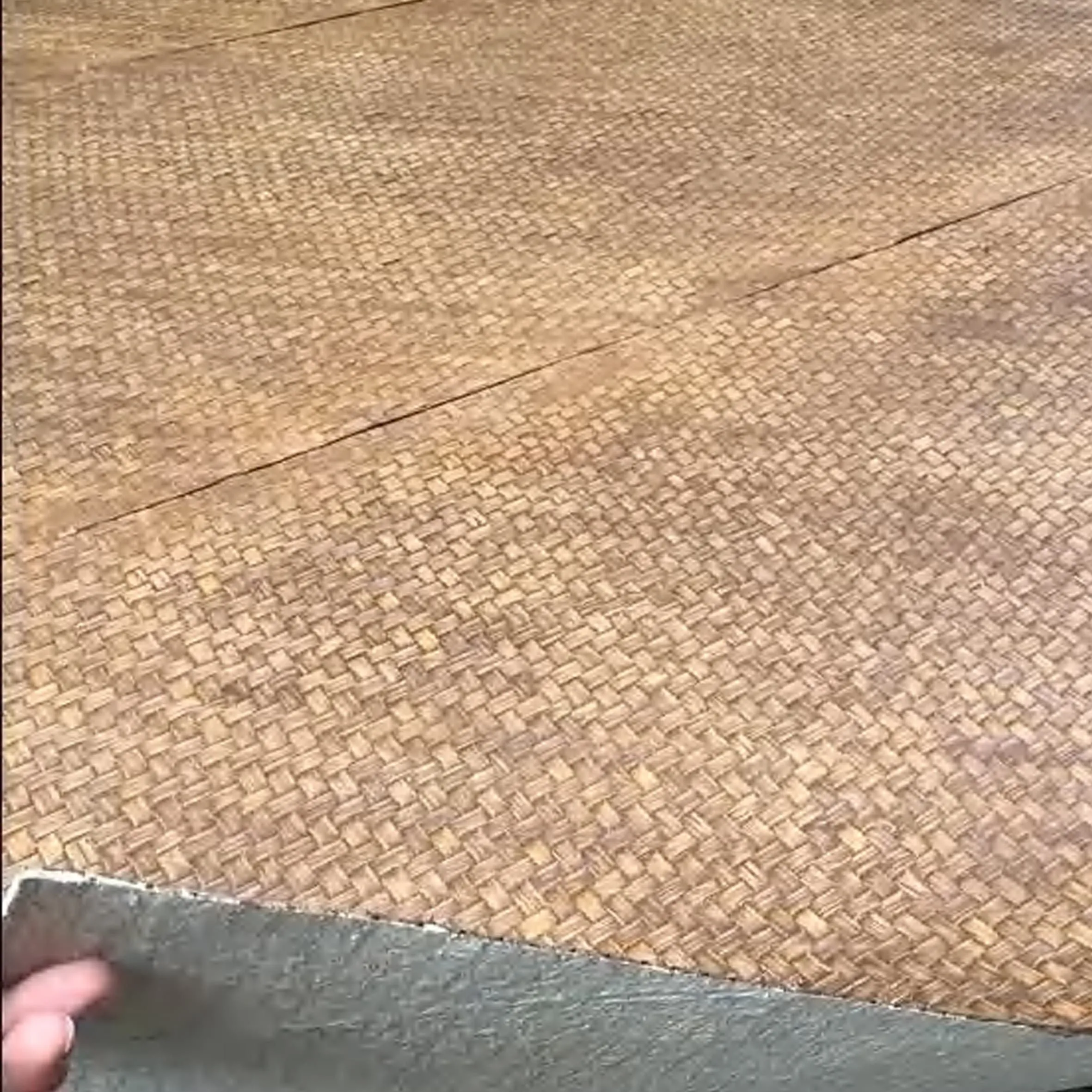
Let's start with the basics: durability. Bamboo Mat Board is engineered to withstand Saudi Arabia's climate. Its resin coating repels moisture, so even in Jeddah's humid summers, it won't warp. UV-stable pigments ensure its natural color—warm honey with streaks of amber—doesn't fade under the sun. And in sandstorms? The tough outer layer resists scratching, keeping surfaces looking fresh for decades. In lab tests, it's held up to 60°C heat without cracking, outperforming many wood-based alternatives.
Then there's sustainability. Bamboo is one of the fastest-growing plants on Earth, maturing in 3–5 years (compared to 20–30 years for hardwoods). It requires no pesticides, and its roots prevent soil erosion—making it a carbon-negative resource. The resins used in Bamboo Mat Board are low-VOC (volatile organic compounds), meaning they don't off-gas harmful chemicals, a big plus for indoor air quality. For developers chasing green certifications, this ticks major boxes.
Installation is another win. Unlike heavy epoch stone slabs that require cranes and teams of laborers, Bamboo Mat Board is lightweight. A two-person crew can install panels in hours, cutting down on labor costs and project timelines. Its flexibility is a game-changer for designs with curves, like the facade of a new cultural center in AlUla, where architects wanted to mimic the region's rolling sand dunes. "We tried fair-faced concrete first, but it couldn't bend without cracking," says Ahmad Al-Zahrani, the project's lead architect. "Bamboo Mat Board curved like a dream—and the texture? It looks like the desert itself, but modern."
Earlier this year, a 10-story tech office building in north Riyadh made headlines—not for its height, but for its facade. The developer, keen to attract young startups, wanted a design that felt "creative, not corporate." Enter Bamboo Mat Board. The exterior walls feature panels in varying shades of honey and amber, arranged in a pattern that mimics code (a nod to the building's tech focus). Inside, the lobby uses Bamboo Mat Board on accent walls, paired with wood grain board for a layered, natural look.
Six months post-construction, the feedback is glowing. "Tenants love the light, warm feel—no one wants to work in a cold, concrete box anymore," says project manager Layla Al-Saud. "And maintenance? We've had zero issues with fading or damage, even after that brutal July heatwave. It's holding up better than the fair-faced concrete we used on the parking garage next door."
Still not convinced? Let's stack Bamboo Mat Board against two popular alternatives: epoch stone and fair-faced concrete . The table below breaks down key metrics—durability, heat resistance, installation ease, sustainability, and cost—to show why Bamboo Mat Board is gaining ground.
| Material | Durability (Est. Lifespan) | Heat Resistance (Max Temp) | Installation Ease (1=Hard, 5=Easy) | Sustainability Score (1=Low, 5=High) | Cost (Relative) |
|---|---|---|---|---|---|
| Bamboo Mat Board | 25–30 years | 60°C | 4/5 (Lightweight, flexible) | 5/5 (Renewable bamboo, low-VOC) | Medium |
| Epoch Stone | 30–40 years | 55°C | 2/5 (Heavy, rigid) | 3/5 (Natural stone, but high mining impact) | High |
| Fair-Faced Concrete | 50+ years | 70°C | 3/5 (Requires skilled labor) | 2/5 (High carbon footprint, non-renewable) | Low |
The takeaway? Bamboo Mat Board balances durability and sustainability better than epoch stone , while offering more warmth and design flexibility than fair-faced concrete . Its medium cost is offset by lower installation and maintenance expenses, making it a smart long-term investment.
As Saudi Arabia races toward Vision 2030, Bamboo Mat Board is poised to play a starring role. Developers are catching on: in Jeddah, a luxury resort under construction is using it for its beachfront villas, citing its resistance to saltwater and sand. In Riyadh, a public library designed by a renowned international firm will feature Bamboo Mat Board ceilings, creating a "forest-like" atmosphere for readers.
Local suppliers are also stepping up. Companies like Saudi Building Materials Co. are partnering with global manufacturers to produce Bamboo Mat Board locally, reducing import costs and lead times. "We're seeing a 40% increase in inquiries this year alone," says Omar Al-Harthy, a sales manager at a Riyadh-based distributor. "Architects want materials that tell a story, and Bamboo Mat Board tells a story of sustainability and tradition—two things Saudi clients care deeply about."
It's not just about looks, though. As the kingdom moves to reduce its carbon emissions, Bamboo Mat Board's eco-friendly credentials will become even more valuable. Imagine a future where new neighborhoods in NEOM—Saudi's futuristic smart city—are lined with buildings wrapped in Bamboo Mat Board, blending cutting-edge tech with natural materials. Or where heritage sites in Makkah and Madinah use it to restore old structures, preserving history while ensuring longevity.
Saudi Arabia's construction boom isn't just about erecting buildings—it's about building a legacy. A legacy of innovation, sustainability, and pride in heritage. Bamboo Mat Board fits that legacy perfectly. It's a material that respects the past (with its bamboo roots) while embracing the future (through engineering and sustainability). It meets SASO's tough standards, stands up to Saudi's harsh climate, and turns spaces into places that feel alive.
So, the next time you pass a construction site in Riyadh or Jeddah, take a closer look. If you see walls that glow with the warm, organic texture of bamboo, you'll know: Bamboo Mat Board has arrived. And it's here to stay.
Recommend Products












