
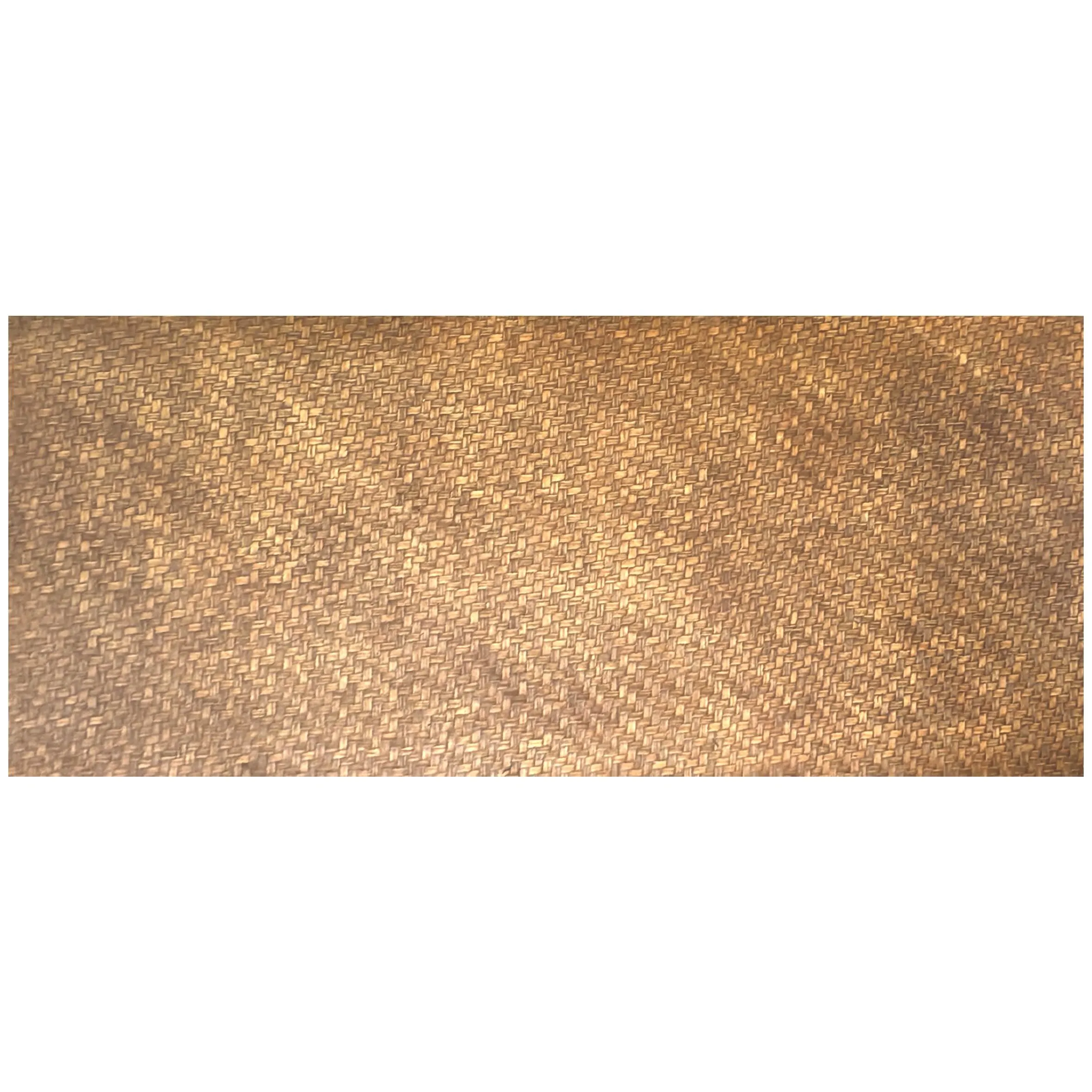
Cities are alive, breathing organisms. They grow, evolve, and adapt—shaped by the people who live in them and the materials that build them. But in the race to keep up with urbanization, we've often prioritized speed and cost over sustainability, leaving behind a trail of carbon footprints and resource depletion. Today, though, there's a quiet revolution happening in urban design: a shift toward materials that don't just serve function, but honor the planet. Enter bamboo mat board—a material that feels like a bridge between ancient wisdom and modern innovation, and one that's quickly becoming a darling of architects and sustainability advocates alike. In this article, we'll explore how bamboo mat board is redefining what it means to build green, and why it might just be the key to creating cities that thrive without costing the Earth.
Walk through any major city, and you'll notice a pattern: concrete dominates. From skyscrapers to sidewalks, it's the backbone of urban infrastructure. But here's the thing: producing a single ton of concrete releases roughly 800 kilograms of CO2 into the atmosphere. Multiply that by the billions of tons used globally each year, and it's clear why urban development has long been at odds with climate goals. Add to that the depletion of natural resources like hardwoods and stone, and it's no wonder urban planners are scrambling for alternatives.
This is where green building materials come into play. They're not just buzzwords—they're tools for reimagining cities. Think about it: a material that's renewable, low-carbon, and durable isn't just better for the planet; it's better for the people who interact with it daily. A school wall made from a warm, natural material feels different than one made from cold concrete. A community center with a facade that breathes life into a neighborhood can foster connection in ways sterile materials never could. Sustainable materials don't just reduce environmental impact—they enhance quality of life.
In recent years, we've seen a surge in innovative options: from recycled steel to hempcrete, and even foamed aluminium alloy boards that mimic the look of aged metal with a fraction of the environmental cost. But among these, bamboo mat board stands out—not just for its sustainability credentials, but for its ability to blend tradition with modernity. Bamboo has been used in construction for centuries in Asia, prized for its strength and flexibility. Now, as urban designers look to the past for inspiration, bamboo mat board is emerging as a material that can meet the demands of 21st-century cities.
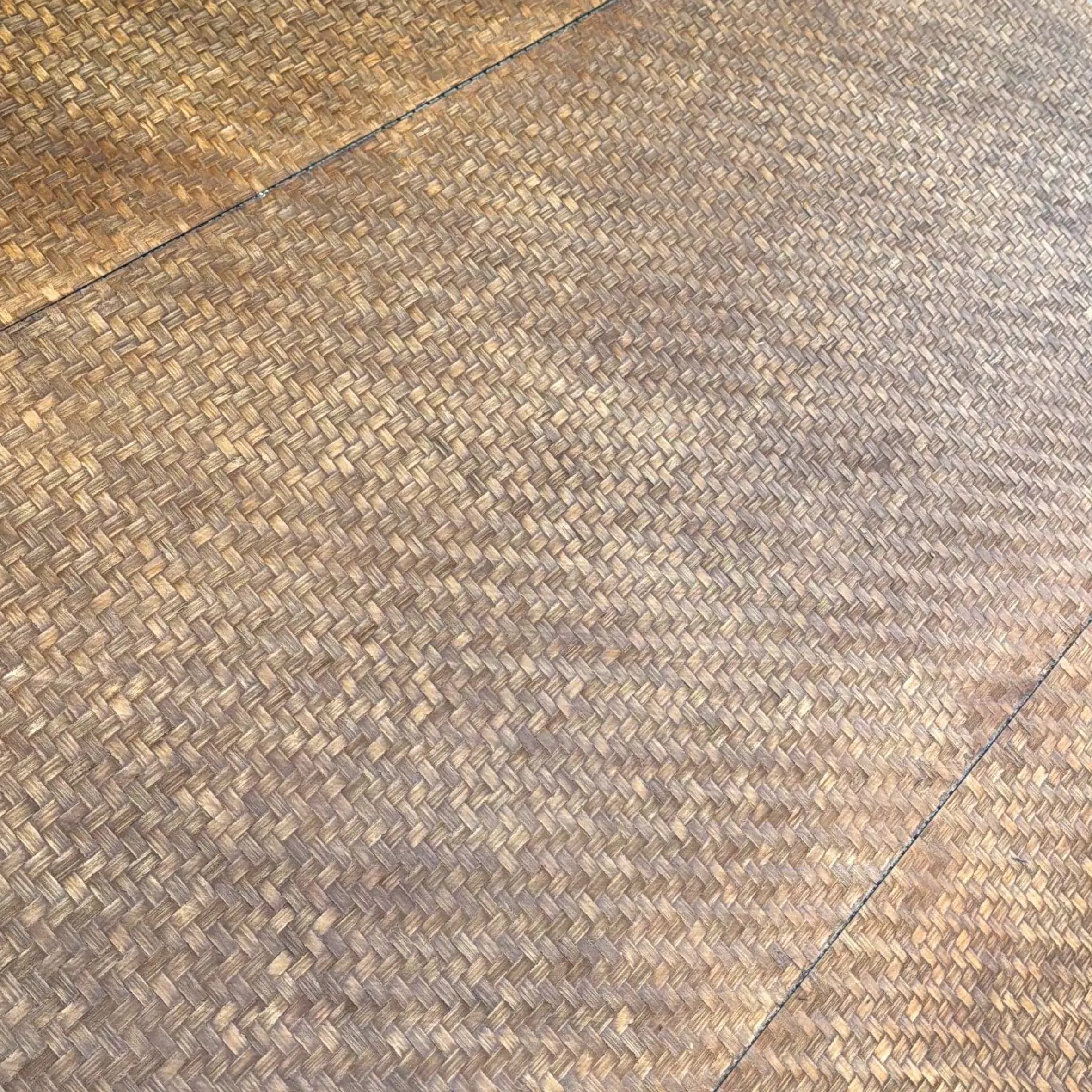
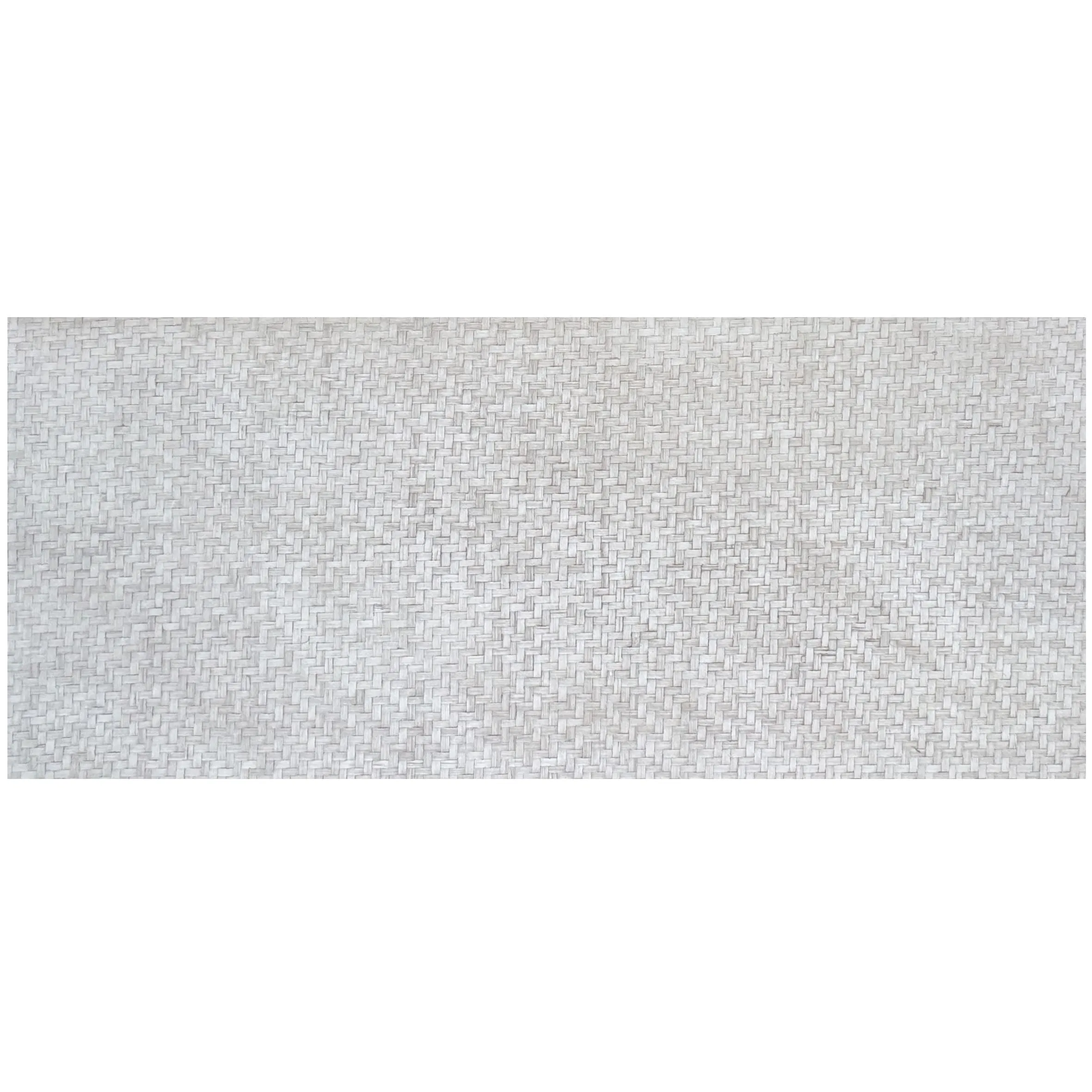
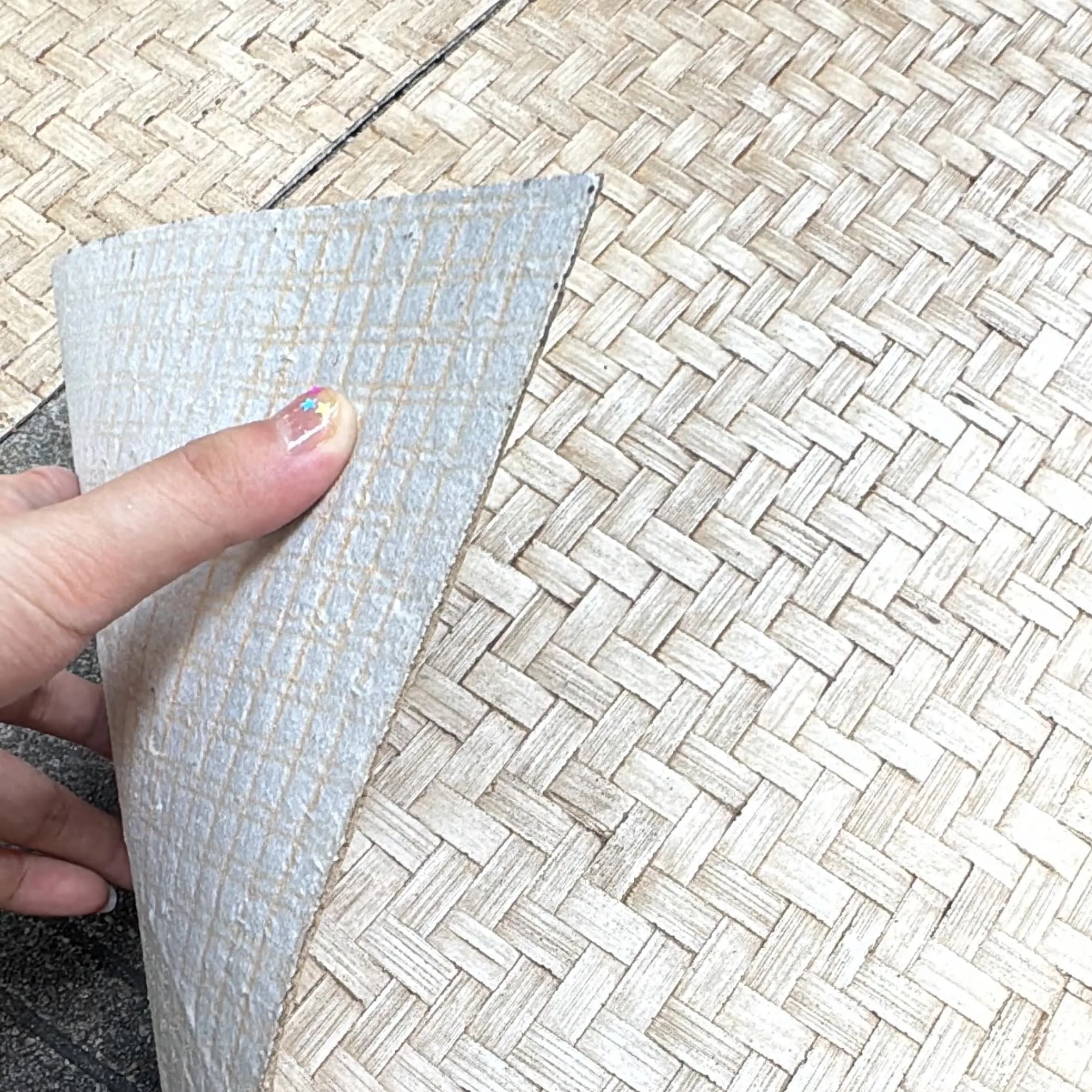
Let's start with the basics: what exactly is bamboo mat board? At its core, it's a composite material made by weaving thin strips of bamboo into mats, which are then bonded together using eco-friendly adhesives. The result is a panel that's both lightweight and surprisingly strong—think of it as nature's answer to plywood, but with a far smaller environmental footprint.
Bamboo itself is the star here. Unlike hardwood trees, which can take decades to mature, bamboo grows incredibly quickly—some species shoot up 91 centimeters in a single day and reach full maturity in just 3–5 years. It's also a grass, not a tree, so when harvested, it regrows from the same root system, eliminating the need for replanting. This makes it one of the most renewable resources on the planet. But bamboo isn't just fast-growing; it's also strong. Pound for pound, bamboo has a tensile strength comparable to steel, making it ideal for structural applications. And because it's naturally resistant to pests and moisture (thanks to a substance called 'bamboo kun'), it holds up well in urban environments where humidity, rain, and wear and tear are constant challenges.
The mat-weaving process adds another layer of benefit. By interlacing bamboo strips, the board gains flexibility, which is a boon for architects looking to create curved or irregular surfaces. Unlike rigid materials like concrete or traditional wood panels, bamboo mat board can be bent to follow organic shapes, opening up new possibilities for innovative design. Imagine a community pavilion with a sweeping, wave-like roof made from bamboo mat board—light enough to be supported by slender columns, yet sturdy enough to withstand wind and rain. It's the kind of design that feels both modern and rooted in nature.
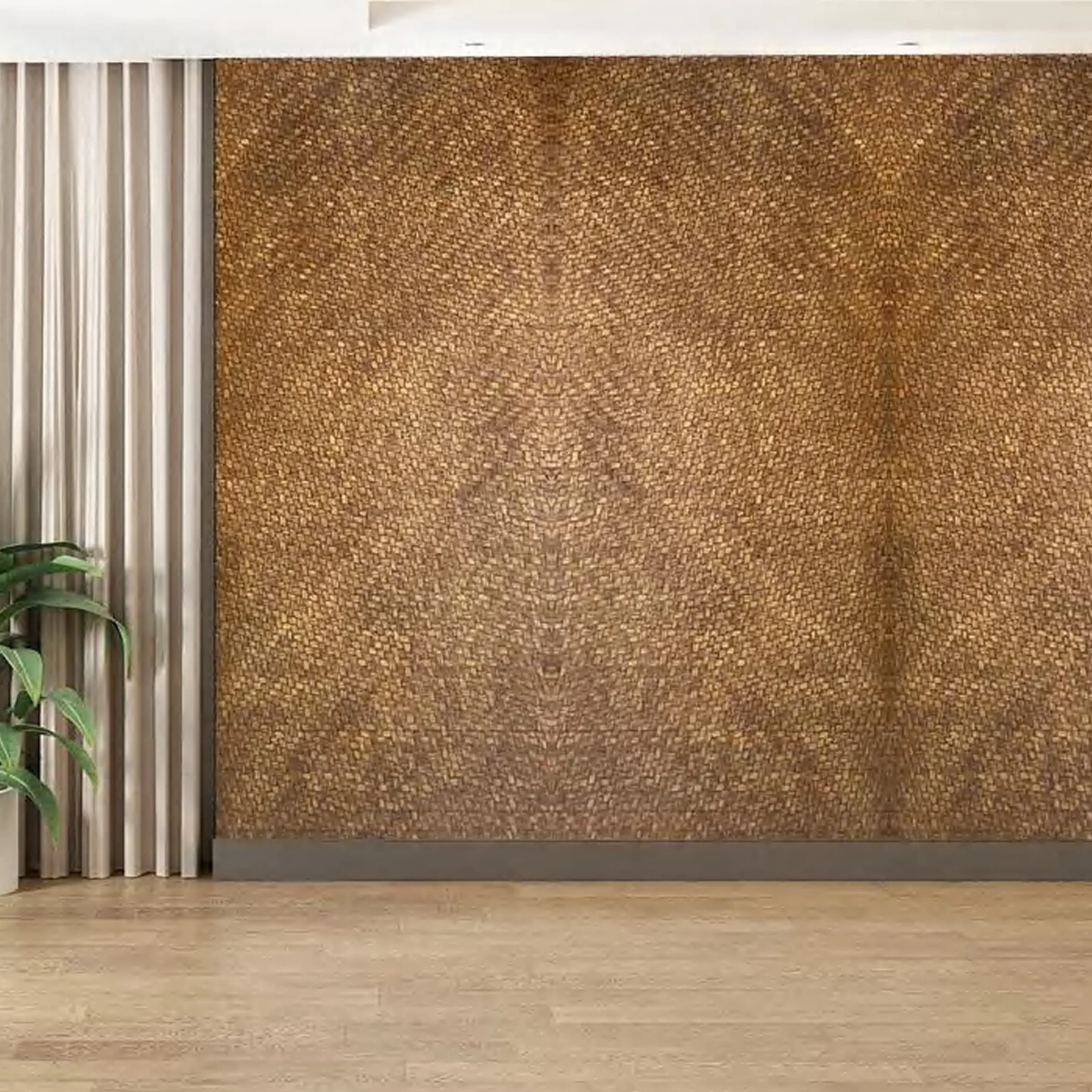
Aesthetically, bamboo mat board brings warmth and texture that's hard to replicate with synthetic materials. Its natural grain, ranging from pale gold to deep amber, adds a tactile quality to walls, ceilings, and even furniture. In a world where many urban spaces feel sterile, this natural texture can make a big difference. A coffee shop lined with bamboo mat board walls feels cozier, more inviting, than one clad in vinyl or plastic. It's a material that tells a story—of craftsmanship, of connection to the environment, of a slower, more intentional approach to building.
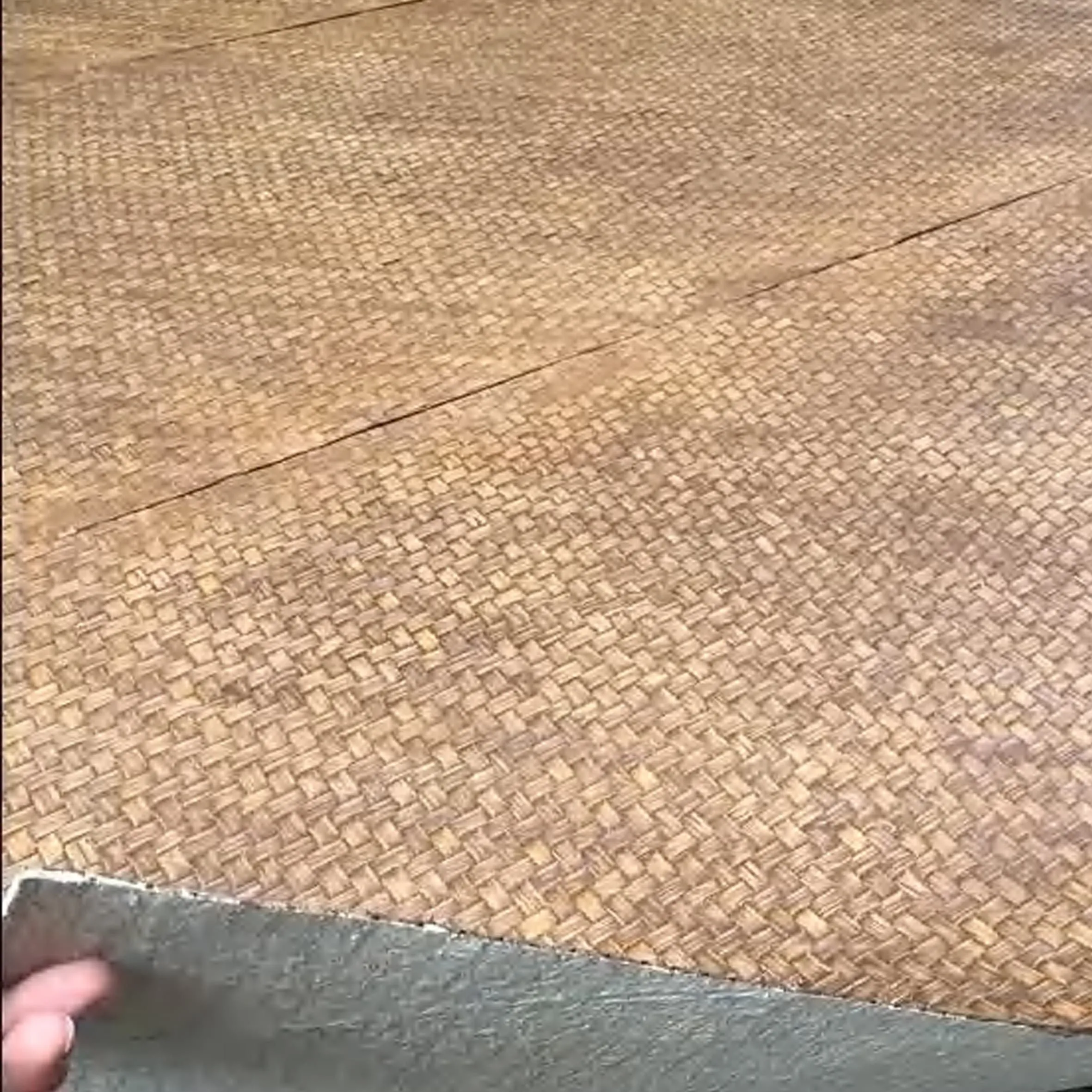
To truly appreciate bamboo mat board, it helps to see how it stacks up against other materials commonly used in urban construction. Let's take a closer look at two popular options: wood grain board (a staple in traditional and modern design) and fair-faced concrete (a minimalist favorite in contemporary architecture). We'll also touch on foamed aluminium alloy board, a newer material lauded for its durability.
| Material | Sustainability | Durability | Aesthetic Flexibility | Cost (Relative) |
|---|---|---|---|---|
| Bamboo Mat Board | High: Fast-growing bamboo, minimal CO2 emissions, biodegradable. | Good: Resistant to moisture, pests, and warping; lasts 15–20 years with proper care. | Excellent: Flexible for curved designs; natural grain adds warmth. | Moderate: Slightly higher than low-grade wood, lower than premium hardwoods. |
| Wood Grain Board | Variable: Depends on wood type; slow-growing hardwoods have high carbon footprint. | Good: Prone to rot/moisture damage without treatment; 10–15 years lifespan. | Good: Classic wood look, but less flexible than bamboo mat board. | Low to High: Budget options available, but premium woods can be costly. |
| Fair-Faced Concrete | Low: High CO2 emissions during production; non-biodegradable. | Excellent: Extremely durable; lasts 50+ years. | Limited: Sleek, industrial look, but rigid and heavy. | Moderate to High: High upfront costs for formwork and finishing. |
| Foamed Aluminium Alloy Board (Vintage Silver) | Moderate: Recyclable, but aluminum production is energy-intensive. | Excellent: Rust-proof, weather-resistant; 30+ year lifespan. | Good: Modern, metallic finish; limited to flat or slightly curved surfaces. | High: Expensive production process; best for accent features. |
What stands out here is bamboo mat board's balance. It offers the sustainability of fast-renewable resources, the durability needed for urban settings, and the design flexibility that architects crave—all at a mid-range cost. Wood grain board, while familiar, often relies on slow-growing trees, and without chemical treatments, it struggles with moisture in humid cities. Fair-faced concrete is undeniably tough, but its carbon footprint and heavy weight make it less ideal for projects prioritizing eco-friendliness. Foamed aluminium alloy boards, meanwhile, are durable and sleek but come with a high price tag and energy-intensive production, limiting their use to high-end or accent applications.
Take, for example, a low-income housing project in Medellín, Colombia. The architects wanted a material that was affordable, sustainable, and could withstand the city's rainy season. Bamboo mat board emerged as the top choice. It was locally sourced (bamboo grows abundantly in Colombia), cost 30% less than imported hardwood, and its natural resistance to moisture meant lower maintenance costs for residents. The result? Bright, airy apartments with walls that feel warm and inviting, a stark contrast to the cold concrete blocks that dominate many affordable housing developments.
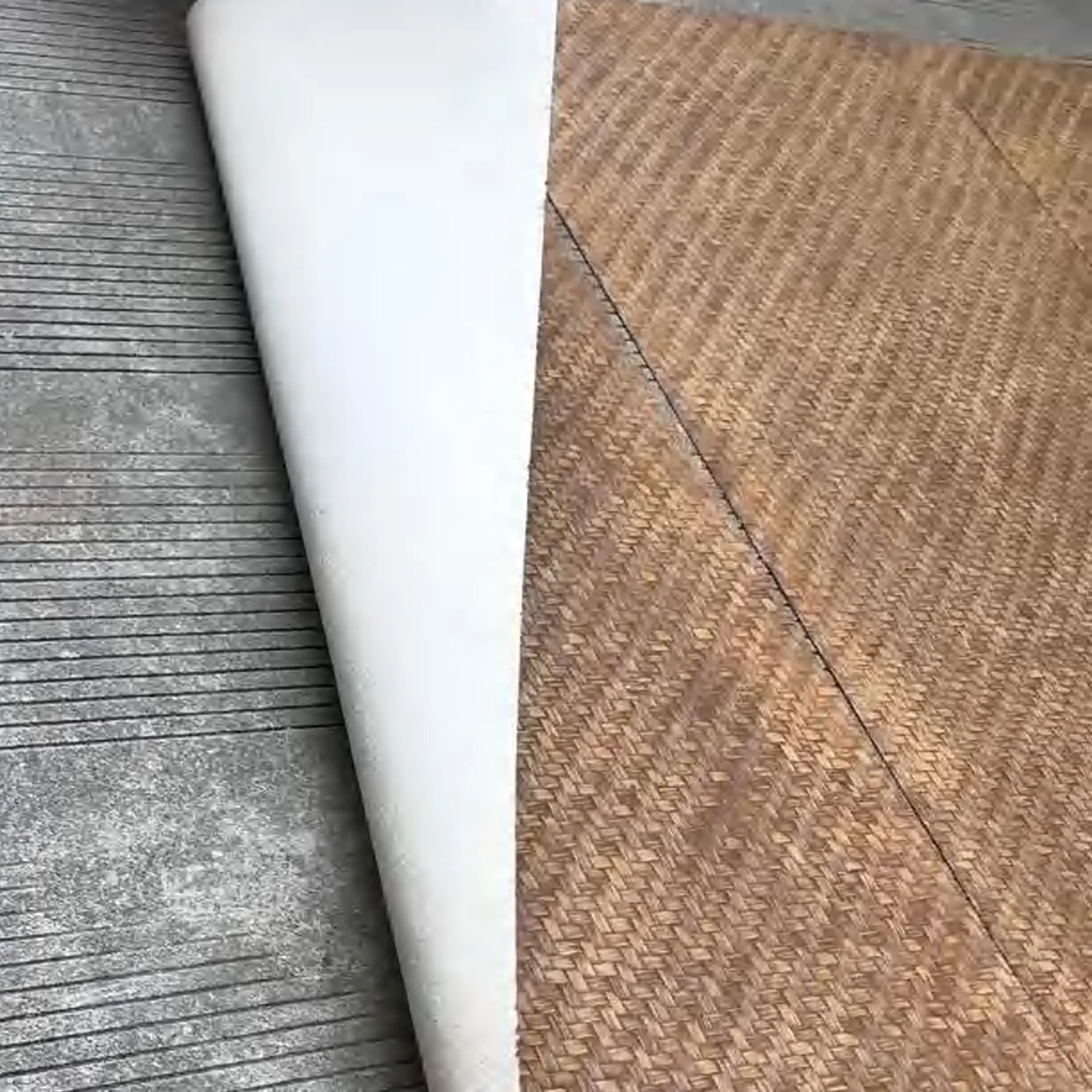
It's one thing to talk about a material's benefits on paper; it's another to see it in action. Bamboo mat board is already making waves in cities around the world, proving that sustainability and functionality can go hand in hand. Let's dive into a few standout projects that showcase its versatility.
Singapore, a city-state known for its "City in a Garden" vision, is no stranger to innovative green building. The Green Canopy Library, completed in 2023, is a shining example of bamboo mat board's potential. Designed by local firm EcoStruct Architects, the library's facade is clad in overlapping bamboo mat board panels, arranged to mimic the layered leaves of a canopy. The panels are angled to filter sunlight, reducing the need for artificial lighting during the day, while their natural texture softens the building's appearance, making it feel like a part of the adjacent park.
"We wanted the library to feel like a bridge between the urban and natural worlds," says lead architect Mei Lin. "Bamboo mat board was perfect because it's a living material—literally, since bamboo is a grass—and its warmth invites people in. Kids love running their hands along the walls; it's tactile, not just something to look at." Inside, bamboo mat board lines the ceilings and bookshelves, creating a cohesive, calming atmosphere. The library has since become a community hub, with residents noting that the space feels "less like a typical government building and more like a cozy cabin in the city."
In Osaka, a city grappling with aging infrastructure and a desire to boost riverfront tourism, the Riverfront Promenade project turned to bamboo mat board for its walkways and seating areas. Traditional concrete walkways were cracking and uneven, and the city wanted a material that would be gentle on pedestrians' feet, slip-resistant even in rain, and visually appealing. Bamboo mat board fit the bill.
The boards were treated with a natural wax to enhance water resistance and laid in a herringbone pattern, creating a visually striking path that winds along the river. Benches, made from thicker bamboo mat board panels, offer a comfortable place to sit and watch the boats go by. "We were worried about durability at first—Osaka gets a lot of rain and foot traffic," admits project engineer Takashi Tanaka. "But after two years, the boards show almost no wear. They've even developed a beautiful patina, like aged wood, which makes the promenade feel more established, more like a place with history."
In Nairobi's Kibera slum, where access to resources is limited, the Eco-Village Community Center was built to provide education, healthcare, and job training to residents. The center's design prioritized low-cost, locally available materials, and bamboo mat board was a game-changer. Sourced from a bamboo farm just 50 kilometers outside the city, the boards were used for walls, roofing, and even furniture. Because bamboo mat board is lightweight, it reduced the need for heavy machinery during construction, cutting labor costs and making the project feasible with a small, local workforce.
"The center isn't just a building—it's a symbol of what we can achieve when we work with nature," says community leader Amara Ochieng. "The kids love the bamboo walls; they say it feels like a big treehouse. And because the material is so easy to work with, local carpenters learned how to install and repair it, creating new skills and jobs in the community."
Sustainability isn't just about using renewable materials—it's about measuring the full lifecycle impact. Let's break down how bamboo mat board performs across key environmental metrics.
Carbon Footprint: Bamboo absorbs more CO2 than most plants—up to 12 tons per hectare annually, compared to 6 tons for hardwood trees. When harvested, bamboo regrows quickly, so the carbon sequestered during its growth far outweighs the emissions from processing (which are minimal, as the mat-weaving and bonding process uses little energy). A study by the International Bamboo and Rattan Organization (INBAR) found that bamboo mat board has a carbon footprint of just 0.3 tons of CO2 per ton of material, compared to 0.8 tons for softwood plywood and 8 tons for concrete.
Resource Depletion: Bamboo requires no pesticides or fertilizers to grow, and it thrives in poor soil, making it ideal for areas where other crops struggle. Its root system also helps prevent soil erosion, a critical benefit in regions prone to landslides. For urban projects, using locally sourced bamboo reduces transportation emissions, further lowering the overall environmental impact. In contrast, wood grain board made from tropical hardwoods often involves deforestation and long-distance shipping, contributing to biodiversity loss and higher carbon emissions.
Waste and End-of-Life: At the end of its lifespan, bamboo mat board is biodegradable, unlike concrete or plastic-based materials. In fact, old bamboo panels can be composted or ground down to make mulch, closing the loop on the material's lifecycle. This is a stark contrast to fair-faced concrete, which ends up in landfills, or foamed aluminium alloy boards, which, while recyclable, require energy-intensive processes to repurpose.
Water Usage: Bamboo is drought-resistant and requires minimal water once established—about 1/3 the water needed to grow hardwood trees. This makes it a sustainable choice for regions facing water scarcity, a growing concern in many urban areas. For example, in Dubai, where water is a precious resource, architects are increasingly turning to bamboo-based materials to reduce their projects' water footprints.
As cities continue to prioritize sustainability, bamboo mat board is poised for growth—but there are challenges to overcome and innovations on the horizon.
Innovations in Production: Researchers are experimenting with new bonding agents to enhance bamboo mat board's fire resistance, a key concern for high-rise buildings. Early tests with bio-based resins derived from soybeans and corn show promise, increasing fire resistance by up to 40% without compromising the material's eco-friendliness. There's also work being done to create bamboo mat board panels with integrated insulation, combining structural support and thermal efficiency in one product. Imagine a wall panel that's strong, sustainable, and keeps buildings cool in summer and warm in winter—reducing reliance on energy-guzzling HVAC systems.
Scaling Local Production: One of the biggest barriers to widespread adoption is access to high-quality, locally produced bamboo mat board. In many regions, bamboo is abundant, but processing facilities are scarce, leading to reliance on imported panels. Organizations like INBAR are working with governments to set up community-based processing centers, training farmers to harvest bamboo sustainably and produce mat boards locally. This not only reduces costs and emissions but also creates jobs in rural areas, supporting both urban and rural economies.
Policy Support: For bamboo mat board to become a mainstream material, cities need to update building codes to recognize its structural capabilities. Currently, many codes favor traditional materials like concrete and steel, making it harder for architects to specify bamboo mat board in large-scale projects. In Thailand, however, the government has revised its building standards to include bamboo-based materials, leading to a 40% increase in bamboo mat board use in public projects since 2020. Other countries, including India and Brazil, are following suit, signaling a shift in policy that could accelerate adoption.
Design Collaboration: The future of bamboo mat board also lies in collaboration between architects, material scientists, and local communities. By involving residents in the design process—asking what textures, colors, and finishes they prefer—projects can better meet the needs of the people who use them. In Copenhagen, for example, a team of architects worked with a group of seniors to design a community garden pavilion using bamboo mat board. The seniors wanted a space that felt safe and familiar, so the architects incorporated curved walls and seating that mimicked the shape of traditional Danish farmhouses, all made from bamboo mat board. The result was a space that's not just sustainable, but deeply connected to the community's heritage.
Sustainable urban development isn't just about reducing carbon emissions or saving resources—it's about creating cities that feel human. Cities where the materials that surround us tell a story of respect for the planet and care for the people who live there. Bamboo mat board embodies this ethos. It's a material with deep roots in tradition, reimagined for the challenges of today. It's strong enough to build with, beautiful enough to live with, and kind enough to the planet to feel good about.
As we look to the future, the question isn't whether bamboo mat board will play a role in sustainable urban development—it's how quickly we can embrace it. From low-income housing to high-end architecture, from community centers to public parks, bamboo mat board offers a path forward: one where cities grow, but not at the expense of nature; where buildings inspire, but don't deplete; and where every material choice is a step toward a more livable, more sustainable world.
So the next time you walk through a city, take a moment to notice the materials around you. Are they cold and sterile, or do they breathe with the warmth of natural textures? Are they built to last, or to be replaced? And maybe, just maybe, you'll spot a wall or a bench made from bamboo mat board—a quiet reminder that sustainability and beauty can go hand in hand. In the end, that's the kind of city we all deserve: one that's built not just for the present, but for the generations to come.
Recommend Products












