
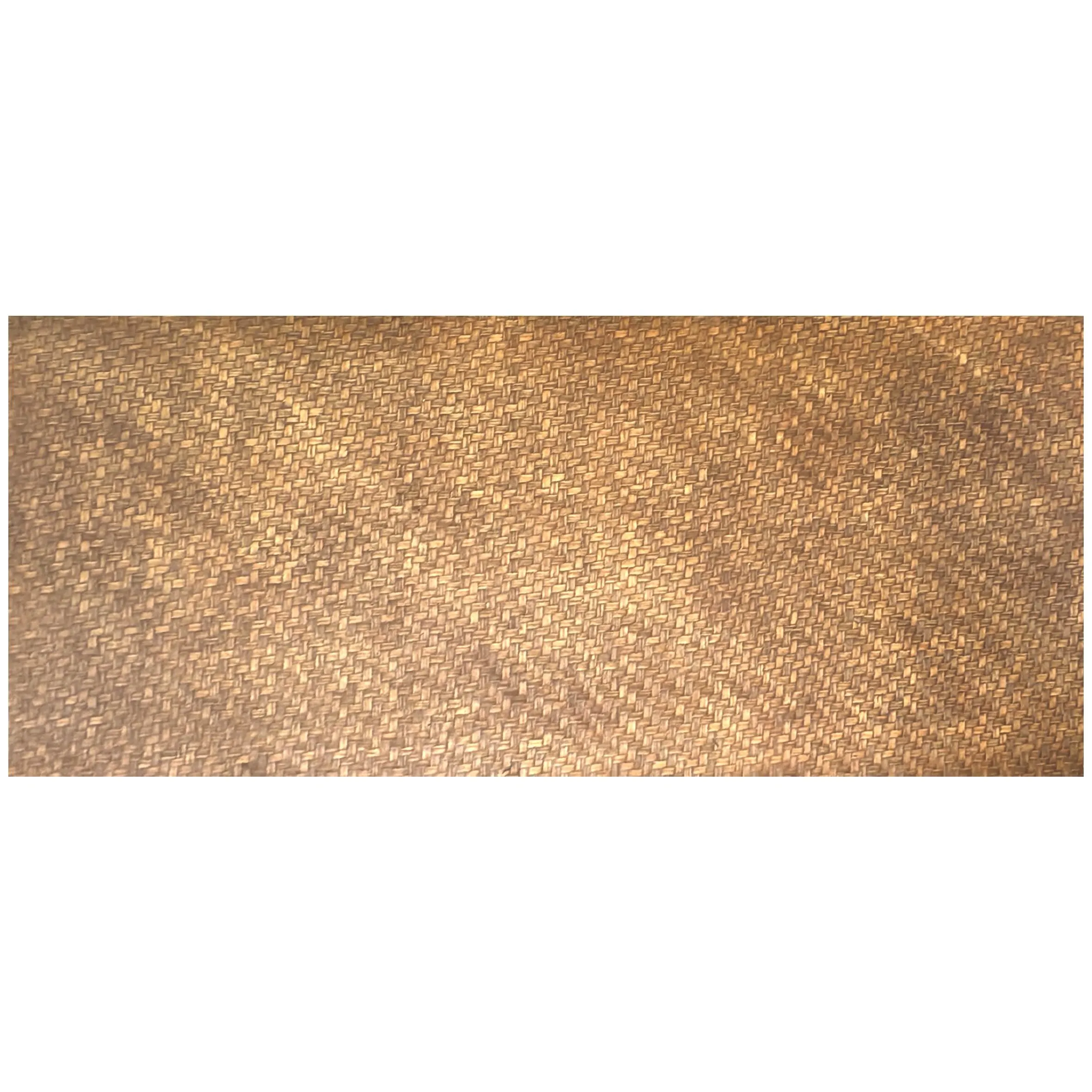
If you've been scrolling through home design blogs or flipping through renovation magazines lately, you've probably noticed a material that's been popping up everywhere: bamboo mat board. With its warm, natural texture, eco-friendly credentials, and surprisingly versatile look, it's no wonder homeowners and designers alike are falling for it. But here's the question we hear most often: "Sure, it looks great, but what's the real cost when it comes to installation—especially labor?" Let's dive into that. After all, when you're budgeting for a renovation, labor expenses can sneak up on you faster than a rogue paint splatter on a white couch. Today, we're breaking down everything you need to know about bamboo mat board installation costs, why labor plays such a big role, and how you can keep more money in your pocket without skimping on quality.
Before we get into dollars and cents, let's make sure we're all on the same page. Bamboo mat board is a type of engineered panel made from compressed bamboo fibers, often woven into a mat-like pattern that gives it that distinct, organic look. Think of it as the stylish cousin of traditional plywood—stronger than it looks, lighter than many natural stones, and way more sustainable than cutting down old-growth trees. It's used for everything from accent walls and backsplashes to furniture surfaces and even ceiling panels. And here's the kicker: unlike some fancy materials that require a team of experts to install, bamboo mat board has a few tricks up its sleeve that make it surprisingly DIY-friendly. But we'll get to that later.
Now, when people talk about "installation costs," they're usually lumping together materials and labor. But today, we're zooming in on labor because that's where many homeowners get caught off guard. You might find a great deal on bamboo mat board panels, but if the labor to install them costs twice what you budgeted, your "affordable" project suddenly isn't. So let's break down why labor expenses vary, what makes bamboo mat board different from other materials (we're looking at you, wood grain board and fair-faced concrete), and how you can shave those costs down without turning your living room into a DIY disaster zone.
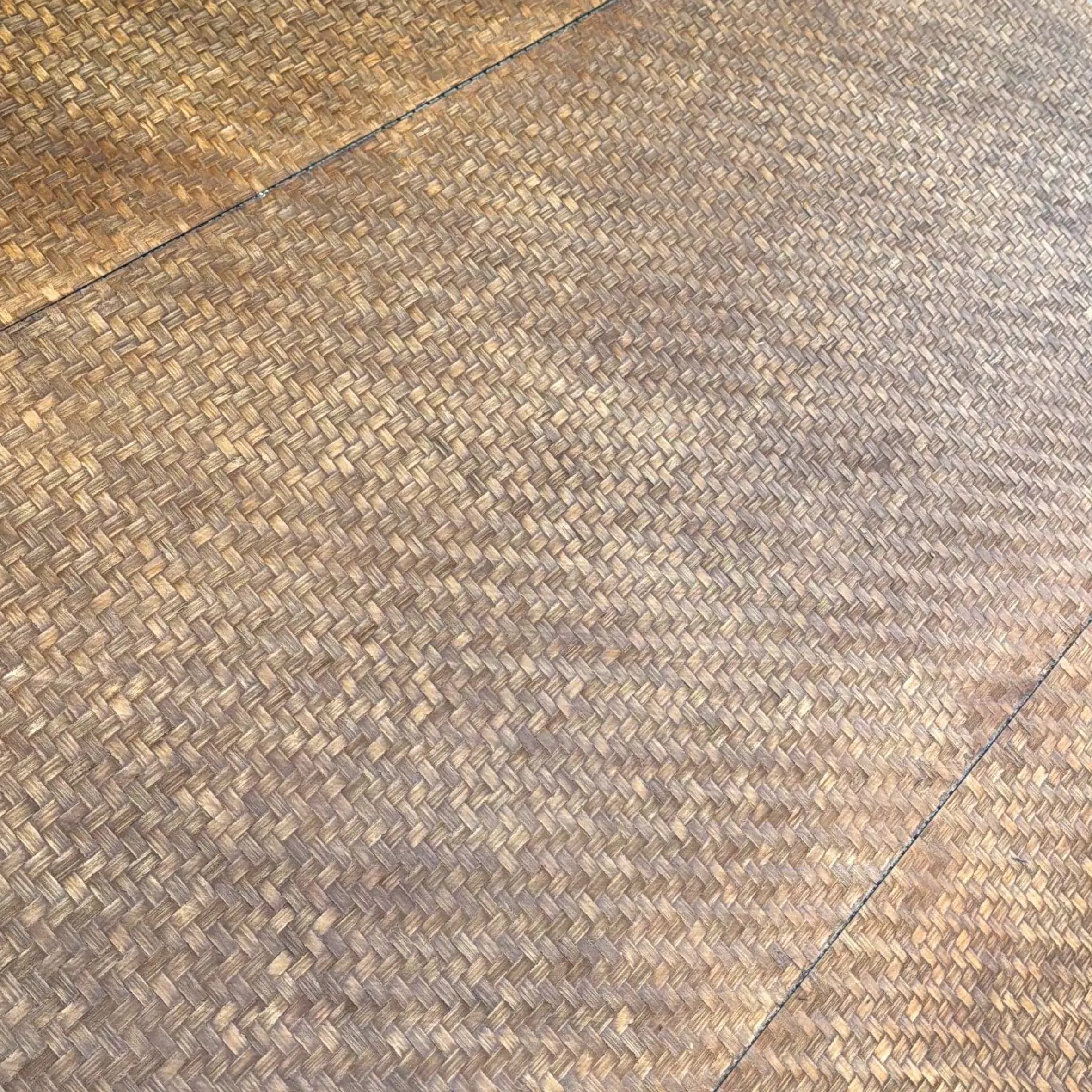
Labor costs for installing materials like bamboo mat board, wood grain board, or even MCM flexible stone depend on a handful of factors. Let's start with the basics:
1. Material Weight and Handling – Heavier materials mean more muscle (and more workers) are needed to move them around. If you've ever tried to lift a slab of fair-faced concrete, you know what we're talking about. Even something like solid wood grain board can be bulkier than it looks, requiring two people to carry and position. Bamboo mat board, though? It's lightweight by design—those woven fibers and compressed layers make it easy for one person to handle, which immediately cuts down on the number of laborers needed.
2. Cutting and Customization – No wall is perfectly straight, and no room is a perfect rectangle (thanks, old houses!). That means panels often need to be cut to fit around outlets, windows, or quirky corners. Materials that are hard to cut (like thick stone or brittle concrete) require special tools and slow, careful work—both of which add to labor time. Bamboo mat board, on the other hand, can often be cut with a standard circular saw or even a sharp utility knife, which speeds things up.
3. Prep Work – Ever heard the phrase "measure twice, cut once"? Well, "prep once, install fast" should be a close second. If your wall is uneven, has holes, or is covered in old wallpaper, that's extra work before the first panel even goes up. Some materials (looking at you, fair-faced concrete) need super smooth surfaces to adhere properly, meaning hours of sanding or patching. Bamboo mat board is more forgiving—minor imperfections can often be hidden by its texture, reducing prep time.
4. Installation Complexity – Does the material require special adhesives? Does it need to be sealed immediately after installation? Is there a risk of chipping or cracking if not handled gently? MCM flexible stone, for example, is flexible (duh) but can be tricky to align perfectly because it bends. Wood grain board might need to be sealed to prevent warping, adding a step to the process. Bamboo mat board often uses simple interlocking systems or basic construction adhesive, cutting down on the "fuss factor."
5. Location, Location, Location – Installing panels on a ground-floor, easy-access wall is one thing. Trying to get materials up a narrow staircase to a second-floor bathroom? That's going to cost more. High ceilings, tight spaces, or hard-to-reach areas (like above a fireplace) mean workers are spending more time maneuvering and less time installing—hello, higher hourly rates.
Now, here's where bamboo mat board starts to shine. Let's compare it to a few other popular materials to see how it stacks up in terms of labor intensity. We'll use real-world numbers from contractors we've spoken to, so you can get a sense of what you might actually pay.
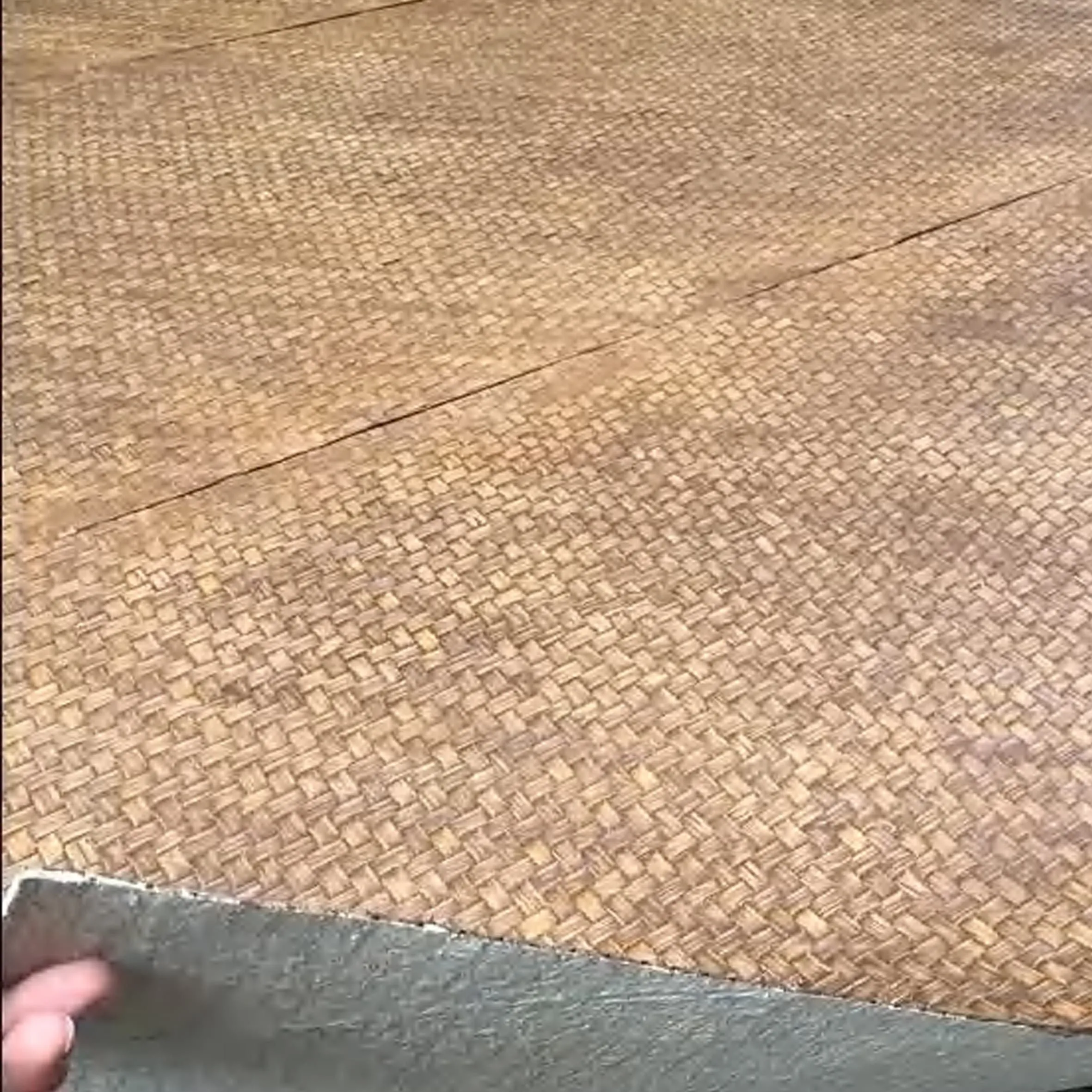
To make this concrete (pun intended), let's look at average labor hours and costs for installing 100 square feet of four common materials: bamboo mat board, wood grain board, fair-faced concrete, and MCM flexible stone. These numbers are based on national averages in the U.S., but keep in mind they'll vary by region (sorry, New York and California—you'll likely pay more than the Midwest).
| Material | Average Labor Hours (100 sq ft) | Average Labor Cost per sq ft | Why It Costs That Much |
|---|---|---|---|
| Bamboo Mat Board | 3–5 hours | $4–$7 | Lightweight, easy to cut, forgiving surface prep. Many contractors can install solo. |
| Wood Grain Board | 5–7 hours | $6–$10 | Heavier panels, risk of splintering during cutting, often requires sealing post-installation. |
| Fair-Faced Concrete | 8–12 hours | $10–$15 | Requires mixing, curing time, and precise smoothing. Heavy and messy to handle. |
| MCM Flexible Stone | 6–8 hours | $7–$12 | Flexible material can shift during installation; needs careful alignment to avoid gaps. |
Let's unpack that. For a 200 sq ft accent wall, bamboo mat board labor would cost roughly $800–$1,400, while fair-faced concrete could run you $2,000–$3,000. That's a huge difference! And remember, these are just labor costs—materials are extra. So if you're choosing between, say, wood grain board and bamboo mat board, the bamboo might cost a bit more per panel, but you could save hundreds on labor. It's all about the total project cost, not just the sticker price of the materials.
One contractor we talked to, Mike from Colorado, put it this way: "I used to avoid bamboo mat board because I thought it was a 'fad material.' Then I installed it in a client's kitchen. We finished the entire backsplash in half the time it would've taken with wood grain board. Now I recommend it to clients who want to save on labor—they're happy, and I can fit more projects into my week. Win-win."
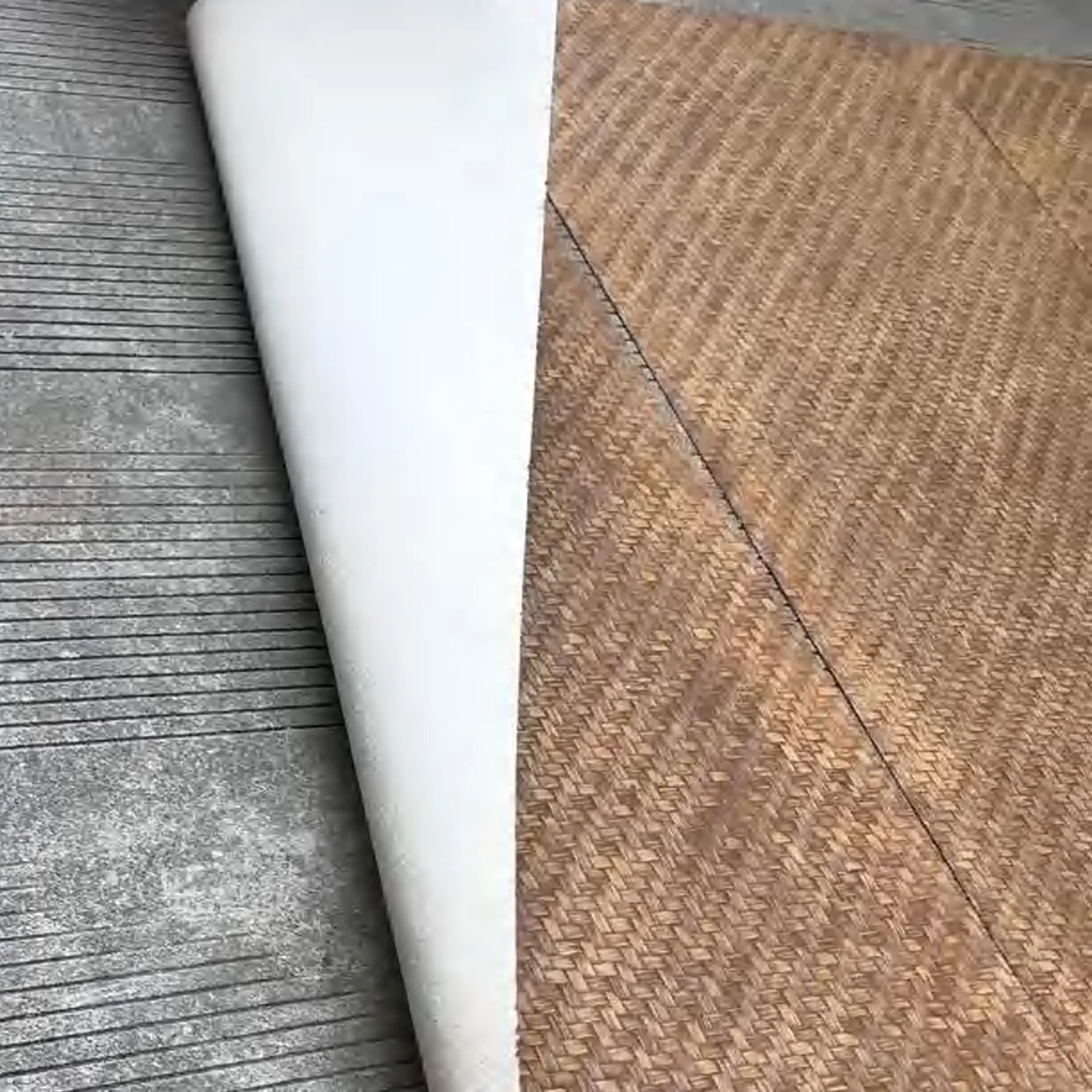
Okay, so bamboo mat board is easier to install than fair-faced concrete. But does that mean you should skip hiring a pro altogether and go full DIY? It depends on your skill level, tools, and tolerance for mistakes. Let's weigh the pros and cons.
The Case for DIY Installation – If you're handy with a saw, have installed peel-and-stick tiles or paneling before, and your project is small (think a 50 sq ft accent wall in your home office), DIY could save you 100% of labor costs. Bamboo mat board often comes with interlocking edges or peel-and-stick backing (check the product specs!), which are basically designed for weekend warriors. You'll need a few tools: a measuring tape, pencil, straightedge, circular saw or jigsaw, level, and construction adhesive (if it's not peel-and-stick). Most home improvement stores rent saws if you don't own one, and a basic toolkit should cover the rest.
But here's the catch: Even "easy" installations can go wrong. A wonky measurement, a panel that's cut slightly off, or a wall that's more uneven than you thought can lead to gaps, misaligned patterns, or panels that start to peel. And fixing mistakes? That can cost more than hiring a pro in the first place. We once helped a homeowner who tried to install bamboo mat board over a wall with loose paint—three panels peeled off in the first week, and they had to pay a contractor to remove the damaged panels, prep the wall properly, and reinstall new ones. Ouch.
The Case for Hiring a Pro – If your project is large (say, an entire living room wall), involves tricky areas (like around a fireplace or curved archway), or you just don't trust your handyman skills, hiring a pro is worth the investment. A good contractor will have the tools, experience, and eye for detail to make sure the job is done right the first time. They'll also handle the prep work—sanding, patching, and priming—so you don't have to. And here's a secret: Many contractors offer discounts if you buy the materials yourself (just make sure you get the right amount and type—ask for their specs!).
Pro Tip: How to Find an Affordable Contractor
If hiring a pro feels out of reach, try these tricks: 1) Get quotes from 3–5 contractors (prices can vary by 30% or more!). 2) Ask about "off-season" rates—many contractors lower prices in winter when business is slow. 3) Mention you're using bamboo mat board—some may charge less because they know it's quick to install. 4) Offer to help with prep work (like removing old paneling) to cut down on their time.
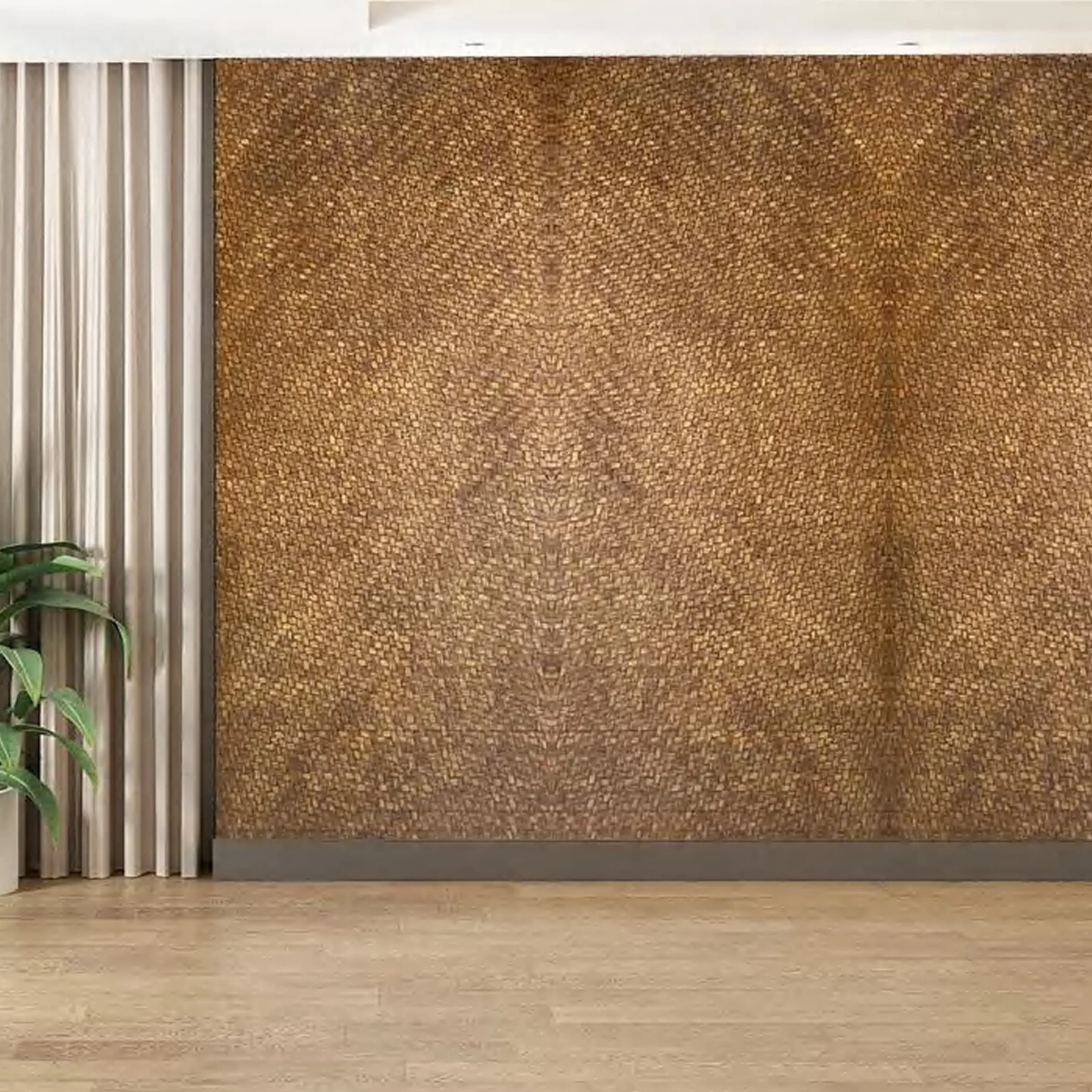
Whether you go DIY or hire a pro, there are ways to keep labor expenses in check. Here are our top tips:
1. Buy the Right Amount (and Then Some) – Running out of panels mid-project means delays, and delays mean extra labor hours. Most contractors charge by the hour, so if they have to pause work while you run to the store, you'll pay for that downtime. Buy 10–15% more panels than you think you need (this is called the "waste factor") to account for cuts, mistakes, and future repairs. It's cheaper to have extra panels sitting in your garage than to pay a contractor to come back later.
2. Prep the Surface Yourself – Contractors charge $25–$50 per hour for prep work like sanding, patching holes, or removing old wallpaper. If you're comfortable with basic tools, do this step yourself. Just make sure to follow the manufacturer's guidelines for surface prep—bamboo mat board needs a clean, dry, relatively smooth surface, but it's more forgiving than materials like fair-faced concrete. Fill small holes with spackle, sand down bumps, and wipe away dust—your contractor will thank you, and your wallet will too.
3. Opt for Peel-and-Stick or Interlocking Panels – Not all bamboo mat board is created equal. Some panels require construction adhesive, which takes time to apply and set. Others come with peel-and-stick backing or interlocking edges that snap together like puzzle pieces. These "easy install" options can cut labor time by 30–40%, which translates directly to lower costs. Yes, they might cost a bit more per panel, but the labor savings usually outweigh the upfront difference.
4. Schedule Installation During Off-Peak Times – As we mentioned earlier, contractors are busiest in spring and summer, when homeowners tackle big renovations. If you can wait until fall or winter, you might score a 10–15% discount on labor. Plus, contractors are more likely to be flexible with scheduling and may even throw in extras (like sealing the panels) for free to keep the work coming in.
5. Mix DIY and Pro Help – Can't afford to hire a pro for the entire project? Do the easy parts yourself and hire a pro for the tricky bits. For example, install the panels on the main wall yourself, but pay a contractor to handle the area around your kitchen cabinets or a sloped ceiling. Just make sure to coordinate—most pros don't mind stepping in mid-project, but they'll need to know exactly what's been done and what's left.
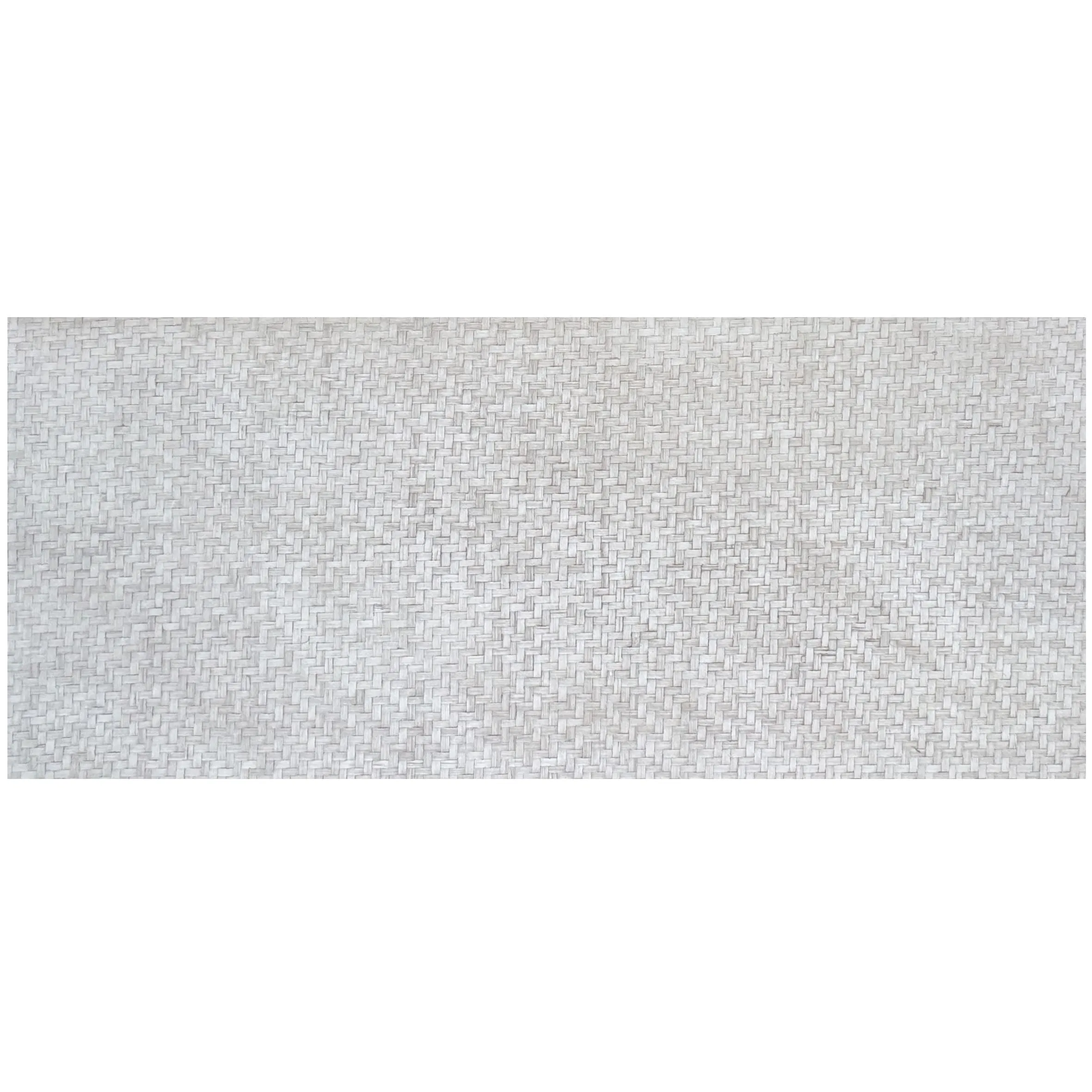
Let's put this all into perspective with a real story. Sarah, a homeowner in Portland, Oregon, wanted to install a 150 sq ft bamboo mat board accent wall in her living room. She initially got quotes from two contractors: $1,800 and $2,100 for labor (materials not included). That felt steep, so she decided to mix DIY with pro help.
First, she bought peel-and-stick bamboo mat board panels (about $350 for 170 sq ft, including waste). Then, she spent a weekend prepping the wall: removing old paint, filling holes, and sanding. She watched a few YouTube tutorials on measuring and cutting, then installed the panels on the main, flat part of the wall herself (about 100 sq ft). For the tricky parts—around a window and a recessed bookshelf—she hired a handyman for 3 hours at $60/hour ($180). Total labor cost? $180. Total savings? Over $800 compared to the lowest contractor quote. And the wall? It looks amazing—even the handyman commented on how well the panels went up.
"I was nervous about messing up, but the panels were so easy to cut and stick that it actually felt fun," Sarah told us. "The key was taking my time and not rushing the prep work. And honestly, even if I'd had to redo a panel or two, it would've been worth it to save that much money."
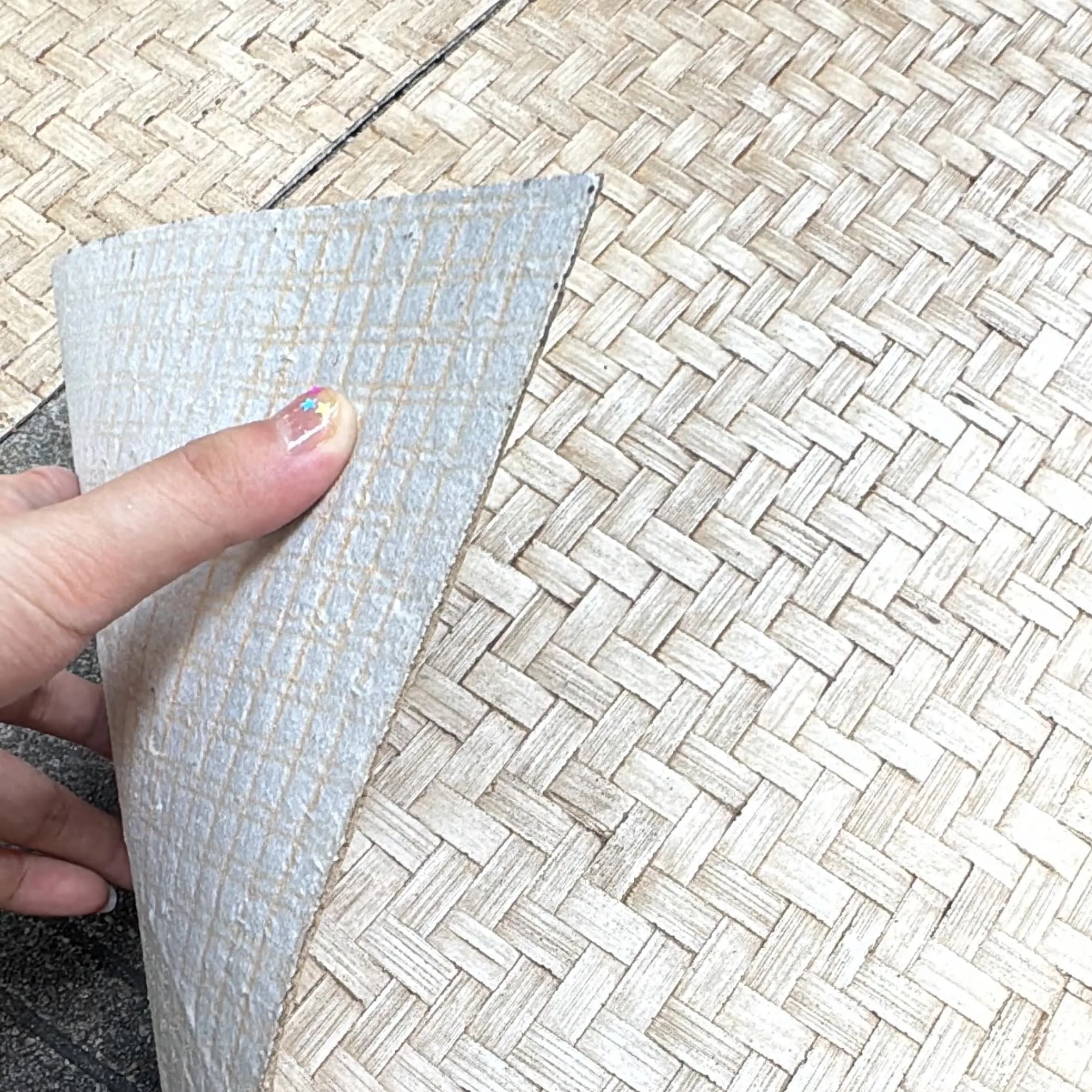
At the end of the day, bamboo mat board isn't just a pretty face—it's a practical choice for homeowners who want style without the sky-high labor bills. Its lightweight design, easy cutting, and forgiving installation process make it a labor-saver compared to heavier, fussier materials like wood grain board or fair-faced concrete. And with a little planning—prepping the surface, buying extra panels, and knowing when to DIY vs. hire a pro—you can keep those labor costs even lower.
So, is it worth it? If you value a natural, sustainable material that won't require a small fortune to install, absolutely. Bamboo mat board lets you get the look you want without turning your renovation into a budget-busting nightmare. And hey, if you do decide to go DIY, just remember: measure twice, cut once, and don't be afraid to ask for help when you need it. Your accent wall (and your bank account) will thank you.
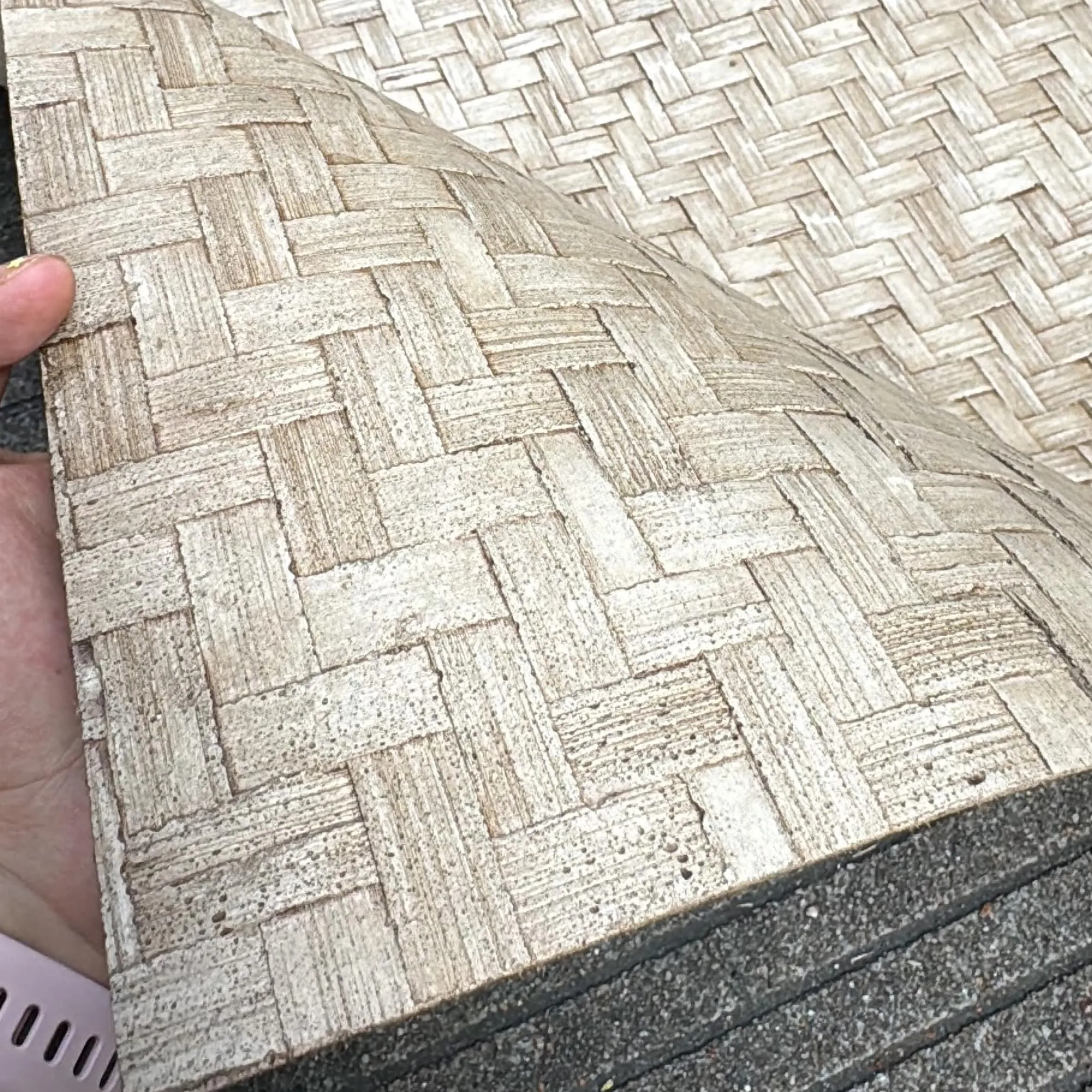
When it comes to home renovations, labor costs can feel like a mystery—until you start asking questions. Bamboo mat board demystifies that process by being straightforward to install, which means fewer hours (and fewer dollars) spent on labor. Whether you're a seasoned DIYer or prefer to hire a pro, the key is to plan ahead: understand what drives up costs, compare materials, and don't be afraid to negotiate or take on small tasks yourself.
At the end of the day, your home should feel like a reflection of you—not a reminder of how much you overspent. With bamboo mat board, you can have both: a space that looks amazing and a budget that stays intact. Now go grab your measuring tape (or your phone to call a contractor) and get started—your new accent wall is waiting.
Recommend Products












