
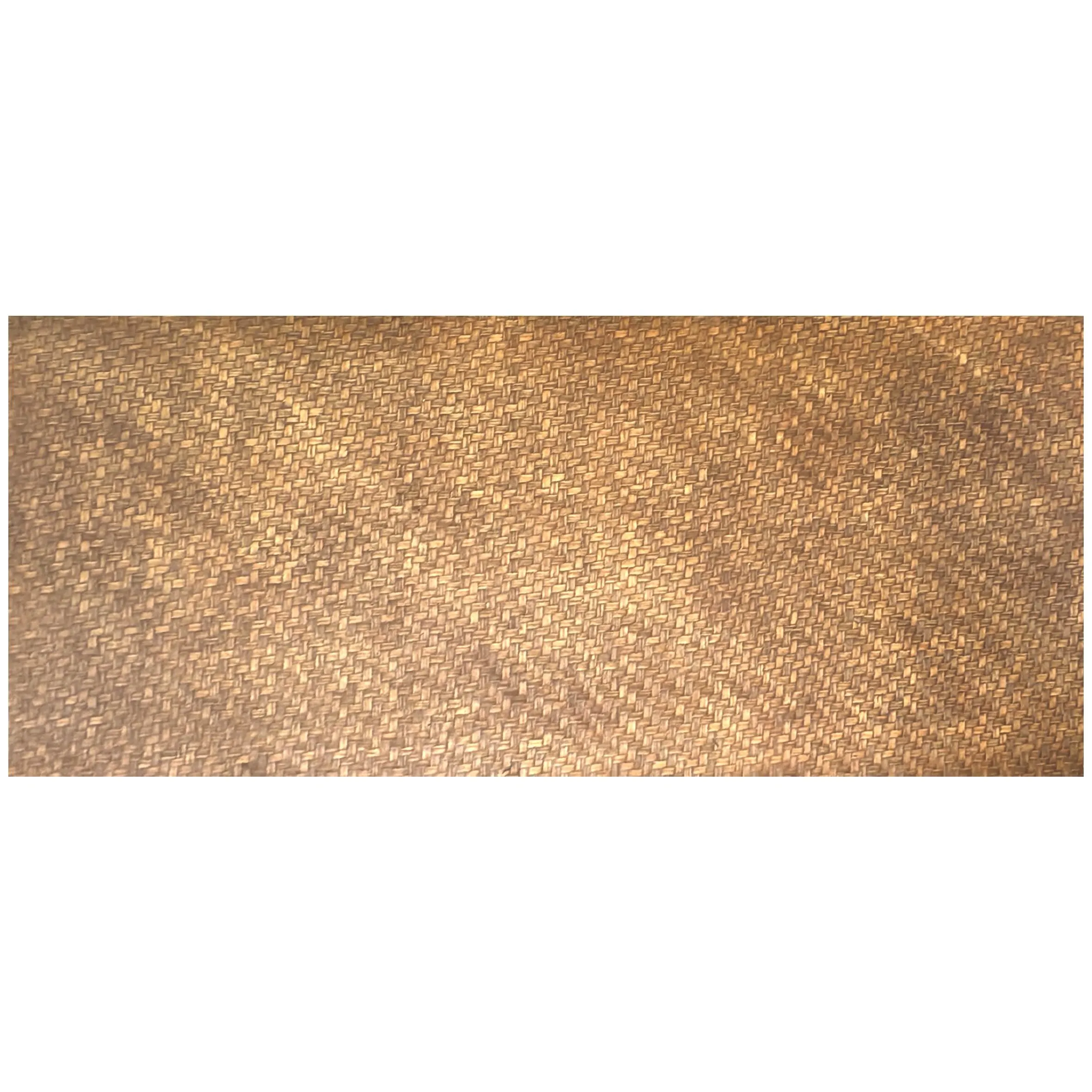
If you've ever walked into a space and thought, "This feels alive," chances are natural materials played a big role. Bamboo mat board is one of those materials—warm, textured, and brimming with organic charm. Whether you're revamping a living room accent wall, sprucing up a commercial café, or adding character to an outdoor patio, this versatile material brings a touch of nature indoors (or outdoors) without the hassle of high maintenance. But like any good project, the key to making it shine lies in the installation. Let's dive into how to get it right, step by step, with plenty of pro tips to ensure your bamboo mat board looks seamless and lasts for years.
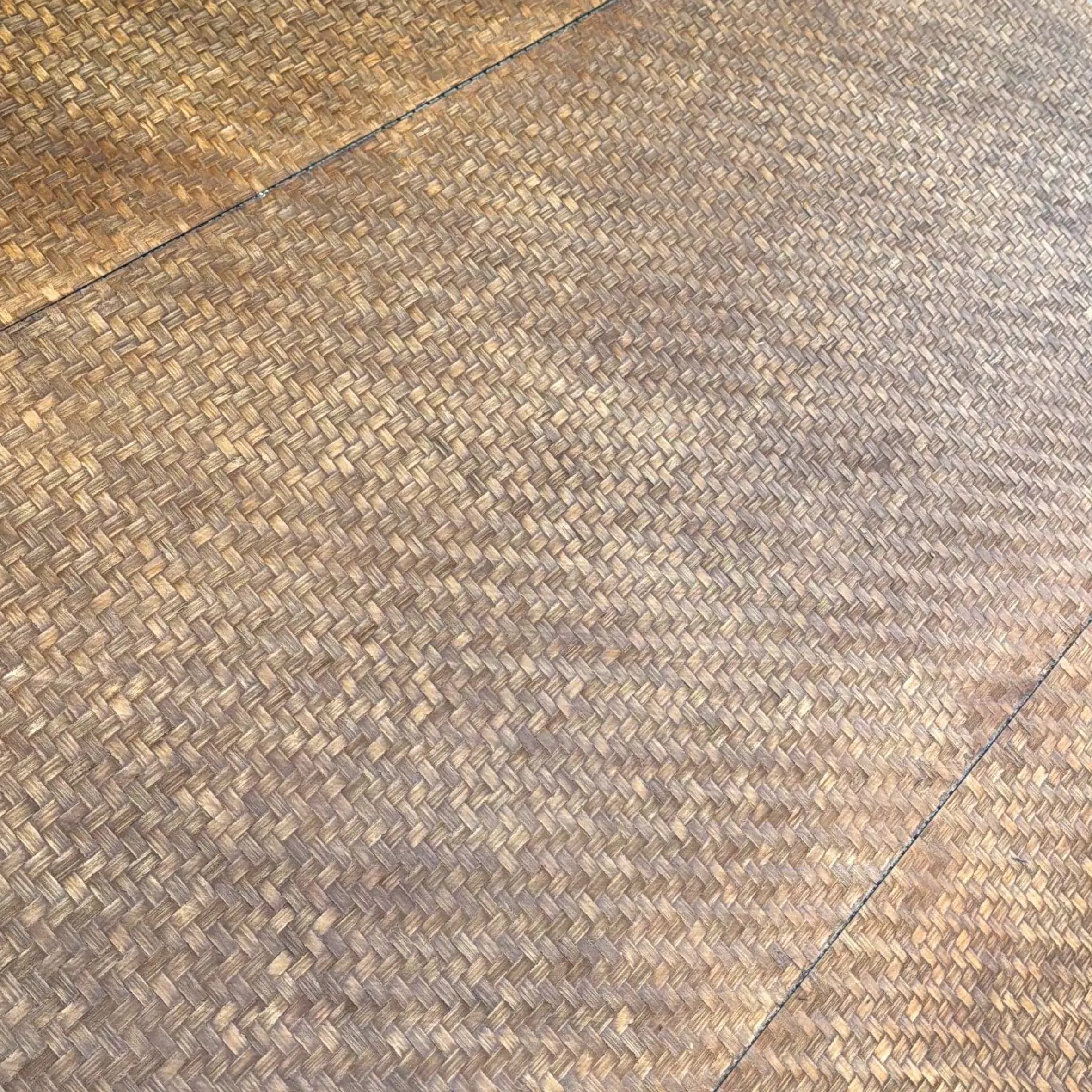
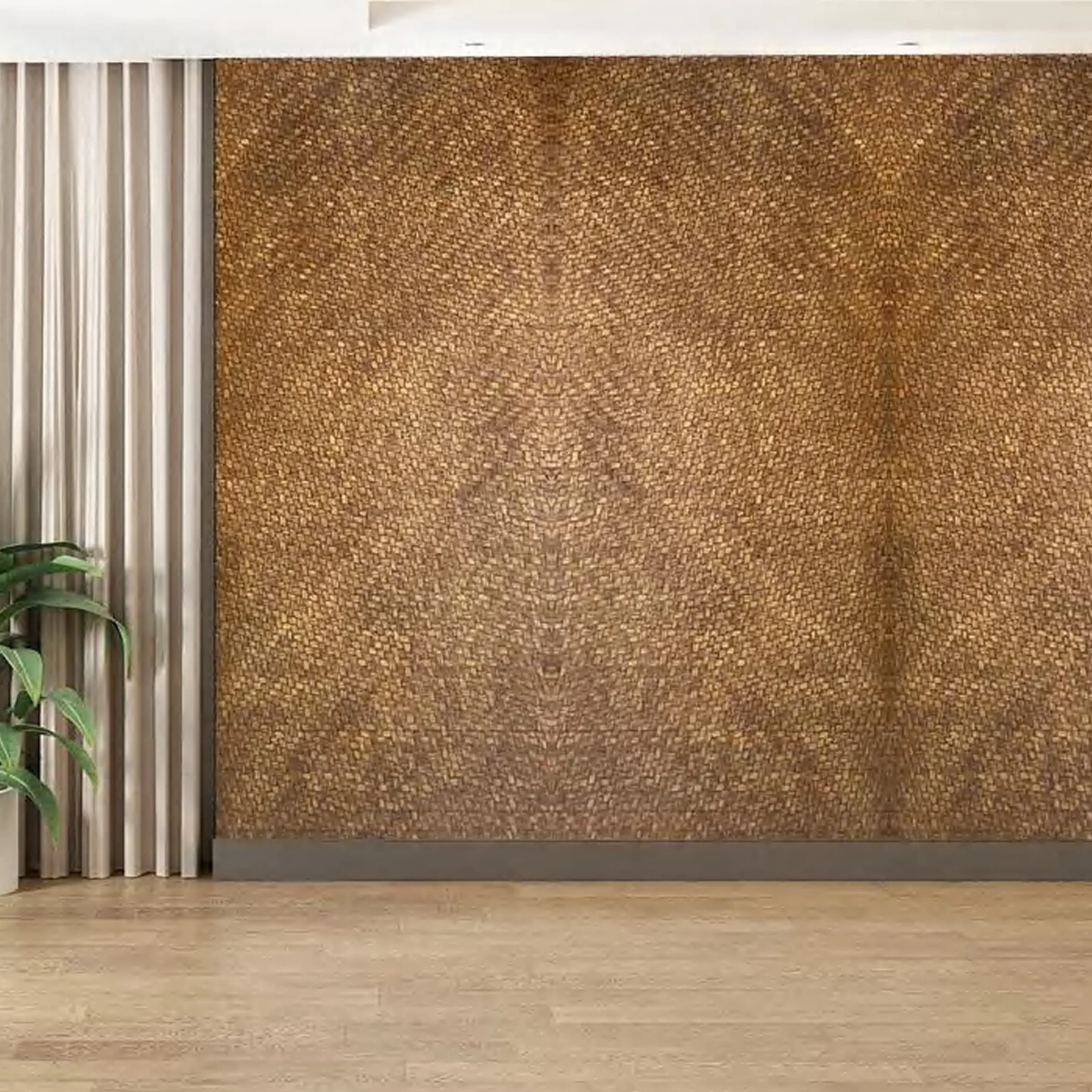
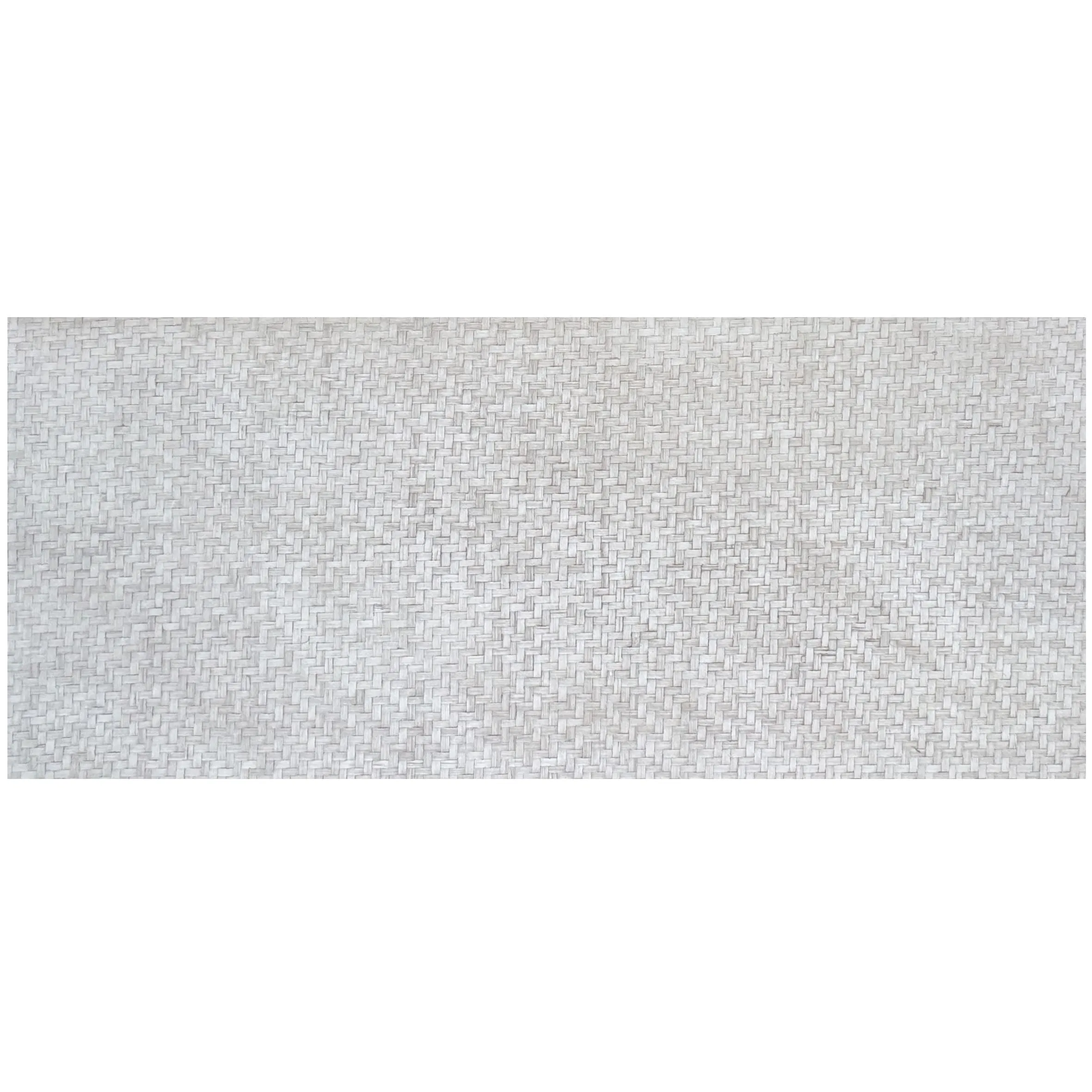
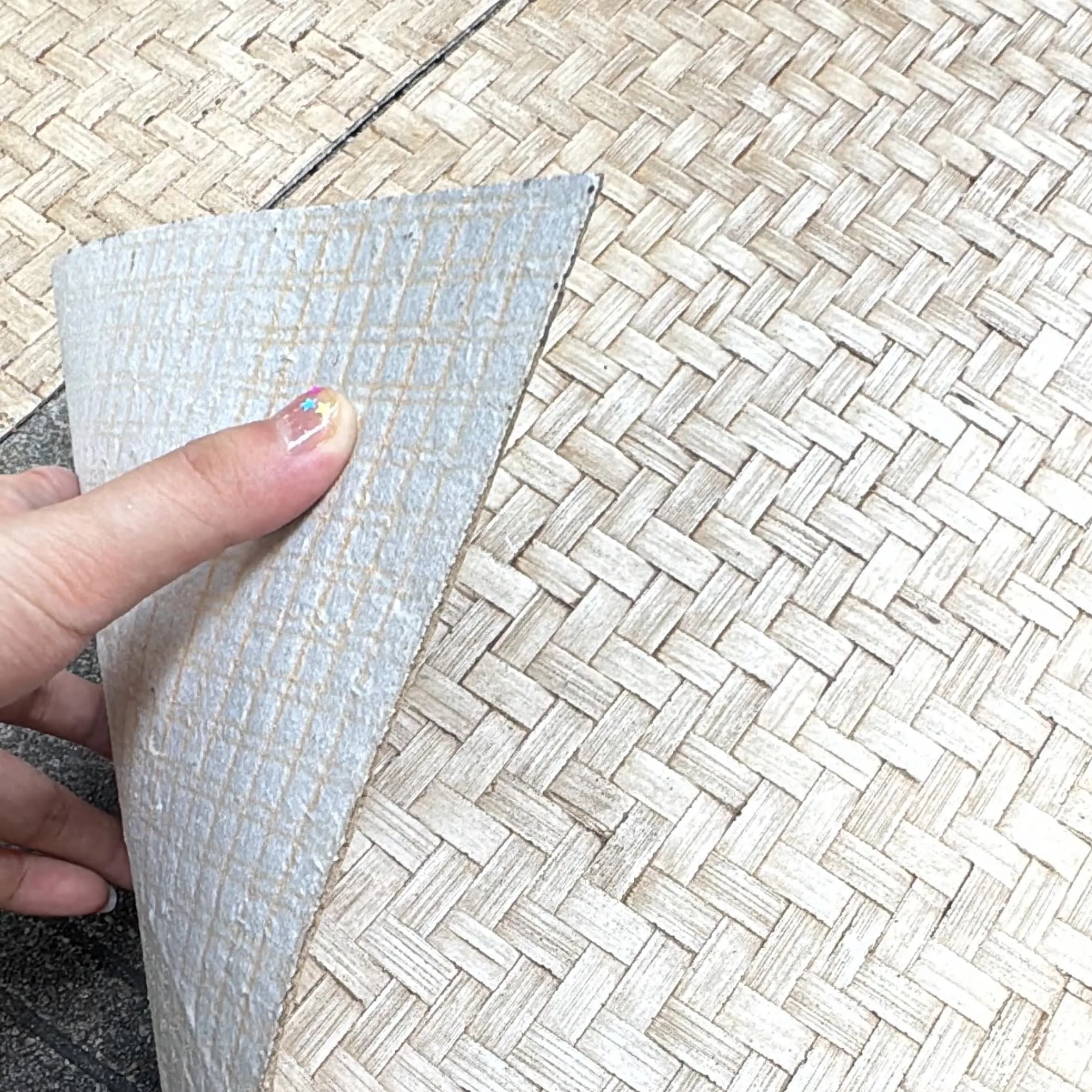
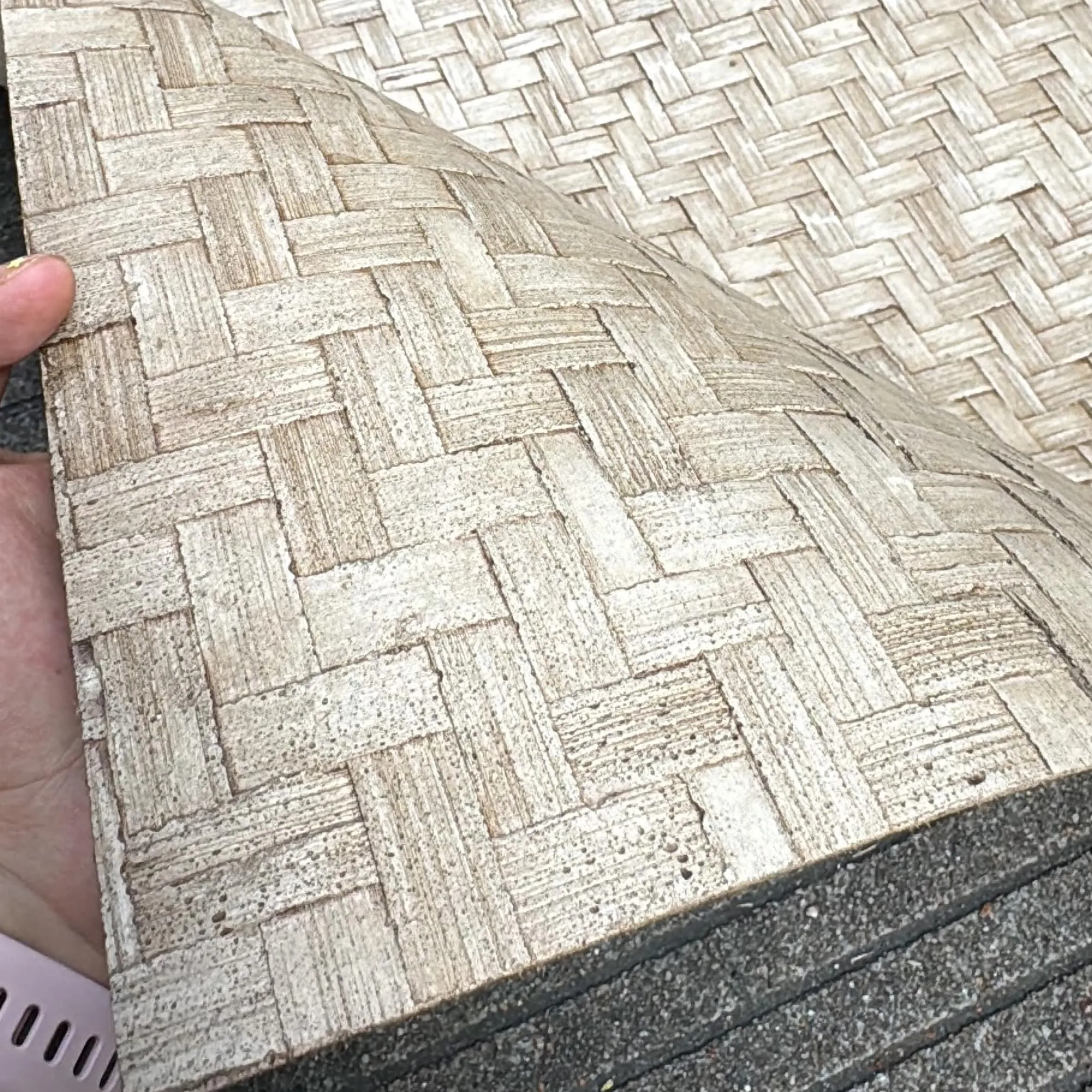
First things first: Let's get familiar with the star of the show. Bamboo mat board is crafted from thin strips of bamboo woven together into a flexible mat, then bonded to a backing (usually fiberboard or plywood) for stability. It's lightweight, surprisingly strong, and has a distinct, earthy texture that ranges from subtle to bold, depending on the weave. What makes it stand out? Unlike rigid materials like fair-faced concrete or heavy lunar peak silvery stone, bamboo mat board bends gently, making it ideal for curved surfaces or walls with slight irregularities. Plus, it's eco-friendly—bamboo grows fast, requires minimal water, and is a renewable resource. If you're someone who cares about both aesthetics and sustainability, this is your material.
Think of it as the laid-back cousin of wood grain board . While wood grain board mimics the look of solid wood planks, bamboo mat board leans into the artistry of the weave, creating patterns that feel handcrafted. It pairs beautifully with other natural materials, too—imagine it alongside MCM flexible stone for a modern-industrial vibe, or complemented by lunar peak golden accents for a touch of warmth. The possibilities are endless, but first, let's make sure we install it properly.
Before you even think about picking up a adhesive tube, prep work is non-negotiable. Skipping this step is like baking a cake without preheating the oven—you might get something edible, but it won't be great. Here's what you need to do:
You don't need a garage full of fancy equipment, but having the right tools on hand will save you from mid-project trips to the hardware store. Here's your checklist:
| Tool | Purpose | Pro Tip |
|---|---|---|
| Tape measure & carpenter's pencil | Measuring and marking cuts | Measure twice, mark once—no one wants to redo a cut because of a typo! |
| Utility knife or jigsaw | Cutting the bamboo mat board | A sharp utility knife works best for straight cuts; use a jigsaw with a fine-tooth blade for curves. |
| Adhesive spreader (notched trowel) | Applying adhesive evenly | Use a 1/8-inch notched trowel for smooth surfaces; go up to 1/4-inch if the wall is slightly uneven. |
| Level (2-foot or longer) | Ensuring straight alignment | Trust the level, not your eyes—walls can trick you! |
| Rubber mallet | Tapping boards into place without damaging them | Wrap the mallet in a soft cloth to avoid dents in the bamboo. |
| Clean cloth & mild detergent | Wiping away excess adhesive | Don't use harsh chemicals—bamboo can stain easily. |
| Spacers (optional) | Creating even gaps between boards (if needed) | Use pennies if you don't have spacers—they're the perfect thickness! |
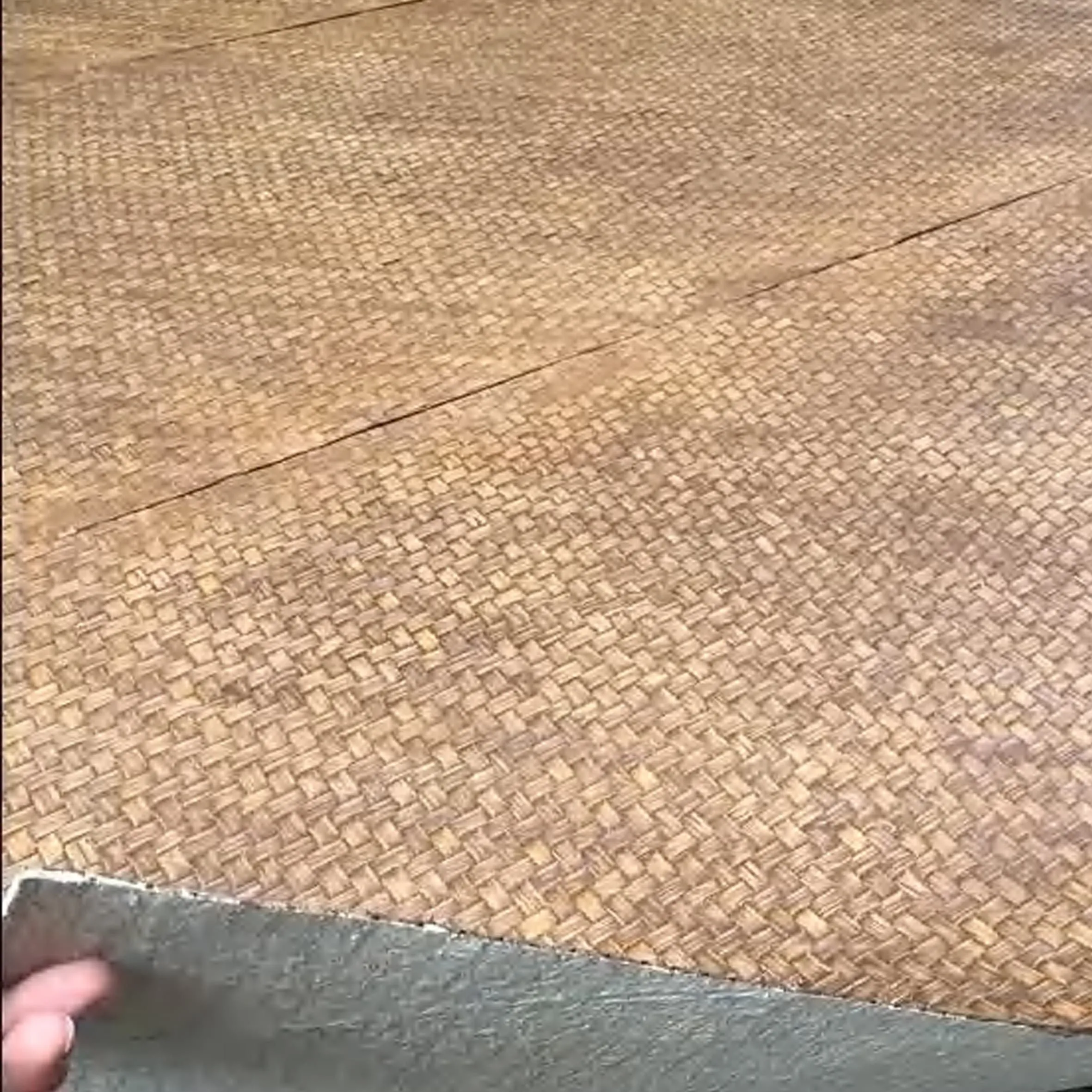
Bamboo mat board is forgiving, but it's not magic. It needs a clean, dry, and flat surface to stick to. Here's how to prep like a pro:
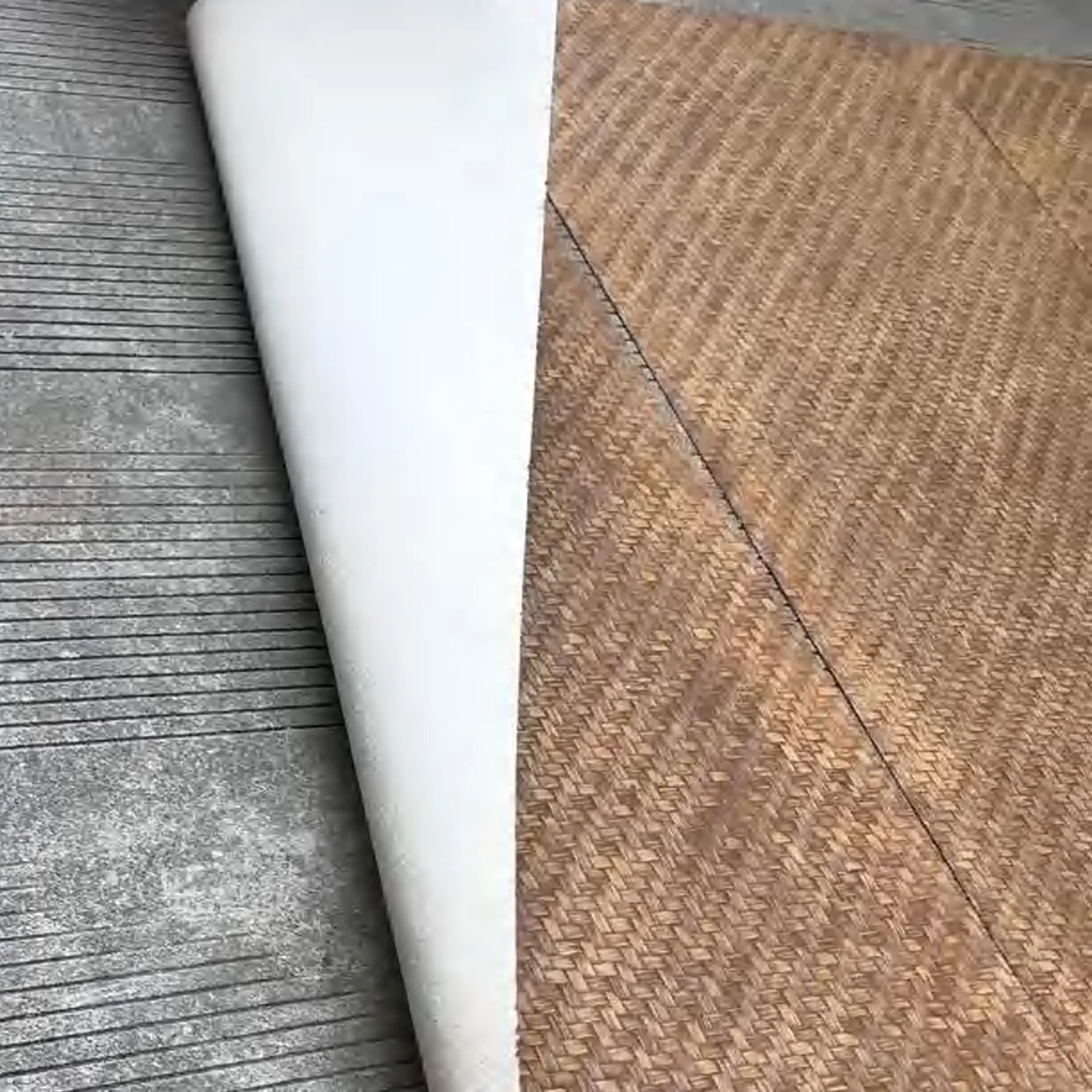
Now that the prep is done, it's time to install. Take your time—rushing leads to mistakes. Here's how to do it smoothly:
Lay out the bamboo mat boards on the floor (or wall, if they're lightweight) to plan the layout. This is your chance to play with patterns—do you want the weave to align vertically, horizontally, or at an angle? Are there any boards with flaws (like a split bamboo strip) that you can hide in a corner? Mark where each board will go with a pencil on the wall—this is your roadmap.
Pro move: If you're installing around outlets or switches, measure twice, then cut a hole in the bamboo mat board using a jigsaw or hole saw. It's easier to cut before adhering than after!
Grab your notched trowel and adhesive (we recommend a construction adhesive designed for natural materials—check the label to make sure it's compatible with bamboo). Spread a thin, even layer on the back of the bamboo mat board, holding the trowel at a 45-degree angle. The goal is to cover the entire back without globs—you want ridges of adhesive, not a puddle. If you're working on a large wall, apply adhesive to one board at a time to prevent it from drying out.
Line up the board with your pencil marks, then press it firmly against the wall, starting from the center and working outward. This pushes out air bubbles—no one wants a bumpy finish! Use a rubber mallet wrapped in a cloth to tap the board gently, ensuring full contact with the adhesive. Pay extra attention to the edges and corners—they're the most likely to lift later.
If you're installing multiple boards next to each other, use spacers (or pennies!) to keep the gaps consistent. This leaves room for expansion and gives the finished wall a polished look. Remove the spacers once the adhesive has set slightly (about 30 minutes).
Once all full boards are up, it's time to trim the edges to fit the wall. Use a straightedge and pencil to mark the cut line, then score the bamboo mat board with a utility knife (apply pressure—you want to cut through the bamboo strips). Bend the board along the score line, and it should snap cleanly. For tricky angles or curves, use a jigsaw with a fine-tooth blade—go slow to avoid splintering the bamboo.
If there are small gaps between the bamboo mat board and the ceiling, floor, or trim, fill them with paintable caulk. Choose a color that matches the bamboo (or go clear for a subtle look). This step hides imperfections and gives the wall a seamless, professional finish.
Even with careful prep, little hiccups can happen. Here are some insider tips to keep your installation on track:
Adhesive dries fast, especially in warm rooms. Stick to installing 2-3 boards at a time, then step back to check alignment. This prevents you from rushing and making mistakes.
Bamboo mat board has a "grain" to the weave. Install all boards with the weave running in the same direction for a cohesive look. If you want a more dynamic pattern, alternate directions, but test it first on the floor—sometimes mixing directions can look messy.
Bamboo mat board plays well with others! For a modern twist, install it halfway up a wall and cap it with lunar peak silvery stone. Or, use it as a backdrop for MCM flexible stone shelves—natural textures layered together create depth. If you're going for a coastal vibe, pair it with light lime stone (beige) for a breezy, beachy feel.
It's tempting to use less adhesive to save time, but skimping leads to boards lifting later. Follow the manufacturer's instructions—most recommend covering 80-90% of the board's back with adhesive. Better safe than sorry!
Indoors, bamboo mat board usually doesn't need sealing, but if it's in a high-moisture area (like a bathroom) or outdoors, apply a clear, water-based sealer. Look for one labeled "for bamboo" or "natural materials"—avoid oil-based sealers, which can darken the bamboo.
Don't panic! Even pros make mistakes. Here's how to fix common issues:
Once installed, bamboo mat board is low-maintenance, but a little care goes a long way. Dust it regularly with a soft cloth or feather duster. For deeper cleans, wipe with a damp (not wet) cloth and mild soap—avoid abrasive cleaners, which scratch the surface. If it's in direct sunlight, rotate any decor every few months to prevent uneven fading. With proper care, your bamboo mat board will age gracefully, developing a rich patina that only gets better with time.
Installing bamboo mat board isn't rocket science, but it does require patience and attention to detail. By prepping properly, taking your time with each step, and leaning on these tips, you'll end up with a wall (or ceiling, or backsplash!) that feels like it was installed by a pro. And when friends ask, "Did you really do this yourself?" you can smile and say, "Yep—and it was easier than I thought."
Remember, the beauty of bamboo mat board lies in its imperfection—the slight variations in the weave, the natural color shifts, the way it catches the light. Embrace those quirks; they're what make your space feel uniquely yours. Now go grab your tools, roll up your sleeves, and let's get that bamboo mat board up. Your wall (and your future self) will thank you.
Recommend Products












