
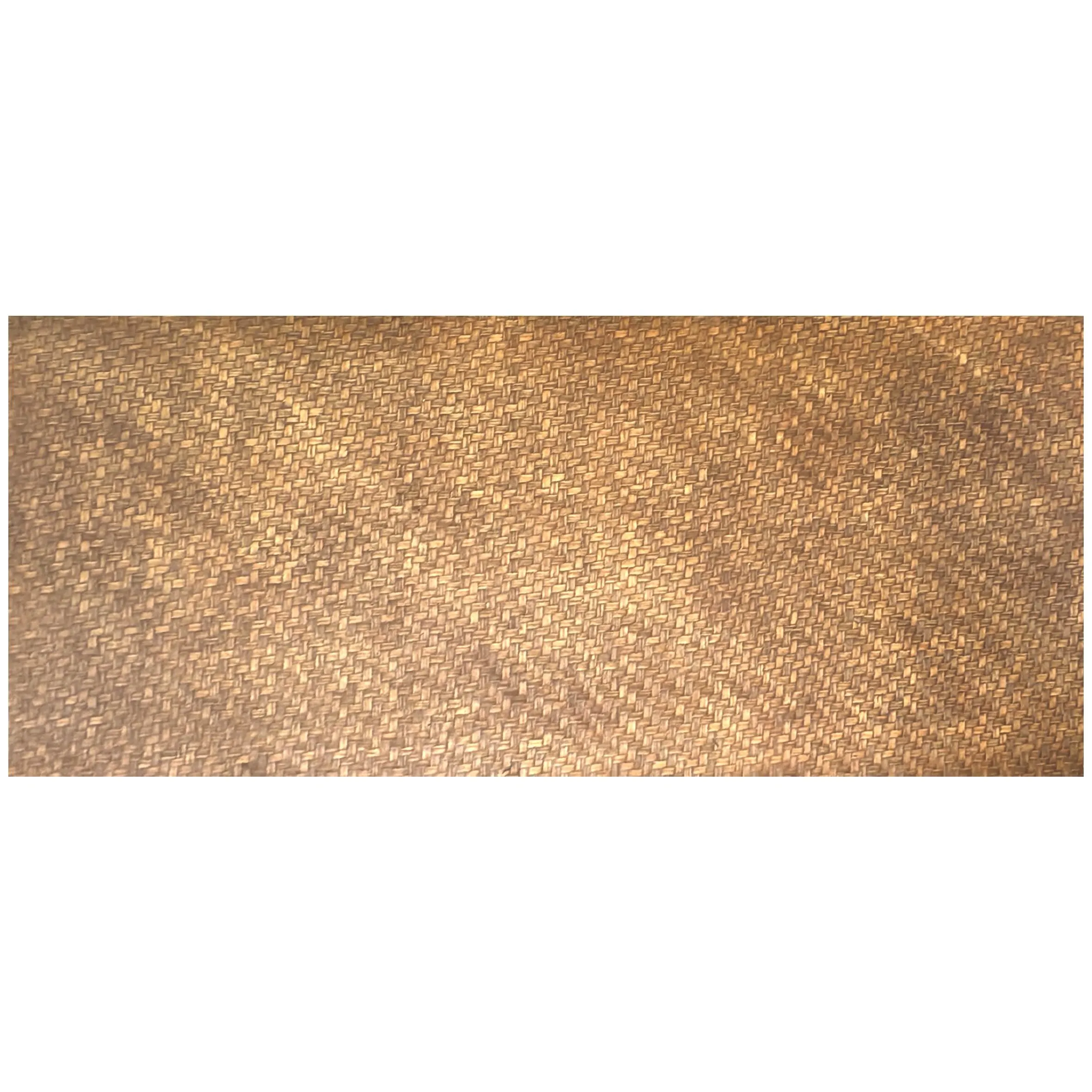
Walk into any job site where Bamboo Mat Board is being installed, and you'll quickly notice something: the difference between a smooth, professional finish and a frustrating, error-prone process often comes down to one thing—tools. Bamboo Mat Board, with its warm, textured surface and versatility, has become a go-to for clients craving natural aesthetics in both residential and commercial spaces. But like any premium material—whether it's MCM Flexible Stone, Wood Grain Board, or even Foamed Aluminium Alloy Board (vintage silver)—it demands the right equipment to truly shine. Let's break down the tools that turn a good installation into a great one, the kind that makes clients say, "Wow, that's exactly what I imagined."
Bamboo Mat Board isn't just another cladding material. Its composition—durable yet slightly flexible, with a surface that mimics natural bamboo—means rough handling or improper cutting can leave unsightly marks, splinters, or cracks. And when you're installing it alongside other MCM products, like a feature wall combining Bamboo Mat Board with Lunar Peak Silvery or Fair-Faced Concrete, precision becomes non-negotiable. The right tools don't just save time; they preserve the material's integrity, ensuring the final result matches the high expectations clients have for MCM products.
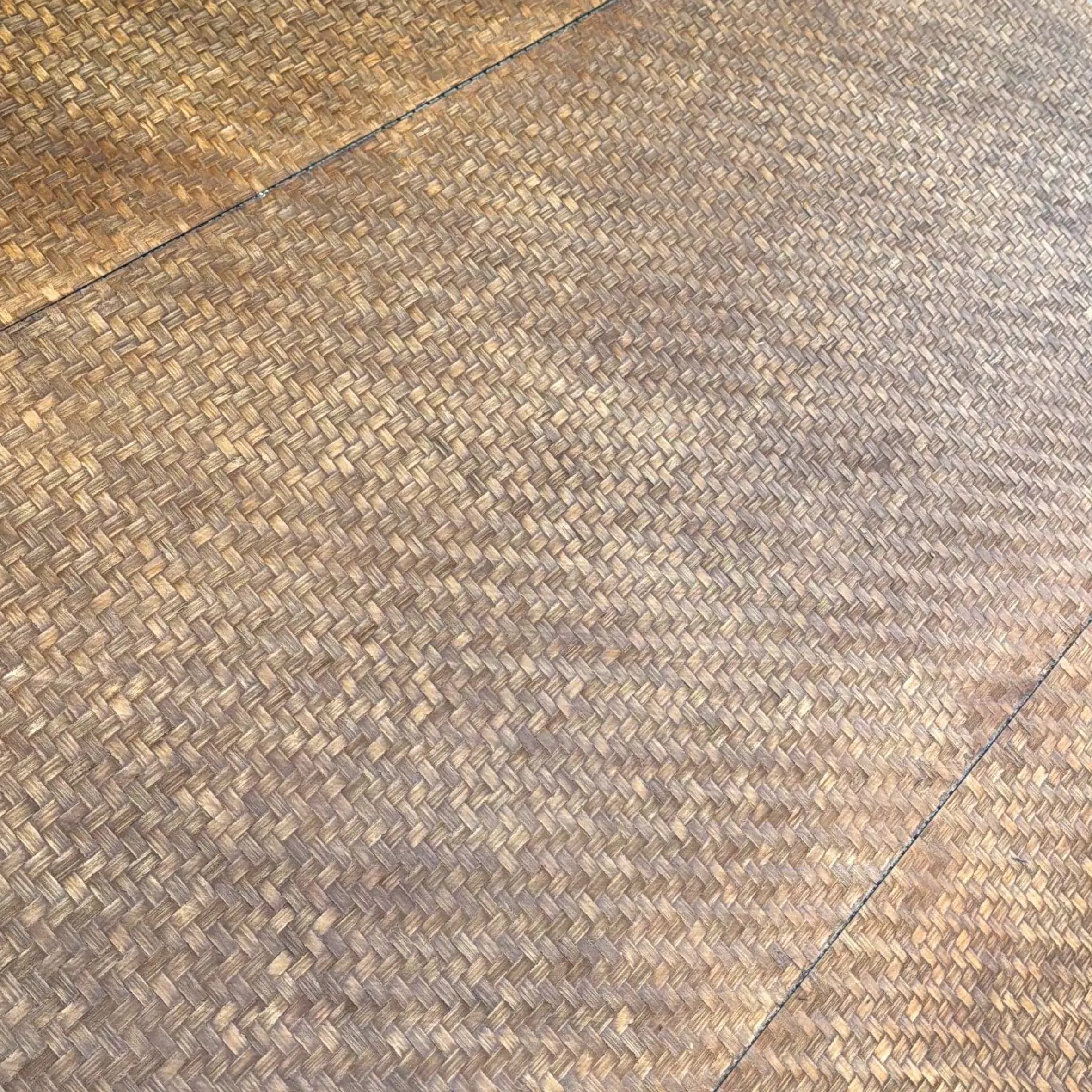
You might think hand tools are "basic," but for Bamboo Mat Board, they're often the difference between a clean install and a messy one. Let's start with the essentials:
A standard claw hammer? Great for nails, terrible for Bamboo Mat Board. The material's surface is prone to dents, so a rubber mallet is your best friend. When tapping panels into place or adjusting alignment, the soft rubber head delivers just enough force without leaving a mark. Pro tip: Opt for a 16-ounce mallet—light enough to control, heavy enough to get the job done.
Trimming edges, scoring panels for clean breaks, or cutting through adhesive backing—you'll reach for this tool constantly. Look for one with a quick-change blade mechanism; when you're in the zone, fumbling with screws to swap blades is the last thing you need. And always use a fresh blade: dull blades tear at Bamboo Mat Board's surface, creating ragged edges that are hard to hide.
Adhesive application is make-or-break for Bamboo Mat Board. Too little, and panels might loosen over time; too much, and excess oozes out, staining the surface. A notched trowel ensures consistent adhesive coverage—critical for materials like Bamboo Mat Board that rely on full contact with the substrate. For most installations, a 1/4-inch square-notch trowel works best, but if you're working with uneven walls (common in older buildings), step up to 3/8-inch to compensate.
Sometimes, you need to carve out small notches or trim edges to fit around outlets, pipes, or corners. A wood chisel (for softer cuts) and a masonry chisel (for tougher spots) will cover you. Keep them sharp—dull chisels slip, and a slip on Bamboo Mat Board can mean a deep scratch that's impossible to fix.
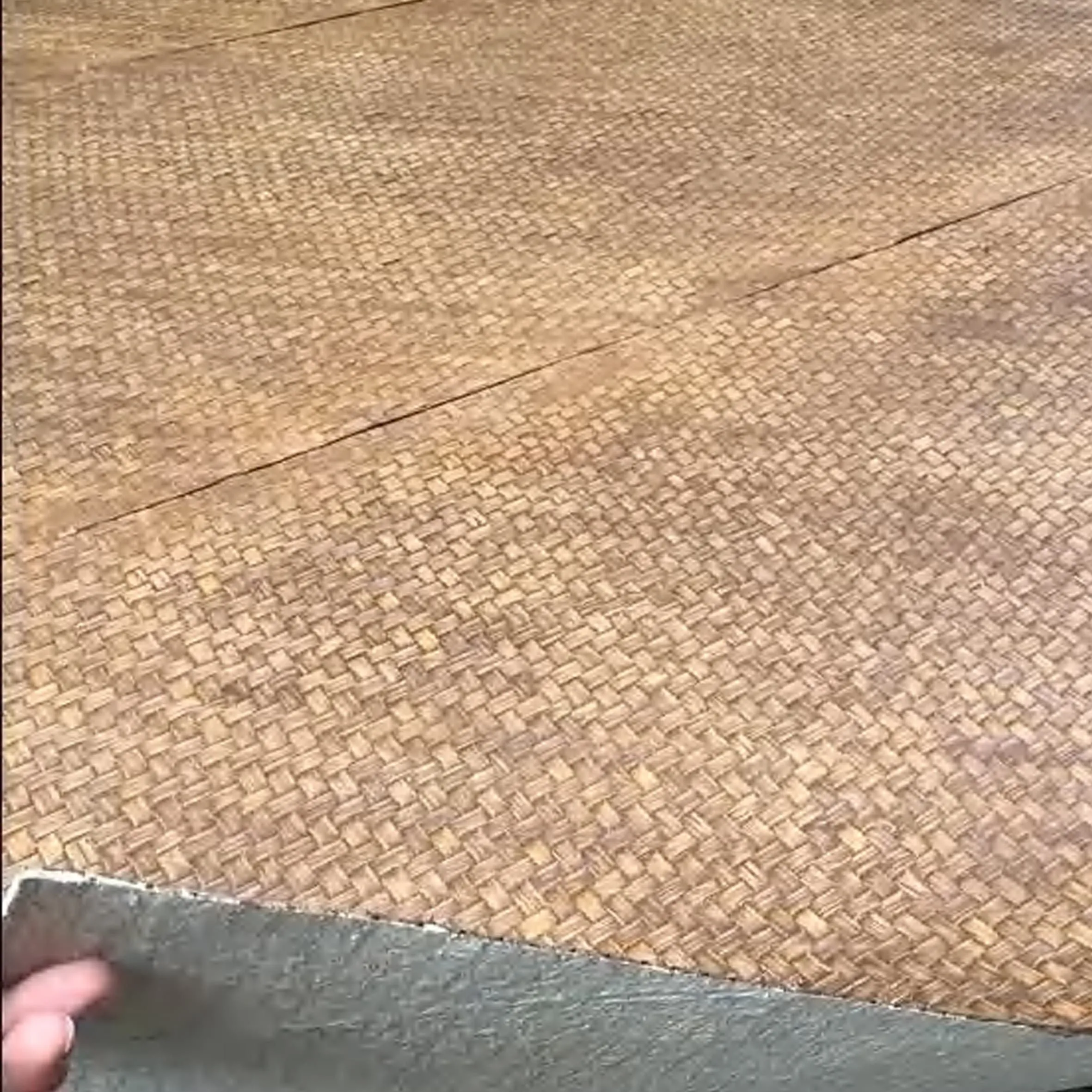
Hand tools lay the groundwork, but power tools take Bamboo Mat Board installation from tedious to efficient. Here's what you need in your arsenal:
Cutting Bamboo Mat Board to size? A circular saw with a 40-60 tooth blade is non-negotiable. Blades with fewer teeth tear the material, leaving splintered edges that ruin the natural look. Set the blade depth to 1/4 inch deeper than the board thickness—this prevents the saw from "grabbing" the material and causing rough cuts. And if you're also installing materials like Foamed Aluminium Alloy Board (vintage silver) on the same job, swap in a metal-cutting blade to avoid damaging the saw or the material.
From driving screws into furring strips to pre-drilling holes for anchors, a cordless drill is a workhorse. Look for one with adjustable torque settings—Bamboo Mat Board's surface is sensitive, and over-tightening screws can crack the material. A torque setting of 3-5 Nm is usually ideal for attaching panels to wood or metal substrates. Pro tip: Invest in a second battery; nothing kills momentum like waiting for a charge.
Even with a sharp saw, cut edges can have tiny splinters. An orbital sander smooths them out, ensuring panels fit together seamlessly. Stick to 120-grit sandpaper—anything coarser might scratch the board's surface. And if you're working with Wood Grain Board alongside Bamboo Mat Board, the same sander will help blend the two textures for a cohesive look.
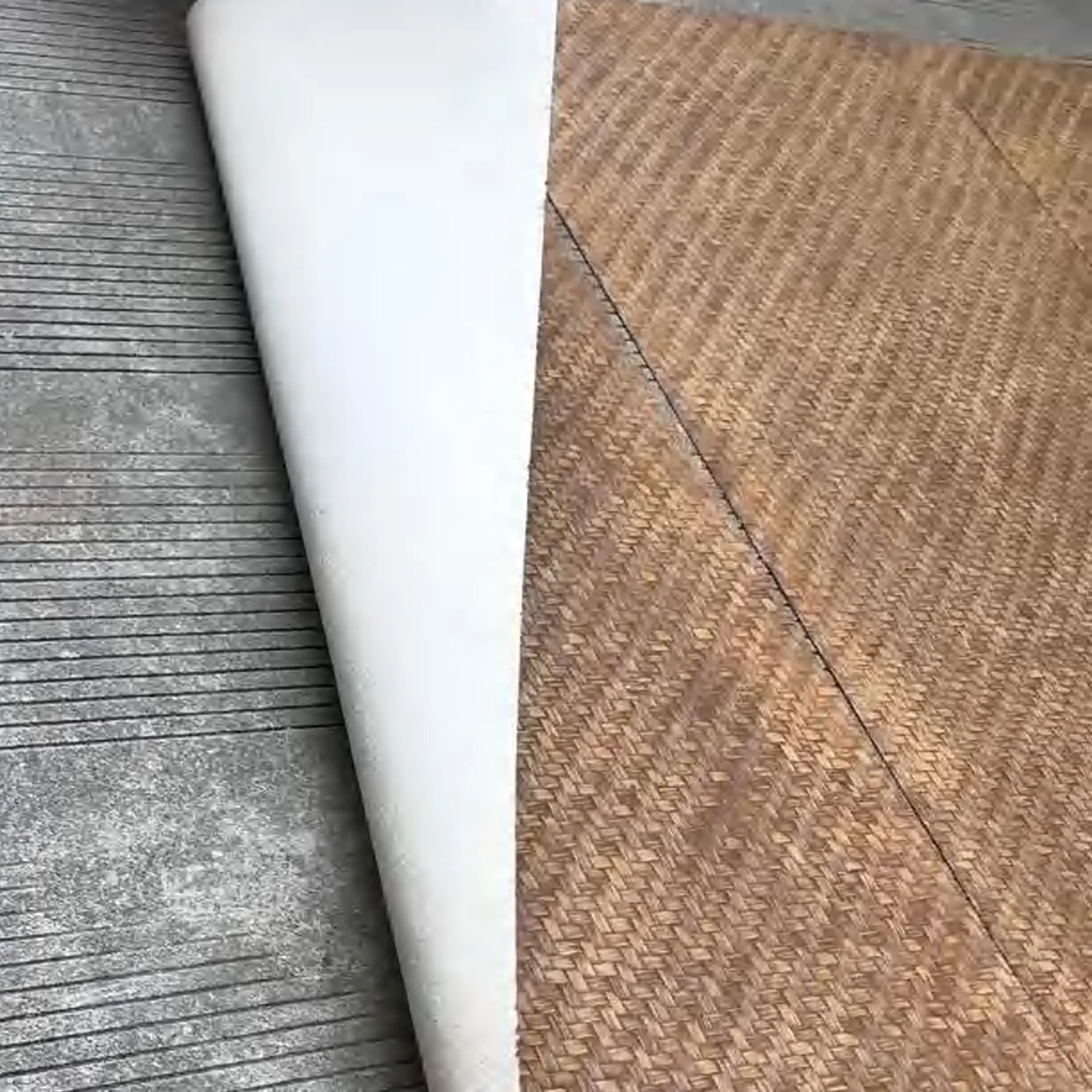
"Measure twice, cut once" isn't just a saying—it's a survival rule for Bamboo Mat Board installation. Here's how to ensure every cut and placement is spot-on:
A flimsy 10-foot tape won't cut it for wall or ceiling installations. Opt for a 25-foot tape with a sturdy hook and clear markings. Bonus points if it has a magnetic end—perfect for hands-free measuring on metal studs. When installing Bamboo Mat Board in a room with high ceilings, that extra length saves you from climbing up and down ladders repeatedly.
For large installations—say, a Bamboo Mat Board accent wall spanning 20 feet—a laser level is a game-changer. It projects a straight, visible line across the entire surface, ensuring every panel is aligned horizontally and vertically. No more string lines or multiple spirit levels; just one tool to keep everything on track. Pair it with a target card for bright rooms, and you'll wonder how you ever installed without it.
Right angles are critical when installing Bamboo Mat Board around windows, doors, or corners. A metal carpenter's square ensures your cuts are perfectly 90 degrees, preventing gaps or overlaps. Look for one with a non-slip grip—you don't want it sliding mid-mark, especially when working with expensive materials like Bamboo Mat Board or Rona Yellow travertine.
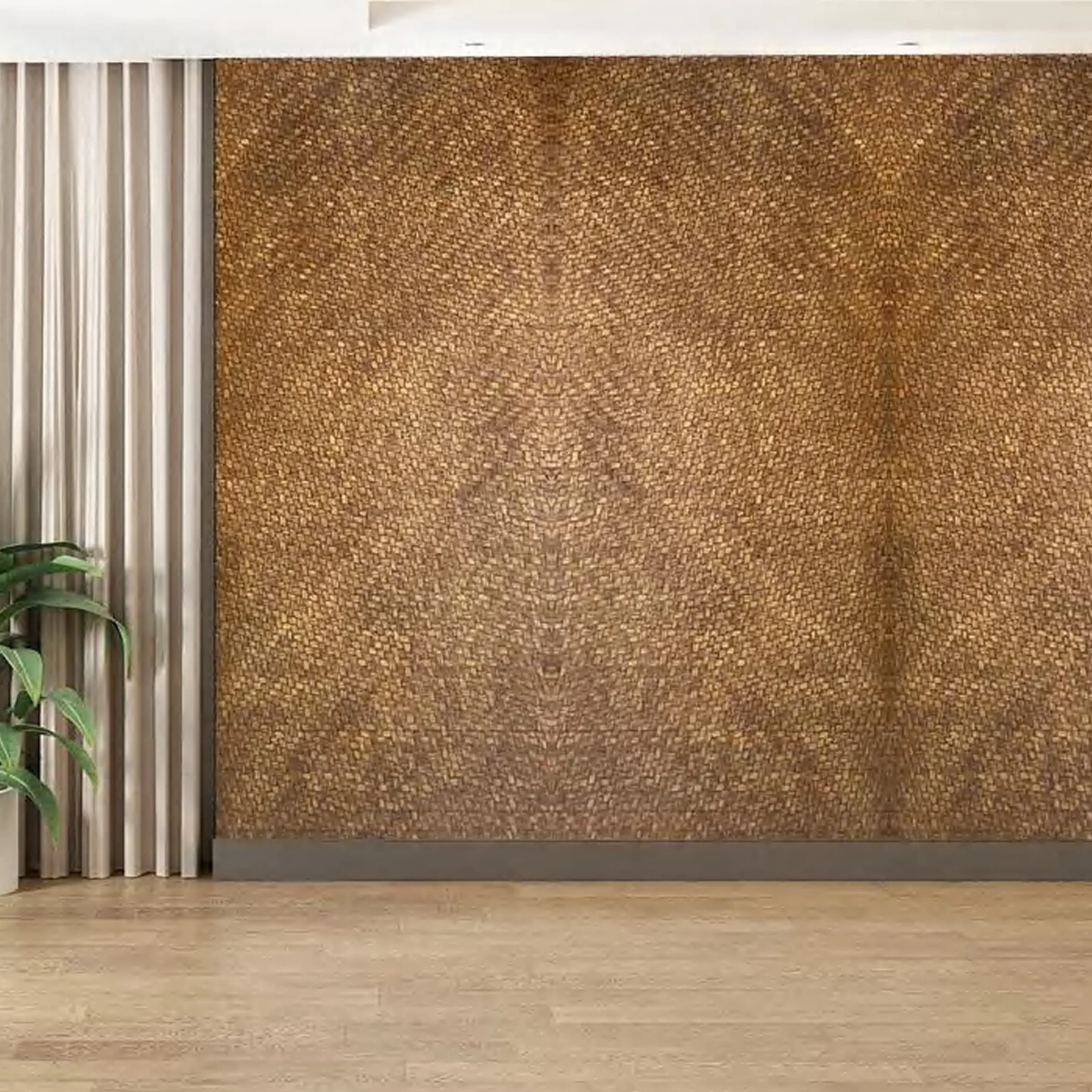
Some installation challenges call for tools designed specifically for MCM products. These might not be in every contractor's toolbox, but they're worth the investment for Bamboo Mat Board:
Bamboo Mat Board often comes in large panels—think 4x8 feet or bigger. Lifting these alone is risky for both you and the material. Suction cup lifters (two per panel) attach securely to the surface, letting you and a partner carry panels safely. They're also great for positioning panels precisely before adhesive sets—no more smudging adhesive by hand-adjusting.
For small, straight cuts—like trimming a panel to fit along a baseboard—a manual tile cutter is faster and cleaner than a saw. It scores the surface and snaps the board along the line, leaving minimal dust and smooth edges. Electric tile cutters work better for curved cuts, which come in handy if you're installing Bamboo Mat Board around circular columns or archways.
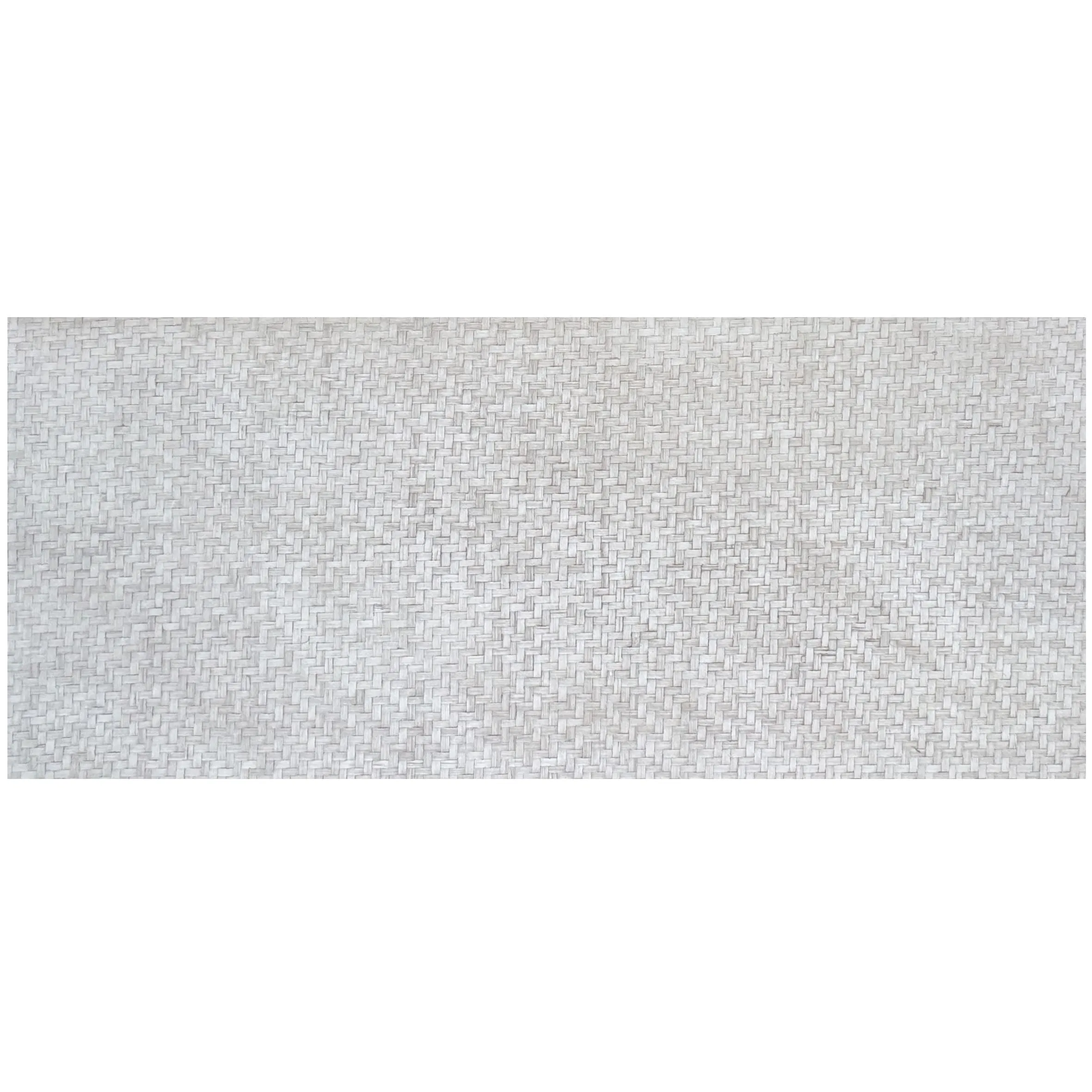
No tool list is complete without safety gear. Bamboo Mat Board installation involves dust, sharp edges, and power tools—so protect yourself:
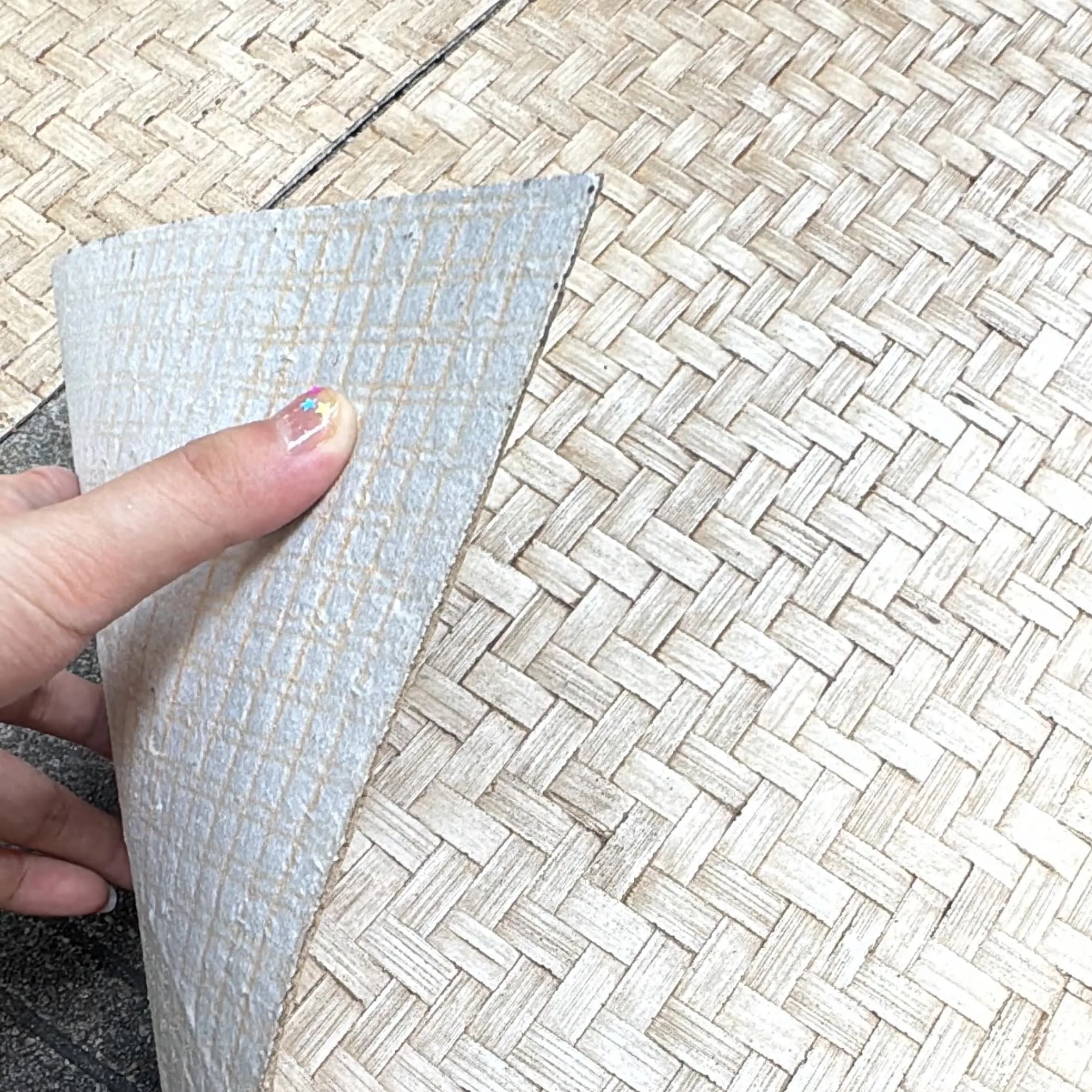
| Tool | Primary Use | Why It Matters for Bamboo Mat Board | Pro Tip |
|---|---|---|---|
| Rubber Mallet | Tapping panels into place | Prevents surface dents and cracks | Use light, even taps—force = damage |
| Circular Saw (40-60T Blade) | Cutting large panels to size | Minimizes splintering and rough edges | Mark cut lines with painter's tape to reduce chipping |
| Laser Level | Aligning panels across large surfaces | Ensures straight, even rows without gaps | Calibrate monthly for accuracy |
| Suction Cup Lifters | Lifting and positioning large panels | Reduces risk of dropping or bending panels | Check suction before lifting—test on a flat surface first |
| 1/4-inch Notched Trowel | Applying adhesive evenly | Prevents air bubbles and ensures full adhesion | Clean excess adhesive immediately with a damp cloth |
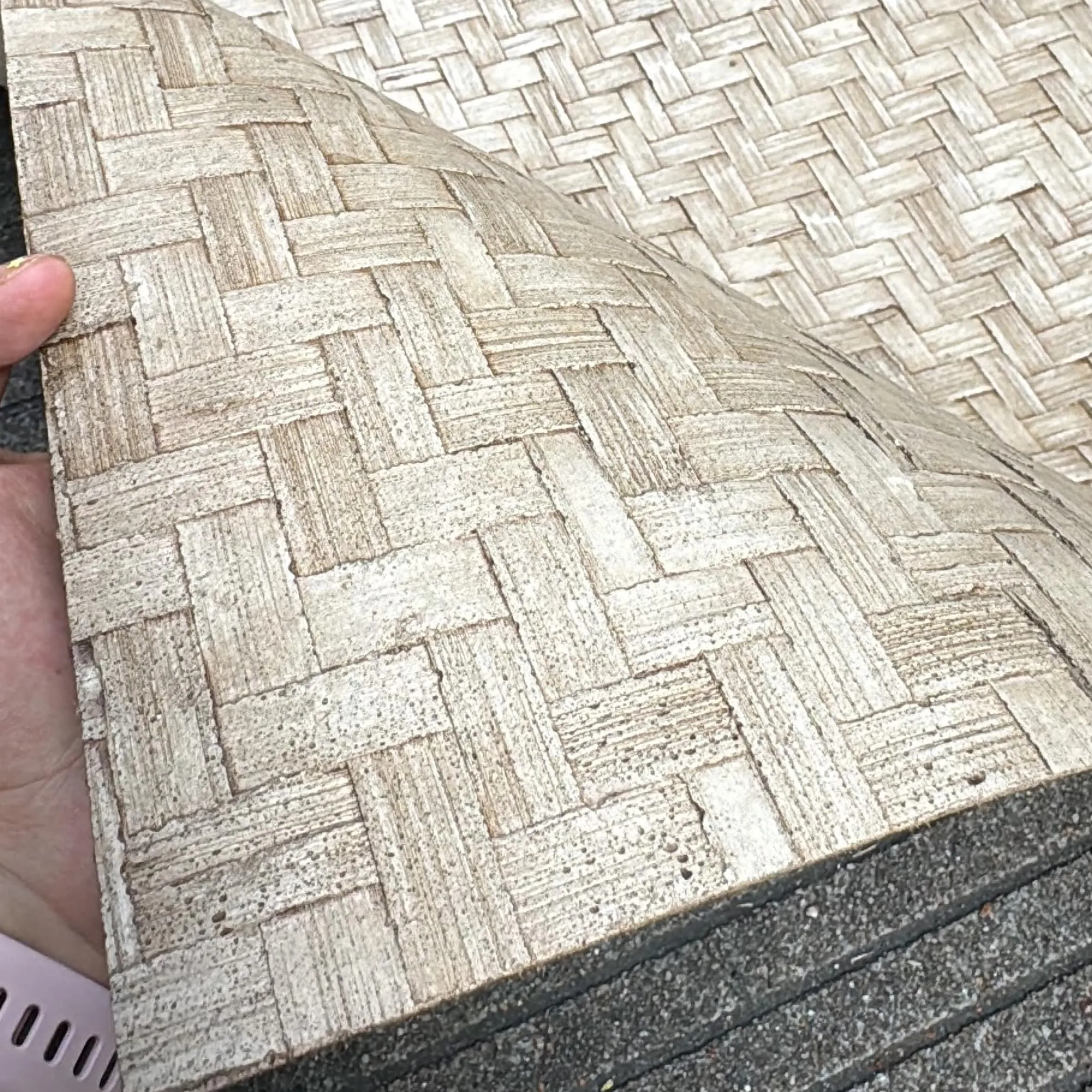
Your tools are only as good as their condition. A dull saw blade or a rusty trowel can ruin a Bamboo Mat Board installation just as easily as a missing tool. Here's how to keep them in top shape:

At the end of the day, installing Bamboo Mat Board is about craftsmanship. Clients choose MCM products like Bamboo Mat Board, MCM Flexible Stone, or Lunar Peak Golden because they want quality that stands out. And quality work demands quality tools. Whether you're a seasoned contractor or just starting out, investing in the right equipment isn't a cost—it's a promise to your clients that their project will be installed with care, precision, and the attention to detail that makes MCM materials shine.
So next time you're gearing up for a Bamboo Mat Board installation, take a minute to check your tools. Are they sharp? Are they clean? Do you have everything you need? Your clients (and your reputation) will thank you.
Recommend Products












