
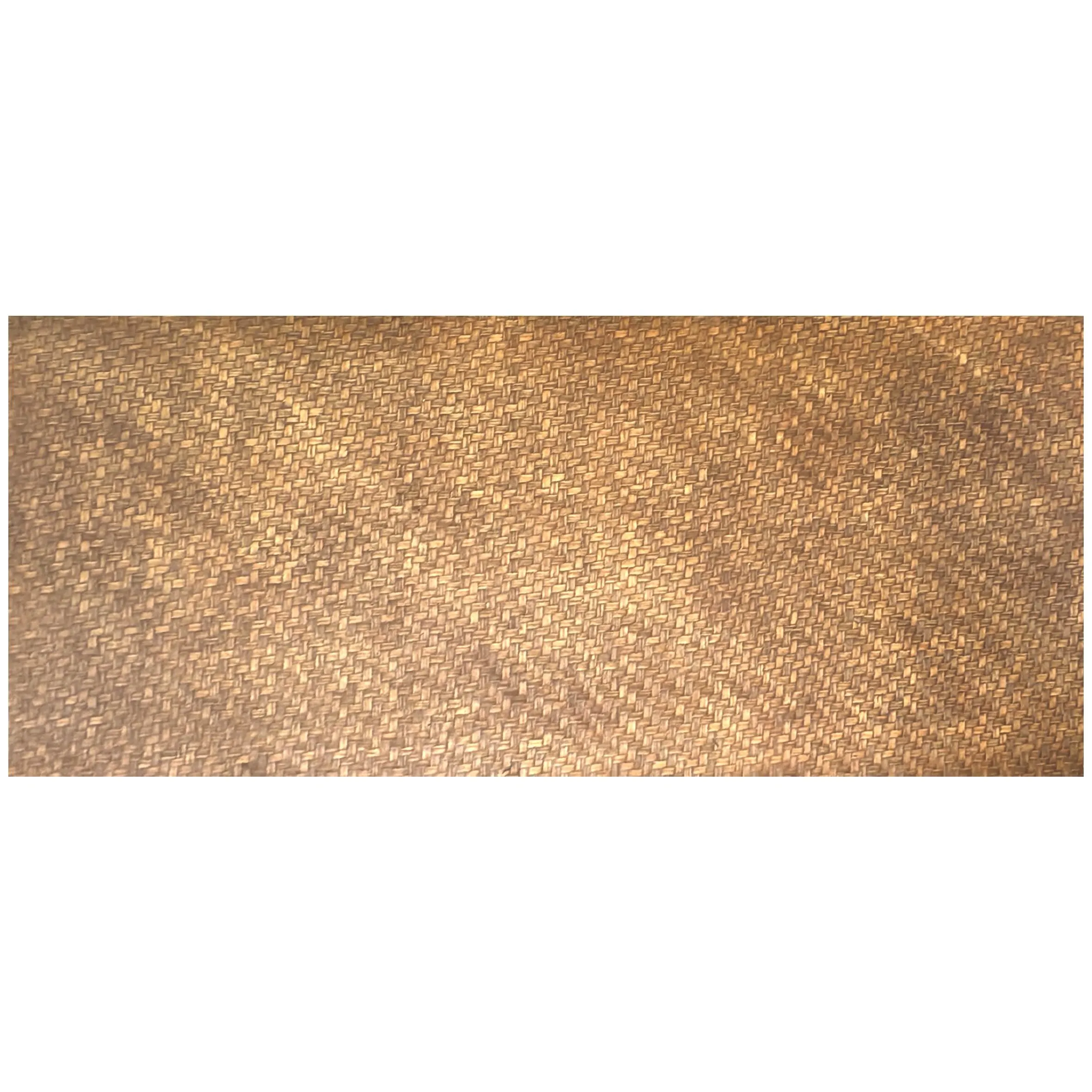
So, you've fallen in love with bamboo mat board. Maybe it's gracing your kitchen backsplash, adding warmth to your living room accent wall, or even serving as a unique countertop in your home office. Who could blame you? Its natural weave, earthy tones, and sustainable story make it more than just a building material—it's a statement. But here's the thing about investments: they need care. Bamboo mat board, for all its durability, isn't invincible. Spills happen. Dust accumulates. Life leaves its mark. The good news? With a little know-how, you can keep that bamboo mat board looking as stunning as the day it was installed. Let's dive into everything you need to know to protect your investment, from daily upkeep to long-term preservation.
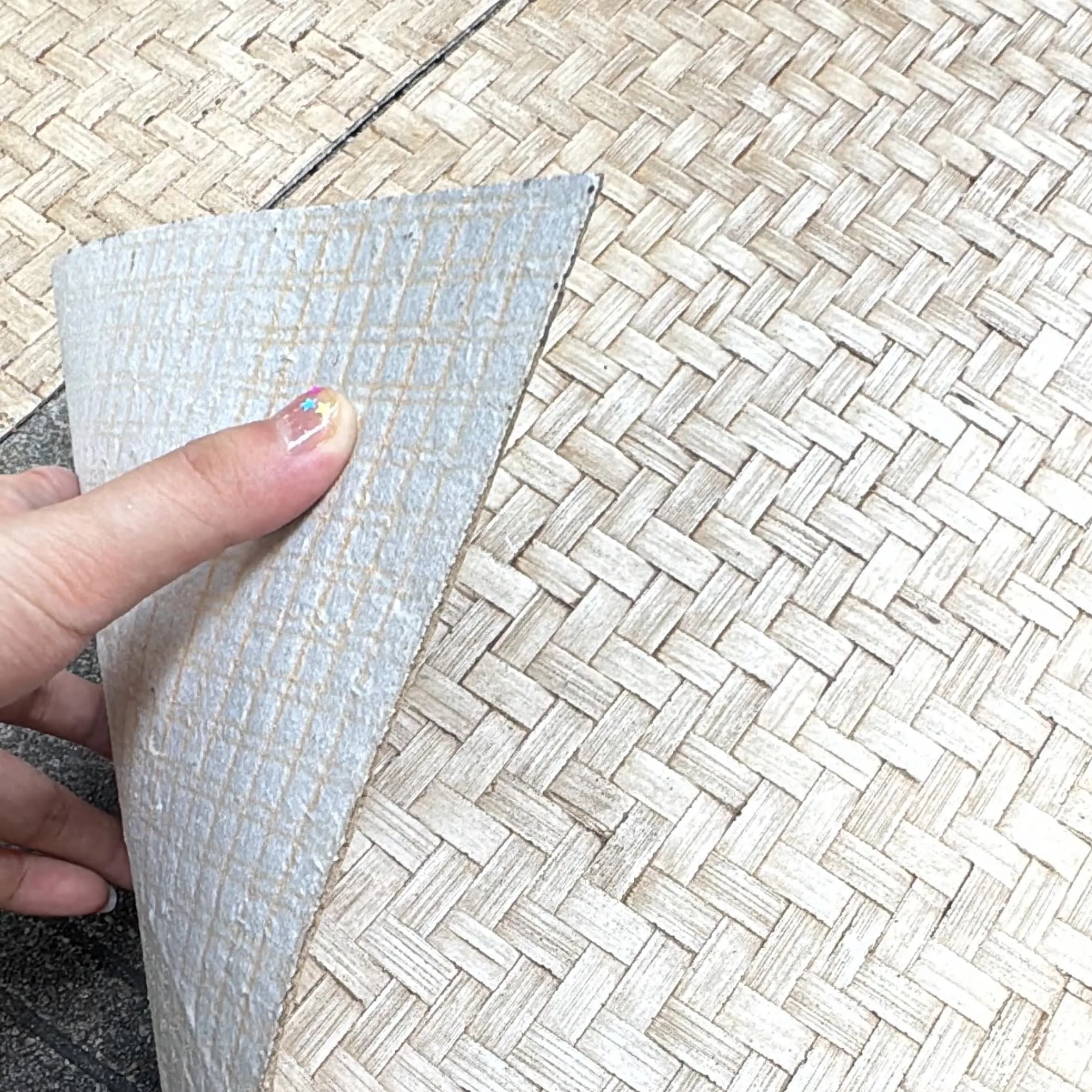
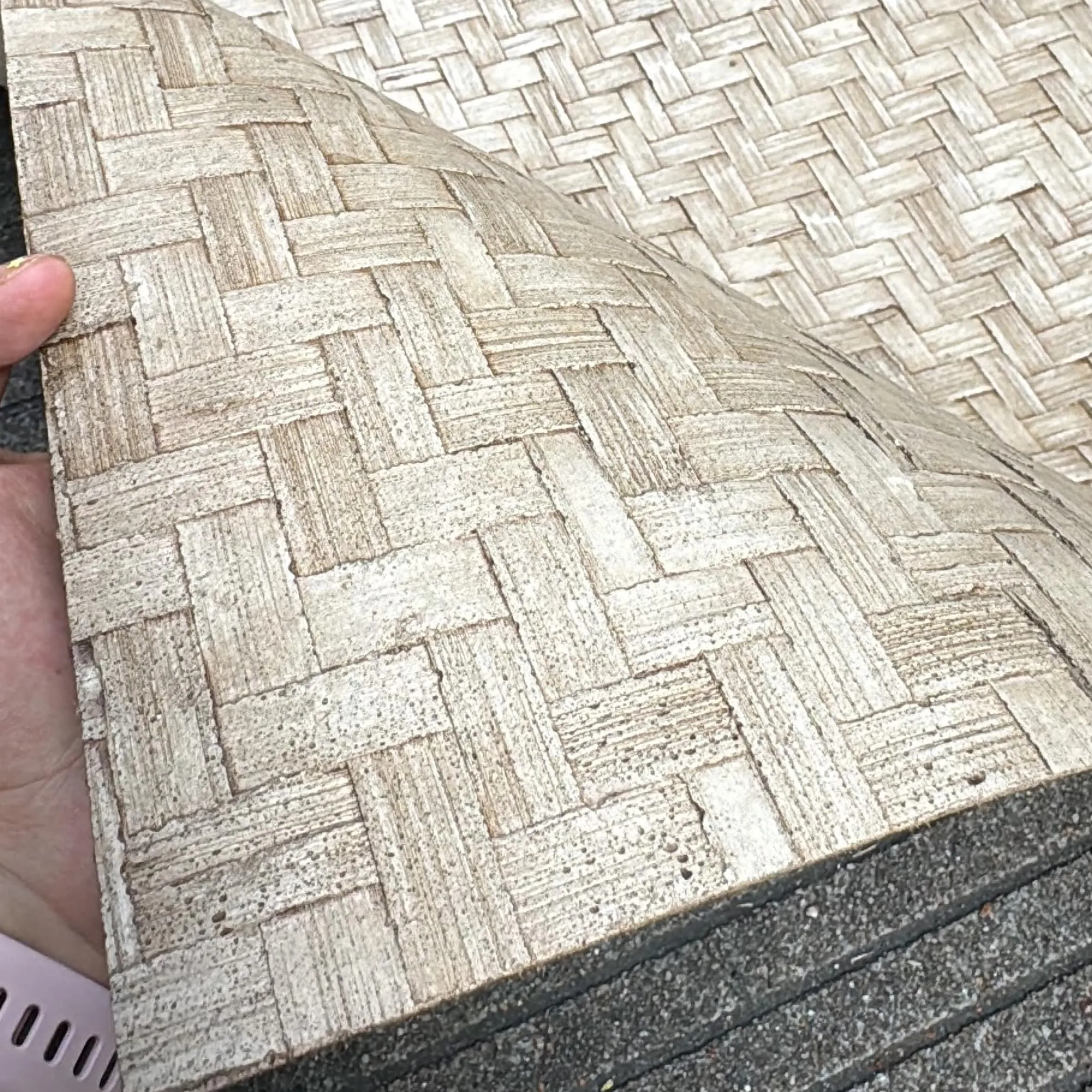
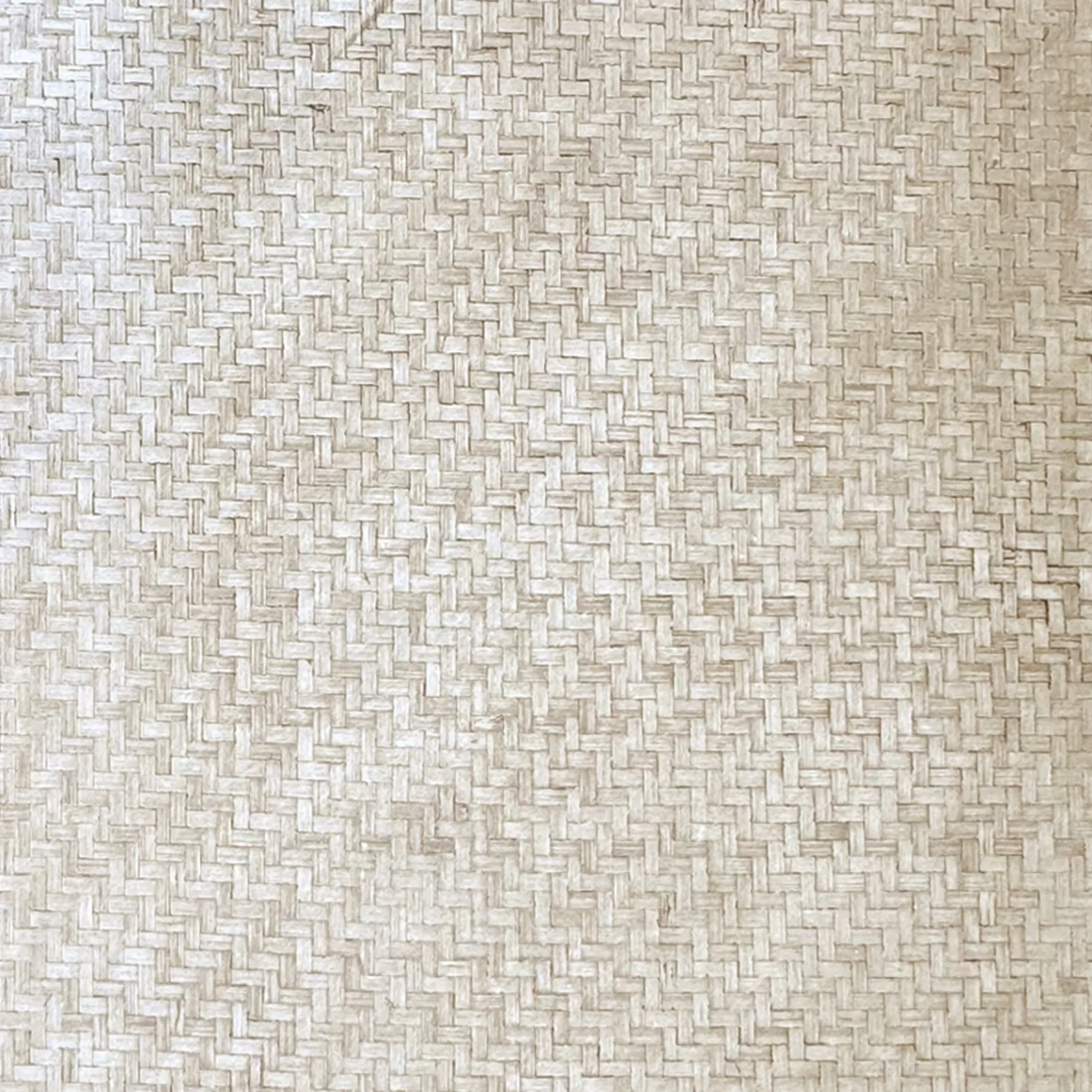
Before we jump into mops and sealers, let's get to know your bamboo mat board a bit better. What makes it tick? Bamboo mat board is crafted from thin bamboo strips woven into flexible mats, then pressed with eco-friendly adhesives to form rigid panels. It's a marriage of tradition (bamboo weaving is an ancient craft!) and modern engineering, resulting in a material that's lightweight, strong, and surprisingly versatile. Unlike solid wood, it resists warping in humidity. Unlike some stone-like materials (we're looking at you, fair-faced concrete), it adds a soft, organic texture that feels warm underfoot or to the touch.
But here's the catch: that woven texture, while beautiful, is also a magnet for dust and spills. The tiny crevices between bamboo strips can trap grime if you're not careful, and moisture—left unchecked—can seep in and cause damage over time. Think of it like a favorite sweater: it's durable, but you wouldn't throw it in the washing machine with bleach. Bamboo mat board needs a little TLC to stay in top shape. Let's start with the basics: daily cleaning.
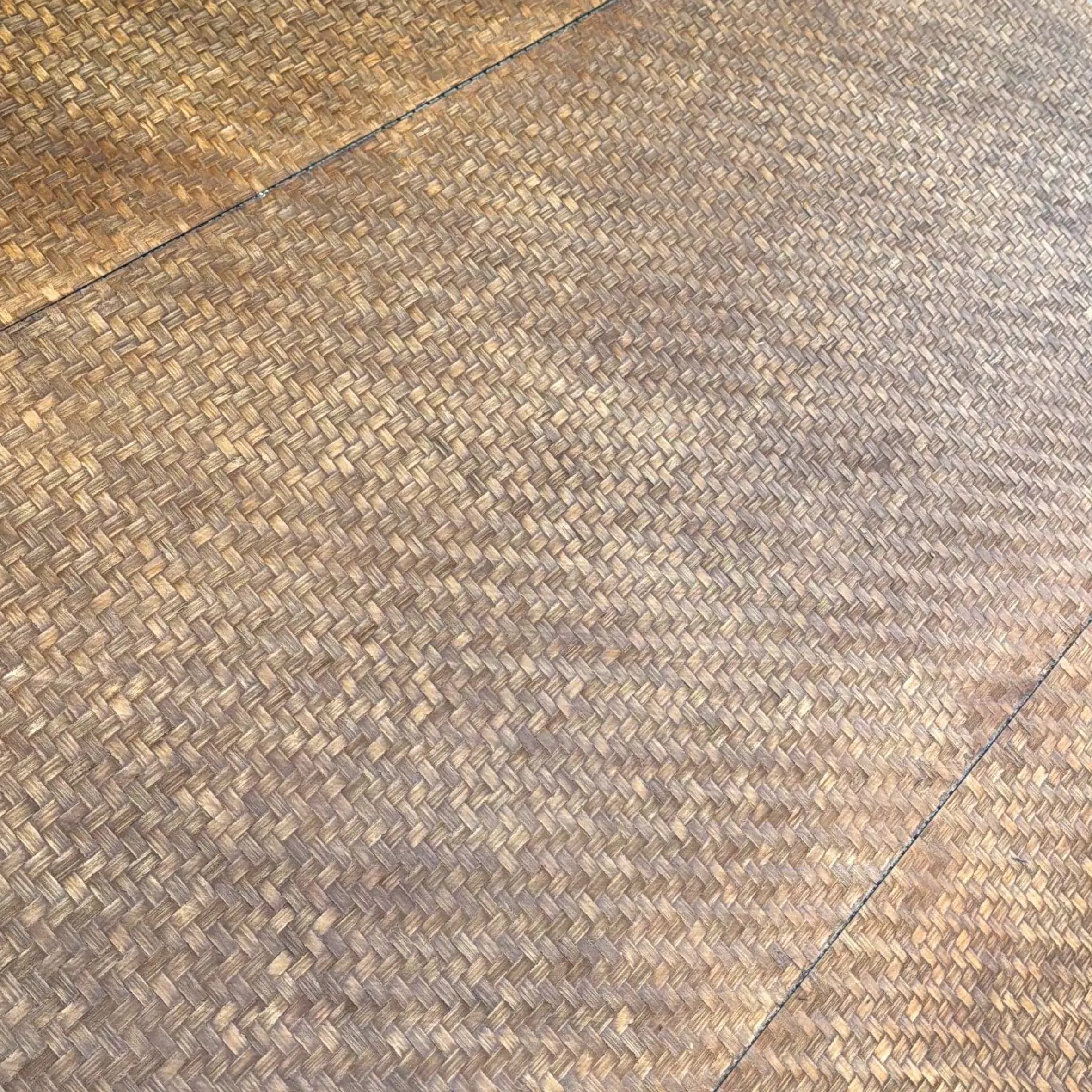
Daily cleaning is the unsung hero of bamboo mat board maintenance. It's quick, it's easy, and it prevents buildup that can turn into bigger headaches later. Here's how to do it right:
Grab a soft, dry microfiber cloth or a feather duster—nothing abrasive like a scouring pad or stiff bristle brush (those can scratch the surface!). Gently wipe down the bamboo mat board, following the direction of the weave. Why the weave direction? Because dust loves to hide in those tiny grooves, and wiping with the grain (or weave, in this case) helps lift it out instead of pushing it deeper. For larger areas, like a bamboo mat board wall, a microfiber mop with a dusting pad works wonders. Aim to do this once a day if the area gets a lot of foot traffic or dust (looking at you, open windows!), or every other day for less busy spots.
Life's messy—coffee drips, juice splatters, the occasional sauce spill. When these happen, don't panic, but don't delay. Grab a clean, dry cloth and blot the spill gently. Blot, don't rub —rubbing can push the liquid into the weave or spread the stain. If the spill is liquid, like water or tea, a quick blot should do it. For something stickier, like honey or syrup, use a slightly damp (not wet!) cloth to wipe away the residue, then dry immediately with a dry cloth. Remember: bamboo mat board hates sitting in moisture, so speed is key here.
Steer clear of vacuum cleaners with beater bars—they're too rough and can snag the bamboo strips. Similarly, skip the steam cleaner. While steam might seem like a quick way to deep clean, the high heat and moisture can weaken the adhesives holding the board together over time. Stick to the soft cloth and microfiber mop for daily care, and your bamboo mat board will thank you.
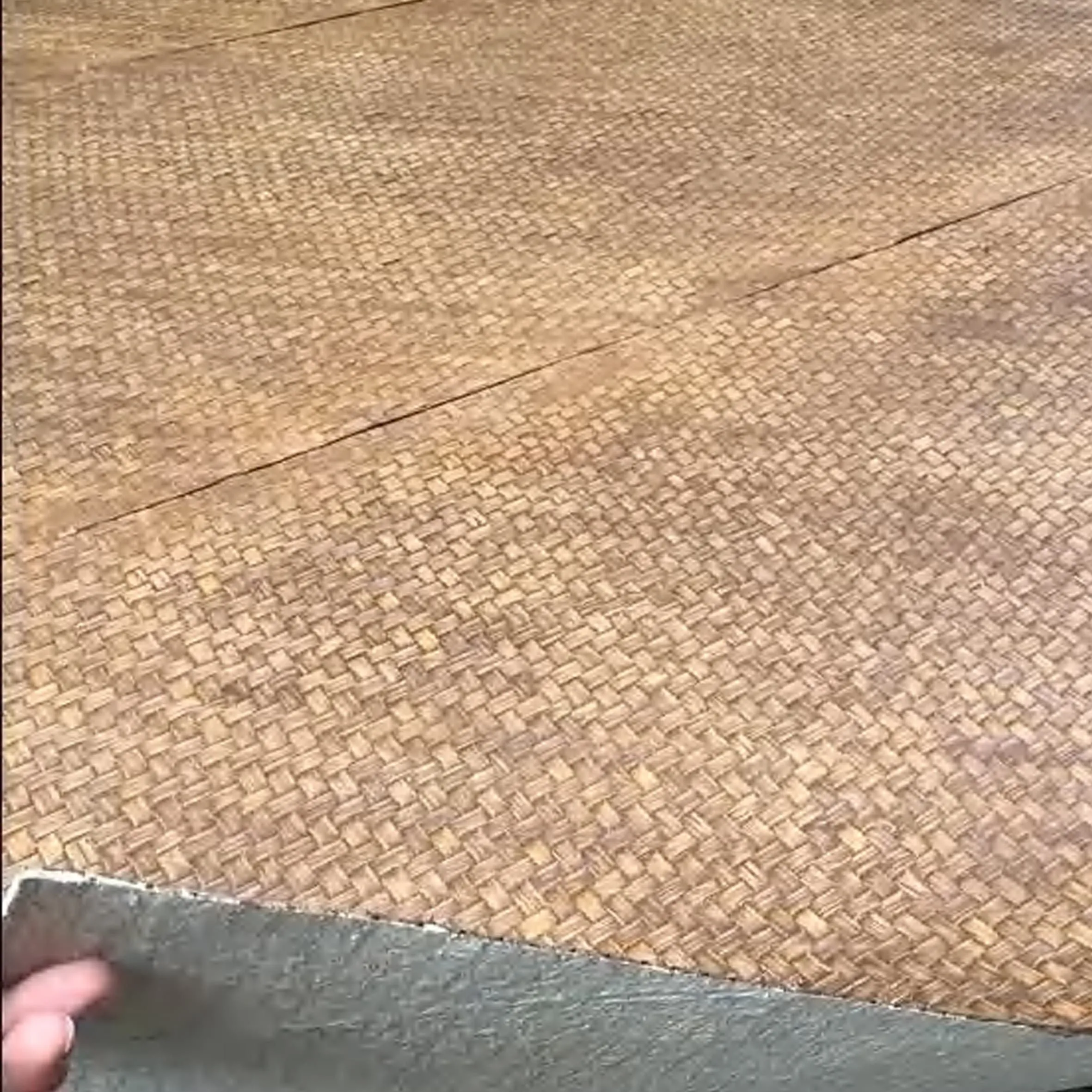
Daily dusting and spill blotting will handle most days, but every now and then, your bamboo mat board needs a little more attention. Think of it like a spa day for your walls or floors—deep cleaning removes built-up grime, refreshes the texture, and preps the surface for protection. How often? Aim for once a month in high-traffic areas (kitchens, entryways) and once every two to three months in low-traffic spots (bedroom accent walls).
1. Prep the area: Remove any decor, plants, or small furniture from the bamboo mat board surface. Sweep or vacuum (with a soft brush attachment!) the surrounding area to prevent dust from resettling on your clean board.
2. Mix your cleaner: In a bucket, add 1–2 teaspoons of mild dish soap to a gallon of warm water. If you're dealing with extra-stubborn grime (like kitchen grease), add ¼ cup of white vinegar to the mix. Vinegar is a natural disinfectant and degreaser, but go easy—too much can dull the bamboo's finish over time.
3. Test first: Always test your cleaning solution on an inconspicuous spot (like the back of the board or a corner hidden by furniture). Let it sit for 5–10 minutes, then wipe dry. If there's no discoloration or damage, proceed.
4. Clean gently: Dip your soft brush or a microfiber cloth into the soapy water, wring it out thoroughly —you want it damp, not dripping. Gently scrub the bamboo mat board in small sections, following the weave pattern. Focus on areas with visible grime, but don't press too hard—you don't want to push water into the weave.
5. Rinse (if needed): If you used soap, dampen a clean microfiber cloth with plain warm water, wring it out, and wipe away any soapy residue. This step is crucial—leftover soap can attract more dust.
6. Dry immediately: Use a dry microfiber cloth to blot the surface, soaking up as much moisture as possible. Open windows or turn on a fan to speed up air drying. Never let bamboo mat board air dry on its own—excess moisture can lead to swelling or mold.
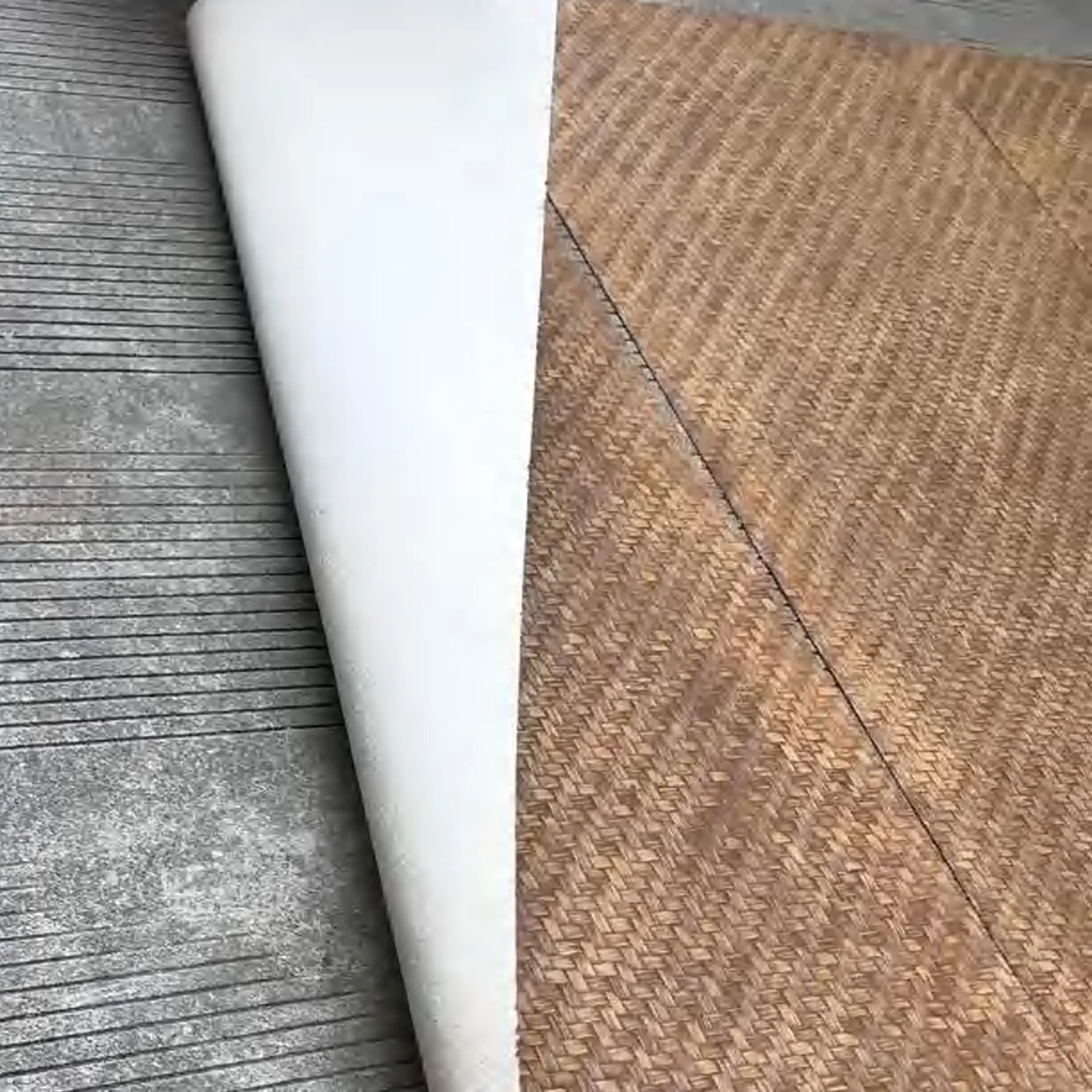
Even with the best care, stains happen. Maybe a guest forgot a glass of red wine on your bamboo mat board countertop, or a pen leaked in your home office. Don't panic—most stains can be tackled with household items and a little patience. Let's break down the worst offenders and how to fight back:
Oil stains are tricky because they repel water, making them hard to lift with soap alone. Here's the fix: Sprinkle a small amount of baking soda over the stain to absorb excess oil. Let it sit for 10–15 minutes, then brush it away with a soft brush. Next, mix a paste of baking soda and water (about 2:1 ratio) and spread it over the stain. Let it sit for 30 minutes, then wipe away with a damp cloth. Repeat if needed, then dry thoroughly.
Water rings happen when moisture seeps into the bamboo and discolors the surface. For light rings, try this old trick: Dab a small amount of mayonnaise (yes, mayonnaise!) onto the ring, let it sit overnight, then wipe away with a clean cloth. The oil in the mayo helps rehydrate the bamboo and lift the mark. For darker rings, mix equal parts white vinegar and olive oil, apply with a cloth, and buff gently in a circular motion. Wipe clean and dry.
Ink stains (from pens, markers, or even food dyes) need quick action. For fresh ink, blot with a dry cloth to remove excess, then apply a small amount of rubbing alcohol to a cotton ball and dab the stain (don't rub!). As the ink transfers to the cotton ball, switch to a clean one to avoid spreading. Once the stain is gone, wipe the area with a damp cloth and dry immediately. For older ink stains, mix a paste of baking soda and hydrogen peroxide (test first!), apply, let sit 10 minutes, then wipe away.
For coffee or wine, start by blotting (never rub!) with a dry cloth. Mix 1 tablespoon of hydrogen peroxide with 2 tablespoons of water, apply to the stain with a cloth, and let sit for 5 minutes. Blot with a clean, damp cloth, then dry. For tomato sauce (which has acid and oil), first blot with a dry cloth, then use the baking soda paste method (from oil stains) to lift the oil, followed by the hydrogen peroxide mix to tackle the color. Always dry thoroughly after!
Cleaning is important, but protection is where you really extend the life of your bamboo mat board. Think of it like sunscreen for your skin—prevention is better than cure. Here's how to shield your investment from the elements, everyday wear, and time itself.
Most bamboo mat boards come pre-sealed, but that sealant wears off over time—especially in high-moisture areas like kitchens or bathrooms. Sealing creates a barrier that repels water, stains, and dust, making cleaning easier and protecting the bamboo from damage. When should you reseal? Check the manufacturer's instructions (they might recommend every 1–3 years), but a good rule of thumb is: if water no longer beads on the surface (it soaks in instead), it's time.
There are two main types of sealers for bamboo mat board:
Application tips: Clean the surface thoroughly (deep clean if needed) and let it dry completely. Apply the sealer with a foam brush or lint-free cloth, following the weave direction. Let it dry according to the product instructions, then apply a second coat for extra protection. Ventilate the area well—especially with oil-based sealers.
Direct sunlight is bamboo mat board's silent enemy. Over time, UV rays can fade the bamboo's natural color, turning vibrant tones into dull shadows. If your bamboo mat board is near a window, use curtains, blinds, or UV-blocking window film to filter the light. If that's not an option, consider rotating decor (like wall art) to distribute sun exposure evenly. Your bamboo will stay brighter, longer.
Bamboo is a natural material, and like all plants, it reacts to moisture in the air. Too much humidity (above 60%) can cause swelling or mold; too little (below 30%) can make it dry out and crack. Use a dehumidifier in damp rooms (basements, bathrooms) and a humidifier in dry spaces (winter heating can suck moisture out of the air). Aim for a humidity level between 40–50%—your bamboo mat board (and your skin!) will thank you.
On bamboo mat board countertops, tables, or vanities, always use coasters for drinks (even water!) and mats under hot dishes or appliances. Heat can warp the board, and condensation from cold drinks can seep into the weave. It's a small habit that prevents big damage.
Bamboo mat board isn't just for a few years—it's for the long haul. With proper care, it can last decades, developing a rich patina that tells the story of your life in the space. Here are a few pro tips for long-term love:
Curious how bamboo mat board maintenance stacks up against other popular materials? Let's take a look. We'll compare it to three common options: wood grain board (a close cousin), fair-faced concrete (a trendy industrial choice), and travertine (beige) (a classic natural stone). This will help you see why bamboo mat board's care routine is worth the effort!
| Feature | Bamboo Mat Board | Wood Grain Board | Fair-Faced Concrete | Travertine (Beige) |
|---|---|---|---|---|
| Daily Cleaning | Simple: Dust with microfiber, blot spills | Similar, but more prone to scratches from dust | Requires frequent dusting (porous, traps dirt) | Needs daily wiping (porous, stains easily) |
| Stain Resistance | Good with sealer; oil stains need baking soda | Low; stains (like water rings) set quickly | High when sealed, but hard to remove if unsealed | Low; absorbs liquids fast (needs immediate blotting) |
| Sealing Frequency | Every 1–3 years | Every 6–12 months (more porous) | Every 2–5 years (dense, but still porous) | Every 6–12 months (highly porous) |
| Best For | Walls, low-moisture floors, countertops | Accent walls, furniture (avoid high traffic) | Industrial-style floors, outdoor patios | High-end interiors, backsplashes (with careful sealing) |
| Pros for Maintenance | Soft texture hides minor dust; easy to refinish | Warm look; easy to touch up with stain | Durable; hides wear well | Timeless beauty; stains can sometimes be honed out |
| Cons for Maintenance | Weave traps dust; avoids excess moisture | Scratches easily; warps in humidity | Heavy; cracks if not sealed properly | Expensive to repair; prone to etching from acids |
As you can see, bamboo mat board hits a sweet spot: it's easier to care for than wood grain board or travertine, and while fair-faced concrete is durable, bamboo adds warmth and texture that concrete can't match. It's a balanced choice for anyone who wants beauty without the high-maintenance hassle.
Bamboo mat board isn't just a material—it's a living, breathing part of your home. It brings nature indoors, tells a story of sustainability, and adds warmth to any space. And like any relationship, it thrives on care. With daily dusting, prompt spill cleanup, regular sealing, and a little patience with stains, your bamboo mat board will stay beautiful for years to come. Remember: maintenance isn't a chore—it's how you protect the investment you've made in your home's beauty and comfort.
So go ahead—admire that weave. Run your hand over the smooth bamboo strips. And rest easy knowing you've got the tools to keep it looking that way. Here's to many years of love, life, and beautiful bamboo mat board.
Recommend Products












