
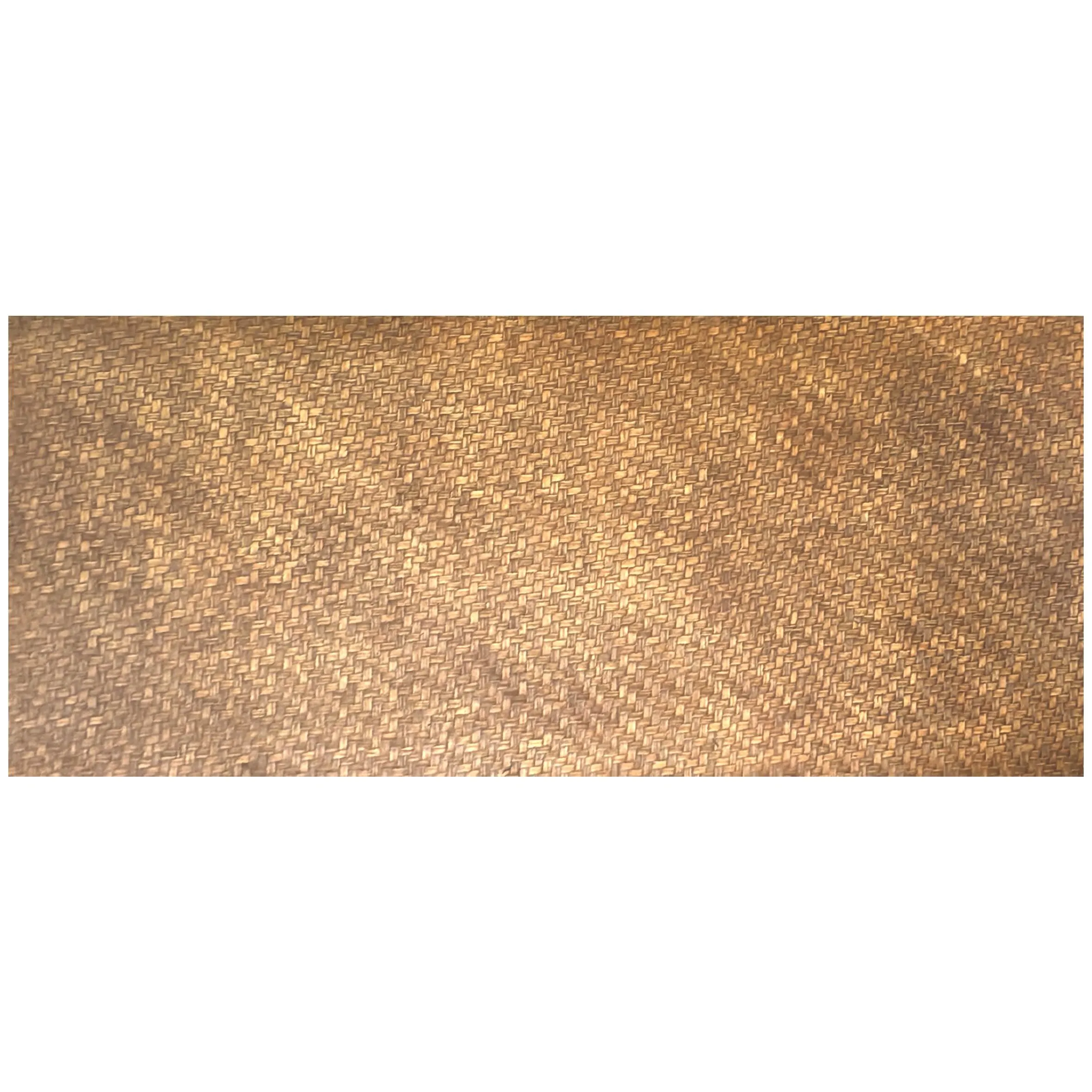
If you've ever stood in the middle of a construction site, staring at a stack of material samples while your project manager rattles off numbers, you know the feeling: choosing the right building materials isn't just about aesthetics—it's about balancing quality, durability, and, let's be honest, your budget. Whether you're renovating a home, designing a commercial space, or spearheading a large-scale development, every decision you make around materials ripples through your project's timeline and bottom line. Today, we're diving deep into one material that's been gaining traction in the construction world for its unique blend of sustainability, versatility, and visual appeal: bamboo mat board. More specifically, we're breaking down its price range, the factors that influence it, and how to budget for it effectively—so you can walk into your next project with confidence, not confusion.
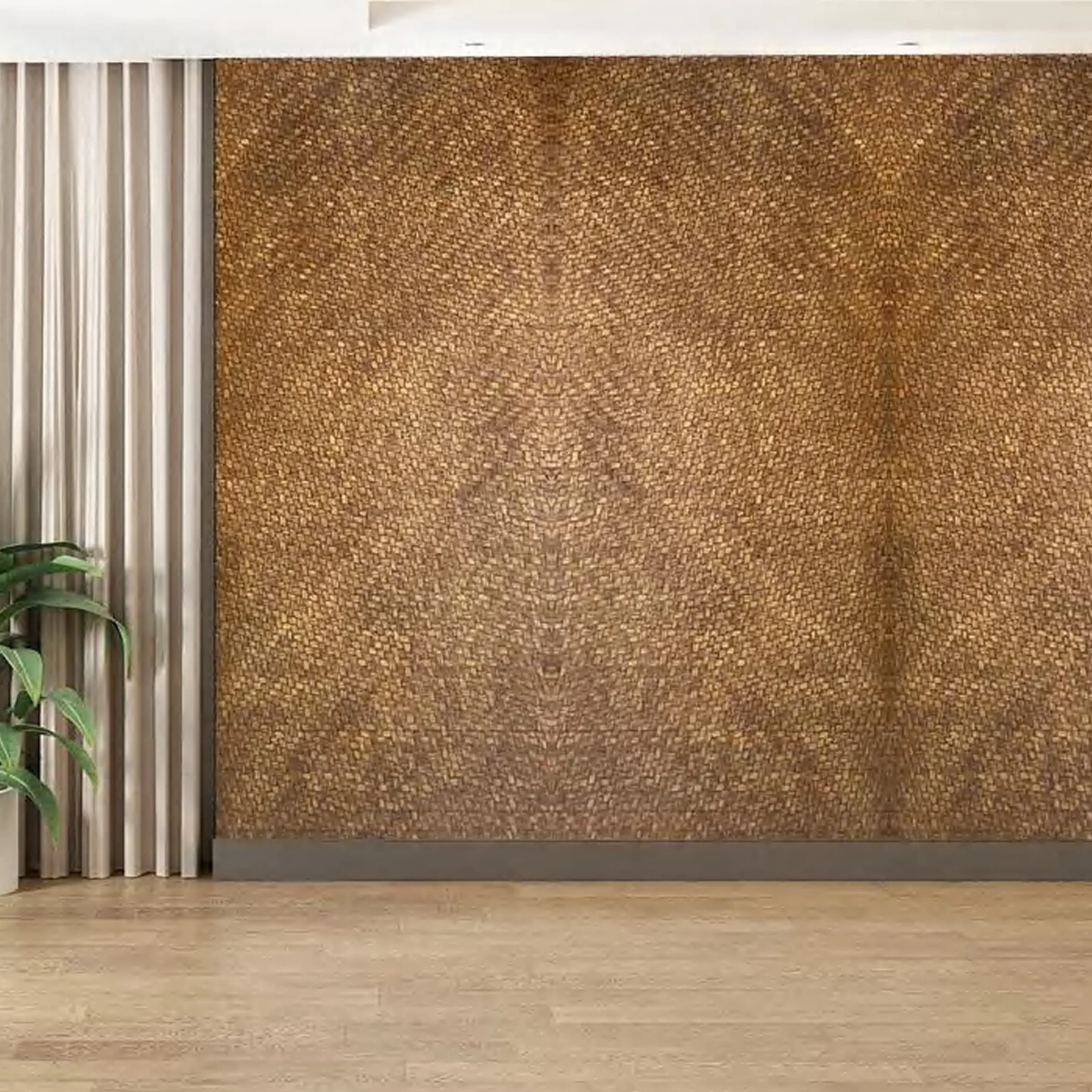
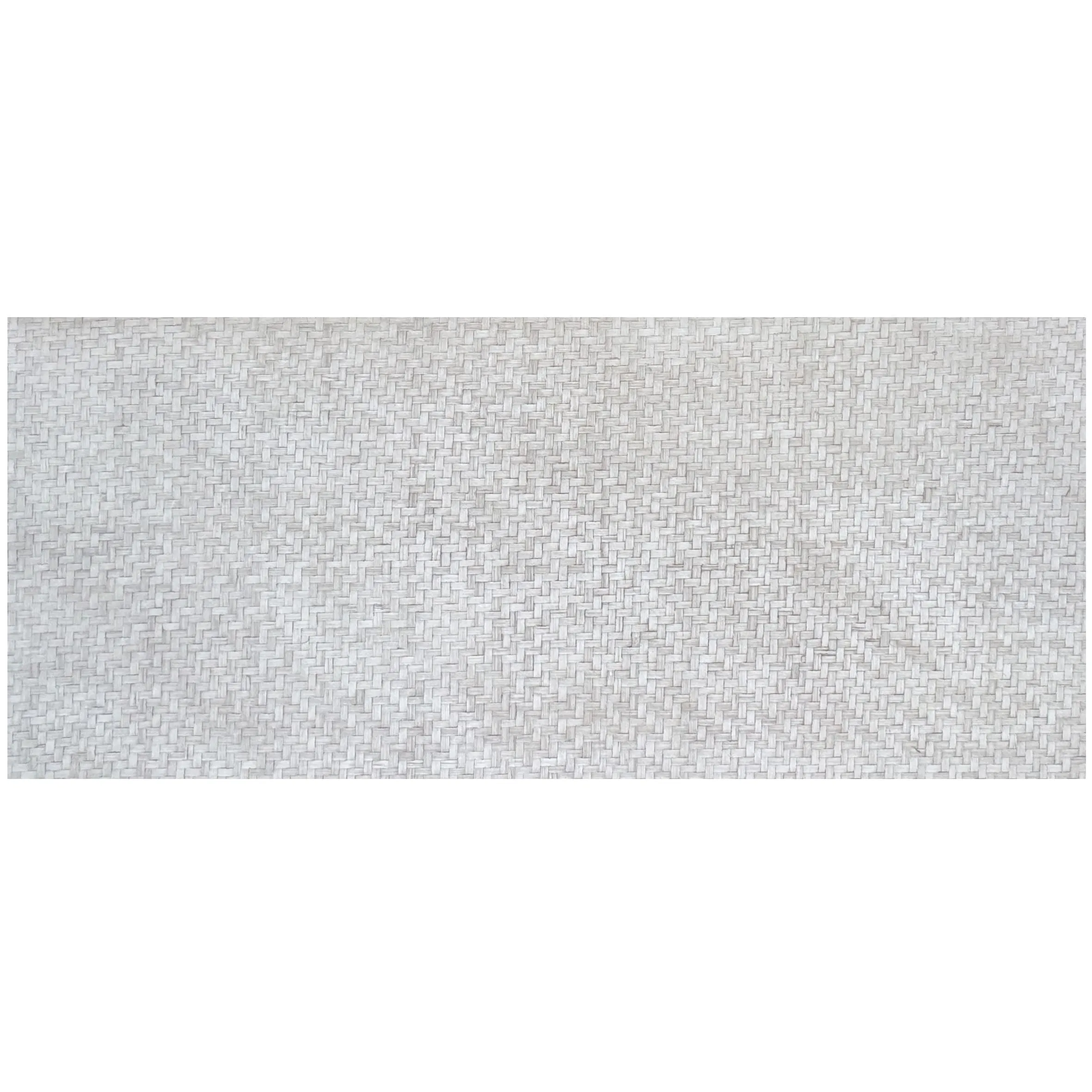
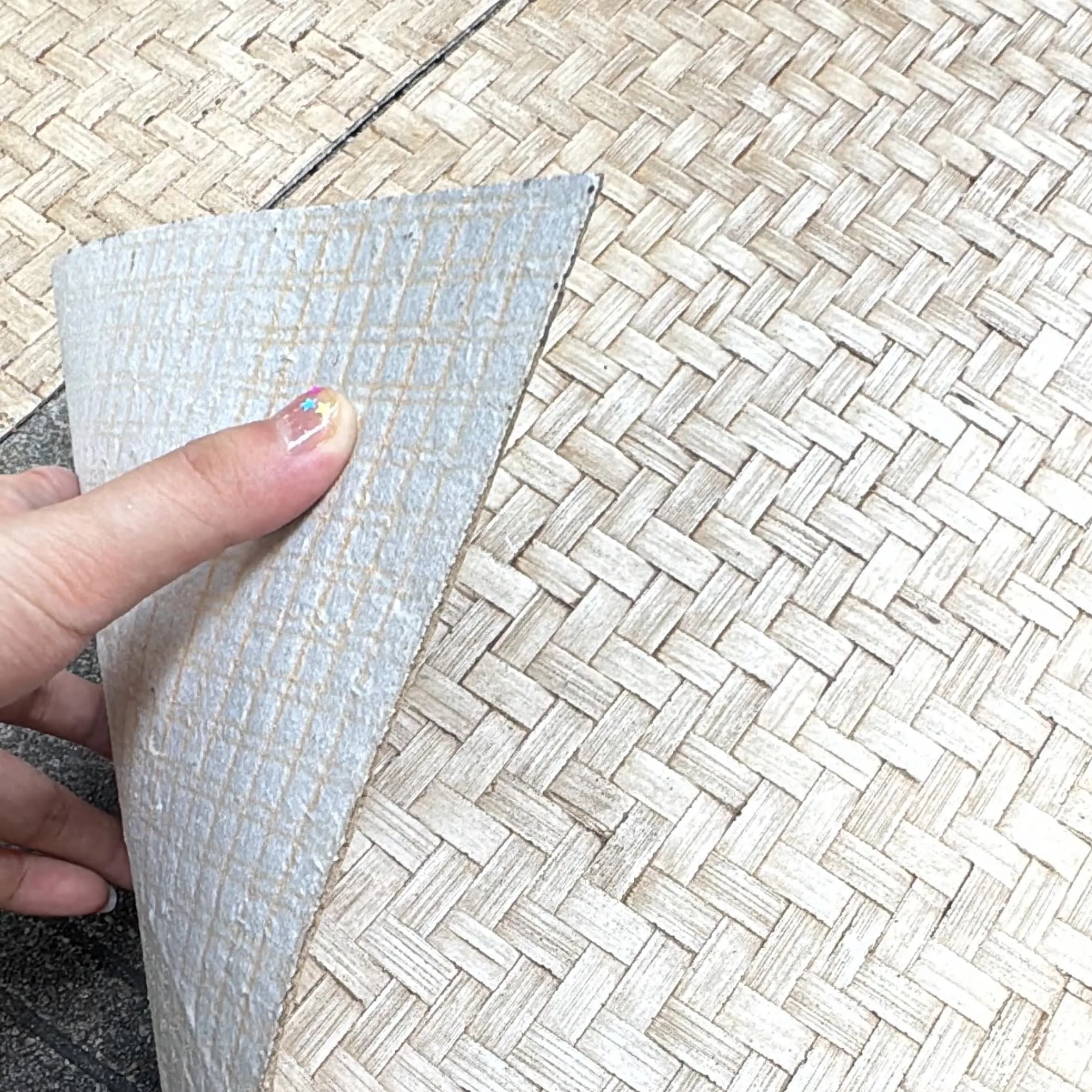
Before we talk numbers, let's get clear on what bamboo mat board actually is. Picture this: thin strips of bamboo, woven together into a mat-like sheet, then bonded with eco-friendly adhesives to form a rigid, durable panel. It's a material that marries the natural warmth of wood with the strength of engineered products, and it's quickly becoming a favorite among architects and designers who want to add organic texture without sacrificing practicality. Unlike traditional hardwoods, bamboo is fast-growing (some species mature in just 3–5 years) and requires minimal resources to cultivate, making it a sustainable choice for eco-conscious projects. And visually? It's stunning—think soft, golden hues with subtle grain patterns that add depth to walls, ceilings, furniture, or even exterior cladding. But here's the thing: not all bamboo mat boards are created equal, and that's where the price range comes into play.
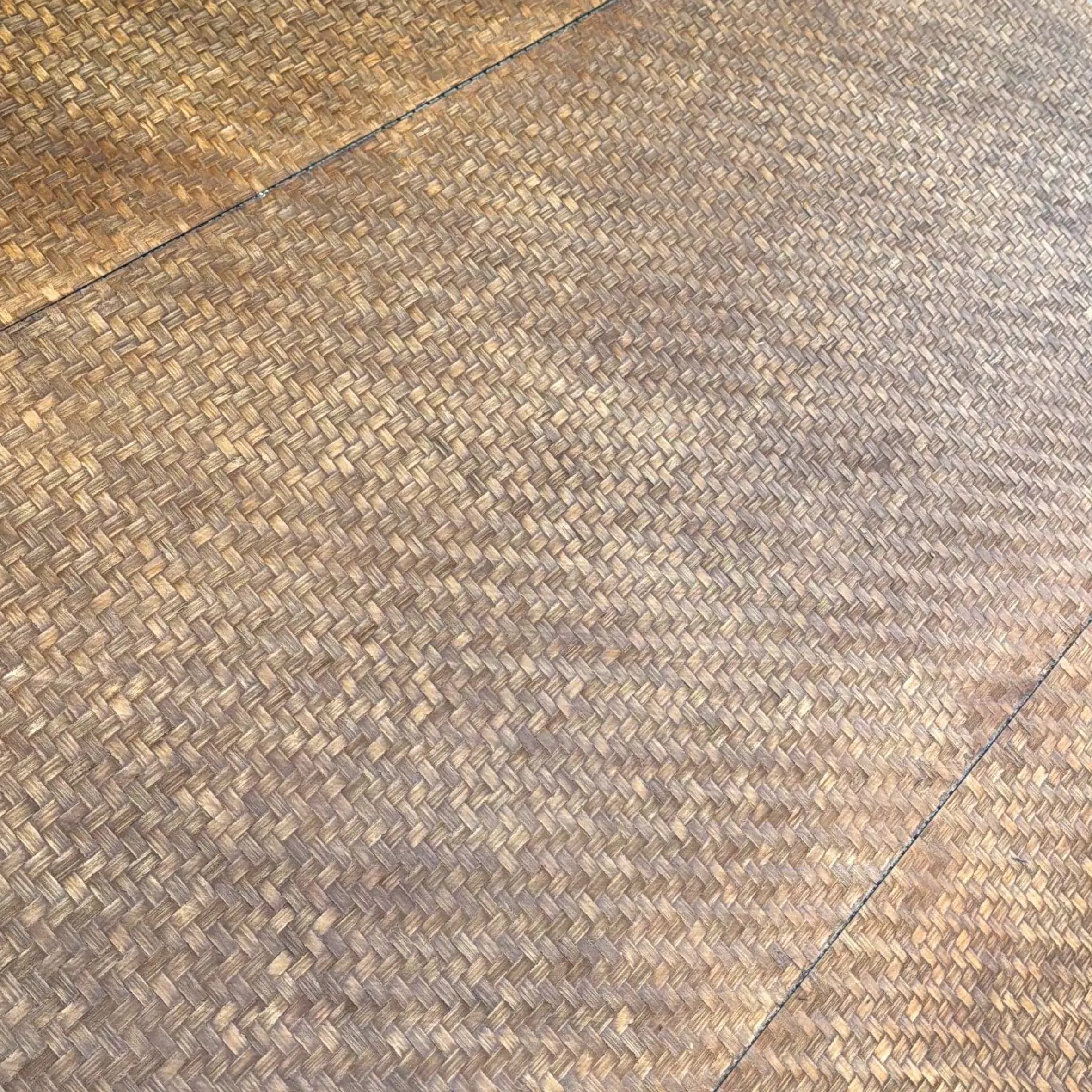
If you've ever shopped for construction materials, you know that a single product can have a price tag that varies wildly depending on the details. Bamboo mat board is no exception. Let's break down the key factors that can make the cost of bamboo mat board swing from budget-friendly to premium:
1. Material Quality: Not All Bamboo Is Grown Equal
Bamboo mat board starts with, well, bamboo. But the quality of that bamboo matters—a lot. Bamboo harvested from mature plants (5+ years old) tends to be denser and stronger, which translates to a more durable board. Younger bamboo, while cheaper, can be more prone to warping or splitting over time. Additionally, the way the bamboo is processed affects quality. Some manufacturers use chemical treatments to prevent pests or mold, while others stick to natural, non-toxic methods (which often cost more). If you're prioritizing sustainability, look for boards made from FSC-certified bamboo, which ensures the bamboo was harvested responsibly—this certification can add a small premium to the price, but it's often worth it for peace of mind.
2. Thickness and Size: More Material = Higher Cost
Bamboo mat boards come in a range of thicknesses, typically from 3mm (thin, flexible sheets ideal for furniture or accent walls) up to 25mm (thick, rigid panels suitable for flooring or structural applications). Unsurprisingly, thicker boards cost more because they require more raw bamboo and adhesive. The same goes for size: standard sheets are usually around 2440mm x 1220mm (8ft x 4ft), but custom sizes (wider, longer, or irregular shapes) will drive up the price, as they require special cutting and processing.
3. Supplier and Brand: Reputation Comes at a Price
Just like with any product, established brands with a reputation for quality often charge more than lesser-known suppliers. Why? Because they invest in better manufacturing processes, rigorous testing, and customer support. For example, a bamboo mat board from a brand that's been in the industry for 20 years and offers a 10-year warranty might cost 15–20% more than a generic board from a new supplier. That said, cheaper options aren't always "bad"—they might just lack the same quality control or post-purchase support. It's all about balancing trust with your budget.
4. Order Quantity: Bulk Discounts Are Real
If you're working on a small project (say, a home office renovation that needs 10 sqm of bamboo mat board), you'll likely pay the "retail" price per square meter. But if you're ordering 100+ sqm for a commercial building, suppliers will often offer bulk discounts. Some might knock 5–10% off the price for orders over 50 sqm, or 15% for 100+ sqm. It's worth asking your supplier about volume pricing—you could save thousands on a large project.
5. Customization: Unique Looks Cost More
Want your bamboo mat board stained a specific color? Or maybe you need it pre-cut into intricate shapes for a feature wall? Customization adds cost. Standard, natural-finish boards are the most affordable, but options like UV coating (for extra durability), embossed textures, or edge profiling (think beveled or rounded edges) will increase the price. Even something as simple as a non-standard thickness or a special adhesive (like fire-resistant glue for commercial projects) can add 10–30% to the total cost.
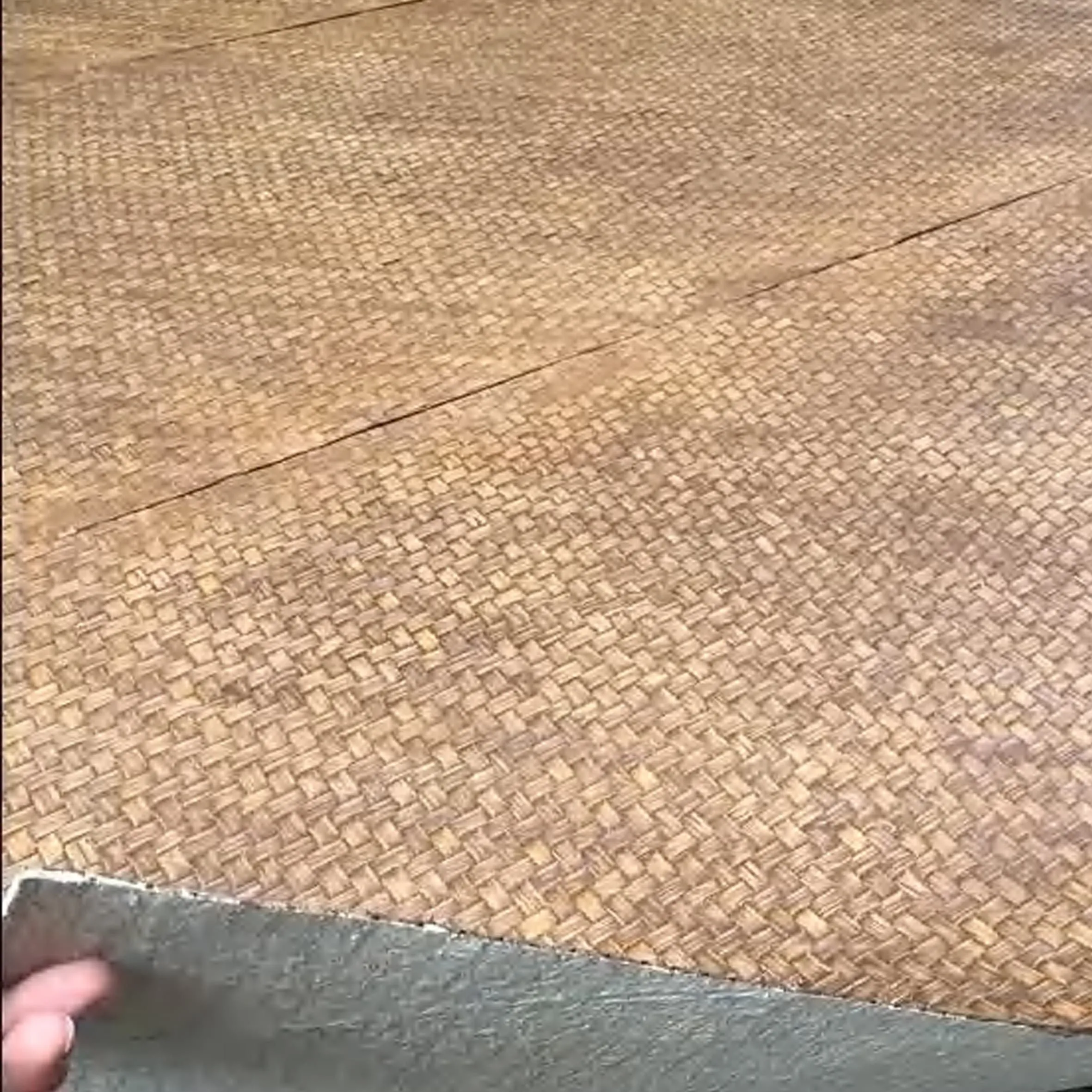
Now, the part you've been waiting for: how much does bamboo mat board actually cost? To give you a realistic picture, we've compiled data from suppliers across North America, Europe, and Asia, focusing on standard 2440mm x 1220mm sheets (about 29.8 sqm per sheet). Keep in mind that these are average prices—your final cost could be higher or lower depending on the factors we mentioned above.
| Board Type | Thickness | Price per Square Meter (USD) | Key Features |
|---|---|---|---|
| Basic Bamboo Mat Board | 3–6mm | $25–$40 | Standard quality, natural finish, suitable for interior accent walls or furniture panels. |
| Mid-Range Bamboo Mat Board | 8–12mm | $45–$70 | Denser bamboo, FSC-certified, UV-resistant coating, ideal for high-traffic areas like hallways or retail spaces. |
| Premium Bamboo Mat Board | 15–25mm | $75–$120 | Mature bamboo, custom finishes (stained, embossed), fire-retardant adhesive, suitable for flooring or exterior cladding. |
| Custom-Cut Bamboo Mat Board | Varies | $100–$180+ | Non-standard sizes/shapes, specialized coatings, or unique textures (e.g., woven with other materials like jute). |
Let's put these numbers into context. For a small residential project—say, a 20 sqm accent wall in your living room—using basic bamboo mat board would cost around $500–$800. Upgrade to mid-range, and you're looking at $900–$1,400. For a commercial project like a 500 sqm restaurant interior using premium boards? That could run you $37,500–$60,000. Suddenly, those per-square-meter prices start to add up—but remember, this is an investment in a material that's built to last (with proper care, bamboo mat board can last 20+ years) and adds value to your space.
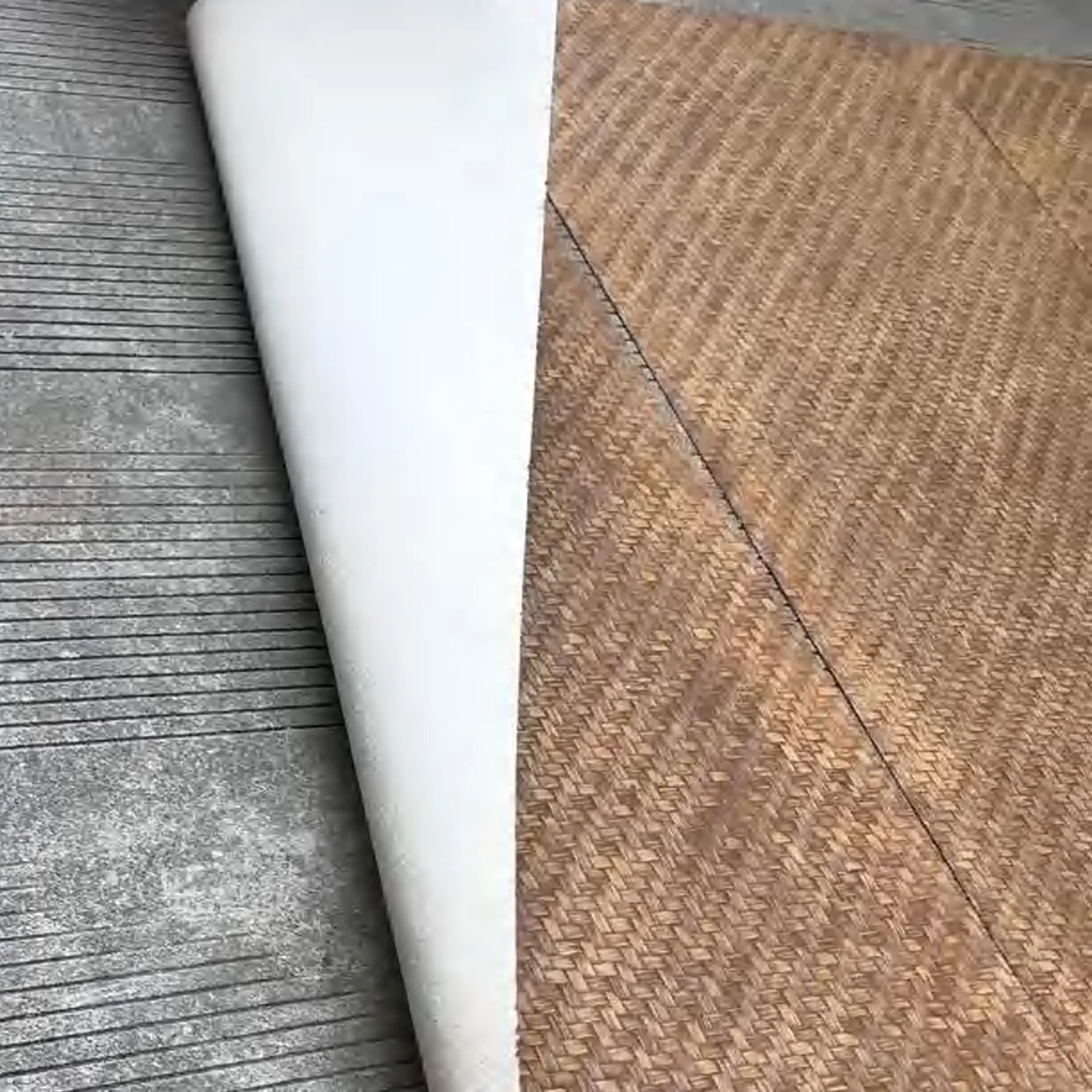
To really understand if bamboo mat board is a good fit for your budget, it helps to compare it to other popular construction materials. Let's take a look at a few alternatives and see how their price ranges and features measure up:
1. Bamboo Mat Board vs. MCM Flexible Stone
MCM flexible stone is another lightweight, durable option that's often used for exterior cladding or feature walls. Made from natural stone particles bonded to a flexible backing, it mimics the look of traditional stone but weighs a fraction of the real thing. Price-wise, MCM flexible stone typically ranges from $60–$150 per sqm, putting it in the same ballpark as mid-to-premium bamboo mat board. So, how to choose? If you want a natural, organic feel, bamboo mat board is the way to go. If you're after a more industrial or earthy stone look (think slate or travertine), MCM flexible stone might be better. Keep in mind that MCM stone is less sustainable than bamboo, though—so eco-friendliness could tip the scales here.
2. Bamboo Mat Board vs. Fair-Faced Concrete
Fair-faced concrete has exploded in popularity for its raw, minimalist aesthetic—think exposed concrete walls with visible aggregate and subtle texture. It's durable, fire-resistant, and low-maintenance, but it's also heavy and can be pricey to install. On average, fair-faced concrete costs $80–$150 per sqm (installation included), which is similar to premium bamboo mat board. The tradeoff? Concrete offers a cold, industrial vibe, while bamboo brings warmth. If your project leans modern and monochromatic, concrete might work. If you want to soften the space with natural elements, bamboo is likely the better bet for both cost and feel.
3. Bamboo Mat Board vs. Wood Grain Board
Wood grain board (often made from plywood or MDF with a printed wood-look veneer) is a budget-friendly alternative to real wood, with prices ranging from $15–$40 per sqm. It's affordable, but it lacks the depth and authenticity of bamboo mat board—the grain patterns are often repetitive, and the material can feel cheap to the touch. If you're on an extremely tight budget and don't mind a synthetic look, wood grain board could work. But if you want a material that feels "real" and adds value to your space, bamboo mat board (even the basic range) is worth the extra $10–$20 per sqm.
4. Bamboo Mat Board vs. Travertine (Beige)
Travertine (beige) is a classic natural stone with a porous, fossil-like texture that adds timeless elegance to interiors. But it's also one of the pricier options out there, costing $120–$200 per sqm (plus installation, which requires specialized labor). Bamboo mat board, even at its premium range, is significantly cheaper—and it's lighter, easier to install, and more sustainable. Unless you're set on the luxury stone look, bamboo offers a more budget-friendly way to add texture and warmth.
Now that you have a sense of bamboo mat board's price range and how it compares to other materials, let's talk about the practical stuff: budgeting. Here's how to ensure you don't overspend (or underspend—yes, that's a risk too!) when incorporating bamboo mat board into your project:
1. Start with a Detailed Measurement
This might sound obvious, but you'd be surprised how many people estimate the area they need and end up ordering too much (wasting money) or too little (delaying the project). Grab a tape measure and calculate the exact square meterage of the space where you'll use bamboo mat board. Add 10% to account for cuts, waste, and mistakes—this "buffer" will save you from reorders later, which often come with rush fees.
2. Get Multiple Quotes from Suppliers
Don't settle for the first supplier you find. Reach out to 3–5 different companies (local and online) and ask for detailed quotes that include material cost, delivery fees, and any customization charges. Be specific about what you need: thickness, finish, quantity, and delivery timeline. You might be shocked at how much prices can vary—one supplier might charge $50 per sqm for mid-range bamboo, while another charges $65 for the same specs. And don't forget to ask about bulk discounts if you're ordering large quantities—even a 5% discount on a 100 sqm order saves you $250–$350.
3. Factor in Installation Costs
Bamboo mat board isn't just about the material itself—you also need to pay for installation. If you're handy, you might be able to install it yourself (especially for small projects like accent walls), but for larger or more complex jobs (like flooring or exterior cladding), you'll need a professional. Installation costs typically range from $15–$30 per sqm, depending on the complexity. Add this to your material budget to avoid sticker shock later. For example, if you're using mid-range bamboo mat board at $50 per sqm and paying $20 per sqm for installation, your total cost per sqm is $70—not $50.
4. Consider Long-Term Maintenance
Cheaper bamboo mat boards might save you money upfront, but they could cost more in the long run if they require frequent repairs or replacement. For example, a basic board without UV coating might fade if exposed to direct sunlight, forcing you to replace it in 5–7 years. A premium board with a protective finish, on the other hand, could last 20+ years with minimal upkeep (just occasional cleaning with a damp cloth). When budgeting, think about the project's lifespan: if it's a temporary space (like a pop-up shop), basic bamboo might be fine. If it's a permanent home or commercial building, investing in a higher-quality board will pay off over time.
Pro Tip: Keep a separate "contingency fund" for unexpected costs—aim for 10–15% of your total bamboo mat board budget. This could cover everything from damaged boards during delivery to last-minute design changes (we've all been there: "Wait, maybe we should extend the bamboo wall into the hallway…"). Having this buffer will keep your project on track without derailing your finances.
Even with the best intentions, it's easy to make missteps when budgeting for construction materials. Here are a few common mistakes to watch out for:
Mistake #1: Underestimating the "Little" Costs
It's easy to focus on the per-square-meter price and forget about delivery fees, taxes, or customization charges. For example, if you order bamboo mat board from an international supplier, shipping could add $500–$1,000 to your total cost. Or if you need the boards cut to specific sizes, a local workshop might charge $2–$5 per cut. These "little" costs add up fast—so make sure to ask suppliers for a full, itemized quote before committing.
Mistake #2: Choosing Price Over Quality (or Vice Versa)
It's tempting to go for the cheapest bamboo mat board to save money, but if it warps after a year, you'll end up spending more on repairs. On the flip side, splurging on premium board for a low-traffic area (like a guest bathroom) is a waste of money. Instead, match the board quality to the space: basic for low-traffic, mid-range for high-traffic, and premium for areas that need to withstand heavy use or harsh conditions.
Mistake #3: Ignoring Lead Times
Bamboo mat board isn't always in stock—especially if you're ordering custom sizes or finishes. Some suppliers have lead times of 4–6 weeks (or longer for large orders). If you wait until the last minute to order, you might have to pay rush fees or delay your project, which could cost you more in labor or rental fees. Plan ahead: order materials 8–10 weeks before installation to avoid stress and extra costs.
At the end of the day, bamboo mat board's price range is a reflection of its quality, versatility, and sustainability—and for many projects, it's an investment worth making. Whether you're working with a tight budget (sticking to the basic $25–$40 per sqm range) or can splurge on premium custom boards ($100+ per sqm), there's a bamboo mat board option for you. The key is to understand your project's needs (traffic, aesthetics, sustainability goals), get clear on the factors that influence cost, and budget accordingly—with a buffer for the unexpected. By doing so, you'll not only avoid financial headaches but also ensure that the bamboo mat board you choose enhances your space for years to come. After all, construction isn't just about building structures—it's about creating spaces that feel intentional, functional, and uniquely yours. And with bamboo mat board, you can do all that without breaking the bank.
So, the next time you're standing in front of that stack of material samples, you won't just see a price tag—you'll see a choice: one that balances cost, quality, and conscience. And isn't that what smart construction is all about?
Recommend Products












