
Walk into any modern space—an office lobby, a cozy café, your own home—and take a moment to really look at the walls, the floors, the surfaces that shape the world around you. These aren't just barriers or backdrops; they're stories. Stories of where materials come from, how they're made, and what happens to them when their time in the spotlight is done. In a world grappling with mountains of construction waste—over 2 billion tons generated globally each year, according to the United Nations—those end-of-life stories matter more than ever. Today, let's zoom in on one material that's quietly making waves in sustainable design: bamboo mat board . We'll unpack why it's gained attention, the challenges it faces once it's no longer needed, and how innovators are turning those challenges into opportunities for a greener future.
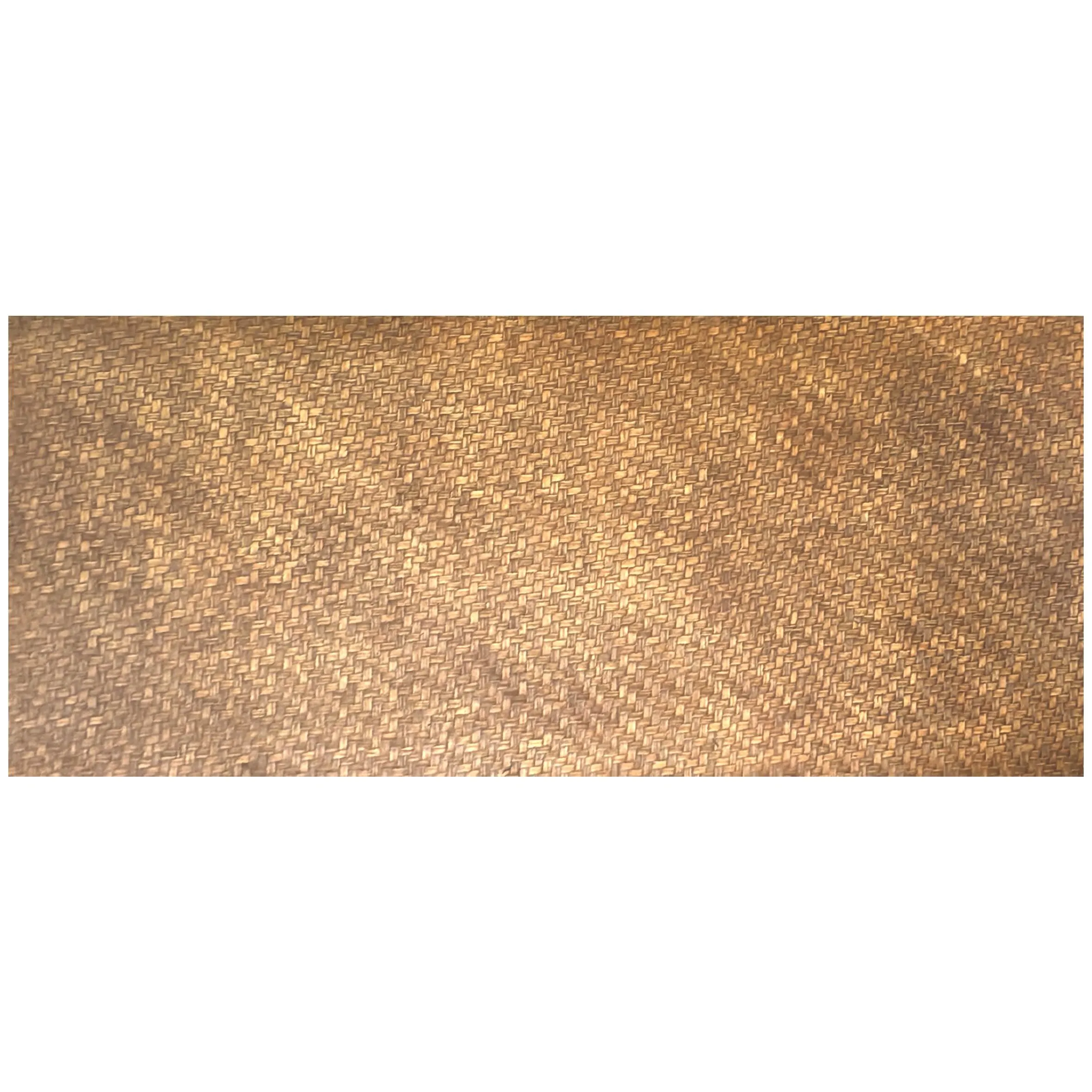
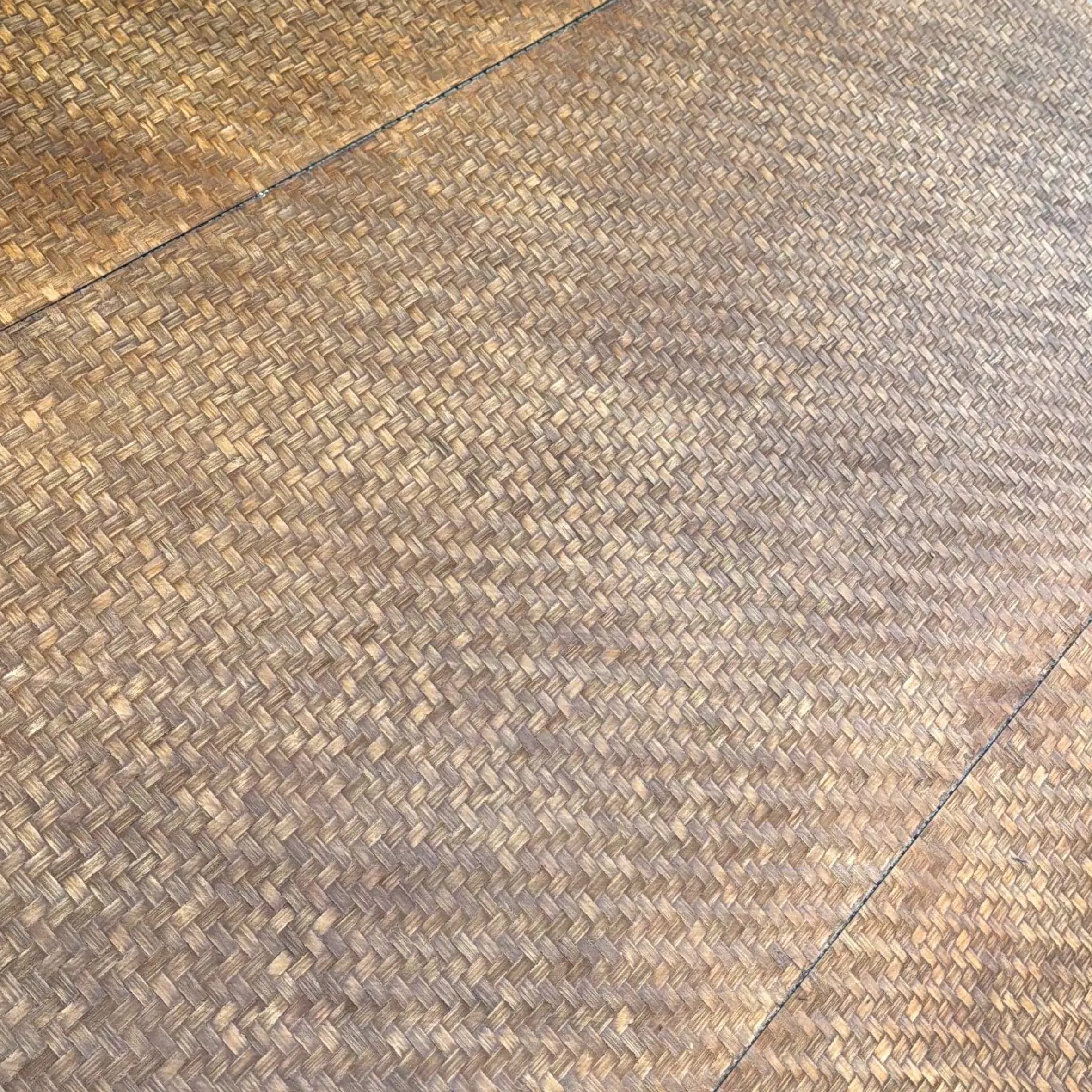
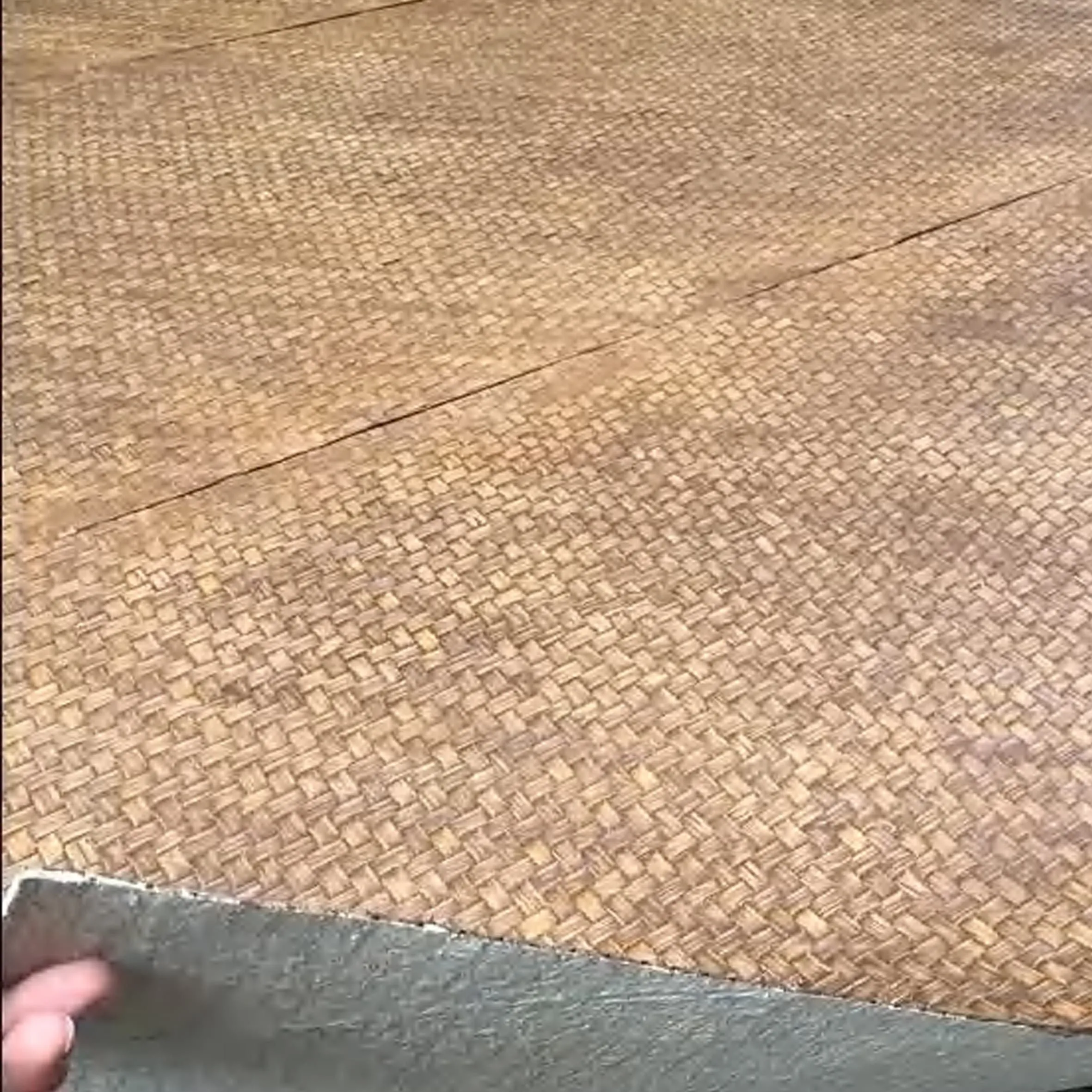
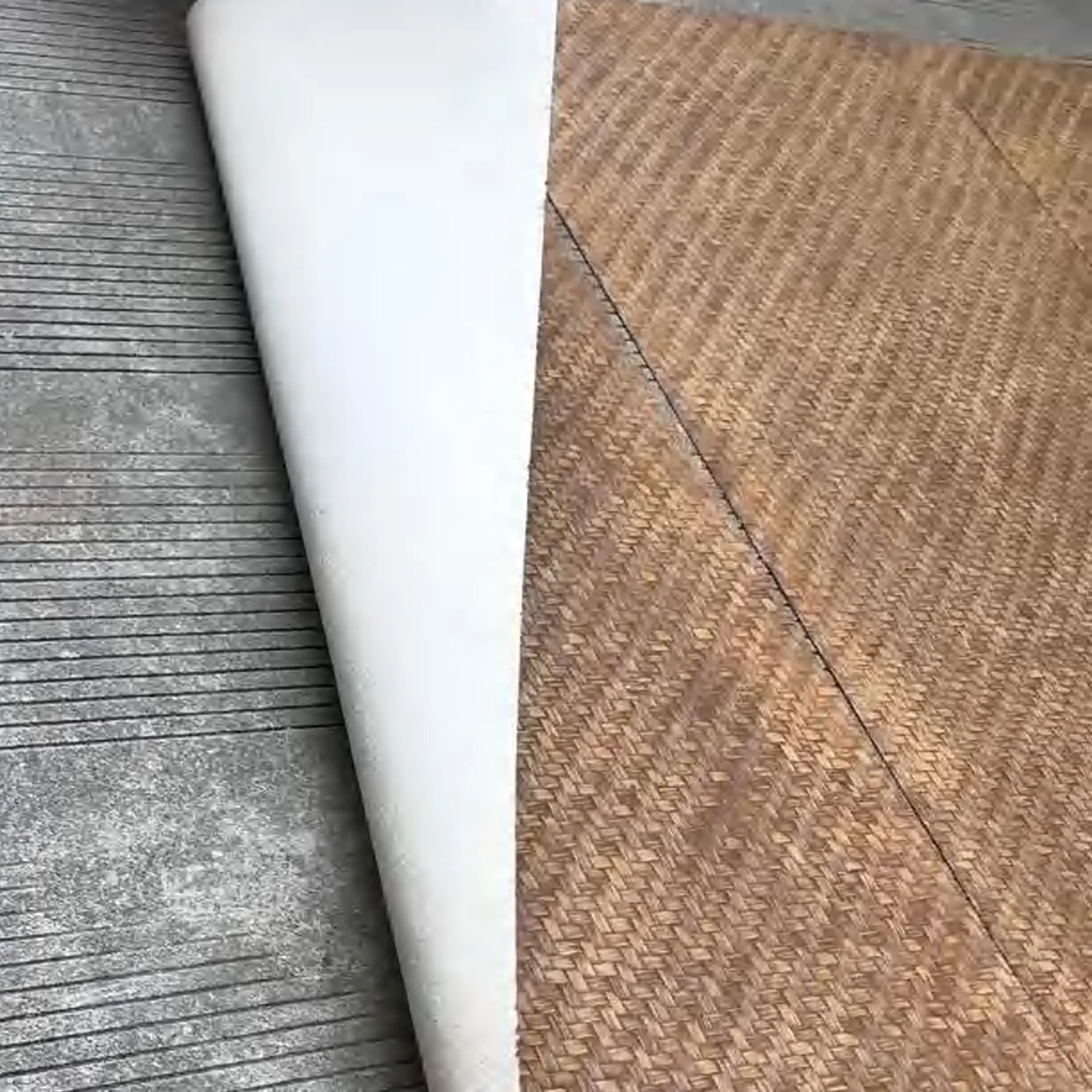
If you're not deep into construction or interior design, the term might sound like jargon. Let's fix that. Bamboo mat board is exactly what it sounds like: thin, flexible sheets made by pressing together layers of bamboo strips or fibers, often held together with adhesives. Think of it as plywood's eco-conscious cousin, but with a twist—bamboo grows fast, requires minimal water, and doesn't need pesticides to thrive. That's a stark contrast to hardwoods, which can take decades to mature, or synthetic materials that rely on fossil fuels.
You've probably seen it without realizing: maybe as wall paneling in a trendy restaurant, a backsplash in a kitchen, or even furniture with that warm, natural grain. Its appeal lies in its versatility—it can mimic wood, add texture to a space, or stand out as a statement material—all while carrying a lower environmental footprint than many alternatives. But here's the catch: even the greenest materials have a dark side if we ignore what happens when they're torn down, replaced, or retired. That's where the conversation about recycling comes in.
Before we dive into the end-of-life stuff, let's give credit where it's due. Bamboo itself is a rockstar in the sustainability world. It's a grass, not a tree, so when you harvest it, it regrows from the roots—no need to replant. Some species shoot up 3 feet in a day, reaching maturity in 3–5 years, compared to 20–30 years for oak or pine. It also sucks up carbon dioxide like a sponge—up to 12 tons per hectare annually, according to the International Bamboo and Rattan Organisation—and releases 35% more oxygen than equivalent trees. Plus, it grows in poor soil, so it doesn't compete with food crops. All of this makes the "cradle" part of bamboo mat board's lifecycle pretty impressive.
But here's the thing about sustainability: it's not a one-and-done label. A material can't claim to be truly green if it ends up in a landfill after a few years, leaching chemicals or taking centuries to break down. That's why we need to talk about the "grave" part of the lifecycle, too. And that's where bamboo mat board, for all its early promise, hits some bumps in the road.
Let's say a bamboo mat board wall has served its time—maybe the building is being renovated, or the material has worn thin. What happens next? In many cases, it's the same fate as most construction waste: a trip to the landfill. Why? Let's break it down.
First, adhesives are the Achilles' heel. To turn bamboo fibers into a sturdy board, manufacturers often use synthetic adhesives, like urea-formaldehyde or phenol-formaldehyde. These glues are great for holding things together, but they're not so great for recycling. When you try to break down the board, the adhesives harden, making it tough to separate the bamboo fibers from the binding agents. That means even if you wanted to grind up the board and reuse the bamboo, you'd end up with a messy mix of fiber and glue—hardly ideal for high-quality new products.
Then there's contamination. Bamboo mat boards rarely exist in a vacuum. They're nailed to studs, painted, coated with sealants, or glued to other materials like drywall or fair-faced concrete . When demolition happens, these materials get mixed together, turning what could be recyclable into a hodgepodge that's easier to dump than sort. Add to that the lack of standardized recycling processes for bamboo products—most recycling facilities are set up for metals, plastics, or paper, not specialty building materials—and you've got a recipe for waste.
And let's not forget transportation. Bamboo mat boards are lightweight compared to, say, foamed aluminium alloy board , but collecting, sorting, and shipping them to a recycling facility still burns fuel. If the cost of recycling outweighs the value of the recycled material, companies will opt for the cheaper landfill route. It's a sad reality of our current "take-make-waste" system.
But here's the good news: where there's a problem, there are people solving it. Around the world, researchers, startups, and even big manufacturers are rolling up their sleeves to crack the bamboo mat board recycling code. Let's meet a few of these problem-solvers.
Take the team at a small lab in Vietnam, where bamboo is abundant. They've been experimenting with biodegradable adhesives made from natural starches or plant-based resins. Imagine a bamboo mat board that, when heated or soaked, dissolves the glue, leaving pure bamboo fibers behind—no harsh chemicals, no messy separation. Early tests show promise: these bio-adhesives hold up as well as synthetic ones during the board's lifespan but break down in industrial composting facilities in just a few months. If scaled, this could turn bamboo mat board into a truly circular material.
Then there's mechanical recycling with a twist. Instead of trying to get perfect, pure bamboo fibers, some companies are embracing the "good enough" approach. They grind up old bamboo mat boards—adhesives and all—and mix the resulting powder with new bamboo fibers and a fresh batch of adhesive to make lower-grade products: think garden mulch, decorative panels, or even acoustic insulation. It's not a full "closed loop," but it's a step up from landfill, keeping the bamboo in use a little longer.
Upcycling is another frontier. Artists and designers are getting creative with discarded bamboo mat boards, cutting them into shapes for wall art, turning them into shelves, or even weaving them into furniture. In Bali, a collective of artisans sources scrap bamboo boards from construction sites, sands them down, and stains them to create stunning, one-of-a-kind tables and chairs. It's a reminder that "waste" is just a material without a purpose—yet.
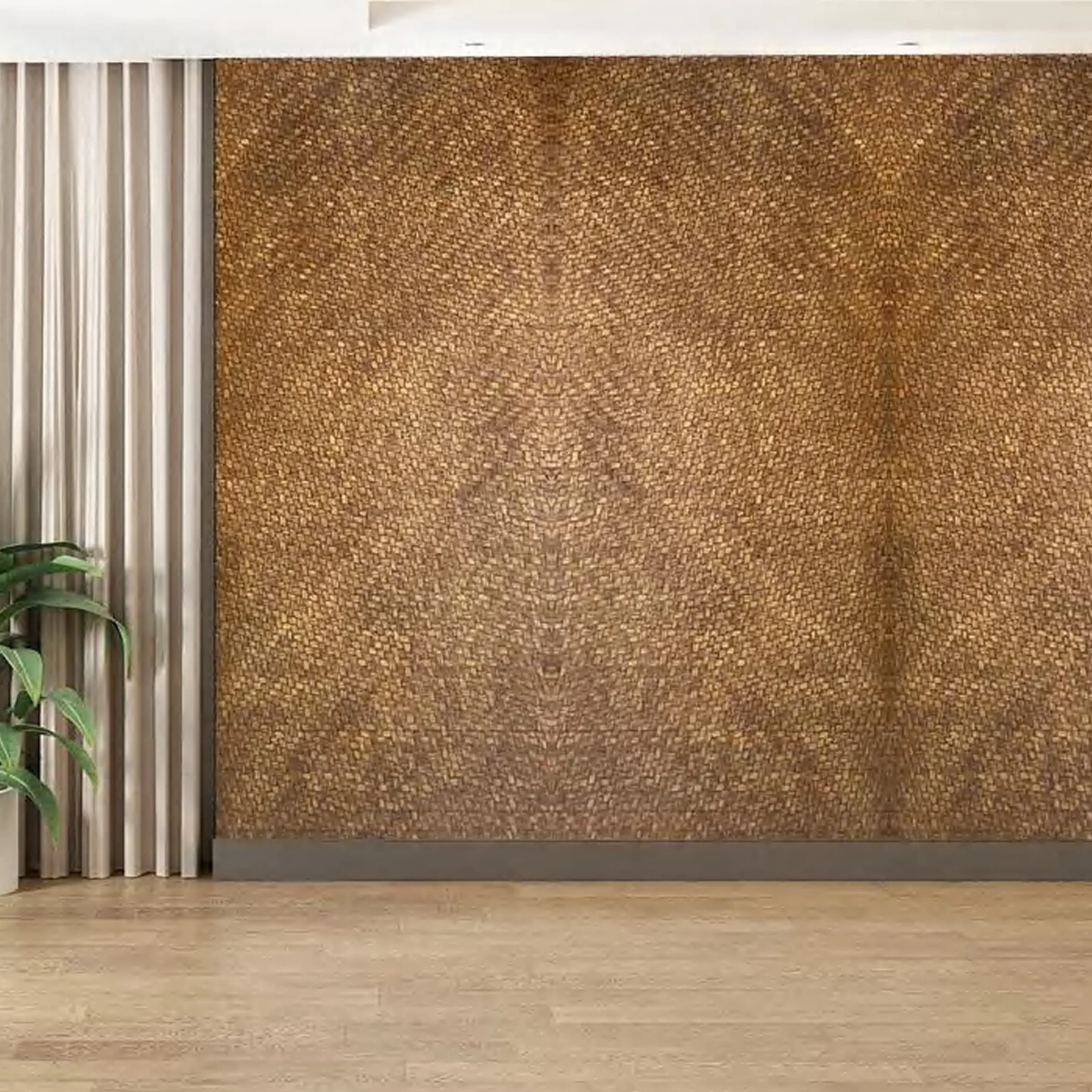
To really understand bamboo mat board's end-of-life potential, it helps to compare it to other popular building materials. Let's put a few side by side—including some you might recognize, like wood grain board and foamed aluminium alloy board —and see how they measure up in the recycling game.
| Material | Raw Material Source | Recyclability | End-of-Life Options | Environmental Impact |
|---|---|---|---|---|
| Bamboo Mat Board | Renewable bamboo grass | Medium (hindered by adhesives; improving with bio-glues) | Landfill, composting (with bio-adhesives), upcycling, low-grade recycling | Low carbon footprint; risk of landfill methane if not recycled |
| Wood Grain Board | Hardwood or softwood trees | Medium (adhesives still an issue; depends on wood type) | Landfill, incineration (releases CO2), limited recycling | Higher carbon footprint than bamboo; deforestation risks |
| Foamed Aluminium Alloy Board | Bauxite ore (non-renewable) | High (aluminium is infinitely recyclable with minimal loss of quality) | Recycling, landfill (but rare due to high metal value) | High energy use in production; recycling reduces impact by 95% |
| Fair-Faced Concrete | Limestone, clay, water (abundant but non-renewable) | Low (crushed for aggregate, but not true recycling) | Landfill, crushed for road base | High carbon emissions from cement production; heavy transportation impact |
What jumps out? Foamed aluminium alloy board wins on recyclability—aluminium is a champion in that department—but its production relies on bauxite, a finite resource, and requires massive energy. Fair-faced concrete is durable but a recycling dead end, often downcycled at best. Wood grain board shares bamboo's adhesive problem but comes with the added weight of slower-growing trees. Bamboo mat board, with its renewable source and improving recycling tech, sits in a sweet spot—if we can iron out those end-of-life kinks.
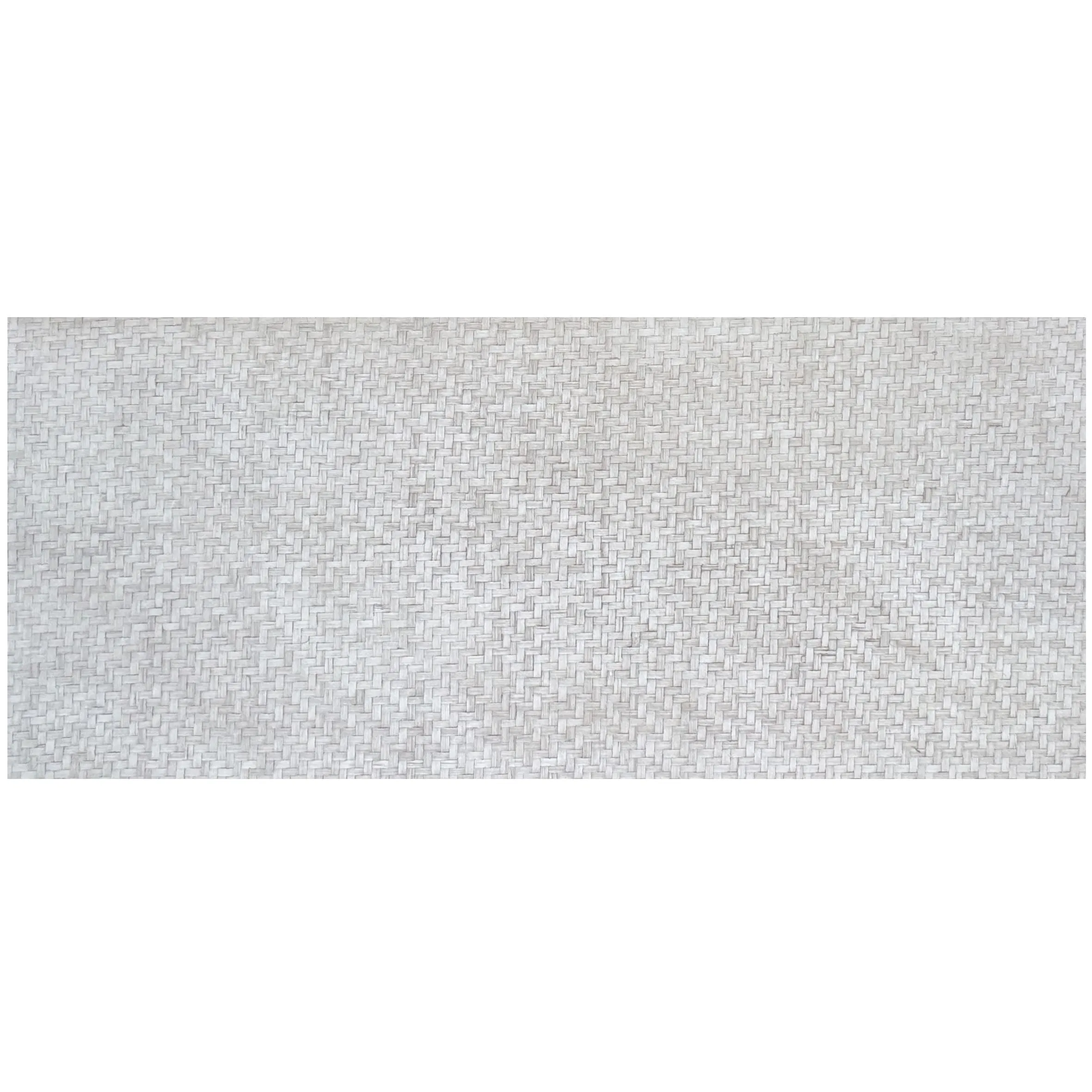
You might be thinking, "This all sounds great, but I'm not a scientist or a manufacturer—what can I do?" More than you think. Change happens when individuals, businesses, and policymakers all pull in the same direction.
For starters, ask questions . If you're renovating your home or office, quiz contractors about the materials they're using. "Is this bamboo mat board made with biodegradable adhesives?" "What happens to it when it's removed?" Demand transparency—companies listen when customers care. You might even push them to source from brands that prioritize recyclability.
Then, support local recycling initiatives . Many cities have pilot programs for construction waste recycling—volunteer to help sort materials, or advocate for your community to start one. If you're a designer or builder, specify recyclable bamboo products in your projects and include "deconstruction plans" that outline how materials will be reused or recycled at the end of their life.
And let's not sleep on upcycling at home. Got a scrap piece of bamboo mat board from a DIY project? Sand it down and use it as a serving tray, a picture frame, or a plant stand. Share your creations online—you might inspire others to see waste as a resource.
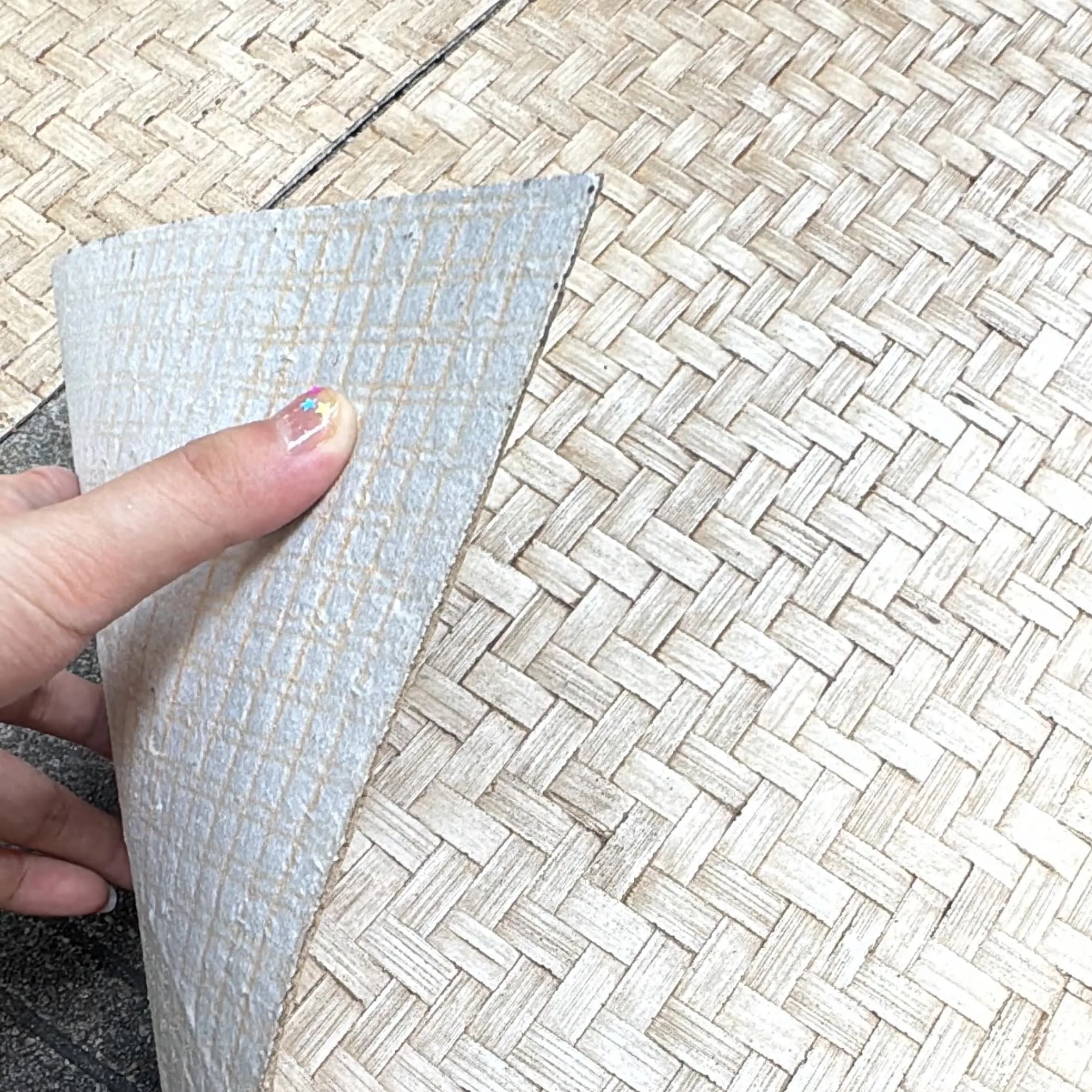
Let's be real: bamboo mat board isn't going to solve all our construction waste problems overnight. But it's a piece of the puzzle—a material that shows us what's possible when we design with the end in mind. As bio-adhesives become mainstream, as recycling facilities adapt to handle specialty materials, and as consumers demand better, we're inching closer to a world where "waste" is just a temporary label.
Think about it: in 10 years, maybe your bamboo mat board wall won't end up in a landfill. Maybe it'll be ground down, the bio-adhesive dissolved, and the bamboo fibers pressed into a new board for a community center. Maybe that community center will be built with deconstruction in mind, so when its time comes, every material can tell a new story. That's the circular economy in action—not a distant dream, but a choice we make, together, every day.
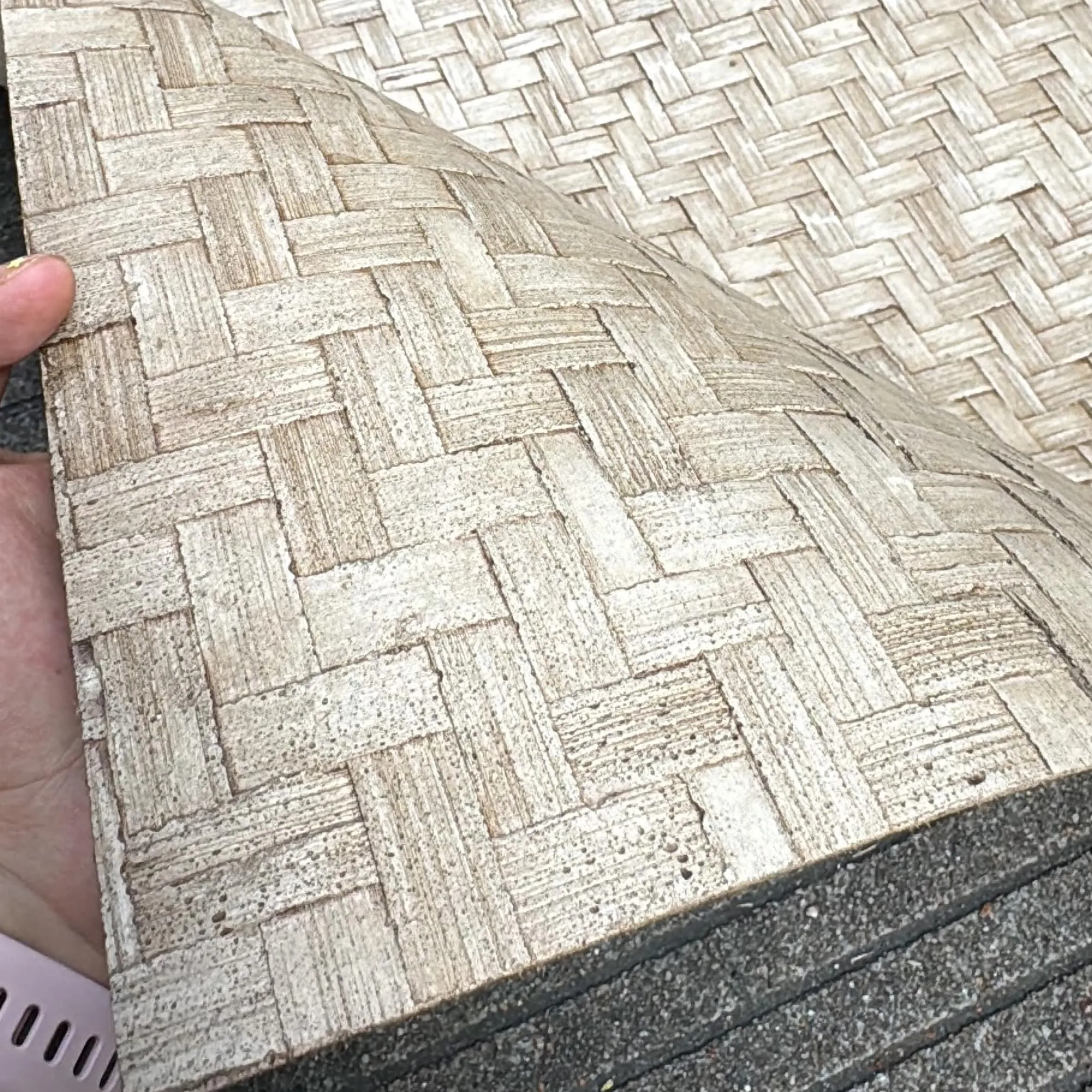
At the end of the day, bamboo mat board is more than just a building material. It's a reminder that sustainability isn't about perfection—it's about progress. It's about choosing materials that respect the planet's limits, investing in the innovations that turn challenges into solutions, and remembering that every wall, every floor, every surface has a story worth caring about.
So the next time you walk into a space with bamboo mat board, take a second look. See beyond the texture or the color. See the potential: a material that grows fast, serves well, and—with a little help—might just get a second act. And then ask yourself: what story do I want the materials in my world to tell?
Recommend Products












