
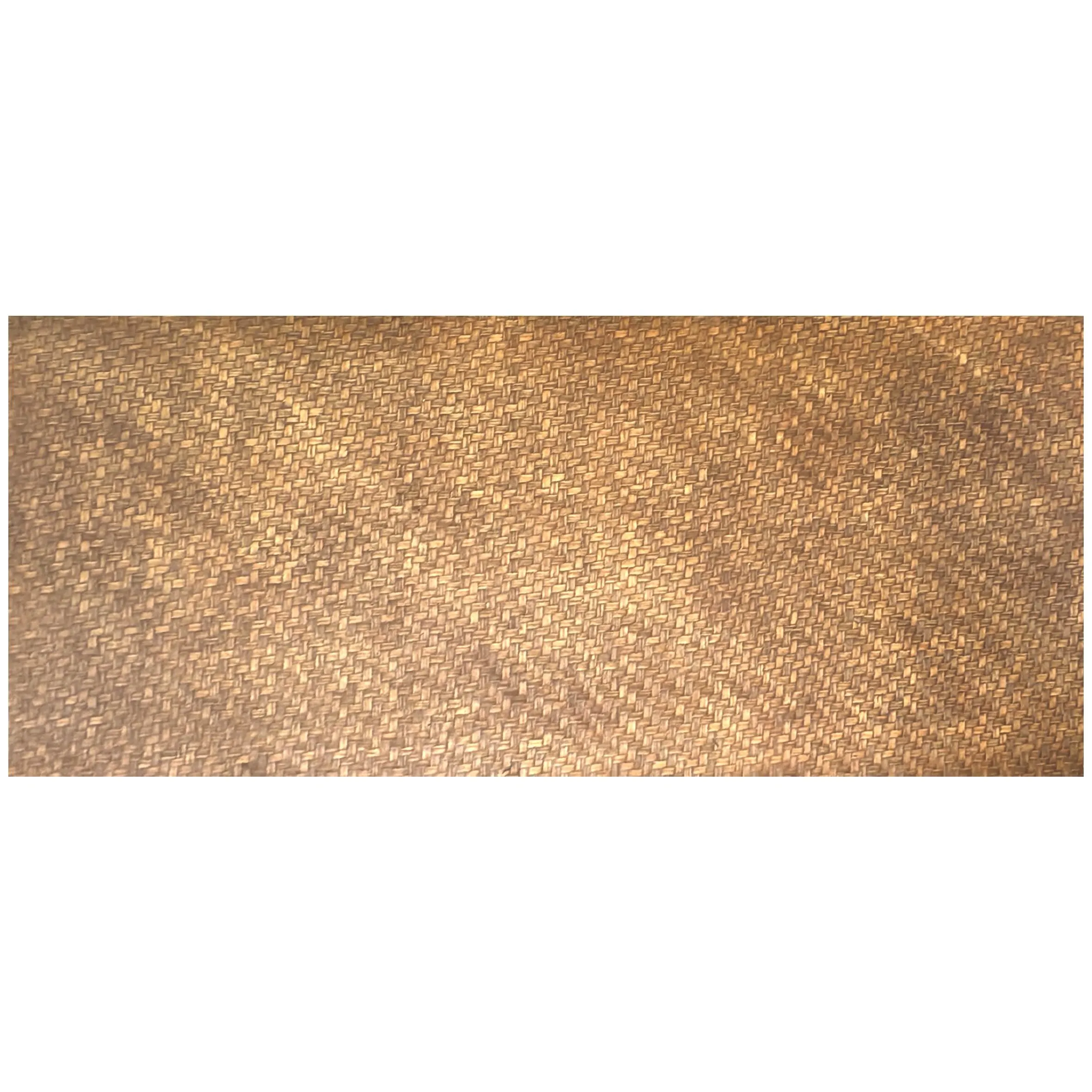
Exploring innovation, quality, and sustainability in the world of architectural materials
Walk into any modern café, boutique hotel, or even a residential home with a keen eye for design, and you might notice something subtle yet striking about the walls or ceilings—textures that feel organic, warm, and uniquely inviting. Chances are, you're looking at bamboo mat board, a material that's quickly become a favorite among architects, interior designers, and builders worldwide. But what makes it so special? And why is COLORIA GROUP, a name that's been making waves in the global construction materials industry, emerging as the go-to supplier for this sought-after product?
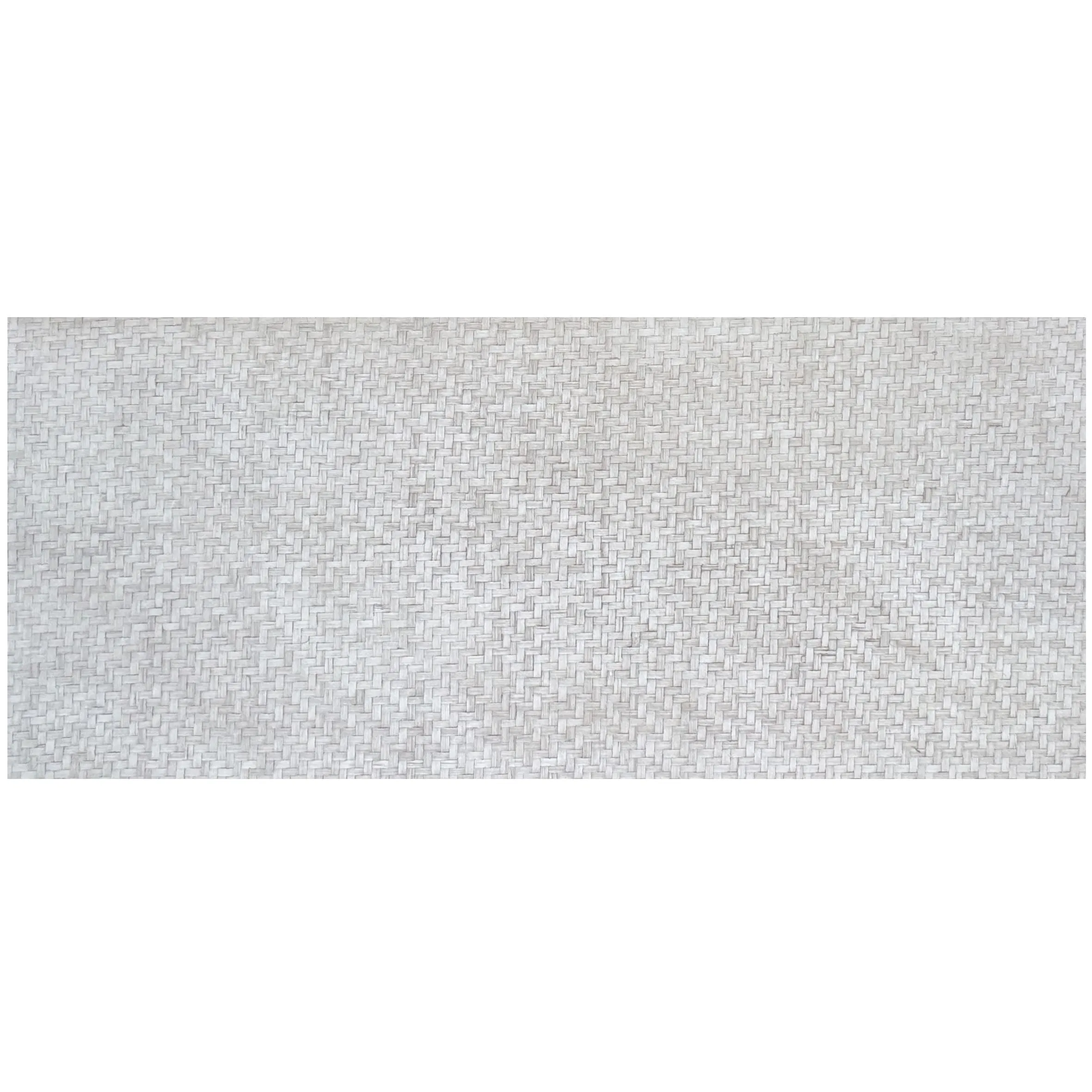
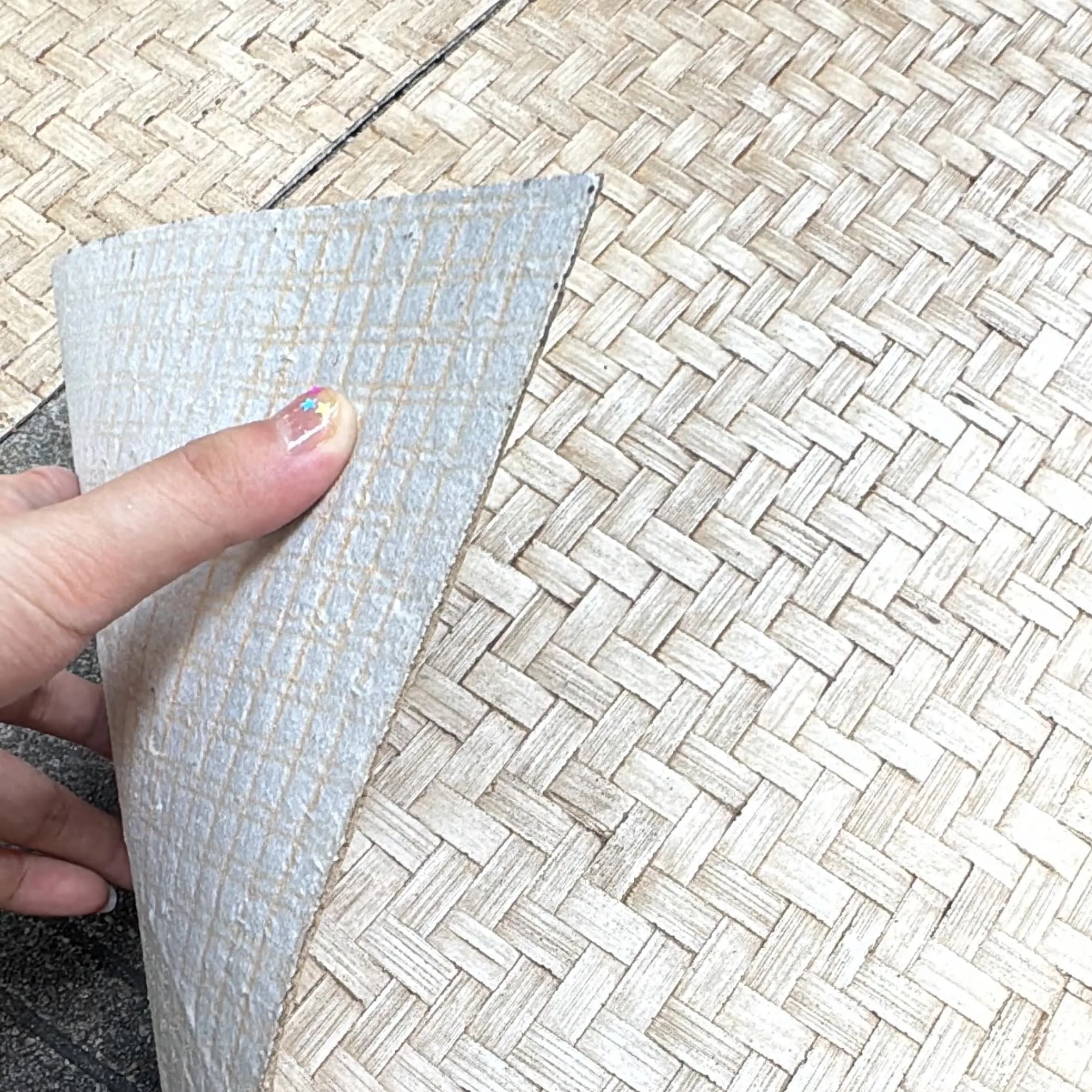
Bamboo mat board isn't just another option in the crowded market of building materials. It's a statement—a blend of nature's resilience and human ingenuity. Crafted from sustainable bamboo fibers woven into a mat-like structure and bonded with eco-friendly resins, it offers a rare combination of strength, flexibility, and aesthetic appeal. Unlike traditional wood panels that warp over time or synthetic materials that lack character, bamboo mat board brings a touch of the outdoors inside, with grains and patterns that tell a story of growth and sustainability. It's no wonder that designers are increasingly turning to it for projects that aim to balance modernity with a connection to nature.
But here's the thing: not all bamboo mat boards are created equal. The market is flooded with suppliers promising "premium" products, but many cut corners—using low-quality bamboo, harsh chemicals in bonding agents, or skimping on quality control. That's where COLORIA GROUP comes in. For over a decade, the company has built a reputation for doing things differently, focusing on three core pillars: uncompromising quality, relentless innovation, and a deep commitment to sustainability. These aren't just buzzwords for COLORIA; they're the foundation of every product they create, including their flagship bamboo mat board.
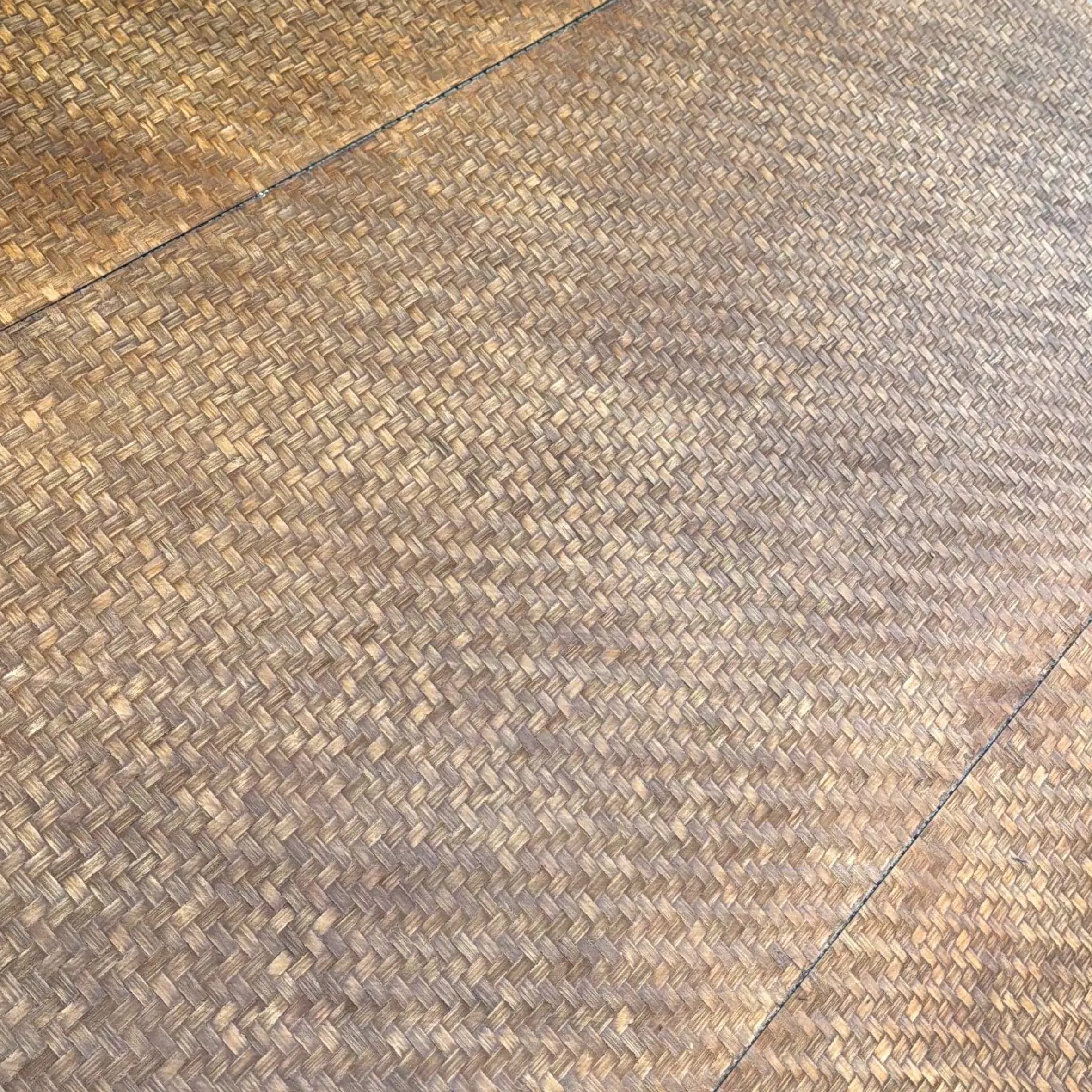
Let's start with the basics: what sets COLORIA's bamboo mat board apart from the rest? It begins with the raw material. While many suppliers source bamboo from anywhere, COLORIA partners with certified sustainable bamboo forests in Southeast Asia, where the plants are grown without pesticides and harvested in a way that ensures regrowth. This isn't just about being eco-friendly (though that's a big part of it); it's about consistency. Bamboo from these forests is denser, more uniform, and less prone to defects, which translates to a stronger, more durable final product.
The manufacturing process is equally meticulous. COLORIA uses a proprietary weaving technique that ensures each mat is tightly knit, with no gaps or loose fibers. This attention to detail means the board is less likely to fray or split, even in high-traffic areas like commercial lobbies or busy restaurants. Then there's the bonding agent—a water-based resin that's free from formaldehyde and other harmful VOCs (volatile organic compounds). This not only makes the board safer for indoor use (no off-gassing that can affect air quality) but also gives it a natural, subtle scent that many describe as "freshly cut bamboo."
But don't just take our word for it. Let's compare COLORIA's bamboo mat board with some common alternatives. The table below breaks down key factors like durability, sustainability, cost-effectiveness, and aesthetic versatility:
| Material | Durability (Resistance to Warping/Scratches) | Sustainability (Carbon Footprint/Recyclability) | Aesthetic Versatility (Finishes/Textures) | Cost-Effectiveness (Long-Term Value) |
|---|---|---|---|---|
| COLORIA Bamboo Mat Board | High (resistant to moisture and impact) | Excellent (sustainable sourcing, low-VOC bonding) | Exceptional (natural grains, customizable stains) | High (long lifespan reduces replacement costs) |
| Traditional Wood Paneling | Medium (prone to warping in humid climates) | Fair (depends on sourcing; often from non-sustainable forests) | Good (classic wood grains, limited finishes) | Medium (prone to damage, higher replacement costs) |
| Synthetic PVC Panels | High (scratch-resistant but rigid) | Poor (non-biodegradable, high carbon footprint in production) | Limited (artificial textures, lacks depth) | Low (cheap upfront, but needs replacement every 5-7 years) |
| MDF (Medium-Density Fiberboard) | Low (swells with moisture, easily scratched) | Poor (made with formaldehyde-based resins, non-recyclable) | Medium (can be painted, but no natural texture) | Low (cheap upfront, high long-term costs) |
The difference is clear: COLORIA's bamboo mat board isn't just a better choice for the planet; it's a smarter investment for any project. Architects in Dubai, for example, recently used it in a beachfront villa, where the material's resistance to saltwater and humidity ensured the walls remained intact even in harsh coastal conditions. "We wanted something that could handle the environment but still feel warm and luxurious," says Sarah Al-Mansoori, the lead architect on the project. "COLORIA's bamboo mat board checked all the boxes. Two years later, it looks as good as the day it was installed."
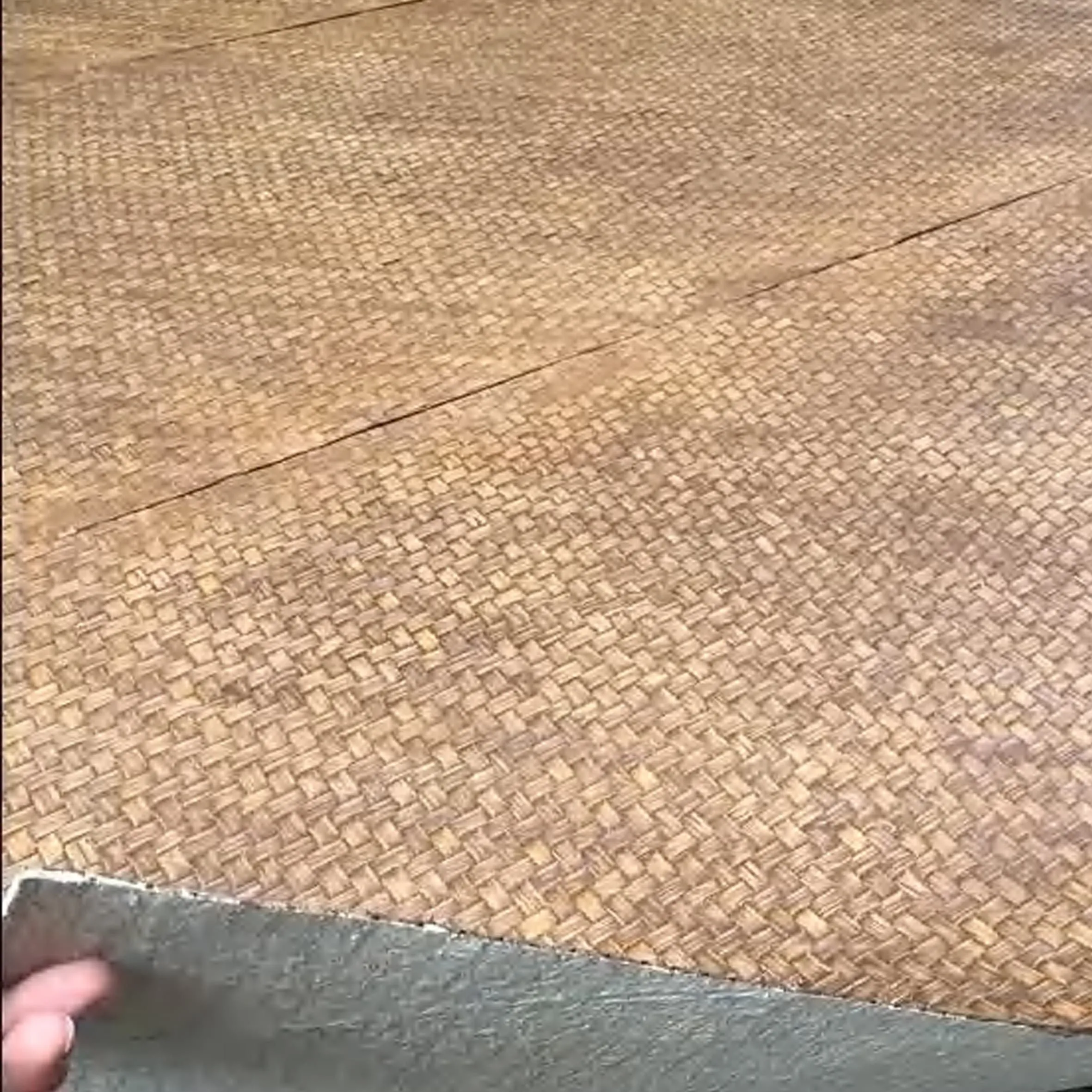
While bamboo mat board is a star in COLORIA's lineup, it's just one piece of a much larger puzzle. What truly sets the company apart is its ability to offer a comprehensive range of innovative materials that complement each other, allowing designers to create cohesive, stunning spaces without compromising on functionality. Let's dive into a few of these products, each with its own unique story and application.
If bamboo mat board is about warmth, MCM flexible stone is about drama. Short for "Modified Composite Material," MCM flexible stone is a game-changer for exteriors and high-impact interiors. Imagine a stone panel that's thin enough to bend around curves, light enough to install without heavy machinery, yet tough enough to withstand extreme weather—from the scorching heat of the Middle East to the freezing winters of Northern Europe. That's MCM flexible stone, and COLORIA has perfected its formulation.
Unlike natural stone slabs that are heavy, brittle, and expensive to transport, COLORIA's MCM flexible stone is made by bonding natural stone particles with a lightweight polymer matrix. The result? A panel that weighs up to 70% less than traditional stone but retains the same authentic texture and appearance. It's ideal for facades, accent walls, or even furniture pieces that demand a stone-like look without the logistical headaches.
Take the example of a recent hotel project in Riyadh. The design called for a curved lobby wall with the look of travertine, but traditional travertine slabs would have required massive structural support. COLORIA's MCM flexible stone solved the problem. "We were able to wrap the material around the curve seamlessly, and the installers finished the job in half the time it would have taken with natural stone," says Ahmed Hassan, the project manager. "Plus, the client saved on shipping and labor costs. It was a win-win."
Concrete has long been associated with industrial spaces—cold, gray, and utilitarian. But fair-faced concrete , especially when done right, is anything but. It's a material that celebrates imperfection, with subtle variations in texture and color that give walls and ceilings a sense of depth and character. COLORIA's take on fair-faced concrete elevates this concept even further, using specialized mixing techniques to create finishes that range from smooth and polished to rough and tactile.
What makes COLORIA's fair-faced concrete stand out? It starts with the aggregates. The company sources high-quality sand and gravel from quarries known for their consistency, ensuring that each batch has the same color and texture. Then there's the curing process—slow and controlled, which prevents cracking and enhances the material's natural patina. The result is a concrete that feels both modern and timeless, perfect for spaces that aim to balance minimalism with warmth.
A cultural center in Berlin recently used COLORIA's fair-faced concrete for its main auditorium walls. The designer wanted a space that felt "grounded yet uplifting," and the concrete's neutral tone and subtle texture provided the perfect backdrop for the center's art installations. "It's amazing how a material often seen as 'cold' can create such an inviting atmosphere," says the center's curator, Maria Schmidt. "The way the light hits the walls throughout the day changes the mood entirely—warm in the morning, cool and serene in the evening. That's the magic of COLORIA's fair-faced concrete."
For projects that demand something truly out of this world, there's Lunar Peak Silvery —one of COLORIA's most eye-catching innovations. Inspired by the moon's cratered surface, this material features a metallic silver finish with subtle texture variations that mimic the play of light on lunar soil. It's not just for sci-fi-themed spaces, though; architects and designers are using it to add a touch of glamour to everything from luxury retail stores to high-end restaurants.
Lunar Peak Silvery is part of COLORIA's broader Lunar Peak series, which also includes golden and black variants, but the silvery option has become a favorite for its versatility. It pairs beautifully with warm materials like bamboo mat board (yes, the two work together seamlessly) or cool tones like marble and glass. In a recent boutique in Tokyo, the designer used Lunar Peak Silvery for the ceiling, complemented by bamboo mat board walls. The effect? A space that feels both futuristic and cozy, like a cabin on a spaceship that's somehow still connected to nature.
"Clients often tell us they want something 'unique but not overwhelming,'" says James Lee, COLORIA's head of product development. "Lunar Peak Silvery hits that sweet spot. It's a conversation starter, but it doesn't compete with other elements in the room. It enhances them."

Being a global construction solutions provider isn't just about shipping products to different countries—it's about understanding local needs, adhering to regional regulations, and building relationships with clients and partners on the ground. COLORIA GROUP has mastered this balance, with a network of manufacturing facilities, distribution centers, and design consultants spanning over 40 countries, from the UAE and Saudi Arabia to Europe, Asia, and the Americas.
Take the Middle East, for example, a region known for its ambitious architectural projects and strict building codes. COLORIA's Dubai office doesn't just sell materials; it offers on-site support, helping clients navigate local regulations and providing technical advice on everything from installation to maintenance. "We had a client in Abu Dhabi who wanted to use bamboo mat board in a high-rise apartment complex," recalls Fatima Al-Zahrani, COLORIA's regional manager for the Middle East. "They were concerned about fire safety, which is a top priority here. Our team worked with local authorities to test the material, provided all the necessary certifications, and even trained the installation crew. That level of support is what keeps clients coming back."
In Europe, where sustainability is a key driver of design decisions, COLORIA has focused on highlighting the eco-friendly aspects of its products. The company's Berlin showroom, for instance, features a "green wall" made entirely of bamboo mat board and MCM flexible stone, with interactive displays that explain the materials' carbon footprint and recyclability. "European clients want to know the story behind the products they use," says Markus Weber, COLORIA's European sales director. "They don't just ask, 'Is this durable?' They ask, 'Is this responsible?' COLORIA's commitment to sustainability makes those conversations easy."
Even in markets where construction materials are often viewed as commodities, COLORIA has found a way to stand out by emphasizing customization. In the United States, for example, the company offers made-to-order bamboo mat boards with custom stains, sizes, and even engravings. A recent project for a boutique winery in California required bamboo mat boards with the winery's logo subtly etched into the surface. COLORIA's design team worked with the client to create a pattern that was both elegant and understated, turning a simple wall panel into a brand statement.
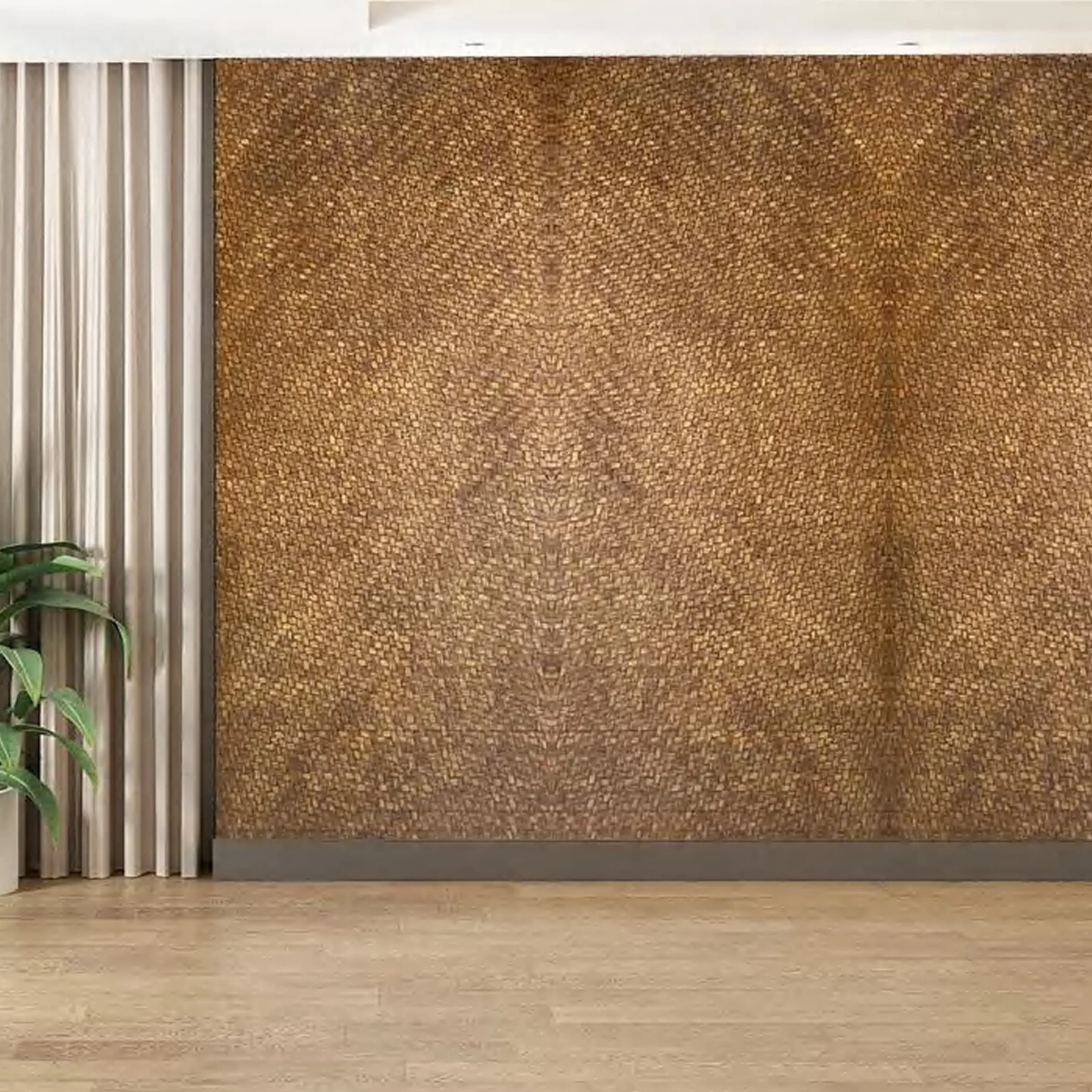
In today's world, "sustainability" is often thrown around as a marketing buzzword, but for COLORIA GROUP, it's a guiding principle that shapes every decision—from sourcing raw materials to designing manufacturing processes. The company's commitment to the environment isn't just good for the planet; it's good for business, as more and more clients prioritize eco-friendly materials in their projects.
Let's start with the numbers. COLORIA's manufacturing facilities run on 100% renewable energy, with solar panels and wind turbines powering production lines. The company has reduced its carbon footprint by 45% over the past five years, and it aims to be carbon-neutral by 2030. Even the packaging used for shipping products is recyclable or biodegradable—no plastic bubble wrap or Styrofoam here. Instead, COLORIA uses recycled cardboard and plant-based packing peanuts that dissolve in water.
But sustainability at COLORIA goes beyond energy and packaging. It's about circularity—the idea that products should be designed to be reused, recycled, or repurposed at the end of their life. Bamboo mat board, for example, is fully biodegradable, and COLORIA offers a take-back program for old panels, which are then ground down and used as mulch or compost. MCM flexible stone, meanwhile, can be recycled into new panels, reducing the need for virgin stone extraction.
The company also invests in reforestation efforts. For every bamboo mat board sold, COLORIA plants a new bamboo shoot in one of its partner forests. "It's our way of ensuring that the resource we're using continues to thrive," says Lee. "Bamboo grows incredibly fast—some species can grow up to three feet in a day—so it's a sustainable resource, but we still want to give back more than we take."
This commitment to sustainability has earned COLORIA numerous certifications, including LEED (Leadership in Energy and Environmental Design), FSC (Forest Stewardship Council), and GREENGUARD, which certifies low chemical emissions in indoor products. But perhaps the most meaningful recognition comes from clients who choose COLORIA specifically for its green credentials. "Our clients in Scandinavia, for example, won't work with suppliers who don't meet strict sustainability standards," says Weber. "COLORIA's certifications make us a trusted partner from the start."
So, what ties all of this together? Why do architects, designers, and builders around the world keep coming back to COLORIA GROUP for bamboo mat board, MCM flexible stone, Lunar Peak Silvery, and other innovative materials? It boils down to three things: trust, innovation, and a genuine passion for helping clients bring their visions to life.
Trust, first and foremost, is built on consistency. When a client orders bamboo mat board from COLORIA, they know exactly what they're going to get—every batch, every time. There are no surprises, no last-minute substitutions, and no excuses. "In this industry, delays and quality issues can cost clients thousands of dollars," says Al-Zahrani. "COLORIA's reliability takes that stress off the table."
Innovation is another key differentiator. COLORIA doesn't rest on its laurels; it's constantly researching and developing new materials and finishes. The company's R&D team, made up of architects, engineers, and material scientists, works closely with clients to understand emerging trends and unmet needs. "We recently launched a new line of bamboo mat board with integrated soundproofing, based on feedback from hotel clients who wanted to reduce noise between rooms," says Lee. "That's the kind of innovation that comes from listening."
And then there's the human element. COLORIA's team doesn't just sell products; they build relationships. From the initial design consultation to post-installation follow-ups, they're there every step of the way. "I've worked with dozens of material suppliers over the years, and COLORIA is the only one that treats me like a partner, not just a customer," says Al-Mansoori, the Dubai architect. "They take the time to understand my vision, offer suggestions I hadn't considered, and even celebrate with me when the project is done. That's rare."
Bamboo mat board may be the star of the show, but COLORIA GROUP's success is about more than just one product. It's about reimagining what building materials can be—sustainable, innovative, and deeply human. In a world where so much of design feels mass-produced and impersonal, COLORIA is proving that materials can have soul, that they can tell stories, and that they can connect us to nature and to each other.
Whether you're an architect designing a skyscraper in Dubai, a homeowner renovating your kitchen, or a hotelier looking to create a memorable guest experience, COLORIA GROUP offers more than just supplies. It offers peace of mind, knowing that the materials you're using are of the highest quality, kind to the planet, and backed by a team that cares as much about your project as you do.
So, the next time you walk into a space that takes your breath away—a space with walls that feel alive, textures that invite touch, and a warmth that makes you want to stay a little longer—take a moment to think about the materials behind it. Chances are, COLORIA GROUP had a hand in creating that magic. And that's why, when it comes to bamboo mat board suppliers and beyond, COLORIA stands out globally—not just as a company, but as a visionary in the world of architectural materials.
Recommend Products












