
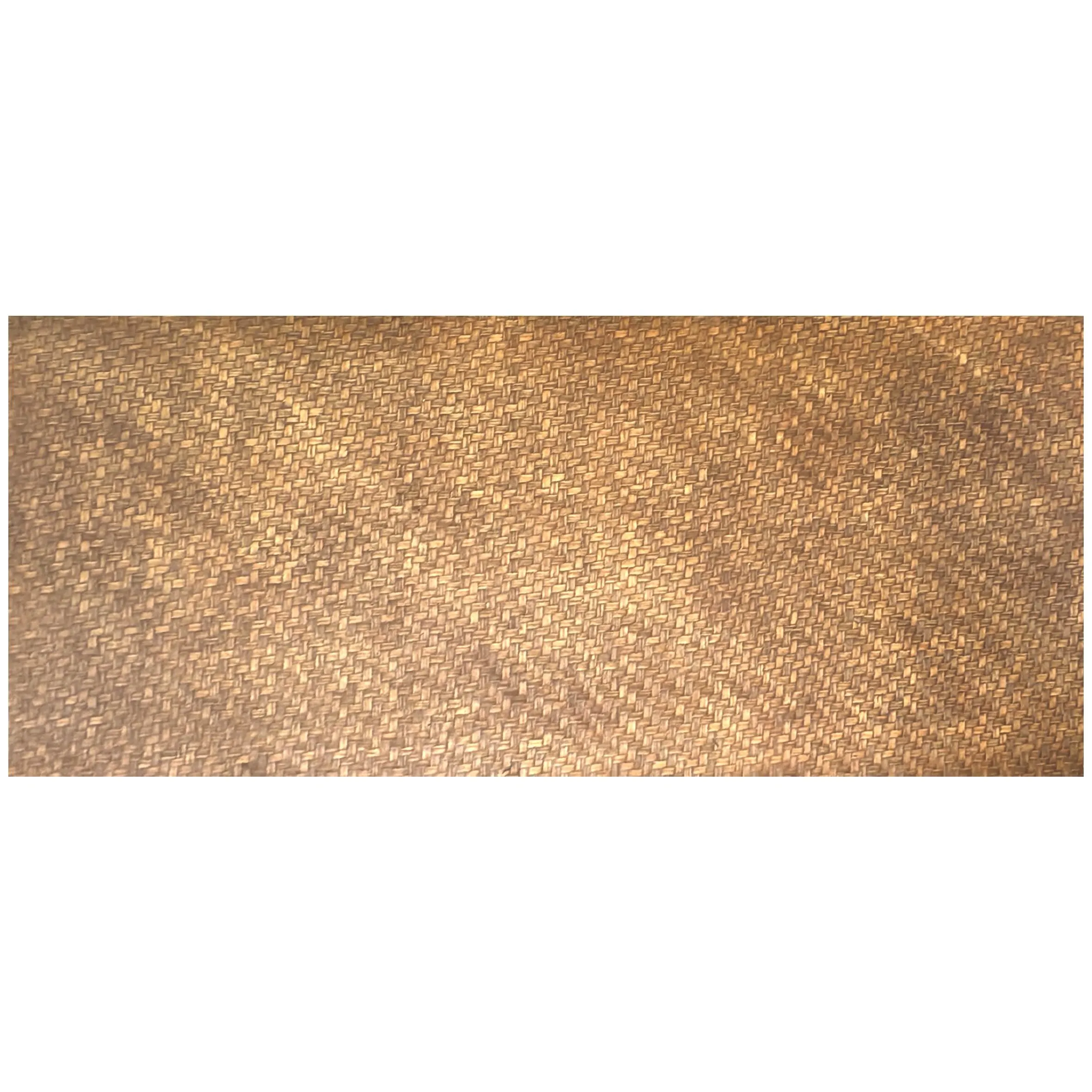
Step into a modern restaurant, and you might find yourself drawn to walls that feel both earthy and refined—warmth seeping through a texture that echoes handwoven crafts. That's the magic of bamboo mat board. Part of the innovative MCM (Modified Composite Material) product line, this material marries the organic allure of bamboo with the resilience of engineered composites, making it a favorite among architects and designers aiming to balance aesthetics and functionality. Yet, for all its versatility, one detail often determines its success in a project: thickness. From delicate interior accents to rugged exterior facades, the right thickness isn't just a technicality—it's the bridge between a design vision and real-world performance. Let's explore how bamboo mat board's thickness options cater to diverse architectural needs, and why getting this choice right can transform a space from ordinary to unforgettable.
At first glance, bamboo mat board's thickness might seem like a minor detail, overshadowed by its color or texture. But in reality, it dictates nearly every aspect of the material's behavior: how much weight it can bear, how it handles moisture, how flexible it is during installation, and even how it interacts with light. A 6mm sheet, for example, bends gently around curved surfaces, making it ideal for softening interior corners, while a 20mm slab stands firm against rain, wind, and foot traffic, making it a workhorse for exterior projects. Choosing too thin a board for a high-traffic area could lead to warping; too thick, and you might add unnecessary weight to a wall or inflate costs. In short, thickness is the unsung hero that ensures your bamboo mat board doesn't just look good—it lasts.
Another layer to consider? Aesthetics. Thicker boards have a more substantial presence, casting deeper shadows that enhance their textured surface, while thinner ones feel lighter, almost ethereal, when backlit or paired with minimalistic designs. For instance, a 8mm bamboo mat board with a weaving (beige) texture can mimic the softness of fabric when used on a bedroom accent wall, while a 15mm board in the same texture reads as more grounded, better suited for a living room's focal point. It's not just about durability—it's about crafting the right mood.
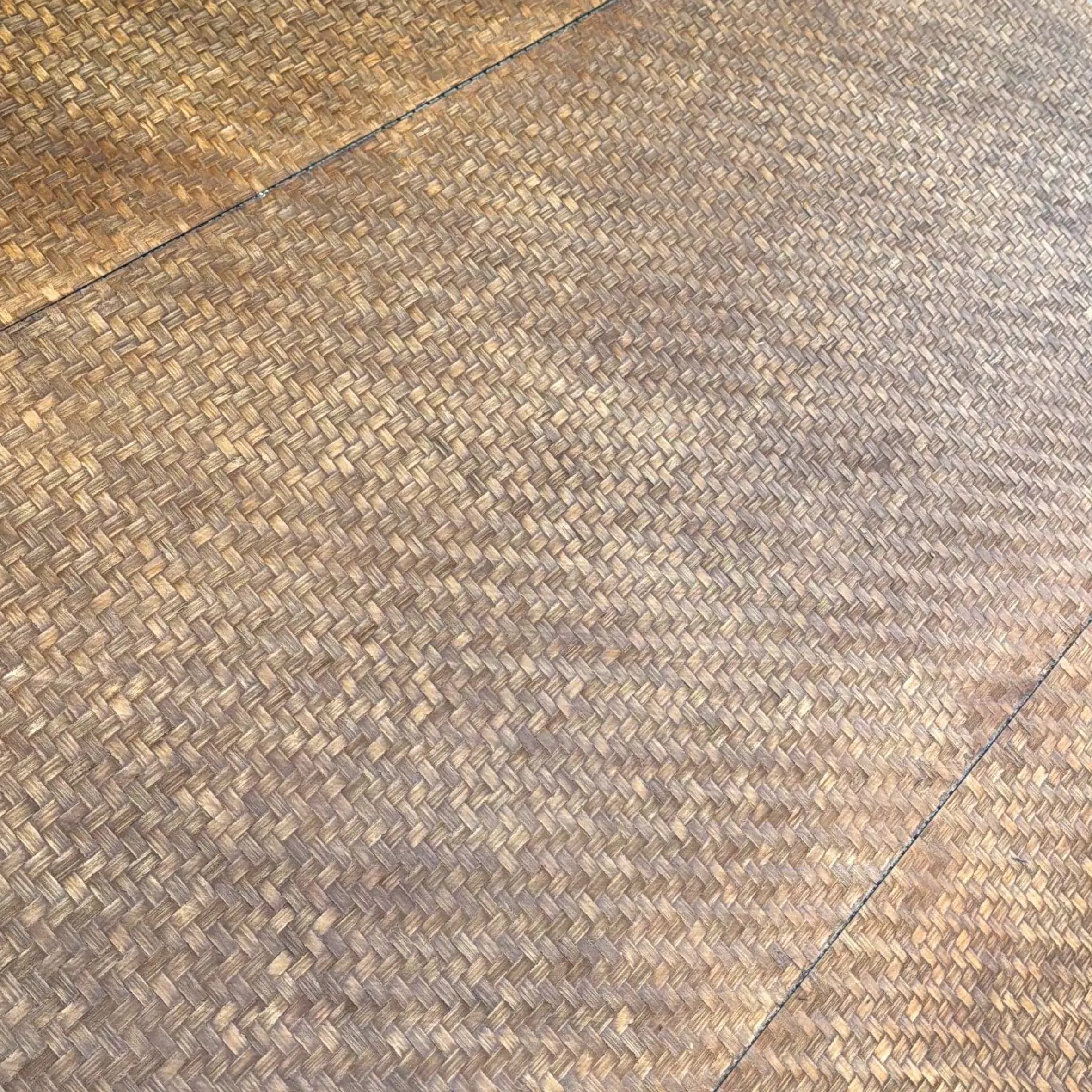
Bamboo mat board comes in a range of thicknesses, each tailored to specific applications. Let's break down the most common options, their best uses, and what makes each unique.
At just 6mm thick, this is bamboo mat board at its most flexible. Think of it as the "accent artist" of the lineup—perfect for adding subtle texture without overwhelming a space. Its thin profile makes it lightweight (around 3-4 kg per square meter) and easy to cut, allowing it to curve around columns, line ceiling coves, or wrap around furniture edges. Interior designers often reach for 6mm boards in boutique hotels, where they're used as headboard backdrops or to line the back of built-in shelves, adding warmth without bulk.
Installation is a breeze, too: it adheres easily to smooth surfaces like drywall or plywood with standard construction adhesives, and its flexibility means fewer seams, creating a seamless look. Just keep in mind: 6mm is not built for heavy impact or moisture. Stick to dry, low-traffic interior spaces, and you'll be rewarded with a finish that feels both delicate and intentional.
If 6mm is the accent artist, 8mm is the utility player. Slightly sturdier (weighing 4-5 kg/m²) but still flexible enough for gentle curves, this thickness strikes a sweet spot between form and function. It's the go-to for interior wall cladding in high-traffic areas like office lobbies or restaurant dining rooms, where it can withstand occasional bumps without showing wear. Its thickness also enhances texture—run your hand over an 8mm weaving (beige) bamboo mat board, and you'll feel the depth of each "weave," adding tactile interest to otherwise flat walls.
Beyond walls, 8mm boards shine in furniture design: think coffee table tops, cabinet doors, or even lightweight room dividers. They pair beautifully with other materials, too—imagine a kitchen backsplash combining 8mm bamboo mat board with sleek fair-faced concrete countertops, the warmth of bamboo softening the concrete's industrial edge. For exterior use, stick to covered areas like porch ceilings or awning undersides, where it's sheltered from direct rain.
At 10mm, bamboo mat board starts to flex its versatility across environments. Weighing 5-6 kg/m², it's rigid enough for light exterior use but still manageable for interior projects. This thickness is a favorite for semi-outdoor spaces: think covered patios, pergola walls, or the exterior of garden sheds, where it adds a natural touch without succumbing to humidity. Indoors, it's a workhorse for furniture that sees moderate use—shelving units, desk surfaces, or even bathroom vanities (when sealed properly to resist moisture).
What sets 10mm apart? Its ability to hold fasteners, making it easier to mount heavier items like floating shelves or wall art. Unlike thinner boards, which rely solely on adhesive, 10mm can handle screws or nails without splitting, adding a layer of practicality. It also pairs well with complementary materials like wood concrete board —use 10mm bamboo mat board for upper cabinetry and wood concrete for lower bases, balancing warmth and ruggedness in a kitchen design.
When the project calls for stepping outside—literally—12mm bamboo mat board answers the call. Weighing 6-7 kg/m², it's thick enough to withstand the elements in moderate climates, making it ideal for exterior facades, garden walls, or poolside cabanas. Its density resists warping from rain or UV exposure, and when sealed with a weatherproof coating, it holds up beautifully against wind and temperature swings. Unlike stone-based materials like mcm flexible stone , which leans into geological textures, 12mm bamboo mat board brings a softer, more organic vibe to exteriors, turning a commercial building's facade into a statement of biophilic design.
Indoors, 12mm boards are stars in high-traffic zones: think hallway flooring, retail store walls, or hotel corridors. Their sturdiness handles foot traffic and luggage bumps, while their texture adds visual interest to long, otherwise plain spaces. Pro tip: Use 12mm boards vertically on tall walls to draw the eye upward, making rooms feel more spacious.
For projects that demand durability without sacrificing warmth, 15mm bamboo mat board is the answer. Weighing 7-8 kg/m², it's thick enough to serve as residential flooring in living rooms or bedrooms, standing up to kids, pets, and daily life. Its solid feel underfoot adds comfort, while its natural texture muffles sound better than hardwood or tile. In commercial settings, it's a smart choice for boutique retail floors or office break rooms, where it balances professionalism with coziness.
Furniture-wise, 15mm boards handle heavier loads: think dining tables, reception desks, or library bookshelves crammed with novels. They also pair surprisingly well with industrial materials—imagine a 15mm bamboo mat board countertop in a café, paired with metal stools and fair-faced concrete walls, creating a space that feels both grounded and modern. For exterior use, reserve 15mm for covered areas in harsher climates, like a ski lodge's entranceway, where it can withstand snowmelt and temperature drops.
At 20mm, bamboo mat board transforms into a heavyweight champion. Weighing 8-10 kg/m², it's the thickest standard option, built to tackle the toughest environments. Exterior facades in rainy or windy regions? 20mm boards stand firm, even without additional support. High-traffic commercial flooring—airport walkways, mall corridors, or restaurant dining areas with constant foot traffic? They resist scuffs and dents, maintaining their appearance for years. Outdoor furniture like picnic tables or public park benches? 20mm boards laugh off rain, sun, and graffiti (easily cleaned with mild soap).
This thickness also shines in statement pieces: think a grand staircase cladded in 20mm bamboo mat board, its substantial profile adding drama to an entryway, or a feature wall in a convention center, where its size and texture command attention. While it's overkill for delicate interior accents, 20mm bamboo mat board is the choice when "built to last" is non-negotiable. Compare it to bold textures like rust board granite , and you'll find bamboo offers a warmer alternative without sacrificing durability.
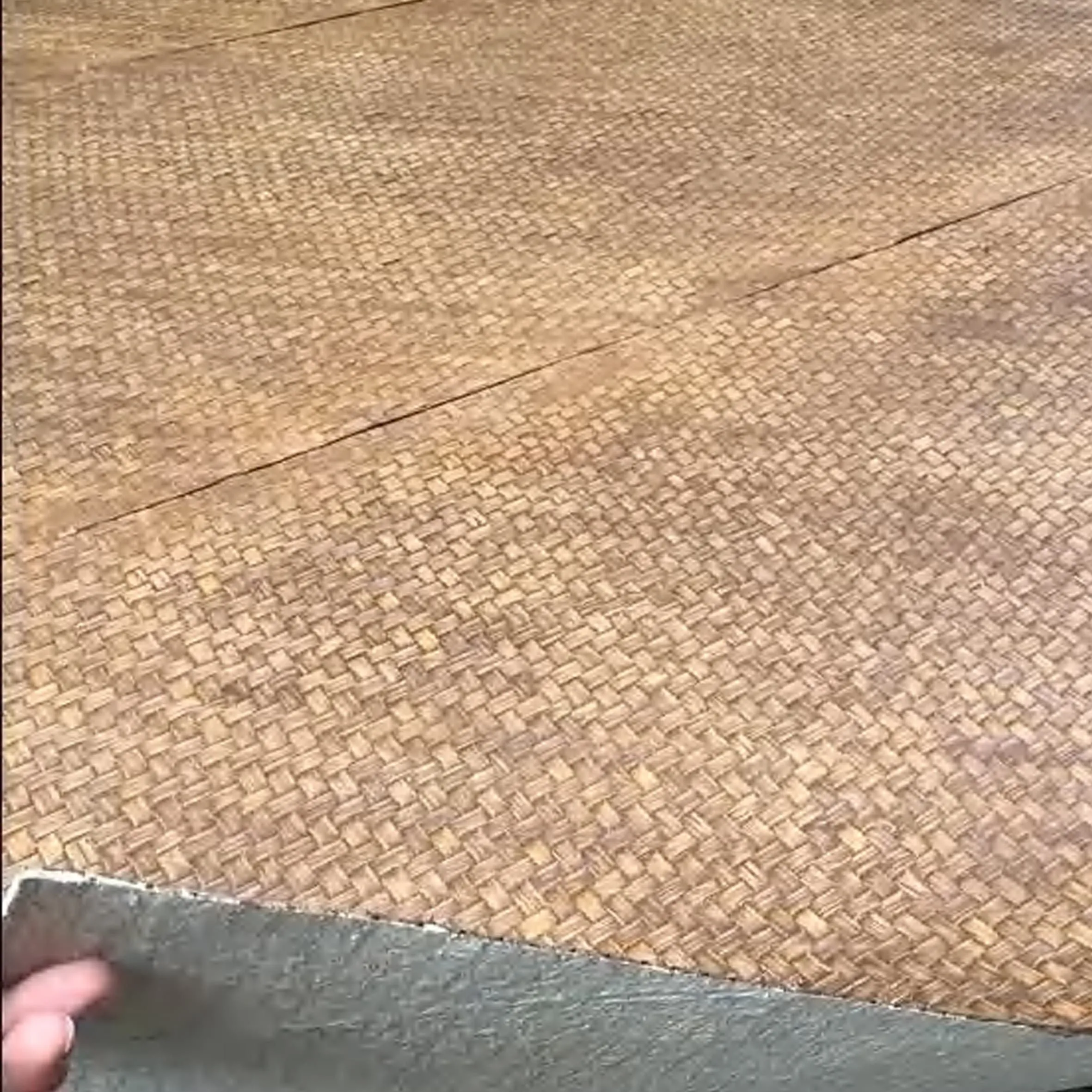
| Thickness (mm) | Best Applications | Key Features | Installation Notes |
|---|---|---|---|
| 6mm | Interior accent walls, ceiling coves, lightweight furniture backs | Flexible, lightweight (3-4 kg/m²), delicate texture | Adhesive-only; ideal for smooth, dry surfaces |
| 8mm | High-traffic interior walls, backsplashes, cabinet doors | Moderate flexibility, enhanced texture (e.g., weaving beige) | Adhesive or light fasteners; suitable for dry to semi-humid areas |
| 10mm | Semi-outdoor walls, covered patios, shelving, bathroom vanities | Rigid yet workable (5-6 kg/m²), holds fasteners | Adhesive + screws for heavier loads; seal for moisture resistance |
| 12mm | Exterior facades (moderate climates), hallway flooring, retail walls | Weather-resistant, dense (6-7 kg/m²), pairs with MCM flexible stone | Weatherproof coating required for exterior use |
| 15mm | Residential flooring, commercial furniture, ski lodge exteriors | Heavy-duty, sound-muffling, compatible with wood concrete board | Reinforced adhesive; underlayment recommended for flooring |
| 20mm | Exterior facades (harsh climates), high-traffic flooring, outdoor furniture | Rugged (8-10 kg/m²), impact-resistant, rust board granite | Structural support advised for large installations |
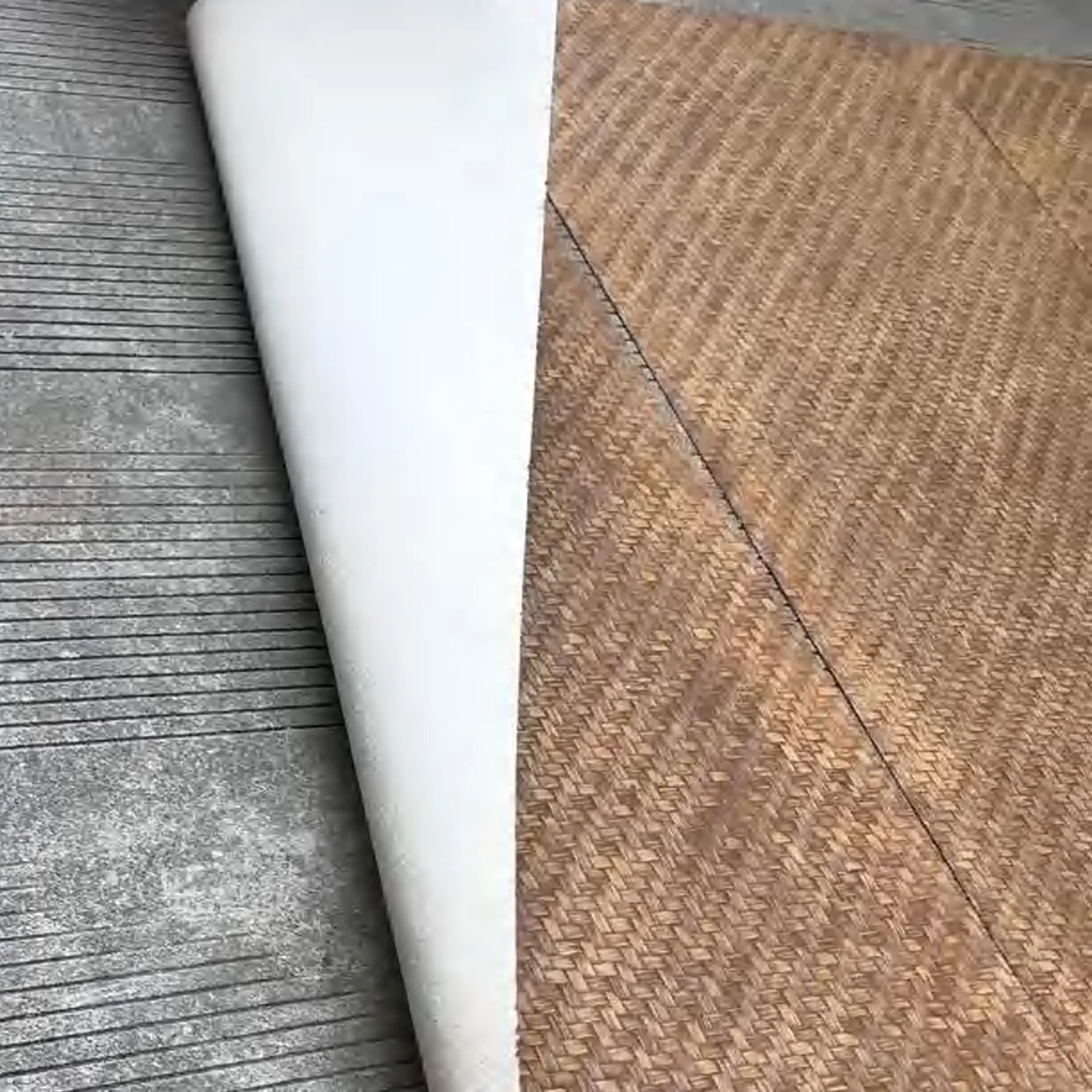
Bamboo mat board is just one star in the MCM universe, and understanding how it compares to siblings like mcm flexible stone or wood concrete board can help you choose the right material for the job. For example, mcm flexible stone offers the look of natural stone with similar flexibility to bamboo mat board but leans into cooler, more geological textures—think marble veining or slate patterns. It's a great alternative if you want a stone-like exterior without the weight, but bamboo mat board brings unmatched warmth, making it better for spaces where you want to evoke coziness.
Wood concrete board , on the other hand, is denser and heavier, built for extreme load-bearing (think industrial shelving or structural walls). It pairs well with bamboo mat board in hybrid designs—use wood concrete for a room's base (e.g., a fireplace surround) and bamboo mat board for the upper walls, creating a layered, organic look. And when compared to fair-faced concrete , bamboo mat board offers a softer alternative; where concrete feels sleek and modern, bamboo adds a touch of nature, making it ideal for spaces like yoga studios or boutique hotels where calm is key.
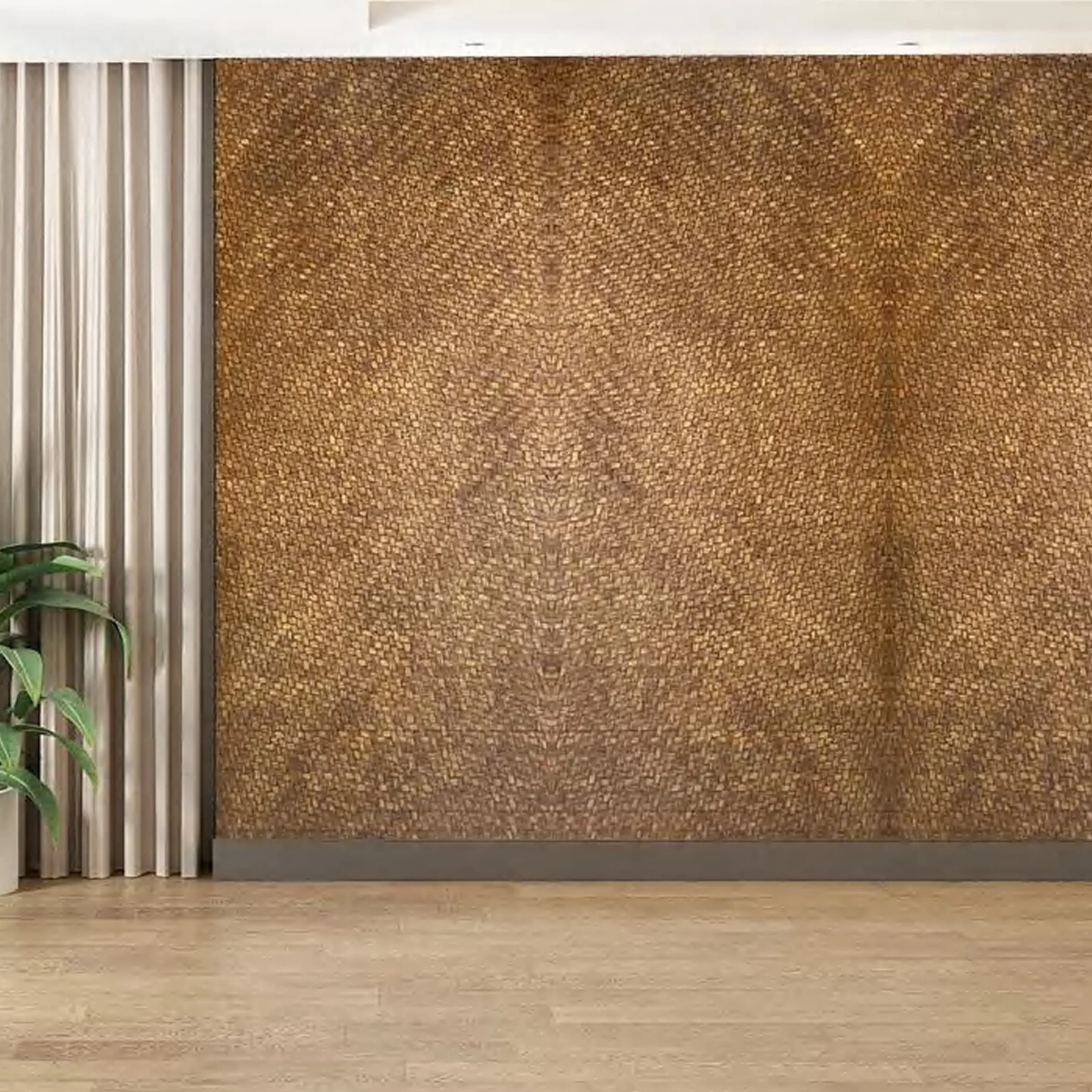
Once you've settled on a thickness, how do you maximize its impact? Start by mixing thicknesses strategically. A 6mm bamboo mat board ceiling paired with 12mm walls, for example, creates visual hierarchy, drawing the eye upward then grounding it with a more substantial surface. For texture lovers, layer a weaving (beige) 8mm board with a smooth 15mm board in the same color family—the contrast in texture adds depth without clashing.
Lighting also plays a role. Thicker boards (15mm+) cast deeper shadows, so use directional lighting to highlight their texture—think wall sconces aimed at a 20mm exterior facade, making the bamboo's grain pop at night. Thinner boards (6-8mm) glow when backlit, perfect for accent walls in bedrooms or home theaters, where soft light filters through the material, creating a warm, ambient glow.
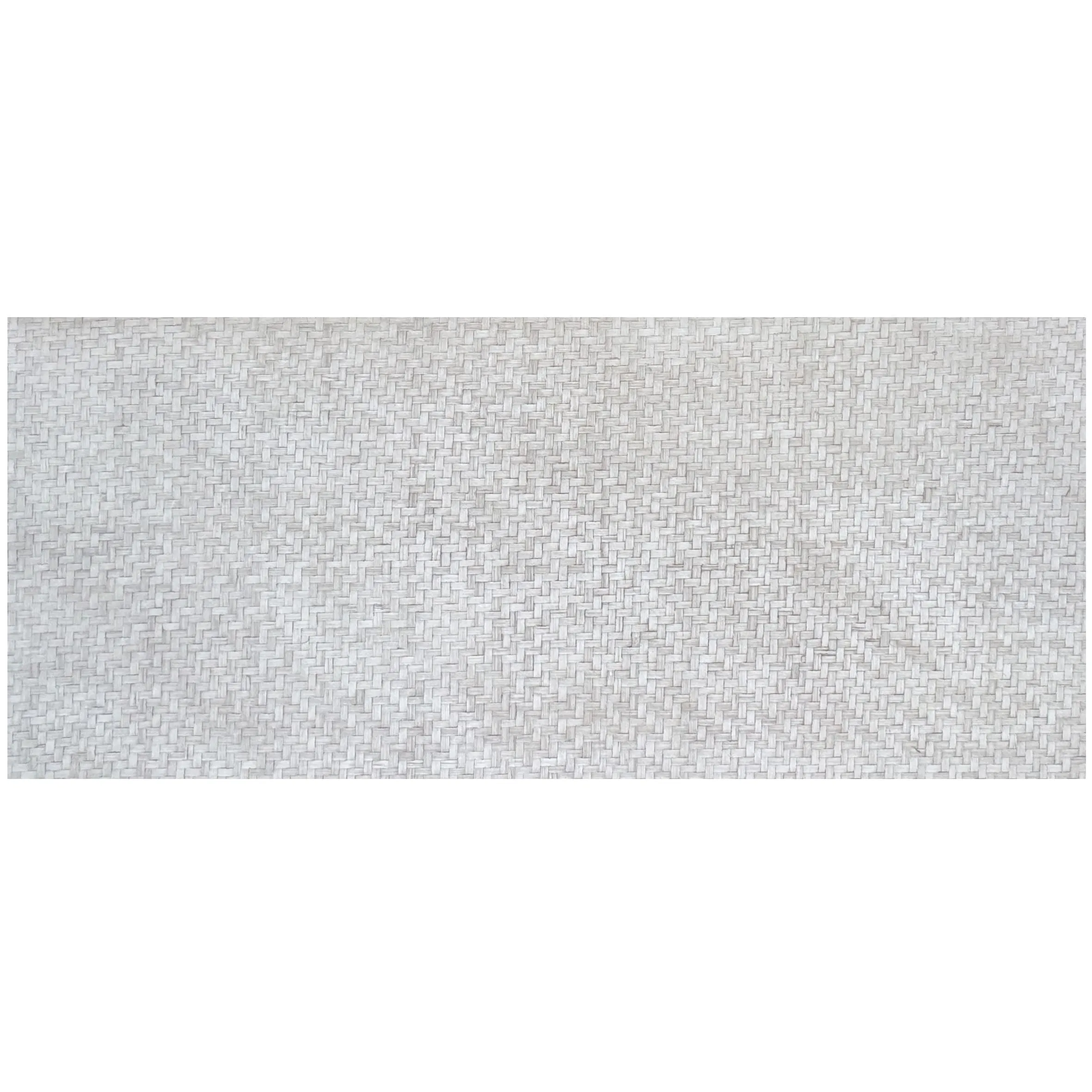
Beyond aesthetics, bamboo mat board's thickness ties into a larger conversation: sustainability. Bamboo itself is a fast-growing, renewable resource (maturing in 3-5 years, compared to 20+ for hardwoods), and MCM production minimizes waste by bonding bamboo fibers with recycled polymers. Thicker boards, while using more material, often reduce the need for additional support structures (like metal framing), cutting down on overall project emissions. Plus, their durability means fewer replacements over time—a 20mm exterior board, for example, might outlast three thinner boards in a harsh climate, reducing long-term environmental impact.
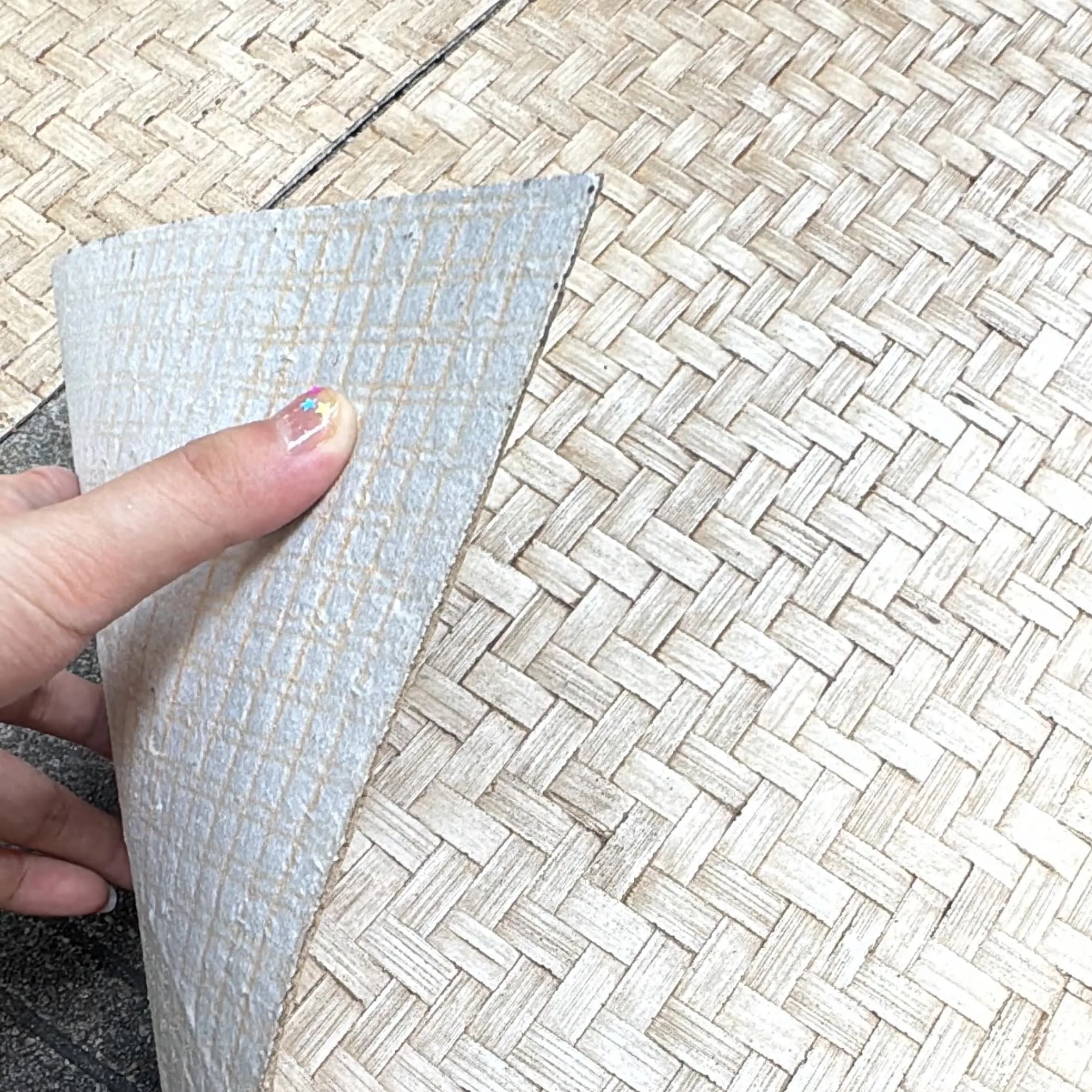
Bamboo mat board is more than a building material—it's a storyteller, weaving narratives of nature, craft, and resilience into the spaces we inhabit. And thickness? It's the voice that makes that story heard. Whether you're wrapping a 6mm board around a nursery wall to cradle little ones in warmth, or cladding a 20mm facade to stand tall against the elements, the right thickness ensures your design doesn't just exist—it endures. So the next time you reach for bamboo mat board, remember: it's not just about picking a number. It's about choosing how your space will feel, function, and live on.
Recommend Products












