
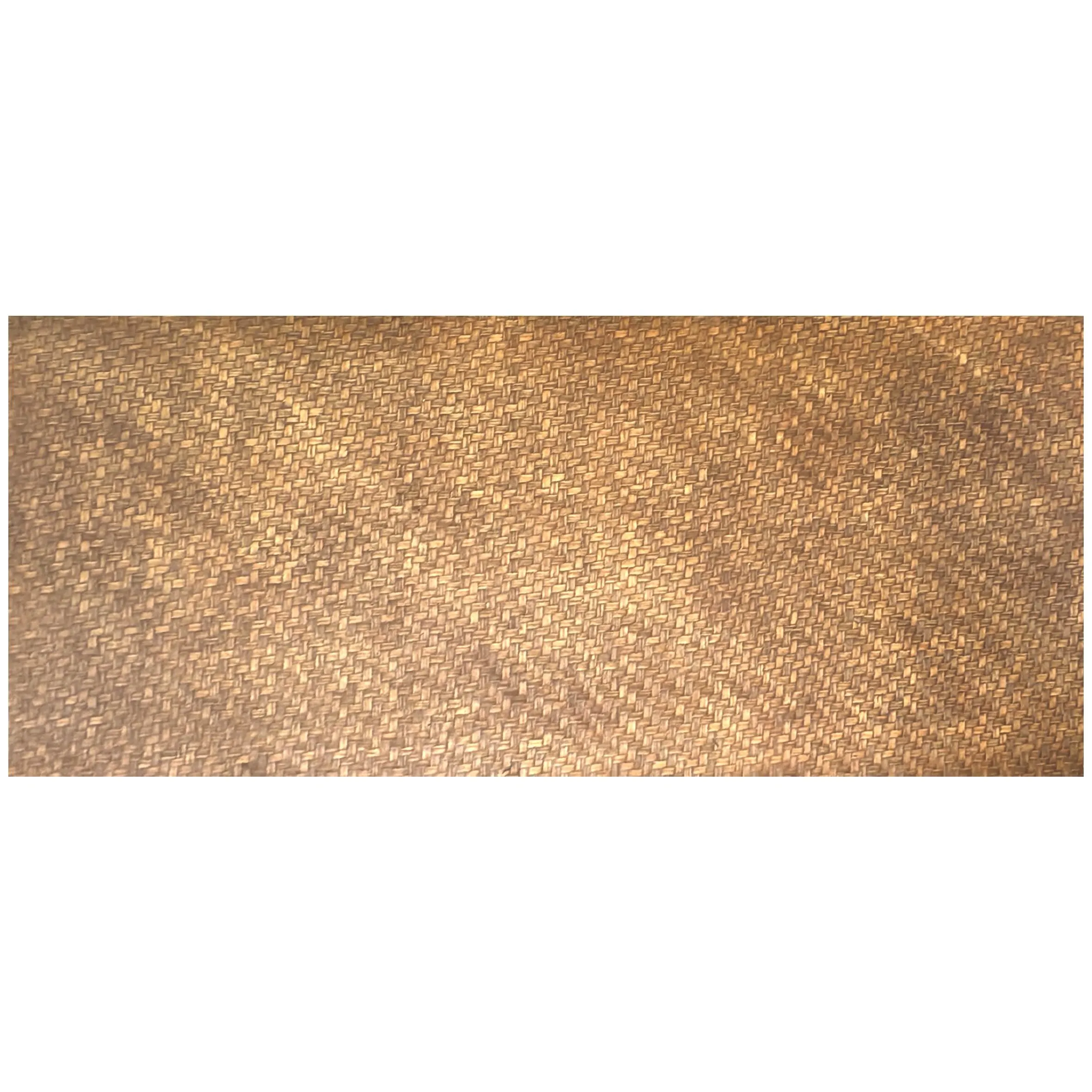
There's something magical about outdoor spaces—whether it's a sun-drenched patio where you sip morning coffee, a deck that hosts summer barbecues, or a building facade that greets visitors with warmth. But here's the catch: the sun, that same golden glow we love, can be a silent enemy. Over time, its ultraviolet (UV) rays fade colors, weaken materials, and turn once-vibrant surfaces into dull, weathered versions of themselves. If you've ever watched a wooden deck gray after a single summer or a natural stone patio lose its rich hues, you know the frustration. But what if there was a material that could stand up to the sun's relentless glare, keeping its color and charm for years? Enter Bamboo Mat Board—a modern building material that's quietly revolutionizing how we design sun-exposed spaces. In this article, we'll dive into what makes Bamboo Mat Board so UV-resistant, how it compares to other popular materials like wood grain board and travertine (beige), and why it might just be the solution you've been searching for.
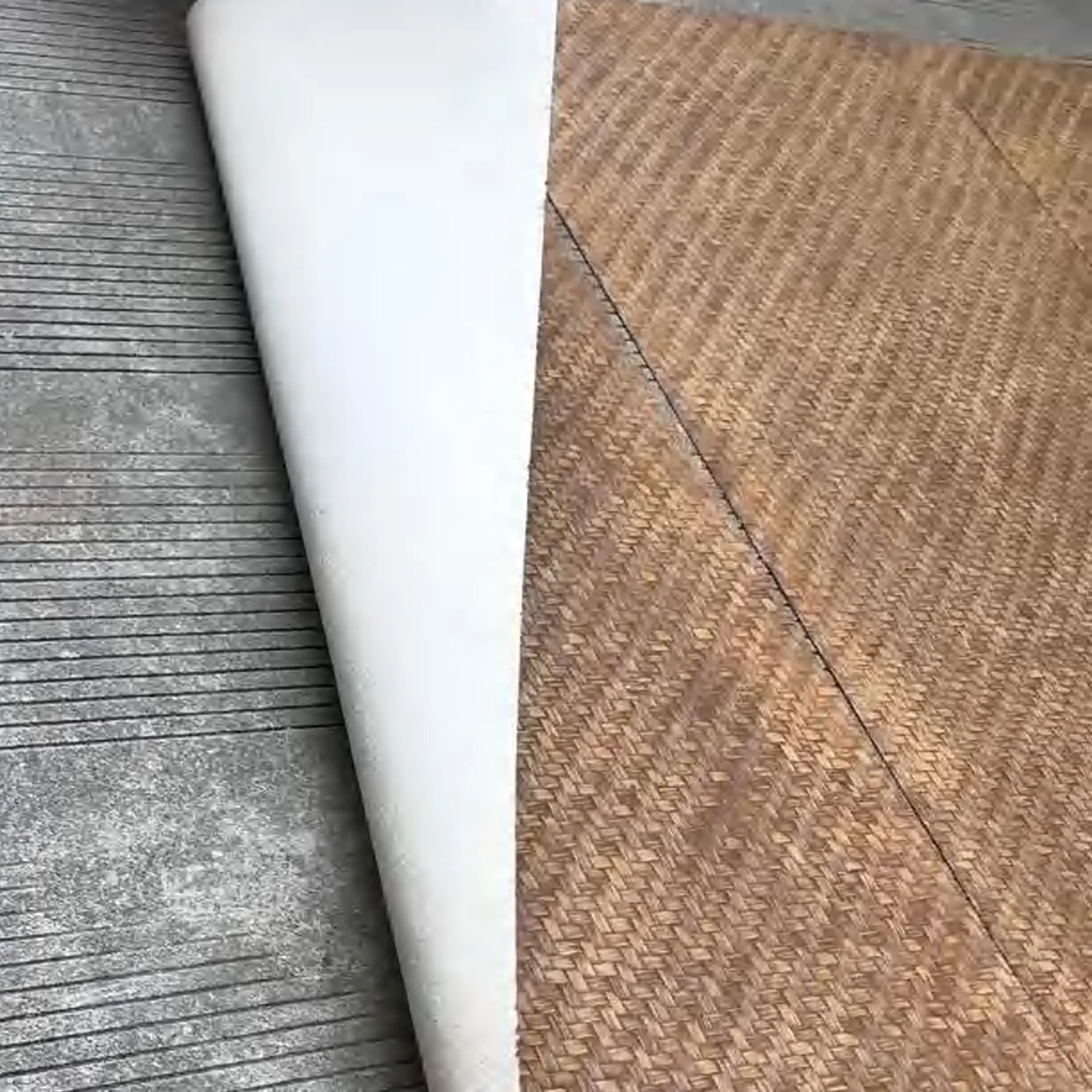
Before we get into the nitty-gritty of UV resistance, let's get to know Bamboo Mat Board. At first glance, it might remind you of woven bamboo mats, but don't let the name fool you—this isn't your grandmother's picnic blanket material. Bamboo Mat Board is part of a new generation of engineered building products, often grouped under the umbrella of Modified Composite Materials (MCM), which also includes innovations like MCM flexible stone. What sets it apart? It's crafted by combining bamboo fibers (sustainably sourced, of course) with high-performance polymers and additives, creating a material that's both lightweight and surprisingly tough.
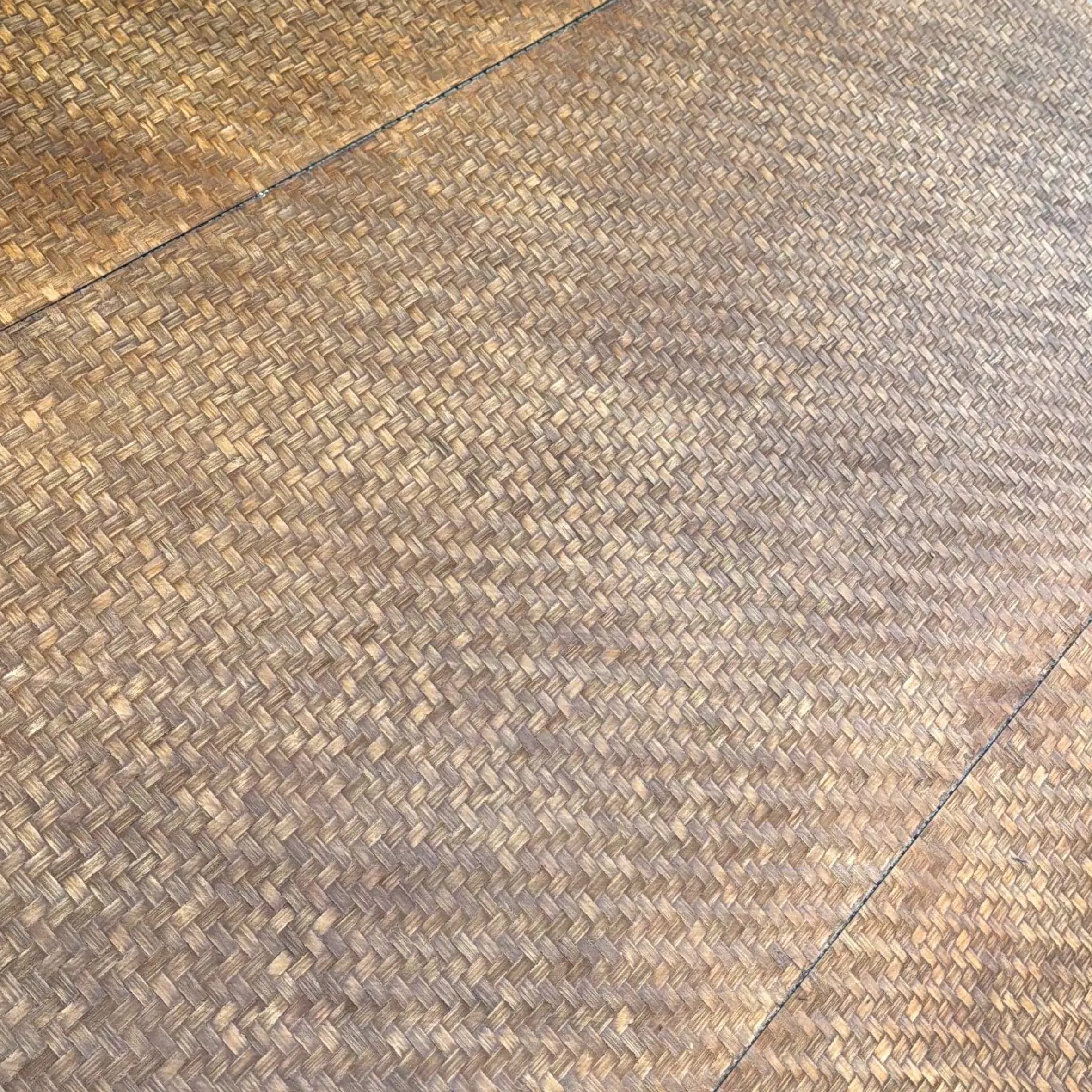
The result? A surface that mimics the organic texture and warm tones of natural bamboo, with the durability of modern composites. Unlike solid bamboo, which can warp or split in harsh weather, Bamboo Mat Board is designed to handle the elements. It's available in a range of finishes—from light, honeyed hues to deeper, richer tones—and its woven pattern adds visual interest that flat materials like fair-faced concrete just can't match. But the real star feature? Its ability to hold onto that color, even when baked by the sun day in and day out.
To understand why Bamboo Mat Board's UV resistance matters, let's break down what UV radiation actually does to building materials. The sun emits three types of UV rays: UVA, UVB, and UVC. UVC is mostly blocked by the ozone layer, but UVA and UVB penetrate through, and they're troublemakers. UVA rays are the "aging" rays—they break down the chemical bonds in materials, causing colors to fade and surfaces to become brittle. UVB rays are the "burning" rays—they're stronger, and they can degrade polymers, weaken fibers, and even cause structural damage over time.
Think of it like this: imagine leaving a favorite t-shirt out in the sun for months. The fabric fades, the colors bleed, and it starts to feel thin. Now apply that to your patio floor or exterior wall—materials that can't be tossed in the washing machine or replaced easily. Wood, for example, contains lignin, a compound that breaks down under UV light, leading to graying and cracking. Natural stones like travertine (beige) are porous; UV rays can fade their pigments, and the sun's heat can exacerbate staining from rain or debris. Even concrete, like fair-faced concrete, can develop a chalky surface over time as UV rays break down its top layer.
The problem isn't just aesthetics, either. Faded materials often become more fragile. A faded wooden board is more likely to splinter; a weathered stone tile might crack underfoot. So when we talk about "UV resistance," we're talking about more than just keeping things pretty—we're talking about longevity, safety, and getting the most out of your investment.
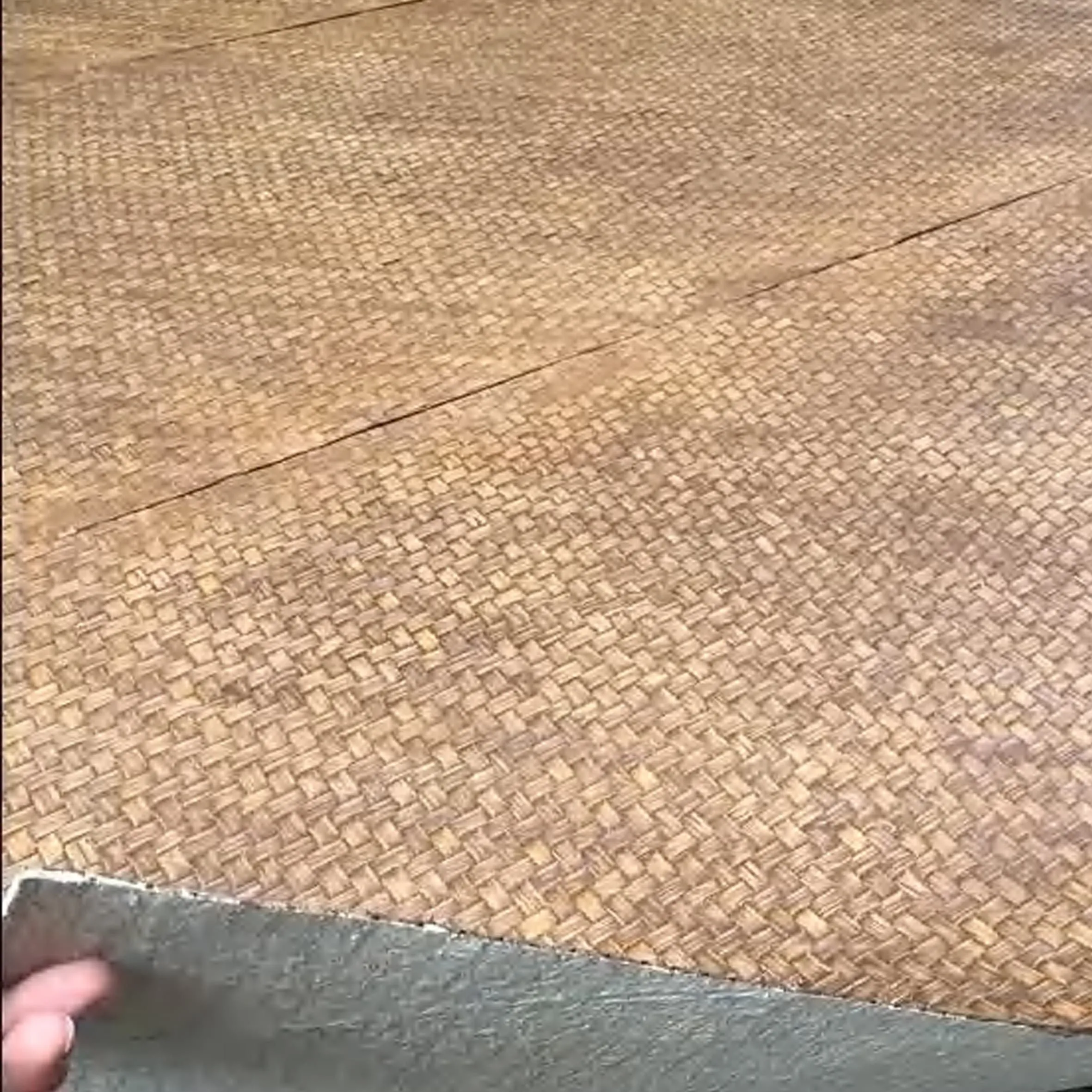
Bamboo Mat Board's UV resistance isn't an accident—it's engineered into the material from the start. Let's start with the base: bamboo fibers. Bamboo is naturally resilient; it grows quickly and contains silica, which gives it some inherent weather resistance. But on its own, it's still vulnerable to UV rays. That's where the composite part comes in. During manufacturing, the bamboo fibers are mixed with a polymer matrix—think of it as a protective "glue" that holds everything together. This matrix is infused with UV stabilizers and antioxidants, which act like a shield. UV stabilizers absorb or reflect UV rays, preventing them from breaking down the material's structure, while antioxidants neutralize free radicals (unstable molecules that cause degradation) caused by sun exposure.
But the protection doesn't stop there. Many Bamboo Mat Board products also undergo a surface treatment—like a clear, UV-resistant coating—that adds an extra layer of defense. This coating is designed to be transparent, so it doesn't dull the material's natural look, but tough enough to withstand years of sun, rain, and foot traffic. Unlike wood, which needs regular staining or sealing to maintain its color, Bamboo Mat Board's UV protection is built-in, meaning less maintenance for you.
To really put Bamboo Mat Board to the test, let's consider a scenario: two identical outdoor patios in a sunny climate, one surfaced with Bamboo Mat Board and the other with wood grain board (a popular alternative). After two years of constant sun exposure, what would we see? The wood grain board, even with initial staining, would likely have faded significantly—its warm browns turning to a washed-out gray, with visible signs of cracking or warping. The Bamboo Mat Board, on the other hand, would still retain most of its original color. The woven texture might show a bit of wear, but the hue would stay true, and the material itself would remain strong and stable.
Why the difference? Wood grain board, even engineered wood, is still organic at its core. Its pigments fade as lignin breaks down, and its fibers weaken over time. Bamboo Mat Board, with its synthetic-polymer backbone and UV additives, doesn't have the same vulnerabilities. It's designed to stand up to the kind of prolonged sun exposure that would leave other materials looking tired.
Curious how Bamboo Mat Board stacks up against other common outdoor materials? Let's compare it to three popular options: wood grain board (a go-to for its natural look), travertine (beige) (a classic natural stone), and fair-faced concrete (a sleek, industrial choice). We'll focus on UV resistance, color retention, durability, and maintenance—key factors for sun-exposed areas.
| Material | UV Resistance | Color Retention (5-Year Estimate) | Durability in Sun/Weather | Maintenance Needs |
|---|---|---|---|---|
| Bamboo Mat Board | Excellent (UV stabilizers + protective coating) | 90-95% retention | High (resists warping, cracking, fading) | Low (occasional cleaning with soap and water) |
| Wood Grain Board | Moderate (needs regular staining/sealing) | 50-60% retention (without annual treatment) | Moderate (prone to warping, splintering, rot) | High (annual staining, sealing, and repairs) |
| Travertine (Beige) | Moderate-Poor (porous; pigments fade over time) | 60-70% retention (with sealing) | High (hard, but porous—prone to staining) | Moderate-High (seal every 1-2 years; stain removal) |
| Fair-Faced Concrete | Moderate (can develop chalky surface) | 75-80% retention (natural color fades slightly) | Very High (durable, but prone to cracking in freeze-thaw) | Low (occasional cleaning; sealing optional) |
As the table shows, Bamboo Mat Board outperforms wood grain board and travertine (beige) in UV resistance and color retention, and it matches fair-faced concrete's low maintenance while offering a warmer, more organic look. Fair-faced concrete is durable, but it lacks the texture and warmth of Bamboo Mat Board—plus, its color can still chalk or fade slightly over time. Travertine (beige) is beautiful, but its porosity means it needs regular sealing to fight UV damage and staining. And wood grain board? It requires so much upkeep that many homeowners find themselves replacing it sooner than expected.
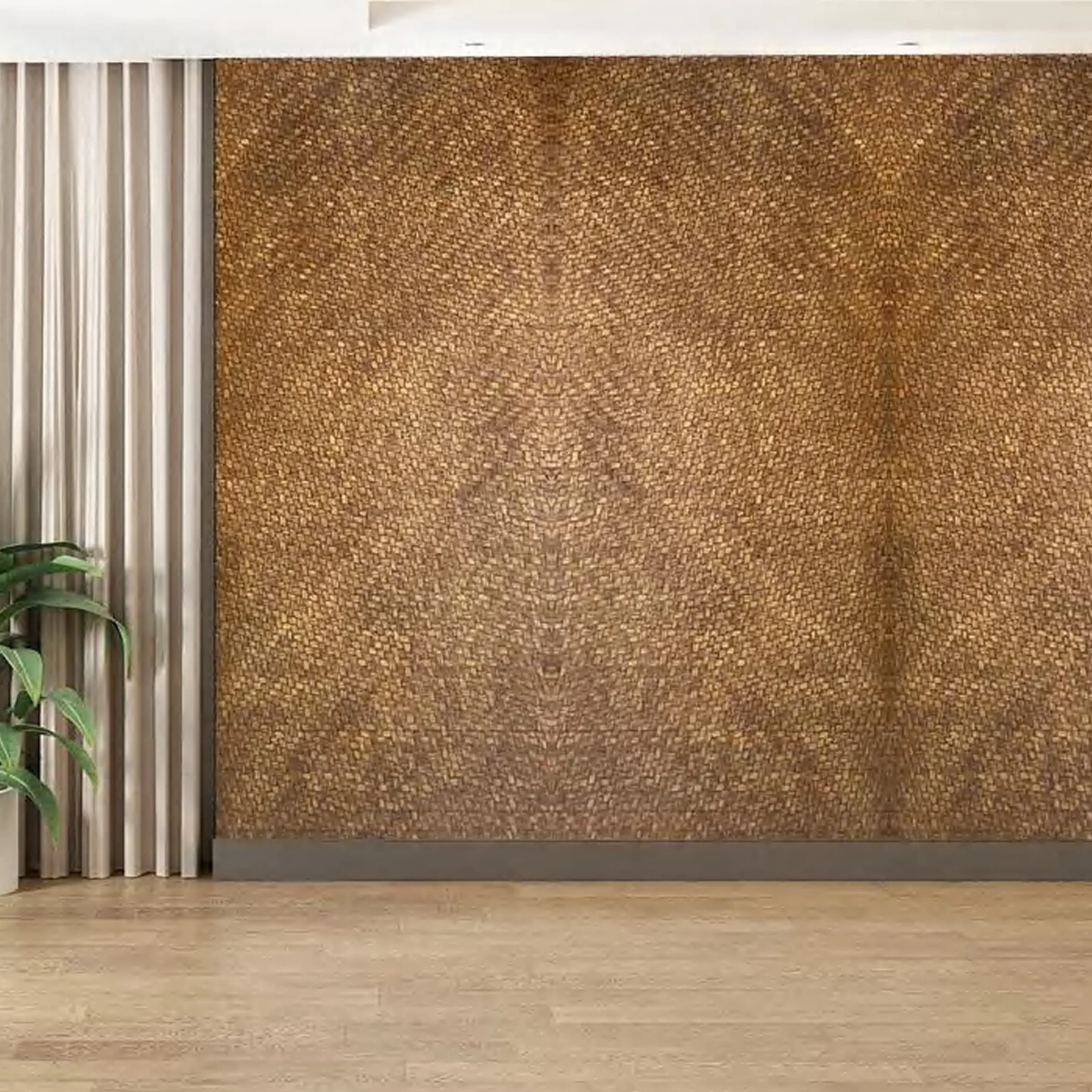
Bamboo Mat Board isn't just for patios—its UV resistance and durability make it versatile for a range of sun-exposed applications. Here are a few places where it really shines:
Imagine stepping onto your patio on a hot summer day, and instead of squinting at faded, cracked wood, you're greeted by rich, warm tones that look just as good as the day they were installed. Bamboo Mat Board's slip-resistant surface (thanks to its woven texture) makes it ideal for pool decks, too—no more worrying about slippery surfaces after a rainstorm, and no fading from the sun reflecting off the water.
Buildings with south-facing or west-facing walls take the brunt of the sun's rays. Traditional materials like wood or even some stones can fade dramatically, making the building look dated. Bamboo Mat Board cladding adds texture and color that stays vibrant, boosting curb appeal for years. It's lightweight, too, which means easier installation compared to heavy stone or concrete.
Sun-exposed garden paths often suffer from fading and wear, especially in high-traffic areas. Bamboo Mat Board's durability holds up to foot traffic, and its natural look blends seamlessly with greenery. Plus, unlike gravel or loose stone, it won't shift or wash away in the rain.
From benches to planter boxes to pergola covers, Bamboo Mat Board can be used to create outdoor furniture that stands up to the sun. Imagine a pergola with Bamboo Mat Board slats—they'll provide shade without fading, and they won't rot or warp like wood.
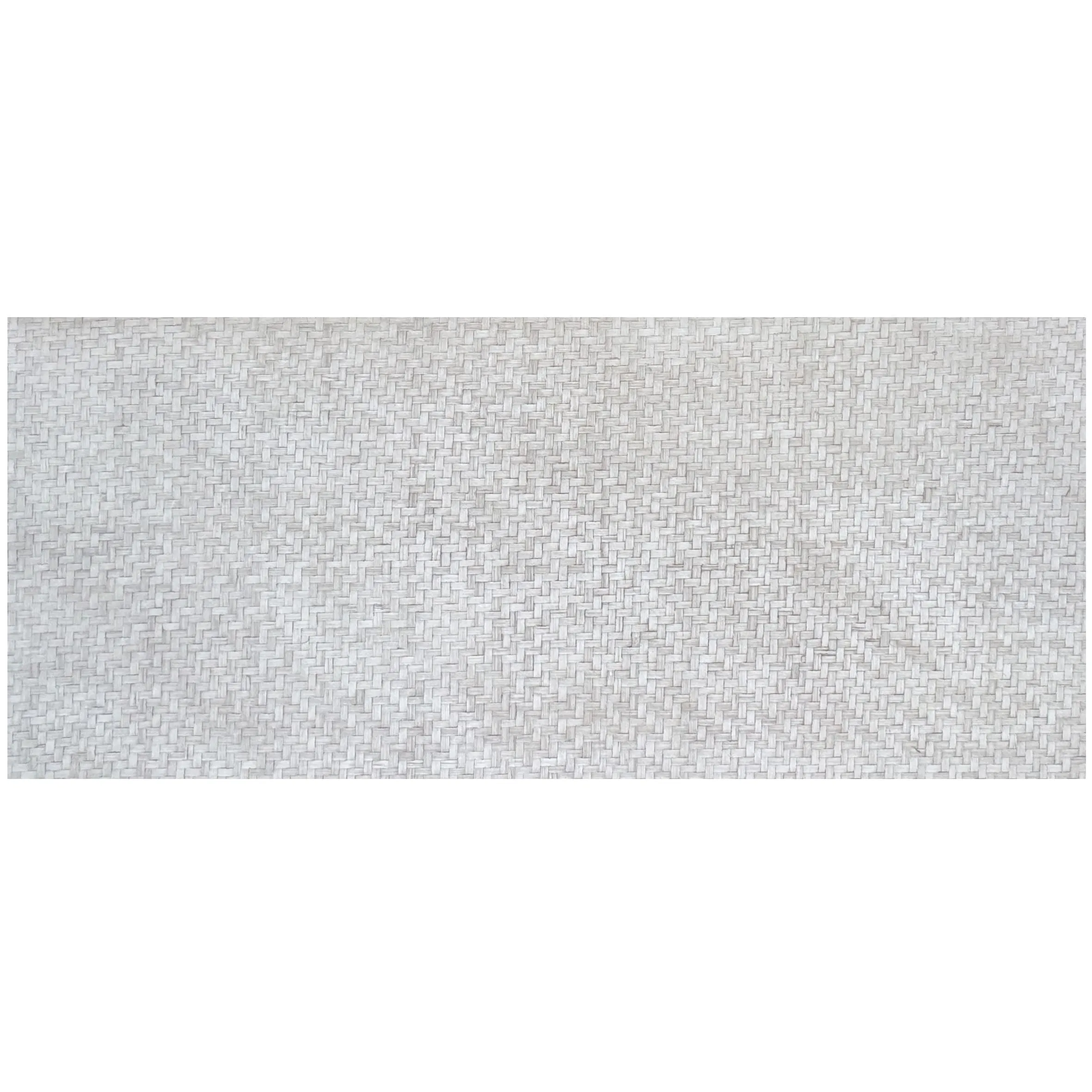
Installing Bamboo Mat Board is relatively straightforward, but a few tips can ensure it performs at its best in sunny spots. First, make sure the surface underneath is level and well-drained—standing water can damage any material, even a durable one. If you're installing it over a wooden subfloor (like a deck), use stainless steel screws to prevent rust, which can stain the board. Leave a small gap between boards (about 1/8 inch) to allow for expansion in heat—Bamboo Mat Board does expand slightly, but less than wood, so the gaps don't need to be huge.
For wall cladding, use a rainscreen system if possible—this creates a gap between the board and the wall, allowing air to circulate and preventing moisture buildup (which can happen in humid, sunny climates). And always follow the manufacturer's guidelines for fastening and spacing—they've tested the material to find the sweet spot for durability.
One of the best things about Bamboo Mat Board is how little maintenance it needs. Unlike wood, which requires annual staining, or travertine (beige), which needs sealing, Bamboo Mat Board just needs the occasional cleaning. Here's how to keep it looking new:
That's it. No sanding, no staining, no sealing—just simple care that fits into a busy schedule.
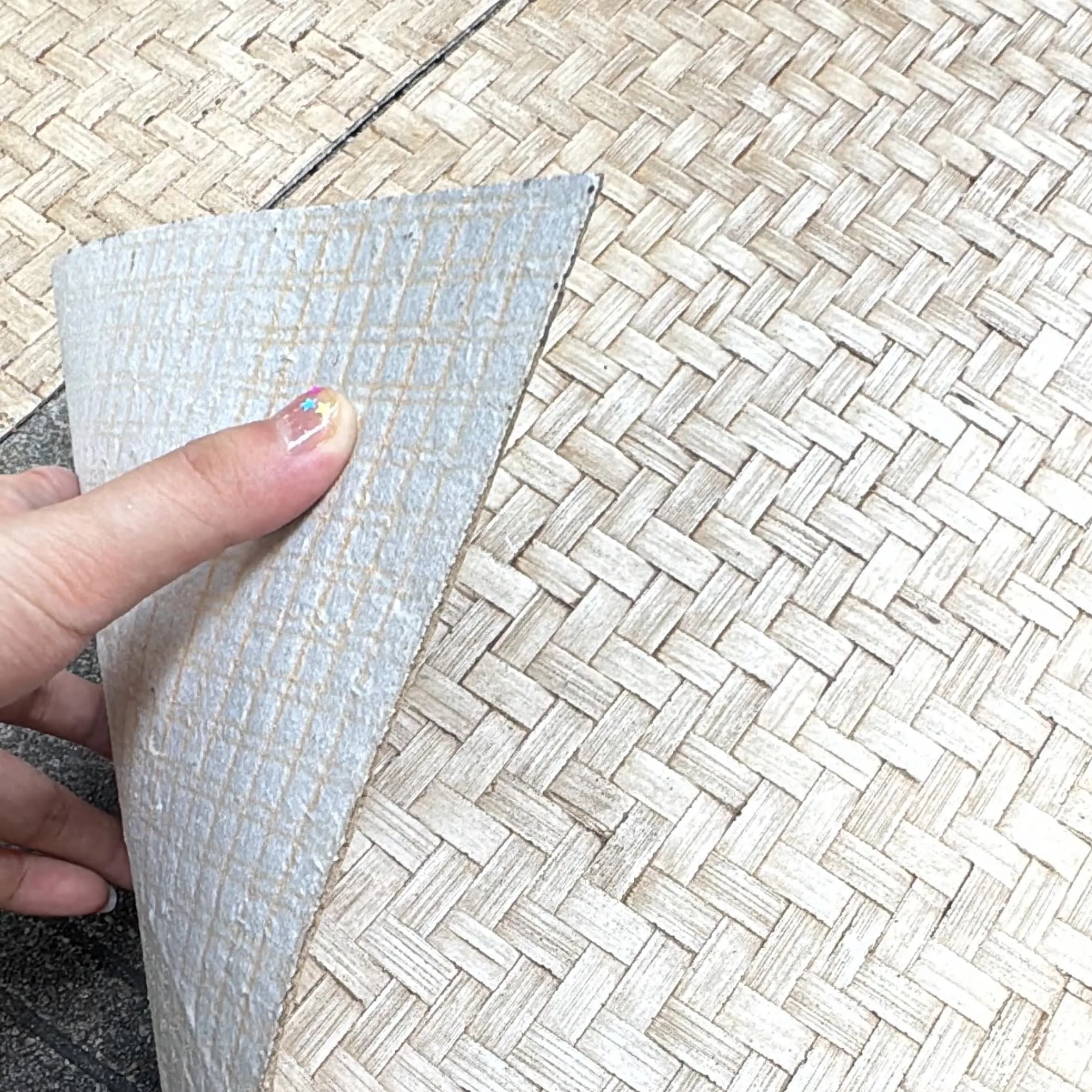
To bring this to life, let's look at a hypothetical (but realistic) example. Meet Maria, a homeowner in Arizona, where summer temperatures regularly hit 100°F and the sun blazes for 12+ hours a day. A few years ago, she replaced her faded wooden deck with Bamboo Mat Board. "I was tired of restaining the wood every year—it took a weekend, and it still faded by the end of summer," she says. "Now, two years later, the deck looks exactly the same as the day it was installed. The color hasn't changed, and it's still smooth underfoot. I even host pool parties, and the water and sun haven't done a thing to it. Best home improvement I've ever made."
Or consider a restaurant in Miami with a rooftop patio. The owners wanted a material that could handle the intense sun and occasional rain, while still looking inviting. They chose Bamboo Mat Board for the flooring and accent walls. "Our customers comment on how fresh the patio looks, even after a year of Florida sun," says the manager. "We clean it once a week with a hose, and that's it. No more closing the patio for maintenance—we're saving time and money, and our guests love the vibe."
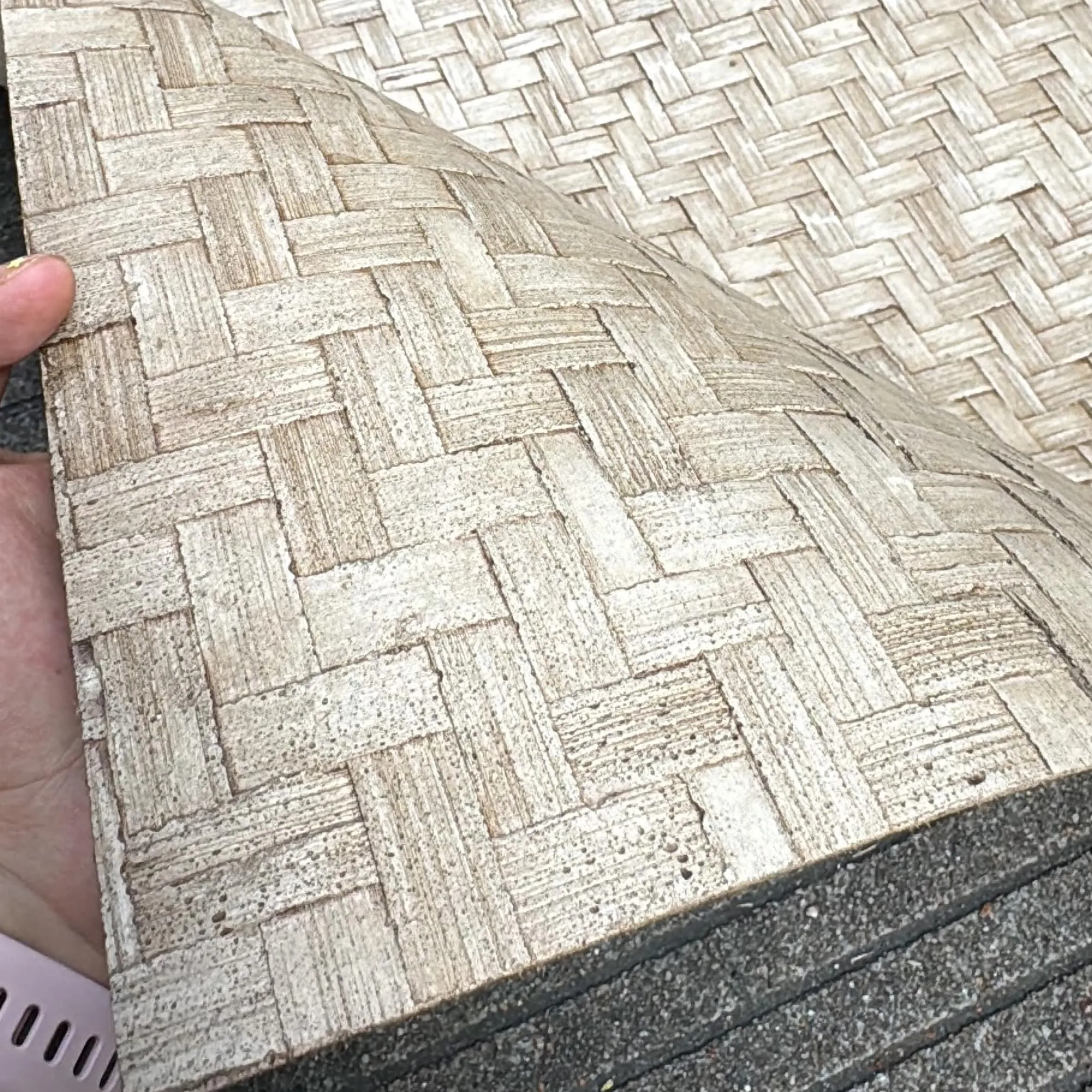
At the end of the day, choosing materials for sun-exposed areas is about balance: you want something that looks good, lasts long, and doesn't require constant upkeep. Bamboo Mat Board checks all those boxes. Its UV resistance means it holds onto its color, even in the harshest sunlight. Its composite construction makes it durable and low-maintenance. And its warm, woven texture adds a touch of nature to any space—something that cold concrete or faded wood just can't match.
Whether you're building a new patio, updating your home's exterior, or designing a commercial space, Bamboo Mat Board offers a solution that's both practical and beautiful. It's a material that works with the sun, not against it—so you can spend less time maintaining your outdoor areas and more time enjoying them.
So the next time you're dreaming of a sun-exposed space that stays vibrant year after year, remember: Bamboo Mat Board isn't just a material—it's a way to keep the sun's beauty without the damage. And that? That's something worth investing in.
Recommend Products












