
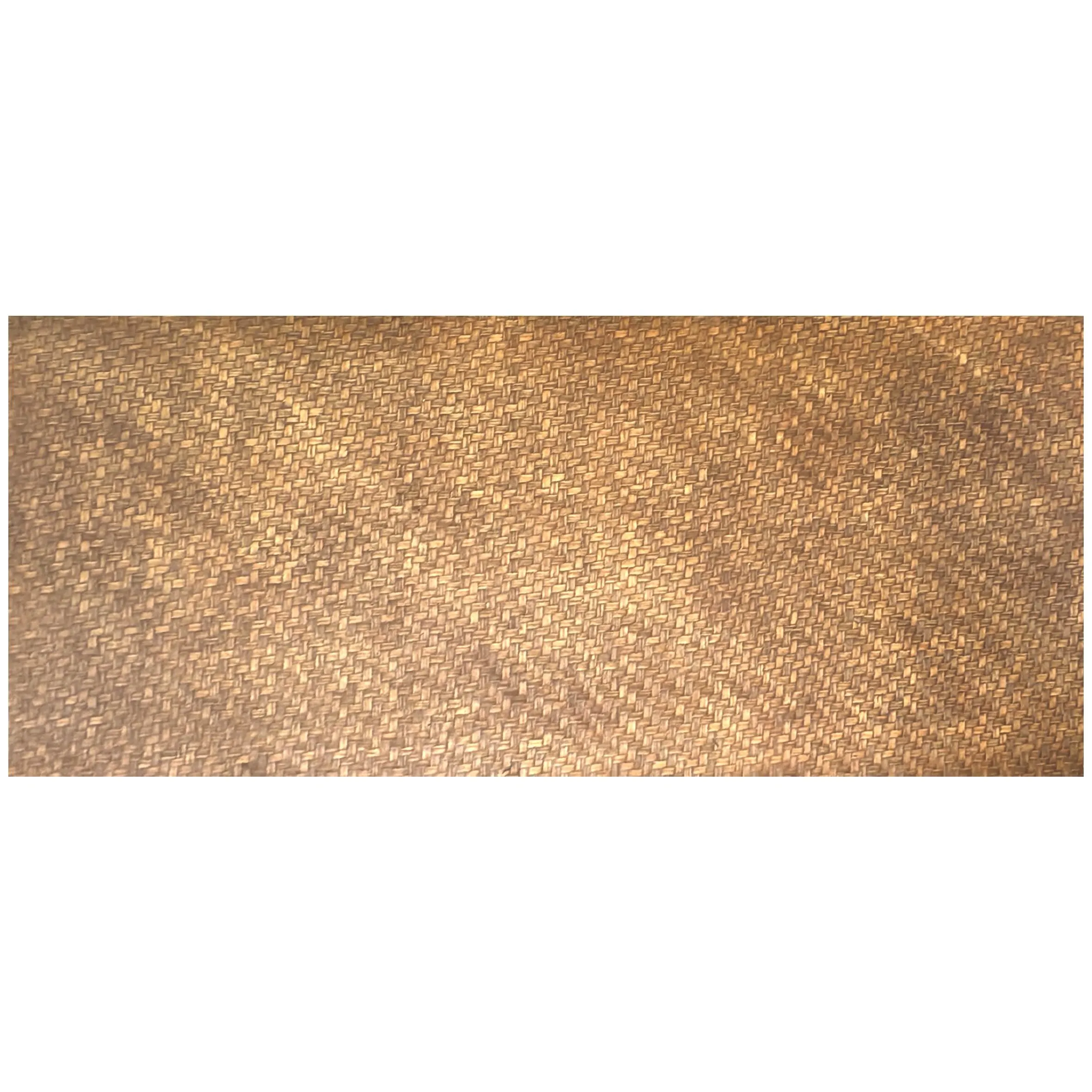
Exploring how two popular building materials stack up in the quest for creative freedom
Walk into any thoughtfully designed space—a boutique hotel lobby, a cozy café, or a modern home—and you'll notice something immediately: the materials don't just fill the room; they shape it. They set the mood, guide the eye, and even influence how we feel. In today's design landscape, where architects and homeowners alike crave spaces that are both unique and functional, "design flexibility" has become the holy grail. Can a material adapt to curved walls? Can it mimic the texture of aged wood one day and the sleekness of stone the next? Can it be customized to fit a vision, not just a blueprint?
Two materials often find themselves at the center of this debate: Bamboo Mat Board and Ceramic Tiles . One is a rising star, celebrated for its natural roots and adaptability; the other is a tried-and-true staple, prized for its durability and variety. But when it comes to design flexibility—the ability to bend, transform, and elevate a space beyond the ordinary—which one truly delivers?
Let's dive in. We'll explore what makes each material tick, how they perform in real-world design scenarios, and ultimately, which one gives creators the freedom to turn bold ideas into tangible, beautiful spaces.
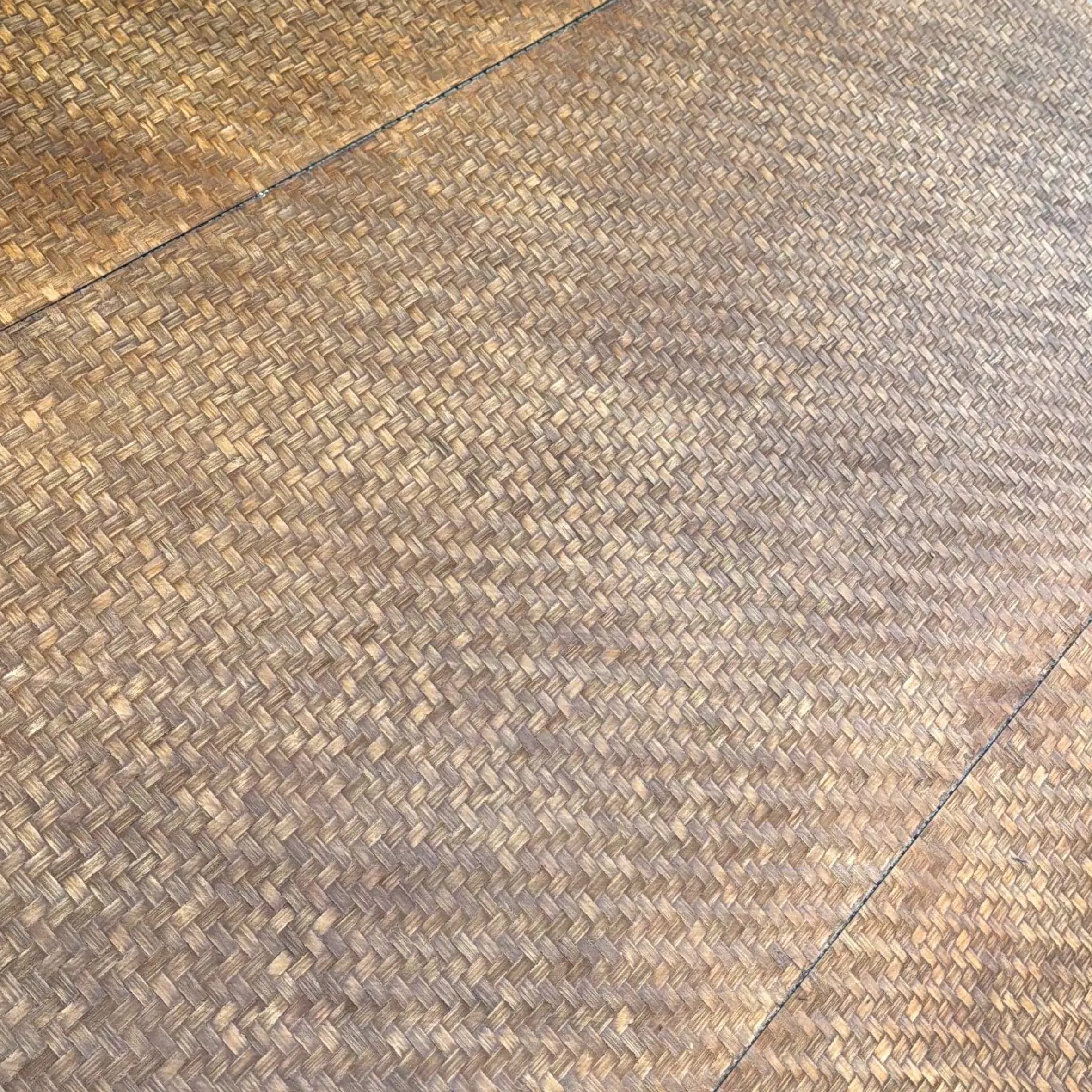
If building materials had personalities, Bamboo Mat Board would be the free-spirited artist of the bunch. Born from one of the fastest-growing plants on Earth, it's a material with deep roots in sustainability and a knack for bringing warmth to any space. But what exactly is it?
Bamboo Mat Board is crafted by weaving thin strips of bamboo into mats, then compressing and bonding them with eco-friendly adhesives. The result? A sheet material that's surprisingly strong, yet flexible enough to bend without breaking. Unlike synthetic alternatives, it carries the natural variations of bamboo—subtle knots, grain patterns, and color shifts that make every board one-of-a-kind. It's not just a surface; it's a piece of nature, polished into a functional form.
What sets it apart? For starters, its texture. Run your hand over it, and you'll feel the gentle ridges of the woven bamboo strips—a tactile experience that printed materials can rarely replicate. Then there's its adaptability. Think of it as the yoga instructor of building materials: it can stretch, curve, and conform to shapes that would leave rigid materials like concrete or stone scratching their heads. And let's not forget sustainability: bamboo matures in 3–5 years (compared to decades for hardwoods), making it a renewable choice for eco-conscious designers.
Ceramic tiles, on the other hand, are the seasoned professionals of the design world. They've been around for millennia—think ancient Roman baths or Moroccan zellige tiles—and for good reason. Made from clay, sand, and water, fired at high temperatures, they're tough, water-resistant, and endlessly versatile. Over the years, they've evolved from simple, monochromatic squares to high-tech wonders that can mimic marble, wood, even travertine (starry green) with stunning precision.
Modern ceramic tiles come in two main flavors: glazed and unglazed. Glazed tiles have a protective layer that adds color, pattern, and shine, while unglazed tiles (like quarry tiles) are denser and more slip-resistant. Thanks to digital printing technology, today's tiles can replicate almost any texture—from the rough-hewn look of fair-faced concrete to the intricate grain of wood grain board . Walk into a tile showroom, and you'll find options that look like aged leather, cracked earth, or even starry night skies (hello, travertine starry green ).
But for all their variety, ceramic tiles have a Achilles' heel: rigidity. Traditional tiles are fired to be hard and durable, which means they're not great at bending. Install them on a flat wall or floor? Perfect. Try to wrap them around a curved column or a vaulted ceiling? You're in for a tricky, often expensive, puzzle of cutting, grouting, and hoping for the best.
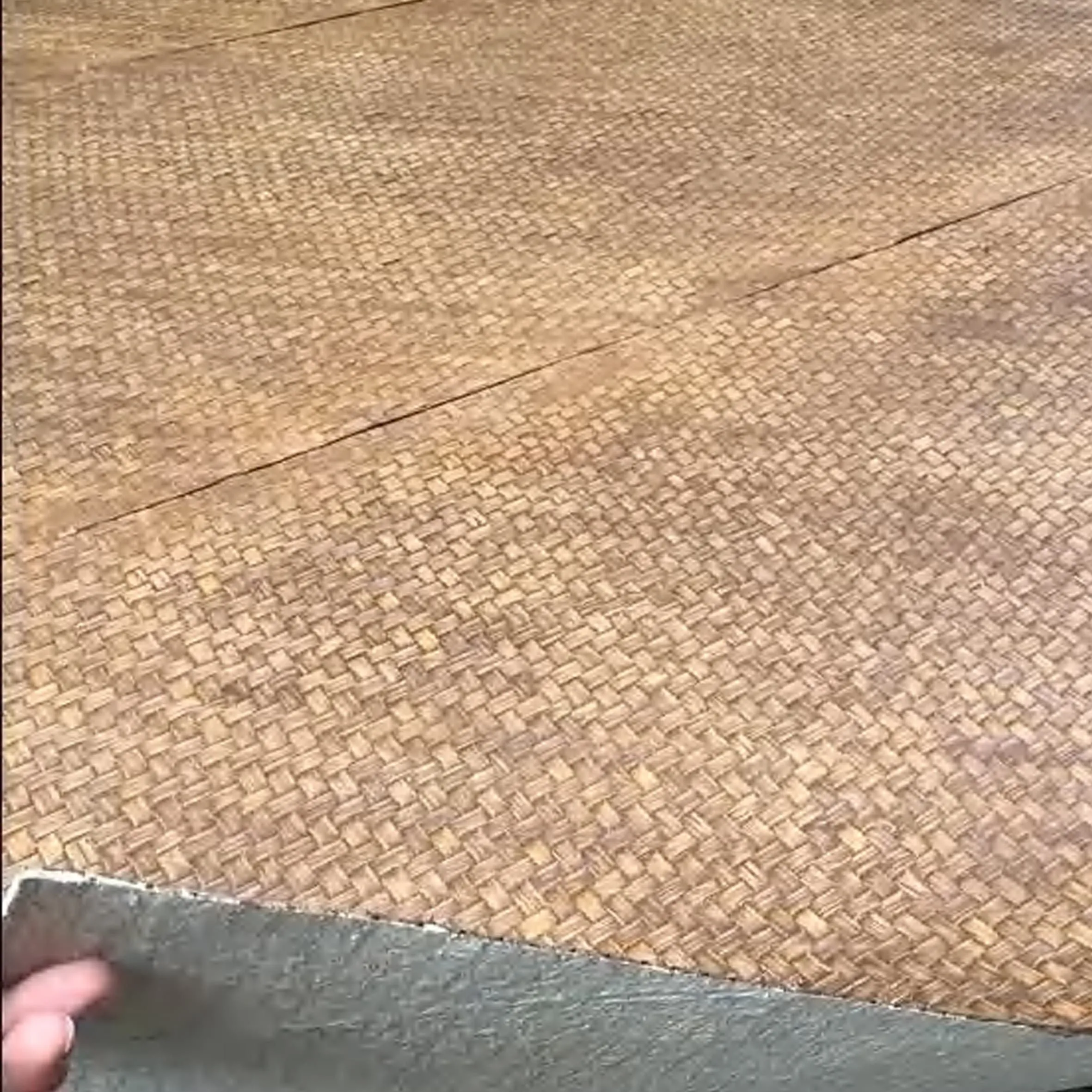
Design flexibility isn't just about looking pretty—it's about solving problems, embracing creativity, and making a space feel intentional. Let's break down how Bamboo Mat Board and Ceramic Tiles stack up in six critical areas that matter most to designers and homeowners.
Texture is the unsung hero of design. It's what makes a room feel cozy instead of sterile, inviting instead of cold. When it comes to texture, Bamboo Mat Board and Ceramic Tiles take very different approaches—and the results speak for themselves.
Bamboo Mat Board: Here's the thing about natural materials: they don't just look textured—they are textured. Every bamboo strip has its own slight thickness, every weave has tiny gaps that catch light and shadow. Run your fingers over a Bamboo Mat Board accent wall, and you'll feel the subtle bumps and ridges of the woven mats. It's a sensory experience that digital printing can't replicate. Even better, because bamboo grows in the wild, each board has unique variations in color and grain—no two are exactly alike. This "imperfection" is what gives spaces character, making them feel lived-in and authentic.
Ceramic Tiles: Ceramic tiles are texture chameleons, but they're often playing a role. Thanks to advanced printing and embossing techniques, they can mimic the look of rough travertine (starry green) , smooth fair-faced concrete , or even the knotted grain of wood grain board . Some high-end tiles even have 3D embossing that adds depth, like the pitted surface of natural stone. But here's the catch: that texture is usually only skin-deep. A tile that looks like rough-hewn wood might feel surprisingly smooth to the touch, because the "grain" is just a printed pattern on a glazed surface. It's convincing from a distance, but up close, it lacks the tactile warmth of a material like Bamboo Mat Board.
Winner: Bamboo Mat Board. Its natural, tactile texture creates a deeper, more authentic connection with the space.
Great design is personal. It's about creating a space that reflects your style, not just a trend. How easy is it to customize each material to fit your vision?
Bamboo Mat Board: Think of Bamboo Mat Board as a blank canvas—one that's easy to paint on. Because it's made from woven, bonded strips, it can be cut into almost any shape with basic tools (a saw, a utility knife). Want a circular accent piece for your ceiling? No problem. Need irregularly shaped panels for a feature wall that follows the curve of your staircase? Just measure, cut, and install. Some manufacturers even offer custom staining or painting, so you can match it to your existing decor—whether that's a warm honey tone or a bold charcoal gray.
But the real magic is in size customization. Bamboo Mat Board comes in large sheets (often 4x8 feet or more), which means fewer seams and a more seamless look. If you need a smaller piece, you can trim it down without worrying about weakening the material. Compare that to ceramic tiles, which are typically sold in fixed sizes (12x12 inches, 18x18 inches, etc.). Want a tile that's 17x23 inches? You'll likely have to order custom, which is pricey and time-consuming.
Ceramic Tiles: Ceramic tiles excel at pattern customization. With digital printing, you can order tiles with custom images, logos, or even family photos (though we'd advise against that last one for resale value). You can also mix and match colors and sizes to create mosaics or geometric designs. But when it comes to shape and size, options are limited. Most tiles are square or rectangular, and while some manufacturers offer hexagonal or subway tiles, anything more complex (think organic shapes or curved edges) requires special cutting—often done on-site with a wet saw, which can lead to chipping or uneven edges.
Winner: Bamboo Mat Board. Its flexibility in shape, size, and on-site customization makes it easier to bring unique visions to life.
A material can look amazing in a showroom, but if it's a nightmare to install, it's not worth the hassle. Let's talk about how these two materials handle real-world installation challenges—especially when the wall isn't flat.
Bamboo Mat Board: If installation had a "most likely to succeed" award, Bamboo Mat Board would win it. Thanks to its flexibility (remember, it's made from woven bamboo strips), it can conform to surfaces that would make ceramic tiles cry. Want to wrap it around a curved fireplace surround? Just apply a flexible adhesive, and the board will bend gently to the shape. Installing it on a wall with minor imperfections (like a slightly bowed stud)? No problem—the board's give will hide small gaps without cracking.
Installation is also quick. Unlike ceramic tiles, which require a perfectly flat, level surface (otherwise, they'll crack or pop loose), Bamboo Mat Board can be applied directly to drywall, plywood, or even existing paneling with screws or adhesive. No need for a thick layer of mortar or hours of grouting. For DIYers, this is a game-changer: you can transform a room in a weekend instead of a week.
Ceramic Tiles: Ceramic tile installation is a precision sport. The substrate (the surface you're tiling) needs to be flat, level, and stable—any movement or unevenness will cause tiles to crack over time. Installing tiles on a curved surface? You'll need to cut the tiles into small, wedge-shaped pieces, then grout them together. The result? A bumpy, grout-heavy surface that looks more like a puzzle than a seamless design. Even on flat walls, tiles require careful spacing (to allow for expansion) and precise cutting around outlets, windows, or fixtures—mistakes here show up as unsightly gaps or uneven edges.
And let's not forget grout. Grout lines are necessary to absorb movement and prevent cracking, but they can also break up the visual flow of a design. A wall covered in large-format Bamboo Mat Board has minimal seams, creating a clean, uninterrupted look—something ceramic tiles (with their grout lines) can rarely match.
Winner: Bamboo Mat Board. Its flexibility and ease of installation make it adaptable to almost any surface or space.
Design flexibility doesn't mean sacrificing durability. A material that looks great today but falls apart in a year isn't flexible—it's just temporary. So how do our contenders hold up over time?
Bamboo Mat Board: Bamboo is naturally strong—its tensile strength is comparable to steel, believe it or not. When compressed into boards, it becomes even sturdier, resistant to dents, scratches, and warping. Most Bamboo Mat Boards are also treated with sealants to repel moisture, making them suitable for indoor use in kitchens or bathrooms (though we'd still avoid direct water exposure, like a shower wall). Over time, bamboo ages gracefully: it develops a warm patina, with the grain becoming more pronounced. Think of it like a leather couch—it looks better with a little wear.
That said, Bamboo Mat Board isn't indestructible. It's not ideal for high-traffic floors (save that for ceramic tiles) or outdoor spaces with extreme weather (rain, snow, harsh UV rays can cause fading or warping). But for walls, ceilings, or low-traffic floors (like a bedroom), it's more than durable enough.
Ceramic Tiles: Ceramic tiles are the tanks of the building world. They're water-resistant, scratch-resistant, and fireproof—hence why they're a staple in kitchens, bathrooms, and commercial spaces. A well-installed ceramic tile floor can last 50 years or more, with only minor wear. Glazed tiles are especially tough: the protective layer resists stains, so even a spilled glass of red wine can be wiped up without a trace.
But here's the flip side: when ceramic tiles do break, they're hard to fix. A cracked tile can't be repaired—you have to remove it, scrape out the old mortar, and install a new one. If the tile is discontinued (which happens often with trendy designs), you might end up with a patch that doesn't match. And while the tiles themselves are durable, the grout between them isn't. Grout can stain, crack, or mildew over time, requiring regular sealing and maintenance.
Winner: It's a tie. Ceramic tiles win for high-traffic, high-moisture areas, but Bamboo Mat Board holds its own in low-traffic, indoor spaces and ages more gracefully.
These days, design flexibility isn't just about aesthetics—it's about ethics. More and more homeowners and designers are asking: "Is this material kind to the planet?"
Bamboo Mat Board: Bamboo is a sustainability rockstar. It's a grass, not a tree, so it grows back quickly—3–5 years for maturity, compared to 20–30 years for hardwoods. It also requires minimal water and no pesticides to thrive, and its root system prevents soil erosion. When harvested, bamboo doesn't need to be replanted—the same plant regrows from the roots, making it a renewable resource.
Most Bamboo Mat Boards are made with eco-friendly adhesives (look for formaldehyde-free options) and require less energy to produce than ceramic tiles. They're also lightweight, which reduces transportation emissions. And at the end of their life, bamboo is biodegradable—unlike synthetic materials that sit in landfills for centuries.
Ceramic Tiles: Ceramic tiles have a more complicated sustainability story. On the plus side, they're made from abundant materials (clay, sand) and are incredibly durable, which means less frequent replacement. On the downside, producing ceramic tiles is energy-intensive: firing them in kilns at temperatures over 1,000°C releases significant CO2. Mining clay and sand can also disrupt ecosystems, and the glazes on some tiles contain heavy metals that are harmful if not disposed of properly.
That said, there are greener options. Some manufacturers use recycled materials in their tiles, and others have switched to renewable energy for kilns. But overall, ceramic tiles have a higher carbon footprint than Bamboo Mat Board.
Winner: Bamboo Mat Board. Its renewable sourcing and low environmental impact make it the more sustainable choice.
Design flexibility isn't just about what a material does —it's about what it says . Can it fit into a cozy cabin, a sleek penthouse, and everything in between?
Bamboo Mat Board: Bamboo Mat Board is a chameleon in the best way. Its natural texture plays well with almost any style. In a rustic space, it adds warmth and earthiness, pairing beautifully with stone fireplaces and leather furniture. In a modern home, it softens sharp edges, balancing the coldness of steel and glass. Stain it black, and it becomes edgy and industrial; leave it natural, and it feels serene and Scandinavian.
One of its best tricks? It complements other materials. Pair it with fair-faced concrete for an industrial-bohemian vibe, or with wood grain board for a layered, natural look. It's not just a star on its own—it makes the other materials around it shine, too.
Ceramic Tiles: Ceramic tiles are also versatile, but their aesthetic range is more about imitation than integration . Want a Mediterranean villa feel? Go for terracotta tiles. Craving a minimalist look? Opt for large-format fair-faced concrete -look tiles. Love the warmth of wood? There's a wood grain board tile for that. The downside? Because they're imitating other materials, they can sometimes feel less authentic in spaces that prioritize "realness."
That said, some tiles—like the travertine starry green variety—are statement-makers in their own right. Their bold patterns and colors can anchor a room, turning a plain wall into a work of art. But they're less about blending in and more about standing out.
Winner: Bamboo Mat Board. Its ability to adapt to any style while adding authentic warmth gives it the edge.
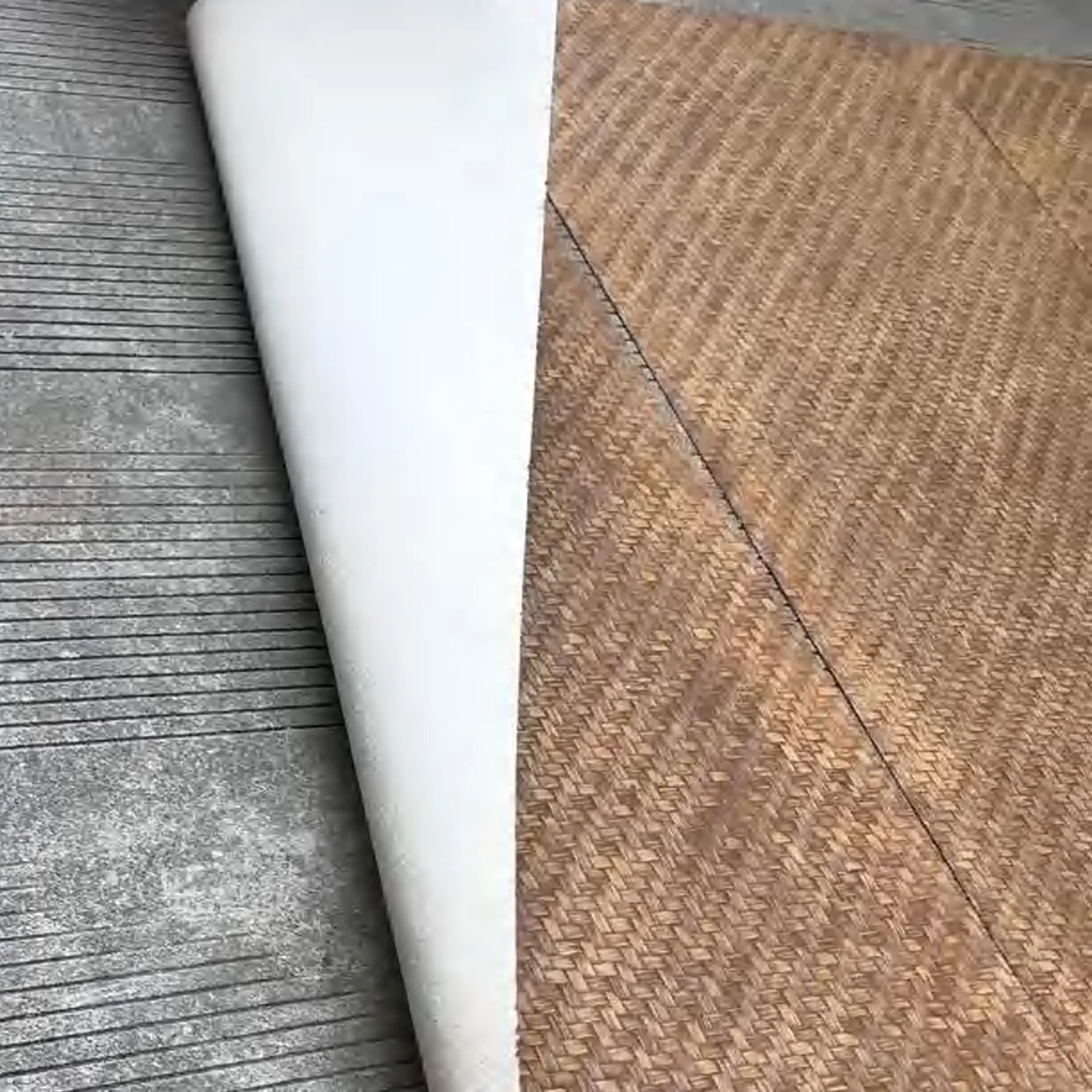
Numbers and categories are great, but let's hear from the people who actually use these materials every day: designers and architects. We spoke to three professionals about their experiences with Bamboo Mat Board and Ceramic Tiles, and their insights might surprise you.
Designer: Maya Patel, Interior Designer, Patel & Co. Interiors
Project: A 30-room boutique hotel in Portland, Oregon, aiming for a "cozy yet modern" vibe.
The Challenge: The lobby features a curved ceiling and a central fireplace with a rounded hearth—two elements that called for flexible materials.
The Solution: "We initially considered ceramic tiles for the fireplace—maybe a travertine starry green to add drama—but wrapping tiles around that curved hearth would have been a nightmare," Maya explains. "Instead, we went with Bamboo Mat Board for the ceiling and the fireplace surround. The board bent easily around the curves, and the natural texture added warmth that the tiles just couldn't match. We used ceramic tiles in the bathrooms, of course—they're perfect for moisture resistance—but in the lobby, Bamboo Mat Board was the star. Guests keep commenting on how 'inviting' the space feels, and I think a lot of that is thanks to the bamboo."
Architect: James Chen, Principal, Chen Design Studio
Project: A 1950s ranch home renovation in Austin, Texas, focusing on open-concept living.
The Challenge: The homeowner wanted a living room accent wall that followed the home's original sloped ceiling and featured integrated shelving.
The Solution: "Ceramic tiles were out of the question for that sloped wall—too rigid, too many seams," James says. "Bamboo Mat Board was the obvious choice. We cut it to fit the slope perfectly, and even routed out grooves for the floating shelves. The result is a wall that feels like it was always meant to be there, not just added on. We paired it with wood grain board flooring to tie the space together, and the natural textures play off each other beautifully. The homeowner loves that it's sustainable, too—she was big on eco-friendly materials."
Contractor: Maria Gonzalez, Owner, Gonzalez Construction
Project: A farm-to-table restaurant in Denver, Colorado, with an open kitchen.
The Challenge: The chef wanted a backsplash that was heat-resistant, easy to clean, and reflected the restaurant's "rustic elegance" theme.
The Solution: "Bamboo Mat Board is great, but in a commercial kitchen with grease, heat, and constant cleaning? It wouldn't hold up," Maria notes. "We went with ceramic tiles—specifically, a fair-faced concrete lookalike that mimicked the restaurant's reclaimed wood tables. It's durable, easy to wipe down, and the industrial vibe paired perfectly with the warm lighting. We did use Bamboo Mat Board in the dining area, though—on the walls behind the booths. It added that cozy, natural feel the owner wanted, without the maintenance headaches of the kitchen."
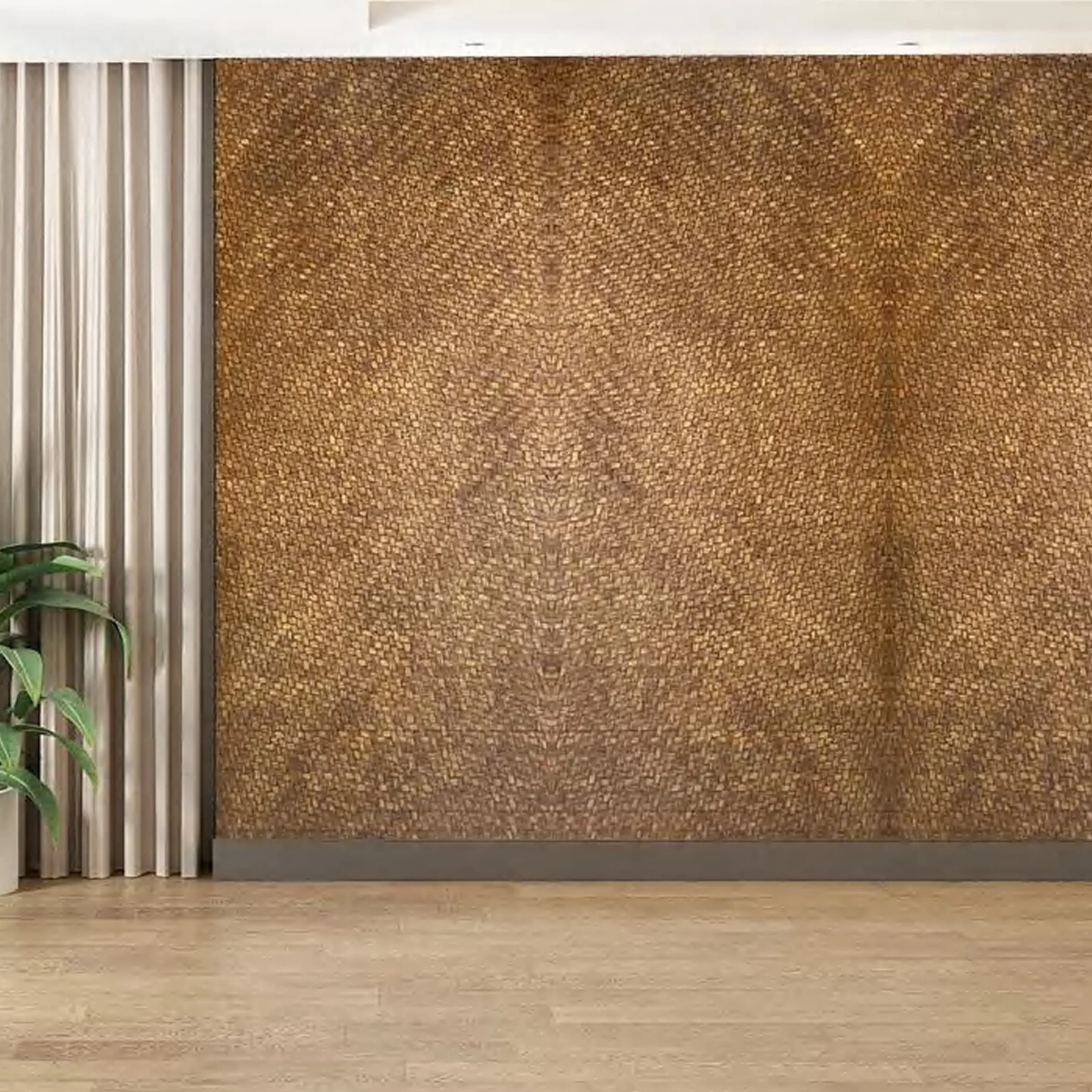
After diving into texture, customization, installation, durability, sustainability, and aesthetic versatility, one thing is clear: Bamboo Mat Board is the champion of design flexibility. It's not that ceramic tiles are bad—far from it. They're durable, versatile, and essential in high-moisture, high-traffic areas. But when it comes to giving designers the freedom to create spaces that are unique, organic, and full of personality, Bamboo Mat Board outshines them.
Bamboo Mat Board's natural texture, ease of customization, ability to conform to curved surfaces, and sustainability make it a material that doesn't just fit into a design—it enhances it. It's a material that tells a story, ages gracefully, and connects people to nature in a way that printed or rigid materials can't.
That said, ceramic tiles still have their place. Use them in bathrooms, kitchens, and entryways where durability and moisture resistance are non-negotiable. But for accent walls, ceilings, furniture fronts, or any space where you want to push the boundaries of design, Bamboo Mat Board is the way to go.
At the end of the day, design flexibility is about more than just what a material can do—it's about what it lets you do. And with Bamboo Mat Board, the answer is: almost anything.
| Feature | Bamboo Mat Board | Ceramic Tiles |
|---|---|---|
| Texture | Natural, tactile, 3D grain | Replicated, often smooth to touch |
| Custom Shapes | Easy to cut; fits curves and irregularities | Limited; custom shapes require expensive cutting |
| Installation on Curves | Yes—flexible and forgiving | No—requires cutting into small pieces |
| Sustainability | High—renewable bamboo, low energy production | Moderate—abundant materials but high firing energy |
| Best For | Accent walls, ceilings, organic-shaped spaces | Floors, bathrooms, high-moisture areas |
Recommend Products












