
Walk through any modern city, and your eyes will likely linger on glass—towering facades that catch the sun, turning skyscrapers into shimmering mirrors. For decades, glass has been the darling of architecture, celebrated for its ability to erase boundaries between indoors and out, flooding spaces with light and making even the most compact rooms feel expansive. But as we stand at a crossroads where climate consciousness shapes every design decision, that love affair is getting complicated. Architects and designers are now asking: Can we have the transparency we crave without sacrificing the sustainability our planet demands? Enter the quiet revolution of materials like bamboo mat board, MCM flexible stone, and fair-faced concrete—materials that don't just cover buildings, but tell stories of balance, resilience, and respect for the earth.
This isn't just a debate about bricks and mortar (or glass and bamboo). It's about the kind of world we want to build—one where our buildings breathe with us, not against us. Let's dive into the clash (and collaboration) between two titans: the ever-popular glass facade, and the rising star of bamboo mat board. Along the way, we'll meet supporting players like lunar peak series panels and foamed aluminium alloy boards, each adding their own chapter to the story of sustainable design.
Let's start with the obvious: glass is beautiful. There's a reason cities like Dubai, New York, and Shanghai are dotted with glass-clad giants. It's a material that whispers "modernity," "openness," and "progress." Step inside a glass-walled office, and suddenly the sky feels closer; workdays feel less confined. In homes, it turns tiny apartments into sunlit sanctuaries, blurring the line between kitchen and garden. For architects, it's a blank canvas—one that reflects clouds by day and city lights by night, making buildings feel alive.
But here's the catch: that beauty comes with a price tag, and not just the financial kind. The production of float glass (the clear, flat sheets used in facades) is energy-intensive, requiring furnaces that reach 1,600°C. Then there's the issue of thermal performance. Glass is a poor insulator—imagine standing next to a glass window on a hot summer day, the sun baking through, forcing your AC to work overtime. In winter, it leaks heat, turning cozy rooms into battlefields against the cold. All that energy use adds up: buildings account for 39% of global carbon emissions, and glass facades are a significant contributor to that number.
And let's not forget the end of the line. Glass is recyclable, but the process is far from perfect. Most recycled glass ends up in lower-grade products, not new facade panels. So when a glass building reaches the end of its life, much of that material becomes waste. For all its transparency, glass has a surprisingly opaque environmental story.
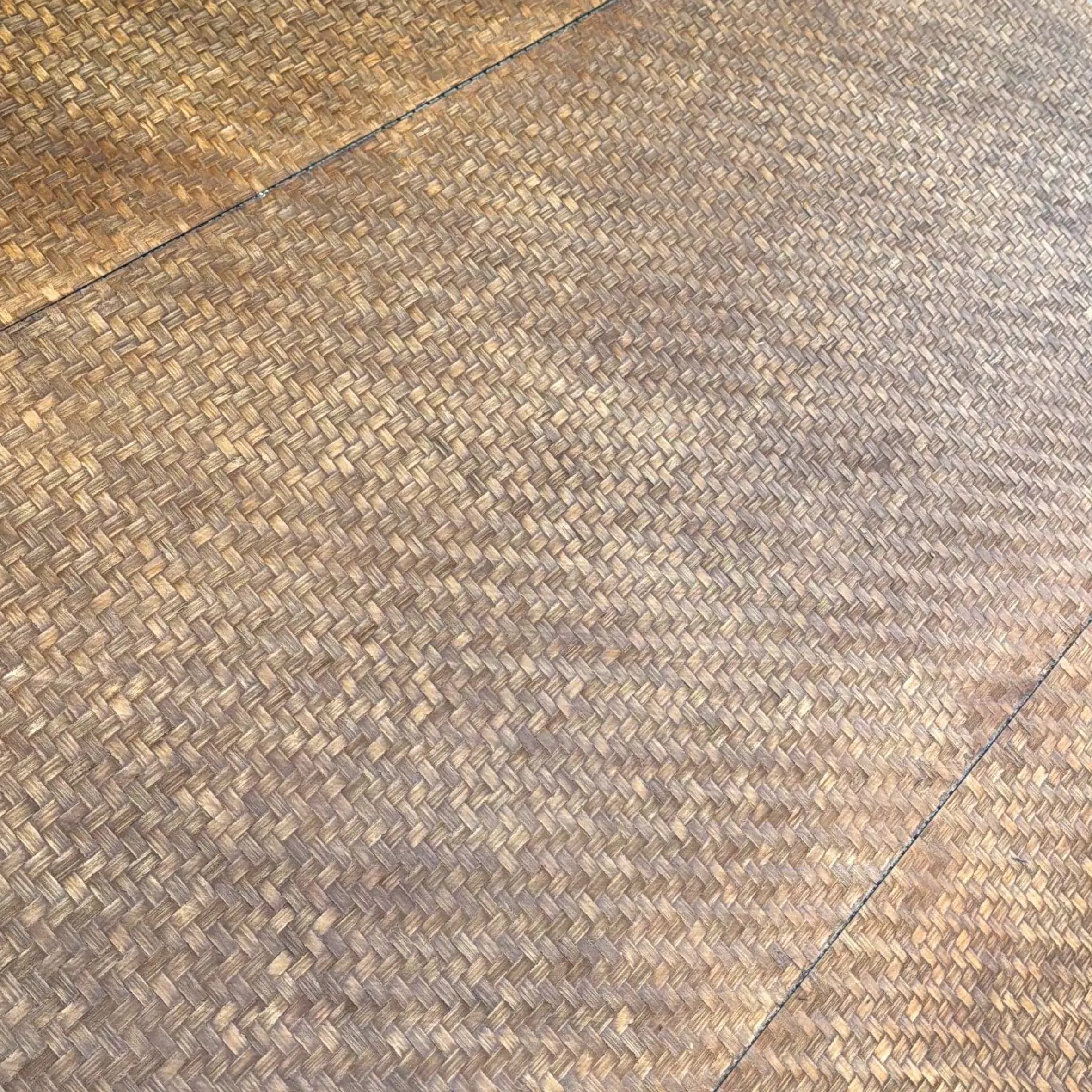
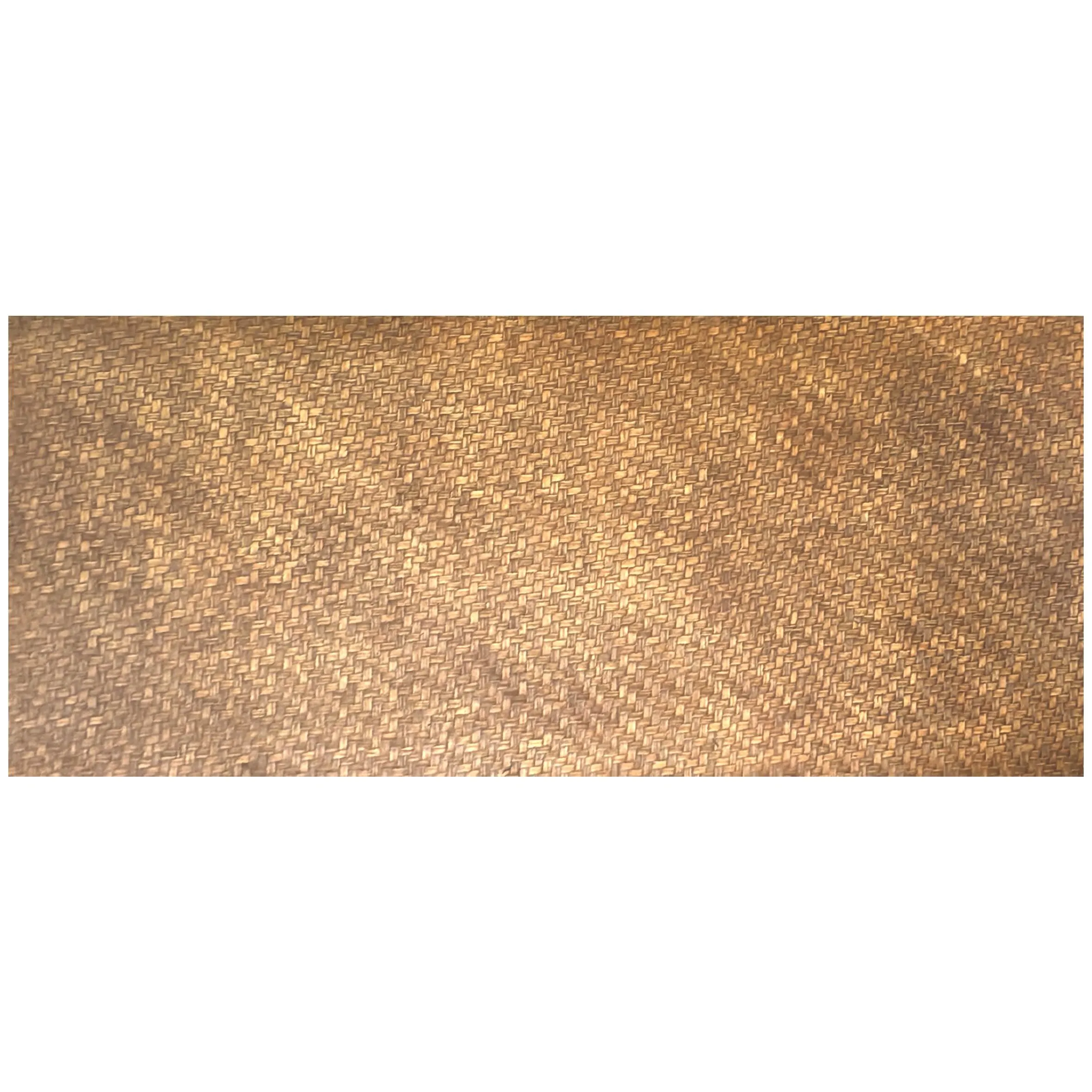
Enter bamboo mat board—a material that feels less like a "product" and more like a handshake with nature. Bamboo itself is a wonder: it grows faster than any tree (some species shoot up 91 cm in a day), requires no pesticides, and regenerates from its roots, so harvesting it doesn't kill the plant. It's been used for centuries in furniture, flooring, and even scaffolding in Asia, but in recent years, innovators have transformed it into sleek, durable boards perfect for facades.
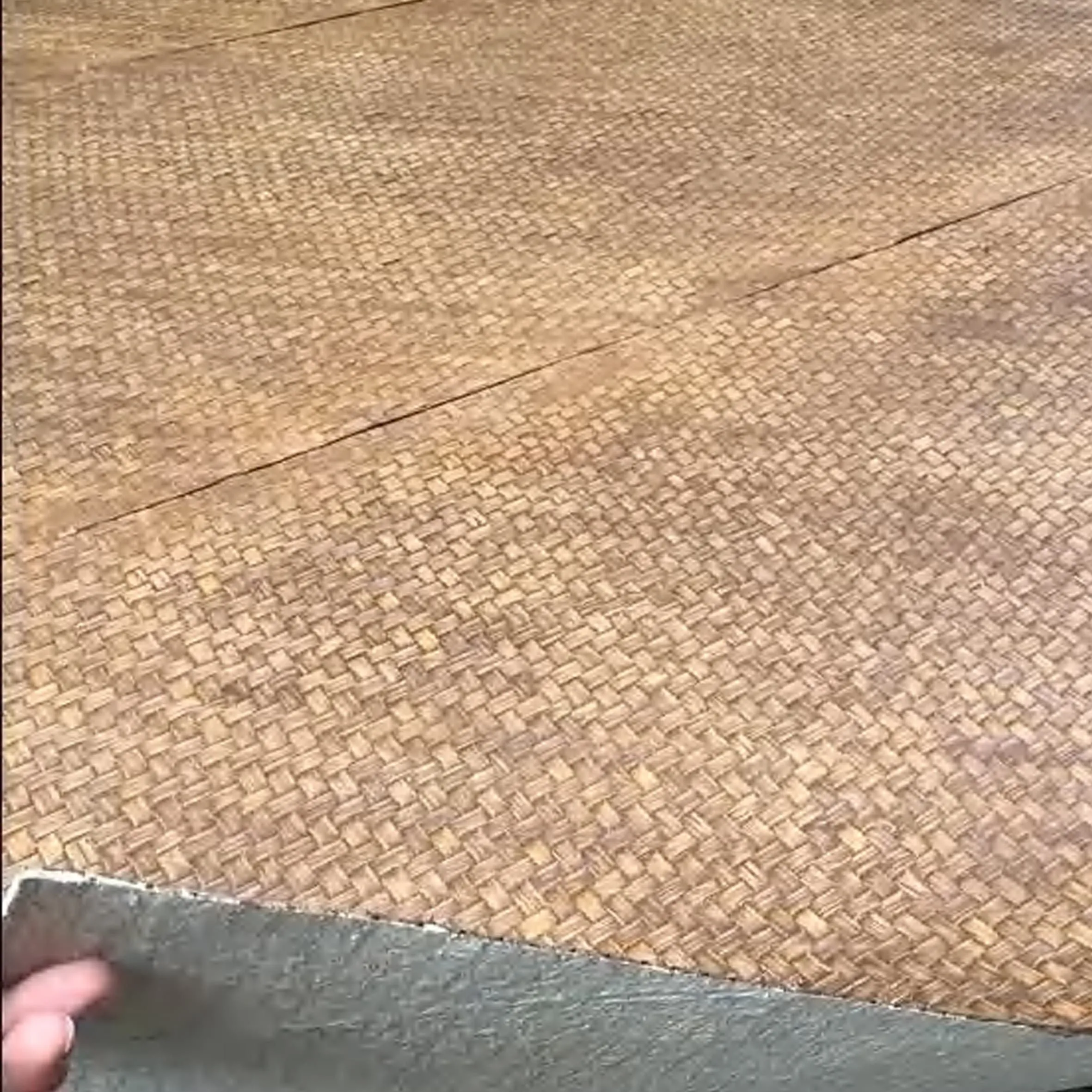
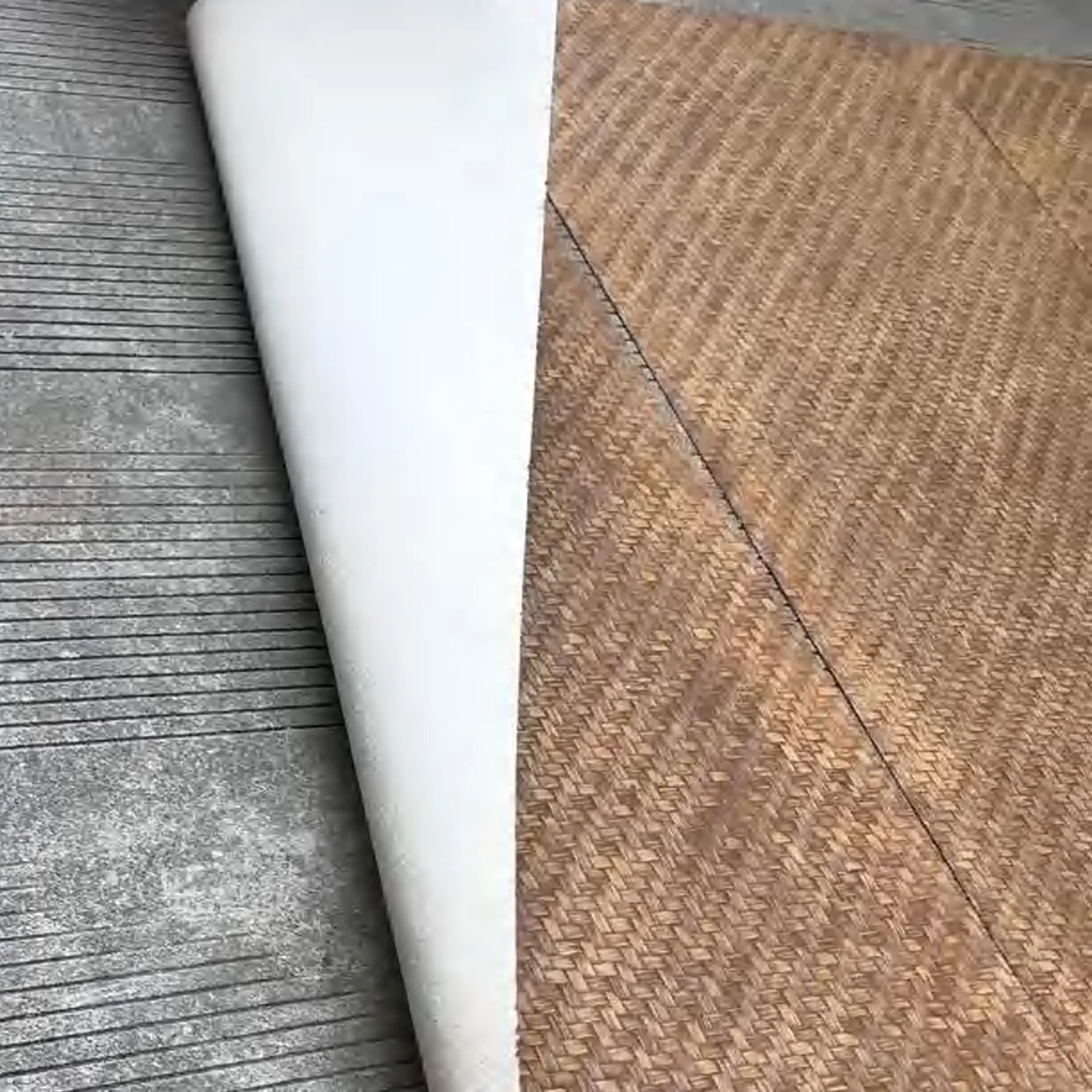
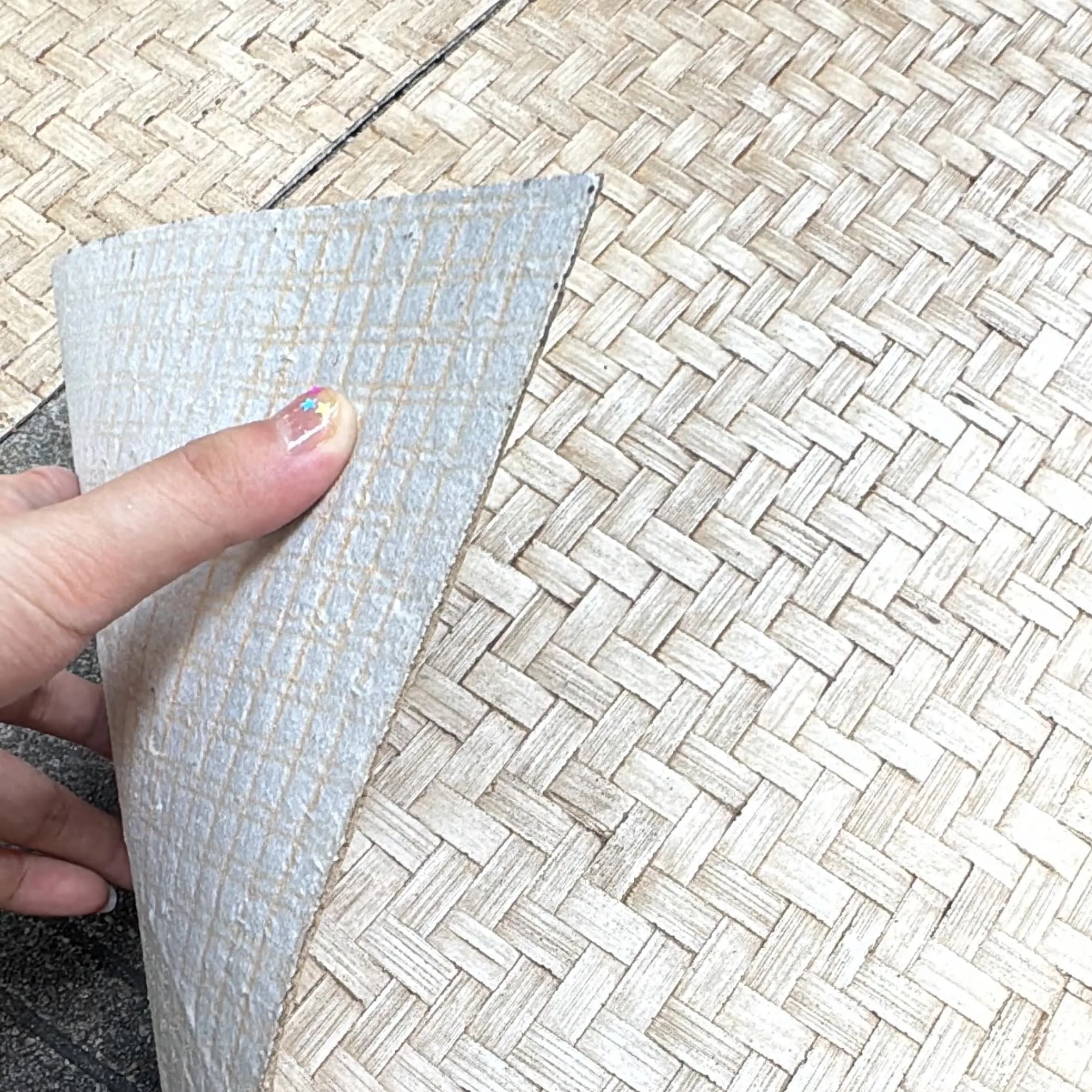
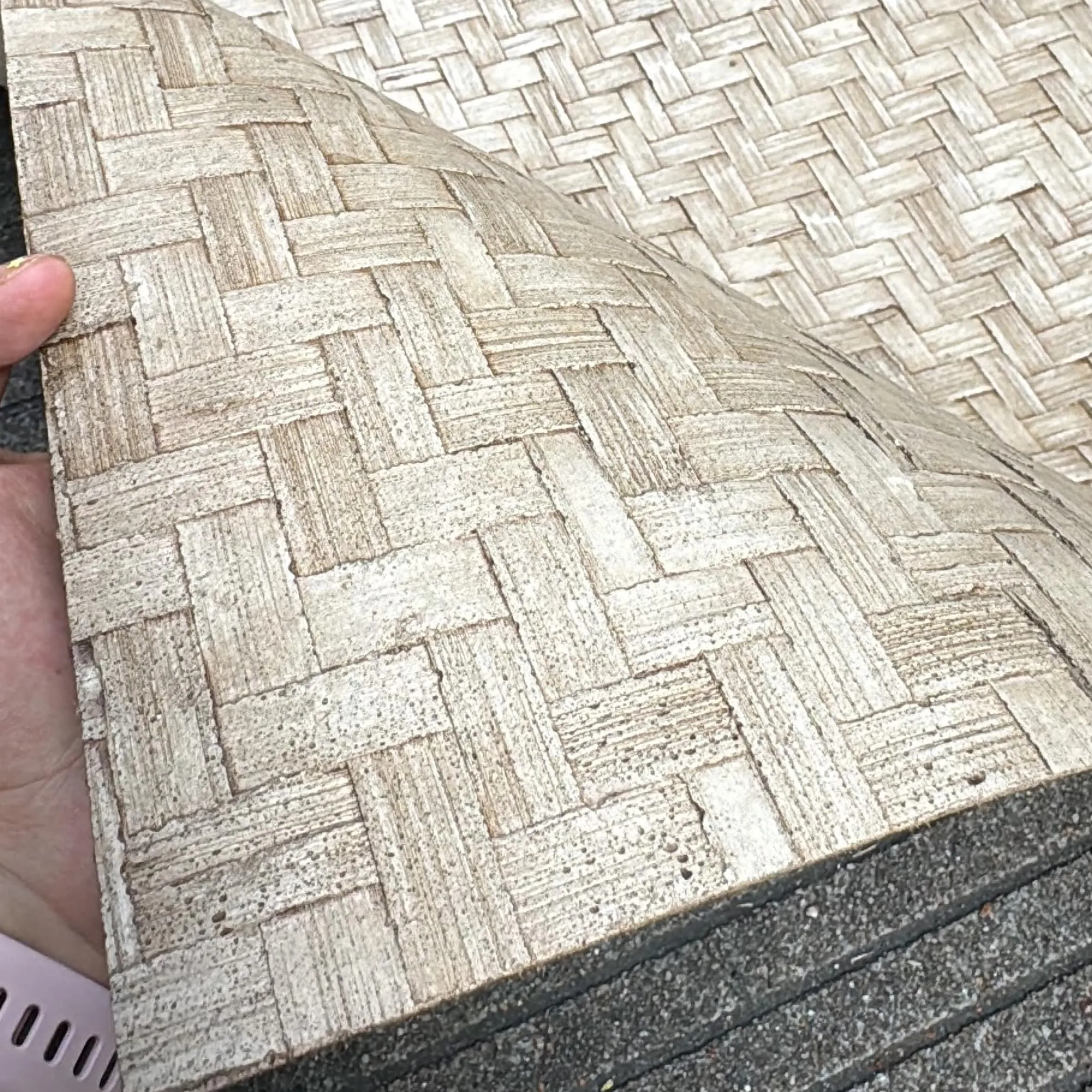
Run your hand over a bamboo mat board, and you'll feel the story of its making. Thin strips of bamboo are woven into mats, layered with eco-friendly adhesives, and pressed into solid panels. The result? A surface that's warm to the touch, with subtle grain patterns that dance in the light—no two boards are exactly alike. It's a texture that invites touch, unlike the cold smoothness of glass. In a world of sterile surfaces, bamboo mat board feels like a hug from the outdoors.
But sustainability isn't just about the material itself—it's about the whole lifecycle. Bamboo mat board has a fraction of the embodied carbon of glass. Embodied carbon is the total emissions released during production, and for bamboo, it's minimal: no high-heat furnaces, no long-haul shipping (it grows in tropical regions close to many manufacturing hubs). Compare that to glass, which often travels thousands of miles from production plants in Europe or Asia to building sites worldwide.
Then there's MCM flexible stone, a kindred spirit to bamboo in the sustainable materials family. MCM (Modified Composite Material) is a lightweight, ultra-thin panel made from natural stone particles and recycled polymers. It's flexible enough to curve around architectural details, durable enough to withstand harsh weather, and requires far less energy to produce than traditional stone cladding. When paired with bamboo mat board, it adds depth—imagine a facade where warm bamboo strips are accented with MCM flexible stone in "lunar peak silvery," catching the light like moonlight on water. Together, they create a facade that's both earthy and ethereal.
If bamboo mat board is the warm storyteller and glass is the flashy performer, fair-faced concrete is the introspective poet. "Fair-faced" means it's left unfinished—no paint, no cladding—letting its raw, textured surface speak for itself. It's a material that wears its flaws proudly: tiny air bubbles, subtle color variations, the faint imprint of the formwork used to cast it. And while concrete has a reputation for being heavy and carbon-intensive, modern formulations are changing that. Today's fair-faced concrete often includes recycled aggregates, and its thermal mass (the ability to absorb and release heat slowly) can reduce energy use in buildings by stabilizing indoor temperatures.
Then there's the lunar peak series—a collection of panels that feel like they've been plucked from the edge of the atmosphere. Available in silvery, golden, and black finishes, lunar peak panels add a touch of otherworldly elegance without the environmental cost of solid metal. The silvery variant shimmers like frost on stone; the golden hue glows softly at sunset; the black feels like a night sky without stars. When used alongside fair-faced concrete, they create a facade that's both grounded and celestial—perfect for buildings that aim to inspire.
Take, for example, a community center in Portland that combined fair-faced concrete walls with lunar peak golden panels and bamboo mat board accents. The result? A space that feels both modern and rooted, where kids run their hands over the concrete's rough texture, elders sit in the bamboo-shaded courtyard, and the golden panels turn the afternoon sun into a warm embrace. It's a building that doesn't just serve a function—it fosters connection, and that's the magic of these materials.
| Aspect | Glass Facades | Bamboo Mat Board (with MCM Flexible Stone) | Fair-Faced Concrete + Lunar Peak |
|---|---|---|---|
| Sustainability | High embodied carbon; energy-intensive production; limited recycling options. | Low embodied carbon; bamboo is fast-growing and renewable; MCM uses recycled materials. | Recycled aggregates reduce carbon footprint; thermal mass cuts energy use; lunar peak panels are lightweight (lower transport emissions). |
| Thermal Performance | Poor insulator; leads to high heating/cooling costs; requires double-glazing or coatings to improve efficiency. | Natural insulation properties; bamboo traps air, reducing heat transfer; MCM adds an extra layer of thermal resistance. | Excellent thermal mass; absorbs heat during the day, releases it at night, stabilizing indoor temps. |
| Aesthetic Versatility | Transparent, reflective; limited texture (smooth, tinted, or frosted options). | Warm, organic texture; customizable patterns (weaves, stripes); MCM offers stone, metallic, or earthy finishes. | Raw, industrial beauty; lunar peak adds metallic or iridescent accents; color variations tell a story of craftsmanship. |
| Maintenance | Requires regular cleaning (especially in polluted areas); prone to scratches and breakage. | Resistant to rot and pests (with proper sealing); occasional cleaning with mild soap and water. | Low maintenance; natural weathering adds character; lunar peak panels resist fading and corrosion. |
| Emotional Impact | Can feel cold or sterile; creates a sense of openness but may lack warmth. | Invites connection to nature; warm textures make spaces feel welcoming and human-centered. | Evokes strength and timelessness; raw materials feel honest and authentic. |
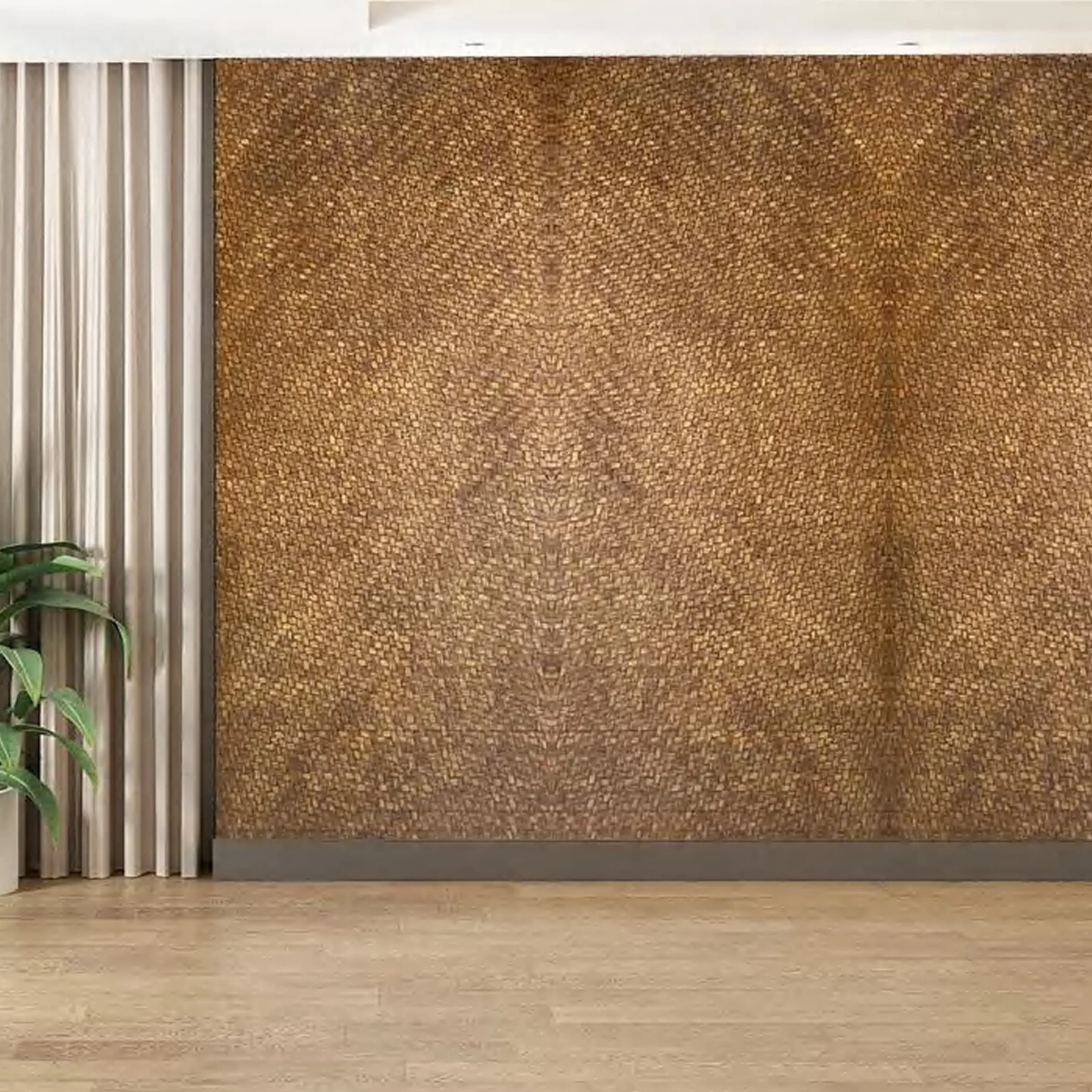
Let's step out of the abstract and into the real world. In Bali, a boutique hotel called "The Bamboo Nest" swapped glass for bamboo mat board and MCM flexible stone, and the result is nothing short of transformative. The guest rooms open to lush gardens, but instead of glass sliding doors, bamboo mat board panels fold back, letting in the breeze and the scent of frangipani without the glare of sun on glass. The lobby features MCM flexible stone in "travertine (starry blue)," its surface dotted with tiny, glittering flecks that mimic the night sky over the rice terraces. Guests often comment on how the hotel feels "part of the landscape," not just built on it—and that's the power of these materials: they don't compete with nature; they collaborate.
In Copenhagen, a residential complex called "Lunar Court" took a different approach, pairing fair-faced concrete with lunar peak silvery panels and foamed aluminium alloy board in vintage silver. The concrete provides a solid, grounding base, while the silvery accents catch the city's famous gray light, turning a rainy day into something almost magical. Residents report that their apartments stay warm in winter and cool in summer, thanks to the concrete's thermal mass, and the building's facade has become a local landmark—not for its height, but for its quiet, understated beauty. "It feels like home," one resident told a local architect magazine, "not just a place to live."
Even in commercial spaces, these materials are making waves. A tech startup in Berlin chose bamboo mat board for its office facade, paired with "foamed aluminium alloy board (vintage gold)" for the entrance canopy. The bamboo gives the space a creative, laid-back vibe that employees love, while the gold accents add a touch of professionalism. Clients often remark on how the office "feels different"—less corporate, more human. And when the company's sustainability report came out, the facade was a star: the bamboo and recycled aluminium reduced the building's embodied carbon by 40% compared to a traditional glass design.
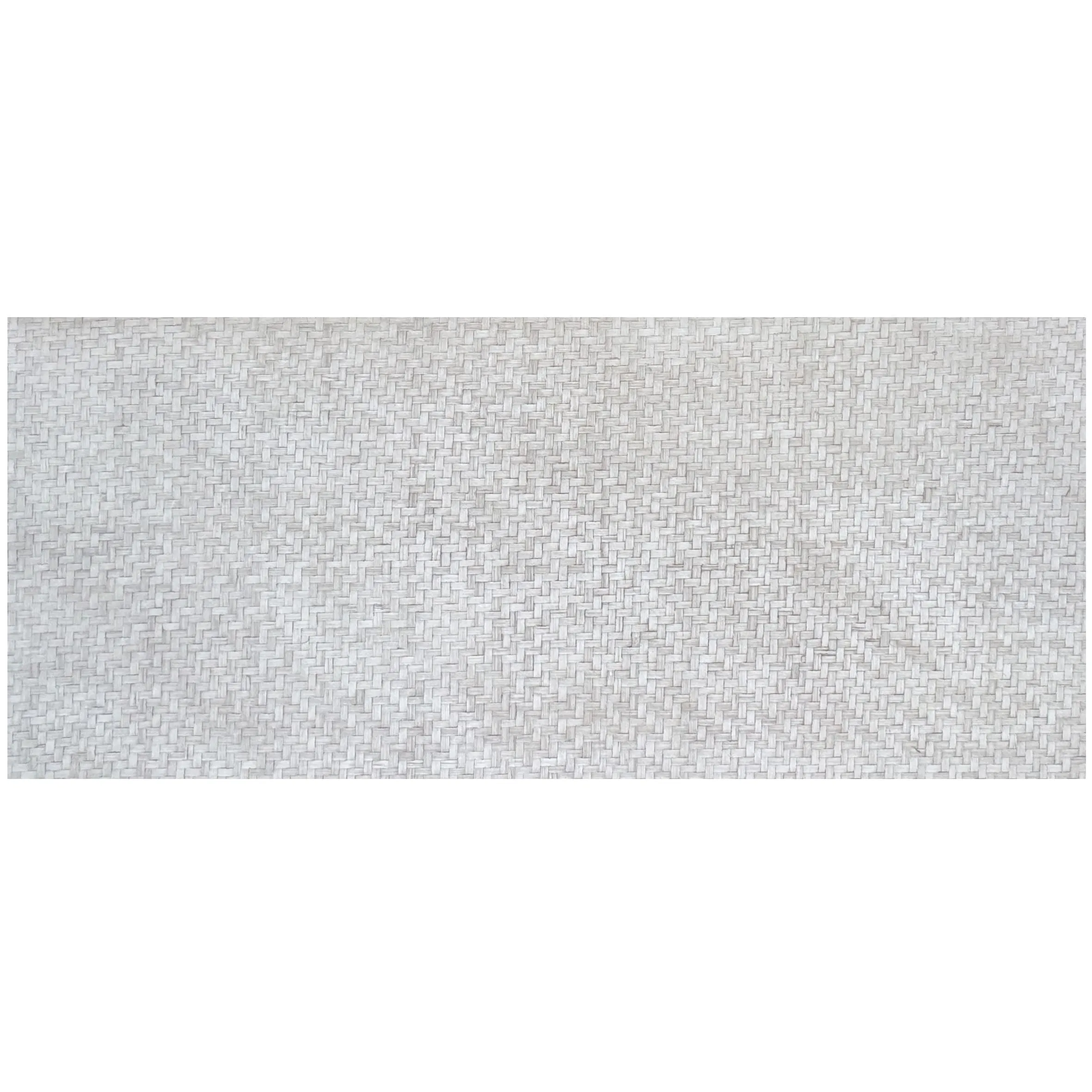
Let's be honest: bamboo mat board isn't a magic bullet. In humid climates, it needs careful sealing to prevent mold. In fire-prone areas, it requires fire-retardant treatments, which can add cost and slightly reduce its eco-credentials. And while it's durable, it won't last as long as glass or concrete—though with proper maintenance, it can still serve a building for 30+ years, which is more than enough for most projects.
Glass, too, has its place. In museums, where artifacts need precise lighting, or in skyscrapers where views are non-negotiable, transparency is essential. The good news? Innovations like low-emissivity (low-e) coatings, triple-glazing, and dynamic glass (which tints automatically in sunlight) are making glass more sustainable. And when combined with materials like bamboo mat board or MCM flexible stone, it can shine without overshadowing the planet. Imagine a facade where a glass curtain wall is interrupted by vertical bamboo fins, filtering light and reducing heat gain, or where MCM flexible stone panels frame glass windows, adding texture while cutting energy use. It's not about replacing glass; it's about reimagining it as part of a team.
Even fair-faced concrete has its critics. Some find its raw look "cold," though that's a matter of taste. And while modern formulations are greener, concrete still has a higher carbon footprint than bamboo or MCM flexible stone. The key is balance—using it strategically, in combination with more sustainable materials, to maximize its benefits (thermal mass, durability) while minimizing its downsides.
So, what does the future hold? It's not a world without glass, but a world where glass is just one player in a diverse cast of materials. Imagine cities where buildings wear their values on their sleeves: a school with a bamboo facade that teaches kids about sustainability; a hospital with lunar peak golden panels that warm patients' spirits on tough days; a home where fair-faced concrete walls cradle a glass sunroom, blending security and openness.
Innovations are already pushing these materials further. Researchers are developing bamboo mat boards reinforced with natural fibers for even greater strength, and MCM flexible stone is now available in "gradient color" options, mimicking the way light fades from dawn to dusk. Foamed aluminium alloy boards are becoming more recyclable, with manufacturersing "cradle-to-cradle" production—meaning every panel can be recycled into a new one at the end of its life.
Perhaps the biggest shift, though, is in how we think about buildings. We're moving away from the idea of "iconic" structures that prioritize looks over impact, and toward "living" buildings that adapt to their environment, support their communities, and leave a light footprint on the earth. Bamboo mat board, MCM flexible stone, fair-faced concrete, lunar peak panels—these materials aren't just about construction; they're about creating spaces that nurture us, connect us to nature, and remind us that sustainability and beauty can go hand in hand.
At the end of the day, the choice between glass facades and materials like bamboo mat board isn't about picking winners and losers. It's about asking: What do we want our buildings to say? Do they exist to dazzle, or to serve? To take, or to give back?
Glass will always have its place—in the windows that let us watch sunsets, in the skyscrapers that make us dream. But bamboo mat board, MCM flexible stone, fair-faced concrete, and lunar peak panels remind us that beauty doesn't have to come at the planet's expense. They're materials with stories: of bamboo farmers in Indonesia, of engineers reimagining concrete, of designers who believe buildings should feel like more than just walls and roofs.
So the next time you walk past a glass tower, pause for a moment. Then look for the buildings with bamboo accents, the ones with concrete walls that tell a story, the ones with lunar peak panels that catch the light like stardust. Those are the buildings of the future—not just because they're sustainable, but because they have heart. And in the end, isn't that what we all want? A world where our cities don't just shine—they care.
Recommend Products












