
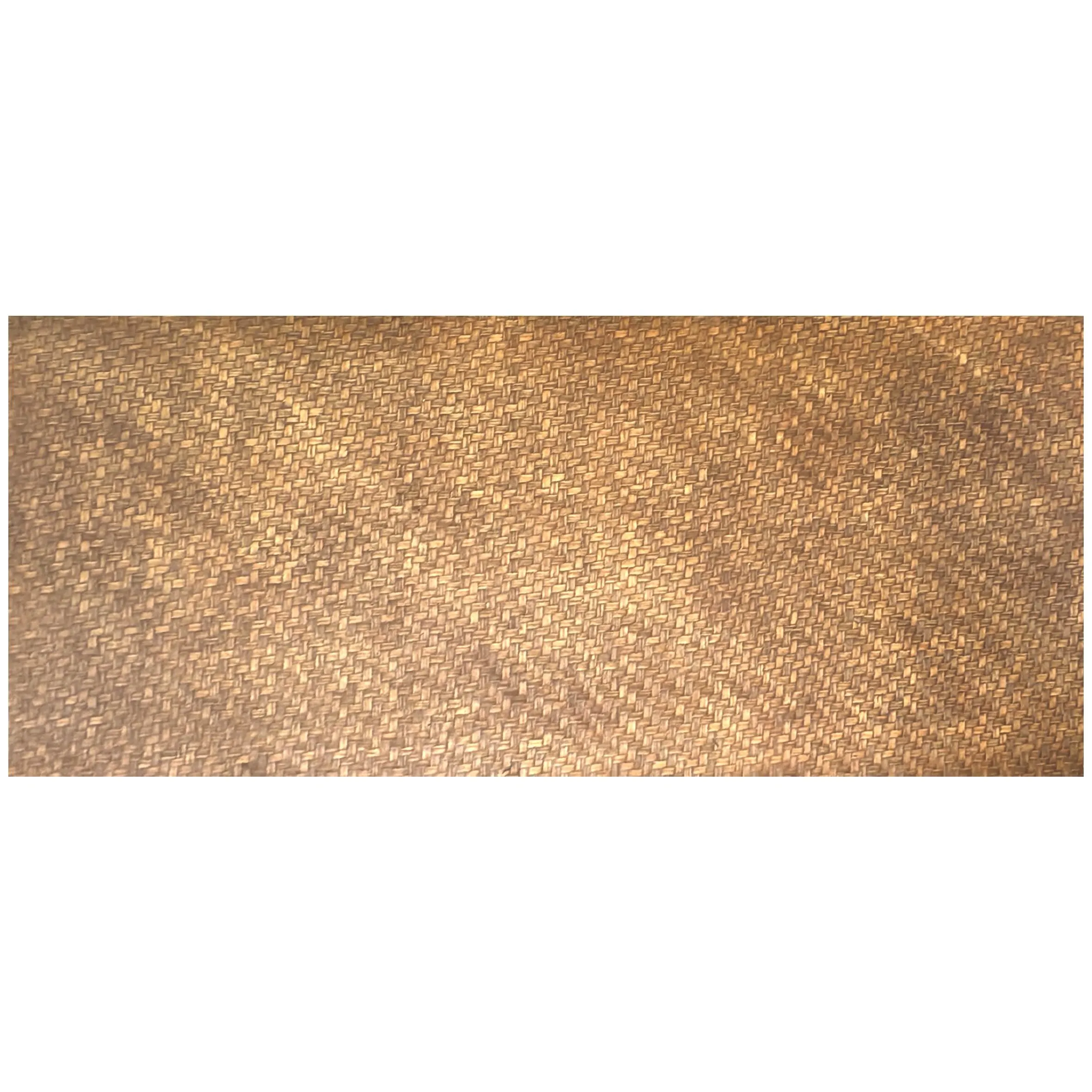
Exterior walls are the unsung heroes of architecture. They don't just keep the weather out—they set the tone for a building, tell a story, and even influence how we feel when we walk up to a home or office. But with so many materials out there, choosing the right one can feel overwhelming. Today, we're diving into two popular options that often leave homeowners and architects torn: Bamboo Mat Board and Natural Stone. Whether you're dreaming of a cozy cottage or a sleek modern masterpiece, let's break down which material might be the perfect fit for your project.
Before we jump into pros and cons, let's make sure we're on the same page about what these materials actually are. They're both used for exterior cladding, but their origins, composition, and personalities couldn't be more different.
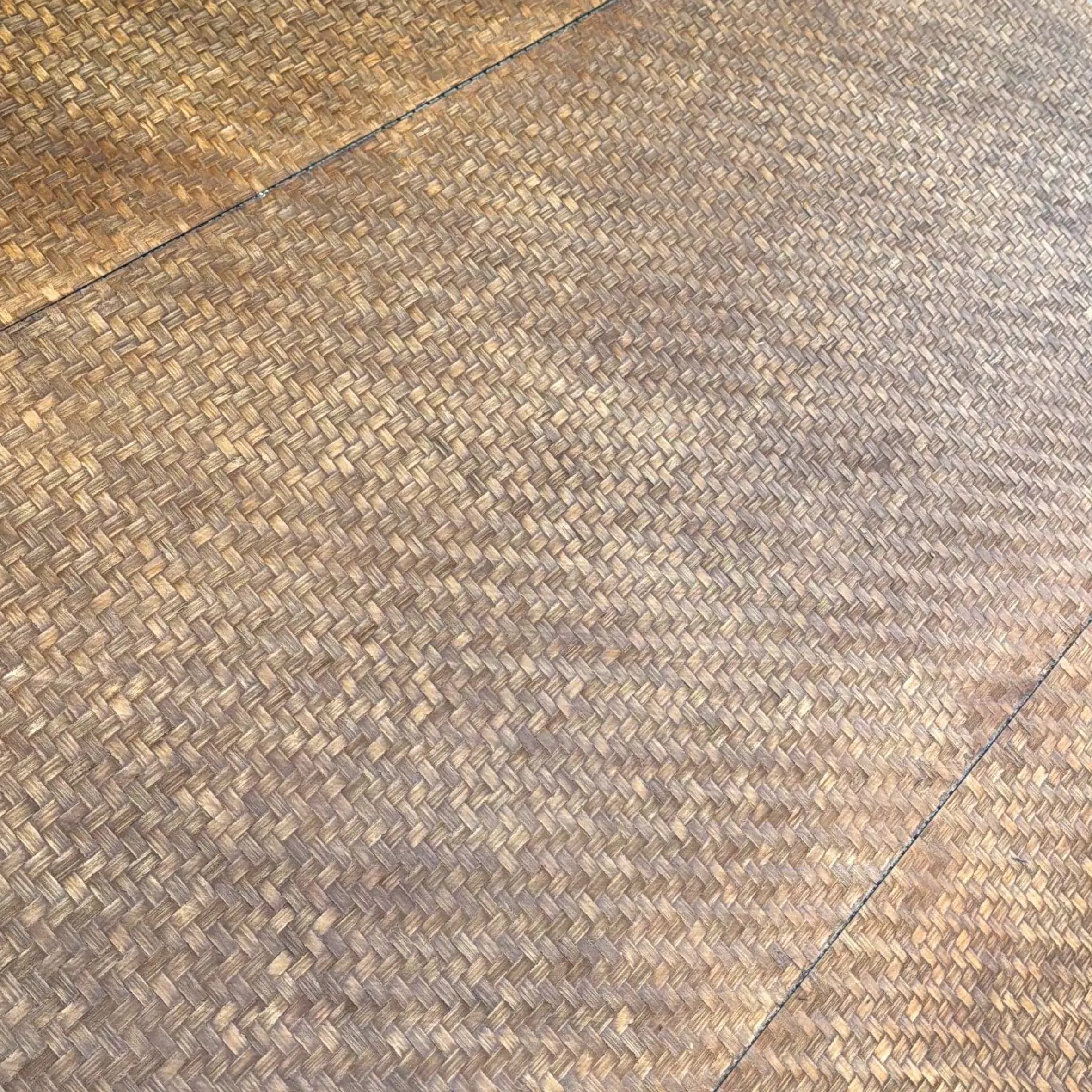
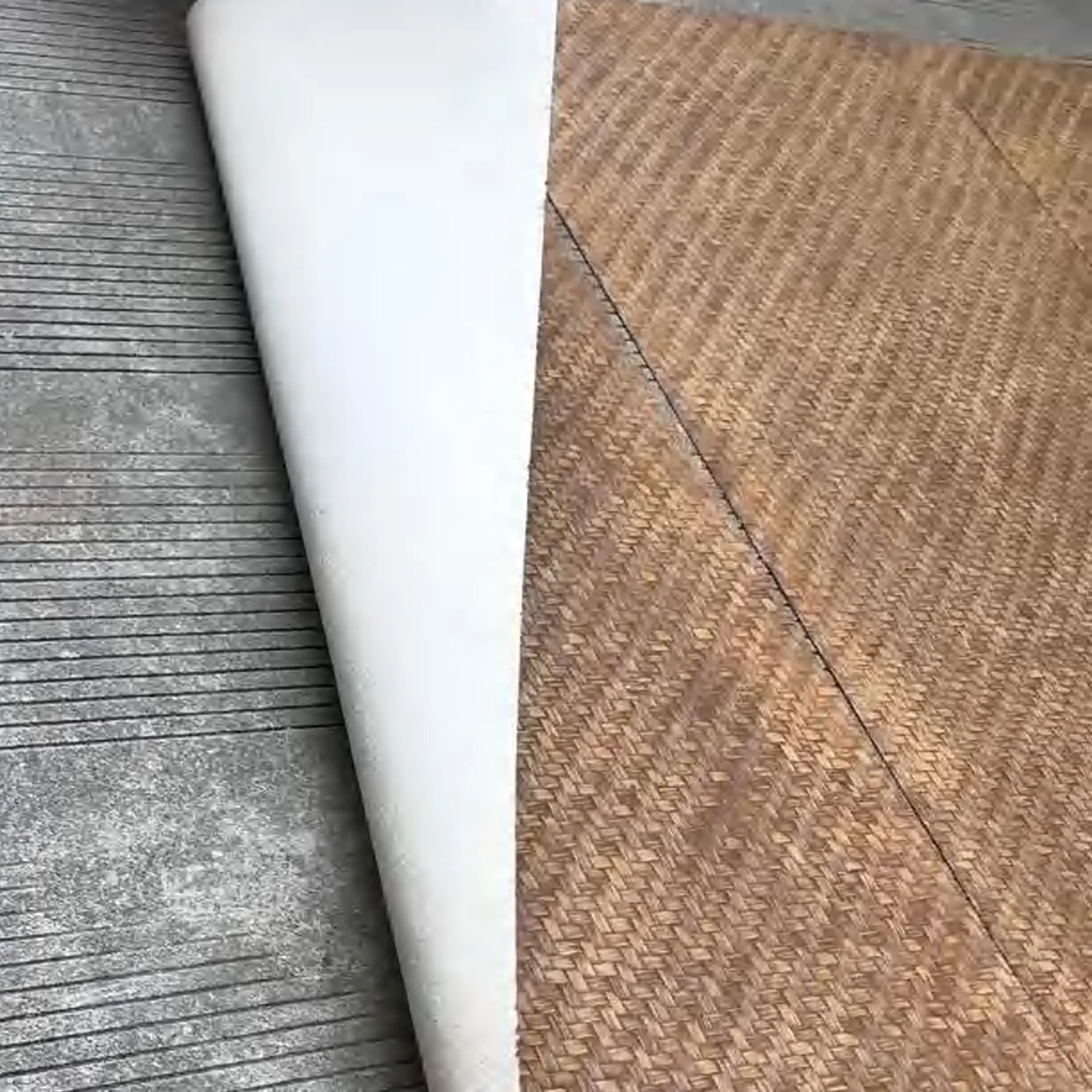
If you're drawn to warm, organic textures with a modern twist, Bamboo Mat Board might just be your new favorite material. As the name suggests, it's crafted from bamboo fibers—yes, the same fast-growing, sustainable grass that's taking over everything from furniture to flooring. But it's not just raw bamboo slats; most Bamboo Mat Boards are composite materials, blending bamboo with resins or binders to boost durability while keeping that natural, earthy vibe intact.
Think of it as nature meets innovation. The bamboo fibers are woven or pressed into mats, creating a panel that's lightweight, flexible, and surprisingly strong. And here's the best part: it often comes in styles that mimic other materials, like the wood grain board look—so you get the warmth of wood without the maintenance headaches. It's no wonder designers are loving it for everything from suburban homes to trendy café facades.
Now, let's talk about the granddaddy of exterior materials: Natural Stone. When you picture a historic castle, a luxury hotel, or even a mountain cabin, chances are you're imagining walls made of stone. It's been used for centuries, and for good reason—nothing says "permanent" quite like a stone facade. But natural stone isn't a one-size-fits-all category. We're talking granite, marble, limestone, travertine… and even modern innovations like mcm flexible stone , a modified composite that retains the look of natural stone but adds a dose of flexibility (more on that later).
Traditional natural stone is quarried from the earth, cut into slabs, and installed piece by piece. It's heavy, dense, and built to last decades (if not centuries). But here's the thing: it's not just about durability. Natural stone brings a depth of texture and color that's hard to replicate—think veiny marbles, speckled granites, or the rustic charm of fair-faced concrete (a cousin in the "natural look" family, though technically concrete). Whether you want something sleek and modern or rugged and timeless, there's a natural stone (or stone-like material) for that.
Okay, so we know the basics. Now, let's get into the nitty-gritty. How do these two stack up when it comes to the stuff that actually matters: cost, durability, installation, and more? Let's break it down with a side-by-side look.
| Factor | Bamboo Mat Board | Natural Stone (e.g., mcm flexible stone) |
|---|---|---|
| Weight | Lightweight (easy to transport/install) | Heavy (requires structural support) |
| Installation Difficulty | Low (DIY-friendly for small projects) | High (needs professional installers) |
| Upfront Cost | Medium-Low (affordable materials + labor) | High (expensive materials + specialized labor) |
| Durability (Outdoor Use) | Good (10-15 years with proper care) | Excellent (50+ years, weather-resistant) |
| Sustainability | High (bamboo is fast-growing, low-waste) | Medium (quarrying impacts ecosystems; mcm flexible stone is more eco-friendly) |
| Aesthetic Options | Warm, organic (wood grain, bamboo textures) | Versatile (marble, granite, rustic, sleek—mcm flexible stone adds flexibility!) |
| Maintenance | Low (occasional cleaning, sealing every 3-5 years) | Medium-High (sealing, stain removal, potential cracking) |
See the pattern? Bamboo Mat Board leans into ease and sustainability, while natural stone (even modern versions like mcm flexible stone ) prioritizes longevity and timeless appeal. But let's dig deeper into what makes each material shine—and where they might fall short.
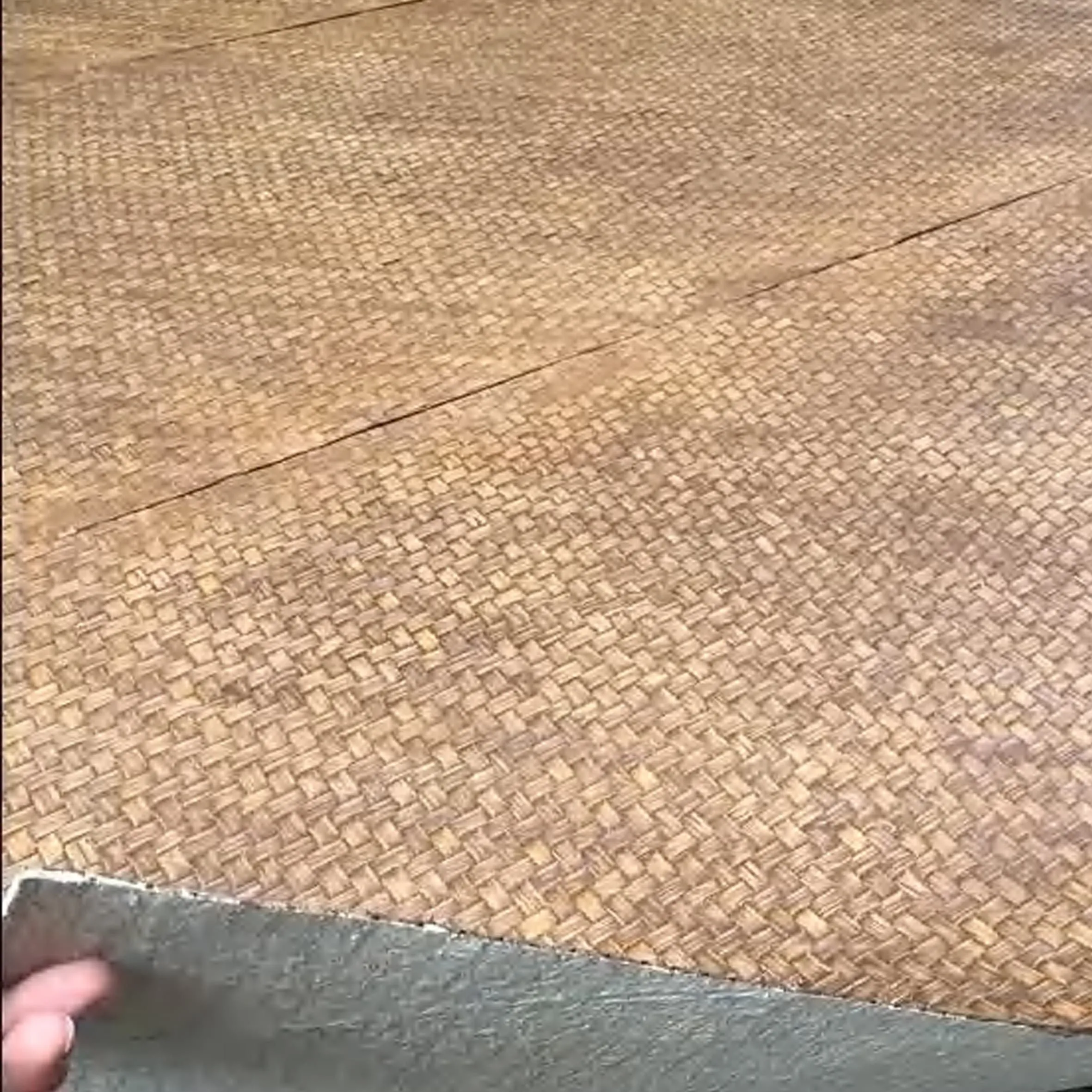
If you're all about modern convenience with a touch of nature, Bamboo Mat Board has a lot to love. Let's start with the obvious: it's lightweight. Unlike natural stone, which can weigh hundreds of pounds per slab, Bamboo Mat Board panels are easy to carry, transport, and install. This isn't just a bonus for your back—it also cuts down on labor costs. No need for heavy machinery or a team of installers; even a small crew (or ambitious DIYer) can handle it.
Then there's sustainability. Bamboo is one of the most eco-friendly materials on the planet. It grows up to 3 feet per day, requires no pesticides, and absorbs more carbon dioxide than most trees. When you choose Bamboo Mat Board, you're not just picking a pretty facade—you're making a choice that's gentler on the planet. Plus, many brands use recycled resins in their composites, so you can feel good about reducing waste too.
Aesthetically, it's a chameleon. Love the look of wood grain board but hate dealing with rot or termites? Bamboo Mat Board can mimic that warm, textured grain without the hassle. It also comes in neutral tones—think soft browns, beiges, and grays—that blend seamlessly with most architectural styles. Whether you're building a minimalist home or a bohemian-inspired boutique, it adds character without overwhelming the design.
And let's not forget maintenance. Unlike natural stone, which often needs annual sealing to prevent stains, Bamboo Mat Board is pretty low-key. A quick hose down with soapy water now and then is usually enough to keep it looking fresh. Just avoid harsh chemicals, and if you live in a rainy climate, make sure it's properly sealed at installation—this will help prevent warping over time.
No material is without flaws, and Bamboo Mat Board is no exception. While it's durable for its weight, it's not as tough as natural stone. Extreme weather—like prolonged heavy rain, intense UV rays, or freezing temperatures—can take a toll over time. If you live in an area with harsh winters or hurricane-force winds, you might need to invest in higher-quality panels or extra protective coatings.
It also has a shorter lifespan. Most Bamboo Mat Boards last 10-15 years with good care, which is great for a rental property or a home you plan to renovate down the line, but not ideal if you're building a forever home. And while it's resistant to pests, it's not completely immune—termites might still take a nibble if given the chance, though they're less likely than with real wood.
Now, let's shift gears to natural stone. If you want a facade that will still look stunning 50 years from now, this might be the way to go. Natural stone is all about longevity. Think about ancient Roman structures—many of them still stand today, thanks to stone's incredible durability. Whether you opt for traditional granite or modern mcm flexible stone , you're investing in a material that can withstand the elements, pests, and time itself.
Then there's the prestige factor. Let's be honest: stone exudes luxury. It's the material of choice for high-end hotels, museums, and (that's "mansions" for non-mandarin speakers). There's a reason why homes with stone facades often have higher resale values—they feel permanent, solid, and timeless. And with options like mcm flexible stone , you don't have to sacrifice modern design for durability; this modified composite is thinner and more flexible than traditional stone, making it easier to install on curved surfaces or complex designs.
Weather resistance is another big win. Natural stone doesn't warp, rot, or fade easily. It handles rain, snow, and intense sunlight like a champ. Even in coastal areas, where saltwater can corrode other materials, stone (especially granite) holds its own. And if it does get stained? A little elbow grease (and maybe a specialized cleaner) usually does the trick.
Of course, all that durability comes with a price—literally. Natural stone is expensive. The materials alone can cost two to three times more than Bamboo Mat Board, and installation isn't cheap either. Because it's so heavy, you'll need professional installers with the right equipment (think cranes, scaffolding) to get the job done safely. Plus, your building's structure might need reinforcement to support the weight, adding even more to the budget.
Installation is also time-consuming. While Bamboo Mat Board can be installed in a weekend, natural stone might take weeks (or longer) to cut, fit, and secure. And if you're working with traditional stone slabs, there's always the risk of breakage during transport or installation—adding delays and extra costs.
Sustainability is another consideration. Quarrying natural stone disrupts ecosystems, uses a lot of water, and generates waste. That said, modern options like mcm flexible stone are more eco-friendly, as they use less raw stone and often incorporate recycled materials. Still, it's something to weigh if sustainability is a top priority.
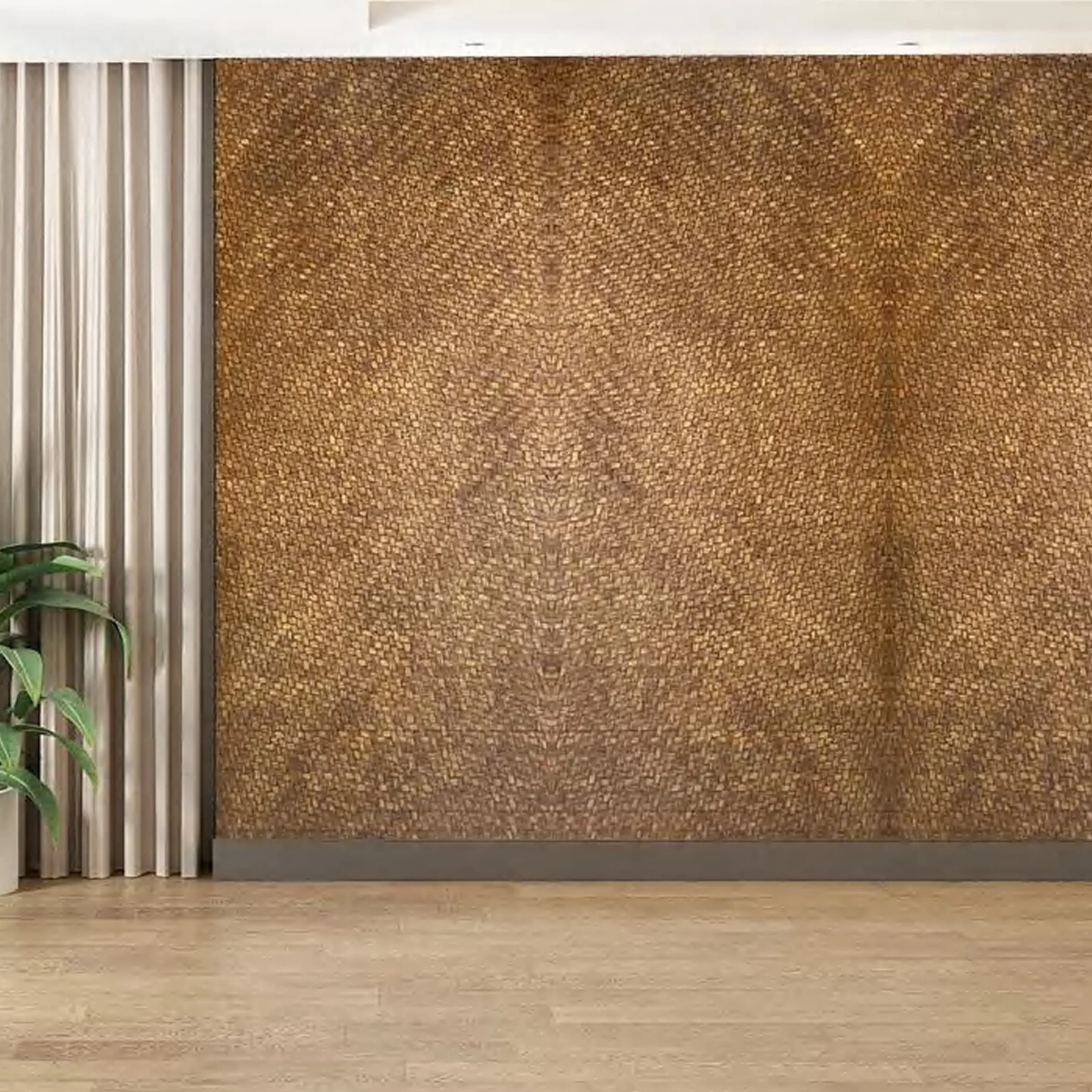
So, when should you lean into Bamboo Mat Board? Let's paint a few pictures:
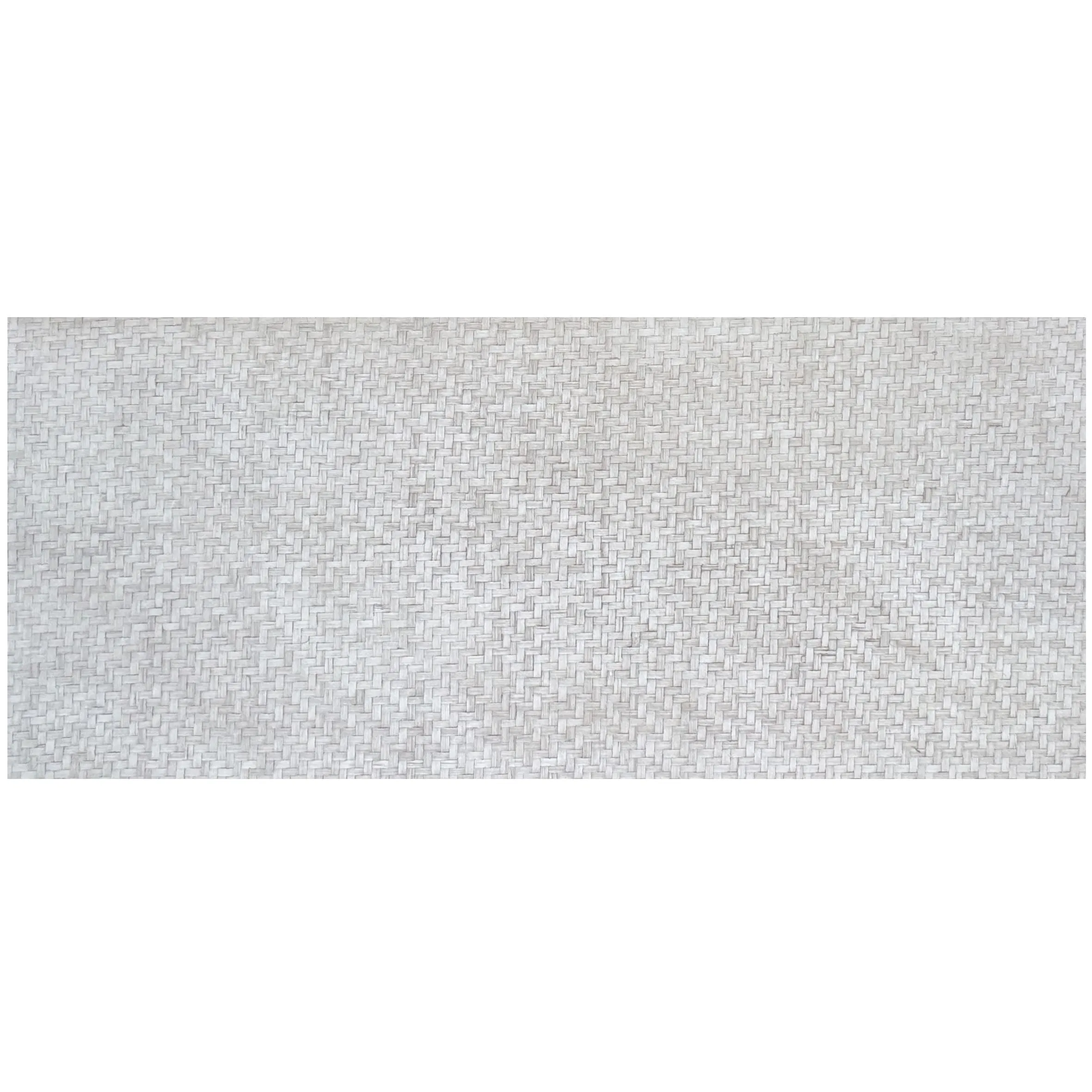
On the flip side, natural stone (including mcm flexible stone ) is the way to go in these cases:
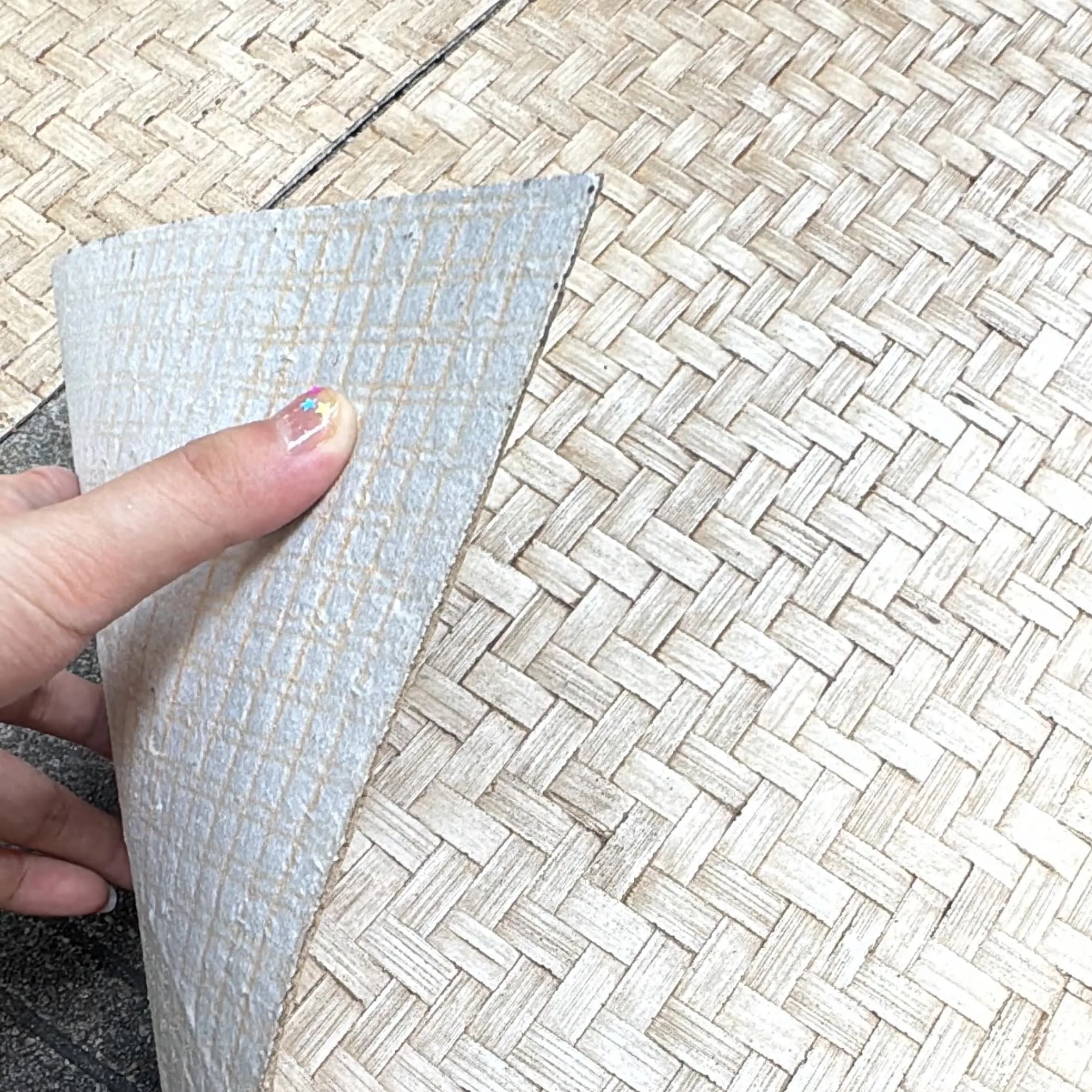
We'd be remiss not to mention a few other materials that often come up in exterior wall discussions. Fair-faced concrete , for example, is a popular choice for modern, industrial-style buildings. It's durable, affordable, and has a raw, minimalist look that pairs well with both Bamboo Mat Board and natural stone. Then there's wood grain board , which, as we mentioned, is often mimicked by Bamboo Mat Board but can also be real wood (though we don't recommend it for exterior use due to maintenance issues).
But if we had to pick between Bamboo Mat Board and natural stone, it really comes down to your priorities. Are you willing to pay more for longevity, or do you value sustainability and ease of installation? There's no "right" answer—just the right answer for your project.
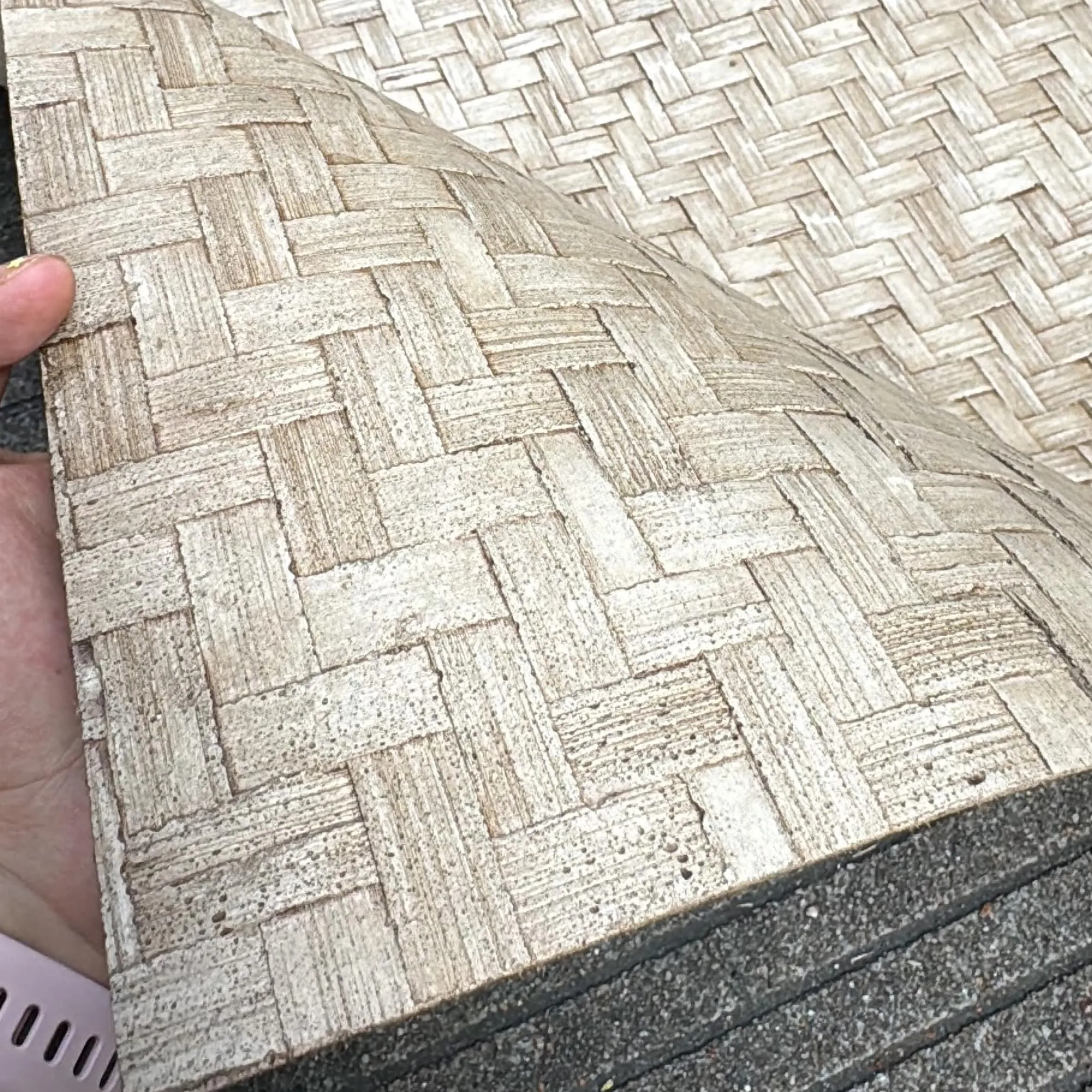
Q: Is Bamboo Mat Board waterproof?
A: It's water-resistant, but not completely waterproof. Most panels are treated with sealants to repel moisture, but prolonged exposure to standing water can still cause damage. Make sure your installation includes proper drainage to keep water away from the boards.
Q: Can mcm flexible stone be used on curved walls?
A: Yes! That's one of the biggest perks of
mcm flexible stone
. Unlike rigid traditional stone slabs, it can bend slightly, making it perfect for curved or irregular surfaces.
Q: How does Bamboo Mat Board hold up against termites?
A: Bamboo is naturally resistant to termites, but it's not 100% termite-proof. Composite Bamboo Mat Boards are even more resistant, thanks to the resins in the mix. Still, if you live in a termite-heavy area, it's a good idea to treat the panels with a pest repellent during installation.
Q: Is natural stone more sustainable than Bamboo Mat Board?
A: It depends. Traditional stone quarrying is resource-intensive, but stone lasts so long that its "lifespan sustainability" is high. Bamboo Mat Board is more eco-friendly upfront but needs to be replaced sooner.
mcm flexible stone
is a middle ground—it uses less raw stone and is more durable than Bamboo Mat Board.
Q: Can I paint Bamboo Mat Board?
A: Technically, yes, but we don't recommend it. The natural texture of Bamboo Mat Board is part of its charm, and painting can clog the pores, leading to moisture buildup. If you want a different color, look for pre-colored panels instead.
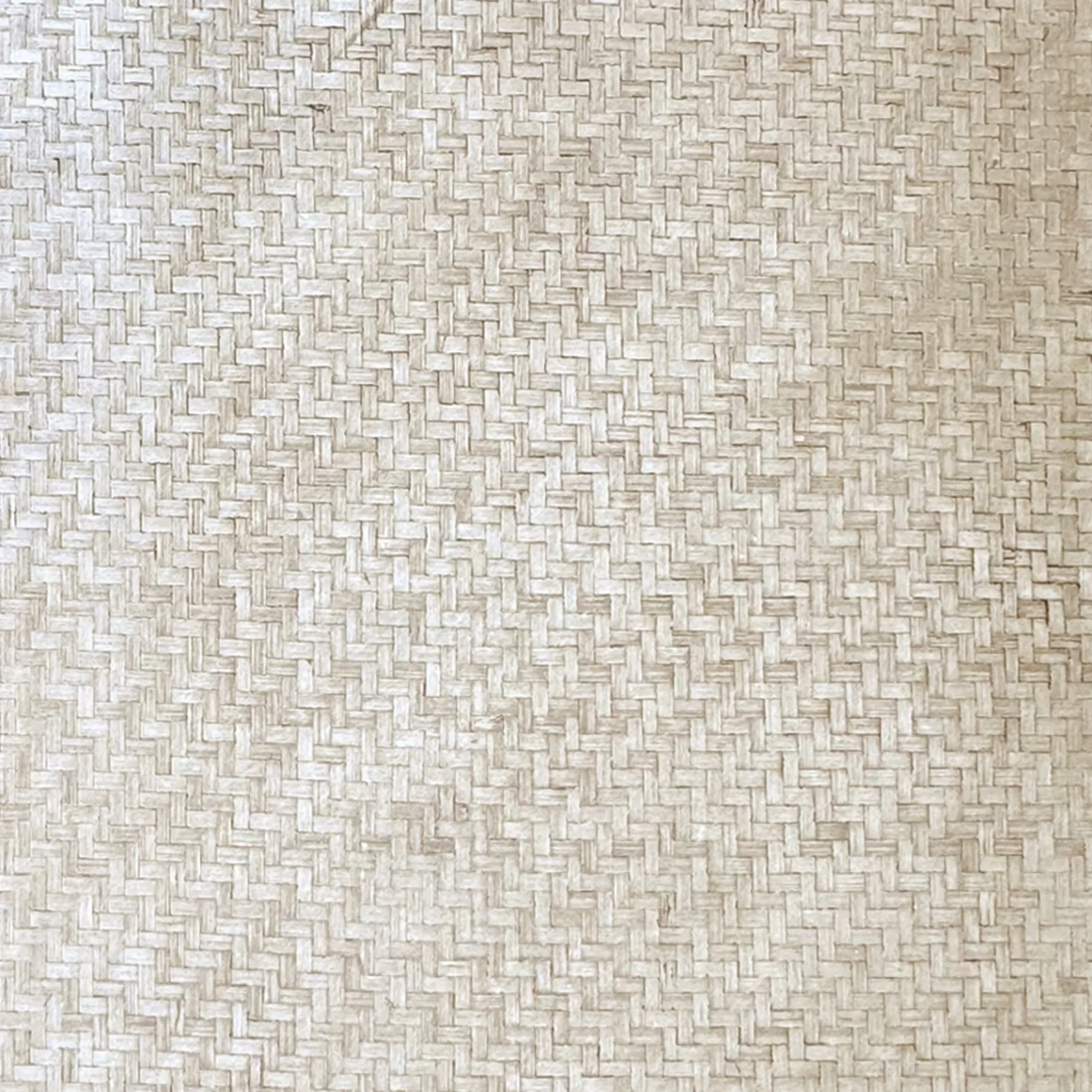
At the end of the day, choosing between Bamboo Mat Board and natural stone (or mcm flexible stone ) is all about balancing your needs, budget, and aesthetic goals. If you want a lightweight, eco-friendly, and affordable option with a warm, modern vibe, Bamboo Mat Board is a fantastic choice—especially if you're in a mild climate. But if you're after timeless durability, luxury appeal, and don't mind splurging on installation, natural stone is worth every penny.
And hey, there's no rule that says you have to pick just one! Many designers mix materials—think Bamboo Mat Board accents on a stone facade, or fair-faced concrete paired with wood grain board details. The key is to find what works for your space, your lifestyle, and your vision.
Whichever you choose, remember: your exterior wall is more than just a surface. It's the first chapter of your building's story. Make sure it's one you'll be proud to tell for years to come.
Recommend Products












