
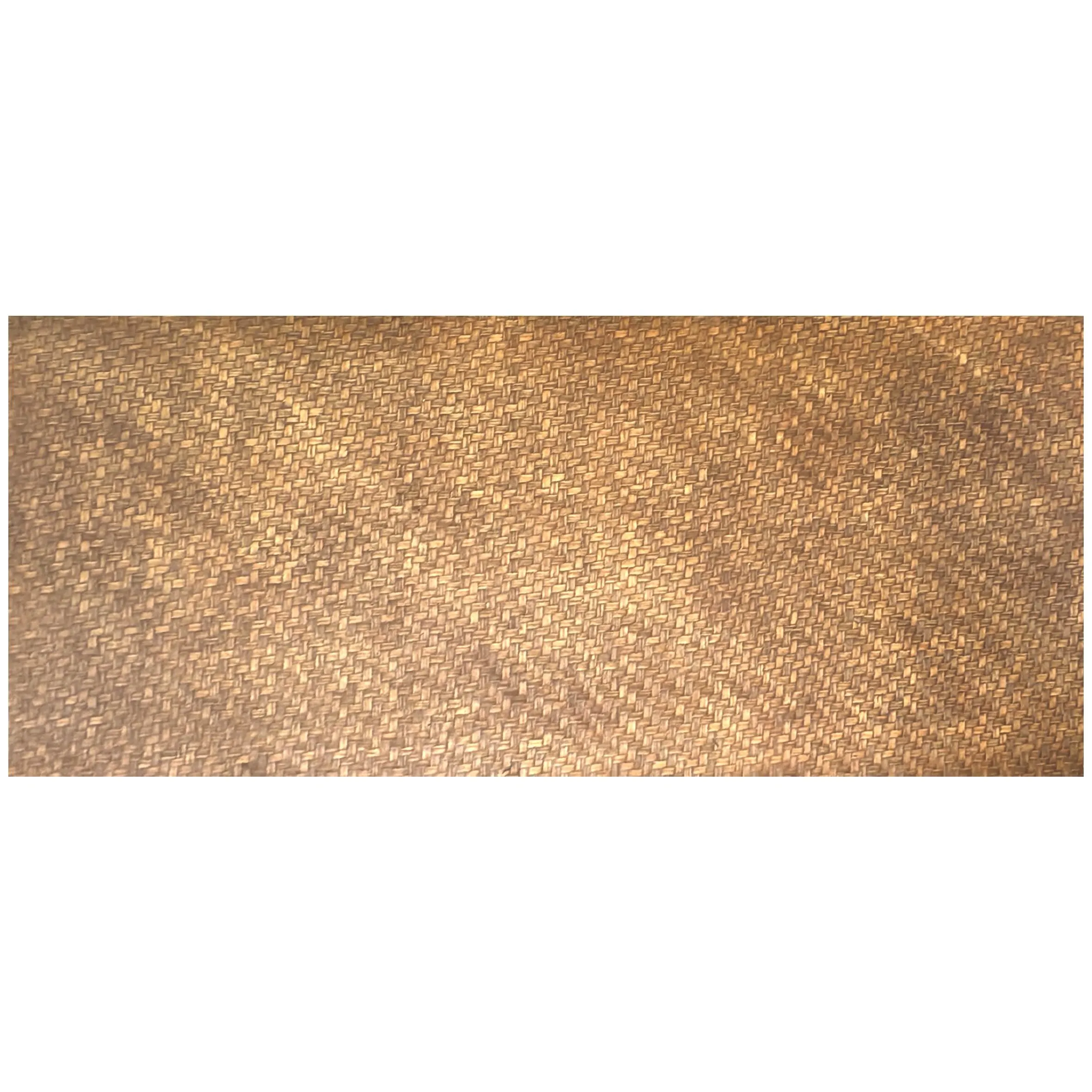
Navigating the heart and science of building materials
Walk into a room, and before you notice the furniture or the art, you feel the walls. Maybe it's the warmth of wood under your fingertips, or the cool, solid heft of stone. The materials we choose to clothe our buildings aren't just about structure—they shape how we experience space. They tell a story: about sustainability, about budget, about the kind of life we want to live within those walls.
For architects, homeowners, and builders alike, the debate often boils down to balancing practicality with soul. Do you go with the tried-and-true industrial strength of cement, or embrace something newer, greener, and a little more… alive? That's where two materials step into the spotlight: Bamboo Mat Board and Traditional Cement Boards. Both have their fans, but they couldn't feel more different in practice. Let's dive in—not just with spreadsheets and specs, but with the kind of honest talk that helps you imagine waking up in a space built with each.
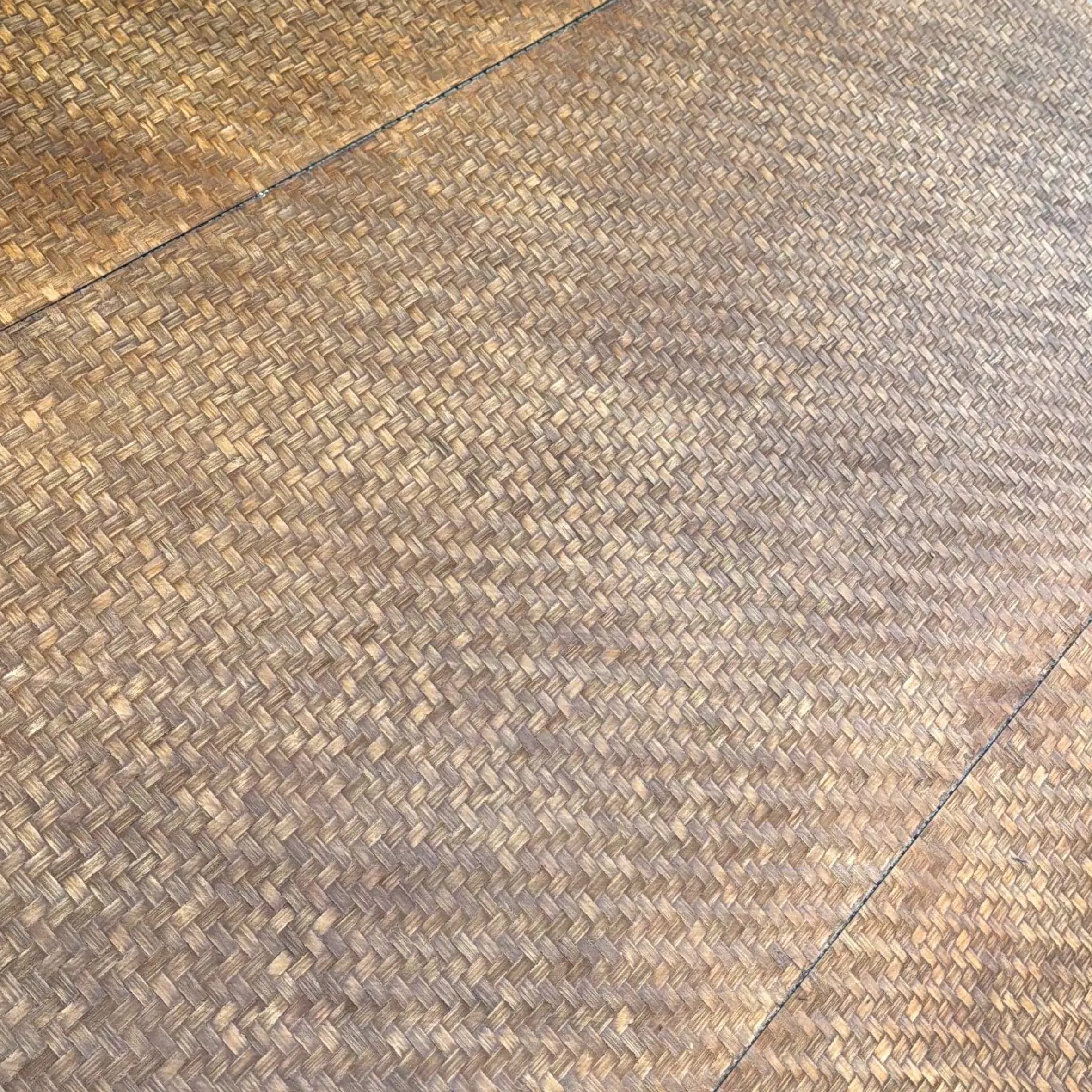
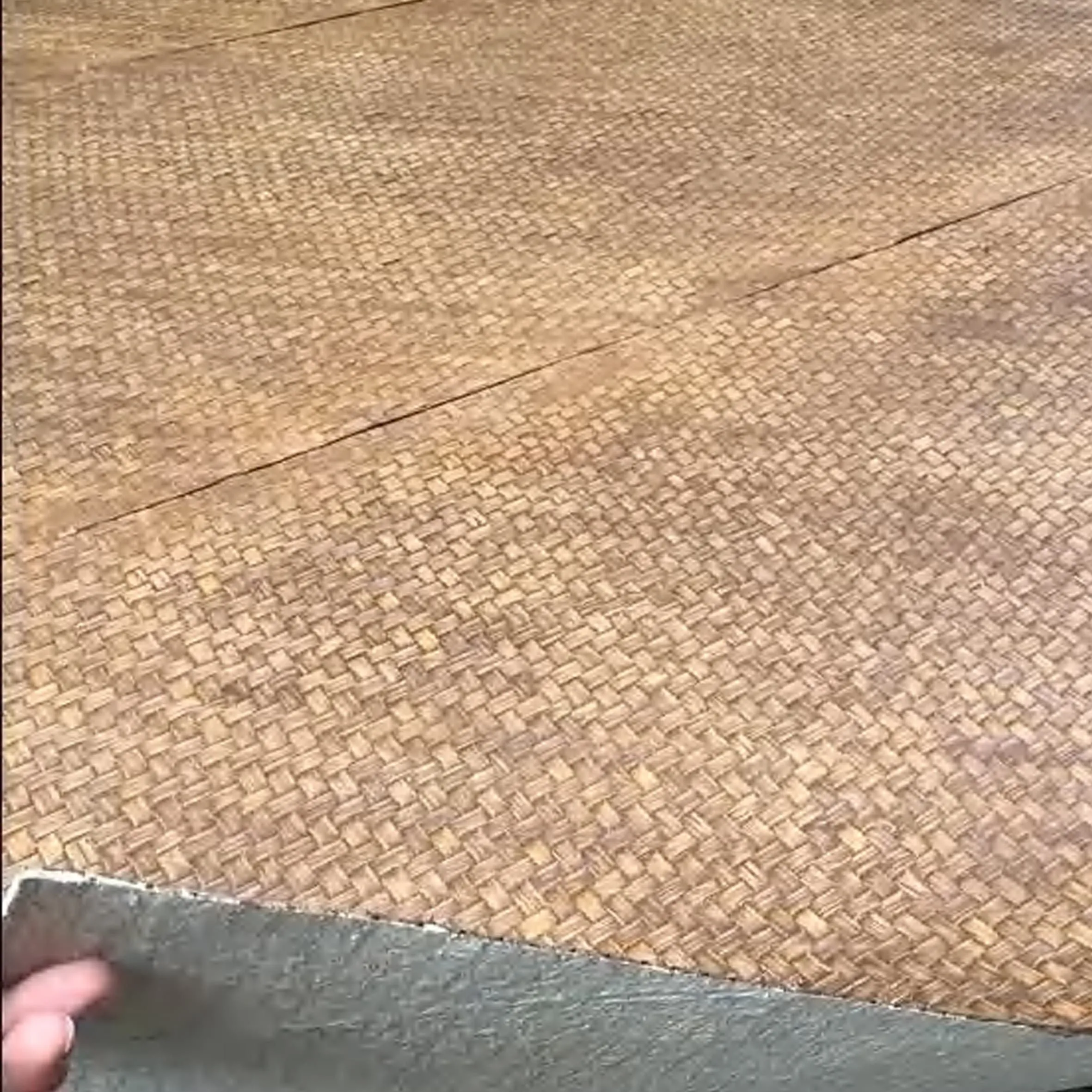
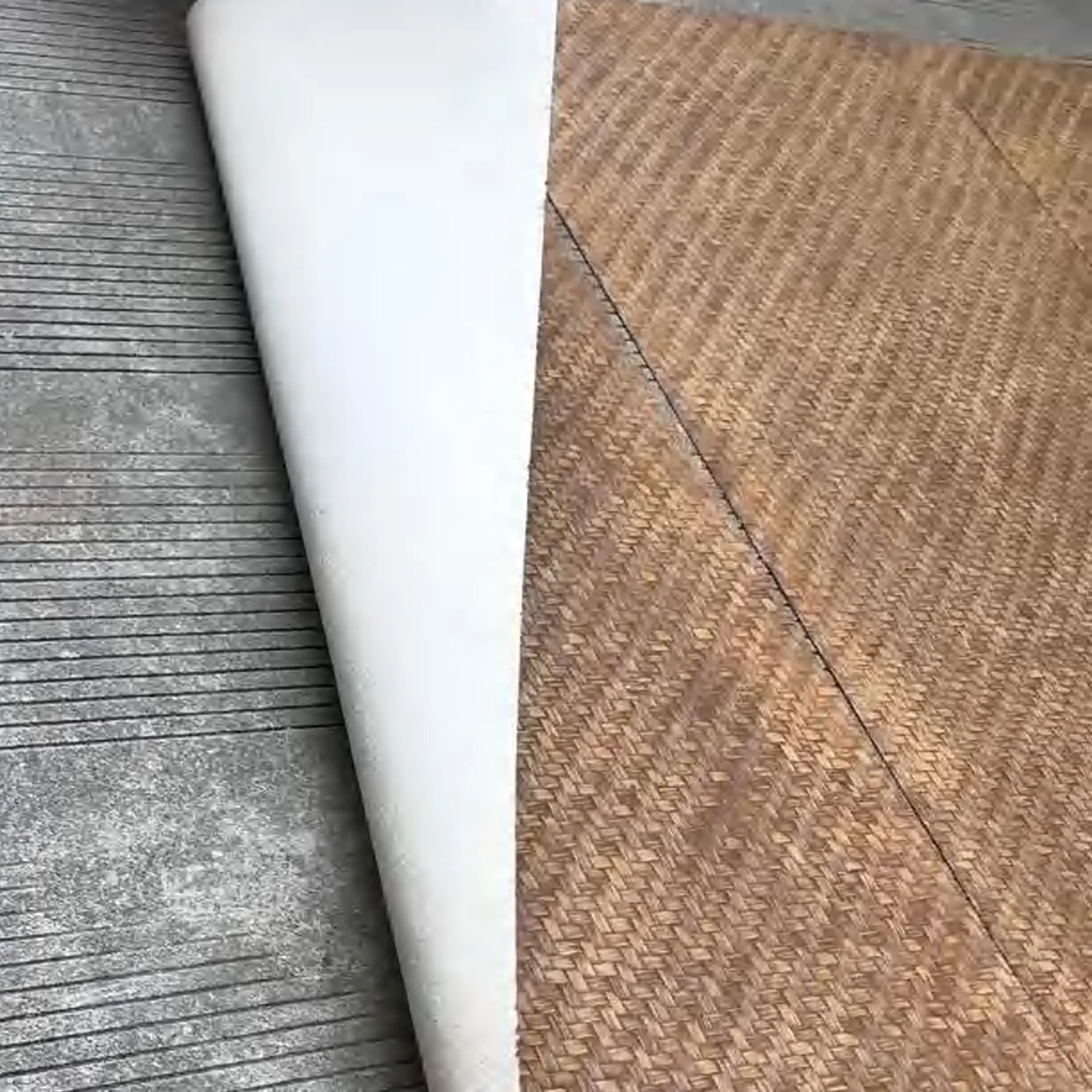
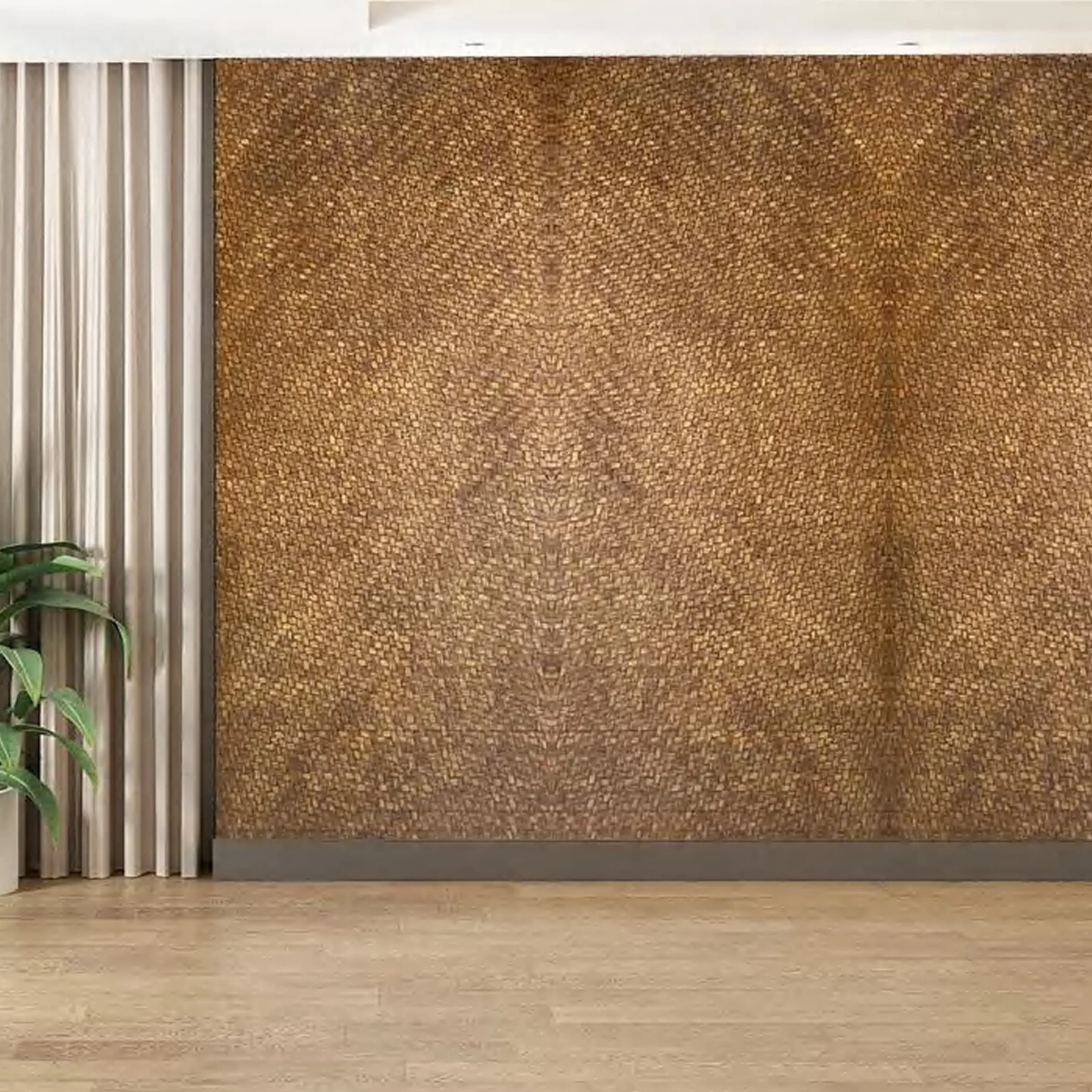
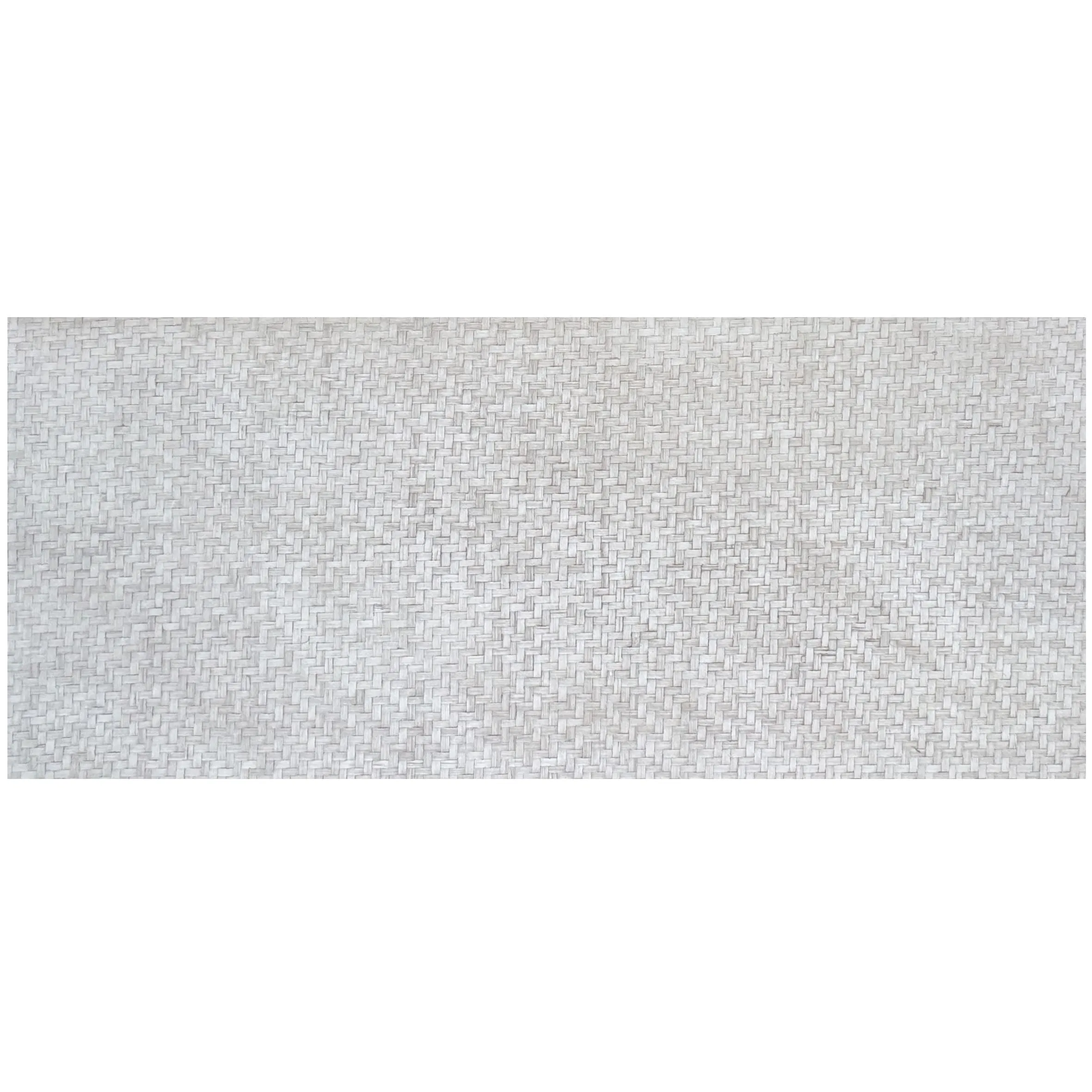
If you've ever run your hand over a bamboo fence or admired the grain of a bamboo cutting board, you know there's something inherently warm about this material. Bamboo Mat Board takes that natural charm and cranks up the functionality. Picture thin, flexible strips of bamboo—harvested from fast-growing, sustainably managed forests—woven into mats, then bonded together with eco-friendly adhesives. The result? A panel that's lightweight but surprisingly tough, with a surface that feels like a handshake between nature and craftsmanship.
What sets it apart? Bamboo isn't just a pretty face. It's one of the fastest-growing plants on the planet, maturing in 3–5 years (compared to 20–30 for most hardwoods). That means it's renewable in a way few other building materials are. And because the mats are woven, there's a subtle flexibility to the boards—they bend rather than snap under stress, which is a game-changer in areas prone to earthquakes or shifting foundations.
Aesthetically, it's a breath of fresh air. Unlike the uniform gray of cement, Bamboo Mat Board brings in natural variations: light and dark streaks, the occasional knot, a texture that catches the light and feels organic. It's the kind of material that makes a room feel less like a box and more like a living, breathing part of the landscape.
Now, let's talk about the veteran in the room: Traditional Cement Boards. You've seen them everywhere—on the exterior of commercial buildings, as backing for tile in bathrooms, even as accent walls in industrial-chic lofts. They're the quiet workhorses of construction, prized for their no-nonsense durability.
Most cement boards are a mix of cement, sand, and reinforcing fibers—usually cellulose (from wood pulp) or glass. Some, like fair-faced concrete , are left unfinished to show off their raw, industrial texture, while others are painted or tiled over. They're rigid, dense, and built to stand up to moisture, fire, and pests. If you want a material that says "this building isn't going anywhere," cement boards deliver that in spades.
But here's the thing: cement boards don't exactly scream "cozy." Their gray, uniform surface can feel cold and impersonal, like walking into a factory rather than a home. And that rigidity? It's a strength, but also a weakness. drop a heavy object on a cement board, or subject it to sudden temperature changes, and you might end up with a crack—a problem that's not just unsightly, but can let in moisture over time.
Let's get real: budget matters. But "cost" isn't just about the price tag at the hardware store. It's about installation, maintenance, and how much you'll shell out 5, 10, or 20 years down the line. Let's break it down.
If you're comparing per-square-foot prices at the store, Traditional Cement Boards will almost always win. A standard 4x8-foot cement board might run you $20–$30, while Bamboo Mat Board could be $35–$50 for the same size. That's a noticeable difference upfront, especially for large projects. It's easy to think, "Why pay more?" But hold that thought—installation and long-term costs tell a different story.
Cement boards are heavy. A single 4x8-foot sheet can weigh 50–70 pounds, which means you'll need at least two people to carry and install them. Cutting them? You'll need specialized tools—like a diamond-tipped saw—to avoid cracking, and the dust is no joke (always wear a mask). All that adds up to higher labor costs: more time, more people, more equipment.
Bamboo Mat Board, on the other hand, is lightweight—usually 20–30 pounds per sheet. One person can handle it, and you can cut it with a standard circular saw or even a handsaw. No heavy machinery, no clouds of dust, just straightforward work. Labor costs here? Significantly lower. For a 1,000-square-foot project, you might save $1,500–$3,000 on installation alone with bamboo. Suddenly that initial price gap starts to shrink.
Cement boards are often marketed as "low maintenance," but that's not entirely true. If they're painted, the paint can chip or fade over time, requiring touch-ups every 3–5 years. If they crack (and they do, especially in climates with freeze-thaw cycles), you'll need to patch them with cementitious filler, which never quite matches the original texture. And if moisture seeps into those cracks? Mold and mildew can set in, leading to bigger problems.
Bamboo Mat Board needs a little love too, but it's simpler. Most come pre-treated with a water-resistant sealant, and a quick re-seal every 2–3 years (just a wipe-on product, no special tools) keeps moisture at bay. Stains? A little mild soap and water usually does the trick. And because bamboo is flexible, it's less prone to cracking in the first place. Over 10 years, you might spend $200–$500 on maintenance for bamboo, versus $800–$1,200 for cement (paint, patches, mold treatments). That adds up.
Let's crunch the numbers for a 1,000-square-foot wall over 10 years:
Wait—cement still comes out cheaper? But here's the wildcard: energy costs. Bamboo has natural insulating properties, thanks to its cellular structure. A bamboo wall can reduce heating and cooling bills by 10–15% compared to cement, which conducts heat and cold like a highway. Over 10 years, that could save $2,000–$5,000 on energy. Suddenly, bamboo is at $40,850, cement at $31,000—still a gap, but smaller. And if you factor in resale value? Homes and buildings with green building materials like bamboo often sell for 5–10% more. For a $500,000 home, that's $25,000–$50,000 added value. Now bamboo isn't just competitive—it's a smart investment.
Cost is important, but how do these materials actually perform day in and day out? Let's talk durability, feel, sustainability—all the things that make a house a home (or a building a joy to work in).
| Feature | Bamboo Mat Board | Traditional Cement Boards |
|---|---|---|
| Durability | Resistant to rot, pests, and cracking; lasts 20–30 years with proper care | Fire and moisture resistant; prone to cracking over time; lasts 30–40 years with repairs |
| Strength | Flexible tensile strength; bends without breaking | High compressive strength; rigid but brittle |
| Aesthetics | Warm, natural texture with visible grain; available in light to medium tones | Cool, industrial gray; uniform appearance; can be painted or tiled |
| Sustainability | Renewable bamboo; low carbon footprint; biodegradable at end of life | High carbon footprint (cement production emits CO2); non-biodegradable |
| Thermal Insulation | Good (R-value ~0.8–1.0 per inch) | Poor (R-value ~0.1–0.2 per inch) |
| Acoustic Performance | Absorbs sound well; reduces echo | Reflects sound; can amplify noise in large spaces |
| Weather Resistance | Resistant to moisture (with sealing); may warp in extreme humidity | Resistant to rain, snow, and UV; prone to freeze-thaw cracking |
Cement boards are tough, no doubt. They resist fire, rot, and pests, and they'll stand up to a hurricane better than most materials. But their rigidity is a double-edged sword. In areas with seismic activity or frequent temperature swings, cement boards can develop hairline cracks that grow over time. Once a crack starts, water gets in, and suddenly you're dealing with mold or even structural issues.
Bamboo Mat Board, on the other hand, bends. Its woven structure acts like a shock absorber, flexing with the building rather than fighting against it. I've seen bamboo walls in earthquake-prone regions that survived tremors with no damage, while neighboring cement walls had to be replaced. It's not indestructible—extreme force will still damage it—but it's more forgiving in the day-to-day.
Let's talk about how these materials make you feel. Walk into a room with Wood Grain Board or Bamboo Mat Board walls, and you'll notice the difference immediately. The natural grain catches the light, creating soft shadows that change throughout the day. It feels organic, like bringing a piece of the forest indoors. People tend to linger longer in spaces with natural materials—restaurants with bamboo accents report higher customer satisfaction, and offices with wood or bamboo walls have lower stress levels among employees.
Cement boards, by contrast, have an industrial edge. They're perfect for a modern, minimalist look—think loft apartments or tech offices where "edgy" is the vibe. But that cool gray can feel sterile in a home. I worked with a family once who chose fair-faced concrete for their living room walls, thinking it would be "trendy." A year later, they were covering it with rugs and tapestries to warm it up. It's not that cement is ugly; it's just that it doesn't invite you to kick off your shoes and stay awhile.
If you care about the planet—and let's be honest, we all should—this is where Bamboo Mat Board shines. Bamboo is a green building material through and through. It grows without pesticides, absorbs 5x more carbon dioxide than trees, and releases 35% more oxygen. When harvested, it regrows from the roots, so there's no need to replant. The adhesives used in Bamboo Mat Board are often soy-based or formaldehyde-free, making it low-VOC (volatile organic compounds) and better for indoor air quality.
Cement, on the other hand, is one of the biggest carbon emitters on the planet. Producing one ton of cement releases about one ton of CO2 into the atmosphere—that's 8% of global emissions. And once a cement board reaches the end of its life, it ends up in a landfill, where it doesn't biodegrade. It's durable, but at a cost to the planet.
Numbers and specs are helpful, but nothing beats hearing from people who've lived with these materials. Let's meet a few folks who made the choice—and how it worked out.
Casey, a café owner in Portland, Oregon, wanted her space to feel "like a hug in a cup." She considered cement boards for the walls—cheaper, durable, easy to clean. But something felt off. "I kept imagining customers sitting there, and it just felt cold," she told me. "I wanted people to stay, to chat, to feel at home."
She went with Bamboo Mat Board instead, even though it cost $5,000 more upfront. "Best decision ever," she says now. "The bamboo walls have this natural warmth—people comment on it all the time. We get regulars who say they stay longer because the space feels so inviting. And my energy bills? Down 12% from my last café, which had cement walls. That adds up over a year."
Mark, an architect, bought a converted warehouse in Chicago and wanted to lean into the industrial aesthetic. He used fair-faced concrete for the accent wall in his living room. "I loved the raw, unfinished look," he says. "It felt authentic to the building's history."
But after a harsh winter, he noticed cracks. "Freeze-thaw cycles did a number on it," he explains. "Water seeped in, froze, expanded, and now there are these hairline cracks all over. I've patched them, but it never looks the same. And in the summer, the AC runs nonstop because the concrete absorbs heat like a sponge. I still love the look, but I didn't realize how much maintenance it would need."
So, which is better? Bamboo Mat Board or Traditional Cement Boards? The answer, of course, is "it depends." If you prioritize initial cost, industrial aesthetics, and don't mind occasional repairs, cement might be your pick. But if you want warmth, sustainability, lower long-term costs, and a material that feels alive, bamboo is hard to beat.
At the end of the day, building materials aren't just about function—they're about the stories we tell in the spaces we create. A wall made of bamboo whispers of forests and sustainability; a cement wall shouts of industry and resilience. Both have their place, but more and more, people are choosing materials that don't just build structures—they build connections: to nature, to sustainability, and to the kind of spaces that feel like home.
So, what's your story? Whether you're building a café, a home, or an office, let your materials reflect the values and vibe you want to put out into the world. And if you ask me? A little warmth goes a long way.
Recommend Products












