
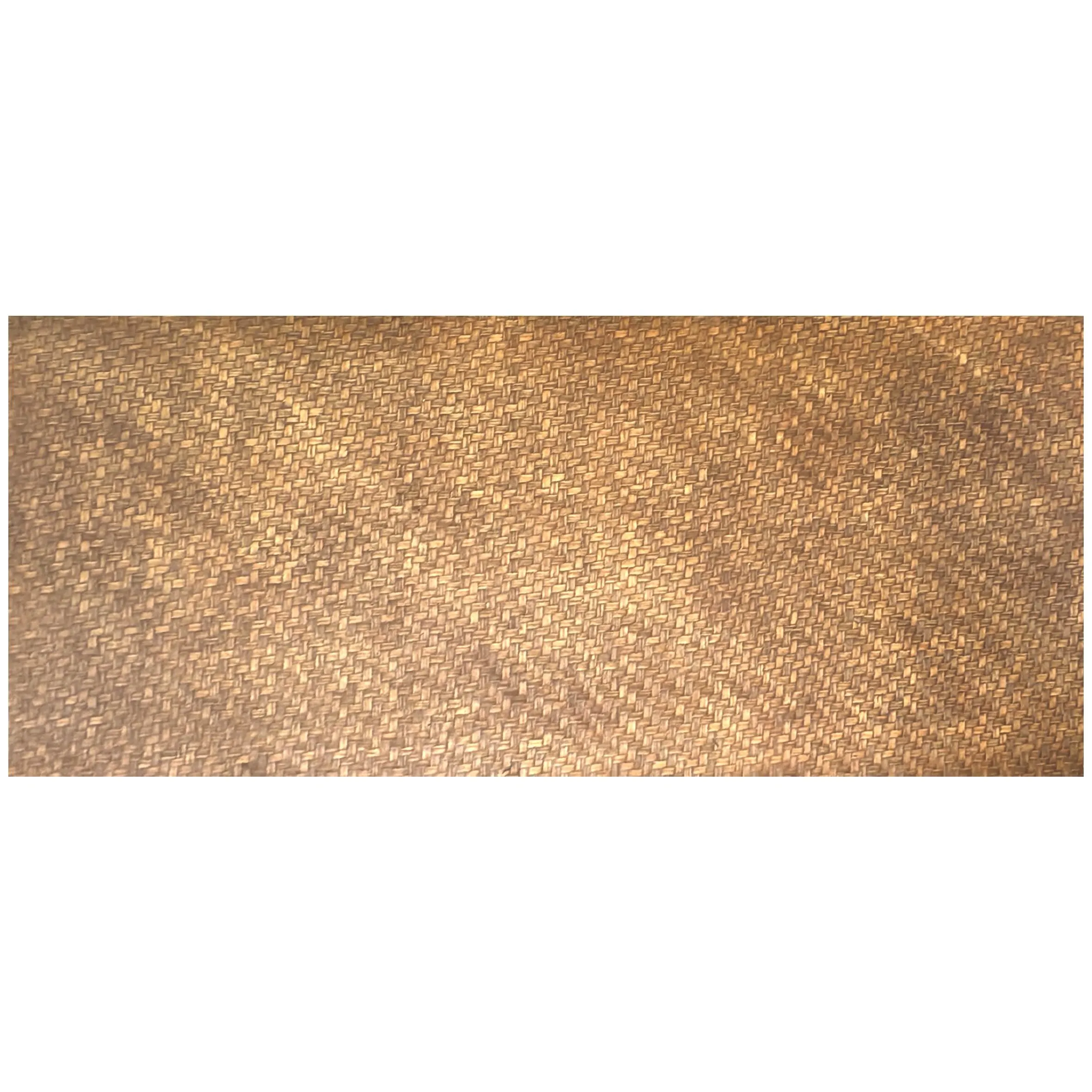
In an era where every construction choice echoes far beyond the walls of a building, the materials we select carry weight—for our planet, our health, and future generations. As homeowners, architects, and developers increasingly pivot toward green building materials , two options often rise to the surface: bamboo mat board and vinyl cladding. Both promise durability and aesthetic appeal, but their environmental footprints tell vastly different stories. Let's dive into what makes each material tick, how they stack up in terms of sustainability, and why one might align better with your vision of a greener built environment.
First, let's get up close with bamboo mat board. If you've ever walked through a space where the walls feel warm, organic, and subtly textured, there's a chance you've encountered this material. Bamboo mat board, as the name suggests, is crafted from bamboo—a grass that's gained fame as one of the most renewable resources on the planet. But what exactly goes into making it, and why is it often hailed as a hero in eco-conscious construction?
Bamboo's claim to fame starts with its growth rate. Unlike hardwood trees, which can take decades to mature, bamboo shoots reach harvestable size in just 3–5 years. This rapid regrowth means bamboo forests can be replenished quickly, reducing pressure on old-growth forests. When harvested sustainably—think selective cutting that allows the root system to regenerate—bamboo acts as a carbon sink, absorbing more CO2 and releasing more oxygen than equivalent tree stands.
To turn bamboo into mat board, the process is surprisingly low-impact compared to many synthetic materials. Harvested bamboo poles are split into strips, which are then boiled or steamed to remove natural sugars (warding off pests) before being dried. These strips are woven into mats, layered, and bonded together using adhesives. The best manufacturers opt for formaldehyde-free, plant-based adhesives, ensuring the final product stays non-toxic. The result? A rigid, lightweight board with a distinctive, natural grain that adds warmth to any space—whether used for wall cladding, furniture, or even accent pieces.
Beyond its renewable sourcing, bamboo mat board brings other eco-perks to the table. It's naturally resistant to moisture, mold, and mildew, which means it lasts longer in humid climates without the need for chemical treatments. Its strength-to-weight ratio is impressive too—bamboo has a tensile strength comparable to steel, making it durable enough for high-traffic areas. And because it's biodegradable, at the end of its life, bamboo mat board can break down naturally, leaving minimal waste behind. It's no wonder it's a staple in projects aiming for LEED certification or other green building standards.
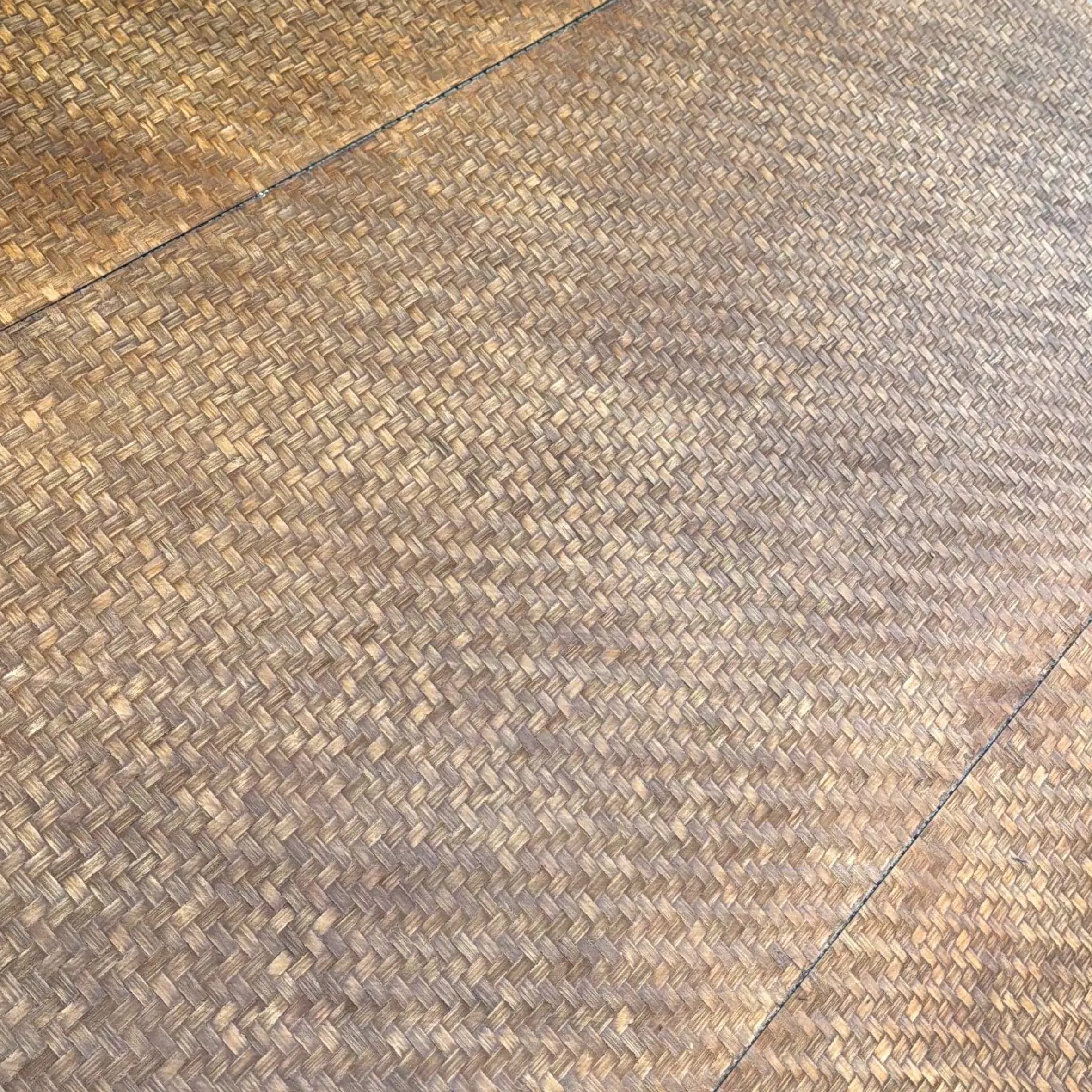
Now, let's shift to vinyl cladding. You've likely seen it on homes across suburbs and urban areas alike—sleek, uniform, and marketed as a low-maintenance solution. Vinyl cladding is made from polyvinyl chloride (PVC), a synthetic plastic derived from two primary sources: petroleum (a non-renewable fossil fuel) and chlorine (often produced via energy-intensive electrolysis of saltwater). Its popularity stems from its affordability, resistance to rot, and minimal upkeep—no painting, staining, or sealing required. But convenience often comes with hidden environmental costs, and vinyl is no exception.
The manufacturing process of vinyl cladding is resource-heavy and pollution-prone. Extracting petroleum for PVC contributes to habitat destruction, oil spills, and greenhouse gas emissions. Chlorine production, too, is energy-intensive, often relying on coal-fired power plants that release CO2 and toxic byproducts like dioxins—a group of highly carcinogenic chemicals linked to developmental issues and environmental contamination. During PVC production, these dioxins can leach into air, water, and soil, posing risks to nearby communities and wildlife.
Once the PVC resin is produced, it's mixed with plasticizers (to make it flexible), stabilizers (to resist heat and UV rays), and pigments. Many of these additives, like phthalates (plasticizers) and lead-based stabilizers (once common, now restricted in some regions), are endocrine disruptors and can off-gas over time, affecting indoor air quality. Even "low-VOC" vinyl products may still contain trace amounts of harmful chemicals, making them less ideal for health-focused builds.
Vinyl cladding is often touted as "long-lasting," with manufacturers claiming lifespans of 20–30 years. However, its performance can degrade in extreme conditions: prolonged exposure to sunlight can cause fading or brittleness, while extreme cold may lead to cracking. When it does fail, vinyl cladding faces a grim end-of-life scenario. Unlike bamboo, it's non-biodegradable—meaning it sits in landfills for centuries, slowly leaching chemicals into soil and groundwater. Incineration, a common disposal method for plastics, releases dioxins and hydrochloric acid into the air, further polluting the environment. Recycling vinyl is possible but limited; most recycling facilities focus on high-volume plastics like bottles, leaving cladding to be treated as waste.
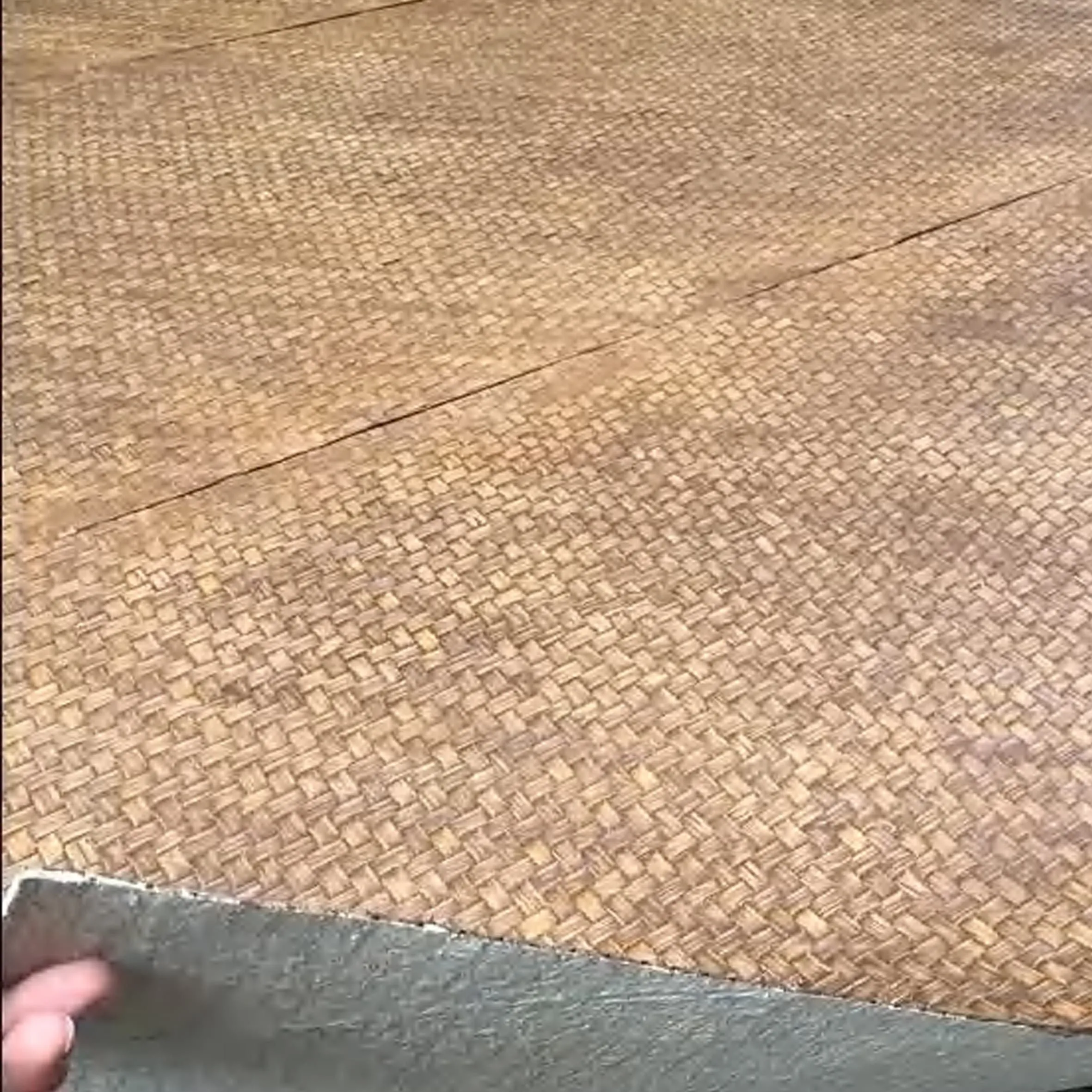
To truly understand how these materials compare, let's break down their environmental impact across key stages: resource extraction, manufacturing, use, and disposal. This side-by-side look will help clarify why one might be a better fit for sustainable projects.
| Environmental Factor | Bamboo Mat Board | Vinyl Cladding |
|---|---|---|
| Resource Type | Renewable (bamboo grass); rapidly regrowable, no need for irrigation or pesticides when sustainably farmed. | Non-renewable (petroleum and chlorine); relies on fossil fuels and energy-heavy chemical processes. |
| Manufacturing Emissions | Low CO2 footprint; minimal energy use for processing (drying, weaving, bonding with eco-adhesives). | High emissions; PVC production releases CO2, dioxins, and other toxins; plasticizer/stabilizer manufacturing adds more pollutants. |
| Durability & Maintenance | Resistant to moisture, mold, and pests; may need occasional sealing (water-based sealants recommended); lifespan of 15–25 years with proper care. | Prone to fading/cracking in extreme weather; low maintenance but degrades faster in harsh climates; lifespan of 20–30 years (but with potential for early failure). |
| End-of-Life Disposal | Biodegradable; can be composted, recycled into mulch, or repurposed; minimal toxic runoff. | Non-biodegradable; landfills for centuries; incineration releases dioxins; recycling is rare and limited. |
| Health Impact | Non-toxic; no off-gassing when made with eco-adhesives; improves indoor air quality. | May off-gas VOCs and phthalates; linked to respiratory issues and hormonal disruption; manufacturing exposes workers to toxins. |
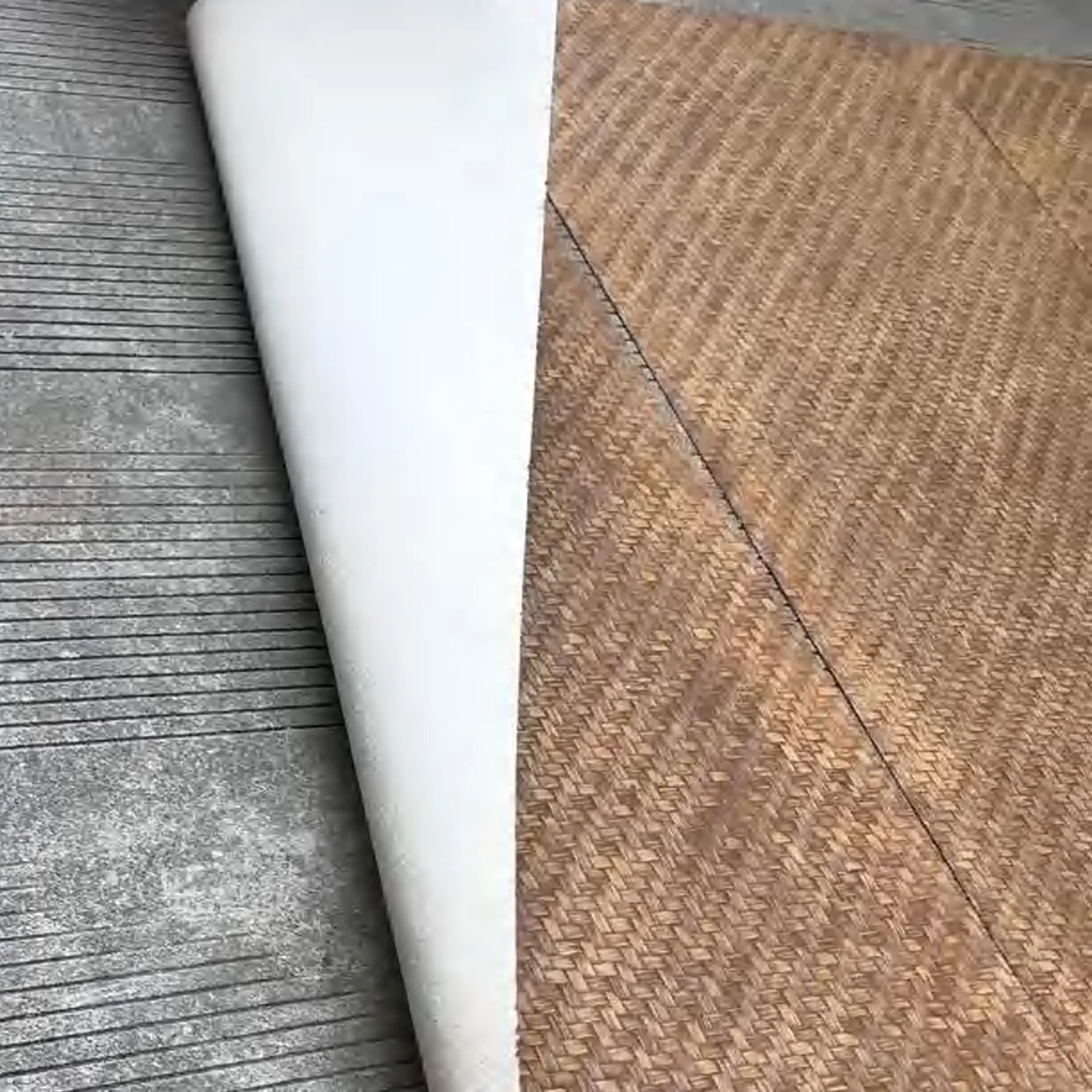
While bamboo mat board and vinyl cladding are common choices, the world of green building materials offers other innovative options worth considering—especially for projects aiming to push sustainability further. One standout in this space is mcm flexible stone , part of the broader mcm project board series . MCM (Modified Composite Material) flexible stone mimics the look of natural stone but is lighter, more durable, and easier to install. Made from recycled stone aggregates and eco-resins, it reduces the need for quarrying (a major source of habitat destruction) and cuts down on transportation emissions due to its lightweight nature. Like bamboo mat board, it's resistant to weathering and can be recycled at the end of its life, making it a strong contender for eco-conscious designers.
Another option is foamed aluminium alloy board, available in vintage silver, gold, or classic metal finishes. While aluminium production is energy-intensive, foamed variants use less material and are 100% recyclable, with high scrap value that incentivizes proper disposal. For those drawn to the look of concrete, fair-faced concrete (a keyword from the list) offers a raw, industrial aesthetic with minimal processing—no harsh chemicals, just natural aggregates and water. It's durable, fire-resistant, and ages gracefully, often requiring no additional cladding.
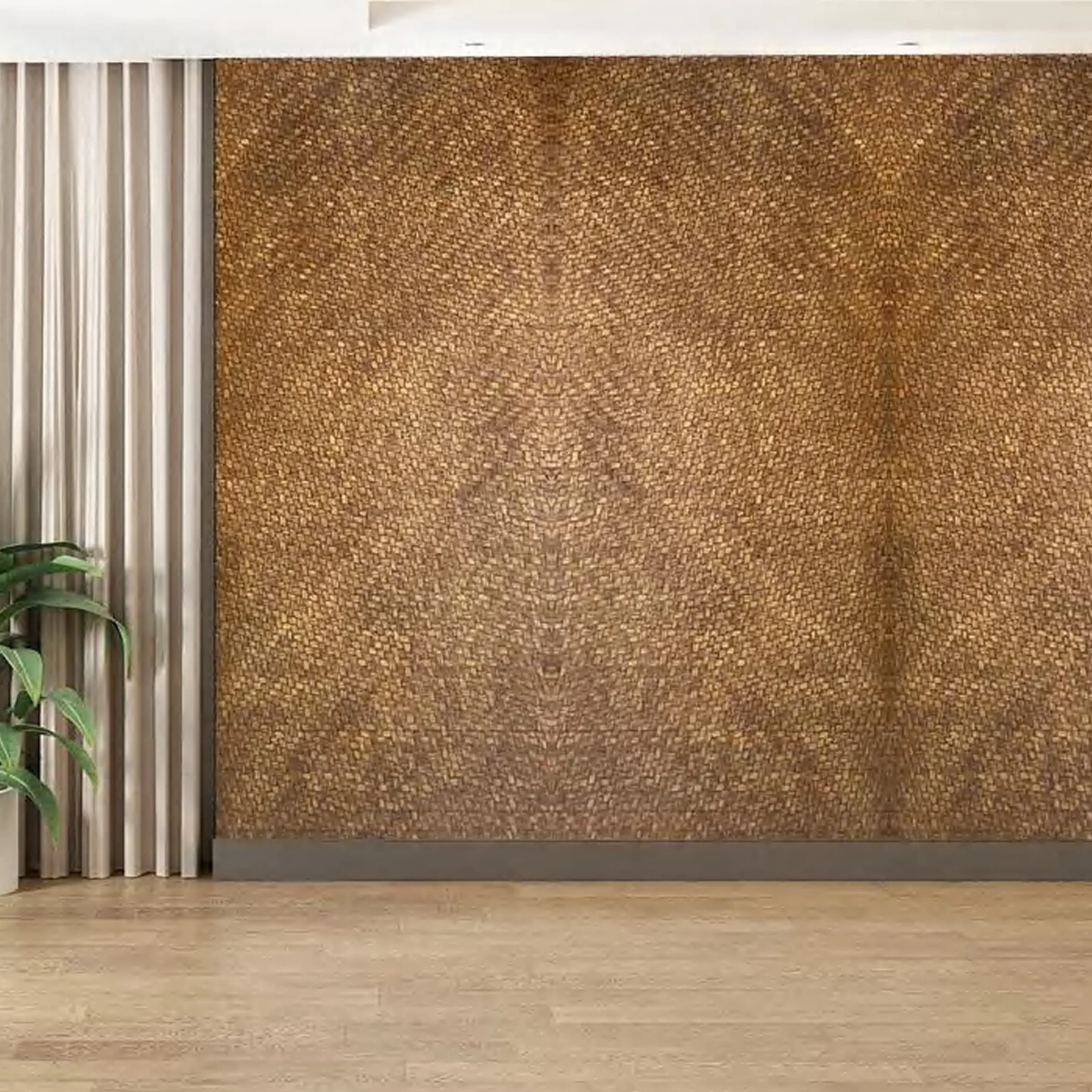
When weighing bamboo mat board against vinyl cladding, the environmental math is clear: bamboo mat board is the more sustainable choice. Its renewable sourcing, low manufacturing impact, biodegradable end-of-life, and non-toxic profile make it a standout in green building materials . Vinyl cladding, while convenient and budget-friendly, comes with heavy environmental and health costs—from fossil fuel reliance to toxic emissions and persistent waste.
That said, no material is perfect. To maximize bamboo mat board's eco-credentials, opt for products certified by the Forest Stewardship Council (FSC) or similar organizations, ensuring they're harvested and processed sustainably. And for those seeking alternatives, options like mcm flexible stone or foamed aluminium alloy board prove that sustainability and style can go hand in hand.
At the end of the day, every choice we make as builders and homeowners is a vote for the kind of world we want to live in. Bamboo mat board isn't just a cladding material—it's a statement that we prioritize the planet without sacrificing beauty or function. And in a world where green building is no longer a trend but a necessity, that statement matters more than ever.
Recommend Products












