
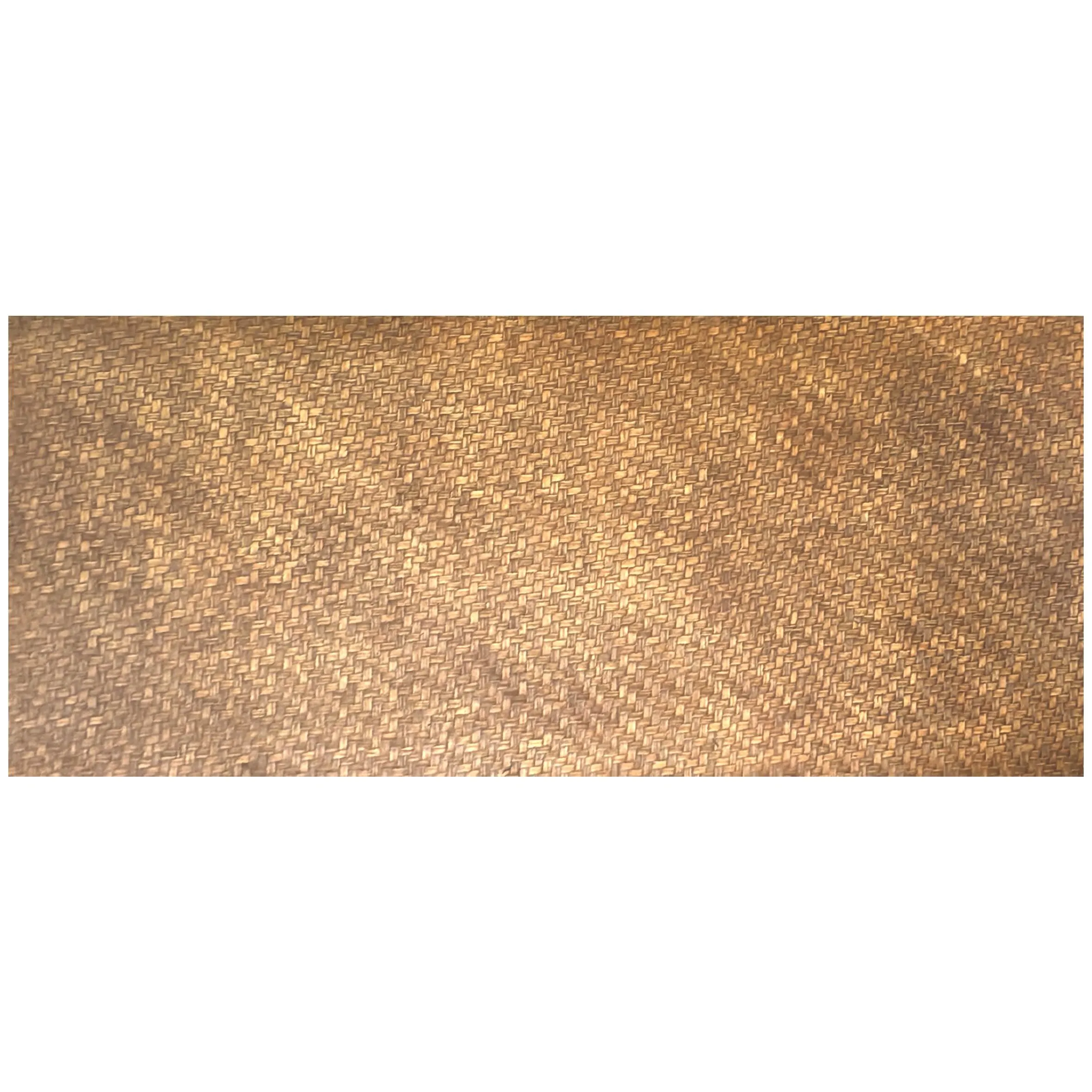
Two wood-look finishes, two very different personalities. Here is how to choose between them.
When architects and contractors choose a wood-look cladding, the decision usually comes down to more than color. Two finishes that often sit side by side in the same product family are the bamboo mat board and the wood grain finish. Both deliver the warmth of natural timber without the weight, maintenance, or cost of real wood, but they read very differently on a facade and suit different design intentions.
This guide compares the two finishes across appearance, texture, performance, application, and maintenance, so you can specify with confidence.
A bamboo mat board is an MCM (modified clay material) flexible panel whose surface reproduces the woven, matted texture of pressed bamboo strips. Instead of a straight, continuous grain, the surface is built from fine parallel strands that run in a rhythmic, slightly irregular pattern, much like a traditional bamboo mat or tatami weave.
At Coloria Group, the bamboo mat board belongs to the MCM flexible stone series, which means it shares the same lightweight, bendable, and weather-resistant base as the rest of the flexible stone range. The woven bamboo texture gives it a calm, natural, and slightly rustic character that works well in residential, hospitality, and wellness spaces.
A wood grain finish reproduces the long, flowing grain lines of sawn timber, the kind of surface you would expect from oak, teak, or walnut. Depending on the series, the grain can be fine and even or bold and dramatic, and it is often combined with subtle tonal variation to mimic real boards.
At Coloria Group, wood grain board panels are produced within the MCM 3D Printing Series, where the texture is printed and embossed in three dimensions for a realistic, touchable surface. The result is a finish that looks like freshly milled timber but behaves like a modern engineered panel.
The most obvious difference is visual rhythm. A wood grain finish draws the eye along long horizontal lines, making walls feel wider and more continuous. A bamboo mat board breaks the surface into shorter, repeating strands, which adds texture and depth but reads as more intimate and less directional.
For large facades, the wood grain finish tends to look cleaner and more architectural. For feature walls, headboards, and accent areas, the bamboo mat board creates a softer, more tactile impression.
Because the wood grain boards in the 3D printing series are embossed, they offer a pronounced, grooved surface that you can actually feel. The bamboo mat board, by contrast, has a flatter woven texture that is pleasant to touch but less aggressive.
This matters in real use. In high-traffic corridors or commercial lobbies where people brush against walls, a flatter bamboo mat surface is more forgiving and easier to keep clean. In areas where you want the surface itself to be the design statement, the deeper wood grain texture delivers more drama.
This is where the comparison gets easy, because both finishes are built on the same MCM technology. Whether you choose the bamboo mat board or a wood grain board, you get:
The choice between the two is therefore driven by design intent rather than structural performance. Both are durable, both are suitable for exterior facades, and both are far lighter than the materials they imitate.
| Bamboo Mat Board | Wood Grain Finish |
|---|---|
| Wellness and spa interiors | Large exterior facades and curtain wall accents |
| Residential feature walls and ceiling panels | Commercial lobbies and office reception areas |
| Retail and hospitality spaces that want a calm, natural feel | Retail environments that want a premium timber look |
| Projects with a Japanese, Scandinavian, or organic design language | Projects where long, continuous lines matter |
Neither finish requires the sealing, staining, or periodic refinishing that real wood demands. A simple wipe with a damp cloth and a pH-neutral cleaner keeps both surfaces looking new. Because the color is baked into the material rather than applied as a coating, both finishes resist fading better than painted timber.
Ask yourself three questions:
If you are still deciding, request samples of both finishes and view them in the actual lighting of your project. The difference between a bamboo mat board and a wood grain finish is subtle in a catalog but obvious on a wall.
Coloria Group is a Foshan-based manufacturer of MCM flexible building materials, supplying architects and contractors worldwide with flexible stone, big slab boards, project boards, and 3D printing series. With a one-stop building materials solution and an established presence in markets including Saudi Arabia, we can help you match the right finish to your project. Contact our team for samples, technical data, and pricing.
Recommend Products












