
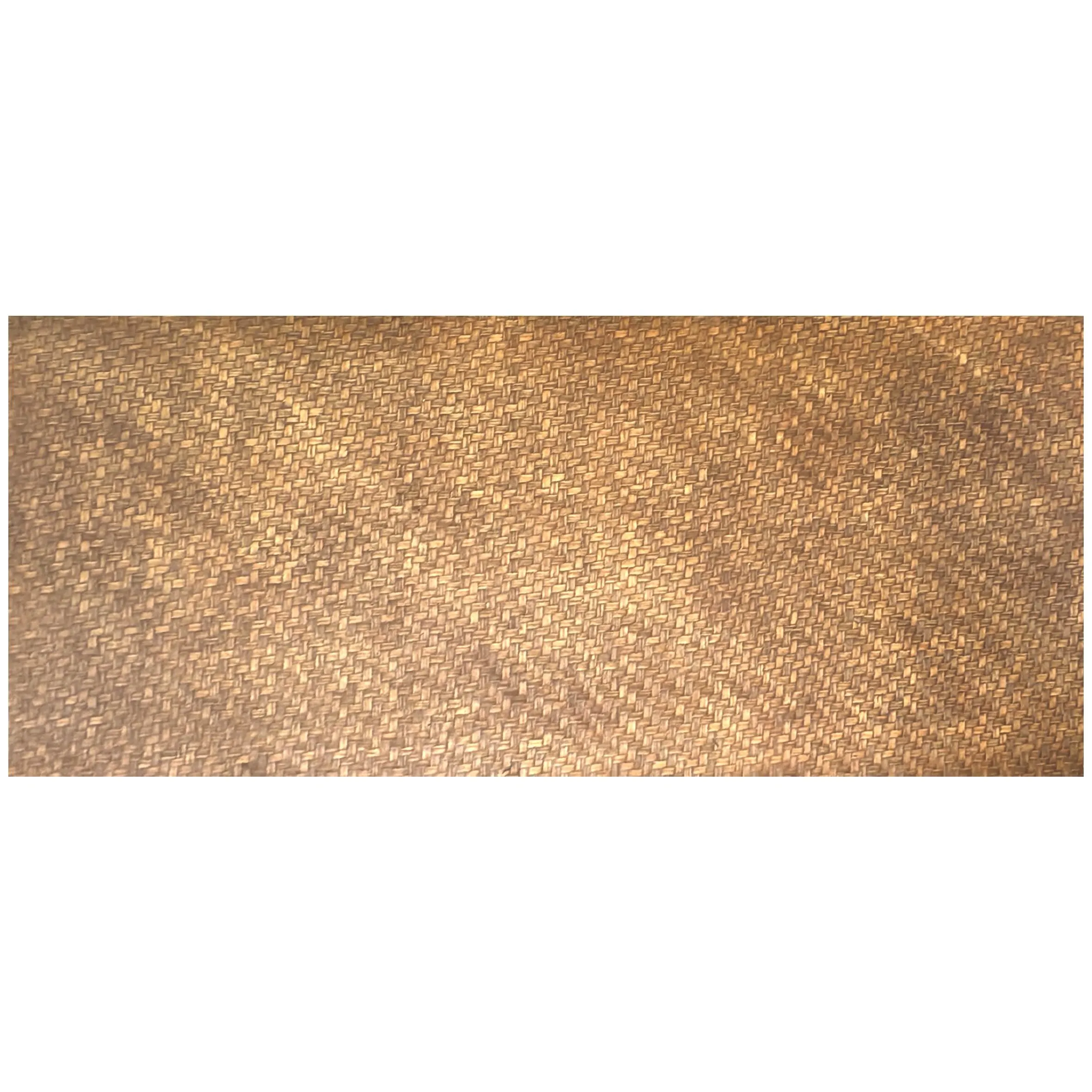
When you're knee-deep in a construction or renovation project, the last thing you want to worry about is whether the materials you've invested in will stand the test of time. For architects, contractors, and homeowners alike, warranties aren't just fine print—they're a promise of reliability, a safety net for your budget, and a window into a supplier's confidence in their product. Today, we're zeroing in on one material that's been turning heads in the design world: bamboo mat board. Loved for its warm, organic texture and eco-friendly credentials, it's a staple in modern interiors and exteriors. But what should you really expect from a bamboo mat board warranty? Let's break it down, no jargon, just straight talk.
Before we dive into warranties, let's make sure we're all on the same page. Bamboo mat board is exactly what it sounds like—thin, flexible panels crafted from woven bamboo strips, compressed and bonded with eco-friendly adhesives. It's got that natural, earthy vibe that works in everything from minimalist living rooms to rustic cafes, and it's often praised for being lighter than traditional wood panels, more durable than standard bamboo sheets, and surprisingly resistant to moisture (when sealed properly). But here's the kicker: not all bamboo mat boards are created equal, and neither are their warranties.
Think of it this way: if you're choosing between two suppliers, one offering a 5-year warranty and another a 15-year one, that gap tells you something about how each company backs their product. But numbers alone don't tell the whole story. Let's unpack what makes a bamboo mat board warranty worth your attention.
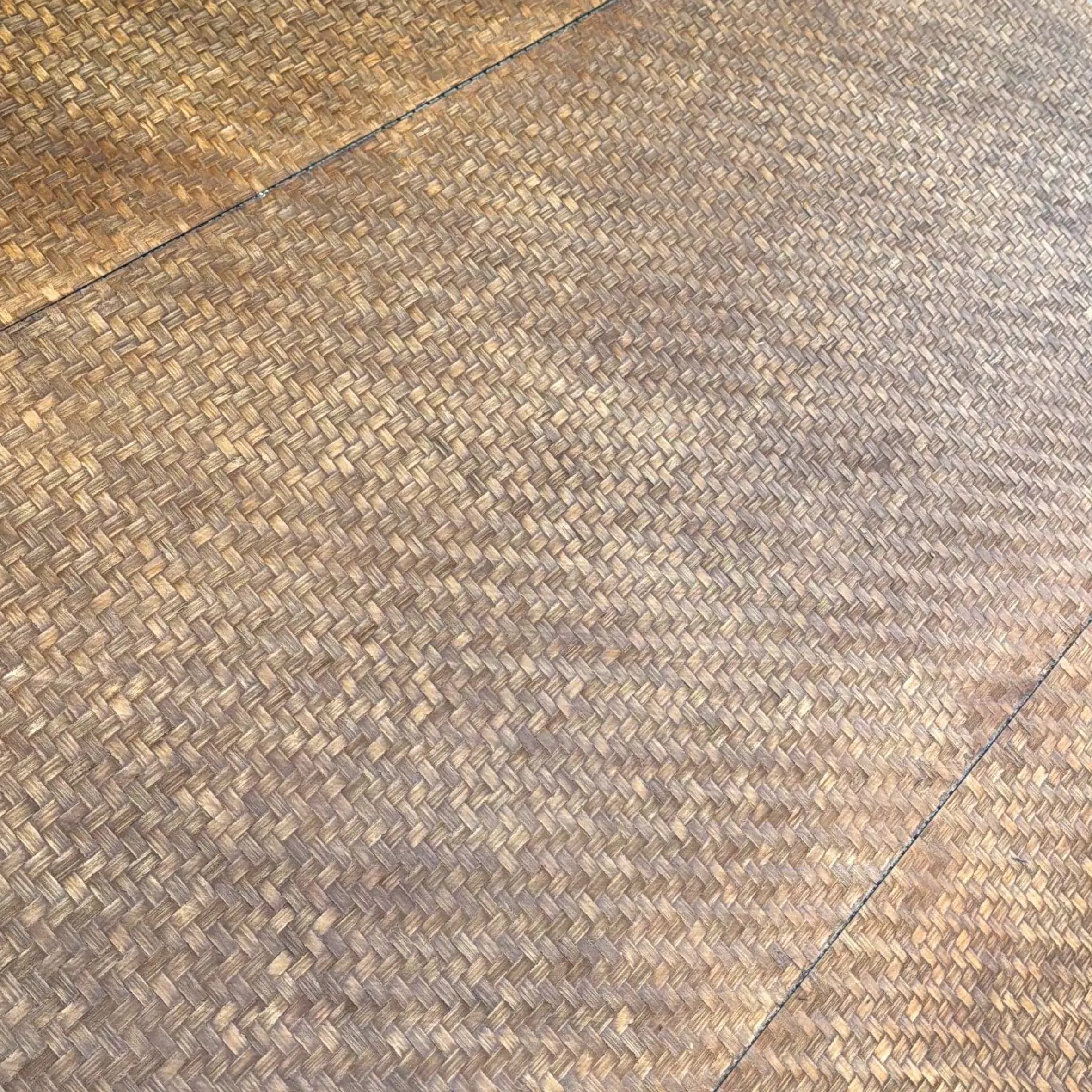
Warranty length is usually the first thing people notice, and for good reason. In the industry, bamboo mat board warranties typically range from 5 to 15 years. But don't just glaze over that number—dig deeper. A 10-year warranty might sound great, but what does it actually cover in year 10? Some suppliers offer "pro-rated" warranties, meaning if a defect shows up in year 8, you might only get 20% of the replacement cost. Others stick to "full replacement" for the entire term. Always ask: Is this a full warranty, or pro-rated?
For context, let's compare it to similar materials. Take fair-faced concrete, for example—a popular choice for industrial-chic designs. Its warranties often hover around 7-10 years, focusing mainly on structural integrity. Wood grain board, another texture favorite, might offer 5-8 years, with stricter exclusions for moisture damage. Bamboo mat board, when sourced from reputable suppliers, often edges out these options, with top-tier brands offering 12-15 years for residential use and 8-12 years for high-traffic commercial spaces.
A warranty is only as good as what it promises to fix. For bamboo mat board, here are the key issues you'll want covered:
Pro tip: Look for warranties that reference "normal residential or commercial use." That phrase matters because it sets clear boundaries—if you're using bamboo mat board in a sauna (hello, extreme moisture), that's not "normal use," and the warranty might not apply. But for a living room accent wall or a restaurant ceiling? That's fair game.
Here's where warranties can get tricky. Exclusions are standard, but some suppliers hide sneaky clauses that make claims almost impossible. Watch out for these common exclusions:
Heads up: Improper installation is the #1 exclusion in most warranties. If your contractor skips sealing the edges or uses the wrong adhesive, and the panels start peeling, the supplier will point the finger at the installer, not their product. Always hire certified installers—many suppliers even have a list of preferred pros to ensure proper setup.
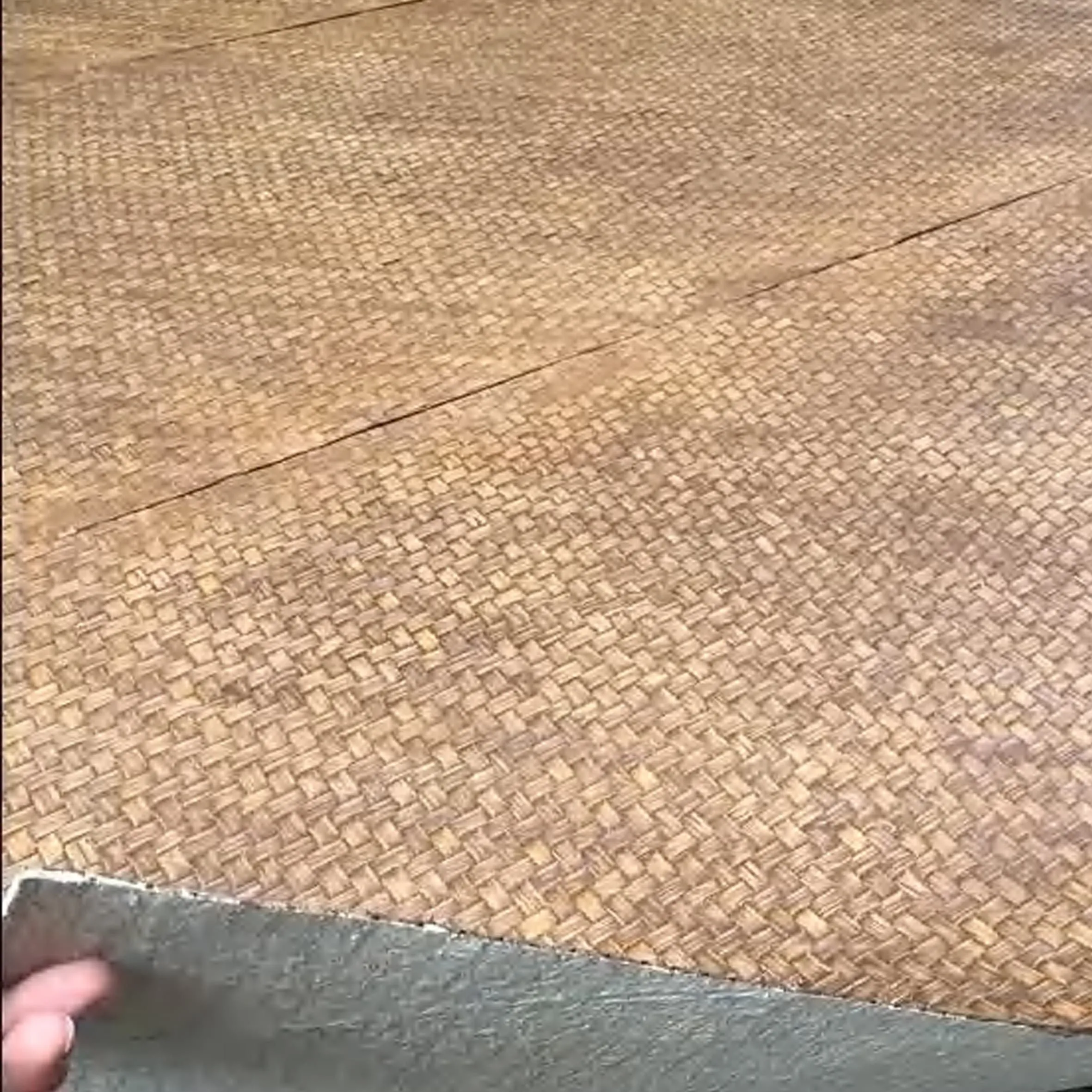
Curious how bamboo mat board compares to other trendy materials? Let's put it side by side with a few popular options, including wood grain board and MCM flexible stone (another lightweight, design-forward choice).
| Material | Typical Warranty Duration | Key Covered Issues | Common Exclusions | Supplier Support Reputation |
|---|---|---|---|---|
| Bamboo Mat Board | 5-15 years | Manufacturing defects, color fading (≤10%), delamination | Improper installation, extreme moisture, pest damage | Strong (top brands offer 24/7 claim hotlines) |
| Wood Grain Board | 5-8 years | Warping, splintering, manufacturing flaws | Humidity over 60%, direct sunlight, painting/ staining | Variable (some budget brands have slow claim processes) |
| MCM Flexible Stone | 10-20 years | Cracking, chipping, color stability | Impact damage, improper mounting (e.g., using nails instead of adhesives) | Excellent (often includes on-site inspections) |
| Fair-Faced Concrete | 7-10 years | Structural cracks, spalling (surface flaking) | Freeze-thaw cycles, chemical exposure (e.g., harsh cleaners) | Strong (but claims require engineering reports) |
Notice that MCM flexible stone has a longer warranty? That's because it's engineered for high durability, often used in commercial exteriors. But bamboo mat board holds its own, especially for interior projects where aesthetics and sustainability are priorities. The takeaway? Match the material to your project's needs, and always compare warranties apples-to-apples.
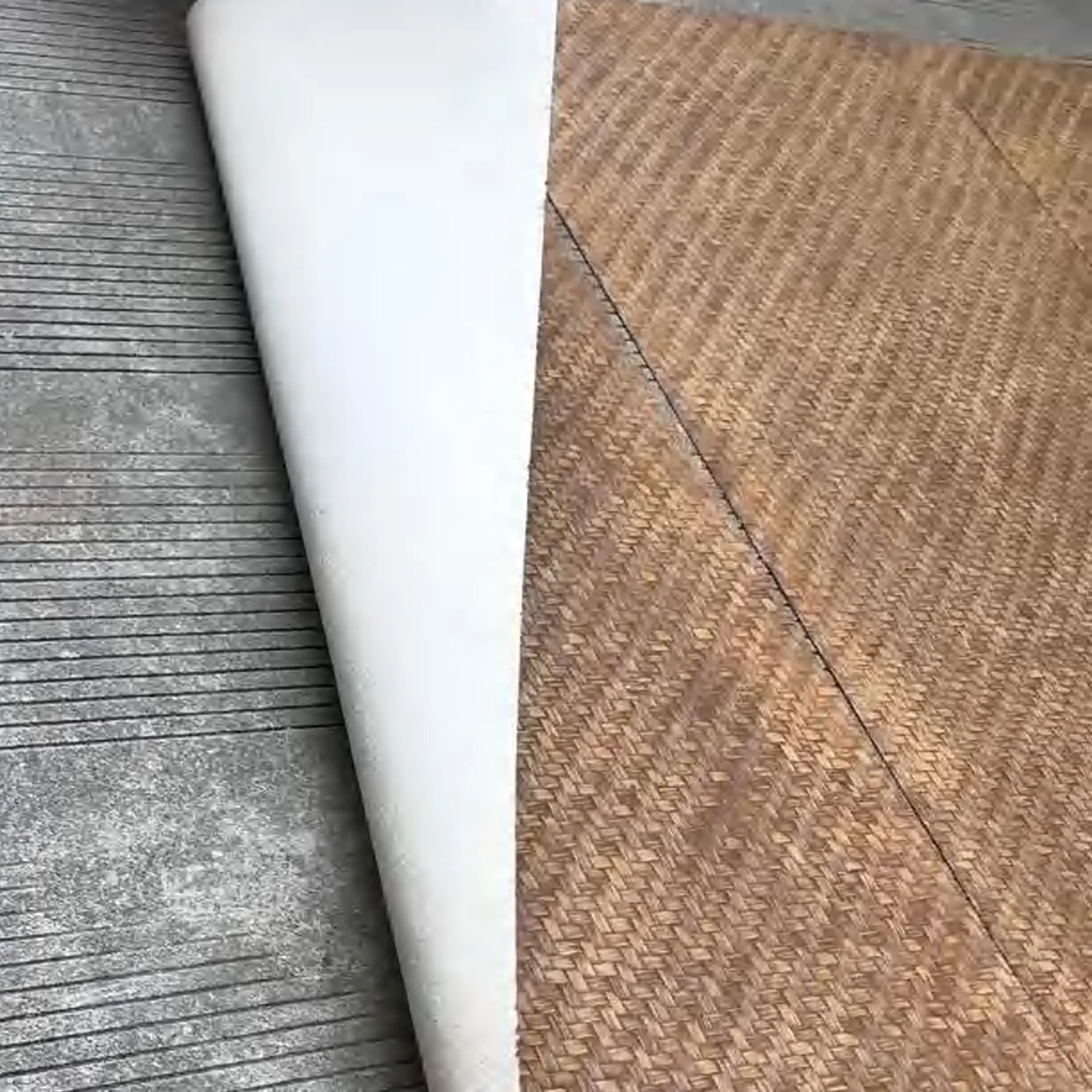
Knowledge is power, and when it comes to warranties, a few smart questions can save you headaches later. Here's your checklist:
If a supplier hesitates to share their warranty upfront, that's a red flag. A reputable company will have a clear, downloadable PDF or a printed copy ready to go. Skim it for vague language like "defects in material or workmanship" without defining what those defects are. The best warranties spell out scenarios: "If panel thickness varies by more than 2mm from specs, we'll replace it."
You don't want to be scrambling for a phone number when a panel cracks. Ask: Do they have an online portal? A dedicated claims email? What documentation do they need? (Most will ask for photos, purchase receipts, and installation records.) A supplier that makes claims easy—like offering a 48-hour response time—cares about customer trust.
Some suppliers let you bump up coverage for an extra fee—say, extending a 10-year warranty to 15 years for 5% more cost. This can be worth it for high-stakes projects, like a luxury hotel lobby where replacing materials would mean major downtime.
It's okay to ask for references. A quick Google search for "[Supplier Name] warranty claims" can also reveal reviews from contractors or homeowners. If you see phrases like "never returned my calls" or "denied claim without explanation," run. But if people say, "They sent replacement panels in 3 days," that's a winner.
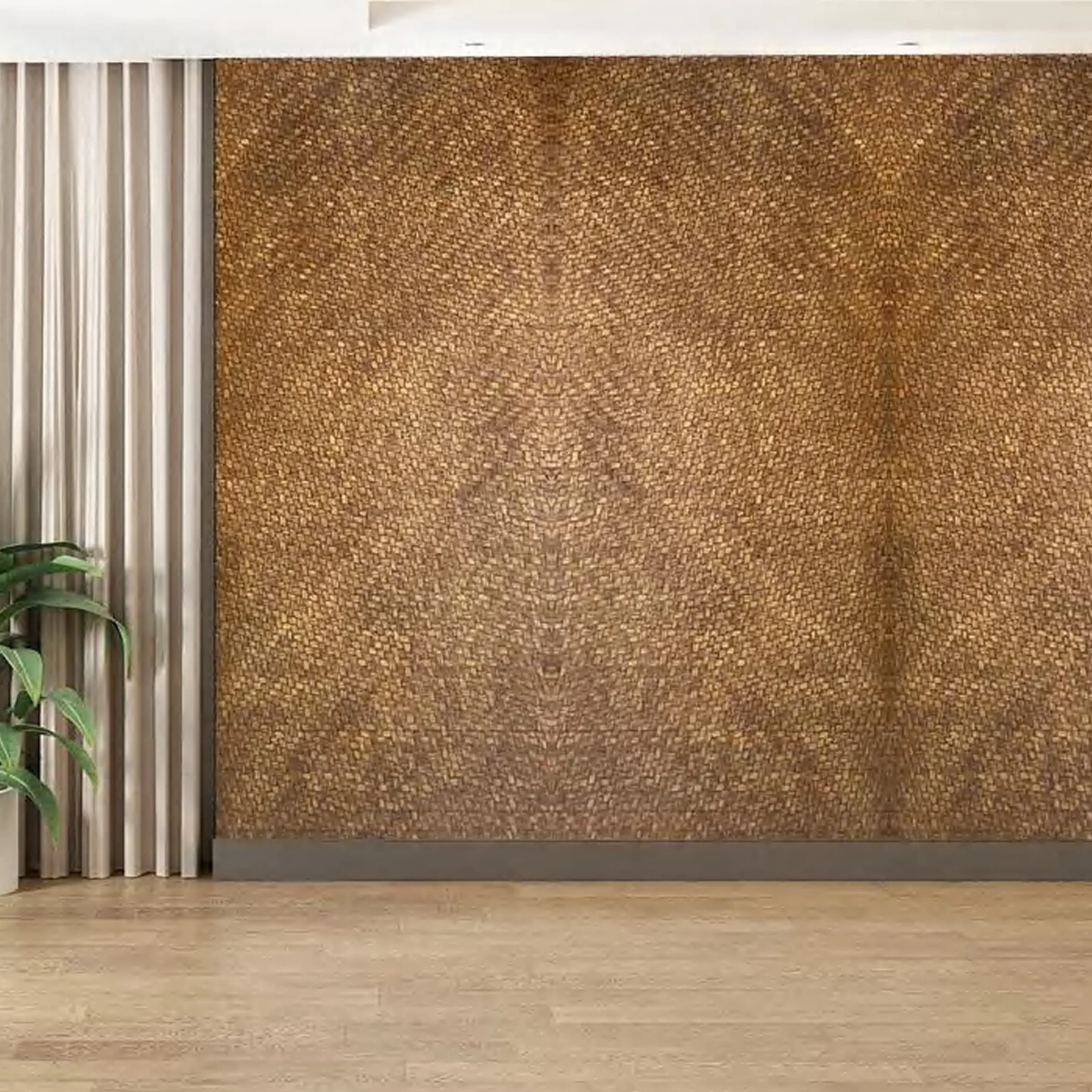
A warranty is your safety net, but the best way to avoid using it is to take care of your bamboo mat board from day one. Here are a few pro moves:
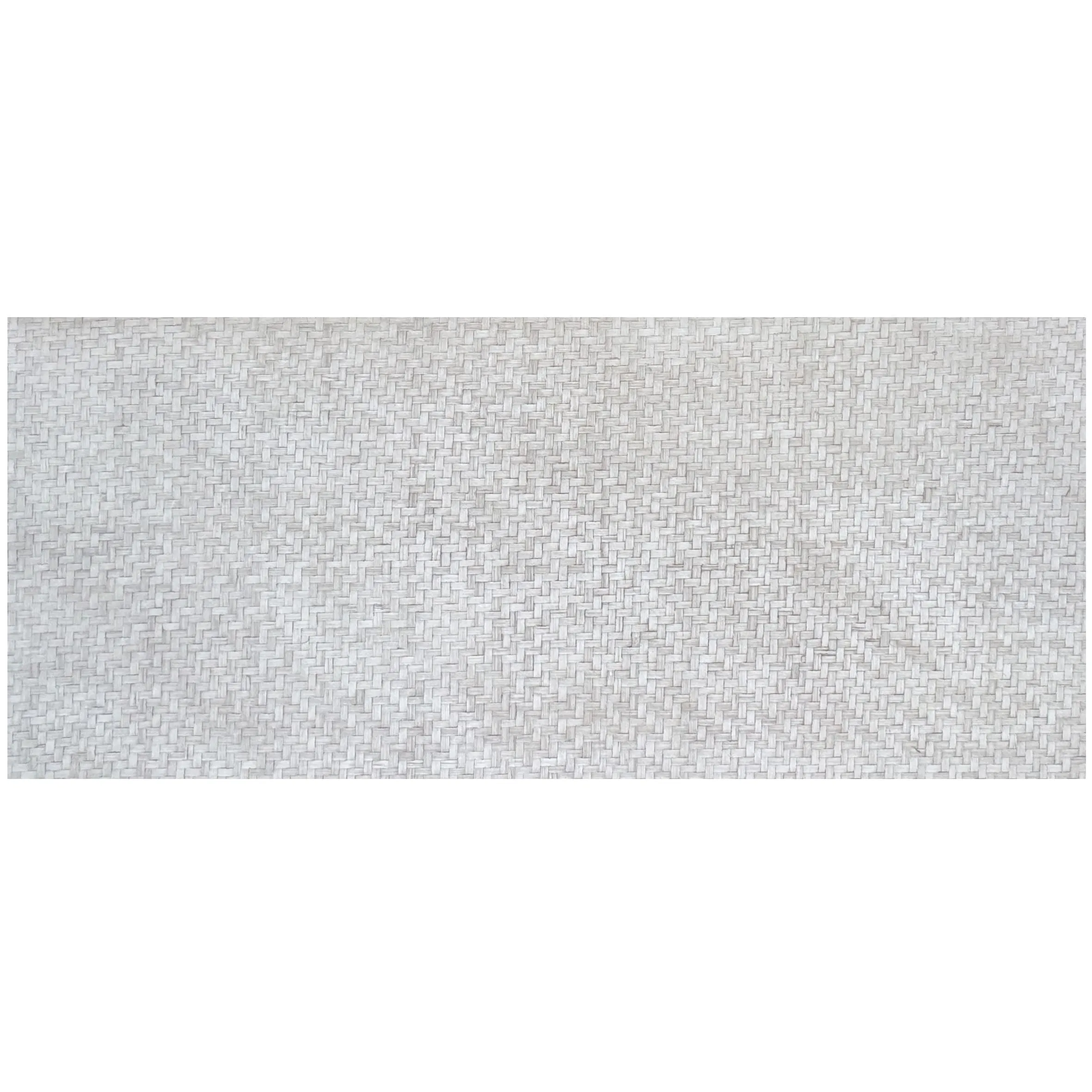
At the end of the day, a bamboo mat board warranty isn't just about the years—it's about trust. It tells you that the supplier believes in their product enough to stand behind it, and that they respect your investment. So next time you're comparing suppliers, don't just look at price tags or sample swatches. Ask to see the warranty. Read the fine print. Grill them on exclusions. Your future self—sitting in that beautiful, bamboo-accented space—will thank you.
And remember: The best warranties are the ones you never have to use. But when you do need it? You'll be glad you chose a supplier who had your back.
Recommend Products












