
Picture this: It's a sweltering summer morning on a construction site. A team of workers strains to lift a heavy slab of traditional building material—sweat dripping, muscles burning, every step to avoid dropping it. Nearby, a crane idles, guzzling fuel, just to hoist a few panels onto the second floor. By midday, progress is slow, tempers are frayed, and the project manager is already calculating the overtime costs. Sound familiar? For decades, the construction industry has grappled with a silent but significant enemy: the weight of building materials. Heavy panels, slabs, and cladding don't just slow down work—they drive up costs, risk worker safety, and limit design possibilities. But what if there was a material that could change all that? Enter Bamboo Mat Board, a lightweight powerhouse that's redefining how we think about transportation, installation, and sustainable building.
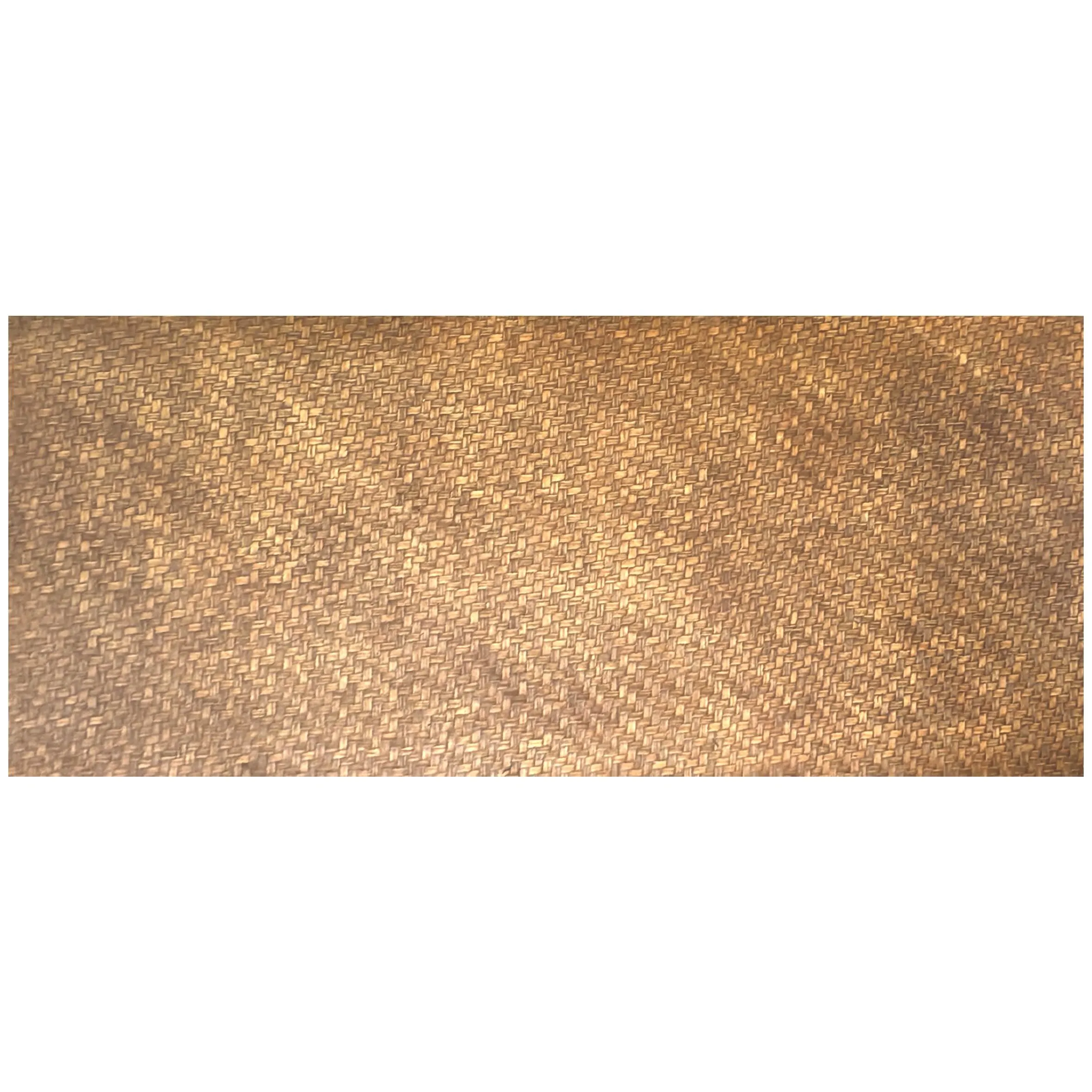
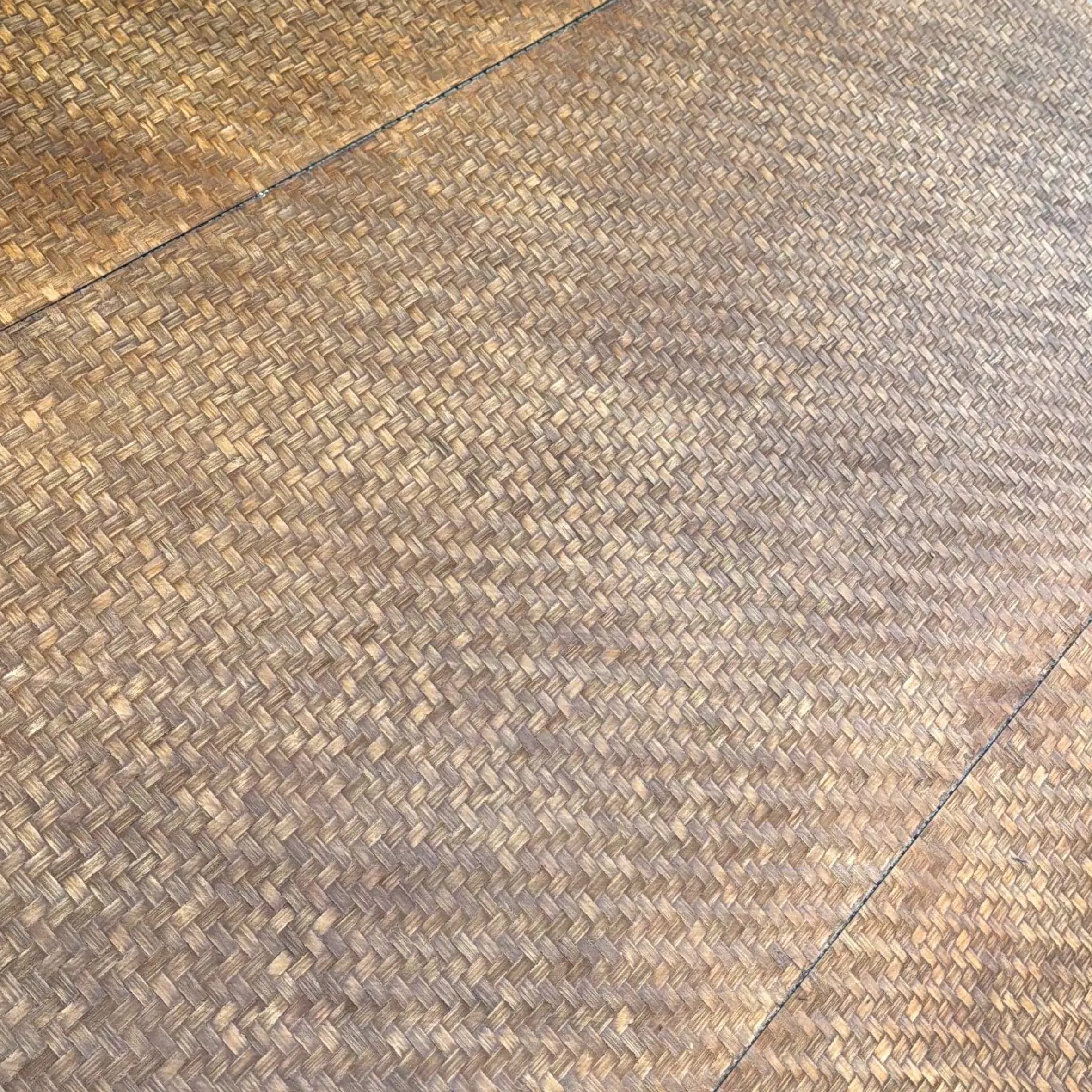
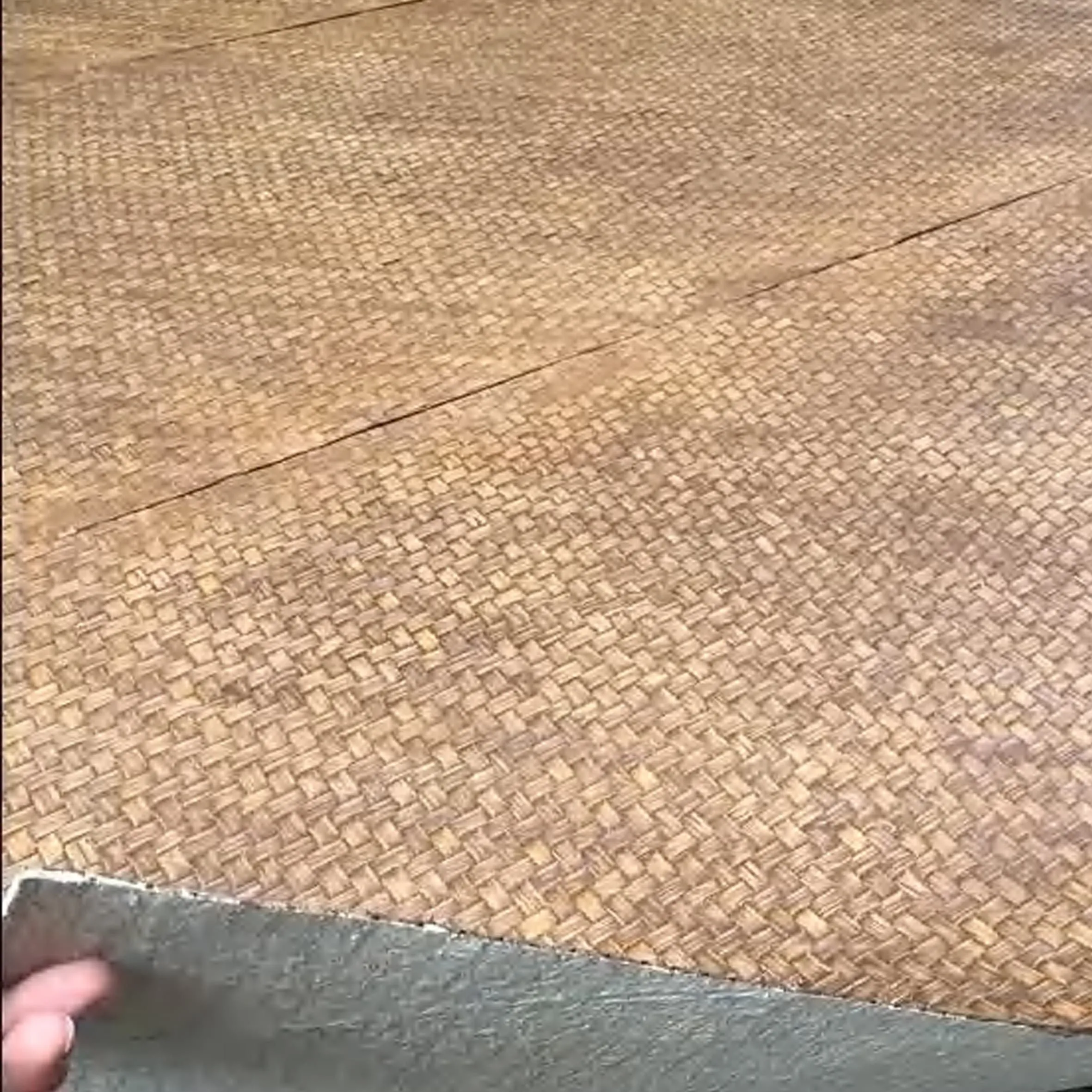
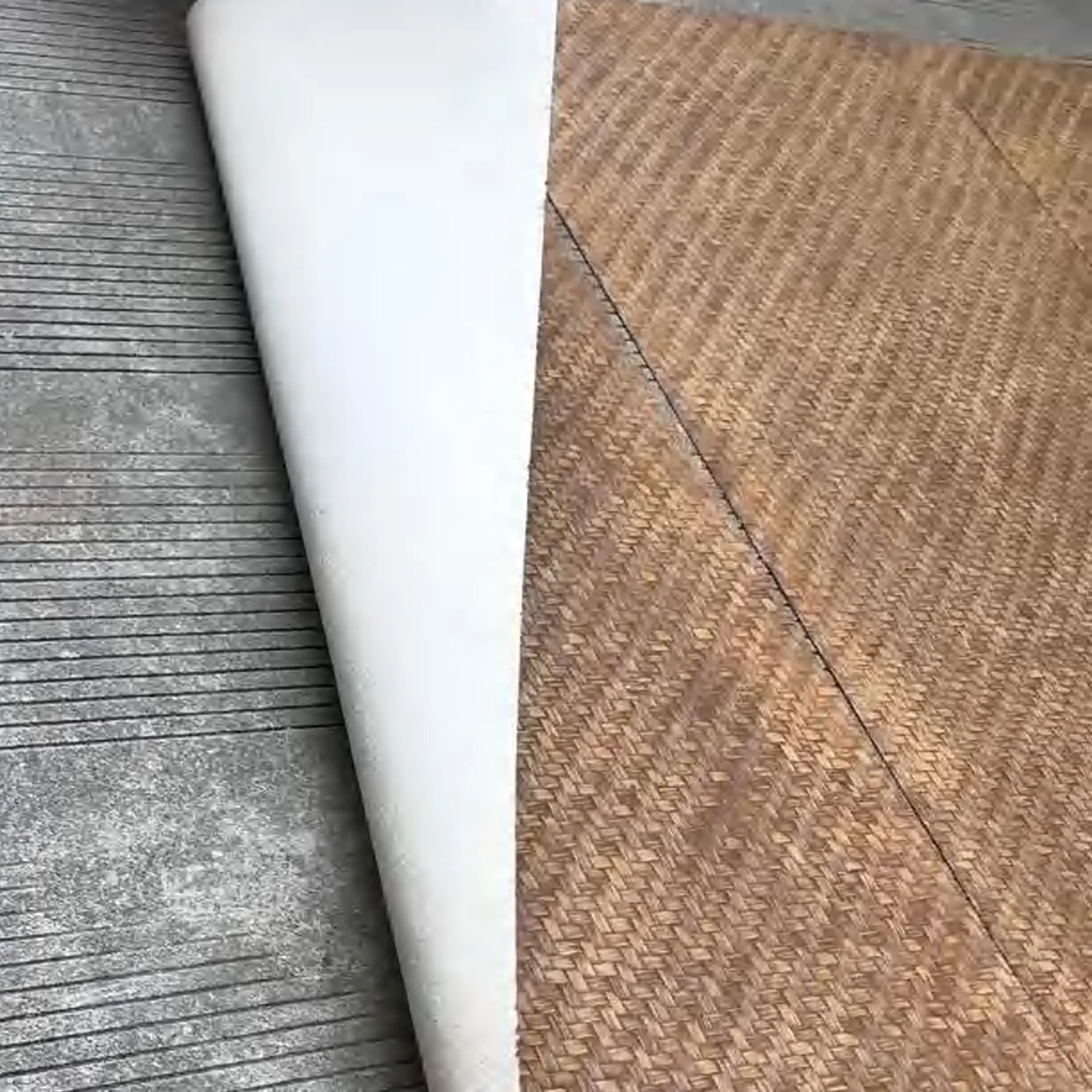
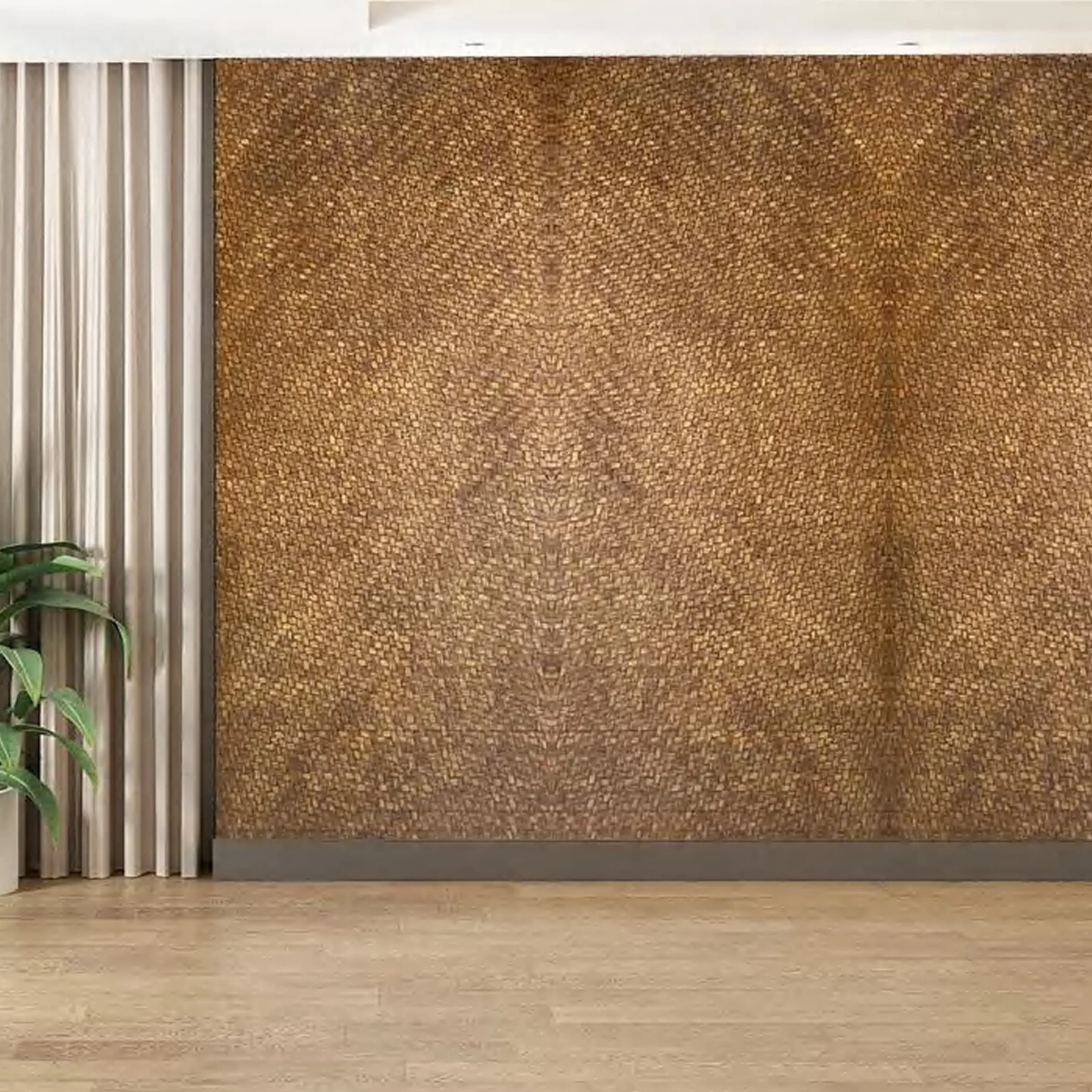
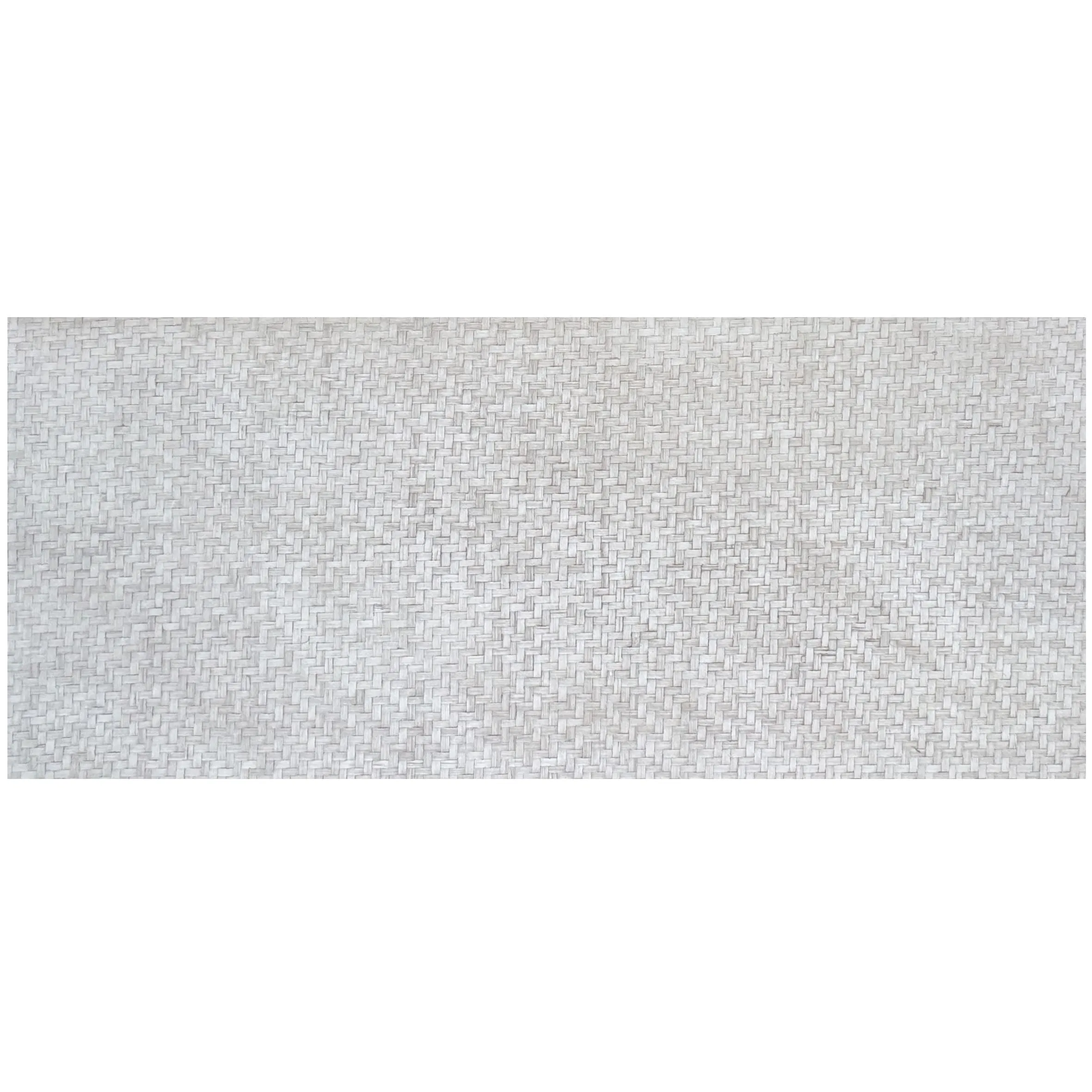
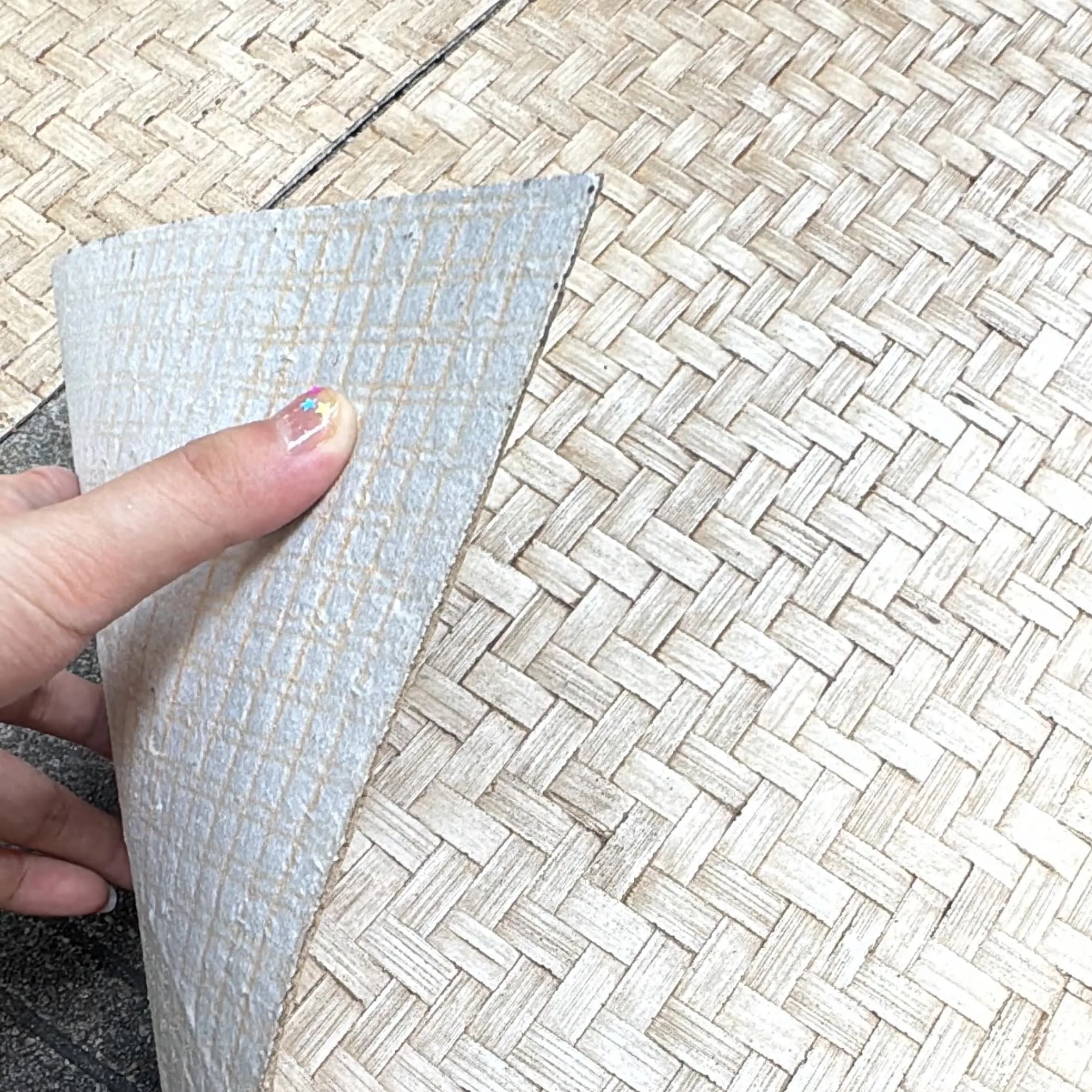
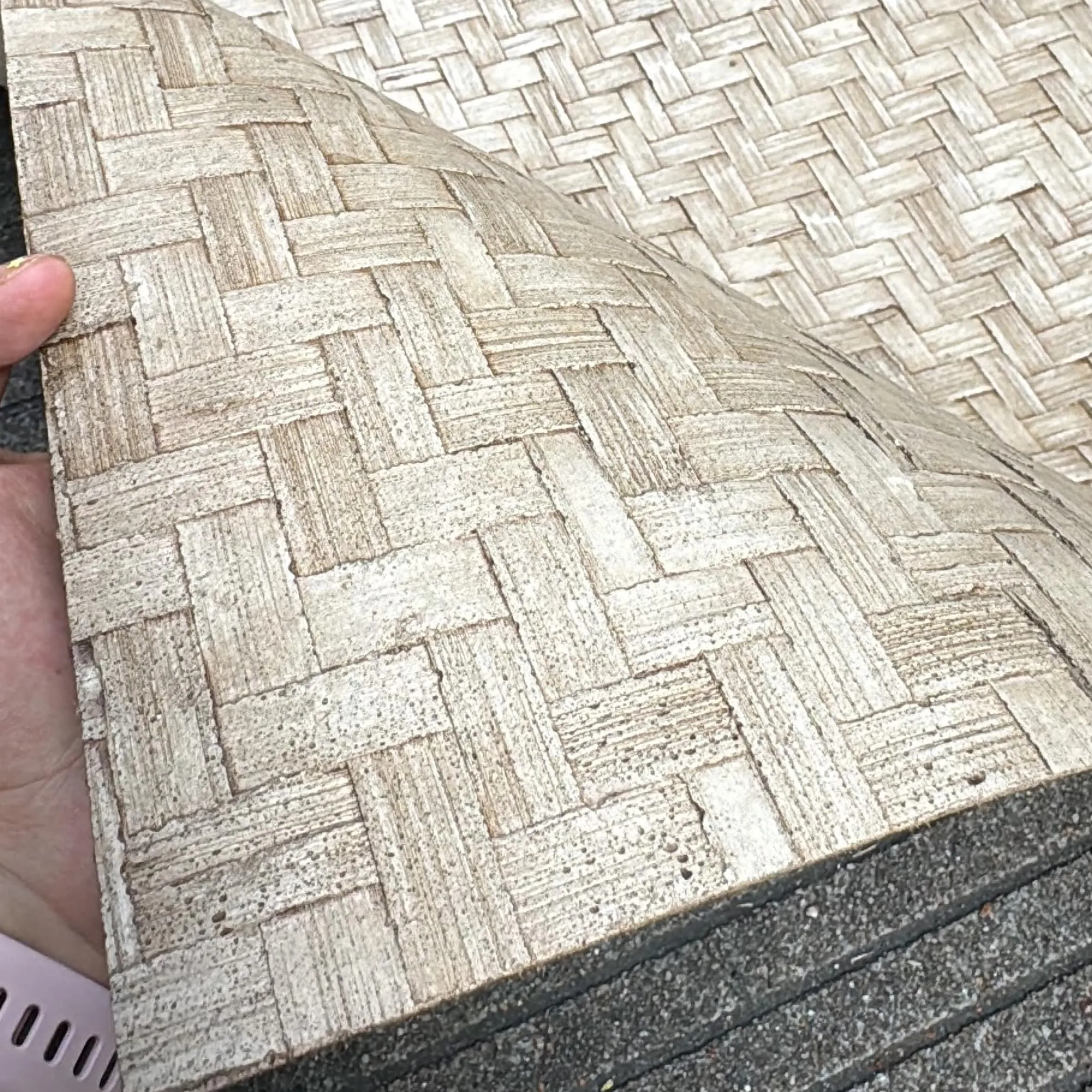
Before we dive into its weight-related superpowers, let's get to know Bamboo Mat Board. At first glance, it might look like a traditional woven mat, but don't let the aesthetics fool you. This material is a product of smart engineering and sustainable innovation. Made from layers of bamboo fibers—sourced from fast-growing, renewable bamboo plants—compressed with eco-friendly adhesives, it's designed to mimic the texture of natural woven mats while packing a punch in durability. What really sets it apart, though, is its weight: typically weighing in at just 12–15 kilograms per square meter, it's a fraction of the heft of materials like Fair-Faced Concrete or even Wood Grain Board. But lightweight doesn't mean flimsy. Bamboo's natural strength (it's been used for scaffolding in Asia for centuries) ensures the board can stand up to weather, impact, and the test of time. It's flexible enough to curve around architectural details yet rigid enough to provide structural support. In short, it's the kind of material that makes construction workers nod and say, "Why didn't we think of this sooner?"
To appreciate Bamboo Mat Board's advantages, let's first talk about the problem it solves: heavy building materials. Take Fair-Faced Concrete, for example—a staple in modern construction for its raw, industrial look. It's durable, sure, but at a whopping 240 kilograms per square meter, moving it is a logistical nightmare. Imagine transporting a truckload of Fair-Faced Concrete panels: you're limited to just a few slabs per trip, requiring multiple truck runs, which hikes up fuel costs and carbon emissions. On-site, you can forget about manual lifting; you'll need cranes, forklifts, and a team of workers just to position a single panel. And if it slips? You're looking at cracked concrete, wasted materials, and potential injuries.
Then there's Wood Grain Board, a popular choice for adding warmth to interiors. While it's lighter than concrete, at 30–35 kilograms per square meter, it's still heavy enough to slow down installation. Carrying a 4x8-foot sheet up a flight of stairs? That's a two-person job, and even then, there's a risk of straining backs or damaging walls. Over the course of a project, these small delays and extra efforts add up—costing time, money, and morale. And let's not forget MCM Flexible Stone, another innovative material known for its versatility. While MCM (Modified Composite Material) is lighter than natural stone, it still clocks in at around 18–22 kilograms per square meter, leaving room for improvement when it comes to transportation and handling.
The bottom line? Heavy materials aren't just a hassle—they're a drain on resources. From the moment they leave the factory to the second they're fixed in place, their weight dictates every step of the process, often in ways we don't immediately notice. That's where Bamboo Mat Board steps in, flipping the script on what construction materials can (and should) be.
Let's start with the journey from factory to site—the first place where Bamboo Mat Board's weight makes a world of difference. Think about a typical construction project needing 100 square meters of cladding. If you're using Fair-Faced Concrete, each truck might carry only 5–6 square meters of panels (thanks to that 240 kg/sqm weight). That means you'd need 17–20 truck trips to transport all the material. Now, swap in Bamboo Mat Board: at 15 kg/sqm, a single truck can haul 60–70 square meters. Suddenly, 100 square meters fits in just 2 truck trips. The savings here are staggering: fewer trucks mean lower fuel costs, less wear and tear on vehicles, and fewer emissions. For a mid-sized project, that could translate to tens of thousands of dollars in transportation savings alone.
But it's not just about money—it's about logistics. Bamboo Mat Board's light weight means you don't need specialized heavy-haul trucks or permits for oversize loads. A standard delivery van can handle smaller batches, making it easier to navigate tight city streets or remote job sites where big trucks can't go. On loading docks, workers no longer need cranes or forklifts to unload; a couple of people with a dolly can move a stack of panels in minutes. And here's a hidden bonus: lighter materials are less likely to shift or get damaged during transit. Unlike brittle concrete or rigid Wood Grain Board, Bamboo Mat Board's flexibility absorbs minor bumps, reducing the risk of cracks or breaks. That means fewer replacements, less waste, and a smoother path from factory to wall.
If transportation is where Bamboo Mat Board starts to shine, installation is where it truly wows. Let's go back to that 100-square-meter cladding project. With Fair-Faced Concrete, you'd need a team of 4–5 workers, a crane, and at least 8–10 hours to install the panels. With Bamboo Mat Board? Two workers, a few basic tools, and 3–4 hours. That's less than half the time, and a fraction of the labor cost. How? Because when panels weigh 15 kg instead of 240 kg, you don't need heavy machinery. A worker can carry a 4x8-foot sheet of Bamboo Mat Board under one arm, position it, and secure it with screws or adhesives—no straining, no waiting for the crane, no downtime.
Safety is another huge win. Heavy lifting is one of the leading causes of workplace injuries in construction, from pulled muscles to crushed toes. Bamboo Mat Board drastically reduces that risk. Workers don't need to wear bulky lifting gear or coordinate complex crane maneuvers; they can focus on precision instead of brute strength. This not only keeps teams safer but also boosts morale—no one wants to start their day dreading the first heavy lift.
And let's talk about versatility. Bamboo Mat Board's light weight and flexibility make it ideal for a range of projects, from high-rise facades to interior accent walls. It can be cut on-site with standard tools, shaped to fit curves or unique angles, and installed over existing surfaces without adding excessive weight to the structure. Imagine renovating an old building with fragile floors—you can't risk adding the weight of concrete, but Bamboo Mat Board? It's light enough to be installed without reinforcing the structure. That's the kind of freedom architects and contractors dream of.
Numbers tell the story best. Let's compare Bamboo Mat Board with two common alternatives: Fair-Faced Concrete and Wood Grain Board. The table below breaks down key factors like weight, transportation cost, installation time, and labor needs for a hypothetical 100-square-meter project.
| Material | Weight per Square Meter (kg) | Est. Transportation Cost per 100sqm ($) | Installation Time per 100sqm (hours) | Labor Required (workers) |
|---|---|---|---|---|
| Bamboo Mat Board | 12–15 | $300–$450 | 3–4 | 2 |
| Fair-Faced Concrete | 220–240 | $2,500–$3,000 | 8–10 | 4–5 |
| Wood Grain Board | 30–35 | $800–$1,000 | 5–6 | 3 |
The difference is clear: Bamboo Mat Board slashes transportation costs by up to 85% compared to Fair-Faced Concrete and halves installation time. For contractors, that's more projects completed on time (or early), happier clients, and healthier profit margins. For workers, it's less strain and more satisfaction in a job well done.
Bamboo Mat Board isn't just about being light—it's about being responsible, too. Bamboo is one of the most sustainable resources on the planet: it grows up to 91 cm in a day, requires no pesticides, and absorbs 5 times more carbon dioxide than equivalent trees. Unlike concrete, which emits tons of CO2 during production, or Wood Grain Board made from slow-growing hardwoods, Bamboo Mat Board leaves a tiny environmental footprint. Many manufacturers even use non-toxic, water-based adhesives, making it safe for indoor use and reducing off-gassing. For green building projects aiming for LEED or BREEAM certifications, this is a major plus.
And let's not overlook aesthetics. Bamboo Mat Board brings a warm, organic texture to spaces that feels both timeless and modern. Its woven pattern adds depth and character, whether used as a facade for a boutique hotel or an accent wall in a home. Unlike MCM Flexible Stone, which often mimics the look of natural stone, Bamboo Mat Board celebrates the beauty of bamboo, adding a touch of nature to urban environments. It's available in a range of finishes, from natural bamboo tones to stained hues, so it can adapt to any design vision.
Still skeptical? Let's look at a real project. In 2023, a small café in Portland, Oregon, wanted to renovate its exterior to attract more customers. The owner initially considered Wood Grain Board for the facade but was worried about the cost and installation time. After learning about Bamboo Mat Board, they took the plunge. The results? The material was delivered in two van trips instead of the five trucks quoted for wood grain board, saving $1,200 in transportation. A team of two workers installed the entire 80-square-meter facade in just two days, minimizing disruption to the café's business. The owner reported a 20% increase in foot traffic, with customers commenting on the "unique, earthy vibe" of the new exterior. Best of all, the project came in 15% under budget—money that went toward upgrading the kitchen instead.
Another example: a community center in Seattle needed to add a new wing to serve more families. The existing structure had weight restrictions, ruling out heavy materials like Fair-Faced Concrete. Bamboo Mat Board was the perfect solution. The lightweight panels were installed without reinforcing the foundation, and the project was completed three weeks ahead of schedule, allowing the center to open its doors to the community sooner. "It felt like we were building with giant puzzle pieces instead of rocks," one volunteer joked. "We had so much fun, we even finished early and threw a pizza party for the team!"
Bamboo Mat Board isn't just a material—it's a sign of things to come. As the construction industry grapples with rising costs, labor shortages, and the urgent need to reduce carbon emissions, lightweight, sustainable materials are no longer a luxury; they're a necessity. Bamboo Mat Board checks all the boxes: it's good for the planet, good for workers, and good for the bottom line. It proves that we don't have to sacrifice strength for sustainability, or durability for ease of use.
So the next time you walk past a construction site, take a closer look. If you see workers moving panels with ease, finishing projects ahead of schedule, and smiling through the day, there's a good chance Bamboo Mat Board is behind it. And who knows? Maybe one day, the sight of a crane straining to lift a heavy slab will be a thing of the past—replaced by the efficiency, safety, and sustainability of lightweight innovation. After all, building the future shouldn't break a sweat… or the bank.
Recommend Products












