

Architecture is more than just walls and roofs—it's the language of spaces, telling stories through texture, color, and form. Every material choice is a sentence in that story, and few materials speak as vividly as red travertine. In the world of modern construction, MCM (Modified Composite Material) has revolutionized how we approach stone-like aesthetics, blending the timeless allure of natural materials with the flexibility of cutting-edge engineering. Today, we're diving into the world of bespoke Red Travertine MCM designs—exploring how this striking material is redefining custom patterns for architectural projects, from intimate interiors to grand commercial facades.
Red has always held a special place in architecture. It's bold yet warm, energetic yet grounding—capable of evoking everything from the rustic charm of a Tuscan villa to the sleek modernity of a downtown high-rise. But natural red travertine, while stunning, often comes with limitations: weight, porosity, and inconsistency in veining. That's where MCM steps in. By encapsulating the essence of Red Travertine in a modified composite, MCM offers the best of both worlds: the visual depth of natural stone and the practicality of a lightweight, durable material.
Red Travertine MCM isn't just a "look-alike"—it's a reimagining. The material captures the unique pitting and veining that make travertine so beloved, but with enhancements that cater to the demands of modern architecture. Whether you're drawn to the rich, earthy tones of classic Red Travertine or the celestial sparkle of Travertine (starry red) —with its subtle metallic flecks that catch the light like distant stars—there's a variant to suit every design vision. And because it's MCM, you're not limited to nature's original palette; custom color matching and finishes let you tweak hues to align perfectly with a project's brand or theme.
Designer Insight: "Red is a color that commands attention without overwhelming when used thoughtfully. Red Travertine MCM gives us the freedom to use that color in ways natural stone can't—on vertical surfaces, in large-scale installations, even in curved applications—without worrying about structural stress or maintenance." — Maria Gonzalez, Principal Architect at Studio Mosaic
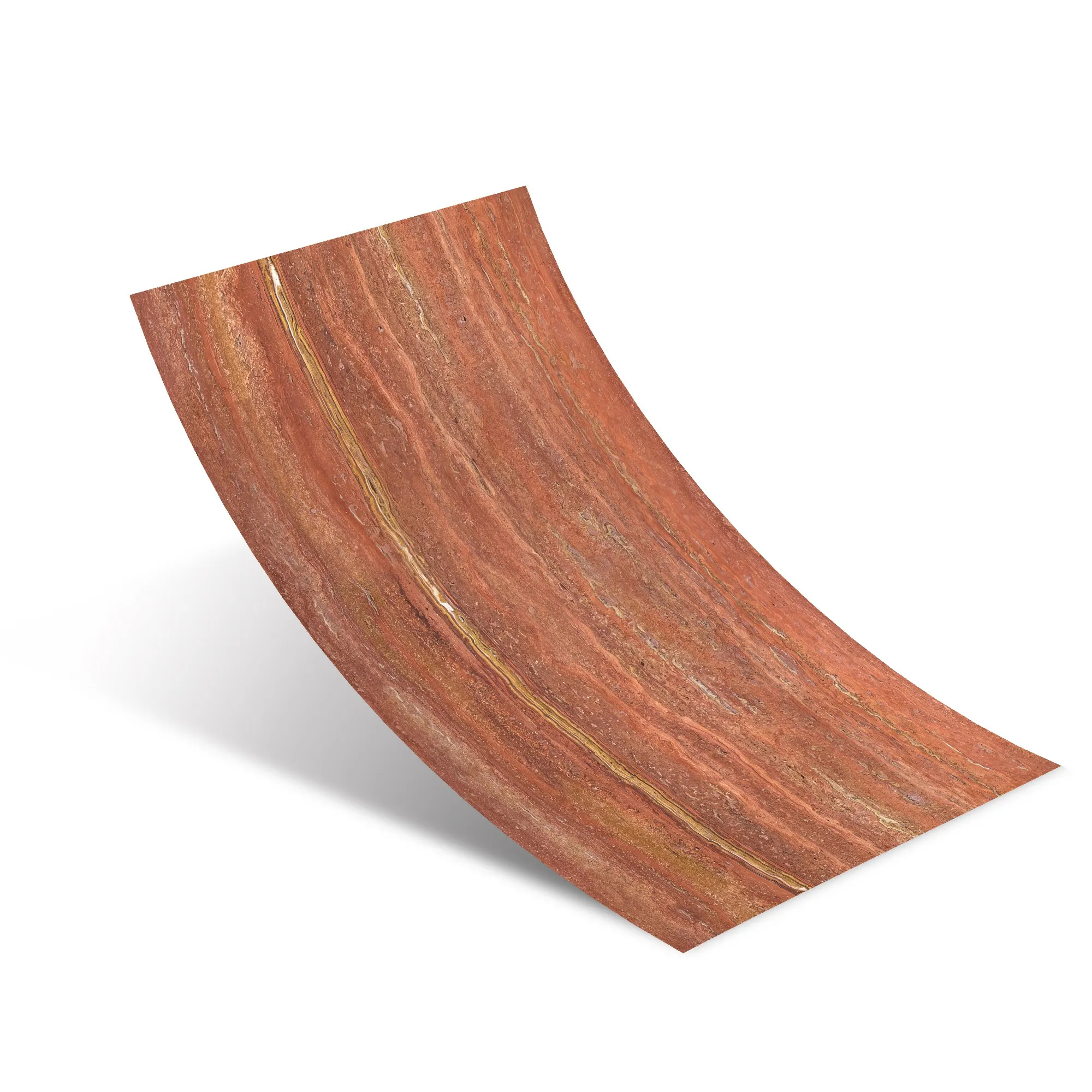
| Variant Name | Visual Characteristics | Ideal Applications | Customization Potential |
|---|---|---|---|
| Red Travertine | Warm terracotta base with earthy brown veining; classic travertine pitting. | Residential facades, restaurant interiors, accent walls. | Adjustable veining density, honed or polished finish. |
| Travertine (starry red) | Deep red background with fine metallic "stars" (silver or gold flecks); smooth texture. | Hotel lobbies, commercial entrances, feature staircases. | Star density, fleck color (silver, gold, copper), matte or semi-gloss finish. |
| Travertine (vintage red) | Muted, aged red tone with soft gray veining; distressed edge options for a rustic look. | Historic renovations, boutique retail, heritage-themed projects. | Distressing intensity, edge profiles (chiseled, tumbled), custom patina. |
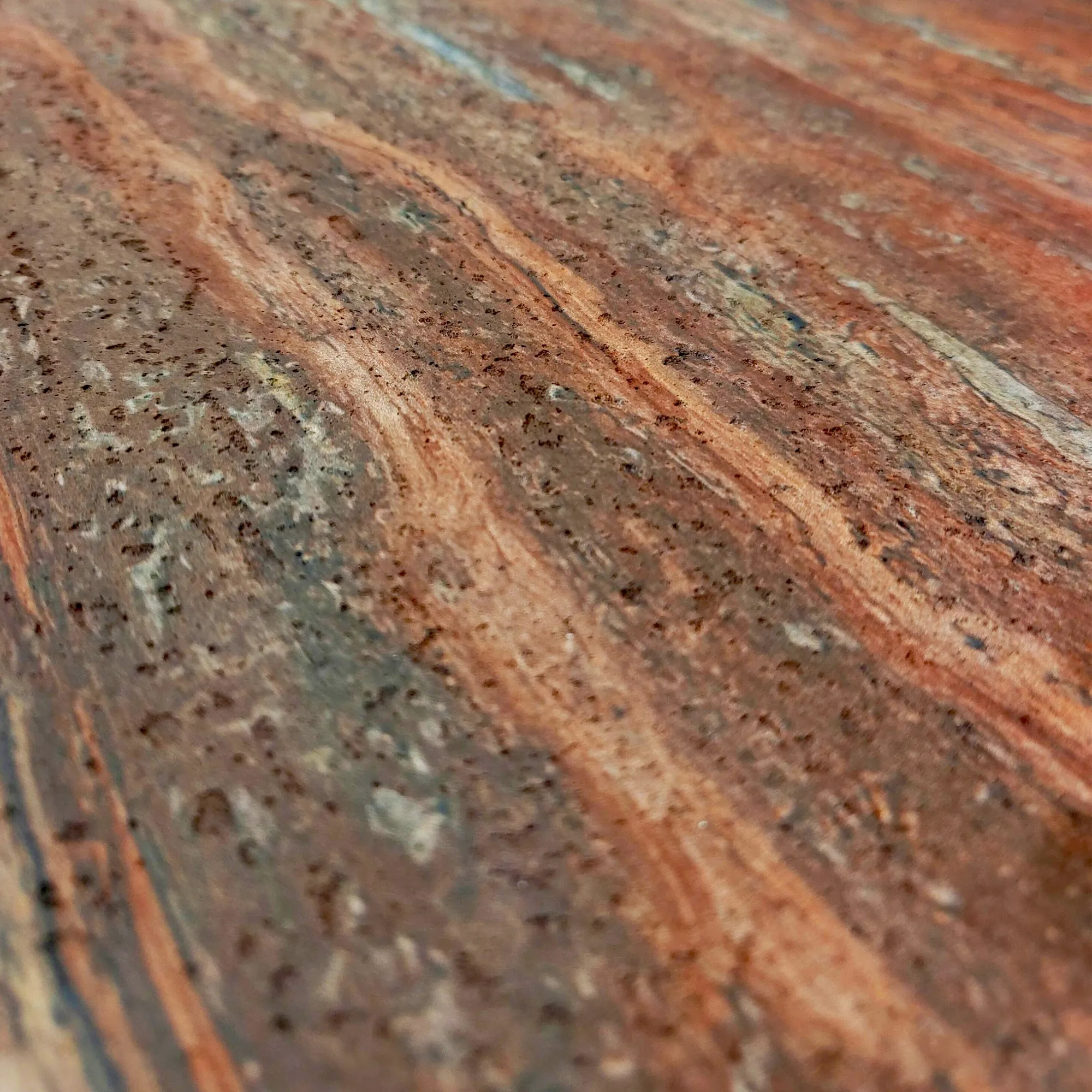
The term "bespoke" is thrown around often in design, but with Red Travertine MCM, it's more than a buzzword—it's a promise. Custom mcm exterior panels and interior cladding allow architects and designers to move beyond off-the-shelf patterns, creating truly one-of-a-kind surfaces that reflect a project's unique identity. Let's break down the customization options that make this possible:
Natural travertine's veining is beautiful, but what if you want something more structured? MCM's manufacturing process lets you engineer patterns from scratch. Imagine a facade where Red Travertine panels feature a repeating geometric motif—think overlapping circles or linear stripes—blending the organic texture of travertine with a modern, graphic edge. Or, for a more organic approach, custom veining can mimic the flow of a river or the branching of tree roots, adding narrative depth to a space.
And it's not just about 2D patterns. Thanks to MCM 3D printing series technology, complex three-dimensional textures are now achievable. Imagine a feature wall where Red Travertine MCM is shaped into undulating waves or geometric reliefs, casting shadows that shift with the sun throughout the day. This level of customization turns a static surface into a dynamic, interactive element of the architecture.
One of the biggest advantages of MCM is its adaptability in size. Traditional stone slabs are heavy and limited by quarry constraints, but Architectural big slab solutions in Red Travertine MCM let you go large—really large. Panels up to 1200x2400mm are possible, minimizing seams and creating a seamless, monolithic look for facades or lobby walls. For smaller projects, like backsplashes or accent niches, smaller cuts (down to 300x300mm) offer precision and flexibility.
But size customization isn't just about dimensions—it's about proportion. A boutique hotel might opt for long, narrow Red Travertine panels to create a sense of height in a hallway, while a corporate office could use square slabs arranged in a grid for a clean, professional vibe. The key is that MCM flexible stone bends to the project's needs, not the other way around.
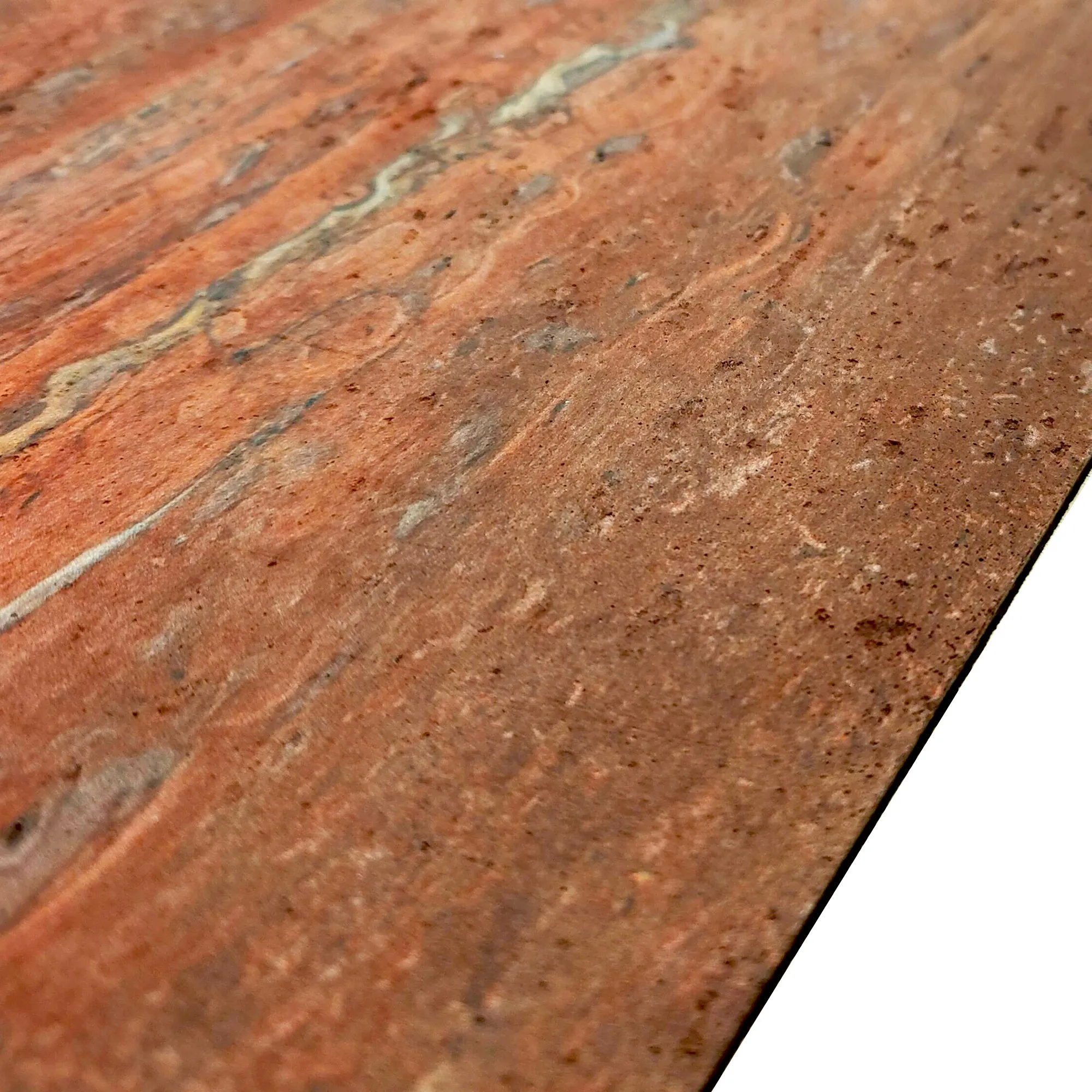
Red Travertine MCM isn't limited to one type of project—it's a chameleon that adapts to context. Let's explore some of the most impactful applications:
First impressions matter, and a building's facade is its first handshake with the world. Red Travertine MCM exterior panels make that handshake memorable. For commercial projects like boutique hotels or flagship retail stores, the material adds instant curb appeal. Imagine a mid-rise hotel wrapped in Travertine (starry red) panels, where the metallic flecks glint in the afternoon sun and the deep red hue contrasts beautifully with floor-to-ceiling glass windows. Because MCM is lightweight (typically 6-8 kg/m², compared to 20-30 kg/m² for natural stone), it reduces structural load, making it feasible for retrofits or buildings with weight restrictions.
Weather resistance is another plus. Unlike natural travertine, which can stain or erode in harsh climates, Red Travertine MCM is UV-resistant, moisture-proof, and impervious to salt and pollution—ideal for coastal areas or urban environments. It's also fire-retardant, adding an extra layer of safety to high-rise applications.
Inside, Red Travertine MCM transforms spaces into experiences. In restaurants, it can line walls to create a cozy, intimate atmosphere—pairing beautifully with wooden furniture and warm lighting. In residential projects, a Red Travertine accent wall in a living room becomes a focal point, adding texture without overwhelming the space. Even in bathrooms, where moisture is a concern, sealed MCM panels offer a durable, easy-to-clean alternative to natural stone.
One particularly striking use is in staircases. Cladding risers or treads in Red Travertine MCM adds a touch of luxury, turning a functional element into a design feature. For a modern twist, combine it with fair-faced concrete or polish concrete for a juxtaposition of textures—rough and smooth, warm and cool.
Public buildings—museums, community centers, transit hubs—thrive on materials that tell a story. Red Travertine MCM, with its earthy roots and customizable patterns, is perfect for such projects. Imagine a cultural center where the exterior features a custom 3D art concrete board (paired with Red Travertine) to create a depicting local history, or a transit station where Red Travertine panels are arranged in a wave pattern, guiding commuters through the space with subtle movement.
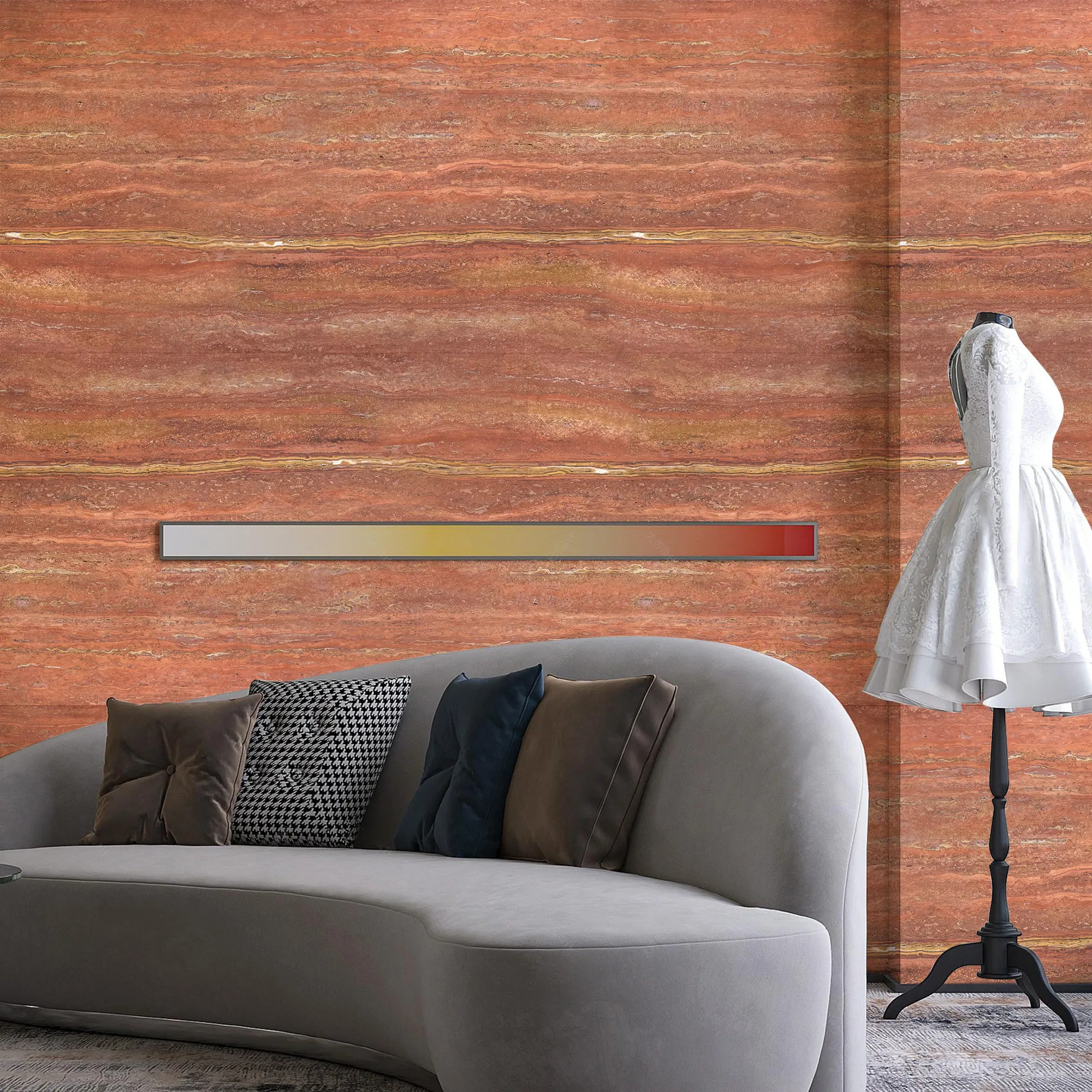
What truly sets Red Travertine MCM apart is how it integrates with the broader MCM ecosystem. It's not a standalone material but part of a toolkit that includes MCM flexible stone , architectural big slab solutions , and custom MCM exterior panels —all designed to work together seamlessly. For example, a project might use Red Travertine MCM for the main facade, lunar peak silvery (a sleek, metallic MCM variant) for accents, and big axe chiseling stone for a rustic base—creating a layered, textured look that feels cohesive yet dynamic.
Flexibility is also about installation. MCM panels are lightweight and easy to handle, reducing labor costs and project timelines. They can be installed using dry-back or wet systems, depending on the substrate, and are compatible with most building materials, from wood to metal to concrete. This versatility makes them a favorite among contractors, who appreciate the material's predictability and ease of use.
Contractor Perspective: "Natural stone requires specialized tools and careful handling—one wrong move, and you've wasted a slab. Red Travertine MCM is forgiving. It cuts cleanly, doesn't chip easily, and the lightweight panels mean we can install more in a day. Clients love that it looks like stone but comes with a fraction of the hassle." — James Wilson, Project Manager at BuildRight Contractors
In today's architectural landscape, sustainability isn't an afterthought—it's a priority. Red Travertine MCM aligns with this ethos in several ways. First, it reduces reliance on natural stone extraction, which can be environmentally destructive. MCM is made from recycled minerals and polymers, minimizing waste and lowering the carbon footprint. Second, its lightweight nature reduces transportation emissions and structural energy use (since buildings require less reinforcement). Third, MCM is long-lasting—resistant to fading, chipping, and wear—meaning fewer replacements over a building's lifetime.
For projects aiming for green certifications (LEED, BREEAM, etc.), Red Travertine MCM checks key boxes: low VOC emissions, recyclability, and energy efficiency (its thermal mass helps regulate indoor temperatures). It's a material that lets architects create stunning designs without compromising their commitment to the planet.
Bespoke design isn't a solo endeavor—it's a collaboration. Working with MCM manufacturers means gaining access to a team of experts who understand both the technical and creative sides of the material. From initial concept sketches to final installation, the process is collaborative:
This partnership approach is what turns good designs into great ones. It's not just about supplying a material—it's about empowering architects and designers to push boundaries.
Bespoke Red Travertine MCM designs are more than a trend—they're a testament to the power of innovation in architecture. By blending the timeless beauty of red travertine with the flexibility of MCM, this material opens up a world of possibilities: custom patterns that tell stories, large-scale installations that inspire awe, and sustainable solutions that respect the planet. Whether you're designing a boutique hotel, a corporate headquarters, or a private residence, Red Travertine MCM invites you to dream bigger, create bolder, and build spaces that leave a lasting impression.
In the end, architecture is about people—and the right materials have the power to make those people feel something. Red Travertine MCM doesn't just build walls; it builds experiences. And in a world where every space strives to be memorable, that's the greatest custom pattern of all.
Recommend Products











