

High-rise buildings are more than just impressive structures; they're testaments to human ingenuity, pushing the boundaries of what's possible in architecture and engineering. From bustling city centers to iconic skylines, these towering marvels reshape our urban landscapes. However, with great height comes great responsibility – and a significant challenge: weight . When we talk about selecting masonry stone for these vertical giants, the primary consideration often boils down to how much the material will add to the overall structural load.
Traditional masonry materials, while beautiful and robust, often come with substantial weight. This weight doesn't just impact the building's aesthetic; it has profound implications for every aspect of the project, from the foundation design and structural frame to transportation logistics, installation costs, and even seismic performance. Engineers are constantly searching for innovative solutions that can deliver the desired aesthetic and durability without overburdening the structure.
That's precisely where COLORIA GROUP steps in. As a one-stop solution provider in architectural materials, we understand these complex challenges. We've dedicated our expertise to developing cutting-edge materials that not only meet but exceed the demands of modern construction, especially for high-rise applications. Our focus is on providing high-quality interior and exterior finishing materials that are both functional and aesthetically pleasing, all while addressing critical engineering concerns like weight.
We're here to talk about a revolutionary material that is changing the game: MCM (Modified Cementitious Material) . This isn't just another building material; it's a paradigm shift for high-rise construction, offering an unparalleled balance of lightness, strength, flexibility, and stunning design possibilities.
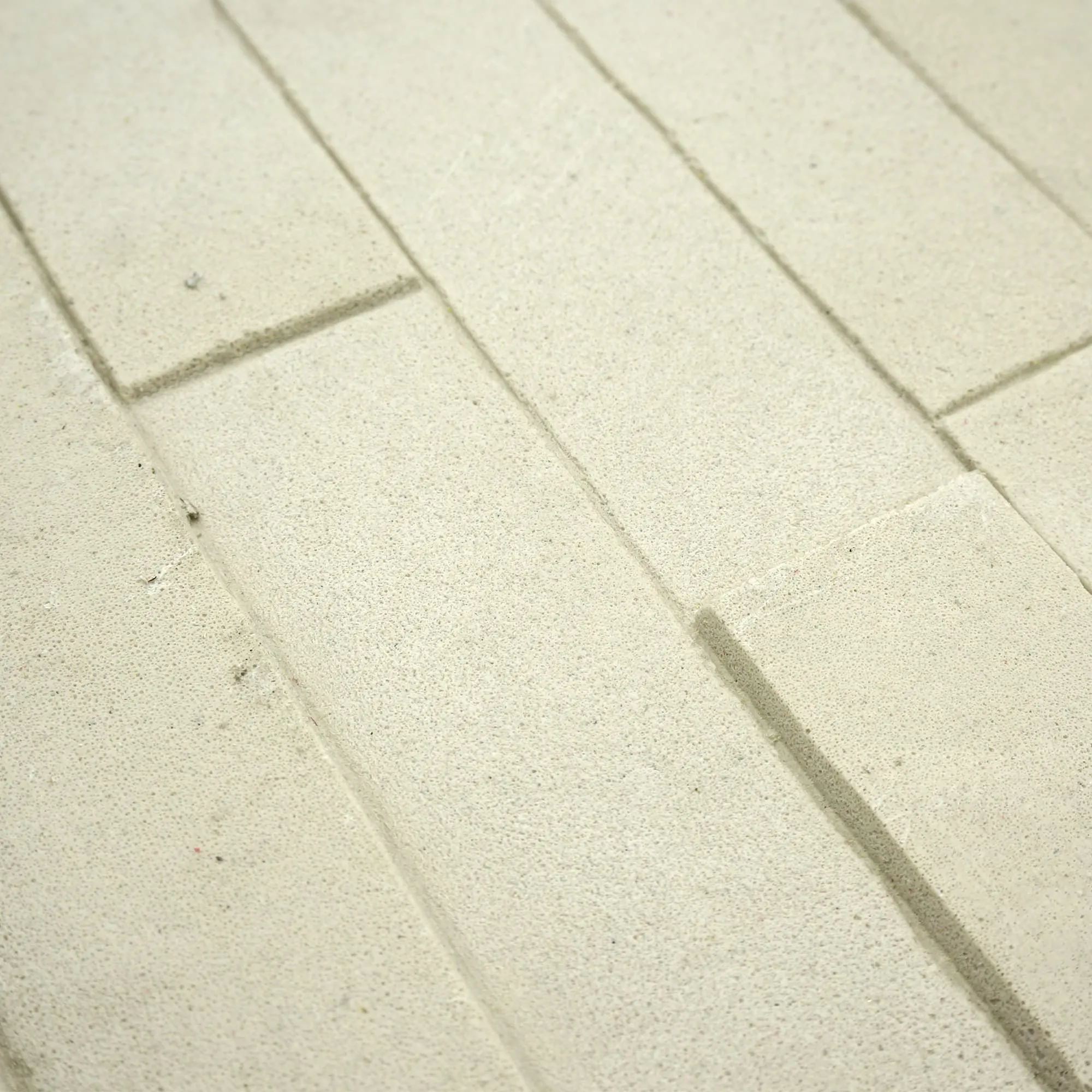
Before we dive deep into the wonders of MCM, let's unpack why the weight of masonry materials is such a critical consideration for high-rise projects. It's not just about lifting heavy stones; the ripple effects are far-reaching and impact the entire lifecycle of a building.
Every pound of material added to a building translates directly to the load its structure must bear. For high-rise buildings, this load accumulates rapidly. A heavier façade requires a stronger, more robust structural frame (more steel, more concrete), which in turn necessitates a much deeper and more substantial foundation. The foundation is often one of the most expensive components of a high-rise project, and reducing the façade weight can lead to significant savings here.
In earthquake-prone regions, building weight is a crucial factor. Lighter buildings generally perform better during seismic events because they experience lower inertial forces. A heavy facade can amplify these forces, putting immense stress on the structural system and increasing the risk of damage or collapse. Materials that offer a lighter alternative without compromising strength are invaluable for enhancing building safety.
Transporting heavy natural stone or traditional precast concrete panels to a high-rise construction site is a logistical nightmare. It requires heavy-duty cranes, specialized vehicles, more complex rigging, and a larger, more skilled workforce. Each of these factors adds to project timelines, costs, and potential safety risks. Lighter materials simplify the entire supply chain and installation process.
Heavier structures inherently consume more raw materials – more steel, more concrete, more aggregate – leading to a larger carbon footprint. They also require more energy for manufacturing, transportation, and installation. Opting for lightweight, high-performance materials aligns with modern demands for sustainable construction practices.
Given these challenges, the demand for innovative, lightweight, yet durable masonry solutions for high-rise applications has never been higher. This is precisely the gap that COLORIA GROUP's MCM products are designed to fill, offering a solution that addresses both the engineering constraints and the aesthetic aspirations of contemporary architecture.
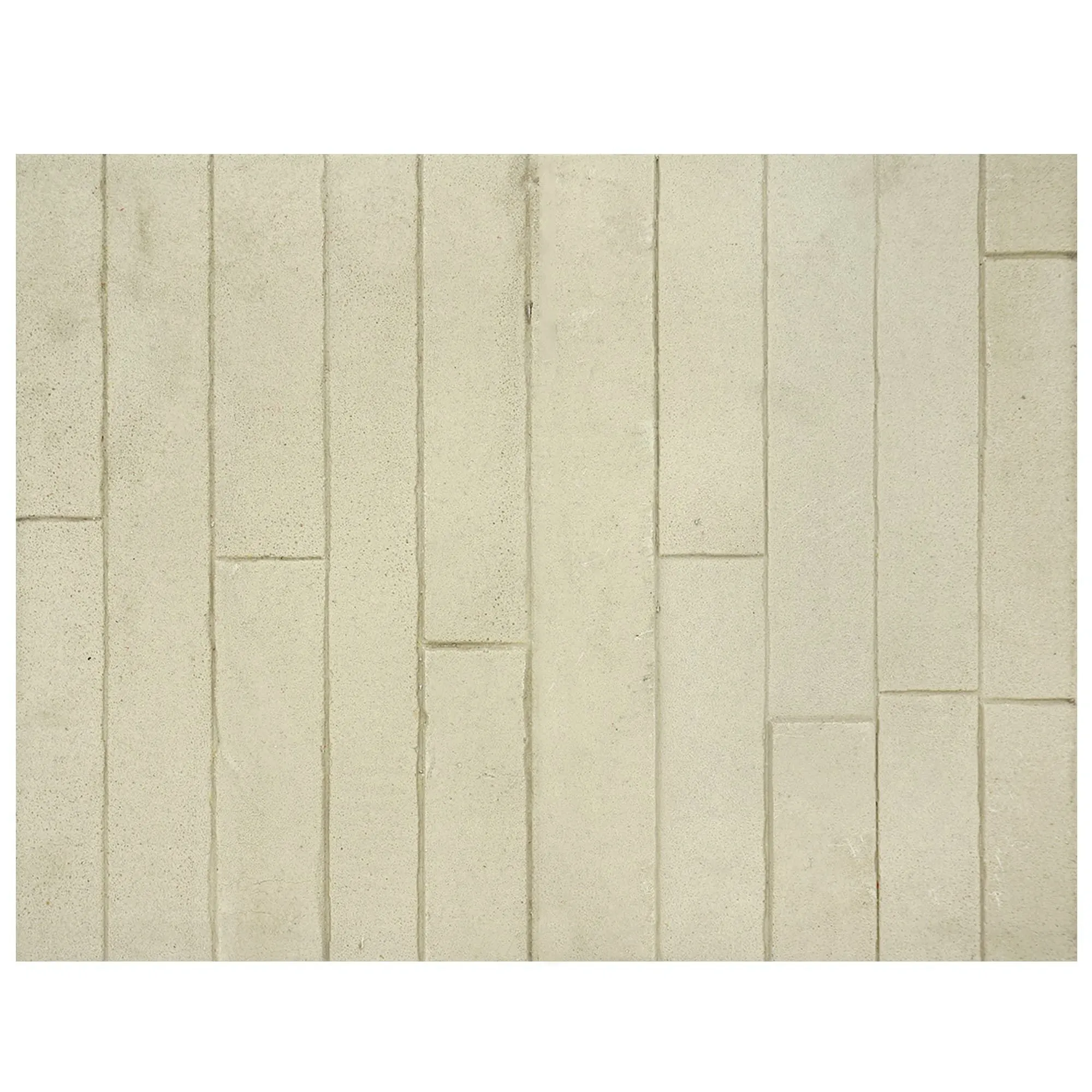
So, what exactly is MCM? MCM, or Modified Cementitious Material, is a revolutionary class of building material born from advanced polymer technology combined with natural mineral powders. It's not just a thin veneer; it's a sophisticated composite engineered to replicate the look and feel of natural stone, wood, brick, and other traditional materials, but with dramatically improved performance characteristics, especially in terms of weight.
At COLORIA GROUP, we've perfected MCM technology, leveraging decades of industry experience to create a range of products that are not only aesthetically stunning but also incredibly practical for modern construction. Our MCM materials are inherently flexible, highly durable, weather-resistant, and, crucially, exceptionally lightweight . This combination makes them an ideal choice for high-rise buildings, where every kilogram counts.
Our commitment at COLORIA GROUP is to be your one-stop solution provider. We don't just sell materials; we offer comprehensive support, from consultation and custom design to material specification and delivery, ensuring that your project, whether residential or commercial, benefits from the best possible solutions. Our global reach, including strong partnerships like our agency in Saudi Arabia, ensures that our cutting-edge materials are accessible wherever they are needed.
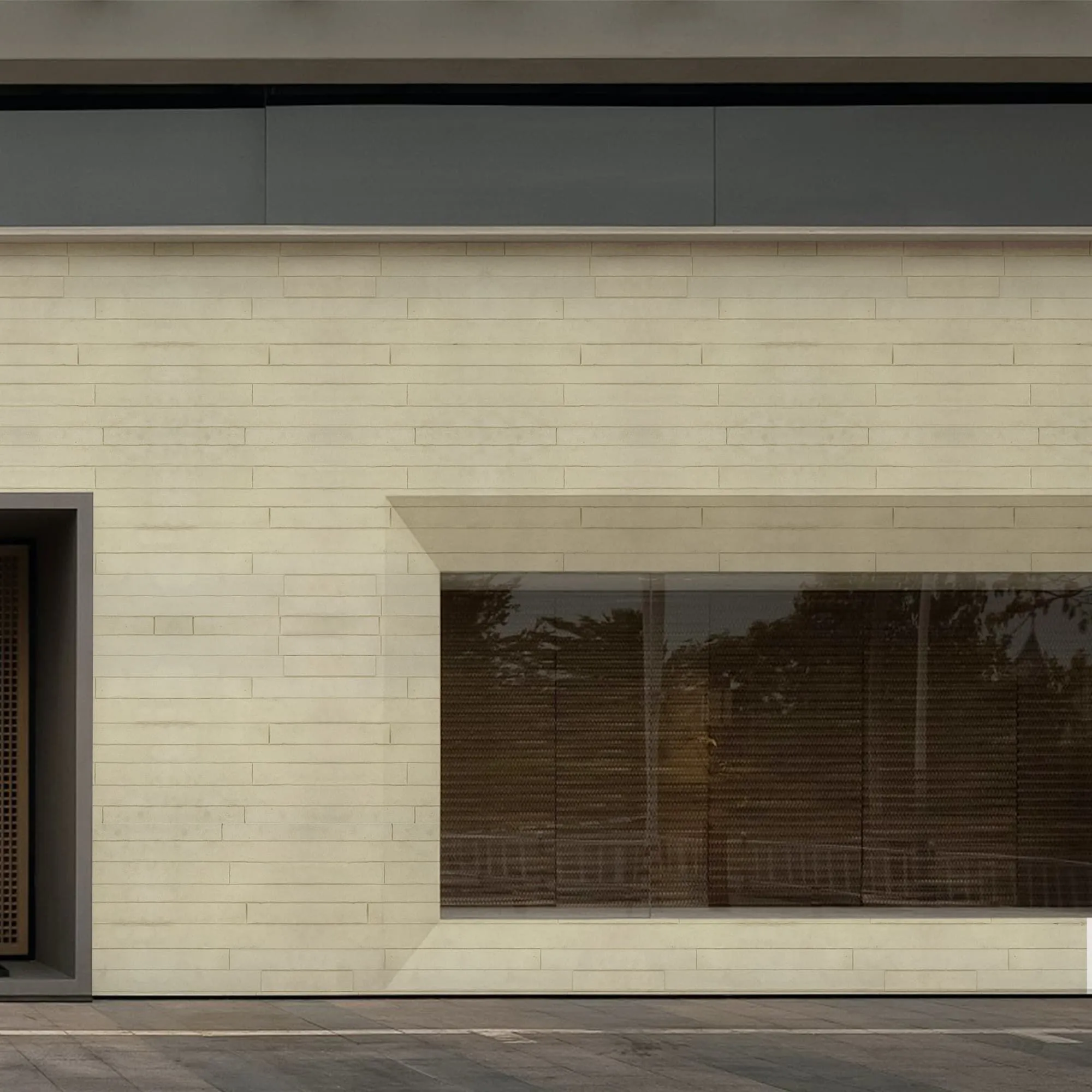
COLORIA GROUP offers a versatile portfolio of MCM products, each designed to meet specific architectural demands while upholding our core principles of lightness, durability, and aesthetic excellence. Let's explore how our key series contribute to superior high-rise construction.
Imagine cladding a skyscraper with massive, seamless stone panels, achieving a look of monumental grandeur, but without the colossal weight that typically accompanies such designs. That's precisely what our MCM Big Slab Board Series delivers. These large-format panels are engineered to provide expansive, elegant surfaces with fewer joints, creating a more monolithic and sophisticated appearance.
The beauty of the MCM Big Slab Board Series lies in its ability to mimic the luxurious aesthetic of large natural stone slabs – marble, granite, travertine – but at a fraction of the weight. This weight reduction is transformative for high-rise applications:
Reduced Structural Load: Directly translates to less steel and concrete needed for the building frame and foundation, yielding substantial cost savings and a lighter overall structure.
Faster Installation: Large panels mean fewer pieces to install, significantly speeding up construction timelines. Their lighter weight also makes them easier and safer to handle at heights, reducing labor costs and safety risks.
Seamless Aesthetics: The larger dimensions minimize grout lines, creating a sleek, contemporary look that is highly sought after in modern high-rise architecture.
This series is perfect for grand facades, luxurious lobbies, and extensive interior wall applications where visual impact and structural efficiency are paramount.
For high-rise projects, consistency, reliability, and adaptability are key. The MCM Project Board Series is our answer to these demands, offering a versatile range of MCM panels specifically designed for large-scale architectural projects, both interior and exterior. This series provides a robust, customizable solution that can be tailored to various design specifications and performance requirements.
The Project Board Series is lauded for its adaptability. Whether it's for exterior cladding that needs to withstand harsh weather conditions or interior finishes requiring specific fire ratings and acoustic properties, these boards can be manufactured to meet diverse project needs. Their inherent flexibility and workability mean they can be cut, shaped, and installed with relative ease, making them a contractor's dream.
Key advantages for high-rise construction include:
Engineered for Durability: Despite being lightweight, these boards are incredibly resilient, offering excellent resistance to UV, moisture, freeze-thaw cycles, and impact, ensuring longevity for towering structures exposed to varying elements.
Cost-Effectiveness: The efficiency in manufacturing, transportation, and installation of the Project Board Series translates into significant cost savings over the lifespan of a high-rise building, without compromising on quality or aesthetic appeal.
Customization: Available in a vast array of textures, colors, and finishes, including replications of natural stone, brick, wood, and even unique abstract patterns, allowing architects unparalleled freedom in design.
The MCM Project Board Series provides a reliable, high-performance solution for the multifaceted demands of any major high-rise development.
Innovation is at the heart of COLORIA GROUP, and our MCM 3D Printing Series stands as a testament to this commitment. This groundbreaking series takes the inherent benefits of MCM and combines them with the limitless possibilities of additive manufacturing. Imagine intricate, bespoke facade elements, unique textures, and complex geometries that were once impossible or prohibitively expensive to produce with traditional materials, now achievable with lightweight MCM.
For high-rise buildings, where distinguishing an iconic silhouette or creating a signature architectural statement is often desired, the MCM 3D Printing Series opens up a world of creative freedom:
Unprecedented Design Freedom: Architects can design highly complex and customized facade elements, decorative screens, unique patterns, and artistic features that are lightweight and robust. This allows for truly unique high-rise designs that stand out.
Optimized Performance: 3D printing allows for the creation of optimized structures that can be designed to specific performance requirements, such as enhanced thermal insulation or shading, all while maintaining a minimal weight.
Reduced Waste: Additive manufacturing inherently produces less material waste compared to subtractive methods, contributing to the overall sustainability goals of a high-rise project.
This series is ideal for projects that dare to be different, pushing the boundaries of architectural expression while adhering to the practical demands of high-rise construction.
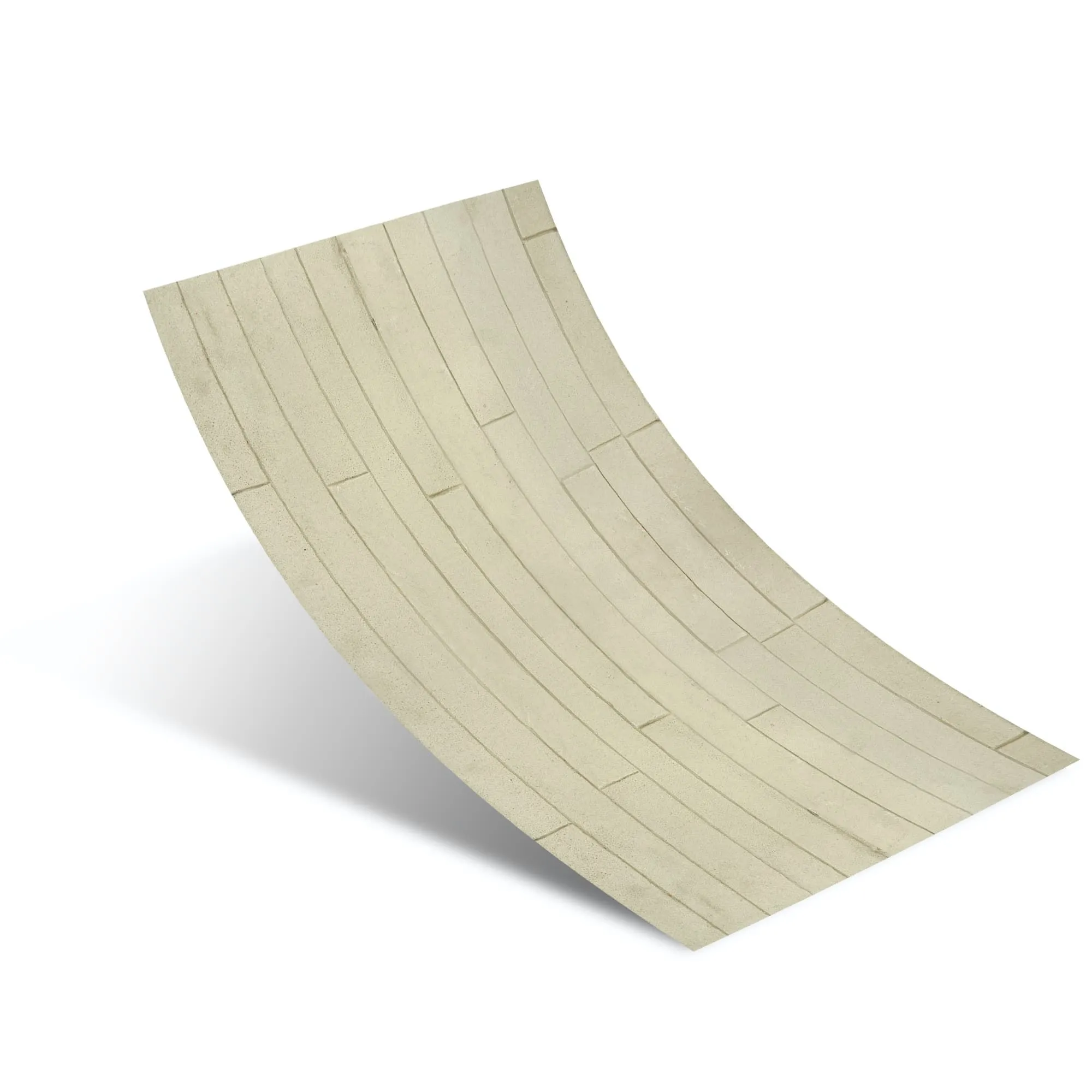
The allure of natural stone in high-rise design is undeniable, but its weight is its greatest drawback. Our MCM Flexible Stone series offers the ultimate solution: the authentic look and feel of natural stone – marble, slate, sandstone, granite – combined with the unparalleled lightness and flexibility of MCM. These sheets are incredibly thin and pliable, yet astonishingly durable.
The advantages of MCM Flexible Stone for high-rise buildings are profound:
Authentic Aesthetic, Minimal Weight: Achieve the sophisticated, timeless beauty of natural stone on facades and interior walls without the structural burden. This significantly reduces the dead load on the building.
Ease of Application, Even on Curves: Its flexibility allows for application on curved surfaces, columns, and intricate architectural details that would be impossible with rigid natural stone. This expands design possibilities dramatically for high-rise forms.
Crack and Impact Resistance: Unlike traditional stone, MCM Flexible Stone resists cracking and chipping, making it a more durable and lower-maintenance option for buildings exposed to harsh urban environments and high winds.
Rapid Installation: The lightweight nature and ease of cutting/handling of Flexible Stone lead to significantly faster installation times and reduced labor costs compared to traditional stone cladding.
MCM Flexible Stone is the perfect choice for architects and developers who want to bring the organic beauty of stone to their high-rise projects without compromising on structural integrity or project efficiency.
Let's dive deeper into how the lightweight nature of COLORIA GROUP's MCM materials translates into tangible benefits for high-rise construction, moving beyond mere numbers to real-world impacts.
The most direct impact of choosing lightweight MCM for a high-rise building is on its structural engineering. When facade materials are significantly lighter:
Reduced Dead Load: MCM can be anywhere from 1/6th to 1/10th the weight of natural stone or traditional concrete panels. This massive reduction in "dead load" (the constant weight of the building's structure and components) means the building's skeleton doesn't need to be as robust. We're talking less steel, smaller concrete columns and beams, and potentially fewer shear walls.
Smaller, Less Complex Foundations: A lighter overall structure directly translates to less load being transferred to the ground. This often allows for smaller, less deep, and less complex foundation systems. The savings here can be astronomical, as foundation work is notorious for being time-consuming and expensive, especially in challenging soil conditions.
Optimized Material Consumption: Less material in the structure means a more efficient use of resources. This not only reduces costs but also aligns perfectly with sustainable building practices, lowering the embodied carbon of the building significantly.
The construction process for a high-rise is a ballet of precision and coordination. Heavy materials often disrupt this flow, but MCM offers a smoother operation:
Simplified Transportation: Lighter materials mean more square meters can be transported per truckload. This reduces the number of trips, fuel consumption, and associated logistics costs and emissions.
Easier On-Site Handling: Manoeuvering heavy stone panels hundreds of feet in the air is dangerous and requires specialized, expensive heavy machinery. MCM panels can often be handled by smaller cranes or even manually by a few workers, especially for interior applications or smaller exterior panels. This improves safety and reduces equipment rental costs.
Faster Erection Times: The ease of handling and installation significantly reduces the time it takes to clad the building. Time is money in high-rise construction, and faster facade installation can shave weeks or even months off a project schedule, leading to earlier occupancy and revenue generation.
Reduced Labor Requirements: While skilled labor is always essential, the less strenuous nature of working with MCM can potentially reduce the overall labor hours required for installation, offering further cost efficiencies.
For buildings that soar into the sky, especially in seismic zones, safety is paramount. MCM contributes significantly to a safer building:
Lower Seismic Forces: As mentioned, lighter buildings experience lower inertial forces during an earthquake. This reduces the stress on the entire structural system, making the building more resilient and less prone to damage.
Improved Facade Stability: Lightweight cladding materials are less likely to detach and become dangerous projectiles during extreme events like earthquakes or severe windstorms. The inherent flexibility of MCM also allows it to better absorb and dissipate movement, further enhancing its performance under stress.
Reduced Risk During Installation: Lifting and securing lightweight panels at great heights is inherently safer than doing the same with heavy stone or concrete, reducing the risk of accidents for construction workers.
| Feature | Traditional Masonry (e.g., Natural Stone) | COLORIA GROUP MCM (Modified Cementitious Material) | Impact on High-Rise Construction |
|---|---|---|---|
| Weight | Very Heavy (e.g., 50-100 kg/m² for cladding) | Extremely Lightweight (e.g., 3-8 kg/m² for cladding) | Significantly reduces structural load, foundation requirements, and material handling costs. |
| Flexibility | Rigid, brittle, prone to cracking | Highly Flexible, resistant to cracking | Allows application on curved surfaces, better seismic performance, resists movement. |
| Installation Speed | Slow, requires heavy machinery and specialized labor | Fast, easier to handle, reduced labor and equipment needs | Shortens project timelines, lowers installation costs. |
| Design Versatility | Limited by stone slab sizes and weight | High (large slabs, 3D printing, flexible sheets) | Enables complex designs, large seamless facades, unique textures. |
| Sustainability | High embodied energy (quarrying, transport) | Lower embodied energy, often made with recycled content | Reduces carbon footprint, supports green building certifications. |
| Maintenance | Can require sealing, cleaning; prone to staining | Low maintenance, weather-resistant, easy to clean | Lower operational costs over the building's lifespan. |
| Seismic Performance | Higher inertial forces, increased risk of damage | Lower inertial forces, enhanced resilience | Increased safety and structural integrity in seismic zones. |
Comparative Analysis: Traditional Masonry vs. COLORIA GROUP MCM
It's clear that the weight advantage of MCM is not just a minor improvement; it's a fundamental shift that redefines how high-rise buildings can be designed, constructed, and perform over their lifetime.
While the lightweight nature of MCM is a primary driver for its adoption in high-rise projects, the advantages don't stop there. COLORIA GROUP's MCM products offer a holistic suite of benefits that address critical aspects of modern building design and performance.
High-rise buildings are exposed to some of the harshest environmental conditions – intense UV radiation, extreme temperature fluctuations, high winds, and driving rain. MCM is engineered to withstand these challenges:
Superior Weather Resistance: Our MCM materials are highly resistant to moisture absorption, freeze-thaw cycles, and UV degradation, ensuring that the facade retains its integrity and aesthetic appeal for decades without significant fading or deterioration.
Impact Resistance: Despite its flexibility and lightness, MCM exhibits excellent impact resistance, making it suitable for facades that might encounter accidental impacts or require resilience against hail and other environmental stressors.
Low Maintenance: The inherent durability and non-porous nature of MCM mean that these facades require minimal cleaning and maintenance, reducing operational costs over the building's lifespan – a significant consideration for towering structures where maintenance access can be complex and expensive.
MCM is not just a functional material; it's an artist's palette. Its ability to replicate an astonishing range of textures and finishes, combined with its flexibility, allows architects to realize visions previously constrained by material limitations:
Realistic Replication: From the veining of marble to the granular texture of sandstone, the weathered look of brick, or the natural grain of wood, MCM can authentically reproduce the aesthetics of countless traditional materials without their drawbacks.
Customization Galore: Beyond replication, MCM can be customized in terms of color, texture, and even pattern. This is particularly evident in our MCM 3D Printing Series, which allows for intricate, bespoke designs and complex geometries to create truly unique architectural statements on a high-rise facade.
Seamless Integration: The flexibility of materials like MCM Flexible Stone allows for cladding curved walls, columns, and other complex architectural forms, ensuring a continuous and harmonious design flow across the entire building envelope.
As the world moves towards more sustainable construction practices, COLORIA GROUP's MCM products stand out as an environmentally responsible choice:
Reduced Material Consumption: As discussed, a lighter facade means a lighter structure overall, reducing the need for steel, concrete, and other raw materials in the building's core.
Lower Embodied Energy: The manufacturing process for MCM typically consumes less energy than quarrying and processing natural stone. Furthermore, the reduced weight translates to lower energy consumption for transportation.
Recyclable Components: MCM is often composed of natural mineral powders and polymers that can be recycled or are produced from recycled content, contributing to a circular economy in construction.
Improved Thermal Performance: Many MCM systems can be integrated with insulation layers to enhance the building's thermal envelope, leading to reduced energy consumption for heating and cooling – a critical factor for large high-rise buildings.
COLORIA GROUP is not just providing a product; we are offering a future-proof solution that aligns with the highest standards of architectural design, structural engineering, and environmental stewardship. Our expertise, honed over decades, and our global presence, including our dedicated agency in Saudi Arabia, ensure that these advanced materials are accessible and supported wherever ambitious projects rise.
Choosing the right materials for a high-rise building is a complex decision, fraught with technical, aesthetic, and logistical considerations. This is where COLORIA GROUP truly shines as a partner. We don't just supply products; we offer a comprehensive "one-stop solution" approach that supports your project from concept to completion.
Our commitment begins with understanding your unique project requirements. Whether you're an architect envisioning a groundbreaking design, a developer focused on efficiency and cost-effectiveness, or a contractor seeking reliable and easy-to-install materials, we tailor our solutions to your needs. Our team, backed by decades of industry experience, provides expert consultation to guide you through the selection process, ensuring you choose the ideal MCM product from our diverse range – be it the expansive MCM Big Slab Board Series for grand facades, the versatile MCM Project Board Series for robust performance, the innovative MCM 3D Printing Series for bespoke artistry, or the authentic beauty of MCM Flexible Stone for seamless elegance.
We understand that building a high-rise is a monumental undertaking, and every detail matters. Our global operations and strategic partnerships, like our dedicated agency in Saudi Arabia, ensure that our high-quality materials and expert support are readily available across diverse markets. We pride ourselves on reliability, consistency, and a deep understanding of local and international building codes and standards.
Furthermore, COLORIA GROUP's emphasis on customization means that your high-rise project can truly stand out. We work closely with designers to achieve precise color matching, unique textures, and custom dimensions, ensuring that the finished facade perfectly embodies the architectural vision. Our materials are not only designed for immediate impact but also for long-term performance, offering exceptional durability and minimal maintenance, which translates into lower lifecycle costs for your high-rise investment.
In essence, partnering with COLORIA GROUP means:
Access to Cutting-Edge Materials: Leverage the latest in material science with our advanced MCM technology.
Expert Guidance: Benefit from our extensive experience and technical knowledge in architectural materials.
Tailored Solutions: Products and services customized to your project's specific aesthetic, technical, and budgetary needs.
Seamless Project Execution: From specification to supply, our one-stop approach streamlines the process.
Global Reach, Local Support: Expertise delivered worldwide, with local support channels like our agency in Saudi Arabia.
We are not just selling a product; we are providing a partnership that empowers you to build higher, safer, more sustainably, and with unparalleled aesthetic brilliance. Let COLORIA GROUP be the foundation of your next architectural masterpiece.
As urban populations continue to grow and land becomes scarcer, the necessity for high-rise development will only intensify. The demands on these structures – to be taller, more efficient, more sustainable, and more iconic – will continue to push the boundaries of material science and construction techniques. In this evolving landscape, materials like COLORIA GROUP's MCM are not just an alternative; they are becoming an imperative.
Imagine a future where high-rise buildings are not just strong but inherently lighter, requiring less raw material for their core structure. Imagine facades that mimic the most luxurious natural stones or feature intricate 3D-printed patterns, all without adding significant stress to the building's foundations or increasing seismic vulnerability. Imagine construction timelines shortened, labor costs reduced, and project risks mitigated simply by choosing smarter, lighter cladding solutions.
This future is not a distant dream; it's a reality being built today with MCM. From the structural engineer who can optimize load-bearing elements to the architect freed from the constraints of heavy materials, and the developer who sees significant cost and time efficiencies, MCM offers advantages across the entire spectrum of high-rise construction.
The beauty of MCM lies in its versatility. It's not just a lightweight alternative; it's a high-performance material that addresses multiple challenges simultaneously. It stands as a testament to how innovation in building materials can fundamentally transform urban development, allowing us to build structures that are not only aesthetically striking but also fundamentally more resilient, sustainable, and efficient.
COLORIA GROUP is proud to be at the forefront of this revolution. With our deep industry knowledge, global reach, and a commitment to providing one-stop solutions, we are empowering architects, developers, and contractors to build the next generation of high-rise buildings. We invite you to explore the possibilities that MCM offers and to partner with us in shaping the skylines of tomorrow, ensuring that these towering achievements are not just structurally sound but also elegantly lightweight and remarkably sustainable.
In the demanding world of high-rise construction, every decision carries significant weight – literally and figuratively. The choice of masonry for a towering structure is a critical factor influencing everything from structural integrity and cost to safety and aesthetic appeal. Traditional heavy materials, while possessing undeniable charm, often introduce complexities and expenses that can challenge even the most ambitious projects.
COLORIA GROUP's MCM (Modified Cementitious Material) offers a transformative solution, redefining what's possible for high-rise facades. Our product series, including the expansive MCM Big Slab Board Series , the versatile MCM Project Board Series , the innovative MCM 3D Printing Series , and the elegant MCM Flexible Stone , collectively provide an unparalleled range of options that cater to the diverse needs of modern high-rise architecture. Each series leverages the inherent lightweight nature of MCM, directly addressing the core challenge of weight considerations while simultaneously delivering on durability, aesthetic freedom, and sustainability.
By choosing COLORIA GROUP MCM, you're not just selecting a building material; you're adopting a smart, efficient, and forward-thinking approach to construction. You're opting for reduced structural loads, lower foundation costs, accelerated installation times, enhanced seismic performance, and a significantly smaller environmental footprint. You're choosing a material that allows architects to design with boundless creativity, free from the heavy constraints of the past.
As a global leader and one-stop solution provider in architectural materials, with decades of experience and a strong presence in markets like Saudi Arabia, COLORIA GROUP is uniquely positioned to be your trusted partner. We are committed to providing not just high-quality products, but comprehensive support that ensures your high-rise project achieves its full potential. Build smarter, build lighter, and build the future with COLORIA GROUP MCM.
Recommend Products











