
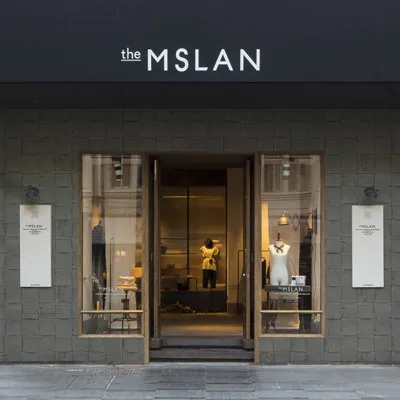
Saudi Arabia's construction scene is booming—think futuristic megaprojects like NEOM, towering commercial hubs in Riyadh, and luxury resorts along the Red Sea coast. But behind every iconic building lies a critical choice: the materials that bring architects' visions to life. For developers and designers here, it's never just about looks; it's about durability in scorching heat, adaptability to bold designs, and alignment with the kingdom's growing focus on sustainable building. That's where COLORIA GROUP steps in. As a one-stop building materials provider with deep roots in the Saudi market, they've tailored their MCM (Modified Cementitious Material) products to meet the unique demands of local projects. Let's dive into the standout MCM solutions that are making waves in Saudi construction right now.
Saudi Arabia's climate is no joke—temperatures soar above 45°C in summer, sandstorms test material resilience, and coastal areas like Jeddah face salty humidity. Traditional building materials often struggle here: natural stone is heavy and prone to cracking, while synthetic cladding can fade or warp under intense sunlight. Enter MCM products: a modified cementitious material that's lightweight, flexible, and built to withstand harsh conditions. What really sets them apart, though, is their ability to blend functionality with artistry—perfect for projects that aim to merge modernity with Saudi Arabia's rich cultural heritage. Let's break down the top picks for local builders.
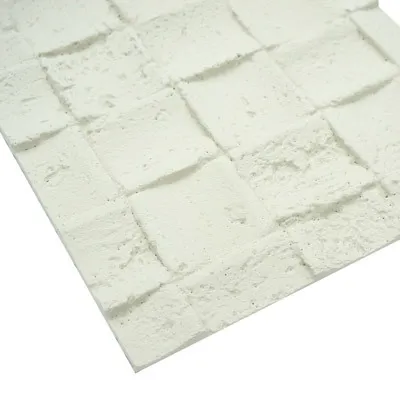
Imagine a material that bends like fabric but stands up to Saudi sandstorms—that's MCM Flexible Stone in a nutshell. This series is a favorite for projects where curves, angles, or unconventional shapes are part of the design. Take the Wave Panel , for example. With its flowing, undulating texture, it's become a star in shopping malls and cultural centers across Riyadh and Dammam. Architects love it because it can wrap around rounded pillars or follow the organic lines of a building's facade without compromising structural integrity. In Jeddah's latest waterfront development, the Wave Panel was used to mimic the movement of ocean waves, creating a dynamic exterior that catches the light beautifully—even at midday when the sun is at its strongest.
But it's not just about looks. MCM Flexible Stone weighs up to 70% less than natural stone, which means easier installation and reduced structural load—critical for high-rise projects. And because it's made with eco-friendly, low-VOC materials, it aligns with Saudi Arabia's push for LEED-certified green buildings. For coastal projects, its resistance to saltwater corrosion is a game-changer; in Riyadh's desert climate, its UV-stable finish ensures colors stay vibrant for decades. It's no wonder developers are choosing it for everything from luxury hotel exteriors to public art installations.
Saudi Arabia's megaprojects demand one thing above all: uniqueness. Whether it's the futuristic NEOM city or a heritage-inspired museum in Riyadh, clients want buildings that tell a story. The MCM 3D Printing Series answers that call by turning architectural dreams into tangible panels. Using advanced 3D printing tech, COLORIA can create intricate patterns, textures, and even cultural motifs that reflect Saudi identity—think geometric designs inspired by traditional Najdi architecture or abstract representations of the desert landscape.
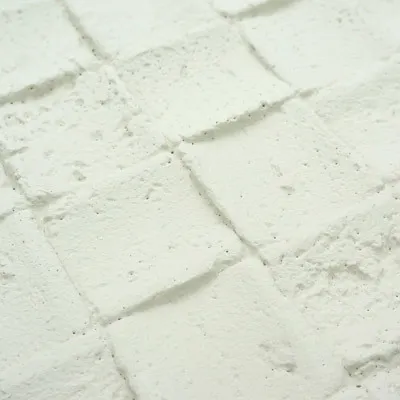
One standout application? The Starry Green Travertine finish, which mimics the look of natural travertine stone but with a twist: tiny, iridescent flecks that sparkle like stars in the night sky. A recent project in Riyadh's King Abdullah Financial District used 3D-printed Starry Green Travertine panels for a corporate headquarters, combining the warmth of natural stone with a modern, otherworldly glow. The best part? 3D printing cuts production time by up to 40% compared to traditional carving, making it ideal for tight project deadlines—something Saudi's fast-tracked developments often require.
When you're constructing a sprawling complex like a university campus or a mega-mall, efficiency is key. The MCM Project Board Series is engineered specifically for large-scale builds, where speed, consistency, and cost-effectiveness matter most. These panels come in standardized sizes but can be customized to fit project specs, reducing waste and streamlining installation. In Riyadh's new airport expansion, for instance, contractors used Project Board panels to clad over 50,000 square meters of exterior walls—completing the job three weeks ahead of schedule thanks to the material's lightweight design and easy-to-install system.
But don't mistake efficiency for compromise. These boards are tough: they're fire-resistant, mold-proof, and tested to withstand Saudi's extreme temperature fluctuations. For coastal projects in Dammam, they're treated with a special anti-salt coating, ensuring they stay looking fresh even in humid conditions. And with a range of finishes—from the earthy tones of Travertine (Beige) to the sleek modernity of Fair-Faced Concrete —they adapt seamlessly to any architectural style, whether it's a minimalist office tower or a traditional-inspired hotel.
For projects that aim to make a visual impact—like the main facade of a convention center or a luxury residential tower—size matters. The MCM Big Slab Board Series delivers with panels up to 3 meters in length, creating a seamless, monolithic look that exudes grandeur. In Jeddah's new waterfront convention center, the designers chose Lunar Peak Golden big slabs to reflect the city's golden sunsets, turning the building into a glowing landmark each evening. Fewer seams mean less maintenance (no grout lines to clean or repair) and a cleaner, more modern aesthetic—exactly what developers want when aiming for that "wow" factor.
Despite their size, these slabs are surprisingly lightweight, which reduces the need for heavy structural support and cuts down on construction costs. They're also highly customizable: whether you're after the rugged texture of Pine Bark Board for a desert resort or the smooth elegance of Marble Veil White for a high-end hotel lobby, the Big Slab Series delivers. It's no wonder it's become a top choice for Saudi's most ambitious architectural statements.
| Product Series | Key Advantage for Saudi Projects | Top Finish Choices | Best For |
|---|---|---|---|
| MCM Flexible Stone | Bends to fit curved/complex surfaces; saltwater-resistant | Wave Panel, Starry Green Travertine | Curved facades, coastal projects, cultural centers |
| MCM 3D Printing Series | Custom cultural motifs; fast production | Starry Red Travertine, Ando Cement (Dark Grey) | Art installations, corporate headquarters |
| MCM Project Board Series | Standardized sizes for large-scale efficiency | Fair-Faced Concrete, Travertine (Beige) | Airports, universities, shopping malls |
| MCM Big Slab Board Series | Seamless, grand aesthetic; lightweight for tall buildings | Lunar Peak Golden, Granite Portoro | Convention centers, luxury towers, landmarks |
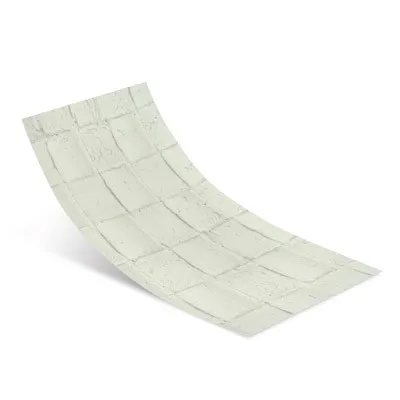
Saudi Arabia's Vision 2030 isn't just about economic growth—it's also about building a more sustainable future. Green building certifications like LEED and Estidama are becoming increasingly important for developers, and MCM products are rising to the challenge. All COLORIA MCM products are made with recycled materials and low embodied carbon, reducing their environmental footprint. The flexible stone, for example, uses 30% recycled cement, while the 3D printing process minimizes waste by only using the exact amount of material needed.
For projects aiming for LEED points, MCM's energy efficiency is a boon too. Their thermal insulation properties help reduce indoor cooling costs—critical in a country where air conditioning accounts for up to 70% of building energy use. In Riyadh's new eco-friendly residential complex, the use of MCM Flexible Stone cladding helped the project achieve LEED Gold certification, thanks to its energy-saving benefits and sustainable manufacturing process. It's a win-win: builders get a durable, beautiful material, and the planet gets a little greener.
What really makes COLORIA a trusted partner for Saudi projects isn't just their products—it's their local expertise. With a dedicated agency in Saudi Arabia, they understand the nuances of the market: from navigating local regulations to adapting designs to cultural preferences. Their team of engineers and designers works closely with clients from concept to completion, offering custom solutions that align with both project goals and local conditions. Whether you're building a mosque that requires traditional geometric patterns or a tech hub that needs cutting-edge 3D-printed facades, they've got the local knowledge to make it happen.
Take, for example, a recent project in Medina: a heritage museum that needed to blend modern construction with traditional Najdi architectural elements. COLORIA's team used MCM 3D Printing Series to recreate historic stone carvings in lightweight panels, ensuring the building honored its cultural roots while meeting modern safety standards. It's this combination of global innovation and local insight that makes them a go-to for Saudi's most prestigious builds.
Saudi Arabia's construction landscape is evolving fast, and MCM products are leading the charge—offering the durability to withstand the elements, the flexibility to bring bold designs to life, and the sustainability to align with Vision 2030. Whether you're working on a mega-project in Riyadh, a coastal resort in Jeddah, or a cultural center in Medina, COLORIA's MCM series has a solution that fits. From the design freedom of Flexible Stone to the efficiency of Project Boards, these materials are more than just building products—they're tools to create buildings that inspire, endure, and reflect the best of Saudi Arabia's past and future.
So, if you're ready to take your project to the next level, it's time to explore what MCM can do. With COLORIA's local support and global expertise, the possibilities are as limitless as the Saudi desert sky.
Recommend Products












