

In the world of modern architecture, where every line, texture, and surface tells a story, the choice of building materials has never been more critical. Designers and architects today seek materials that don't just serve a functional purpose but also evoke emotion, reflect brand identity, and transform spaces into experiences. Enter Big Slab Bali Stone —a material that marries the raw, organic beauty of natural stone with the precision and versatility of modern engineering. As part of the broader MCM flexible stone family, it stands out as a game-changer, redefining how we think about scale, texture, and visual drama in contemporary design.
Imagine walking into a luxury resort lobby, and your gaze is immediately drawn to a wall that stretches from floor to ceiling—a seamless expanse of warm, earthy tones, with soft veining that mimics the gentle flow of a Bali river. That's the magic of Big Slab Bali Stone. Inspired by the lush landscapes and cultural richness of Bali, this material captures the essence of tropical serenity while packing the durability needed for high-traffic commercial and residential spaces.
What sets it apart? Start with its size. Traditional stone slabs often max out at 3-4 feet in width, leaving behind unsightly grout lines that break up the visual flow. Big Slab Bali Stone, however, comes in large-format panels—sometimes as wide as 6 feet or more—creating uninterrupted surfaces that feel expansive and intentional. This "less is more" approach to joints aligns perfectly with modern design's love for clean lines and minimalism, making spaces feel larger, brighter, and more cohesive.
But size is just the beginning. Big Slab Bali Stone's texture is a study in balance: not too rough to feel unrefined, not too smooth to lack character. Run your hand over it, and you'll notice subtle, natural variations—tiny pits that echo the weathered surfaces of Bali's ancient temples, or soft ridges that recall the island's windswept coastlines. These details aren't just aesthetic; they add depth, making the material feel alive, as if it has a story to tell.
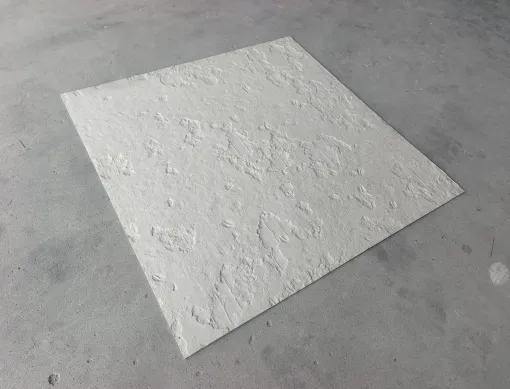
What truly makes Big Slab Bali Stone a standout is its roots in MCM flexible stone technology. Unlike traditional natural stone, which is heavy, brittle, and hard to install on curved or uneven surfaces, MCM (Modified Composite Material) products are engineered to be lightweight and flexible. This means Big Slab Bali Stone can bend slightly without cracking, adapting to curved walls, rounded columns, or even custom architectural details that would be impossible with rigid materials.
For architects, this flexibility is a dream come true. Imagine designing a boutique hotel with a sweeping, curved facade—Big Slab Bali Stone can wrap around that curve seamlessly, maintaining its visual continuity. Or picture a residential living room with a vaulted ceiling; instead of breaking the stone into small, awkward pieces, you can cover the entire surface in one or two large slabs, turning the ceiling into a focal point rather than an afterthought. This adaptability opens up a world of design possibilities, letting creativity take the lead over material limitations.
Durability is another key advantage. Big Slab Bali Stone is resistant to scratches, stains, and fading, even when exposed to harsh sunlight or heavy foot traffic. It's also moisture-resistant, making it ideal for bathrooms, kitchens, or outdoor patios—spaces where traditional stone might warp or degrade over time. And because it's lightweight (up to 70% lighter than natural stone), it reduces the structural load on buildings, cutting down on construction costs and making it easier to install in both new builds and renovations.
Great design is rarely about a single material—it's about how materials interact, contrast, and complement each other. Big Slab Bali Stone plays well with others, and when paired with complementary MCM products, it can elevate a space from "nice" to "unforgettable." Let's explore a few pairings that designers are loving right now:
Big Slab Bali Stone's warm, terracotta and beige undertones create a cozy, inviting base—but sometimes, you need a pop of contrast to make a statement. Enter travertine (starry green) . With its deep, moody green hue and subtle, star-like flecks of shimmer, this stone adds a touch of the exotic, like a hidden jungle oasis within a modern space. Imagine a restaurant where the main dining area walls are clad in Big Slab Bali Stone, and the bar backdrop is a feature wall of starry green travertine—the warm earthiness of the Bali stone grounds the space, while the green adds drama and intrigue, making guests feel like they've stepped into a curated, multi-sensory experience.
For projects that lean into contemporary minimalism, pairing Big Slab Bali Stone with lunar peak silvery is a match made in design heaven. Lunar peak silvery offers a sleek, metallic finish—cool, smooth, and futuristic—while Big Slab Bali Stone brings warmth and organic texture. Together, they create a balance of opposites: the soft, natural feel of the Bali stone tempers the silvery modernity, and the silvery sheen adds a touch of sophistication to the stone's earthiness. This pairing works beautifully in tech offices or high-end retail spaces, where the goal is to feel cutting-edge yet approachable.
Industrial design trends are all about mixing raw, utilitarian materials with softer elements, and Big Slab Bali Stone shines here too. Pair it with foamed aluminium alloy board (vintage silver) —a material with a weathered, almost retro-industrial look—and you get a space that feels both rugged and refined. The Bali stone's organic texture softens the alloy's metallic edge, while the alloy adds a hint of urban grit to the stone's tropical vibe. Think of a coffee shop with Bali stone tabletops and vintage silver alloy accents on the ceiling or walls: it's a space that feels lived-in, unique, and full of personality.
From grand commercial projects to intimate residential spaces, Big Slab Bali Stone adapts to almost any setting. Here are a few examples of how designers are using it to maximize visual impact:
First impressions matter, and Big Slab Bali Stone makes a bold one. A hotel in Bali's Seminyak district recently used the material for its entire facade, choosing large slabs in warm terracotta tones. The result? A building that blends into the island's natural landscape while standing out as a modern landmark. The lack of visible joints makes the facade look like a single, sculptural piece, and the stone's durability ensures it will withstand Bali's tropical rains and intense sun for years to come.
In residential design, feature walls are a way to add personality without overwhelming a space. A family in Sydney, Australia, used Big Slab Bali Stone in their open-concept living room, covering one entire wall from floor to ceiling. The stone's soft beige color and subtle veining complement the room's neutral furniture, while its texture adds visual interest. "It's the first thing people notice when they walk in," says the homeowner. "It feels warm and grounding, like bringing a piece of Bali into our home."
Outdoor spaces demand materials that can handle the elements, and Big Slab Bali Stone delivers. A resort in Phuket used it to clad their poolside cabanas, choosing a lighter, sand-colored slab that reflects sunlight and stays cool underfoot. The large format means no tripping over small tiles, and the stone's slip-resistant texture ensures safety even when wet. Guests love how the cabanas feel like an extension of the beach, with the stone's natural look blending seamlessly with the sand and sea.
To truly appreciate Big Slab Bali Stone's value, it helps to see how it compares to other popular materials. Here's a quick breakdown:
| Material | Visual Style | Durability | Flexibility | Best For |
|---|---|---|---|---|
| Big Slab Bali Stone | Warm, organic, natural stone look with minimal joints | High (scratch, stain, moisture-resistant) | High (flexible for curved surfaces) | Modern facades, feature walls, outdoor spaces |
| Traditional Natural Stone | Authentic, unique veining but with visible joints | High but brittle; prone to cracking | Low (rigid, hard to bend) | Heritage buildings, classic interiors |
| Lunar Peak Silvery | Sleek, metallic, futuristic | High (resistant to fading, corrosion) | Medium (can be shaped but less flexible than MCM) | Contemporary offices, retail accents |
| Foamed Aluminium Alloy (Vintage Silver) | Industrial, weathered, retro | High (lightweight, rust-resistant) | Medium (can be curved but heavy in large sizes) | Industrial-chic cafes, accent walls |
In an era where sustainability is non-negotiable, Big Slab Bali Stone checks another crucial box: it's eco-friendly. As part of the MCM family, it's made with a high percentage of recycled materials, reducing the need for quarrying raw stone and cutting down on waste. Its lightweight nature also lowers transportation emissions, and its durability means less frequent replacement—all of which make it a smart choice for green building projects aiming for LEED or BREEAM certifications.
Designers are increasingly prioritizing materials that align with their clients' sustainability goals, and Big Slab Bali Stone fits the bill. A recent office renovation in Singapore, for example, chose it for their lobby walls specifically because of its low environmental impact. "Our client wanted a space that looked luxurious but didn't cost the earth—literally," says the project's lead architect. "Big Slab Bali Stone gave us the high-end look we wanted, with the added bonus of knowing we were making a responsible choice."
At the end of the day, great design is about connection—between space and people, between form and function, between the past and the future. Big Slab Bali Stone excels at fostering these connections. It's a material that honors the natural world's beauty while embracing the innovation of modern engineering, a bridge between tradition and progress.
Whether you're designing a skyscraper facade, a boutique hotel, or a cozy home, Big Slab Bali Stone invites you to think bigger—to create spaces that don't just exist, but inspire. It's not just a building material; it's a tool for storytelling, a way to turn walls into canvases, and ordinary rooms into extraordinary experiences. In a world where design is more competitive than ever, that's the kind of impact that matters.
Recommend Products












