
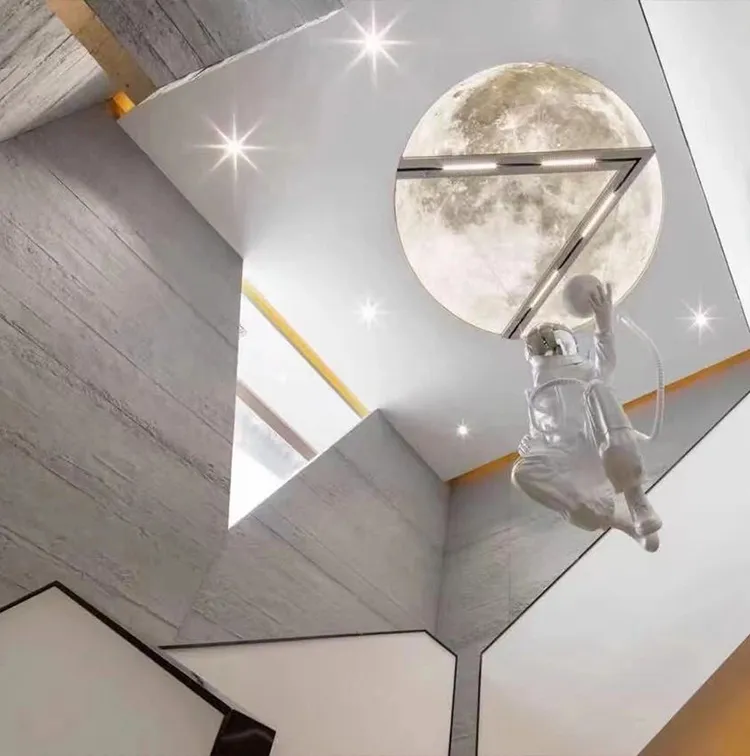
Walk into any modern airport, shopping mall, or corporate headquarters, and you'll notice something: the materials shaping these spaces aren't just functional—they're storytelling tools. They set the mood, reflect brand identity, and stand up to the chaos of thousands of daily visitors. In large-scale commercial projects, where every square foot matters, choosing the right building material can make or break a project's success. That's where big slab cement boards—especially innovations like the mcm big slab board series—step in, offering a blend of durability, design freedom, and practicality that traditional materials struggle to match. Let's dive into why these oversized panels are becoming the go-to choice for architects, contractors, and developers alike.
First things first: let's clarify what we're talking about. Big slab cement boards are exactly what they sound like—extra-large panels made from a mix of cement, reinforcing fibers, and modified composite material panels, designed to cover vast surfaces in fewer pieces. Unlike standard 4x8 ft drywall or concrete boards, these slabs can span 10 ft, 12 ft, or even larger, depending on the project's needs. Think of them as the "wide-format printers" of the construction world: fewer seams, more impact, and a canvas that lets designs breathe.
But they're not just bigger versions of regular cement boards. The mcm big slab board series, for example, often incorporates lightweight flexible stone sheets and advanced composites, making them stronger, lighter, and more adaptable than traditional concrete. This combination of size and engineering is what makes them a game-changer for large commercial builds.
Commercial spaces are tough environments. Imagine an airport terminal where luggage carts scrape walls, spills happen daily, and humidity fluctuates with the weather. Or a shopping mall where strollers, high heels, and cleaning equipment put constant stress on floors and walls. Traditional materials—like painted drywall, brick, or even standard concrete—often show wear quickly: cracks, stains, chips, or water damage that require frequent repairs.
Why Big Slab Cement Boards Win Here:
Big slab cement boards are built to outlast the chaos. Their dense, fiber-reinforced core resists impact, so a stray luggage cart or dropped tool is unlikely to leave a mark. They're also inherently moisture-resistant, making them ideal for areas like food courts, restrooms, or outdoor walkways where spills or rain are common. And unlike wood or vinyl, they're fire-resistant—a critical safety feature for high-occupancy buildings. In fact, many big slab options meet or exceed ASTM E119 fire ratings, giving peace of mind in case of emergencies.
Compare that to fair-faced concrete, a popular traditional material known for its raw, industrial look. While fair-faced concrete has its merits, it's heavy, prone to cracking over time, and requires extensive on-site finishing. Big slab cement boards offer the same "raw concrete" aesthetic (or can be customized to mimic other textures, like stone or wood) but with none of the fragility. It's durability without the maintenance headache.
Commercial projects aren't just about function—they're about creating experiences. A hotel lobby should feel luxurious, a tech office should scream innovation, and a retail store should draw customers in with visual appeal. The problem with small, fragmented building materials (like tile or standard drywall) is that they break up surfaces with seams, limiting the impact of bold designs.
Big slab cement boards eliminate that barrier. With fewer joints, architects can create seamless walls, ceilings, or facades that feel expansive and intentional. Want a 30-ft accent wall in a corporate lobby with a marbled texture? No problem. Dreaming of a curved exterior for a museum that mimics natural stone? The flexibility of mcm flexible stone (often integrated into these slabs) makes it possible. These panels can be custom-colored, textured, or even printed on, opening up a world of possibilities—from sleek, modern minimalism to rustic, earthy vibes.
Take, for example, the trend toward "biophilic design," which brings nature into indoor spaces. Big slab cement boards can be textured to look like flowing water (think wave panel patterns) or rough-hewn stone, creating a connection to the outdoors without the weight or cost of real stone. And because they're prefabricated, the consistency of the finish is guaranteed—no more uneven coloring or mismatched tiles that ruin the illusion.
Let's talk logistics: in commercial construction, time is money. Every day a project is delayed, costs pile up—labor, equipment rentals, missed lease deadlines. Traditional materials often slow things down: cutting tile to fit, waiting for mortar to dry, or aligning dozens of small panels. Big slab cement boards flip the script by simplifying installation.
Thanks to prefabricated mcm panel systems, these slabs arrive on-site ready to install. They're lightweight (considering their size) compared to solid concrete, so fewer workers are needed to lift and position them. And with fewer seams to seal or grout, the process moves faster. For example, covering a 1,000 sq ft wall with standard 4x8 ft drywall would require 32 panels and 31 seams to finish. With 10x12 ft big slabs? Just 9 panels and 8 seams. That's hours (if not days) saved on cutting, fitting, and finishing.
| Installation Factor | Traditional Materials (e.g., Tile/Drywall) | Big Slab Cement Boards (mcm Series) |
|---|---|---|
| Number of panels for 1,000 sq ft | 32-40 panels (4x8 ft) | 8-10 panels (10x12 ft) |
| On-site cutting time | High (many small cuts) | Low (fewer, larger cuts) |
| Seam finishing time | High (grouting, taping, painting seams) | Low (fewer seams to seal) |
| Typical installation timeline (1,000 sq ft) | 3-4 days | 1-2 days |
Contractors love this efficiency. One project manager I spoke with recently mentioned using the mcm big slab board series for a 50,000 sq ft retail center. "We shaved two weeks off the schedule just by switching to big slabs," he said. "Fewer deliveries, fewer workers on-site, and the finished walls looked better than we'd hoped. The client was thrilled."
These days, "green building" isn't just a buzzword—it's a requirement. Developers and tenants alike are prioritizing materials that reduce environmental impact, from production to disposal. Big slab cement boards align with this trend in several ways:
For projects aiming for LEED certification or other green building standards, these factors add up. They're not just good for the planet—they're good for a project's reputation, too. Tenants are increasingly drawn to spaces that align with their sustainability values, and developers are taking note.
Let's address the elephant in the room: upfront costs. Yes, big slab cement boards often cost more per square foot than standard drywall or tile. But construction is about more than the initial price tag—it's about lifecycle costs. When you factor in installation speed, durability, and low maintenance, big slabs often come out ahead.
Case in Point: A Regional Airport Renovation
A few years back, a mid-sized airport opted for big slab cement boards in its terminal renovation. The upfront cost was 15% higher than traditional tile, but here's what happened next: Installation took 30% less time, so labor costs dropped. Over five years, there were zero repairs needed (compared to the previous tile walls, which required annual grout sealing and occasional tile replacement). By year three, the savings from reduced labor and maintenance had already offset the upfront difference. Today, the airport estimates the slabs will outlast the tile by 30+ years—saving hundreds of thousands in long-term costs.
Maintenance is another hidden cost saver. Unlike painted walls that need repainting every 2-3 years or wood panels that require sealing, big slab cement boards are low-maintenance. A quick wipe with a damp cloth is usually enough to clean them, and they resist stains, scratches, and fading. For busy commercial spaces, that means less downtime for repairs and more focus on the business at hand.
Still not convinced? Let's look at a few scenarios where big slab cement boards have made a tangible difference:
Shopping Malls: High foot traffic, frequent spills, and the need for a polished look make malls a perfect fit. Big slabs mean fewer seams to trap dirt, and their durability stands up to strollers, shopping carts, and the occasional dropped soda.
Office Lobbies: First impressions matter here. A seamless, textured big slab wall in a lobby communicates professionalism and modernity. Plus, the panels can be integrated with technology—like embedded lighting or digital displays—without compromising strength.
Hotels: From guest rooms to ballrooms, hotels need materials that feel luxurious but hold up to guests' wear and tear. Big slab cement boards can mimic marble, travertine, or even wood, giving a high-end look without the fragility of natural stone.
Educational Campuses: Schools and universities deal with rowdy students, heavy backpacks, and art projects gone wrong. Big slabs resist graffiti, dents, and water damage, making them ideal for hallways, cafeterias, and auditoriums.
Not all big slab cement boards are created equal. When selecting panels for your project, keep these factors in mind:
Large-scale commercial projects demand materials that can keep up with their ambition—and big slab cement boards deliver. They're durable enough to handle the chaos of daily life, beautiful enough to make spaces memorable, and practical enough to keep projects on time and on budget. Whether you're building a new mall, renovating an office tower, or designing a cultural center, these panels offer a versatility that traditional materials simply can't match.
As the construction industry continues to evolve, one thing is clear: the future belongs to materials that blend strength, sustainability, and design freedom. And in that future, big slab cement boards—especially innovative lines like the mcm big slab board series—are leading the way. They're not just building materials; they're partners in bringing bold, functional, and unforgettable commercial spaces to life.
Recommend Products












