
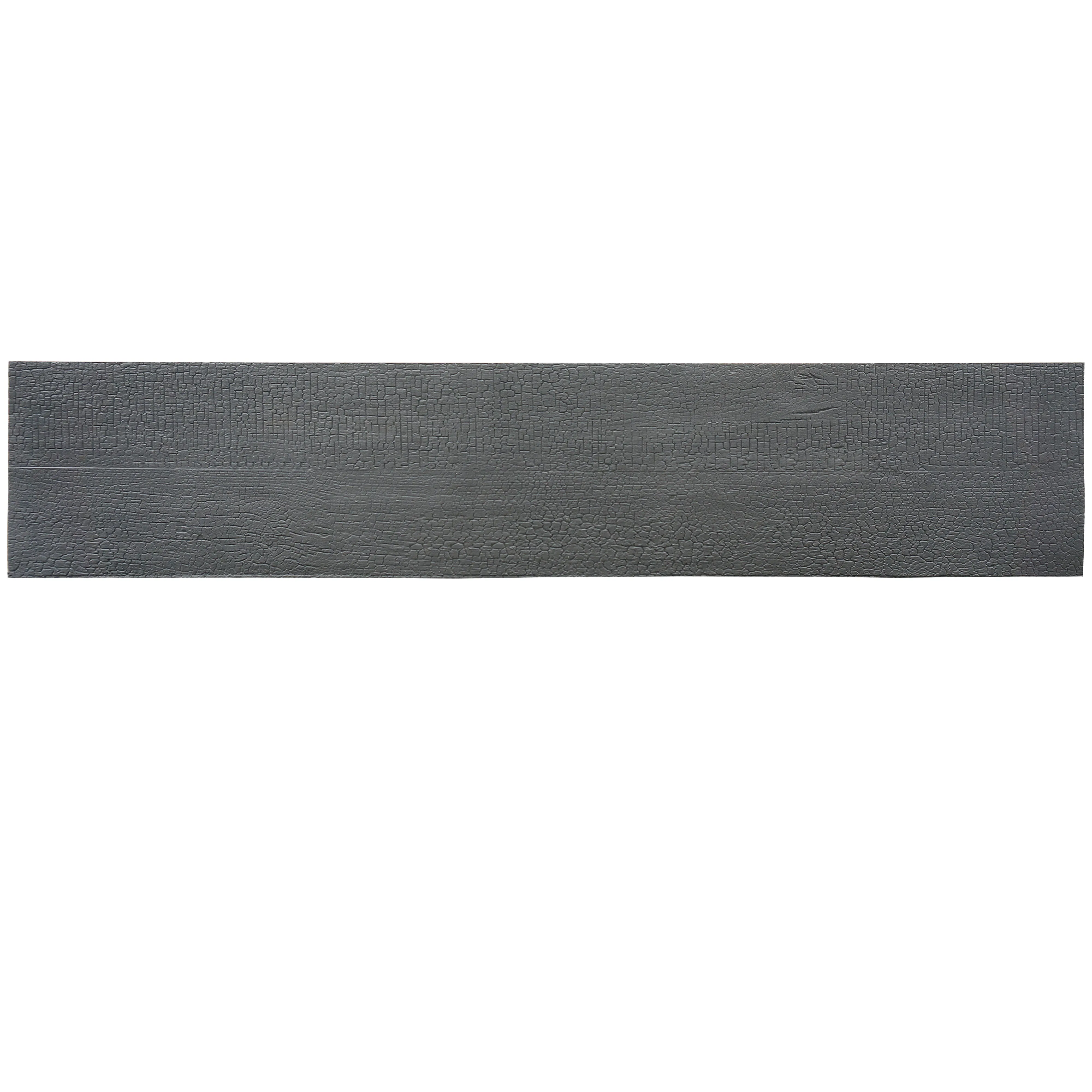
Large-scale construction projects—whether they're sprawling commercial complexes, luxury resorts, or urban mixed-use developments—come with a unique set of challenges. Architects and contractors often find themselves balancing competing priorities: creating a design that stands out, ensuring materials can withstand the test of time, keeping installation timelines on track, and staying within budget. In recent years, one material has emerged as a game-changer in this space: the Big Slab Charcoal Burnt Wood Board, part of the innovative mcm big slab board series . This isn't just another wood panel; it's a thoughtfully engineered solution that addresses the pain points of large-scale builds while adding an irreplaceable warmth and character that's hard to replicate with cold, industrial materials.
If you've ever walked through a newly built office park or a trendy retail district, you've probably noticed a common trend: many buildings feel… generic. Glass facades and concrete walls dominate, creating a sleek but often sterile environment. Clients and designers are increasingly craving materials that tell a story, that bring a sense of nature and history into modern spaces. That's where the Big Slab Charcoal Burnt Wood Board shines. Its distinct charred texture—achieved through a traditional Japanese technique known as shou sugi ban—adds depth and visual interest, turning ordinary walls and facades into focal points. But its appeal isn't just skin-deep. Let's dive into why this material is becoming a go-to choice for large-scale projects.
When you hear "charcoal burnt wood," you might picture a rustic cabin or a countryside barn. But the Big Slab Charcoal Burnt Wood Board defies that stereotype. Its design is surprisingly versatile, making it suitable for everything from ultra-modern high-rises to boutique hotels with a bohemian vibe. The key lies in its texture and finish options.
The charring process creates a spectrum of tones, from deep ebony blacks to warm amber undertones, depending on the intensity and duration of the burn. This variability means architects can customize the look to match their vision. For example, a tech company headquarters aiming for an edgy, industrial aesthetic might opt for a heavier char with bold, blackened grains, while a wellness retreat could choose a lighter burn that highlights the wood's natural knots and streaks, evoking a serene, forest-like atmosphere.
Another advantage? The large slab format itself. Unlike smaller wood planks that require multiple joints and seams, these big slabs (often available in sizes up to 1200x2400mm) create seamless surfaces that feel expansive and cohesive. This is especially valuable for large facades or ceiling installations, where breaks in the material can disrupt the visual flow. Imagine a hotel lobby with a 30-foot wall clad in these slabs—no unsightly gaps, just a continuous wave of textured wood that immediately draws the eye and sets a luxurious tone.
And let's not overlook compatibility with other materials. The Big Slab Charcoal Burnt Wood Board plays well with companions like flexible stone (another star in the MCM lineup) or even sleek metals, creating dynamic contrasts that elevate the overall design. It's not just a material; it's a design tool that gives architects the freedom to experiment without sacrificing functionality.
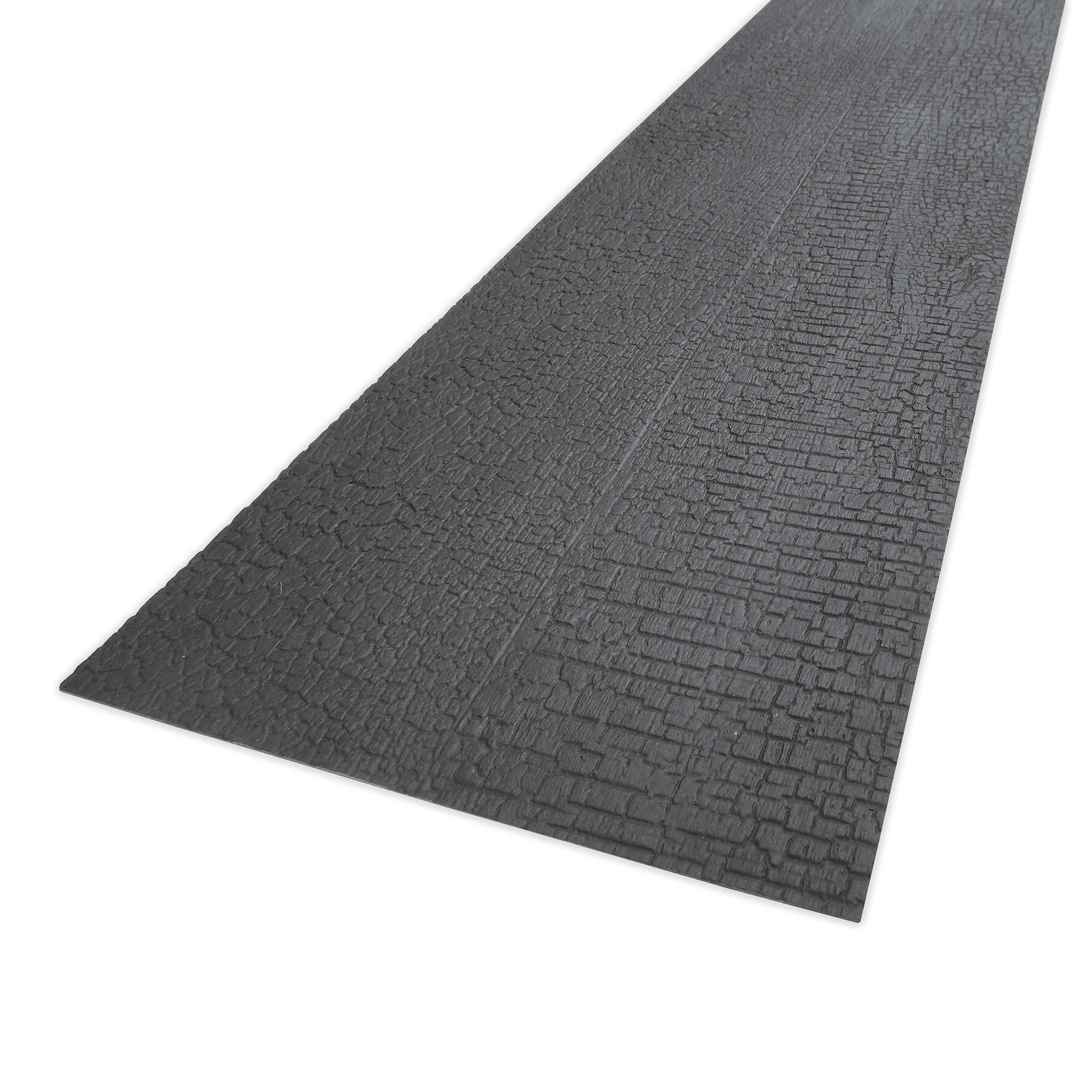
For large-scale projects, durability isn't a nice-to-have—it's a must. Materials used in facades, exterior cladding, or high-traffic interiors need to withstand rain, wind, UV rays, and even the occasional scuff or impact. Traditional wood products often fall short here, warping in humidity, rotting in rain, or fading under the sun. But the Big Slab Charcoal Burnt Wood Board is different.
The shou sugi ban charring process isn't just for looks; it's a centuries-old method of preserving wood. When wood is carefully burnt, the surface turns into a layer of carbon that acts as a natural barrier against moisture, insects, and fire. This means the boards are resistant to rot, mold, and termites—common issues that plague untreated wood in large installations. In fact, many manufacturers back these slabs with a 25-year warranty against decay, giving project managers peace of mind that their investment will last decades, not just years.
But durability isn't just about resistance to the elements. It's also about maintaining appearance over time. Unlike painted or stained wood, which can chip or fade, the charred finish on these boards is integral to the material. Even if the surface is scratched (a common concern in high-traffic areas like retail malls or airport lobbies), the damage is far less noticeable because the texture itself is already "imperfect" in the best way. This makes the boards low-maintenance, too—no need for frequent repainting or refinishing, which saves both time and money down the line.
Anyone who's worked on a large-scale project knows that time is money. Delays in installation can throw off entire schedules, leading to increased labor costs and unhappy clients. Traditional materials like natural stone or fair-faced concrete are notoriously heavy and cumbersome to install. Stone slabs require cranes and specialized equipment, while concrete often involves on-site mixing and curing, which is weather-dependent and slow.
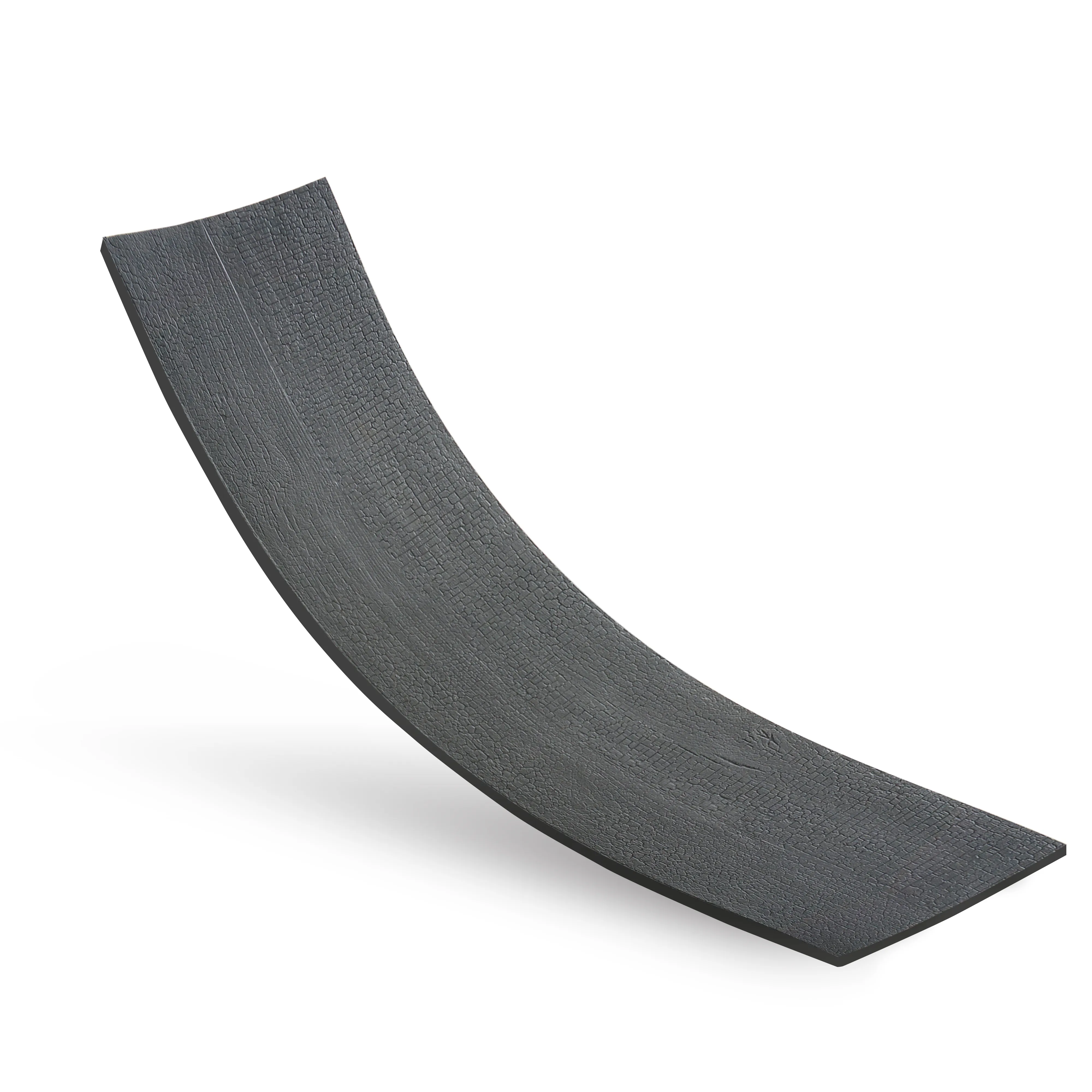
The Big Slab Charcoal Burnt Wood Board, by contrast, is designed with installation efficiency in mind. Despite its large size, it's surprisingly lightweight, thanks to a composite core that reduces weight without compromising strength. This means fewer workers are needed to handle each slab, and there's no need for heavy machinery—saving both time and labor costs. For example, a team of two or three installers can typically cover 100 square meters in a day, compared to half that with traditional stone or concrete panels.
Another time-saver? The boards are pre-finished and pre-cut to size at the factory. This eliminates the need for on-site cutting or sanding, which not only speeds up installation but also reduces waste and dust. Contractors can simply unload the slabs, align them with the mounting system, and secure them in place—no mess, no delays. And because the slabs are part of the mcm big slab board series , they're engineered to work seamlessly with MCM's proprietary mounting hardware, ensuring a secure, gap-free fit every time.
Case in point: A recent luxury hotel project in Dubai used over 5,000 square meters of Big Slab Charcoal Burnt Wood Board for its exterior facade. The contractor initially estimated the installation would take six weeks using traditional stone. With the wood slabs, the team finished in just three weeks, allowing the project to open ahead of schedule—a huge win for both the client and the construction firm.
Sustainability is no longer a buzzword in construction—it's a requirement. Clients, regulators, and the public are demanding materials that minimize environmental impact, from sourcing to disposal. The Big Slab Charcoal Burnt Wood Board checks this box, too.
First, the wood used in these boards is typically sourced from FSC-certified forests, ensuring that trees are harvested responsibly and ecosystems are protected. But the sustainability story doesn't end there. The charring process itself is eco-friendly: it requires no toxic chemicals or preservatives, unlike many treated woods that leach harmful substances into the environment. The low-VOC finish applied to the boards (to enhance durability) is also water-based, reducing indoor air pollution—a critical factor for projects like hospitals or schools where air quality is paramount.
Additionally, the lightweight nature of the boards reduces transportation emissions. A truck can carry far more wood slabs than heavy stone or concrete panels, meaning fewer trips to the construction site and a lower carbon footprint. And because the boards are long-lasting and low-maintenance, they need to be replaced less frequently, reducing waste over the building's lifecycle.
Compare this to fair-faced concrete , which has a notoriously high carbon footprint due to cement production (responsible for about 8% of global CO2 emissions). Or even other wood products that require constant refinishing with chemical-laden paints. The Big Slab Charcoal Burnt Wood Board proves that you don't have to sacrifice sustainability for aesthetics—or vice versa.
Let's talk numbers. At first glance, the Big Slab Charcoal Burnt Wood Board might seem pricier than budget materials like standard plywood or vinyl siding. But large-scale projects require thinking beyond the initial cost—you need to consider the total cost of ownership, including installation, maintenance, and replacement over time. When you crunch the numbers, this wood board often comes out ahead.
Installation costs are significantly lower, as we mentioned earlier, due to the lightweight design and pre-finished slabs. Labor is one of the biggest expenses in construction, so reducing installation time by 50% (as in the Dubai hotel example) can lead to substantial savings. Maintenance costs are also minimal: no repainting, no sealing, just an occasional cleaning with mild soap and water. Compare that to wood panels that need to be sanded and stained every 2-3 years, or concrete that cracks and requires patching. Over a 20-year period, the savings on maintenance alone can offset the higher upfront cost.
Then there's the value of aesthetics. A building with a striking, high-quality facade or interior can command higher rents, attract more customers, or increase property value. Clients are often willing to pay a premium for materials that make their project stand out, and the Big Slab Charcoal Burnt Wood Board delivers that "wow factor" that can set a development apart from its competitors.
To truly understand the benefits of the Big Slab Charcoal Burnt Wood Board, it helps to see how it compares to other popular materials in large-scale projects. Let's take a look at a few common alternatives:
| Material | Aesthetic Appeal | Durability | Installation Time | Maintenance Cost (20 Years) | Sustainability |
|---|---|---|---|---|---|
| Big Slab Charcoal Burnt Wood Board | High (warm, textured, customizable) | Excellent (25-year decay warranty, fire/moisture resistant) | Fast (lightweight, pre-cut slabs) | Low (occasional cleaning only) | High (FSC wood, low-VOC, low carbon footprint) |
| Fair-Faced Concrete | Medium (sleek but sterile, limited texture) | Good (resistant to weather, prone to cracking) | Slow (heavy, requires curing time) | Medium (patching cracks, sealing) | Low (high CO2 emissions from cement) |
| Bamboo Mat Board | Medium (natural, but less dramatic texture) | Moderate (susceptible to moisture damage) | Moderate (smaller panels, more joints) | Medium (sealing every 3-5 years) | Medium (fast-growing bamboo, but finishes may contain VOCs) |
As the table shows, the Big Slab Charcoal Burnt Wood Board outperforms alternatives in key areas like aesthetics, durability, and sustainability. While bamboo mat board is a popular eco-friendly option, it lacks the durability and visual impact of the charred wood slabs, making it better suited for smaller, low-traffic applications rather than large-scale facades or high-use interiors.
It's one thing to talk about benefits on paper, but it's another to see the material in action. Let's look at a few hypothetical (but realistic) examples of how the Big Slab Charcoal Burnt Wood Board has transformed large-scale projects:
A developer in Chicago wanted to revitalize a historic warehouse district into a mixed-use retail and dining hub. The goal was to preserve the area's industrial heritage while attracting modern businesses. The design team chose the Big Slab Charcoal Burnt Wood Board for the exterior facades of the new buildings, pairing it with exposed brick and large windows. The charred wood added warmth to the otherwise industrial space, creating a welcoming atmosphere that drew in both local shoppers and tourists. Installation was completed 4 weeks ahead of schedule, and lease rates for the units were 15% higher than comparable spaces in the area, thanks to the unique design.
A five-star resort in Bali needed a material for its spa interiors that would evoke a sense of calm and connection to nature. The Big Slab Charcoal Burnt Wood Board was used for the walls and ceilings of the treatment rooms, complementing the resort's lush, tropical surroundings. The slabs' natural texture and earthy tones helped create a serene, spa-like ambiance, while their moisture resistance ensured they could withstand the humid climate. Guests consistently rated the spa's design as "exceptional," and the resort saw a 20% increase in spa bookings after the renovation.
Large-scale projects are complex, with countless moving parts and decisions that impact everything from aesthetics to budget. The Big Slab Charcoal Burnt Wood Board, as part of the mcm big slab board series , isn't just another product on a supplier's list—it's a partner in the design process. It solves practical challenges (installation speed, durability, sustainability) while adding an emotional layer that resonates with people on a deeper level. In a world where so much of our built environment feels cold and impersonal, this material reminds us that architecture can—and should—have a soul.
Whether you're designing a skyscraper facade, a sprawling campus, or a boutique hotel, the Big Slab Charcoal Burnt Wood Board offers a rare combination of beauty, performance, and practicality. It's a material that works as hard as your team does, ensuring your project not only meets deadlines and budgets but also leaves a lasting impression. So the next time you're planning a large-scale build, consider this: why settle for ordinary when you can have extraordinary?
Recommend Products












