Let's break down the magic into tangible benefits—because great design isn't just about looking good; it's about working hard, too.
Aesthetic Versatility: From Beige Warmth to Starry Sparkle
Walk into a space clad in
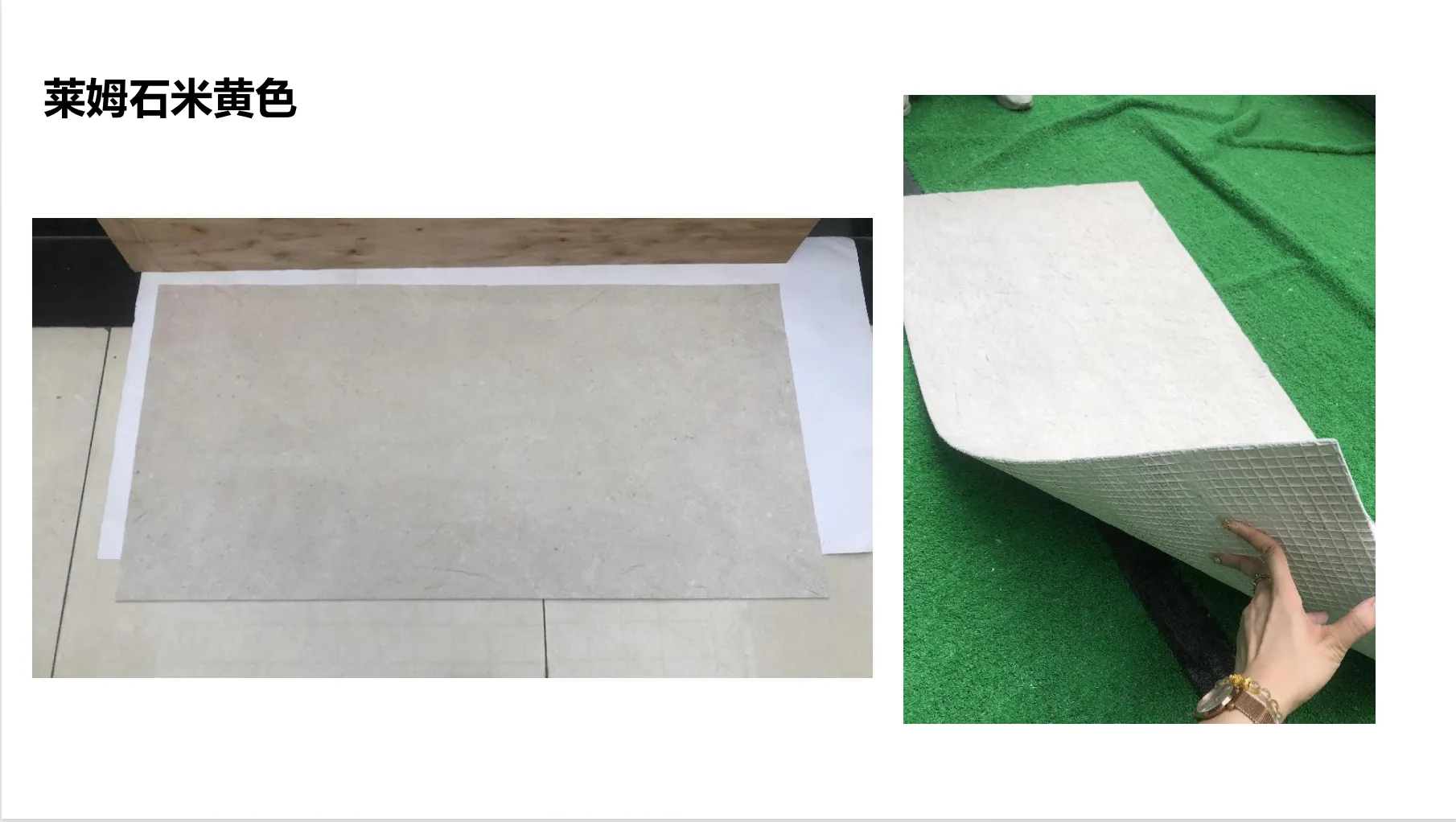
lime stone(beige)
, and you'll understand why neutrals never go out of style. Its soft, sandy hue isn't just "beige"—it's a chameleon. In morning light, it glows with the warmth of a desert sunrise; under evening lamps, it softens into a cozy, lived-in tone that feels like coming home. It pairs effortlessly with bold accents (think emerald green sofas or terracotta tiles) or other neutrals, making it a favorite for designers aiming for timeless elegance.
Then there's
travertine (starry green)
—nature's artistry, amplified. Picture a slab where creamy ivory is streaked with veins of deep, iridescent green, like someone scattered emerald dust across a moonlit meadow. The "starry" effect comes from tiny mineral inclusions that catch light, turning a static wall into a dynamic, ever-changing landscape. It's not just a material; it's a mood. In a restaurant, it might evoke the calm of a forest; in a boutique, it adds a touch of luxury that feels organic, not ostentatious.
And these are just two players in the MCM lineup. From the rustic charm of
flexible stone
(which bends to hug curved surfaces like a second skin) to the industrial edge of fair-faced concrete, MCM big slabs offer a palette as diverse as the architects who use them. Want a facade that looks like weathered wood? Done. A bathroom wall that mimics polished marble? Easy. The limit isn't the material—it's imagination.
Lightweight Durability: Strong Enough for the City, Gentle on Structures
Here's a fun fact: A standard 100-square-meter wall clad in natural limestone could weigh upwards of 2,500 kg. Swap that for MCM big slabs, and you're looking at just 500 kg—less than a quarter of the weight. For builders, this isn't just about easier installation (though fewer cranes and fewer workers never hurt). It's about safety and longevity. Lighter materials mean less stress on foundations, reducing the risk of cracks or structural wear over time. In earthquake-prone regions or high-rise construction, this can be a lifesaver.
But don't let the "lightweight" label fool you. These panels are tough. UV-resistant, waterproof, and scratch-proof, they stand up to the harshest of elements—blistering sun in Dubai, freezing rain in Oslo, salty sea air in coastal towns—without fading, warping, or chipping. Compare that to natural stone, which can etch or stain with time, or wood, which rots and fades. MCM big slabs don't just
look
good on day one; they stay that way for decades.
Sustainability: Building Green Without Sacrificing Beauty
Modern architecture isn't just about aesthetics—it's about responsibility. MCM big slabs check that box, too. Traditional stone mining is resource-intensive, often leaving scars on landscapes and consuming massive amounts of water. MCM production, by contrast, uses recycled minerals and low-VOC (volatile organic compound) binders, cutting down on waste and emissions. Many MCM panels are even recyclable at the end of their lifespan, closing the loop on sustainability.
Take
lime stone(beige)
again: its natural-inspired hue requires minimal dyeing, reducing chemical use, while its lightweight nature slashes transportation emissions. For developers aiming for LEED or BREEAM certifications, these details add up—proof that you can build beautifully
and
build green.